This individual is a guest contributor. MEI is not able to assist with contact requests.
Rebecca Anne Proctor is an independent journalist, editor, author, and broadcaster based in Dubai and Rome, from where she covers the Middle East and North Africa. She is the former editor-in-chief of Harper’s Bazaar Art and Harper’s Bazaar Interiors.
Artists Helen Zughaib and John Halaka join MEI’s Lyne Sneige in conversation on the MEI Art Gallery’s current exhibition, “Converging Lines: Tracing the Artistic Lineage of the Arab Diaspora in the U.S.” They discuss the exhibition’s themes of exile, memory formation, changing identities, and the state of in-betweenness that often accompanies migration.
من 31 أكتوبر/تشرين الأول إلى 12 نوفمبر/تشرين الثاني، يجتمع عشرات الآلاف من قادة العالم والمفاوضين والعلماء ورجال الأعمال والنشطاء والمراقبين في غلاسكو باسكتلندا لحضور مؤتمر الأمم المتحدة السادس والعشرين لتغير المناخ. تُعرف هذه الهيئة المميزة أيضًا باسم مؤتمر الأطراف (COP)، وهي تجتمع سنويًا لاتخاذ قرارات بشأن تنفيذ اتفاقية الأمم المتحدة الإطارية بشأن تغير المناخ (UNFCCC).
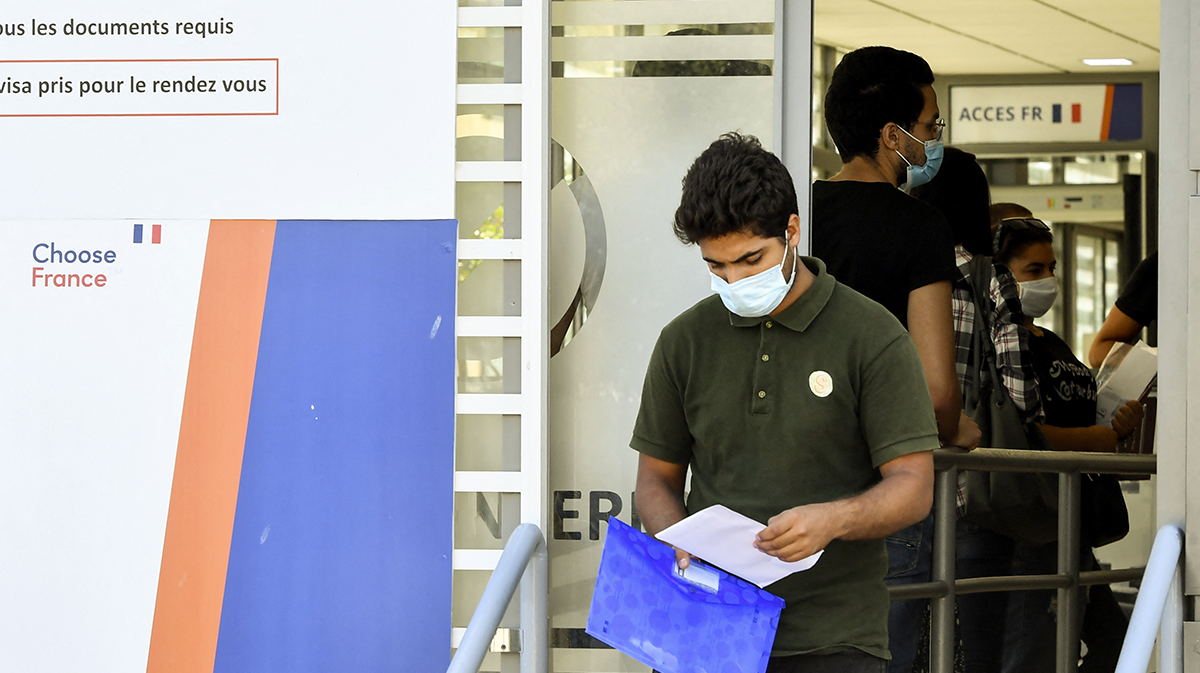
The thorny question of readmission in France-Maghreb migration talks
Readmission of irregular migrants has been a critical element in migration cooperation between France and Maghreb countries. In an attempt to increase its leverage, France recently decided to toughen its stance on migrant return by linking it more tightly to the country’s visa policy.
Notes on the Artistic Lineage of the Arab Diaspora in the U.S.
Converging Lines: Tracing the Artistic Lineage of the Arab Diaspora in the U.S. seeks to situate Arab and Arab American artists within the larger history of American art while emphasizing the rich history of cultural production that has come from the larger Arab American community.
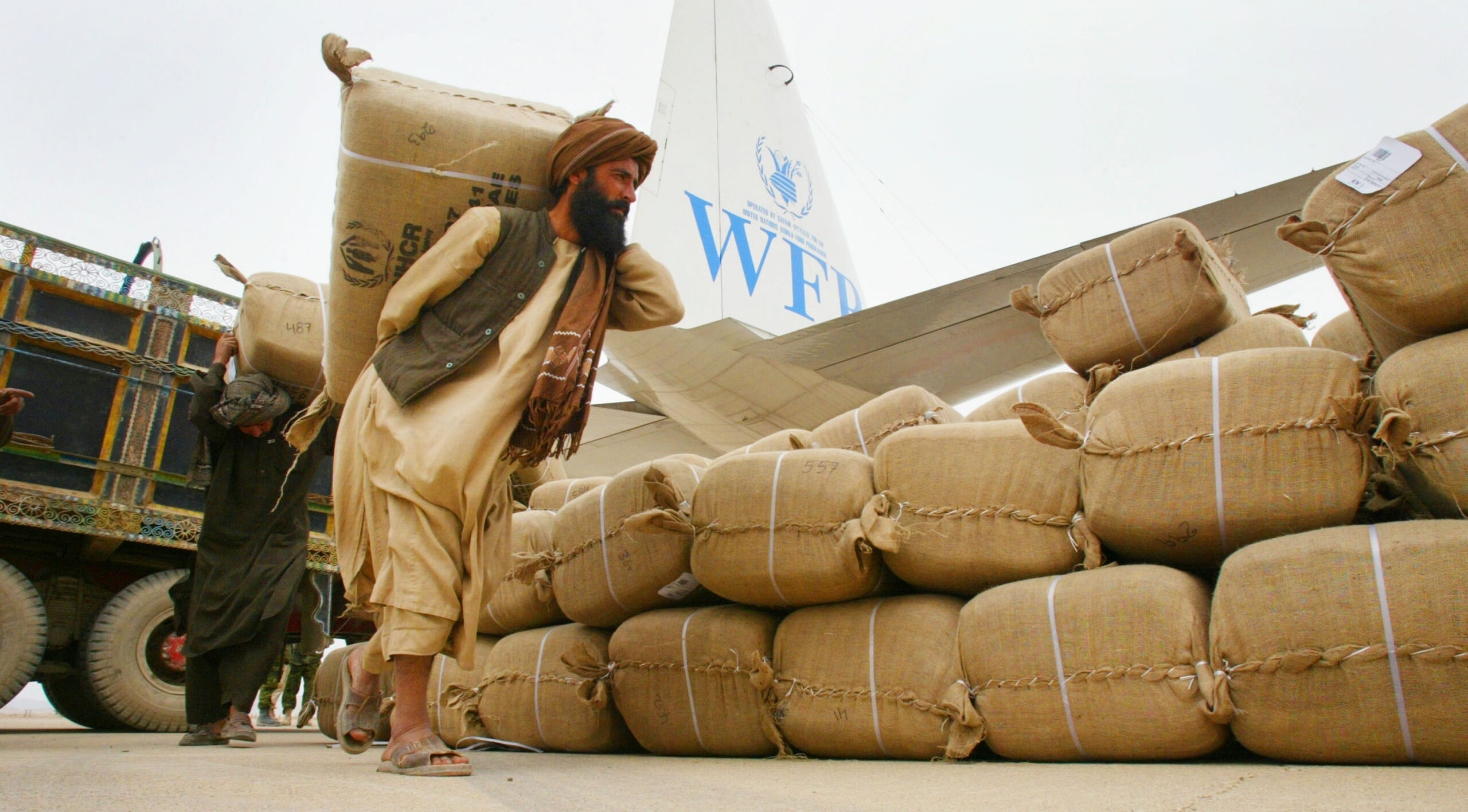
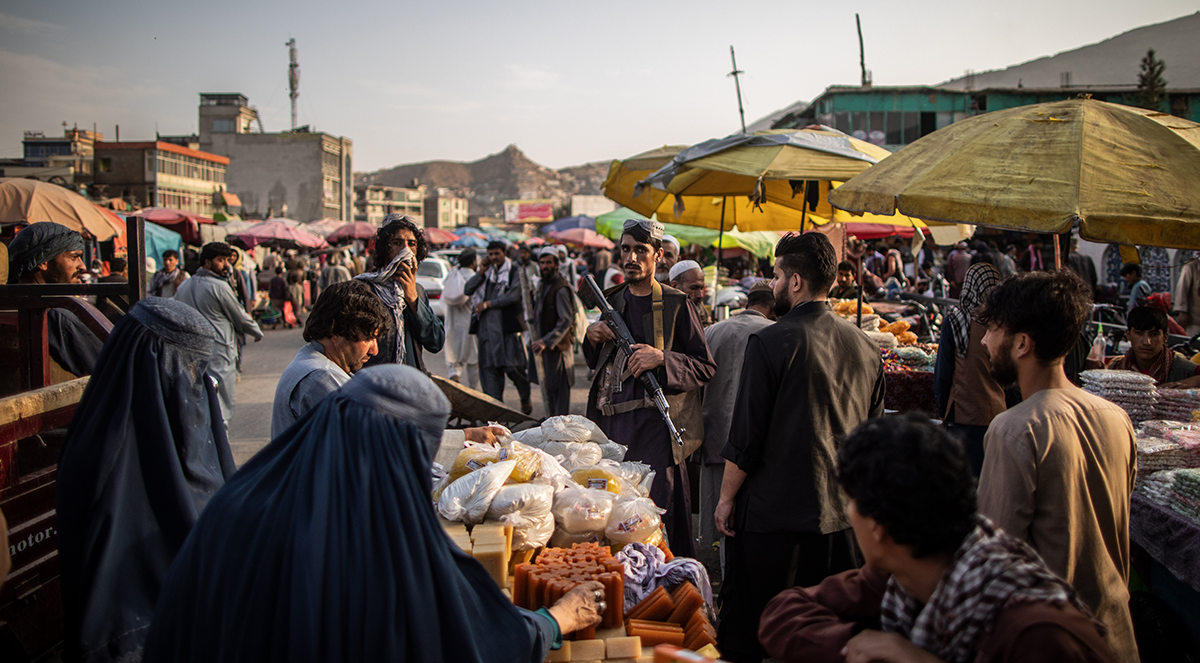
Afghanistan’s economy is collapsing. The Taliban’s forceful seizure of power led to a curtailment of almost all foreign aid, a devastating development for a nation overwhelmingly dependent on international assistance. Widespread drought, pervasive corruption, the perennially inadequate use of the country’s human capital, and a population largely unvaccinated against COVID-19 have exacerbated this longstanding problem of foreign financial dependence.
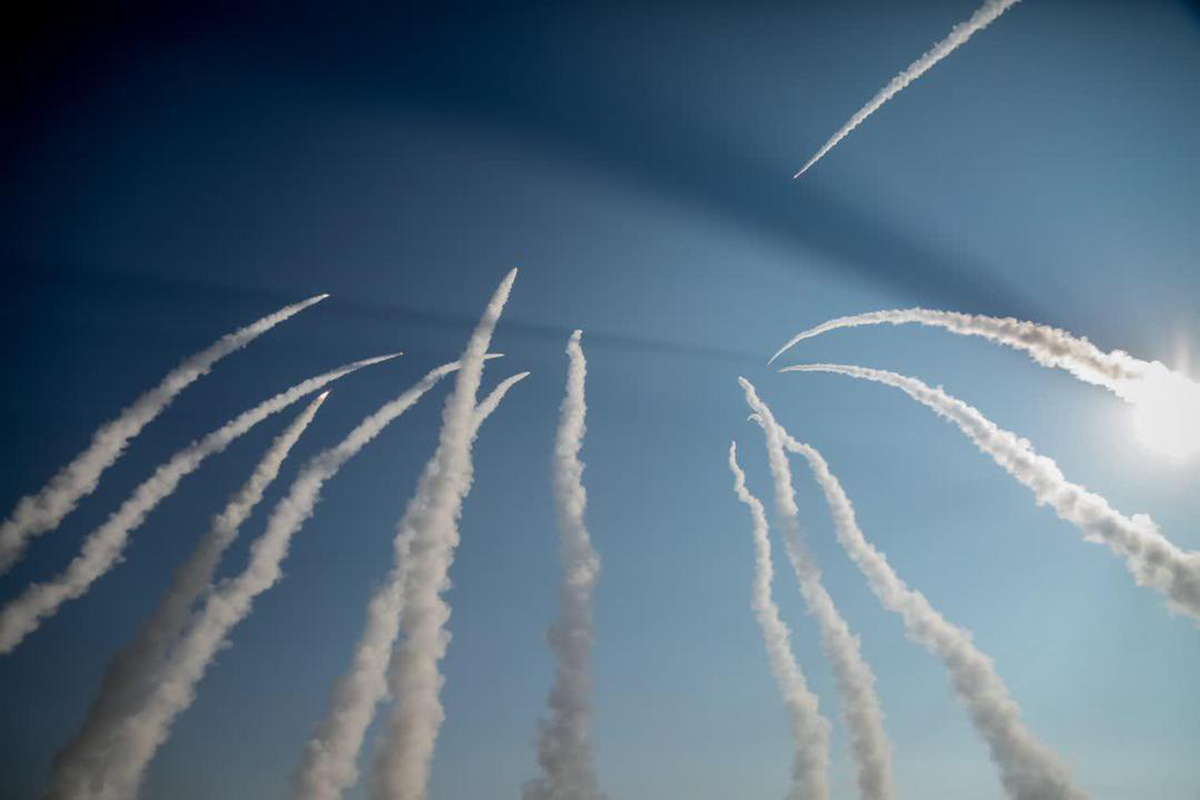
Integrated Air and Missile Defense Will Enhance Security in the Middle East
Integrated air and missile defense will make America’s partners in the Persian Gulf safer and bolster America’s policy against Iran. It’s past time to make IAMD a priority.
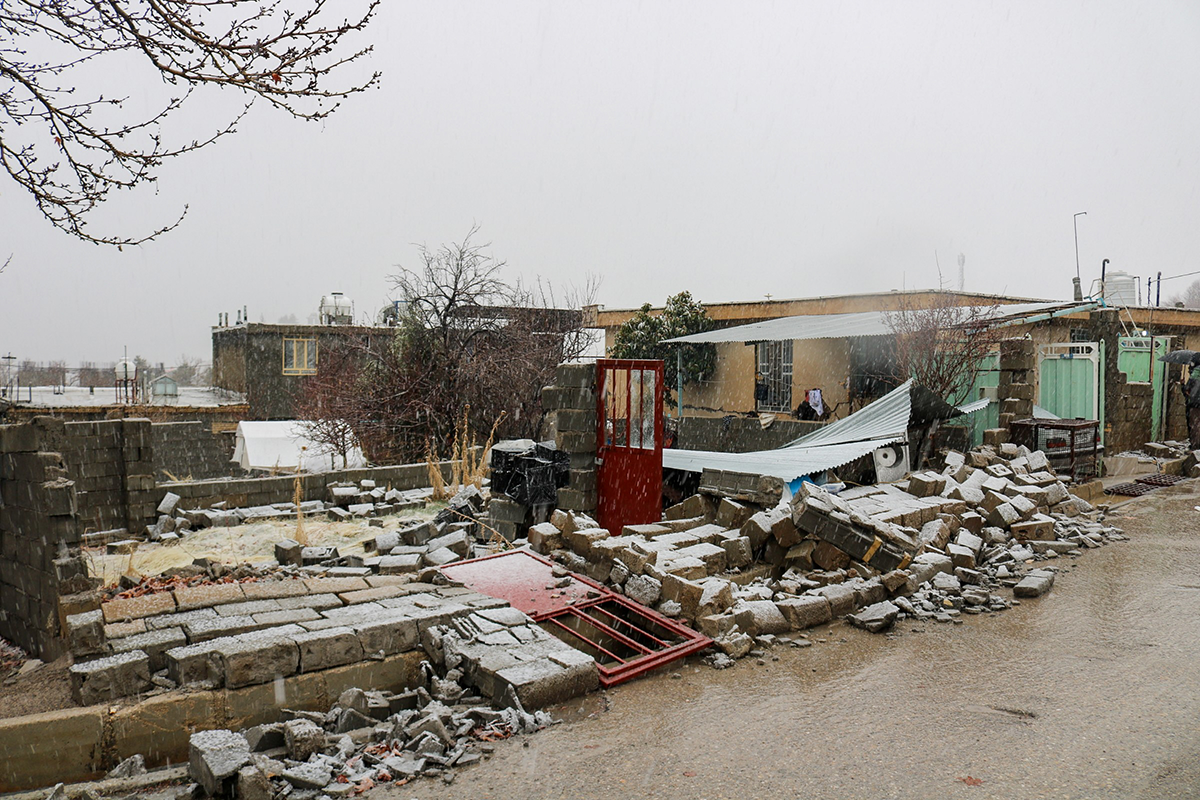
During the National Day of Villages and Nomads in Iran on Oct. 6, President Ebrahim Raisi visited Kohgiluyeh and Boyer-Ahmad Province and spoke about combatting rural deprivation, an issue that has become central to Raisi’s domestic agenda.
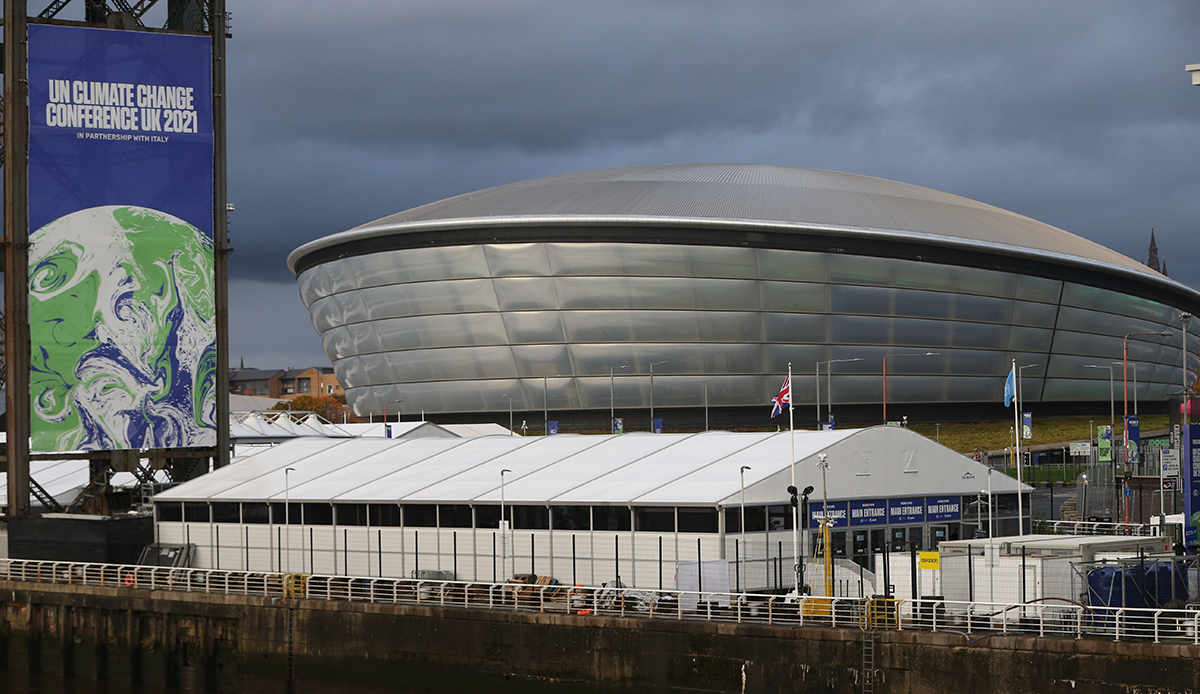
التطلع إلى COP26: كيف يمكن للتطورات الأخيرة أن تصيغ اجتماع هذا العام
في الأسبوع المقبل، سيجتمع عشرات الآلاف من قادة العالم والمفاوضين والعلماء ورجال الأعمال والنشطاء والمراقبين من جميع أنحاء العالم في غلاسكو بإسكتلندا لحضور مؤتمر الأمم المتحدة السادس والعشرين لتغير المناخ، والذي سيستمر في الفترة من 31 أكتوبر/تشرين الأول إلى 12 نوفمبر/تشرين الثاني. المؤتمر المعروف أيضًا باسم مؤتمر الأطراف (COP)، تجتمع فيه هذه الهيئة المتميزة سنويًا لاتخاذ قرارات بشأن تنفيذ اتفاقية الأمم المتحدة الإطارية بشأن تغير المناخ (UNFCCC)، والتي تهدف إلى “منع تدخل الأنشطة البشرية في النظام المناخي”.
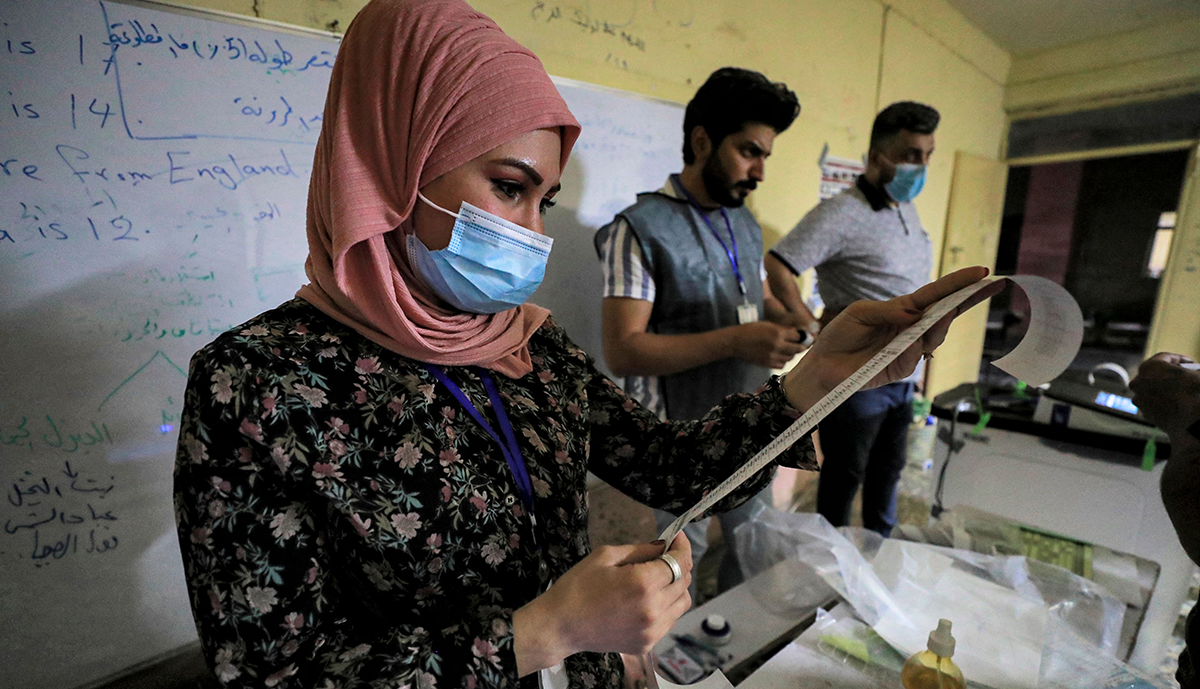
While Iraq’s next government may be “business as usual,” the election has planted the seeds for change
Iraq’s Oct. 10 election may be more consequential than its immediate results suggest. Some of the subtle facts and dynamics surrounding the election point to interesting trends and possibilities, more so than the headline-grabbing expansion of Muqtada al-Sadr’s power in the Iraqi legislature, or the losses suffered by candidates representing Iran-backed militias.
Expert Views: What should be the key outcomes from COP26?
As the U.N. Climate Change Conference (COP26) kicks off in Glasgow, climate change is front and center on the global agenda. Few regions of the world have more at stake than the Middle East and North Africa, given the current environmental and sustainability challenges and potential future scenarios. Experts from across MEI weigh in with their thoughts on what should be the key outcomes from COP26.
Mohammed Alsulami and Kasra Aarabi join Banafsheh Keynoush to discuss the latest talks between long-time regional rivals Saudi Arabia and Iran. Several rounds of talks between Riyadh and Tehran been held in Baghdad since April. They are taking place amid a broader regional trend toward deconfliction and as negotiations in Vienna over the revival of the 2015 Iran nuclear deal appear to have bogged down.
A storm brews over the Black Sea: Turkey’s contradictory maritime policy
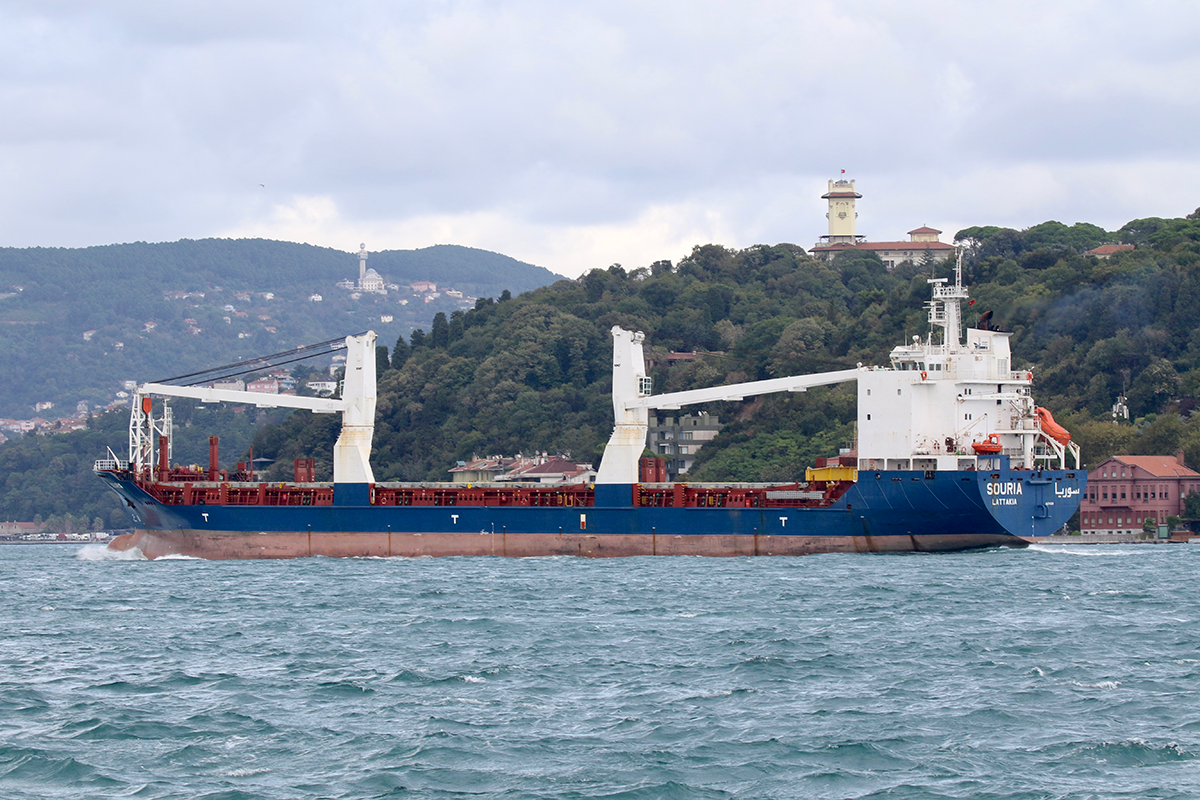
Turkey’s official policy supports the territorial integrity of Ukraine and Georgia, and it sells UAVs and ships to Ukraine. Yet, trade continues with the Russian-occupied territories of Abkhazia and Crimea. By allowing this illegal trade, Turkey undermines both its own credibility and its trading partners’ security. Shipped goods not only help connect occupied zones to Russia, but trade also brings hard currency into these zones, which are outside the international banking system.