This individual is a guest contributor. MEI is not able to assist with contact requests.
Rebecca Anne Proctor is an independent journalist, editor, author, and broadcaster based in Dubai and Rome, from where she covers the Middle East and North Africa. She is the former editor-in-chief of Harper’s Bazaar Art and Harper’s Bazaar Interiors.
Cyber violence against women is defined as a form of gender-based violence (GBV) carried out through digital means. The COVID-19 pandemic has drastically heightened the risk and incidence of violence against women both online and offline: the Australian eSafety Commissioner reported a 50% increase in domestic and cyber violence reports since March 2020. Globally, Facebook remains the most common platform for gendered violence online, followed closely by Instagram and WhatsApp. These developments show that special consideration must be given to the role of digital platforms in facilitating violence against women, and that policy solutions regarding violence against women must also consider the online context where that violence often takes place and escalates in plain sight.
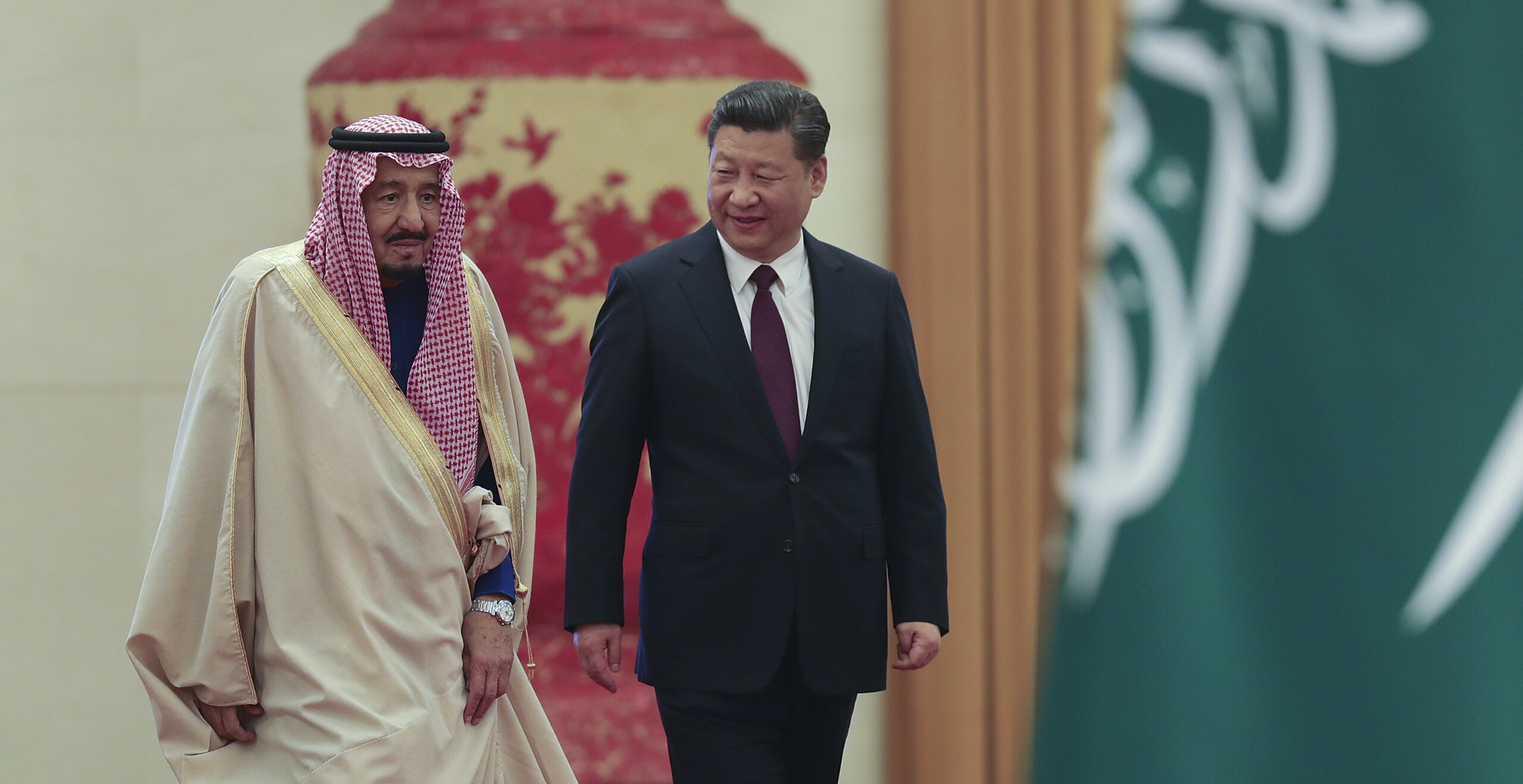
The coming US-China cold war: The view from the Gulf
Around the world, leaders are scrambling to define their strategy for dealing with the inevitable U.S.-China cold war to come, and the Gulf is no exception. Considering the different objectives and perspectives that the region has in regard to the two superpowers, any misstep in forming alliances could be detrimental to its future.
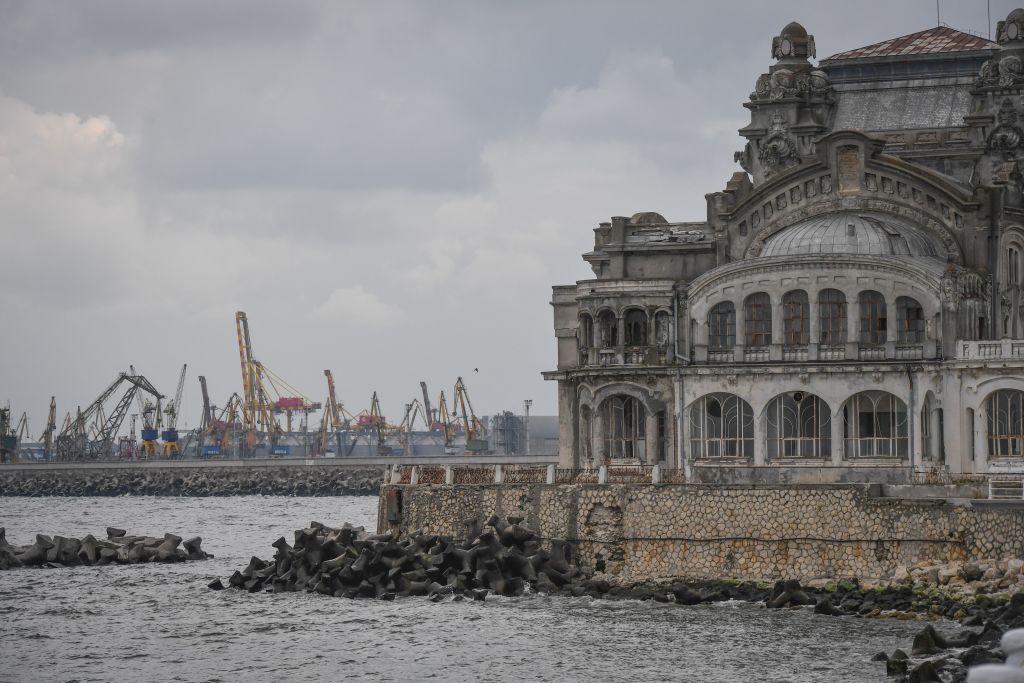
Black Sea Connectivity in the South Caucasus is the latest report from MEI’s Frontier Europe Initiative. Dr. Mamuka Tsereteli, explores the potential for greater trade connectivity between Europe and wider Central Asia via the Black Sea and the South Caucasus.
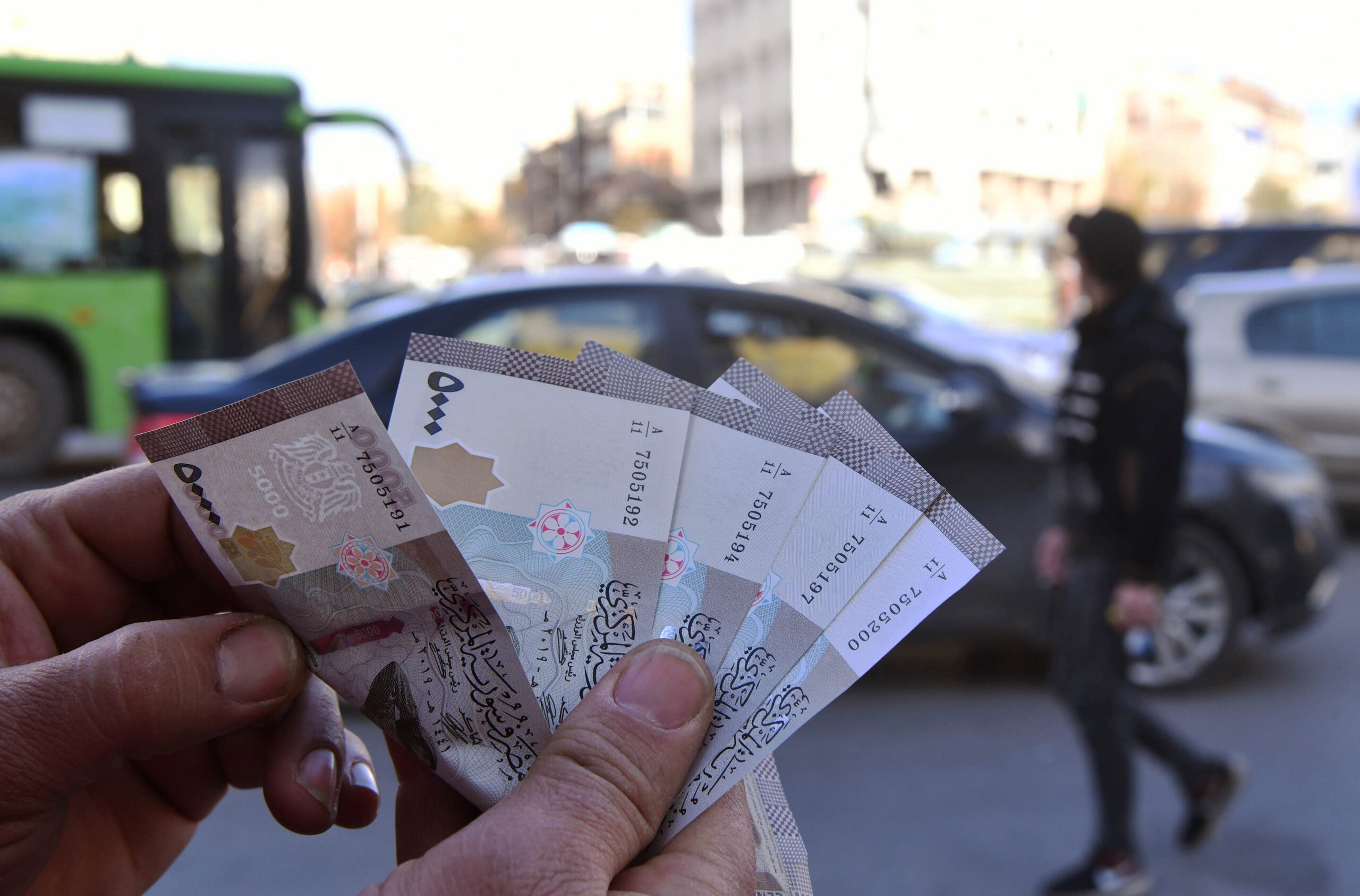
“The war of hunger … scares me more than the war of cannons”: As inflation soars, Syria’s economy spirals downward
As the Syrian conflict reaches its 10-year anniversary, the economic consequences of a decade of war have been nothing less than catastrophic. Instability and inflation are likely to remain major problems over next 10 years — and possibly well beyond — but for now they have created a new level of despair in government-held areas. The Syrian economy has entered its most fragile phase yet and the prospects of a serious recovery remain all but a distant hope as the fiscal challenges confronting the country far outweigh the meagre remedies on offer.
Alex Vatanka joins host Alistair Taylor to discuss the future of the Islamic Revolutionary Guard Corps, the branch of the Iranian military charged with safeguarding the Islamic Republic, and its proxy warfare strategy.
Middle East cyber priorities for the Biden administration
To promote stability in the Middle East and safeguard its interests, the new administration should adopt policies designed to limit damaging activities in cyberspace, support cyber norms in conjunction with strong cooperation agreements, recognize the obstacles to creating a NATO-like regional security alliance, and implement policies restricting the misuse of U.S. technologies by allies to commit human rights violations and spy on their own people.
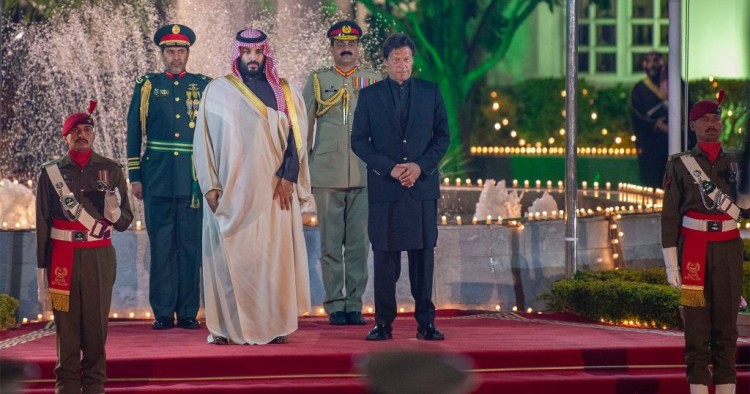
After last year’s crisis, Pakistan and Saudi Arabia pursue a reset
After last year’s much-publicized spat between Pakistan and Saudi Arabia — culminating with Riyadh’s demand for early repayment of $3 billion in loans meant to shore up Islamabad’s foreign exchange reserves — tensions between the two countries have since cooled. Pakistan and Saudi Arabia appear to be in the midst of a reset of relations.
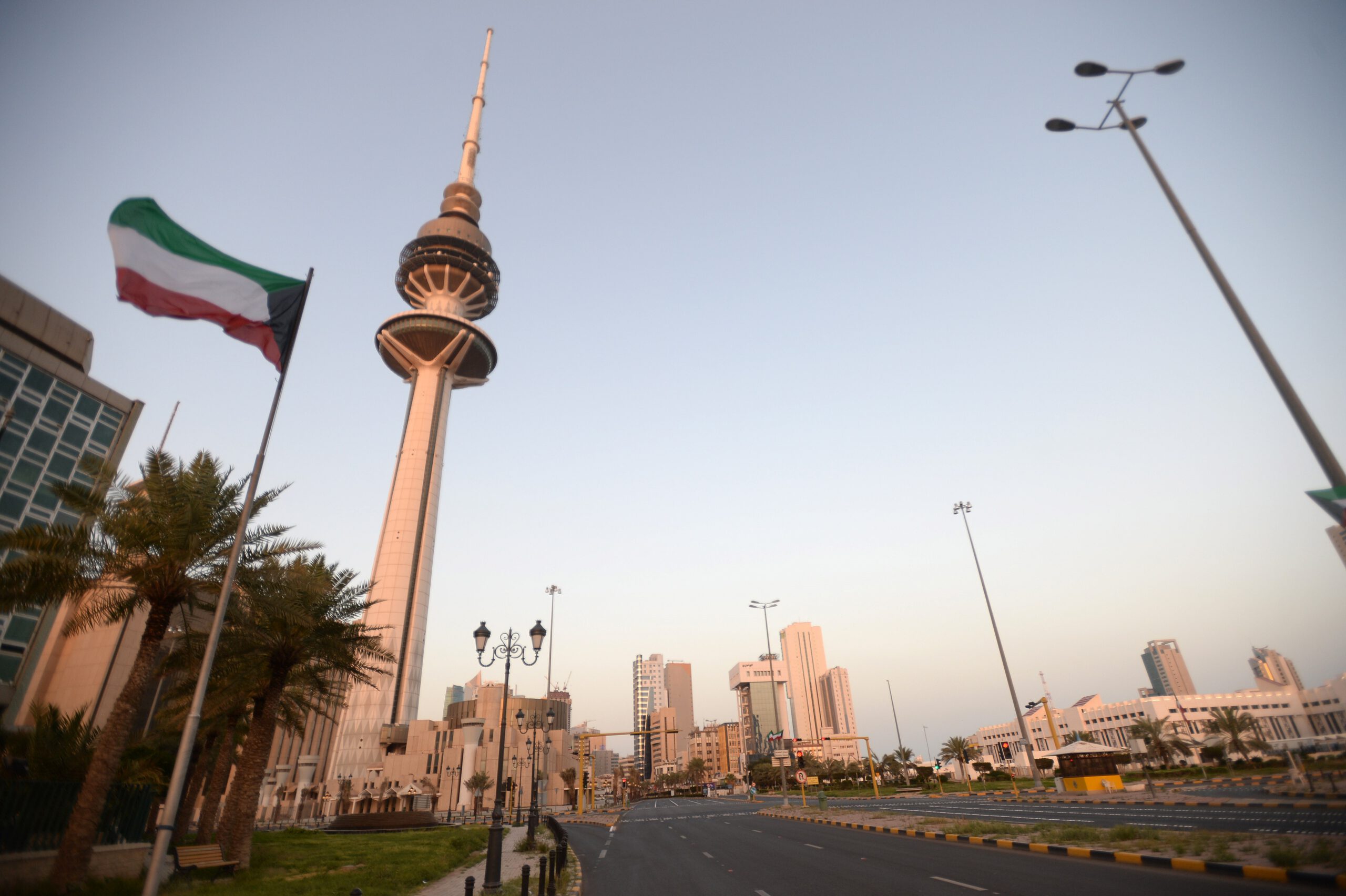
Kuwait is stuck in a major predicament. The government continues to engage in significant deficit spending, even as its readily available funds dwindle, while political gridlock limits the government’s ability to replace those shrinking financial resources.
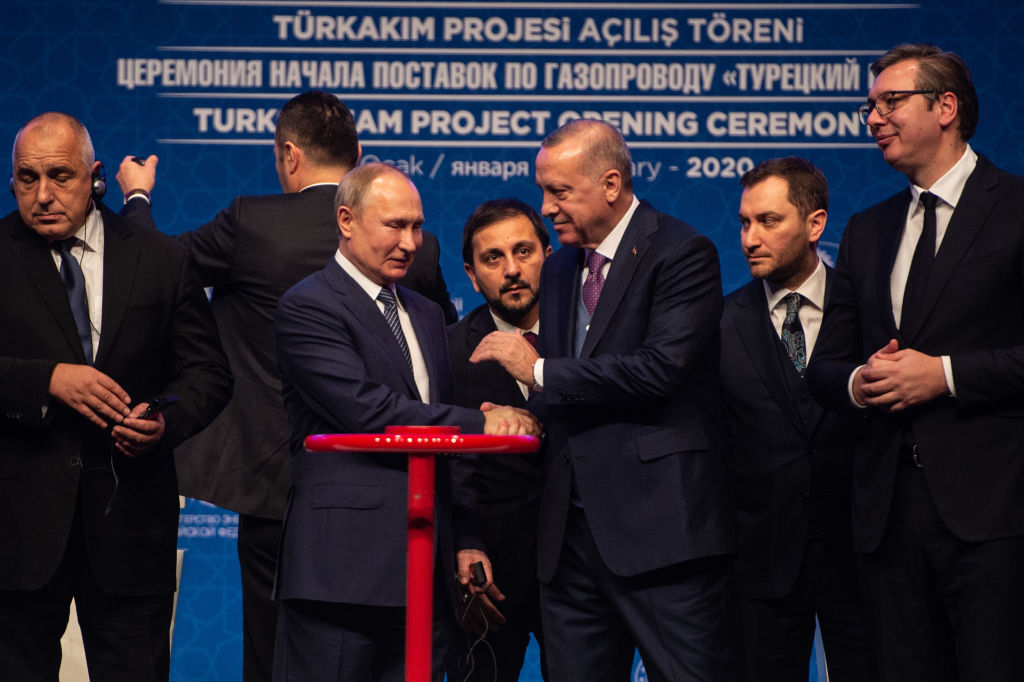
Turkey’s energy relations with Russia: How should the West respond?
While the security relationship between Russia and Turkey has seen ups and downs throughout the years, energy ties have remained stable. But Turkey has made strides toward reducing its dependence. Changes in global energy markets have tipped the power away from producers toward consumers like Turkey, which have greater room for maneuver. Turkish interests remain largely aligned with those of the West, even if Ankara sees itself as an independent player which has links to both Russia and the EU and the US.