This individual is a guest contributor. MEI is not able to assist with contact requests.
Rebecca Anne Proctor is an independent journalist, editor, author, and broadcaster based in Dubai and Rome, from where she covers the Middle East and North Africa. She is the former editor-in-chief of Harper’s Bazaar Art and Harper’s Bazaar Interiors.
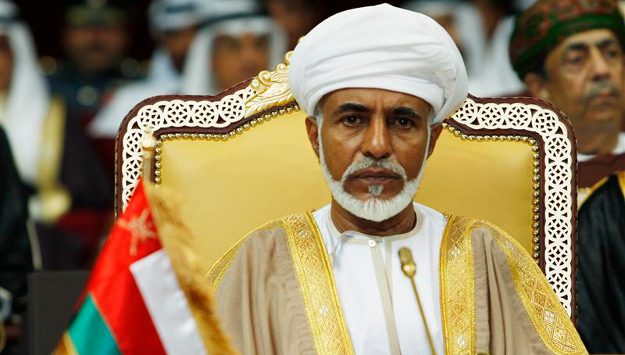
As political and humanitarian crises destabilize many Arab states, the Sultanate of Oman is a beacon of tranquility in a tumultuous region. The nation’s unique cohesion and stability is largely attributable to the legitimacy of Sultan Qaboos bin Said Al Busaidi, the longest serving Arab ruler still in power. Since ascending to the throne in 1970, Qaboos has transformed Oman from an impoverished state into a wealthy country with first-world infrastructure, a vibrant tourism industry and a military alliance with the United States and Britain.
Holy Crossings: Making Desirable Refugees for Resettlement from Turkey
The focus of this essay is on the practice of the Christianisation of refugees in Turkey. The essay shows that the politics of conversion can be interpreted as part of a struggle to be mobile and to increase resettlement prospects to the United States, the main country of resettlement for refugees in Turkey.
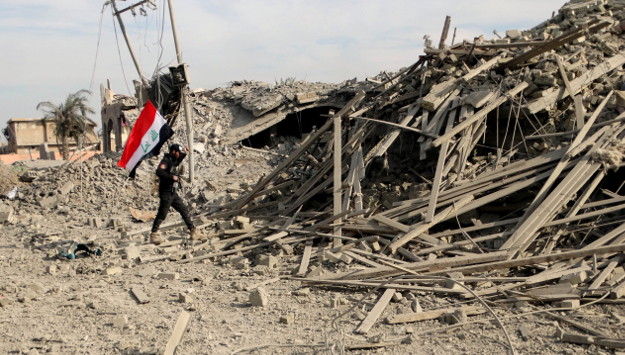
Recent additions to America’s fighting contingent in Iraq and Syria show U.S. determination to beat ISIS militarily. President Barack Obama announced Monday that 250 more U.S. special forces will enter Syria to help anti-ISIS fighters, and Defense Secretary Ashton B. Carter said last week that Apache helicopters and more special operations forces will be sent to Iraq.
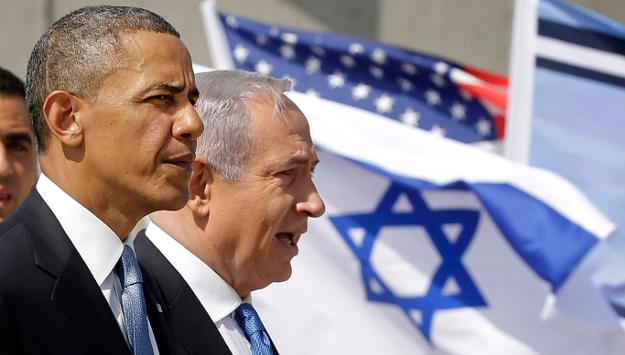
President Barack Obama has turned over the table of orthodox foreign policy theory and practice in the Middle East. The United States may now have choices before it that are better grounded in fact, but has roiled the region in the process. It is the short-term consequences of the American shift that have attracted the most attention, but it is the long-term that will produce the most important outcomes. Four of America’s traditional allies—Israel, Egypt, Turkey and Saudi Arabia—are now estranged partners. To make it more complicated, each has its separate reasons for distrusting America.
Monday Briefing: Syria Cease-fire, Yemen Talks, and Iran Elections
In this week’s Monday Briefing, MEI experts Charles Lister, Charles Schmitz, and Alex Vatanka provide analysis on recent events including the Syrian cease-fire, Al-Qaeda losses in Yemen, and Iran’s parliamentary elections.
Asian Boat People and the Challenges of Migration Governance: A Source Country Perspective
To what extent does the boat migration phenomenon demonstrate the limits of migration governance? The purpose of this essay is to address this question by focusing on Bangladesh as a source country. There are compelling reasons for looking into the boat migration phenomenon through the lens of migration governance. Despite the growing contribution of foreign remittances to the national economy, establishing a fairer migration regime has emerged as a challenging task for Bangladesh. An analysis of the boat migration phenomenon provides an opportunity to investigate the nature of the problem and its underlying causes.
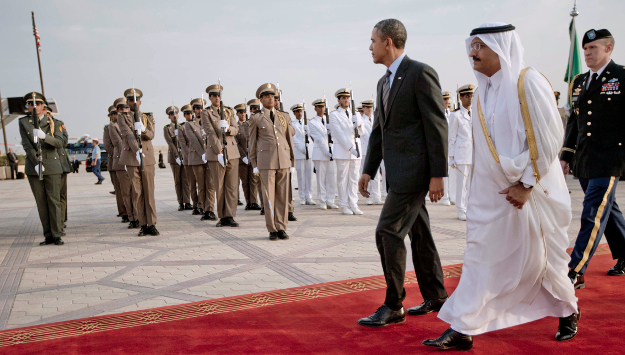
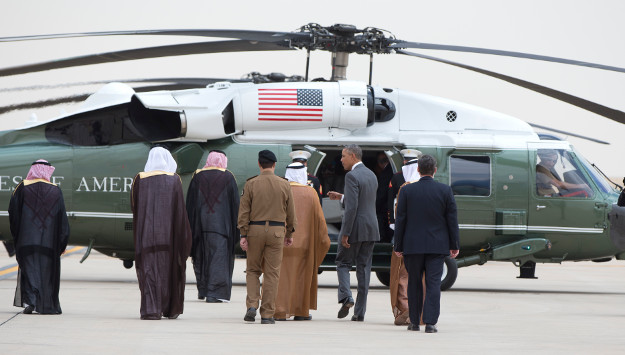
President Barack Obama’s Thursday visit to Riyadh to participate in the Gulf Cooperation Council summit comes one year after his meeting with GCC leaders in Camp David, and is an attempt to shore up an important relationship at a time when the two sides have been drifting apart over key regional issues.
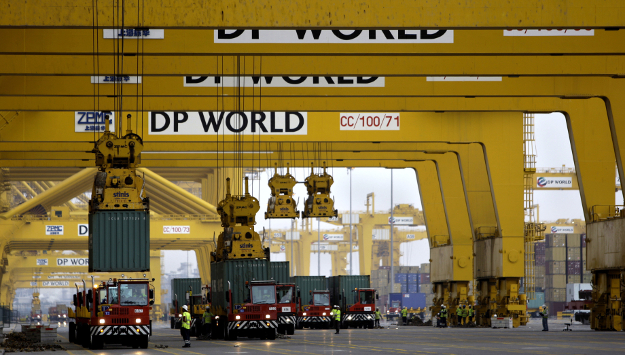
Intra-Regional Trade: Potential Catalyst for Growth in the Middle East
Regional Cooperation Series
This Policy Paper is part of The Middle East Institute’s Regional Cooperation Series. Throughout 2016, MEI will be releasing several policy papers by renowned scholars and experts exploring possibilities to foster regional cooperation across an array of sectors. The purpose is to highlight the myriad benefits and opportunities associated with regional cooperation, and the high costs of the continued business-as-usual model of competition and intense rivalry.
"Nope, nope, nope": Australia's Response to the Refugees Crises in the Andaman Sea and in the Mediterranean in 2015
Australia has long prided itself on being one of the world’s premier destinations for refugees. In more recent years, however, the comparative size of Australia’s humanitarian program has declined in relation both to the country’s overall migrant intake and to Australia’s population.
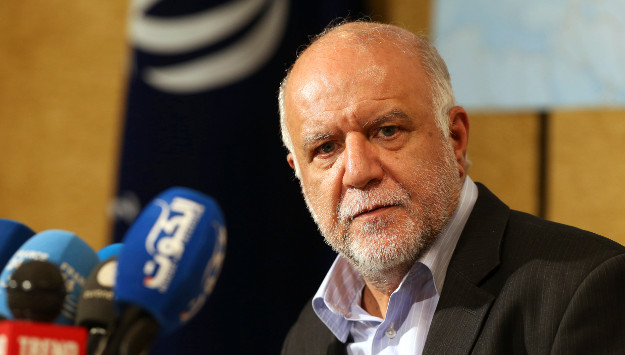
Monday Briefing: Obama's Last GCC Summit, the Doha Oil Summit, and Iraq's Cabinet Change
In this week’s Monday Briefing, MEI experts Paul Salem, Jean-François Seznec, and Robert Ford provide analysis on recent events including President Obama’s final GCC summit, the Doha oil summit, and protests over Iraq’s cabinet turmoil.
Turkey’s ideologically inspired foreign policy is shifting to concentrate more directly on bolstering domestic nationalist support and highlight its regional religious identity. Ankara seeks to divert attention from its policy setbacks in Syria, as well as its internal and economic problems, while continuing to blunt U.S. efforts to crush ISIS.