Rebecca Anne Proctor is an independent journalist, editor, author, and broadcaster based in Dubai and Rome, from where she covers the Middle East and North Africa. She is the former editor-in-chief of Harper’s Bazaar Art and Harper’s Bazaar Interiors.
The Latest from Rebecca Anne Proctor
The Three Faces of Turkey
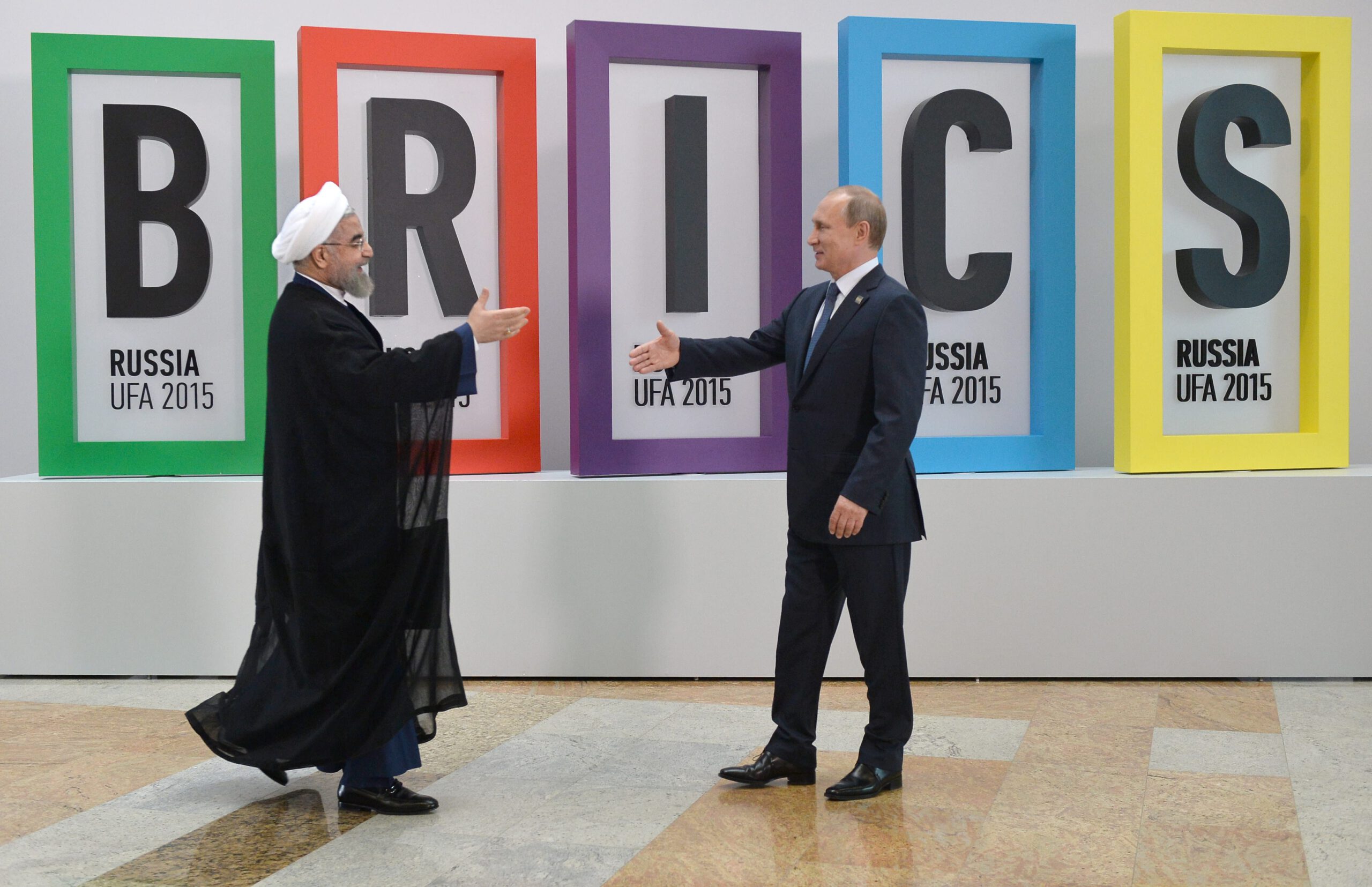
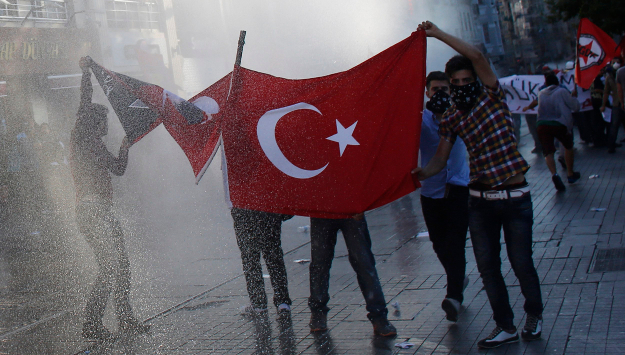
Washington and Ankara are in yet another difficult phase in a relationship cycle that runs from very good to very bad. American public opinion about another country forms slowly, but persists through time once set. As Turkey changes, we keep trying to fit new evidence into the old paradigm. At some point, the contradictions are too obvious to explain away, and the new narrative emerges. Right now, Americans are caught in that dilemma regarding Turkey. Unless we have a better idea of which Turkey we are dealing with, we are certain to make bad choices.

The Iran-Saudi Feud: Impact and Next Steps
Paul Salem, Vice President for Policy and Research at MEI, explains the drivers behind the recent flare-up of the Iran-Saudi feud, how it will impact regional issues including Syria, Yemen, and the fight against ISIS, and what the United States can do to help get diplomacy back on track.
Challenges Ahead for Algeria in 2016
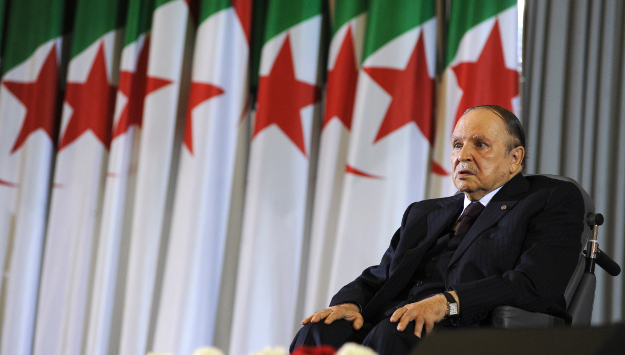
Many used to say that unlike other countries that have an army, Algeria is an army that has a country. As 2016 begins, President Abdelaziz Bouteflika—no mere client of the army—has consolidated his authority and empowered his allies in Africa’s largest nation. However, questions about Algeria’s political and economic stability loom large in the new year.
Egyptian Civil Society in Transition—Reflections on Cairo’s Governance
This essay discusses the various barriers that inhibit local communities in densely populated, poor quarters in Cairo from taking action in order to improve the provision of basic services and the overall conditions in these neighborhoods.
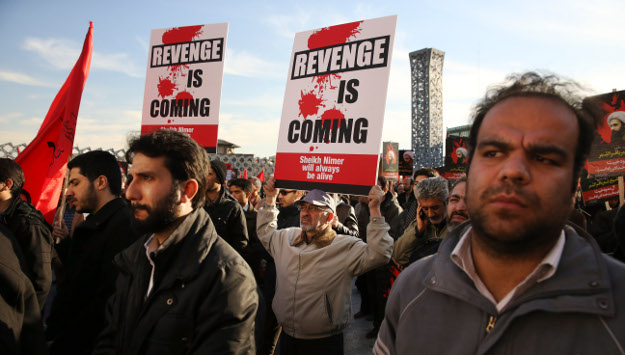
How the Feud Between Saudi Arabia and Iran Could Escalate
This article was first published on NPR’s Parallels blog.
In a Middle East already aflame, a fresh feud between Saudi Arabia and Iran threatens to complicate most every major issue from the Iranian nuclear deal to the Syrian civil war to global oil markets.
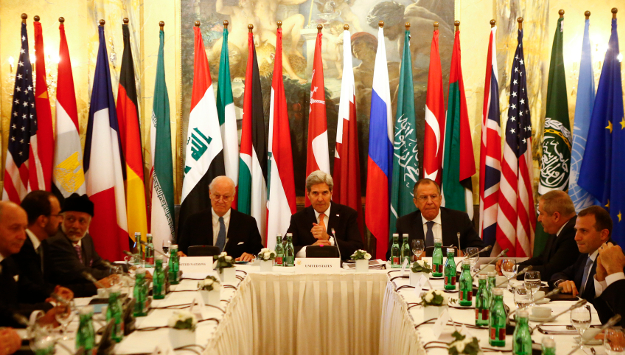
A Shared Dream for a 'Happy Middle East'
This is an English translation of an article that appeared in Al Hayat newspaper on December 19: http://www.alhayat.com/m/opinion/12875824
We were together in Beirut as part of a group of experts, ambassadors, and possibly even former intelligence officers, representing nations “implicated” in the Syria crisis.
Syria was the subject of our discussions over two days, along with the disastrous situation in the Middle East, both presently and the situation to be expected in the future.
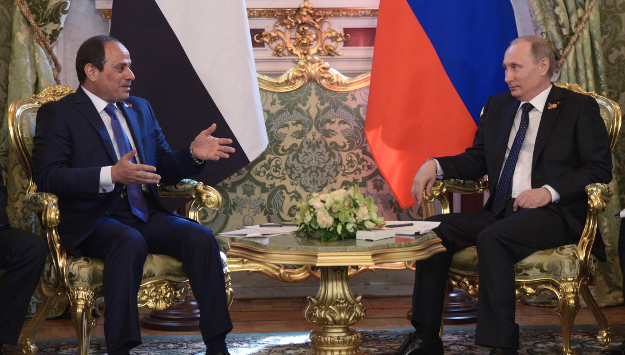
The United States Should Prevent an Egyptian Shift to Russia
Roughly five decades since the Soviet foray into the Middle East vis-à-vis the Czech arms deal with Egypt in September 1955, Russia is reasserting its influence in Egypt. The deal marked the beginning of a brief period that saw Moscow serve as the primary military supplier for a number of regional countries that formed an ‘anti-imperialist front’, such as Egypt, Iraq, and Syria.
Civic Associations and Urban Governance in Tehran
The impact of civic associations on urban governance in Iran may be limited as they do not possess an official capacity in a highly bureaucratic and centralized system, and have been suspected of advocating a liberal political agenda. Nevertheless, they have, among other things, succeeded in democratizing the urban agenda.
“Order” in “Disorder”: An Alternative Understanding of Violence and Criminality in Karachi
This essay argues that the conversation about Karachi needs to shift from viewing high levels of criminality as spawning ungoverned urban pockets to understanding how criminality, violence, and informality are shaping its political order. In this order, the state is not a passive player; it bestows and withdraws patronage to non-state actors in pursuing its larger interests. It purposely deregulates public services for some parts of the city and sections of the population. It also possesses the sovereign power to legitimize certain practices and actors, while delegitimizing others. The relationships between state and non-state actors are not driven solely by corruption. They are deeply political in nature, and have evolved over the years in the political, historical, institutional, and economic contexts of Karachi.
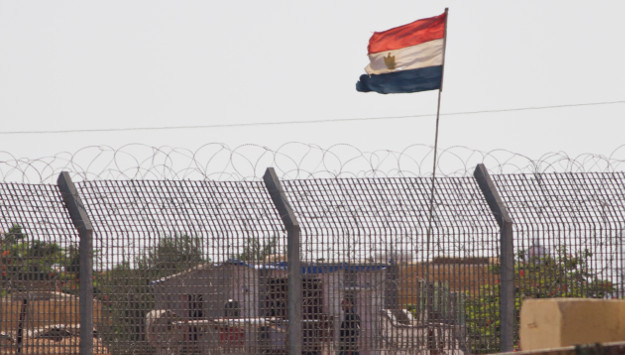
U.S. Forces in Sinai Ripe Pickings for Islamic State
Despite its preferences, the United States is quietly increasing and modifying its military deployment in Egypt’s Sinai Peninsula in response to the growing threat posed by ISIS.
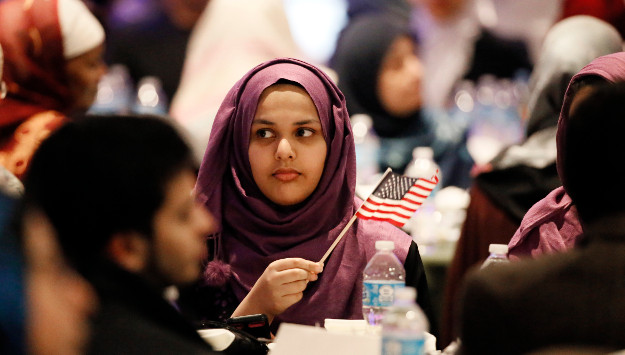
American Values Matter
America has long served as a powerful role model for the world, based largely on its commitment to its core principles of freedom, equality, and respect for diversity of opinion and religion. The recent call by Donald Trump to ban all Muslims from entering the United States is an affront to these values, and a threat to America’s domestic tranquility and its standing in the world. In an age where words travel instantaneously across the globe, hate speech can have the same force as actions and policies in shaping opinions abroad. It cannot be ignored.
Protest against Industrial Air Pollution: A Case from Hangzhou City, China
Air pollution has become one of the biggest environment problems in China, causing severe health risks. Residents, especially those living in big cities, are battling air pollution. Their demands for clean air have forced authorities in many Chinese cities to make a decision—shut down the industrial plants responsible for the pollution, or permit them to continue operating to sustain GDP growth. This essay seeks to shed light on how community residents take action to ensure healthy urban habitats through examining the “Warm Home” community’s protest against industrial air pollution in the city of Hangzhou.
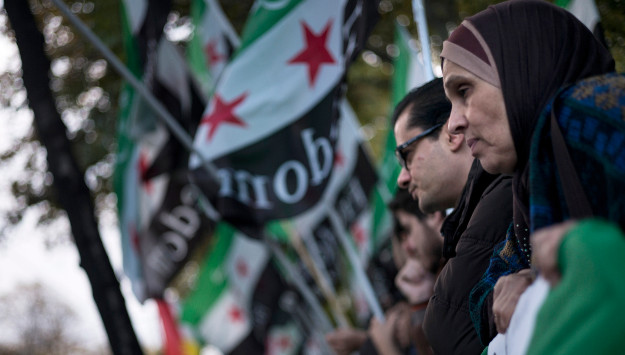
On Syrian Talks and Ceasefires: An Open Letter to Secretary Kerry
Mr. Secretary,
No one has worked harder than you to find a way to bring all sides together to stop the Syrian civil war and muster more international action against the Islamic State. But as a former colleague, let me caution that without some major adjustments in its approach to the Syrian peace talks in Vienna, the Obama administration is headed down another dead end.
The Ceasefire Challenge