This individual is a guest contributor. MEI is not able to assist with contact requests.
Rebecca Anne Proctor is an independent journalist, editor, author, and broadcaster based in Dubai and Rome, from where she covers the Middle East and North Africa. She is the former editor-in-chief of Harper’s Bazaar Art and Harper’s Bazaar Interiors.
Can Kabul and Islamabad Cooperate Effectively on Counterterrorism?
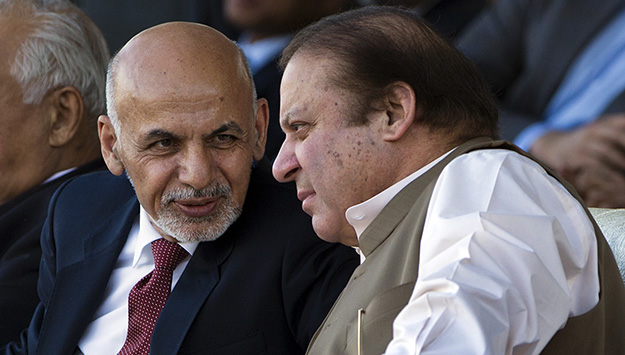
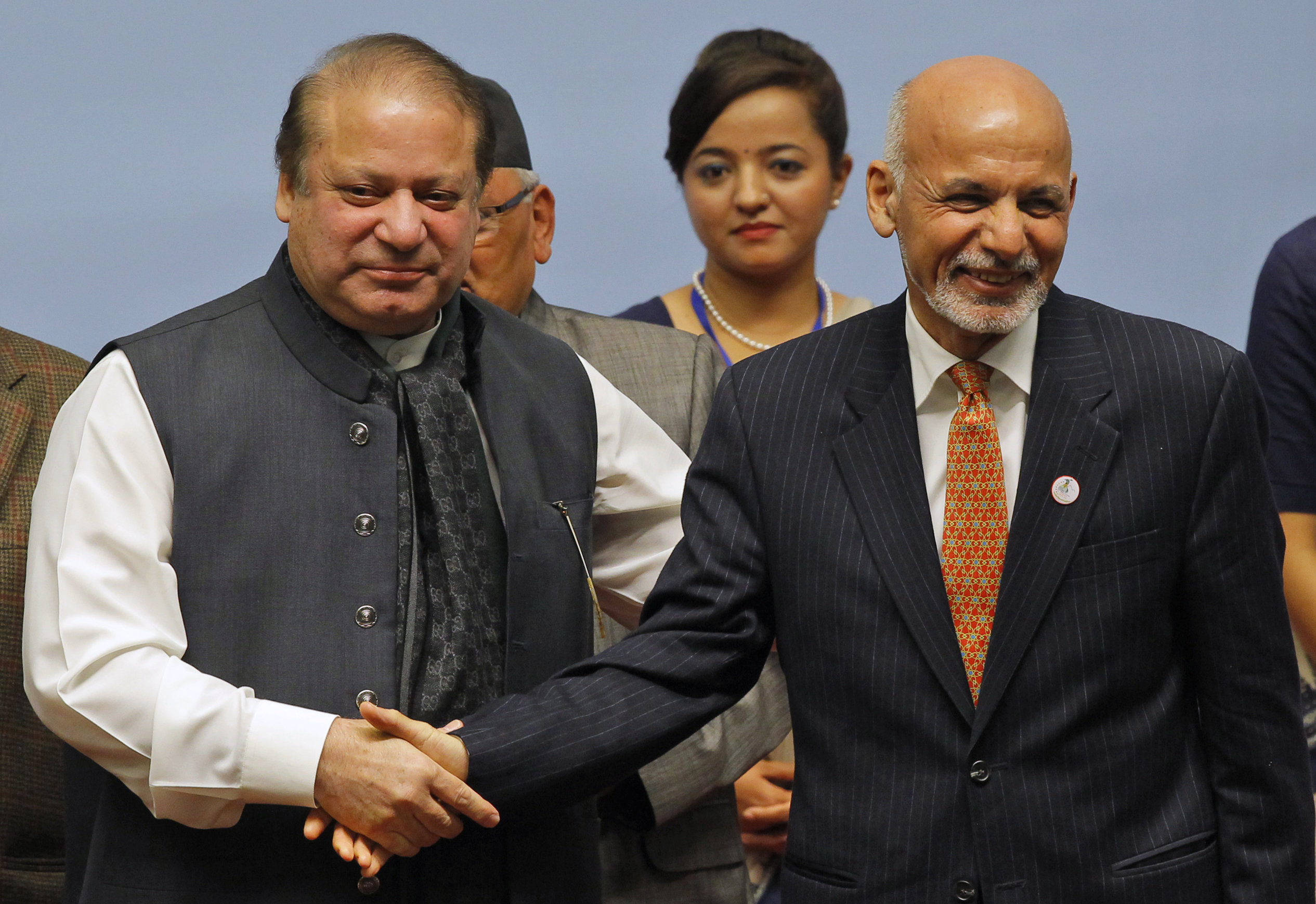
Soon after Ashraf Ghani and Abdullah Abdullah formed a unity government in Afghanistan in September 2014, there were signs of rapprochement between Kabul and Islamabad. When President Ghani visited Pakistan in November, he went to the army’s headquarters in Rawalpindi and laid a wreath at the monument to the country’s fallen soldiers—an indication that the Kabul government had come to an understanding with the Pakistani army, which controls the country’s Afghan policy.
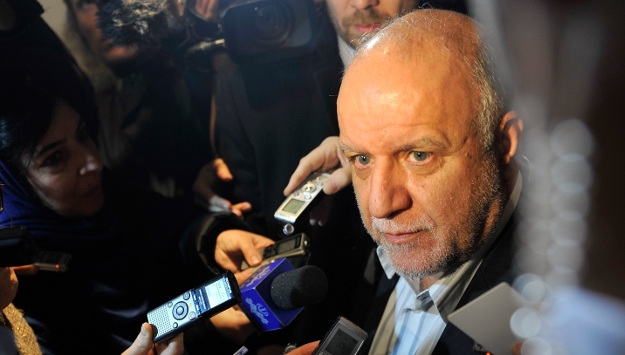
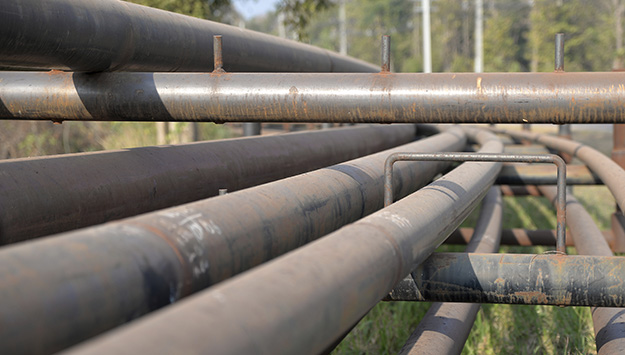
As the June 30 deadline for a nuclear deal between Iran and the P5+1 approaches, the world is eagerly following the fortunes of political moderate figures in Tehran. Can the Cabinet of President Hassan Rouhani overcome any last-minute roadblocks put up by hardliners in either Tehran or in Washington? One member of Rouhani’s cabinet, Minister of Petroleum Bijan Namdar Zangeneh, is arguably more vested than anyone else in hoping for a positive result from the talks. …
Turkey’s General Elections 2015: High Stakes at Home and Abroad
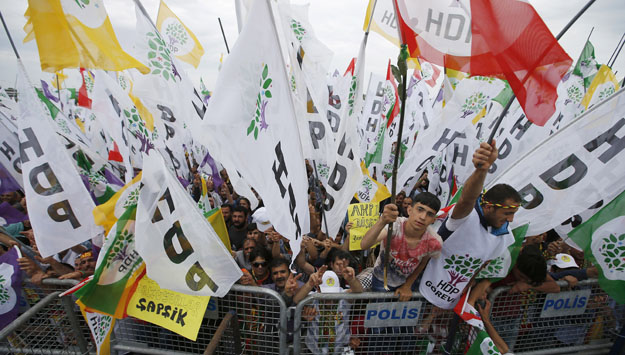
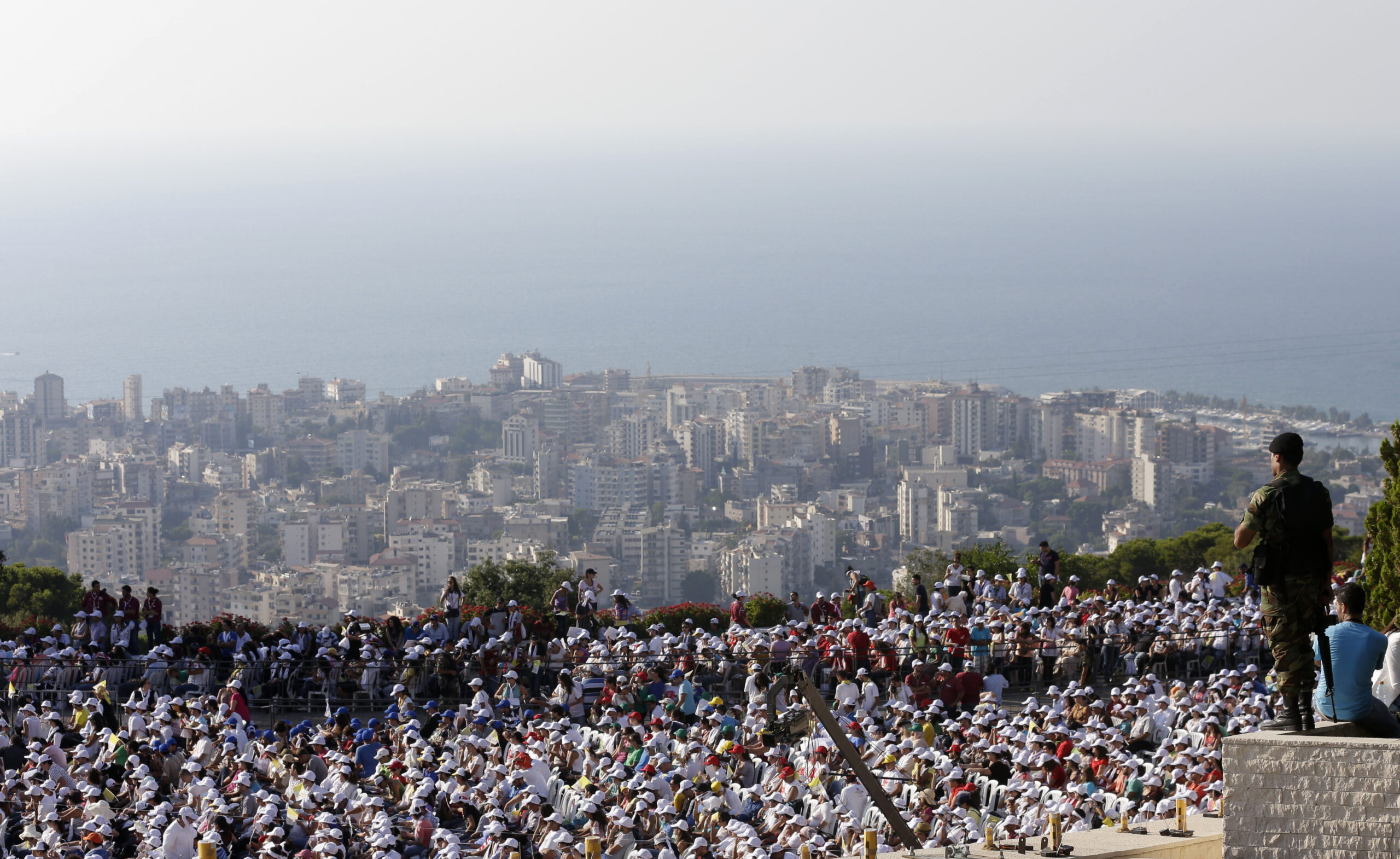
Turkish citizens are going to the polls on June 7 to elect the next government that will rule the country until 2019. With an ongoing peace process with the Kurds, a stumbling democracy, an economic recession on the horizon, the prospect of constitutional reform, a stalled EU accession process, tension in Turkey-U.S. relations, and a region engulfed in chaos, the stakes have not been higher.
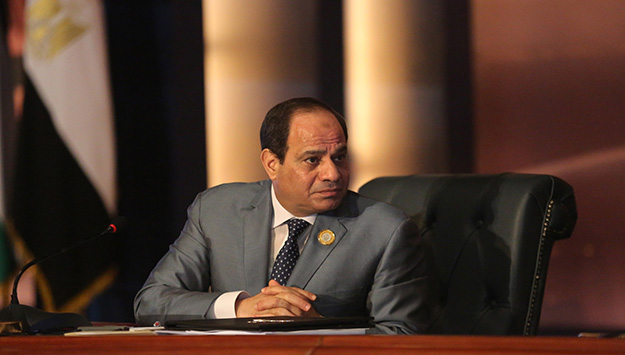
In the year since being elected to the presidency, Abdel Fattah el-Sisi has consolidated a ruling coalition, restored economic growth, and brought back considerable stability to the country after four years of turmoil. But this has come with a harsh crackdown on dissent, a decline in freedoms and human rights, and abuses by the police and judiciary. In the short term, the combination of nationalism, modest economic growth, and highlighting the war on terror is politically sustainable among a broad cross section of the population frustrated by years of uncertainty and economic decline.
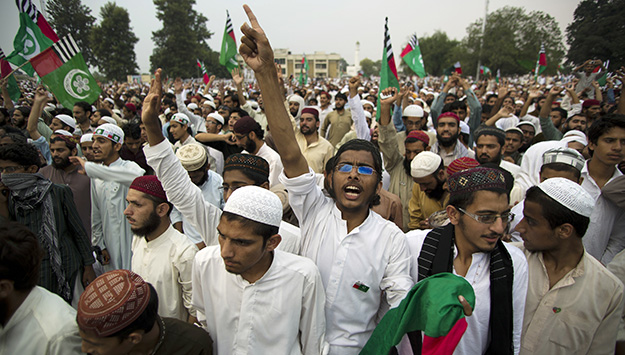
On May 13, more than 40 people were killed and at least 13 injured in a gun attack on a bus carrying members of the minority Ismaili Shi‘i sect in Karachi, Pakistan. This was not the deadliest attack of the year, as that dubious honor goes to a suicide bombing in a district in Sindh, which left 61 Shi‘a dead in January. Yet the brazen nature of the attack―carried out in daylight in the bustling megacity of Karachi by gunmen who reportedly boarded the bus and shot at passengers indiscriminately―was striking even in a country where over 2,000 people have been killed and 3,500 injured in sectarian attacks in the past five years.
Cairo's Rough, Crowded, and Vital Underground Artery
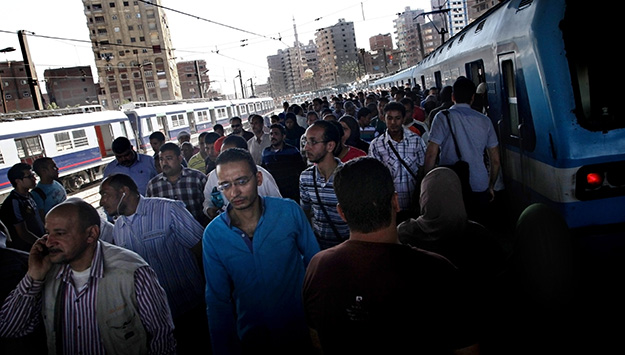
Inaugurated in 1987, Cairo’s Metro was Africa’s first inner-city underground and the embodiment of Hosni Mubarak’s promise to modernize Egypt’s infrastructure. It is hard to think of a Mubarak-era project that was better planned, more efficiently executed, or has had such a functional impact on so many people’s lives. Serving four million passengers daily, the Metro is the fastest, cheapest means of navigating the traffic-congested urban behemoth.
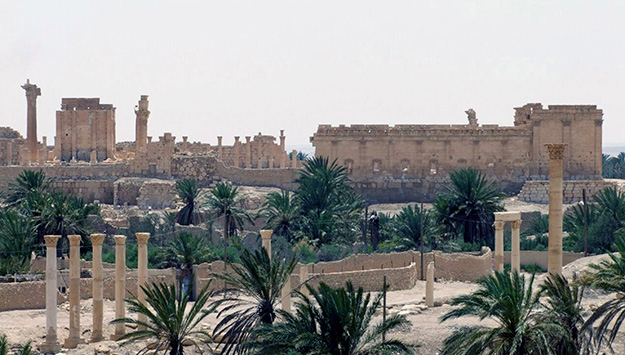
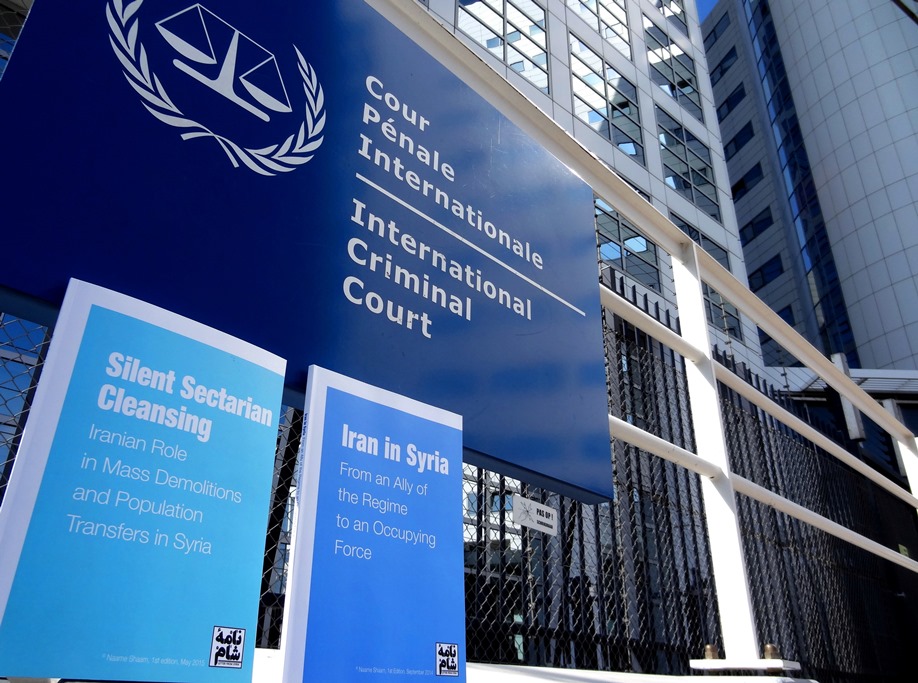
Since March 2011 Syria has gone through a traumatic process that has strained the ethnic, sectarian, and social fabric of the country—almost all that makes Syria a unified state with a people who share a common history, goals, and aspirations—to beyond the breaking point. Much of the country lies in ruins today, and its cultural heritage has been a deliberate casualty of the conflict from its earliest days.
Beyond Sanctions: The Factional Nuclear Split in Tehran
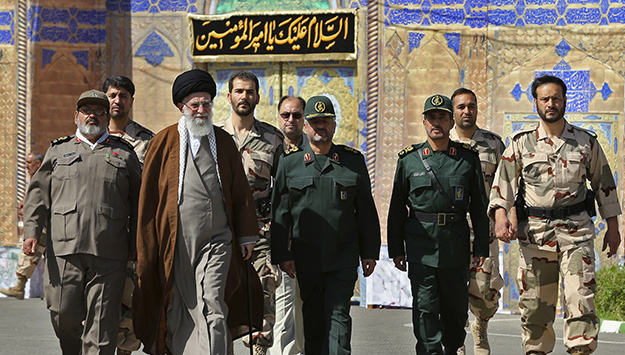
As the world awaits the outcome of the June 30 deadline for a deal between Tehran and the P5+1, the Iranians continue to weigh their options. While the nature of the nuclear debate in Tehran is not as rowdy as the one in Washington, it still features competition between two distinct worldviews about Iran’s place in the world, namely whether the deal should ultimately result in closer relations with the United States.
Saudi Arabia’s Succession Shakeup and the Rise of Mohammed bin Salman
King Salman’s reign of four months has brought dramatic changes to Saudi Arabia’s succession framework. Prince Muqrin was appointed as heir before being relieved of his duties in favor of Prince Mohammed bin Nayef, and Prince Mohammed bin Salman (MBS) was designated as heir to the heir. A son of the monarch, MBS carries a variety of additional portfolios, including that of minister of defense and chairman of the Council of Economic and Development Affairs (CEDA), which makes policy on non-security matters.
The “One Belt, One Road” Strategy and China’s Energy Policy in the Middle East
The genesis of the “One Belt, One Road” strategy—also known as the Belt and Road Initiative—can be traced to three noteworthy public events that occurred in rapid succession in the latter part of 2013. On September 7, in a speech delivered at Kazakhstan’s Nazarbayev University, Chinese President Xi Jinping proposed building the Silk Road Economic Belt. Addressing the Indonesian parliament on October 3, he recommended that China and Southeast Asian countries work together to revive the Maritime Silk Road. On October 24-25, at a work forum on “periphery diplomacy” held by the Chinese Communist Party (CCP) in Beijing, Xi stressed that China is committed to forging amicable and mutually beneficial relations with its neighbors, such that they will benefit from Chinese development and China will benefit from a prosperous neighborhood. In this way, the president conceptually linked the notion of the “Chinese dream” to regional development. This conference marked the official birth of China’s “Silk Road strategy.”
The United States, the GCC, and Iran: The Crisis that Wasn’t
Whatever eventually comes of the security agreements and mutual pledges of support made at last week’s summit conference between President Obama and leaders of the Arab Gulf monarchies, one result is clear: Saudi Arabia and the others may not be enthusiastic about the pending nuclear agreement with Iran, but they will not actively oppose it.