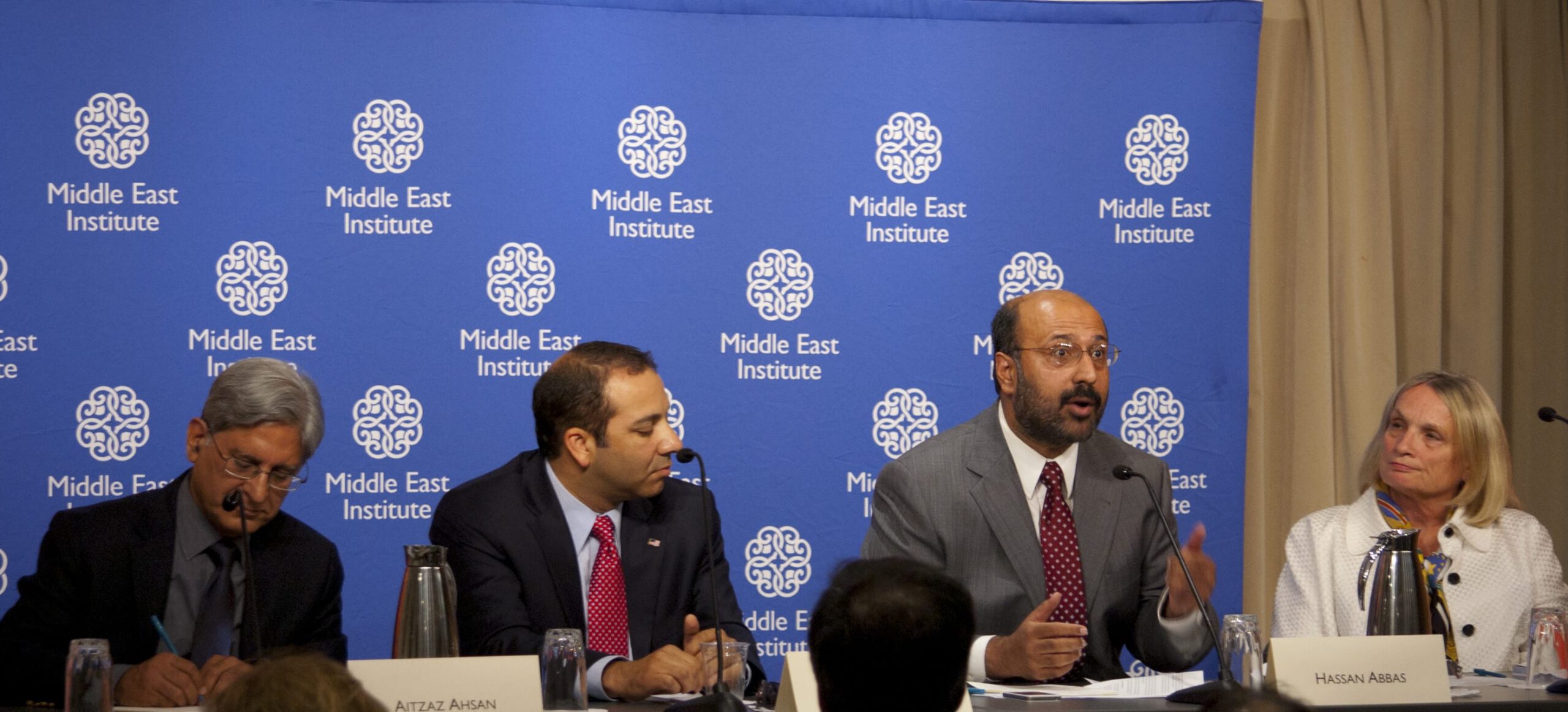
Rebecca Anne Proctor is an independent journalist, editor, author, and broadcaster based in Dubai and Rome, from where she covers the Middle East and North Africa. She is the former editor-in-chief of Harper’s Bazaar Art and Harper’s Bazaar Interiors.
The Latest from Rebecca Anne Proctor

Informal Governance and Role of State in Cities in Developing Countries: Comparing Karachi and Cairo
The 21st century has been called the “Century of the City,” as half of the world’s population lives in urban areas.[1] Virtually all of the projected global population growth will be in cities of the developing world, and most of it will be concentrated in informal settlements.
Orientalism's Wake: The Ongoing Politics of a Polemic
Originally posted September 2009

Orientalism's Wake: The Ongoing Politics of a Polemic
Originally posted September 2009
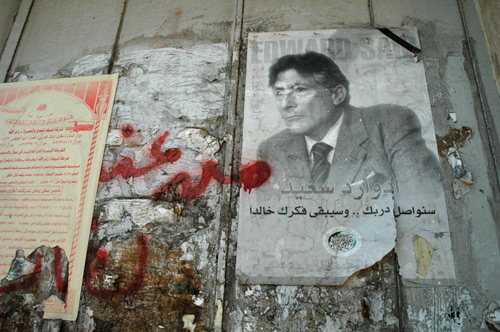
Edward W. Said, who passed away at the age of 67 on September 25, 2003, was a towering “public intellectual” — a man of extraordinary erudition, a path-breaking scholar, and a passionate activist.
Said was a man of many interests, talents, and accomplishments — pianist, opera critic, newspaper columnist, popular essayist, television celebrity, and public lecturer. From 1963 until his death, he was Professor of English and Comparative Literature at Columbia University.
Afghanistan 2002-2012: A Decade of Progress and Hope.
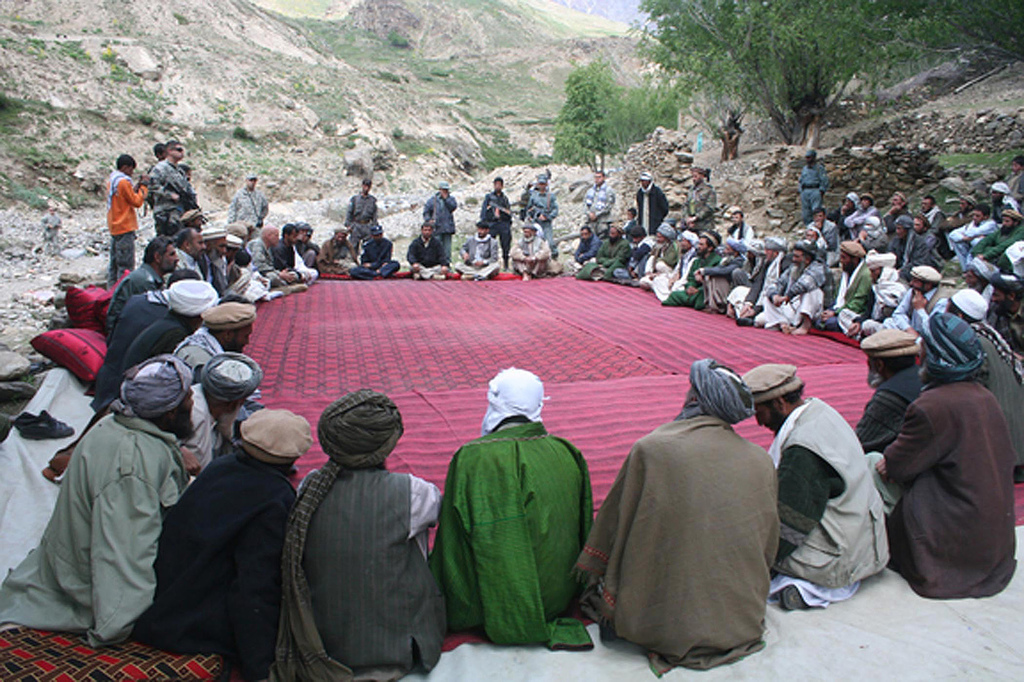
Recent media coverage of the Afghan war questions whether we’ve made meaningful progress towards security and an effective Government in that country. Or were the past ten years a lost decade for the Afghans and Coalition partners? This ten-year milestone is a good point in time to pause, check Afghanistan’s progress, and assess where it appears to be headed. With the assistance of over 40 nations, Afghanistan developed its infrastructure and has taken major steps towards self sufficiency.
Prospects for U.S.-Iran Relations on the Nuclear Issue in the Year Ahead
MEI Podcast Tue, 8/14/2012 3:30 pm to 5:00 pm
Prospects for U.S.-Iran Relations on the Nuclear Issue in the Year Ahead
MEI Podcast Tue, 8/14/2012 3:30 pm to 5:00 pm
Prospects for U.S.-Iran Relations on the Nuclear Issue in the Year Ahead
MEI Podcast Tue, 8/14/2012 3:30 pm to 5:00 pm
Prospects for U.S.-Iran Relations on the Nuclear Issue in the Year Ahead
MEI Podcast Tue, 8/14/2012 3:30 pm to 5:00 pm
Prospects for U.S.-Iran Relations on the Nuclear Issue in the Year Ahead
Policy and War: On the Brink with Iran
“War is merely the continuation of policy by other means.” – Clause von Clausewitz
Considering Diplomacy and War
Rethinking Afghanistan
Originally posted December 2009
We are regularly bombarded by news reports and political analysis that reflect certain underlying assumptions about Afghanistan. These assumptions range from claims that Afghanistan was always a backward state ruled by warlords, to assertions that the country was never really a nation at all, and proclamations that Afghanistan is unfit for Western-style democracy and that it is dangerously naïve to think otherwise.
Cultural Imperatives Of Afghanistan
Since the overthrow of King Mohammad Zahir Shah in 1973, Afghanistan has been plagued by war — either war waged among ideologues (Marxists v. nationalists) or war marked by foreign invasion and occupation. The Soviet occupation of Afghanistan, which began in 1979, lasted a full decade.