This individual is a guest contributor. MEI is not able to assist with contact requests.
Richard Weitz is senior fellow and director of the Center for Political-Military Analysis at Hudson Institute. His current research includes regional security developments relating to Europe, Eurasia, and East Asia, as well as U.S. foreign and defense policies.
Before joining Hudson in 2005, Dr. Weitz worked at the Institute for Foreign Policy Analysis, the Center for Strategic and International Studies, the Defense Science Board, Harvard University, and the U.S. Department of Defense.
Dr. Weitz received his Ph.D. in political science from Harvard University, M.Phil. in politics from Oxford University, M.Sc. in international relations from the London School of Economics, and B.A. with highest honors in government from Harvard College, where he was elected to Phi Beta Kappa. He is proficient in Russian, French, and German.
International institutions confront Taliban troubles
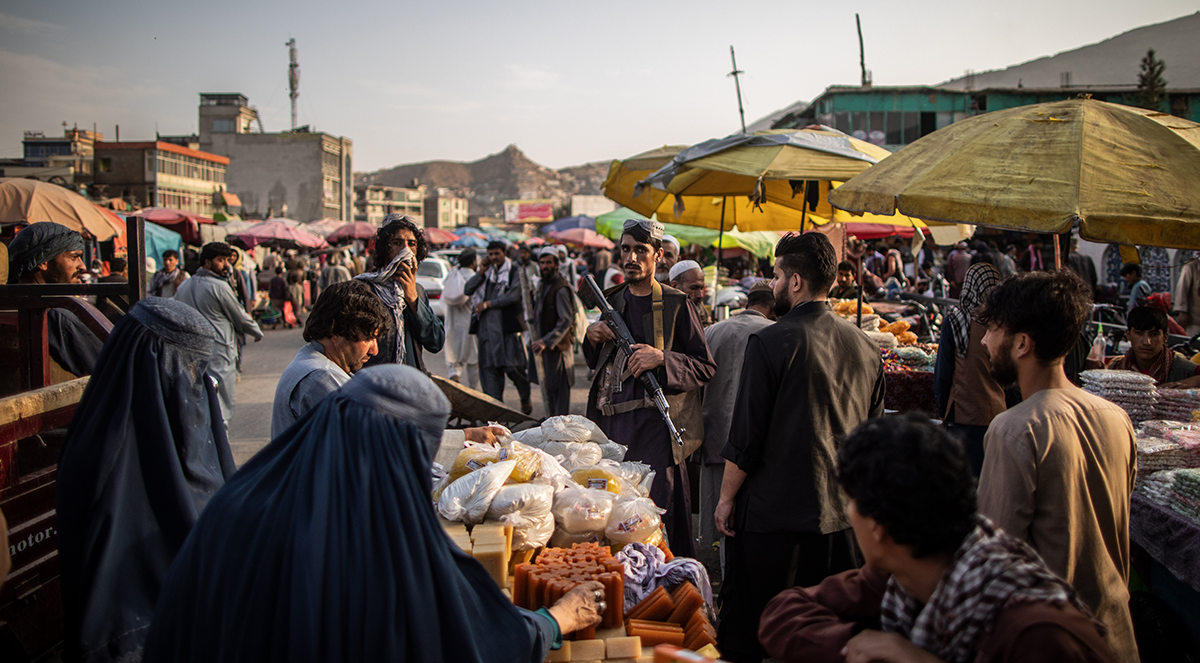
International leaders are struggling to manage a Taliban-ruled Afghanistan; they are torn between their commitment to alleviate Afghans’ suffering and their reluctance to legitimize a Taliban government that violates its people’s basic rights. Helping Afghans but not their new “de facto authorities” is a difficult balance for a diverse group of international actors with often divergent long-term interests.
Afghanistan adrift one year after the Taliban takeover
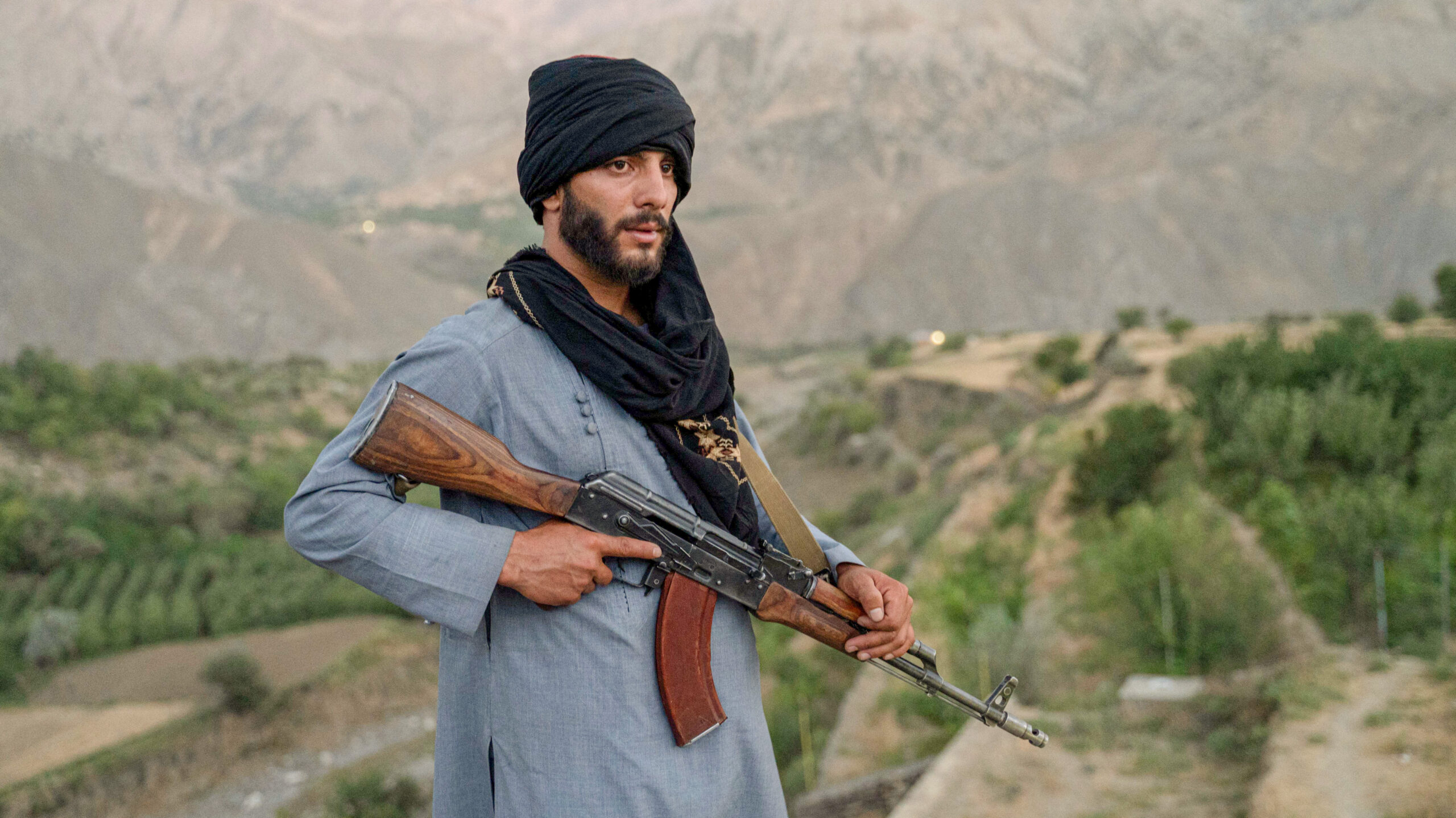
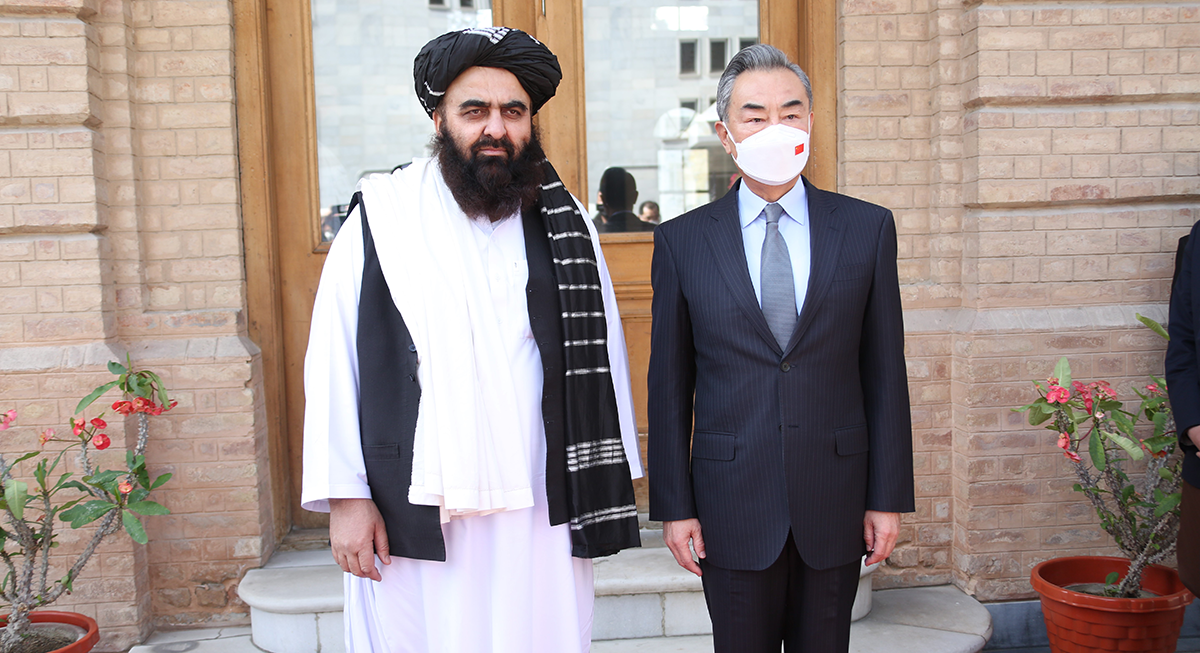
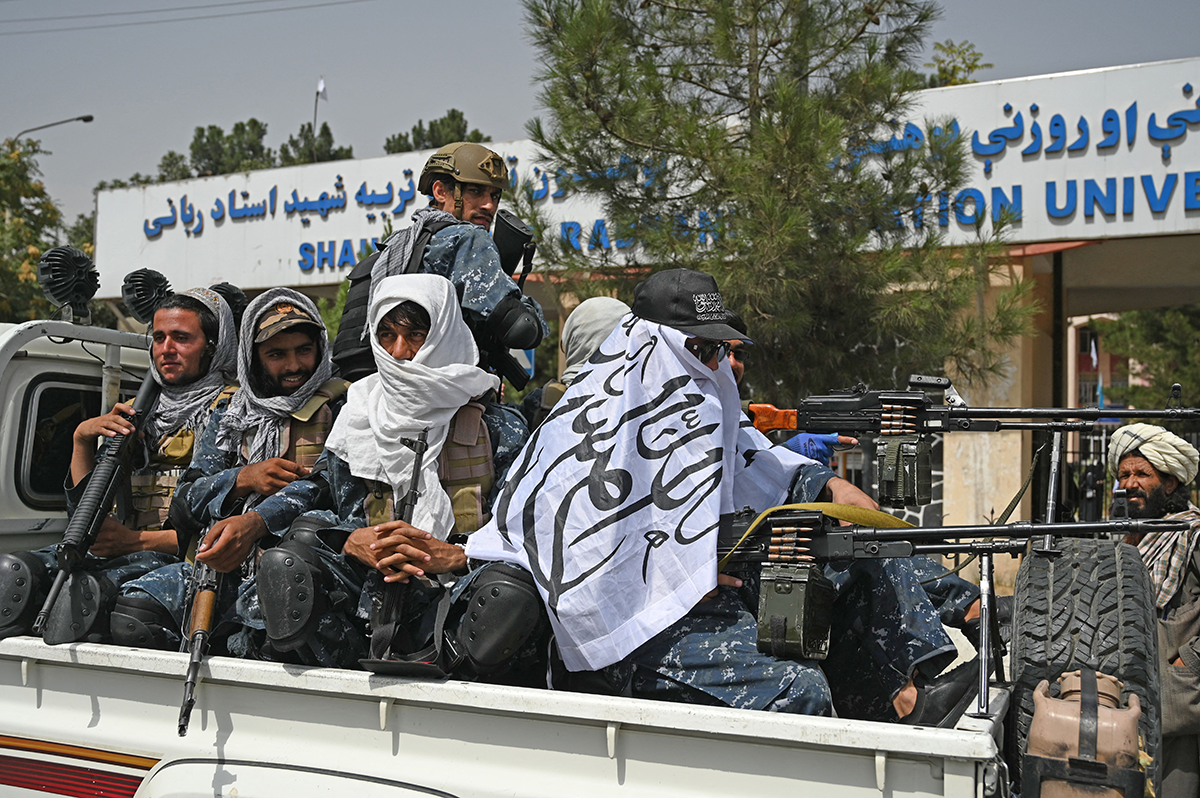
Even prior to al-Qaeda leader Ayman al-Zawahiri’s death in a CIA drone strike on July 31, the last few months have mostly underscored the Taliban’s global isolation and the anguish of the Afghan people. A year on from the Taliban’s takeover of Kabul in August 2021, no foreign government has officially recognized the regime.
Despite expectations that China, Russia, and other states would try to exploit the Western military departure from Afghanistan, the Taliban’s regime remains unrecognized by any other government. Neighboring countries have not gone beyond limited diplomatic engagement, economic detachment, and security containment.
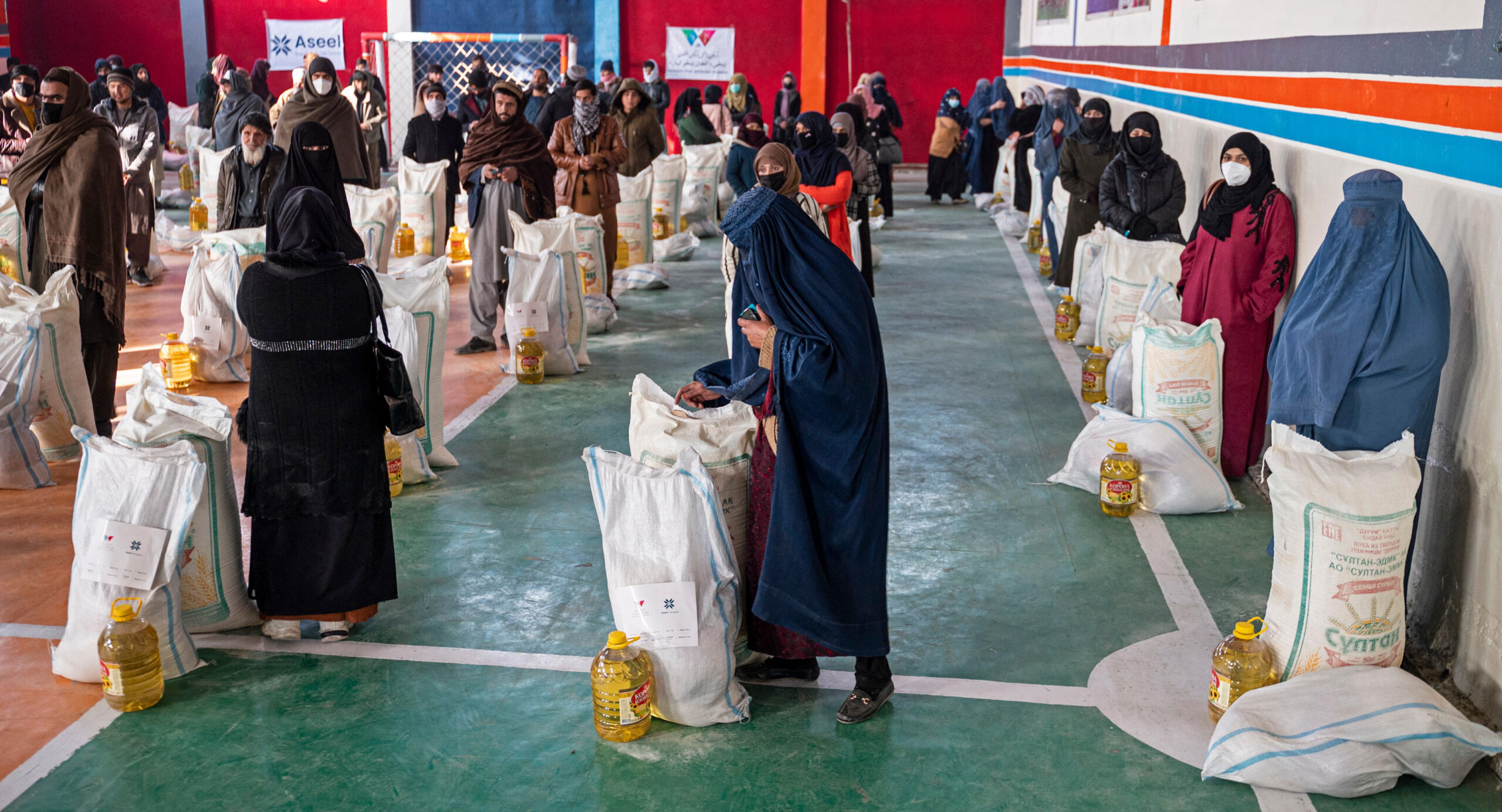
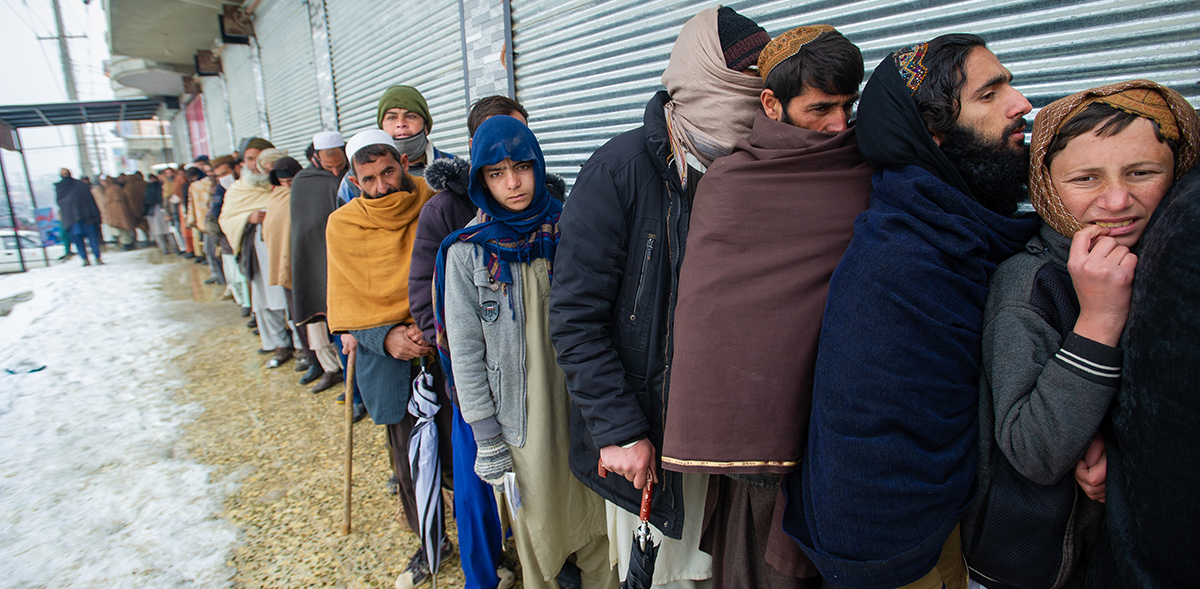
On Jan. 13, U.N. Secretary-General Antonio Guterres expressed alarm that millions of Afghans are on the “verge of death” thanks to a lethal brew of “freezing temperatures and frozen assets.” This was no idle warning. Notwithstanding the decline in fighting following the Taliban’s victory in August 2021, Afghanistan’s economy is in a deepening spiral of impoverishment and destitution.
Afghanistan’s economy is collapsing. The Taliban’s forceful seizure of power led to a curtailment of almost all foreign aid, a devastating development for a nation overwhelmingly dependent on international assistance. Widespread drought, pervasive corruption, the perennially inadequate use of the country’s human capital, and a population largely unvaccinated against COVID-19 have exacerbated this longstanding problem of foreign financial dependence.
Though aware of the weaknesses of the former Afghan government, none of the Central Asian governments seemed prepared for the rapidity and decisiveness of the Taliban victory. Not unreasonably, Central Asians fear that it will spur the growth of regional terrorism and extremism, either through direct Taliban sponsorship or inspiration. The five Central Asian states backed the anti-Taliban opposition in the 1990s and then the U.S.-led NATO military campaign in Afghanistan after 2001. Presently, the Central Asian governments are eschewing policies that could antagonize the new regime while looking for indications whether the Taliban have genuinely turned over a new leaf and renounced international terrorism. If they have, then some Central Asian countries seem open to economic and perhaps other cooperation. If not, Central Asians will likely rely on Russia for enhanced security support.
Tehran and Moscow: Alignment and Divergence in the Caspian
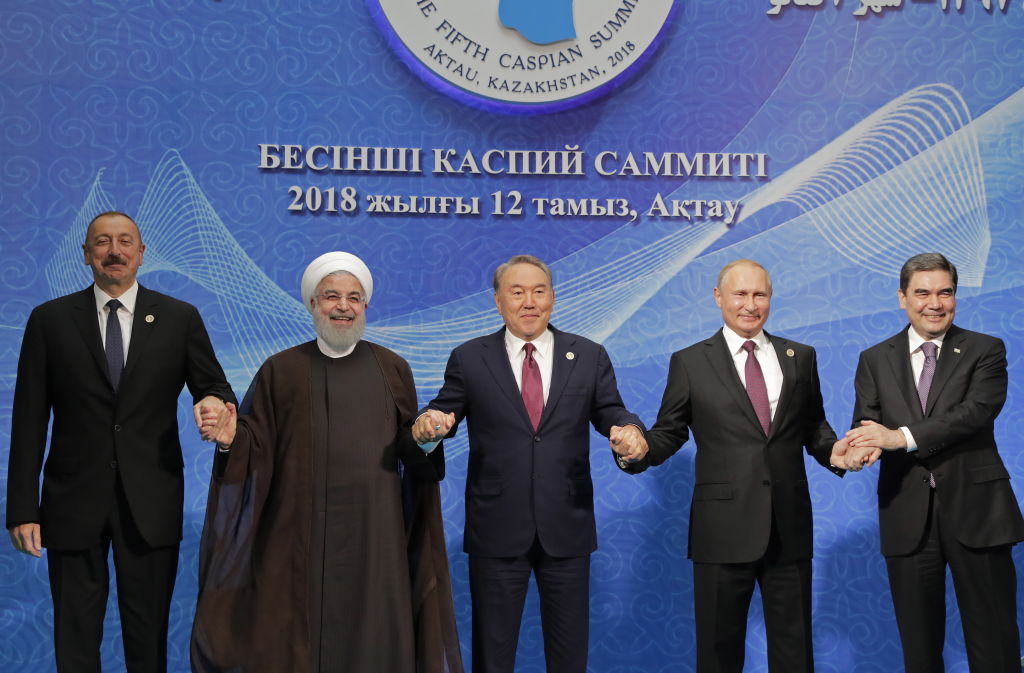
The complexities, converging interests, and persistent tensions marking Iranian-Russian relationships are evident in their policies toward the Caspian Sea region. Iran and Russia are the two largest countries that border the sea, the world’s largest inland body of water. The Caspian region therefore provides many opportunities for diplomatic, economic, and military engagement between Iran and Russia. Some issues of mutual importance relating to the Caspian include the Nagorno-Karabakh War, the Afghanistan and Iraq conflicts, NATO partnerships in the Caucasus region, and the construction of trans-Caspian pipelines.
Absent with Leave: Moscow’s Deficient Eurasian Military Alliance
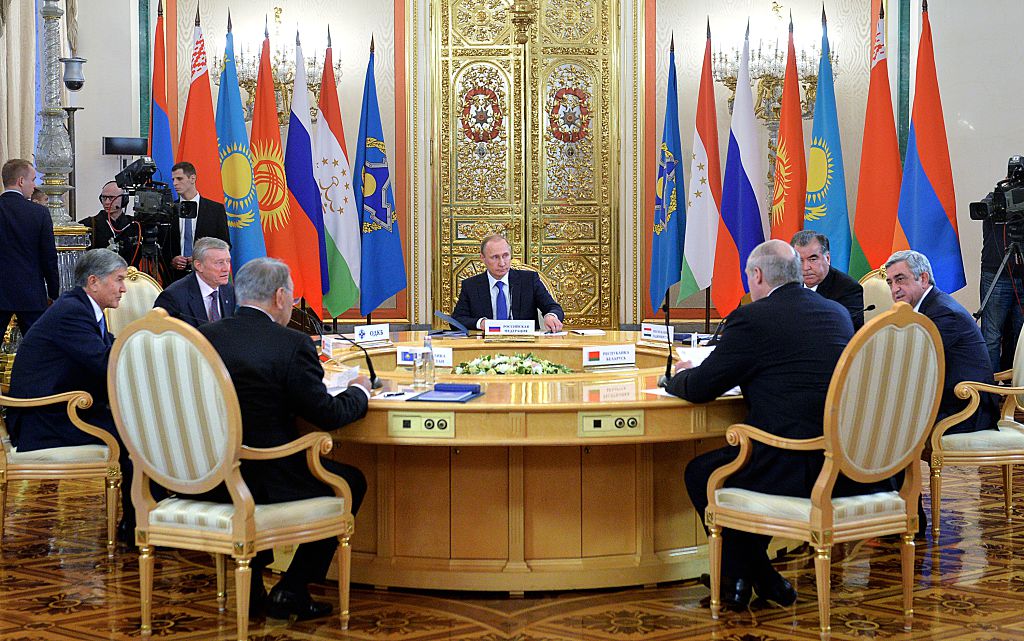
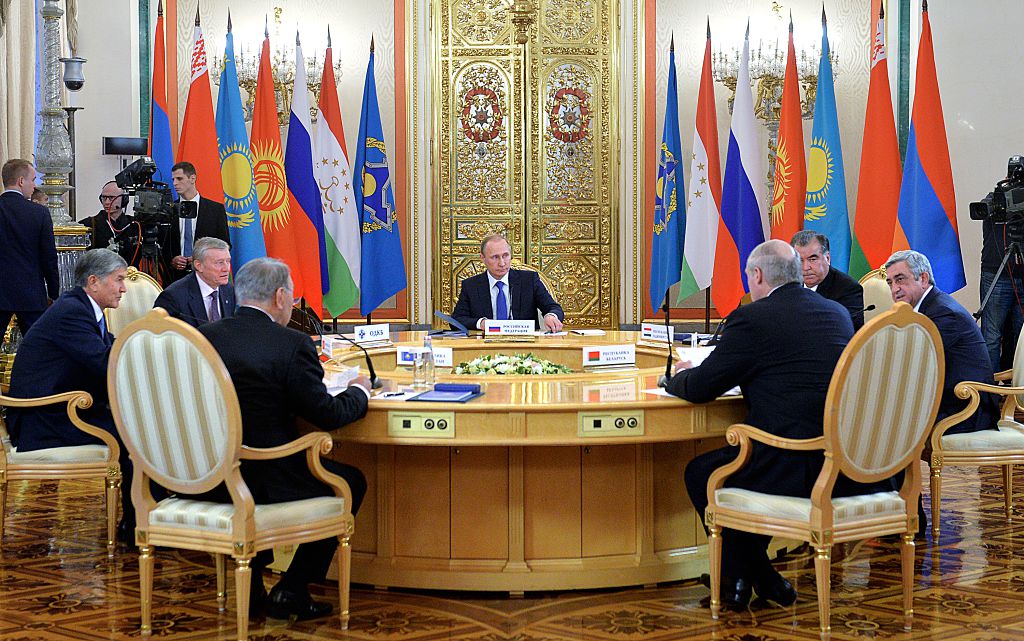
The Russian government has spent more than a decade constructing a multilateral security structure for the former Soviet space—the Collective Security Treaty Organization (CSTO). Yet, despite the occurrence this year of some of the most serious crises in Russia’s neighboring former Soviet republics, the CSTO has been notable for its absence in the Kremlin’s response.
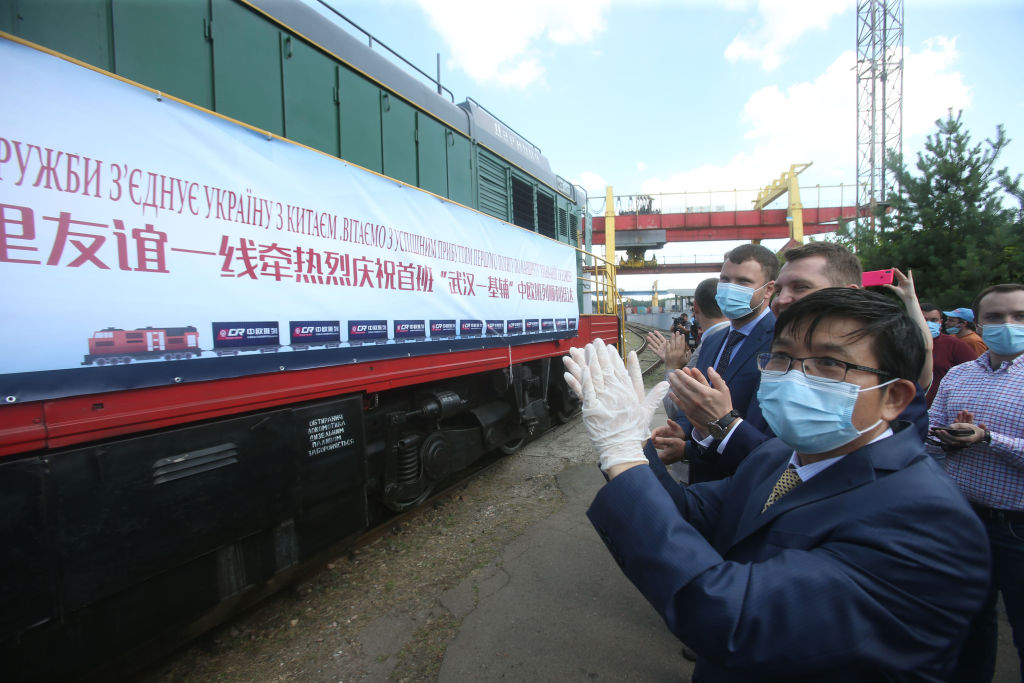
Since the inception of its Belt and Road Initiative (BRI) in 2013, China has substantially expanded its political, legal, trade, economic, educational, scientific, and cultural presence in the Black Sea region. The People’s Republic of China (PRC) has pursued various initiatives with the littoral states to open new markets for Chinese goods, acquire local industries through loans and investments, and most importantly build infrastructure connecting China with Europe and the Middle East via the Black Sea.
Despite the collapse of the Soviet Union, the newly independent states of the Caspian and Russia are still deeply intertwined in each other’s economies, security, and cultures. Moscow has continued to wield considerable military, political, and economic influence in the region.
Continuity and Change in US Policies towards the Caspian Region
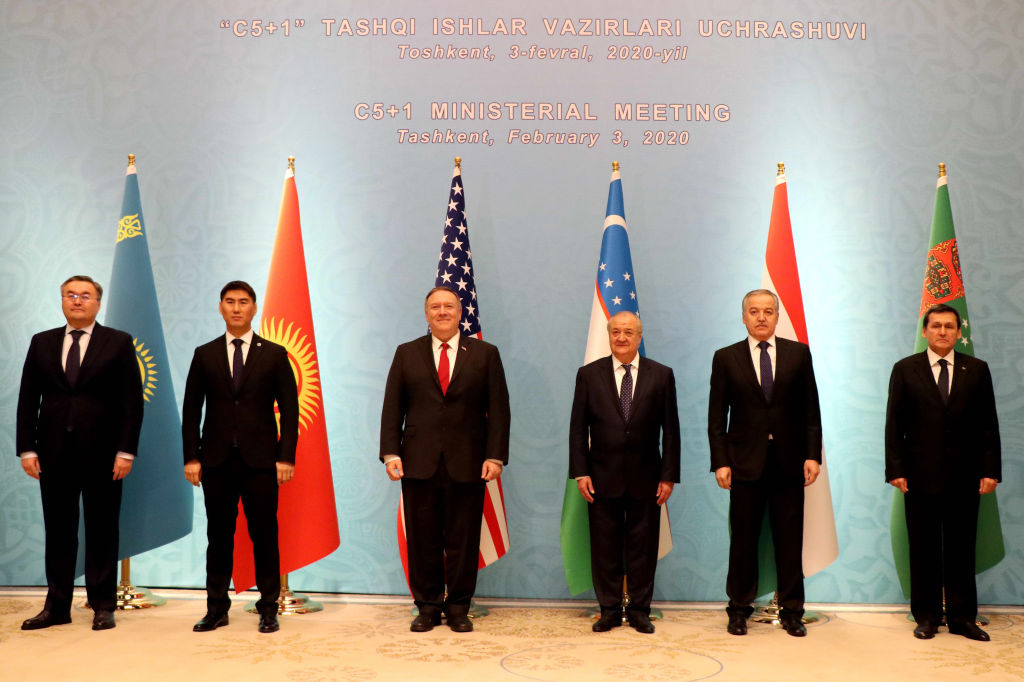
The U.S. government agenda for Central Asia and the South Caucasus has regularly included a multitude of goals. Whereas in the 1990s, U.S. policy focused on state building, economic development, WMD elimination, and democracy promotion, in the 2000s, counterterrorism rose to the forefront of the U.S. agenda.