طفرة دبلوماسية أمريكية
“يؤكد الأمريكيون على التزام إدارة بايدن بأمن الخليج، حتى مع اعتراف الولايات المتحدة بإحراز تقدم في استعادة التأييد الأمريكي والإيراني للاتفاق النووي لعام 2015”.
Defense and Security, Economics, Governance, Reform, and State Capacity, Regional International Politics, Terrorism, US Policy in the Middle East, Algeria, Bahrain, Egypt, Iraq, Syria, Turkey
Press inquiries: [email protected]
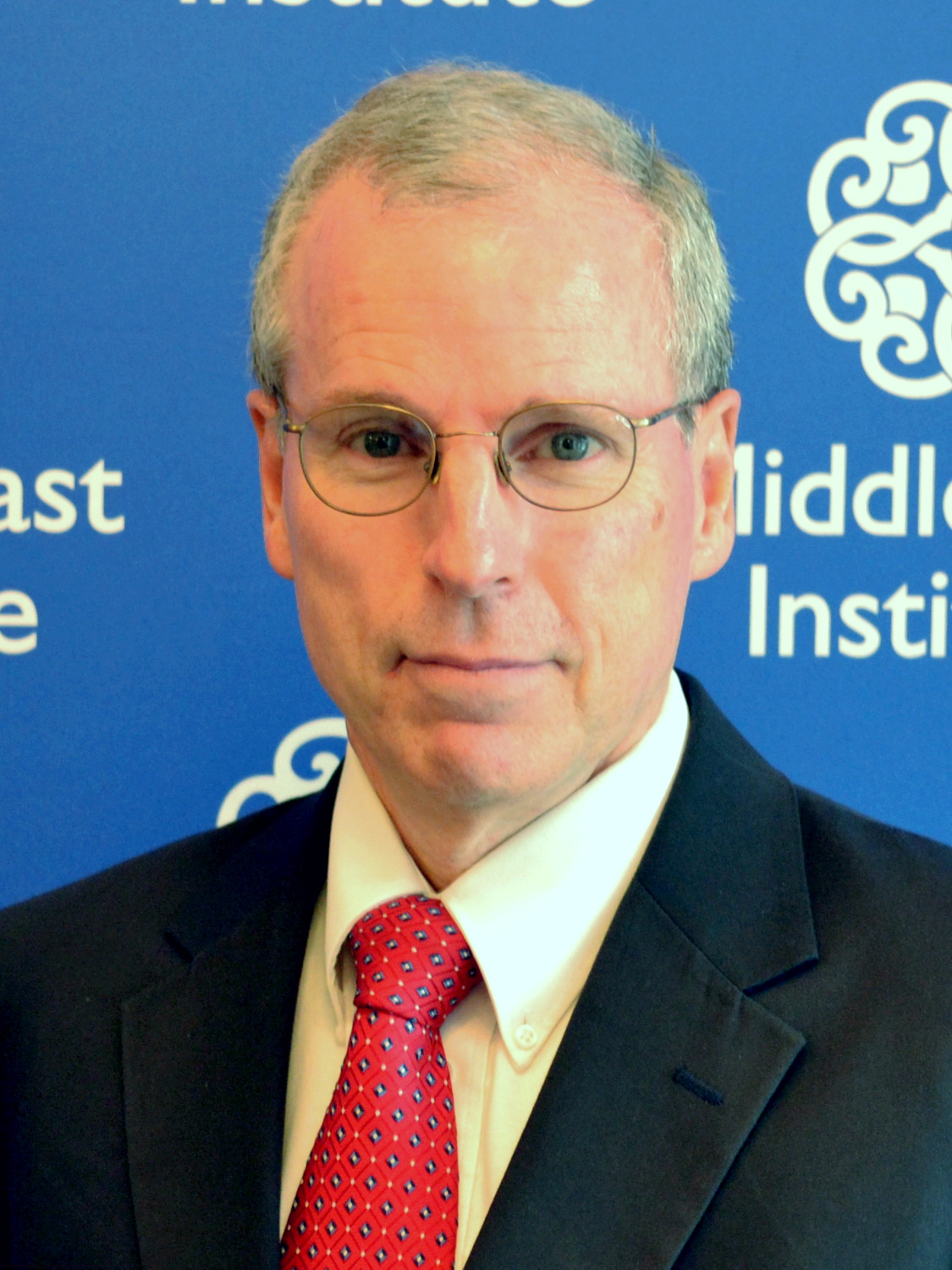
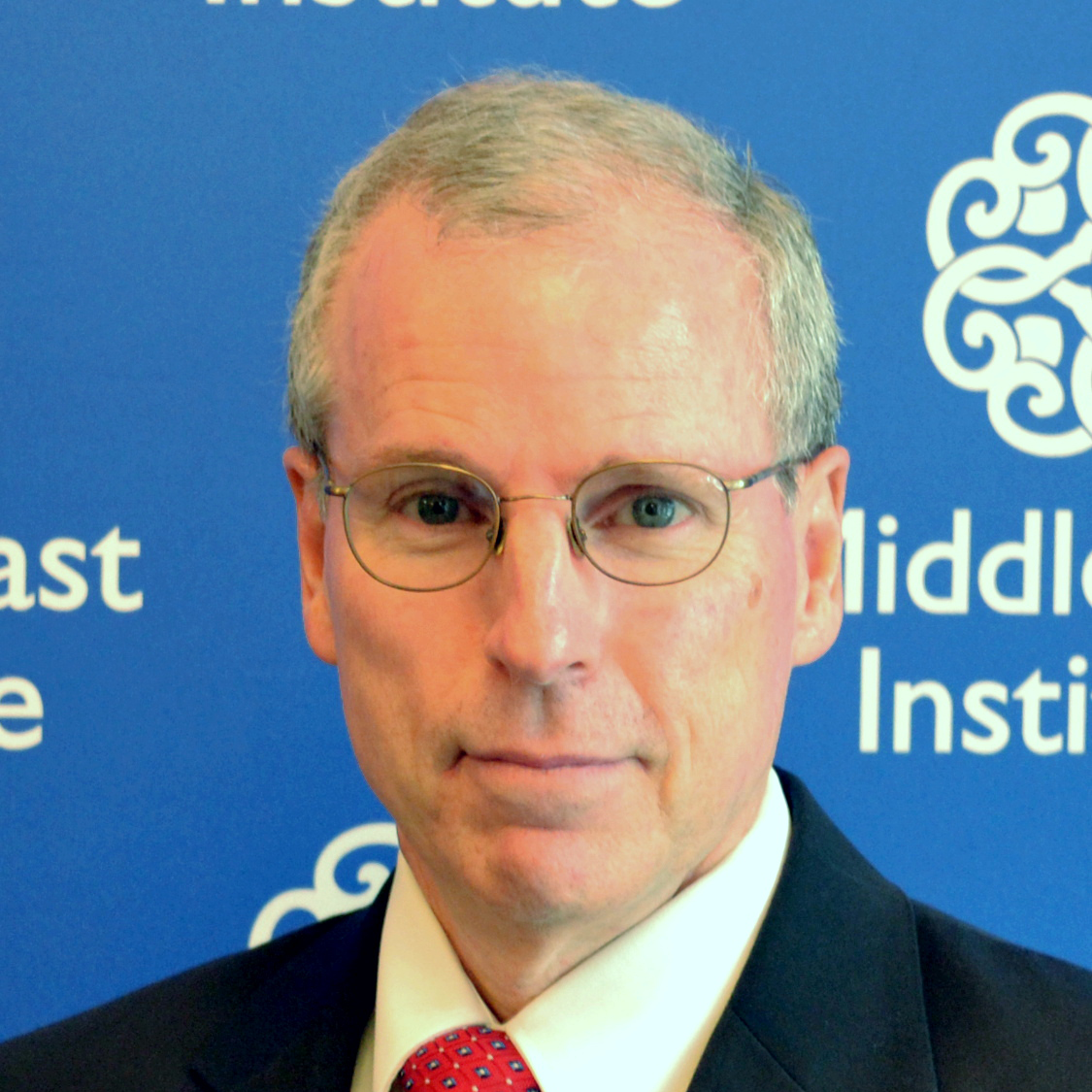
Amb. (ret.) Robert S. Ford is currently a senior fellow at the Middle East Institute in Washington where he writes about developments in the Levant and North Africa. Amb. Ford retired from the U.S. Foreign Service in 2014 after serving as the U.S. Ambassador to Syria from 2011 to 2014. In this role, Amb. Ford was the State Department lead on Syria, proposing and implementing policy and developing common strategies with European and Middle Eastern allies to try to resolve the Syria conflict. Prior to this, Amb. Ford was the deputy U.S. Ambassador to Iraq from 2008 to 2010, and also served from 2006 until 2008 as the U.S. Ambassador to Algeria, where he boosted bilateral education and rule of law cooperation. Amb. Ford served as deputy chief of mission in Bahrain from 2001 until 2004, and political counselor to the U.S. Embassy in Baghdad from 2004 until 2006 during the tumultuous establishment of the new, permanent Iraqi government. In 2014 he received the Secretary’s Service Award, the U.S. State Department’s highest honor. He also received in April 2012 from the John F. Kennedy Library in Boston the annual Profile in Courage Award for his stout defense of human rights in Syria. He has appeared on CNN, PBS, Fox, MSNBC, NPR, the BBC and Arabic news networks as well as in The New York Times and Foreign Policy.
Education
B.A. in international studies, Johns Hopkins University; M.A. in Middle East studies and economics, Johns Hopkins SAIS; Advanced Arabic studies, American University of Cairo
Regions of Expertise
Syria, Iraq, North Africa
Issues of Expertise
US foreign policy, economic and political development, Islamist movements
Languages
Arabic, French
Sample Interview:
April 17, 2015: An Interview with Amb. Robert S. Ford.
“يؤكد الأمريكيون على التزام إدارة بايدن بأمن الخليج، حتى مع اعتراف الولايات المتحدة بإحراز تقدم في استعادة التأييد الأمريكي والإيراني للاتفاق النووي لعام 2015”.
Read MEI’s weekly briefing featuring expert analysis of key regional developments for the week ahead.
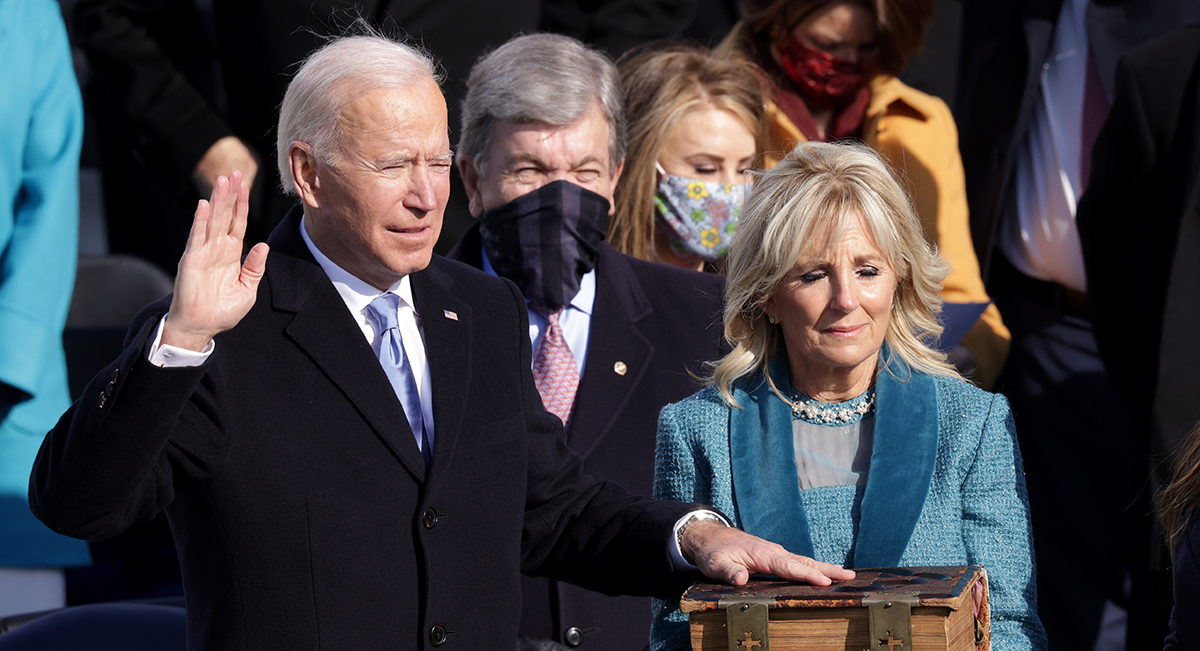
At the end of Joe Biden’s first 100 days as president of the United States, where do things stand when it comes to U.S. policy toward the Middle East and North Africa? We asked experts and scholars from across MEI to weigh in with their thoughts on the changes we’ve seen so far, the new challenges that have emerged, and what we know about the administration’s key priorities for the region.
“الكاظمي يحاول تدريجيًا احتواء المليشيات بينما يتعهد بتجنب حرب أهلية جديدة داخل العراق، وهو موقف يرحب به العراقيون المنهكون”.
Read MEI’s weekly briefing featuring expert analysis of key regional developments for the week ahead.
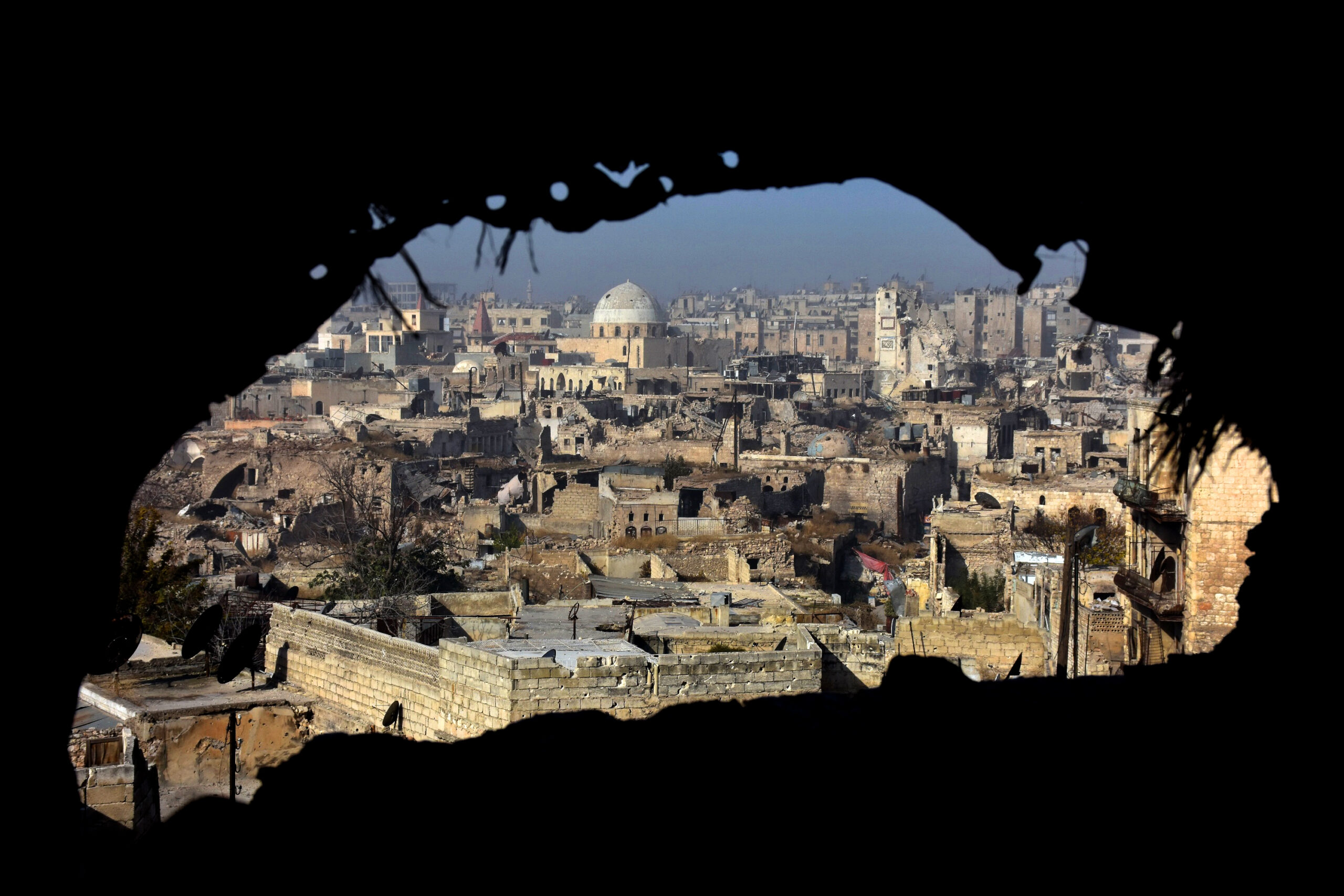
Ten years ago this week, at the American embassy in Damascus, we heard of the first anti-government protest through a quiet whisper in the diplomatic community. A few young kids had run through the historic Hamadiya market yelling “freedom,” as everyone else in the Syrian capital was glued to their television, watching the Arab Spring unfold in nearby states.
In a new policy briefing book, entitled The Biden Administration and the Middle East: Policy Recommendations for a Sustainable Way Forward, MEI scholars tackle a large number of country-specific and region-wide issue areas, laying out both the abiding U.S. interests and specific recommendations for Biden administration policies that can further U.S. interests amid a region in turmoil.
“يواجه رئيس الوزراء العراقي مصطفى الكاظمي ما يكفيه من المشكلات؛ ولذا يسعى لاحتواء الأزمة مع الميليشيات، وحلفائها السياسيين”.
Read MEI’s weekly briefing featuring expert analysis of key regional developments for the week ahead.
More destabilization and human suffering is certain unless the Biden administration is ready to respond to Russian efforts that would impede aid flows and reinforce Syrian President Bashar al-Assad.
Washington must acknowledge that it can’t build a state.
Contents:
A look back at the year’s most important developments with analysis from Paul Salem, Alex Vatanka, Randa Slim, Gerald Feierstein, Gonul Tol, Jonathan M. Winer, Khaled Elgindy, Marvin G. Weinbaum, Mirette F. Mabrouk, Grace Wermenbol, Syed Mohammad Ali, Robert S. Ford, and Khaldoun Khelil.