MENA coronavirus update: The region faces an unprecedented crisis
11 scholars and experts from across MEI weigh in with the latest on how the coronavirus pandemic is affecting the Middle East.
Defense and Security, Economics, Governance, Reform, and State Capacity, Regional International Politics, Terrorism, US Policy in the Middle East, Algeria, Bahrain, Egypt, Iraq, Syria, Turkey
Press inquiries: [email protected]
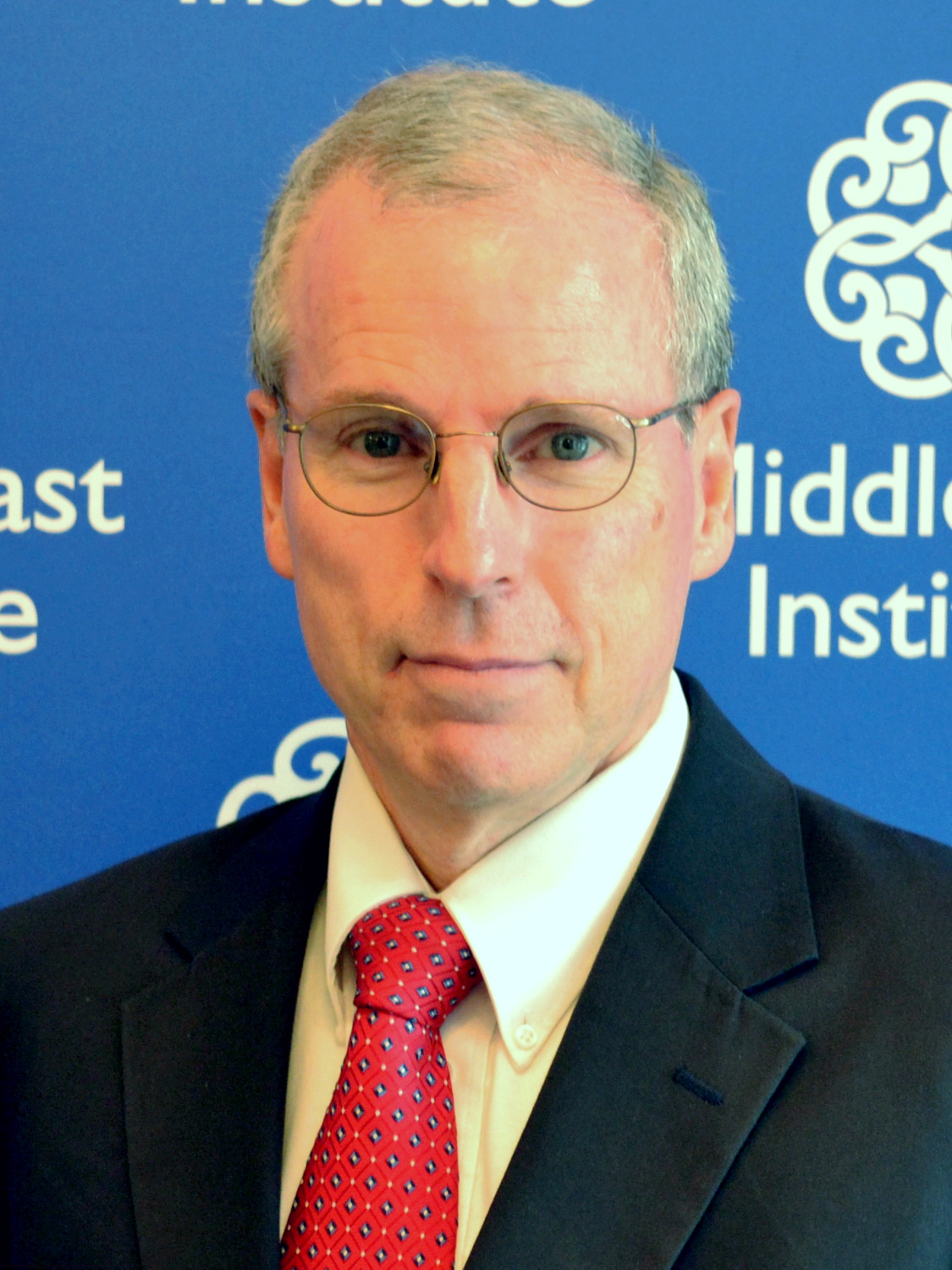
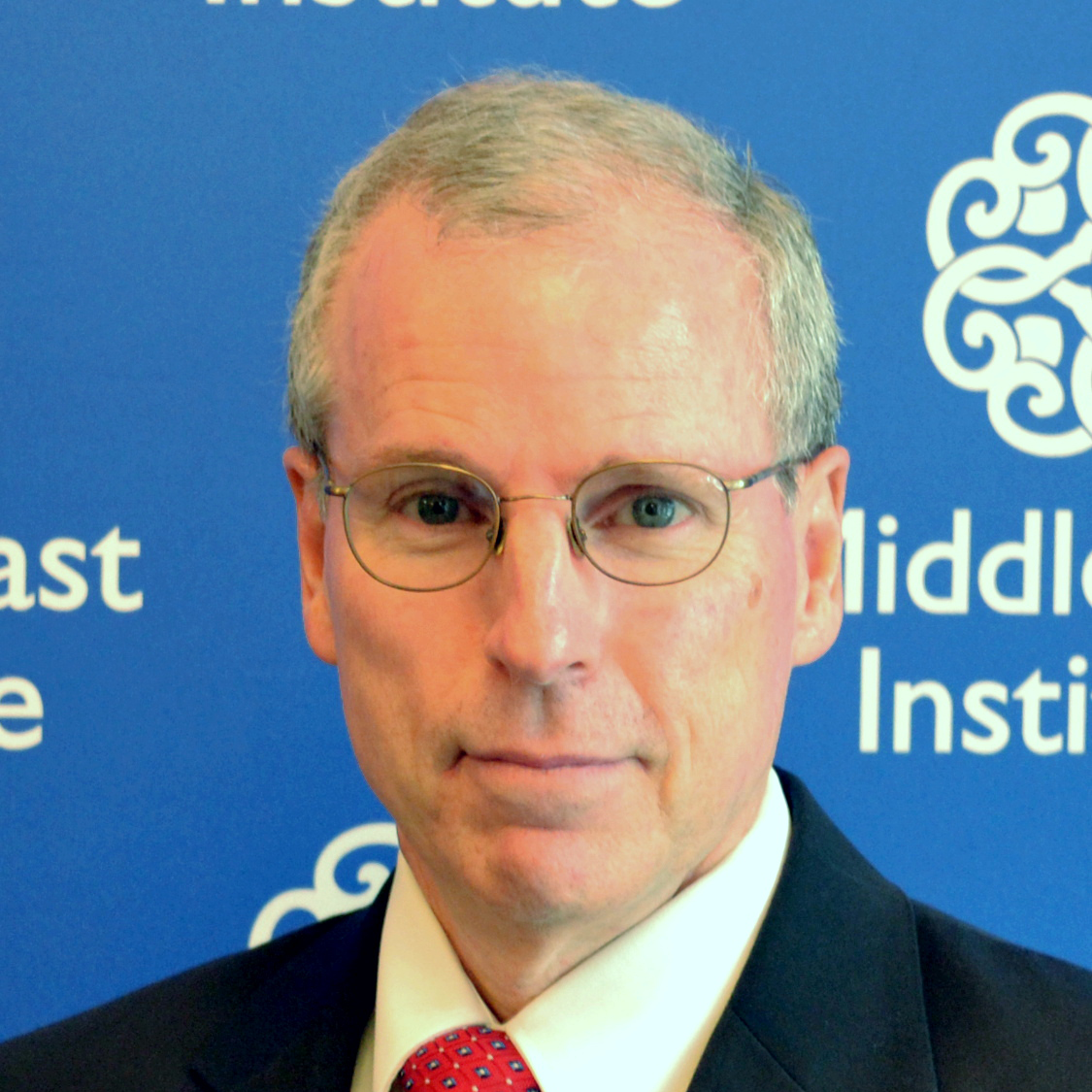
Amb. (ret.) Robert S. Ford is currently a senior fellow at the Middle East Institute in Washington where he writes about developments in the Levant and North Africa. Amb. Ford retired from the U.S. Foreign Service in 2014 after serving as the U.S. Ambassador to Syria from 2011 to 2014. In this role, Amb. Ford was the State Department lead on Syria, proposing and implementing policy and developing common strategies with European and Middle Eastern allies to try to resolve the Syria conflict. Prior to this, Amb. Ford was the deputy U.S. Ambassador to Iraq from 2008 to 2010, and also served from 2006 until 2008 as the U.S. Ambassador to Algeria, where he boosted bilateral education and rule of law cooperation. Amb. Ford served as deputy chief of mission in Bahrain from 2001 until 2004, and political counselor to the U.S. Embassy in Baghdad from 2004 until 2006 during the tumultuous establishment of the new, permanent Iraqi government. In 2014 he received the Secretary’s Service Award, the U.S. State Department’s highest honor. He also received in April 2012 from the John F. Kennedy Library in Boston the annual Profile in Courage Award for his stout defense of human rights in Syria. He has appeared on CNN, PBS, Fox, MSNBC, NPR, the BBC and Arabic news networks as well as in The New York Times and Foreign Policy.
Education
B.A. in international studies, Johns Hopkins University; M.A. in Middle East studies and economics, Johns Hopkins SAIS; Advanced Arabic studies, American University of Cairo
Regions of Expertise
Syria, Iraq, North Africa
Issues of Expertise
US foreign policy, economic and political development, Islamist movements
Languages
Arabic, French
Sample Interview:
April 17, 2015: An Interview with Amb. Robert S. Ford.
11 scholars and experts from across MEI weigh in with the latest on how the coronavirus pandemic is affecting the Middle East.
From Morocco to Afghanistan, the scholars and experts at MEI take a closer look at how the COVID-19 coronavirus pandemic is affecting the Middle East.
Moscow’s restraint suggests that President Putin will accept a Turkish slap to his credibility as an ally to the Syrian government.
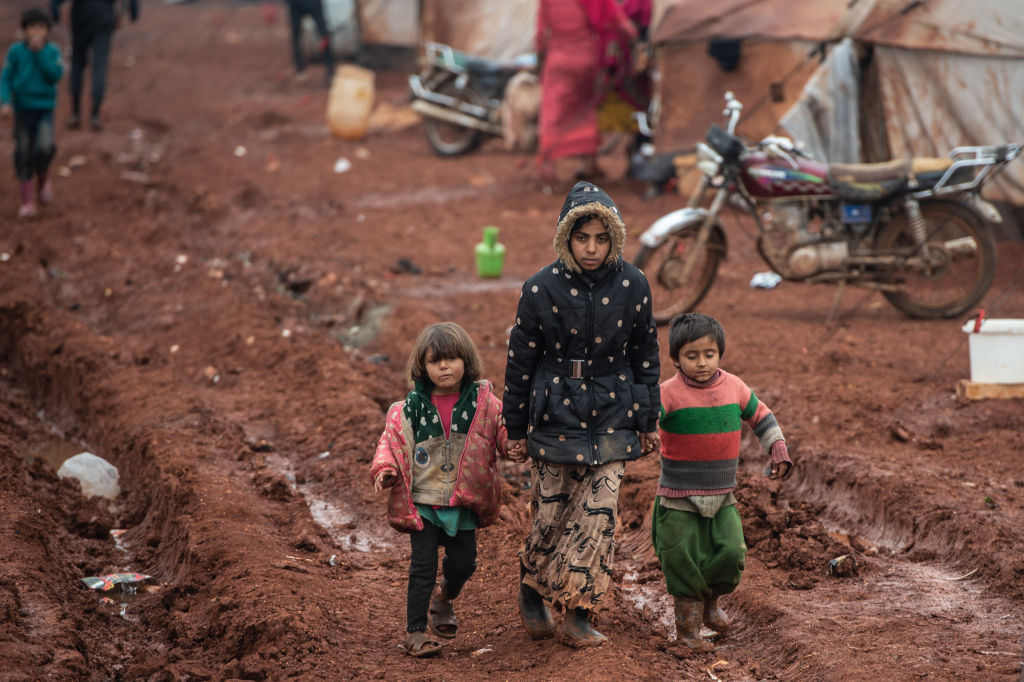
A Safe Zone Could Forestall a Humanitarian Crisis
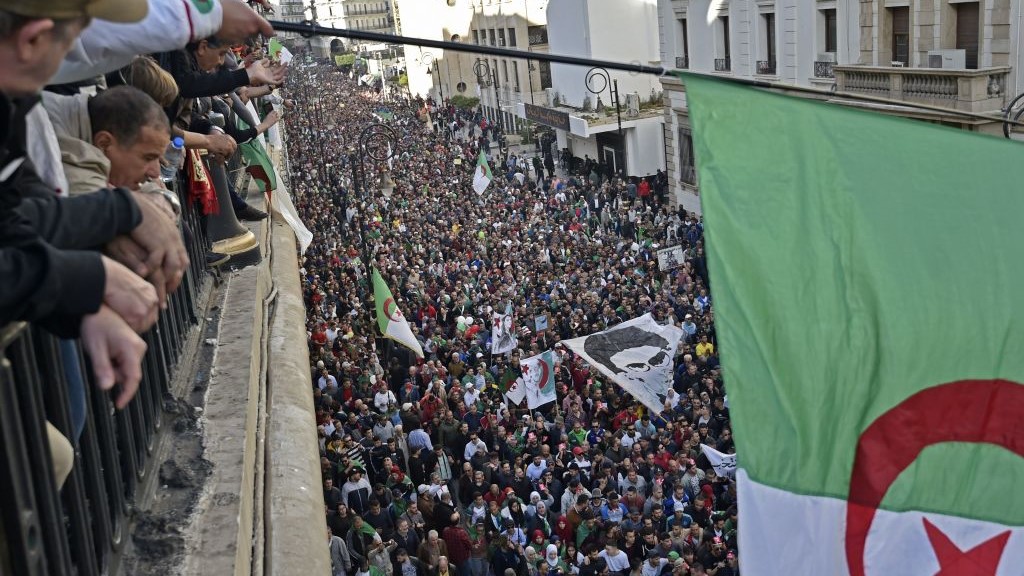
The government is functioning but its legitimacy suffers and the country remains at an impasse.
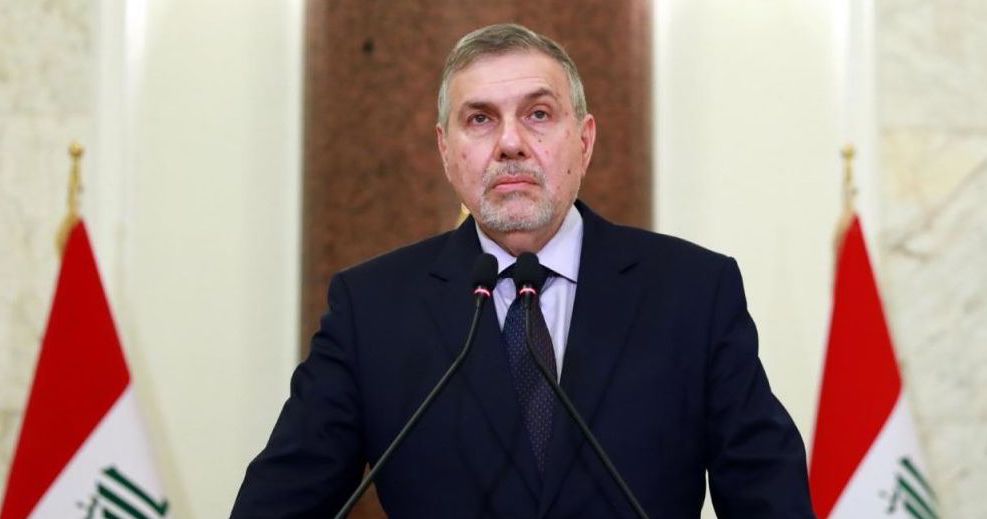
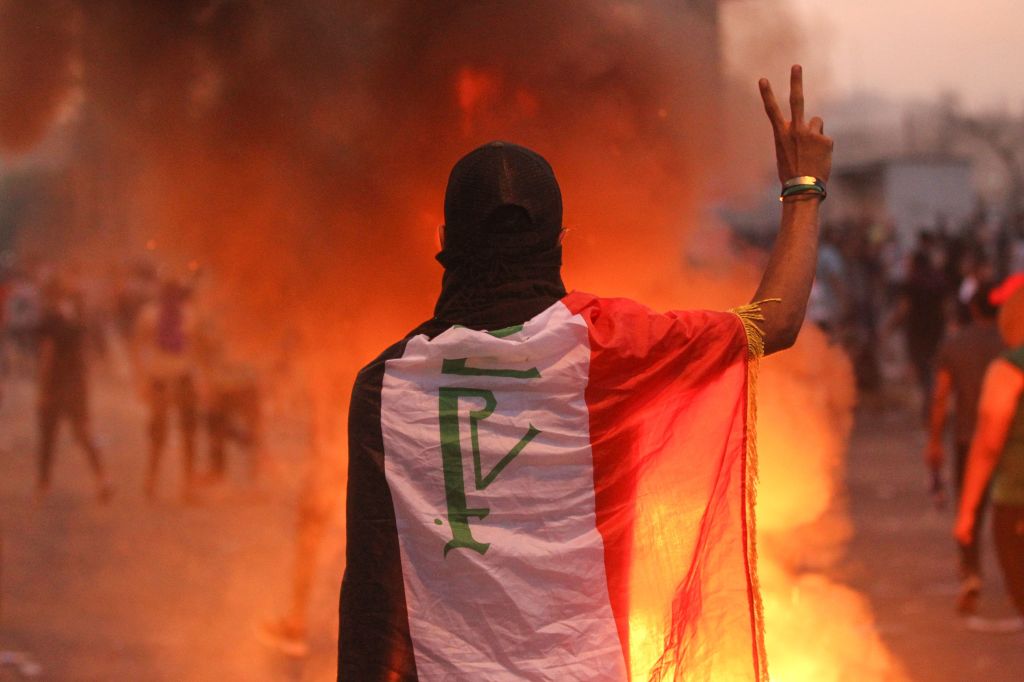
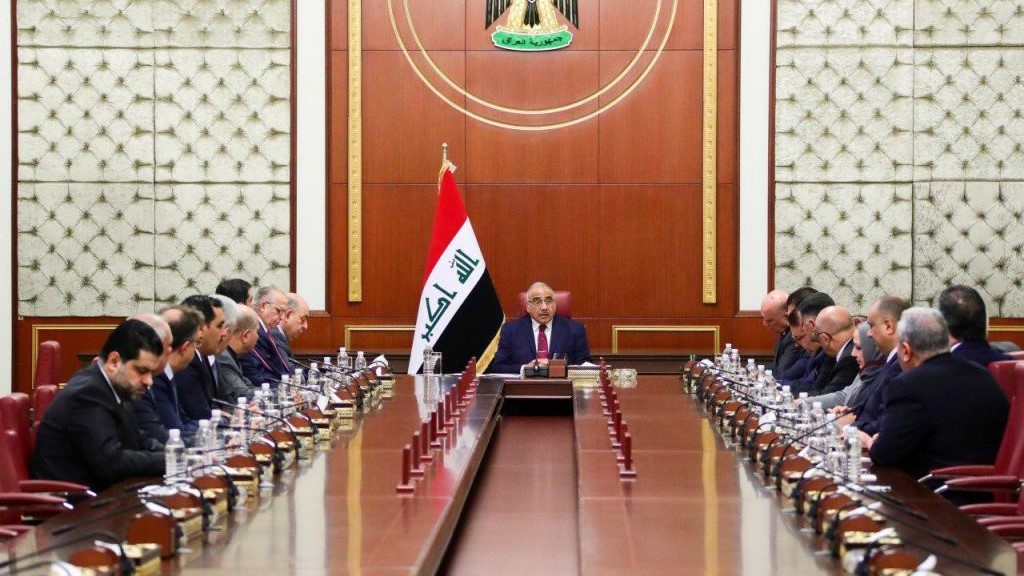
Allawi’s promises notwithstanding, there will be tough jostling among the parties over ministries, and more street protests and violence in the weeks ahead.
Fourteen MEI scholars weigh in on the key Middle East policy issues and developments for the year ahead.
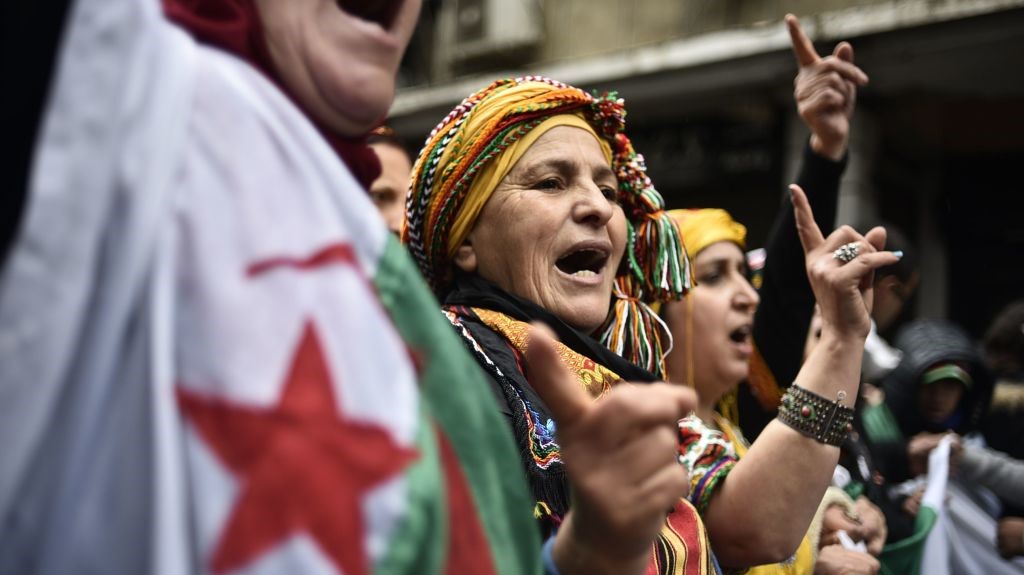
The relationship between President Tebboune and the army leadership will be a major factor influencing Algeria’s evolution.
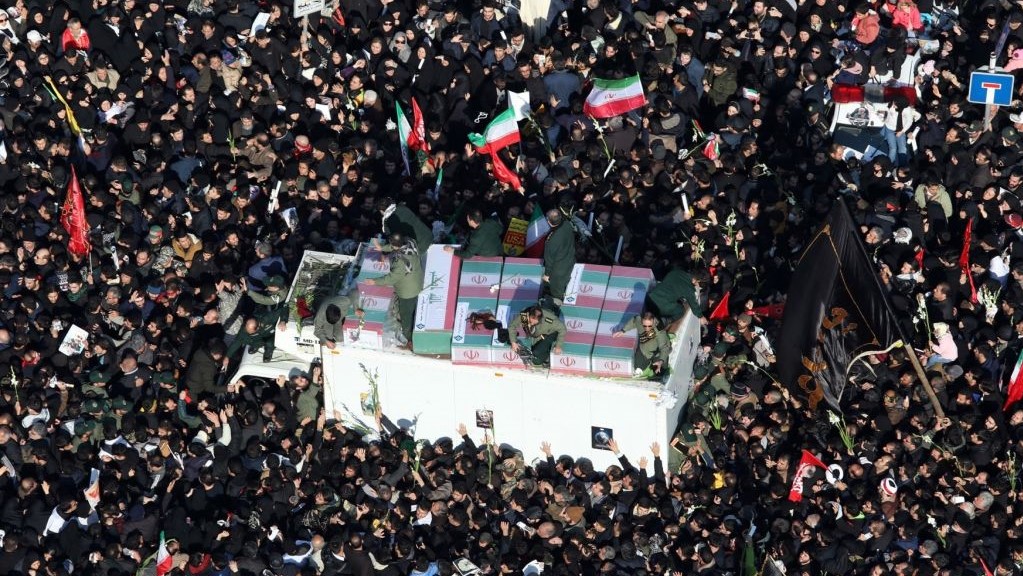
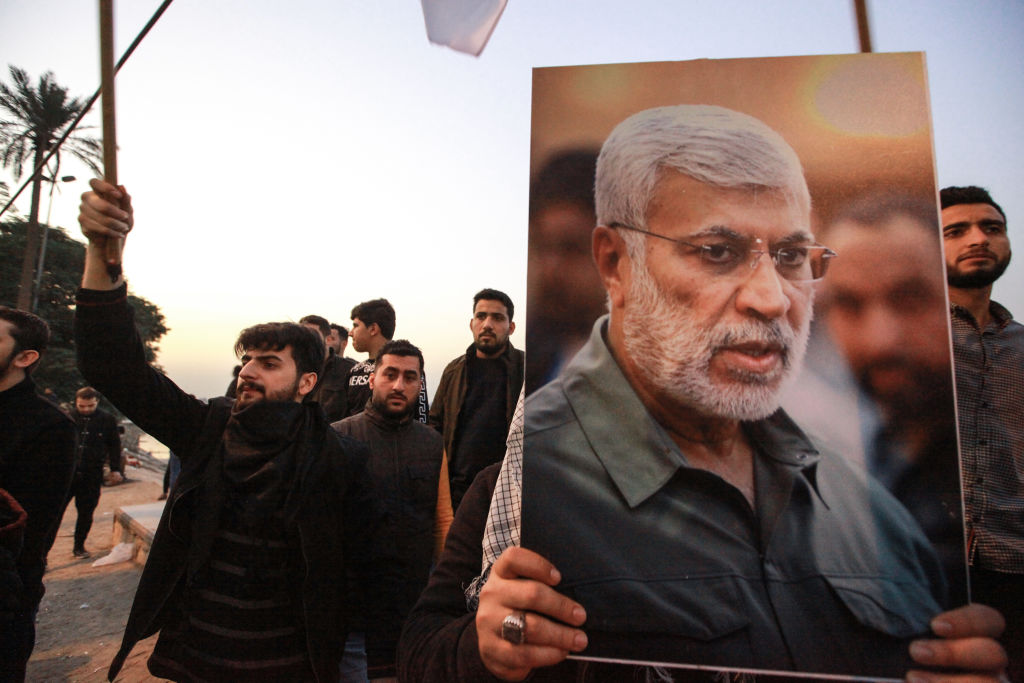
Seven MEI experts weigh in with their views on what the killing of Iran’s Qassem Soleimani means for the region
In the wake of the airstrike, there have been many calls inside Iraq for restraint among Iraqis and between the Americans and the Iranians, most notably from the Shi’a clerical establishment in Najaf. There is a wide consensus in Iraq that the country should not be at the center of an American-Iranian military fight.
Twelve MEI scholars run down the major developments in the Middle East in 2019.
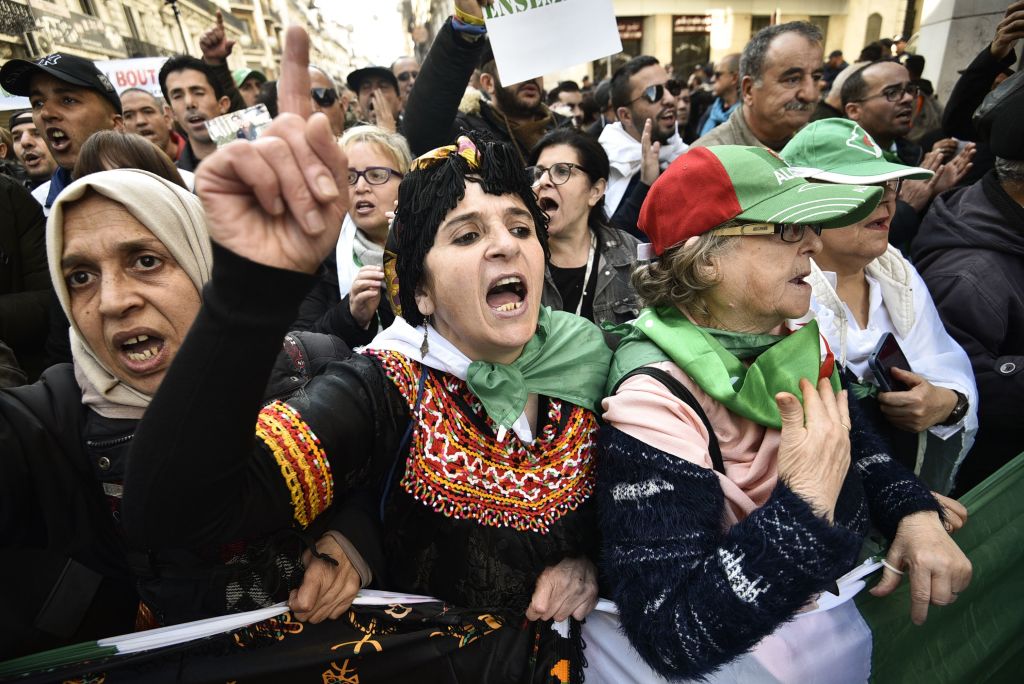
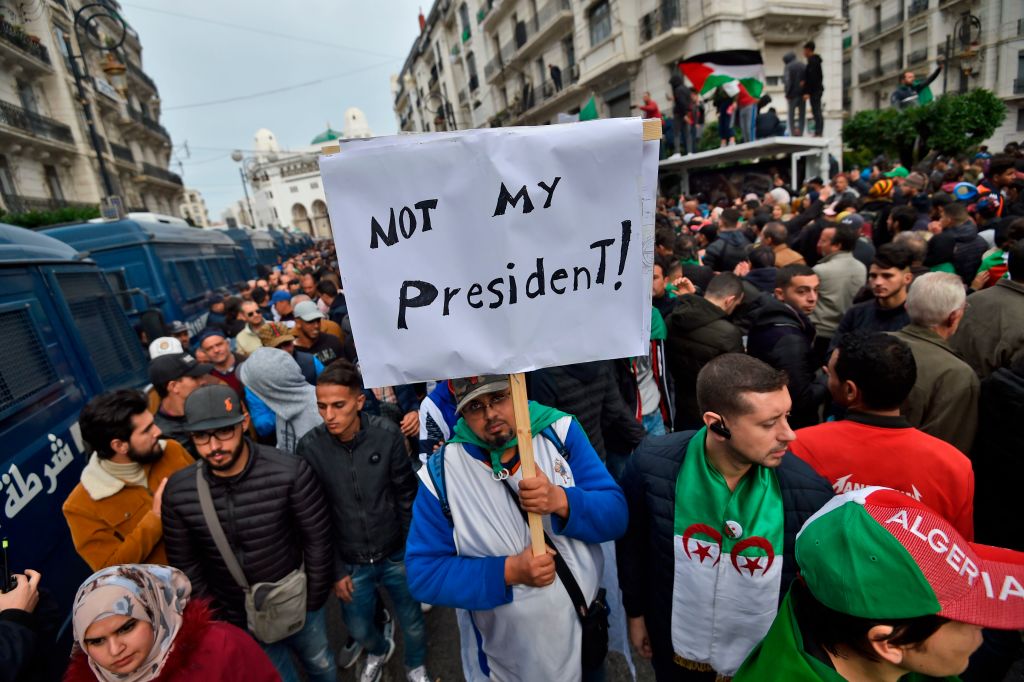
Newly elected President Abdelmadjid Tebboune and the Army leadership finish the year with doubtful legitimacy and remain at an impasse with a protest movement that has not yet developed visible, coherent leadership.
Campaigning in Algeria’s controversial presidential election has concluded, and voting will take place on Thursday, Dec. 12.
There is no end in sight to Iraq’s political crisis even though Parliament unanimously voted to remove Prime Minister Adel Abdul-Mahdi on Sunday. Abdul-Mahdi now tends a caretaker government while Iraq’s political leaders are interpreting the country’s constitution to give President Barham Salih 15 days starting from Nov. 30 to name a new prime minister.
There are two contests underway. One is between the five presidential candidates, who make promises without much detail or even controversy. The larger contest pits the army, which needs a high voter turnout to lend the election credibility, against the hirak, which aims to reduce turnout and limit any boost to the system’s legitimacy.