Are the foreign patrons of the Libyan war ready to end it?
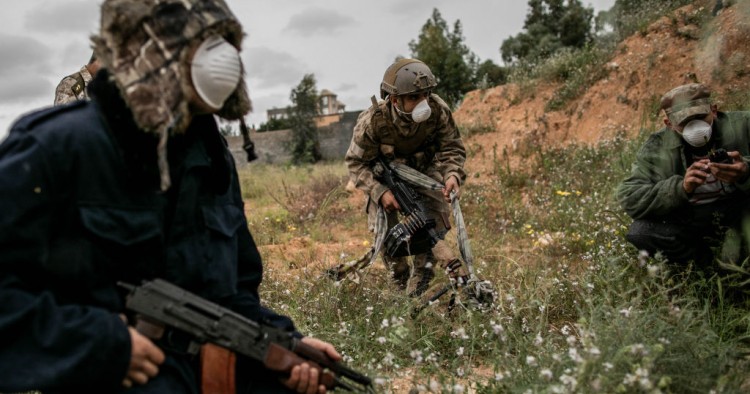
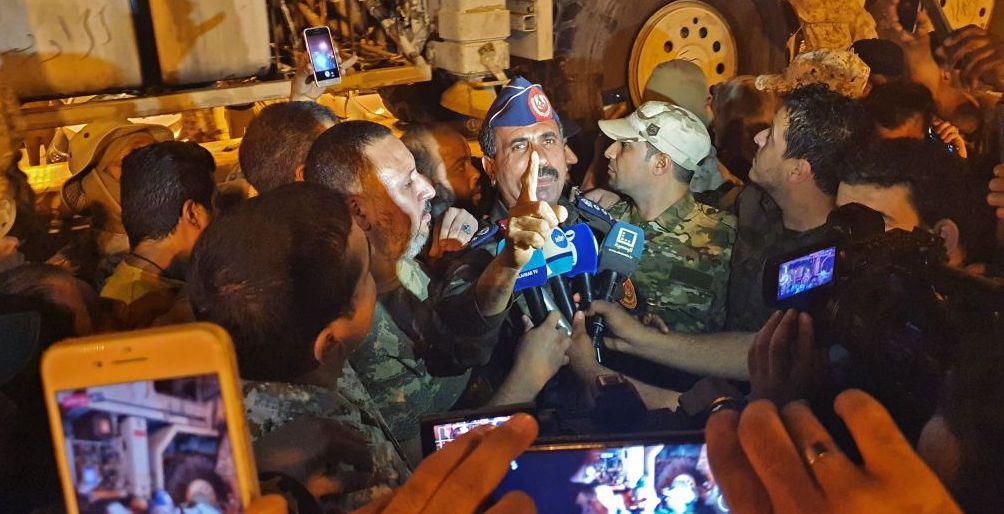
Absent major military escalation by his foreign patrons, Khalifa Hifter has now lost the war he initiated against Libya’s internationally recognized government in Tripoli. The question remains, however, of how to end Libya’s proxy war and restart the necessary political process to bring about sustained peace.
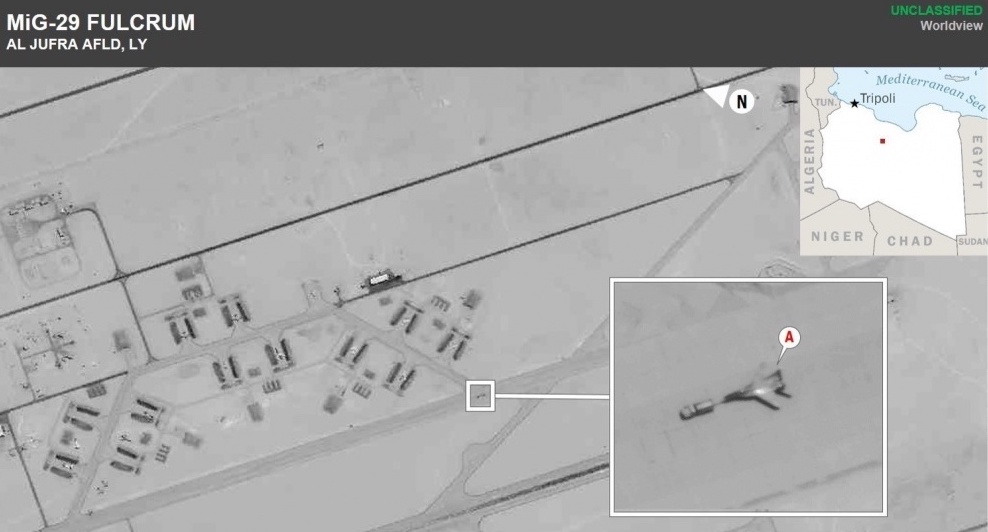
As the May 26 AFRICOM statement makes clear, Russia’s strategy is fraught with the risk of new sanctions and its geopolitical maneuvers may not come for free.
Natural gas in the Black Sea: Strengthening cooperation and balancing power
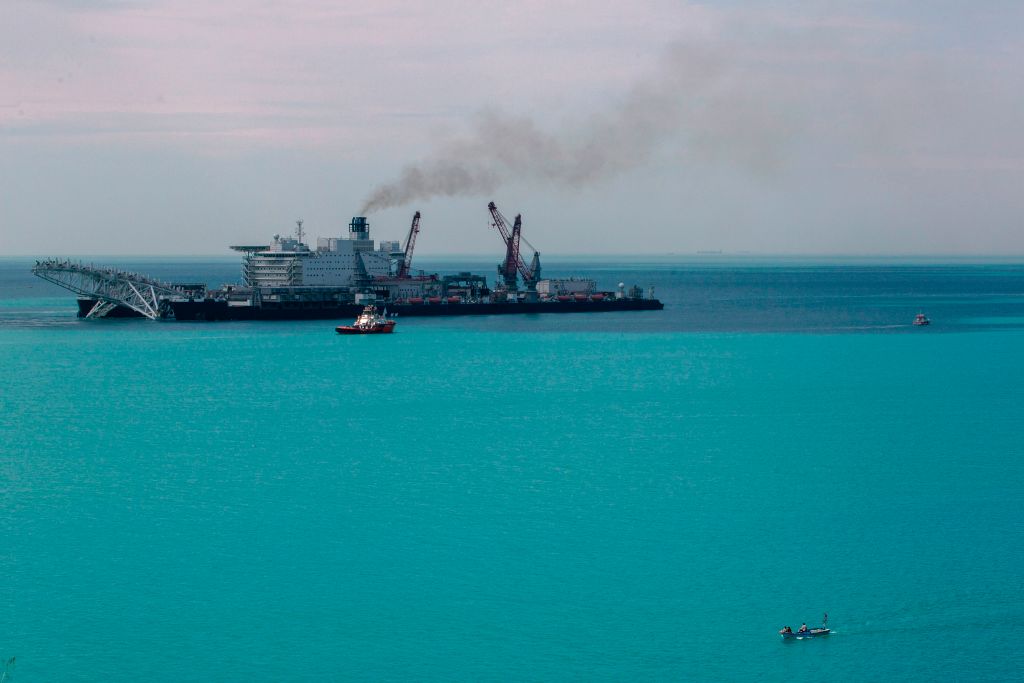
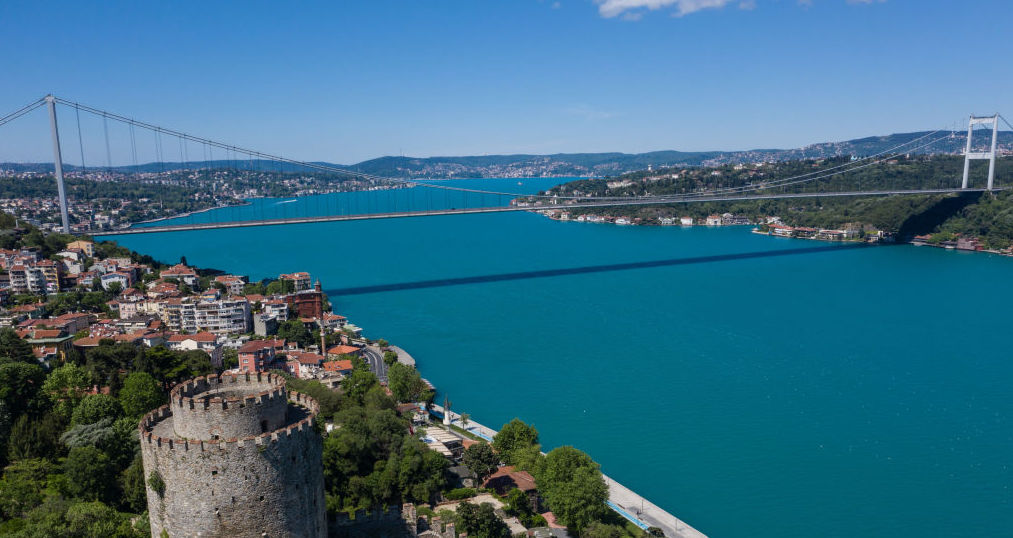
After the collapse of the Soviet Union, Russia used its dominant position as a natural gas supplier to wield outsized influence in the region. But recent changes in the natural gas market have eroded that dominance. Under increasingly globalized and interconnected natural gas markets, Russia has been losing its ability to use its dominance as a gas supplier to influence the region geopolitically and economically.
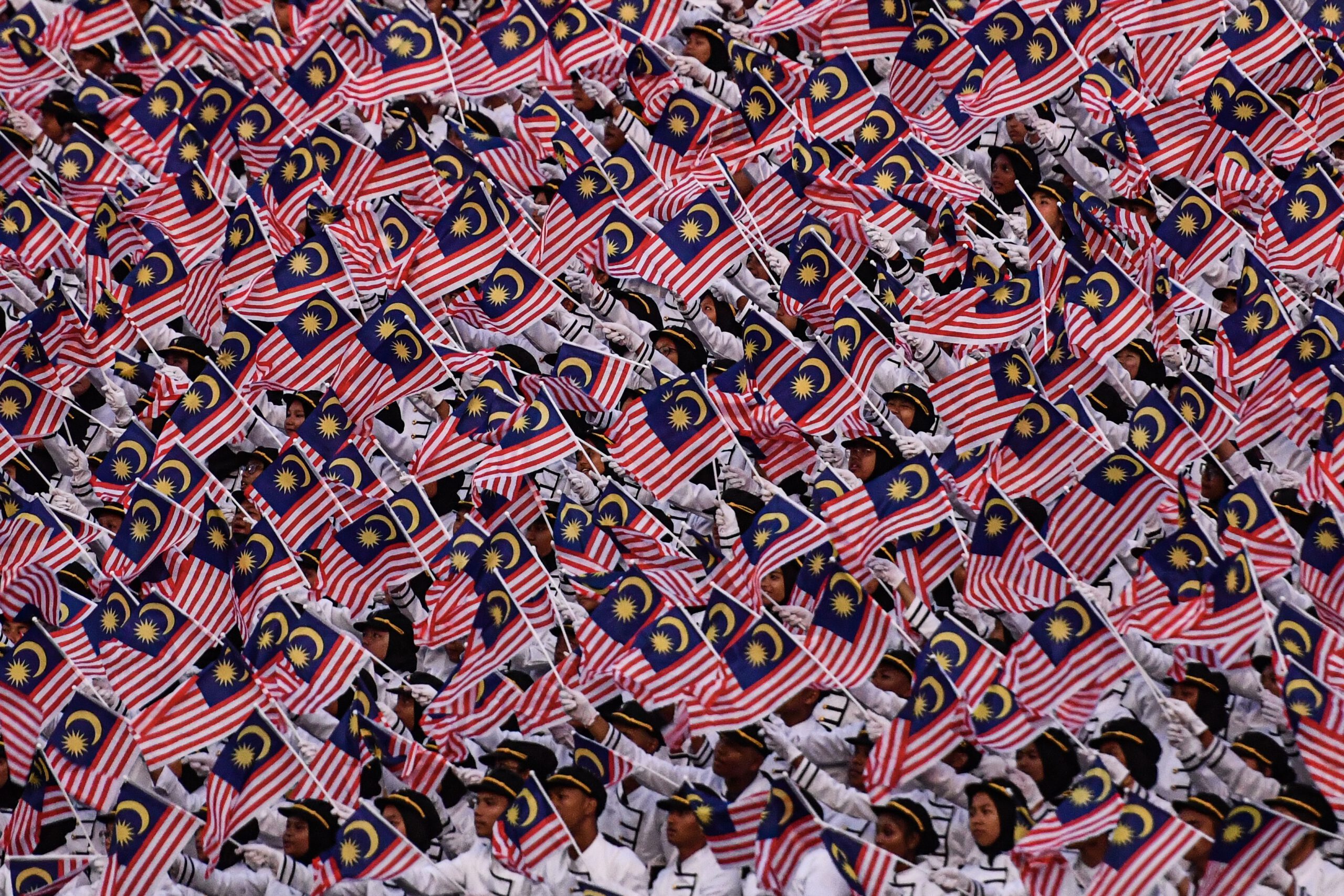
It has been more than a year since the fall of Baghouz. Eleven Malaysians have returned from Syria under the Malaysian government’s offer, conditional upon compliance with checks and enforcement, and a one-month rehabilitation program. Since then, the authorities are optimistic that more will be able to return. However, the anticipation of more returnees raises questions about Malaysia’s readiness to receive incoming batches of Malaysia Islamic State (IS) fighters. Given Malaysia’s lack of experience dealing with battle-hardened terrorists and questions about the efficacy of existing deradicalization efforts, can these structures tackle issues that Malaysia has never faced?
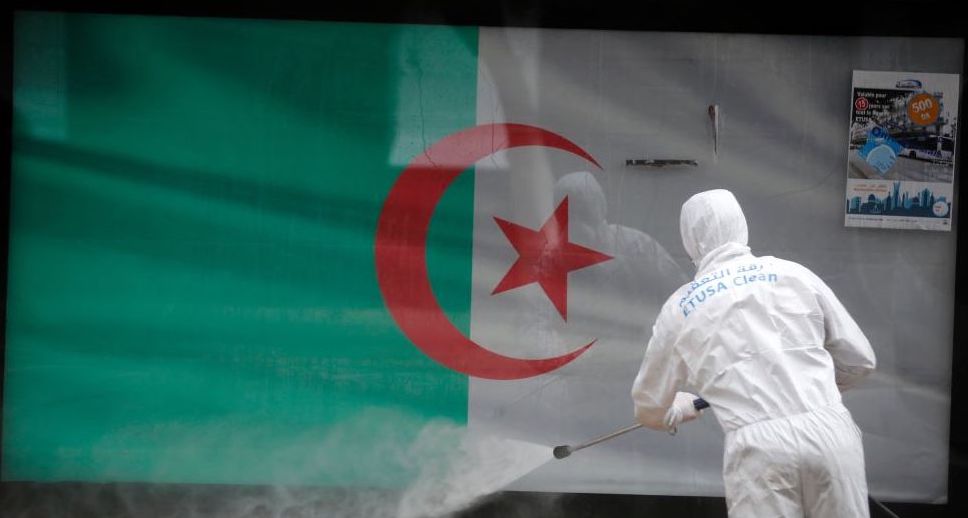
Even as a growing number of Arab and African states look to the International Monetary Fund (IMF) for assistance to help counter the economic fallout of the coronavirus pandemic, Algeria has made it clear it will not follow suit. Despite the fiscal challenges, economic crisis, social unrest, and public health emergency, President Abdelmadjid Tebboune has insisted that Algeria will not seek a loan to ease the country’s socio-economic woes.
COVID-19 is a humanitarian problem, and containing the pandemic as soon as possible is an urgent obligation to save human lives. Yet we have to deal with the economic fallout from the pandemic just as urgently because the costs are substantial.
The May 20 announcement is something of a watershed, in which Palestinian decision-makers appear to have chosen to leave behind the professionalism of President Abbas and instead adopt the Fatah revolutionary way of making strategic decisions and then implementing them on an ad hoc basis while making adjustments along the way.
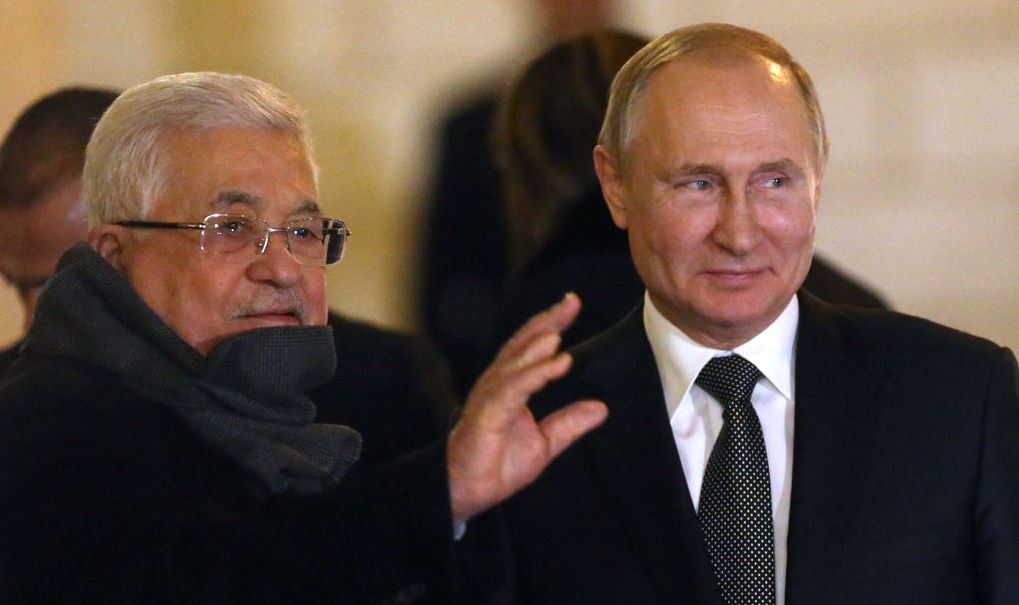
The last few days have seen an unprecedented flurry of Russian activity on the Israeli-Palestinian track. On May 19, Russia’s Deputy Foreign Minister and Vladimir Putin’s Special Envoy for the Middle East and Africa Mikhail Bogdanov spoke on the phone with Assistant to the U.S. President and Special Representative for International Negotiations Avi Berkowitz.
NATO and its Eastern Flank: Challenges of a post-COVID environment
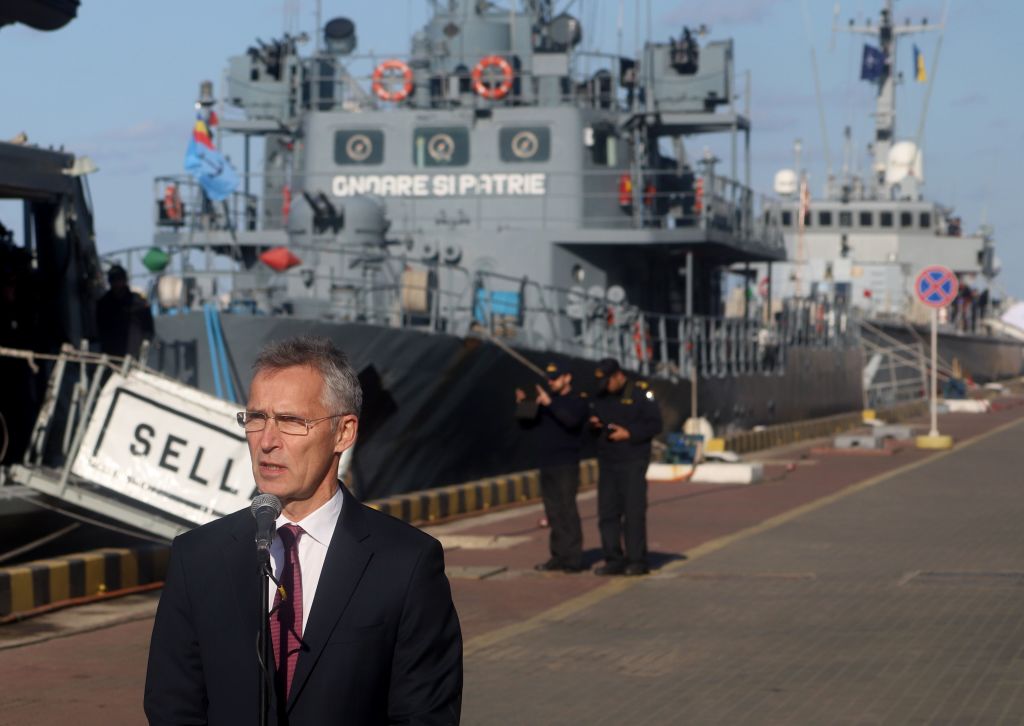
NATO Secretary General Jens Stoltenberg recently urged that the current health crisis should not become a security crisis. To stay secure in the years to come, the Alliance must become more resilient and ready to meet the challenges of a post-COVID environment. This is especially true for the most vulnerable part of the Alliance – its Central and Eastern European (former Communist) member countries.
The Abbas declaration: Why this time may be different
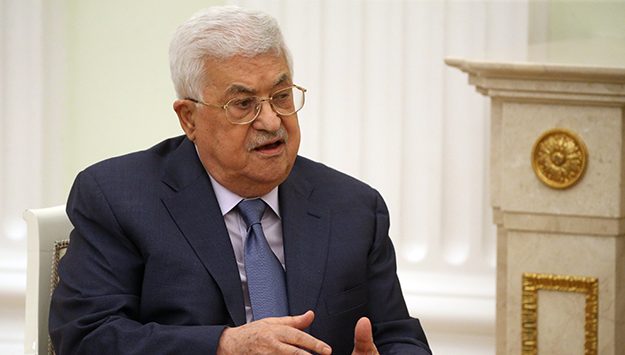
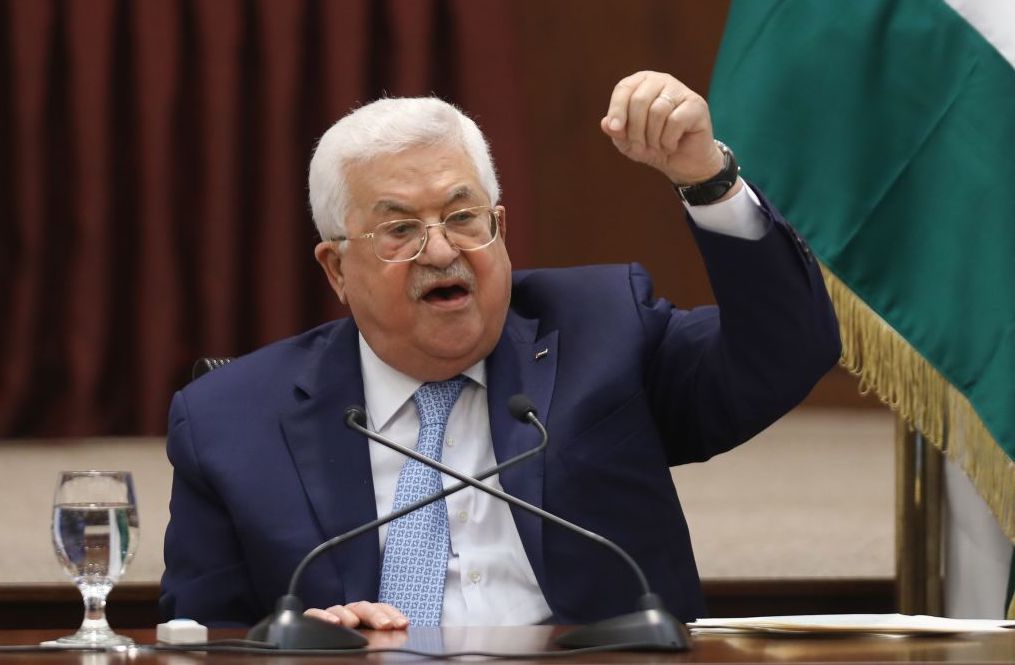
In a dramatic statement delivered yesterday in Ramallah and broadcast on Palestine TV, Palestinian President Mahmoud Abbas declared an end to all agreements signed between the Palestine Liberation Organization (PLO) and both Israel and the United States. In light of the newly sworn in Israeli government’s commitment to the annexation of Palestinian land in the West Bank, declared Abbas, the Palestinian leadership would henceforth be “absolved, as of today, of all the agreements and understandings with the American and Israeli governments and of all the obligations based on these understandings and agreements, including the security ones” — thus implying that the security coordination between the Palestinian Authority (PA) and Israel would come to an end.
Kidnappings, cross-border clashes threaten increasingly fragile status quo in Syria’s south
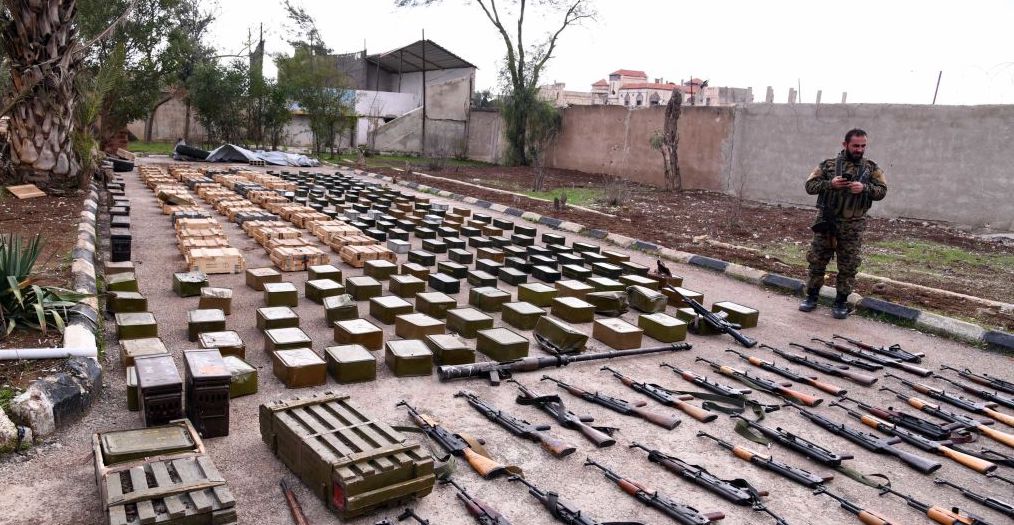
The recent deployment of Syrian army Fourth Division troops to Daraa is yet another reminder of the deadly unrest ongoing in southwestern Syria. Sent to pacify Mazayreeb following an unprecedented armed attack after which several soldiers were publicly executed, Daraa’s western countryside still regularly witnesses violent unrest including assassinations, hit-and-run attacks, and drive-by shootings.