Senior Reformist Politician Faces Prosecution after Criticizing Iran’s Role in Regional Wars
A court in Iran’s Isfahan Province announced today that Gholam Hossein Karbaschi, a senior reformist politician, will be prosecuted for questioning the Islamic Republic’s policies and actions in the Syrian conflict.
Top Syrian Military Official in Tehran to Coordinate War Efforts
Iran’s Defense Minister Brigadier General Hossein Dehghan held a meeting with lieutenant General Ali Abdullah Ayyoub, the chief of the general staff of the Syrian Army, in Tehran earlier today.
Abdul Jabar Qahraman, who recently resigned as the top official overseeing war efforts in Afghanistan’s volatile Helmand Province, has said that Iran facilitates contacts between Taliban leaders and Russian officials.
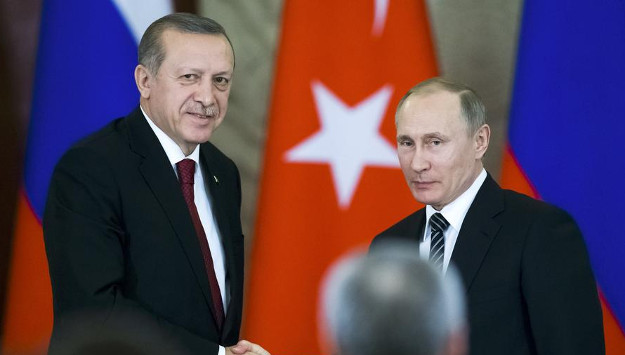
In this week’s Monday Briefing, MEI experts Gonul Tol, Randa Slim, Alex Vatanka, Marvin G. Weinbaum, and Mabrouka M’Barek provide analysis on recent and upcoming events including Turkish President Erdogan’s upcoming meeting with Russian President Putin, the upcoming speech by Hezbollah Secretary General Nasrallah, the suprising popularity of Rouhani’s VP in the Iranian Presidential Race, the Taliban’s new Spring offensive, and protests in Tunisia over a government proposal to give amnesty to the country’s corrupt financial elite.
Quds Force and Iraqi Allies Allegedly Setting up New Offices in Mosul
The Islamic Revolution Guards Corps (I.R.G.C.) has been setting up new offices in Mosul, the capital of Iraq’s Nineveh Province, according to a report in
I.R.G.C. Chief Calls for Preparing Next Generation to Defend Revolution and Export It Abroad
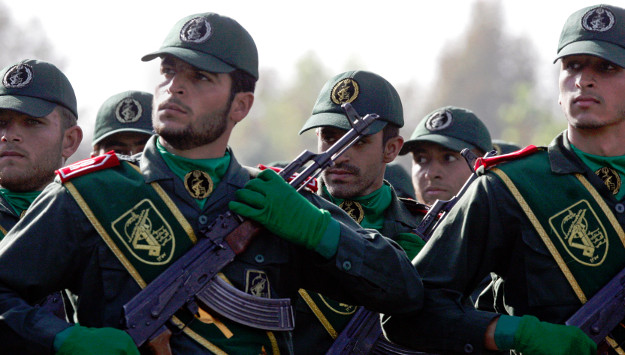
The chief commander of the Islamic Revolution Guards Corps (I.R.G.C.) has called for preparing Iran’s next generation to defend the country’s clerical establishment and export its revolution abroad. “The next phase of the Islamic Revolution is creating an Islamic government, Islamizing the society, and expanding the Islamic Revolution across the world,” Major General Mohammad Ali Jafari told more than a thousand teachers and school principals at a gathering organized by the Basij Organization on Sunday.
Iranian Navy Says Crossing Atlantic Ocean on Agenda
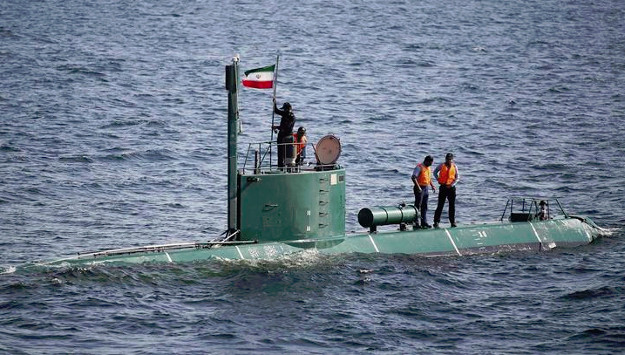
The chief commander of Iran’s Navy has said that crossing the Atlantic Ocean is on the agenda of the Islamic Republic of Iran Navy, the Iranian media reported.
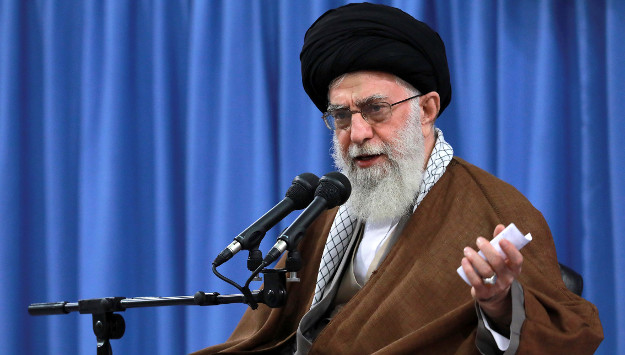
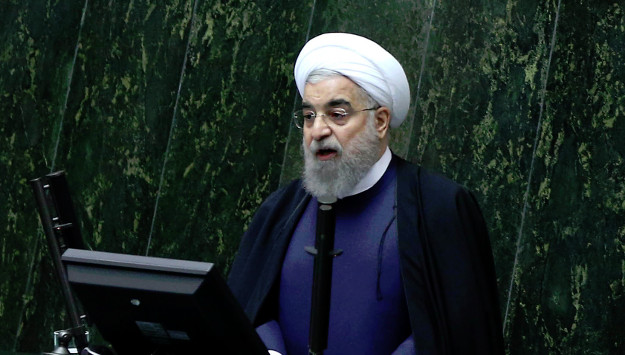
Khamenei: Engagement with West Hasn't Removed “Shadow of War”
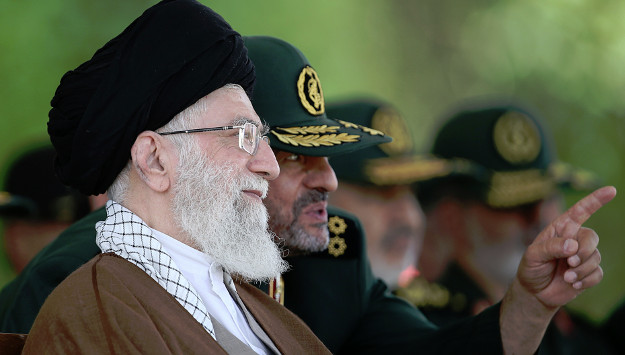
Iran’s Supreme Leader Ali Khamenei rejected President Hassan Rouhani’s claim that his administration’s engagement with the West has removed the “shadow of war” over Iran.
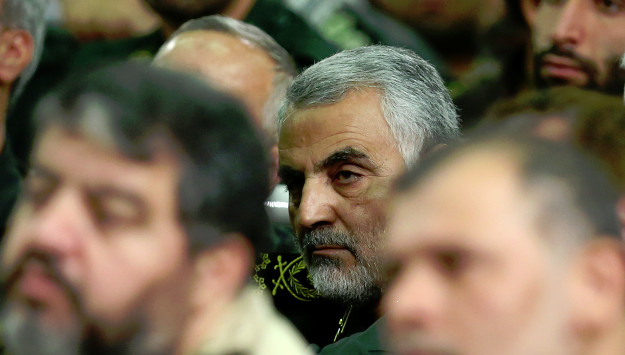
Soleimani Hails Iranian Health Ministry’s Aid to Wounded Combatants in Syria
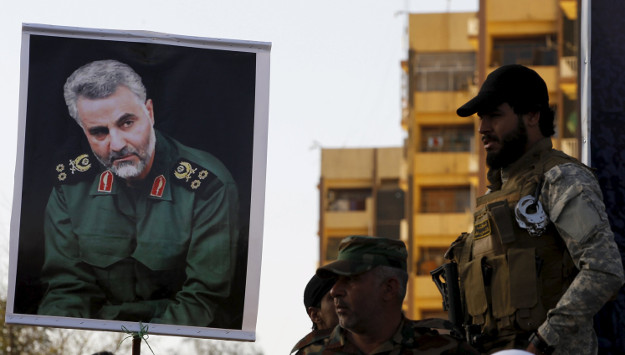
Iran’s Quds Force Commander Major General Qassem Soleimani has thanked the country’s Ministry of Health for providing assistance to his forces and Iranian-controlled militiamen fighting in Syria under his command.
Former I.R.G.C. Chief Says Iran Paid a Price by Hastily Negotiating Nuclear Deal with U.S.
Former Islamic Revolution Guards Corps (I.R.G.C.) Commander Mohsen Rezaei said the Rouhani administration “paid a price” and made “tactical and strategic mistakes” by “hastily” negotiating the 2015 nuclear agreement with the United States and five other world powers.
Rouhani Calls on Islamabad to Prosecute Border Guards’ Killers to Save Ties with Tehran
Iran’s President Hassan Rouhani has sent a letter to Pakistani Prime Minister Nawaz Sharif, calling on Islamabad to prosecute perpetrators of an attack that killed 10 Iranian troops along the Iranian-Pakistani border on Wednesday. A militant group called Jaish al-Adl claimed responsibility for the attack. According to Iran’s Tasnim News Agency, Rouhani blamed the Pakistani government’s “inaction” and “lack of necessary measures” for repeated attacks originating from Pakistan against Iranian border guards.
Iran’s Foreign Ministry Slams Israel for Syria Attack
Iran’s Foreign Ministry slammed Israel for allegedly launching an air strike against Syria, the Islamic Republic News Agency reported. “Repeated acts of aggression by the Israeli regime against Syria violate this country’s sovereignty and territorial integrity and is in breach of international norms,” Foreign Ministry Spokesman Bahram Ghassemi said. “There is no doubt such attacks are aimed at weakening the legitimate government of Syria… and is against international peace and security.” He also called on the United Nations to make sure such attacks are not repeated.
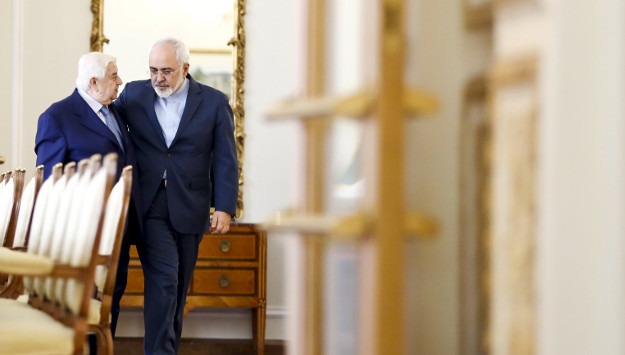
New Iranian Ambassador Arrives in Damascus after Six-Month Hiatus
Iran’s new ambassador to Syria, Javad Torkabadi, presented his credentials to Syrian Foreign Minister Walid Muallem on Wednesday, the Iranian media reports. He arrived in Damascus on Tuesday and was welcomed by Iranian and Syrian officials, including Syrian Social Affairs Minister Rima al-Qadiri.