The Latest from Salam Kawakibi
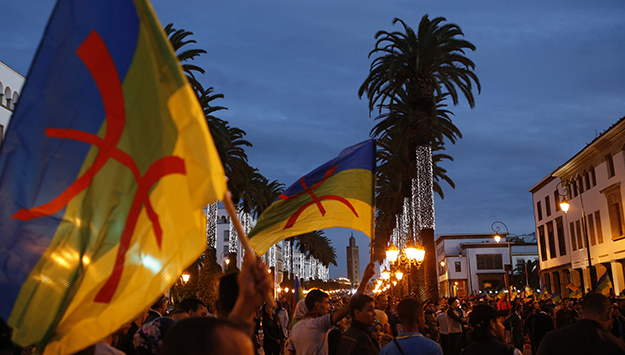
Lessons for Morocco After Protests
Screams and gruesome images mar the graphic video of a young man being crushed to death in the back of a garbage truck. Late Friday night, October 28, Mouhcine Fikri, a fish vendor from the northern town of Imzouren, desperately tried to retrieve his 500 kgs of swordfish, which authorities threw away because of a fisheries law that bans the fishing of swordfish during this time of year. The incident unfolded in the coastal city of Hoceima, located in the historically socioeconomically marginalized Rif region.

Iran's Economic Outreach to Southeast Asia
This essay provides a brief overview of Iran’s relations with Southeast Asian nations during the sanctions period, looks at the initial results of President Rouhani’s October 2016 visit to the region, and considers the prospects for the further expansion of these ties.
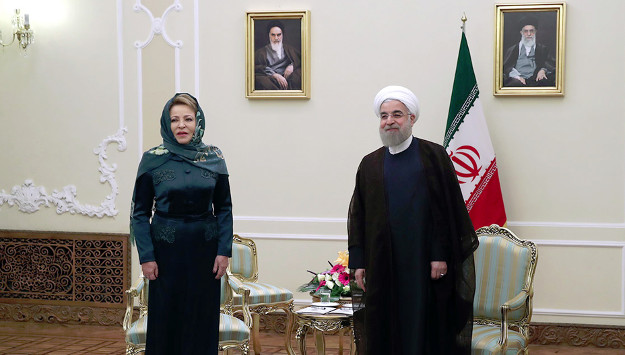
Tehran-Moscow Distrust Remains despite Talks over $10 Billion Arms Deal
On November 14, Iranian and Russian news outlets reported that Tehran and Moscow had begun negotiating the supply of around $10 billion worth of arms and military hardware to Iran. The deal reportedly includes T-90 tanks, artillery, planes and helicopters.
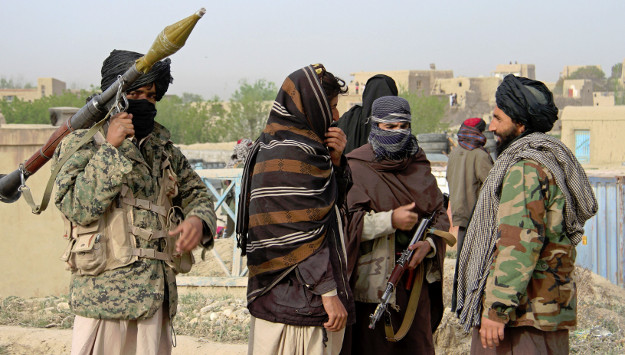
Tension Brewing between Iran, Afghanistan amid Allegations of Tehran Aiding Taliban
On November 15, Iranian Foreign Ministry Spokesman Bahram Qasemi refuted allegations by Afghan media and government officials that Tehran harbored Taliban leaders on its soil. “The presence of Taliban elements in Iran is baseless and unfounded,” he said, adding that Iran and Afghanistan had friendly relations and cooperated to ensure security and stability in the two countries.
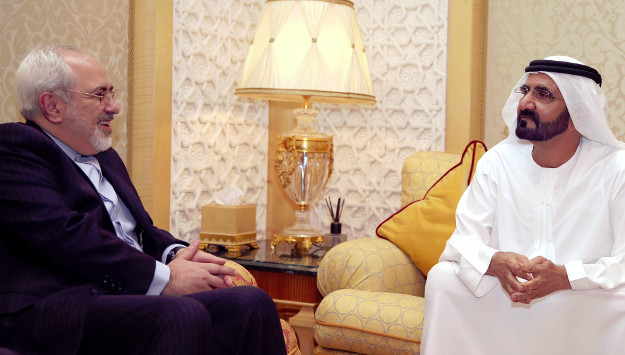
UAE's Siding with Saudi Arabia in Diplomatic Row Unsettles Iran
Diplomatic relations between Iran and the United Arab Emirates are going through another rough patch as the latter recently submitted a letter to the United Nations General Assembly, expressing concern over Iran’s “expansionist” policies in the region.
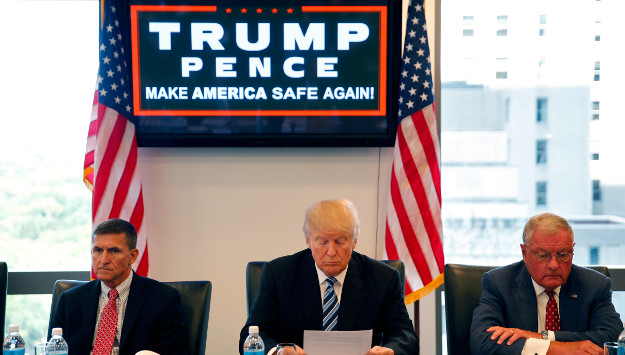
Monday Briefing: Trump Assembling Foreign Policy Team
In this week’s Monday Briefing, MEI experts Daniel Serwer, Charles Lister, and Eran Etzion provide analysis on recent and upcoming events including Trump’s potential foreign policy team, Al-Qaeda’s reaction to Trump’s election, and President Rivlin’s trip to India.
Trump Assembling Foreign Policy Team
Daniel Serwer, MEI Scholar
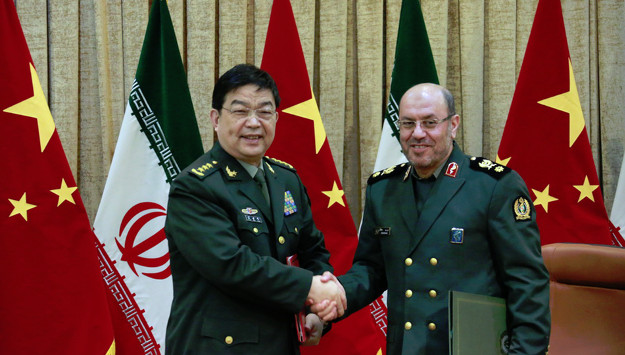
Iran Signs Defense-Military Agreement with China, Calls for Joint Military Drills
The Iranian media reports that Iran and China signed an agreement on November 14 to bolster defense-military cooperation and fight terrorism.
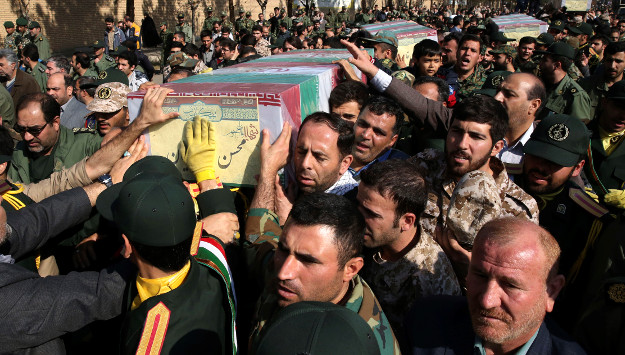
Iran’s Recruitment of Afghan, Pakistani Shiites Feared to Aggravate Sectarian Tension in Middle East, South Asia
Rouhani under Pressure to Do More for Opposition Figure's Release
As President Hassan Rouhani is readying for reelection next May, he has come under growing pressure from his reformist supporters to improve the human rights situation in the country.
Success of China’s Hui Muslims: Assimilation or Hyphenation?
With the increased international media attention on the plight of the Uyghur Muslim minority in Xinjiang, Western news magazines have started to also focus on the Hui, or Chinese-speaking Muslims. Some of these accounts attribute the Hui’s success to their assimilation into Han Chinese culture and society. This essay refutes this argument by highlighting the differences between the manner in which Uyghurs and Hui were incorporated into the Chinese state.
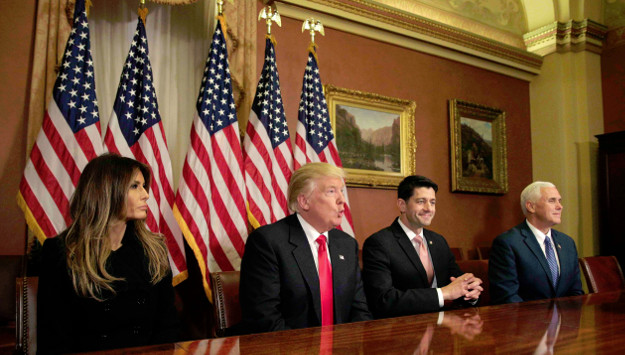
Iranians Divided over Impact of Trump’s Victory on Iran-US Relations
Iranian officials and media have reacted to Donald Trump’s election victory with a mixture of cautious optimism and alarm.
During the final stages of US presidential election, Iran’s Supreme Leader Ali Khamenei and leaders of the Islamic Revolution Guards Corps (IRGC) had implicitly supported Trump over Hillary Clinton. With Trump’s victory, they now hope that his pro-Moscow and anti-Saudi Arabia rhetoric translates into policy to favor Iran’s interests in Syria and the broader region.
News of Trump’s Secretary of State Nominees Sends Shockwaves Across Iran
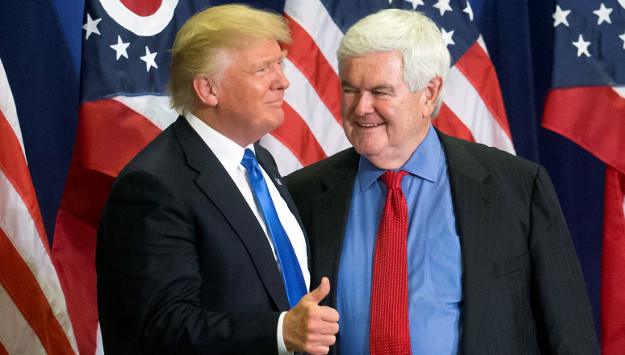
On November 10, a number of US news outlets reported that President-elect Donald Trump was considering his top campaign surrogates for top cabinet positions.
U.S.-G.C.C. Relations: Recommendations for the Next Administration
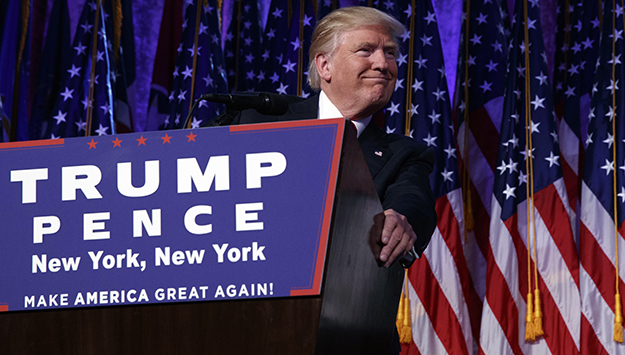
The United States will confront a new and very different set of challenges in its relationship with the G.C.C. states over the coming four years. For the first time since the end of World War II, a new administration will come to power in Washington next January facing a ‘trust deficit’ in its management of relations with its G.C.C. partners. The overwhelming Congressional vote to override President Barack Obama’s veto of the JASTA legislation was interpreted in the region as a lessening of popular support for the U.S.-G.C.C. relationship.
Briefing: Middle East Reactions to the U.S. Election
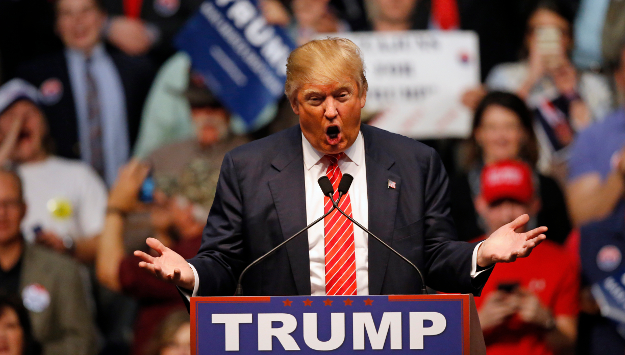
In this special edition of our weekly briefing, MEI experts Paul Salem, Robert S. Ford, Eran Etzion, Gonul Tol, Alex Vatanka, and Gerald Feierstein provide analysis on the impact of Donald Trump’s victory in the U.S. Presidential Election on the future of Middle East policy, its particular effect on the crises in Iraq and Syria, and how the news has been received across the region, including in Turkey, Iran, and the GCC.



