Impact of the Russo-Ukrainian war on energy flows from the Arab Gulf states
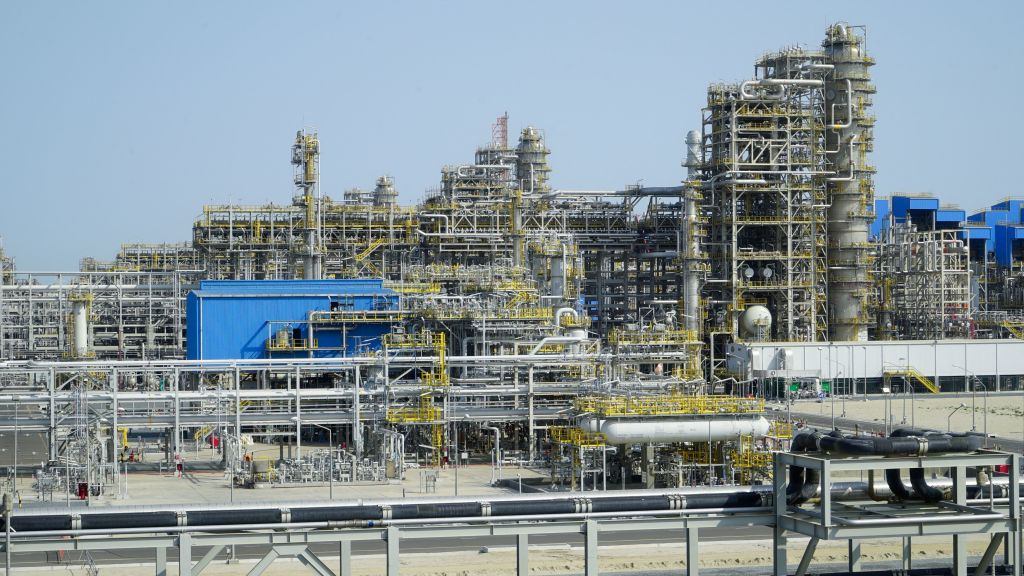
Nearly three years on, Russia’s full-scale invasion of Ukraine in February 2022 has reshaped trade and investment in the energy sector, leading to an increase in Gulf imports of Russian oil and a sharp rise in the region’s hydrocarbon exports to Europe as well as further fueling the growth of Gulf investment in renewable energy projects located in and targeting the continent.
Barbara A. Leaf | 'Taking the Edge Off the Middle East' Ep. 7
Middle East Focus Presents: ’Taking the Edge Off the Middle East’ with Brian Katulis.
A series of casual conversations with leading policy professionals on the most important happenings in the Middle East today – hosted by MEI’s Senior Fellow Brian Katulis.
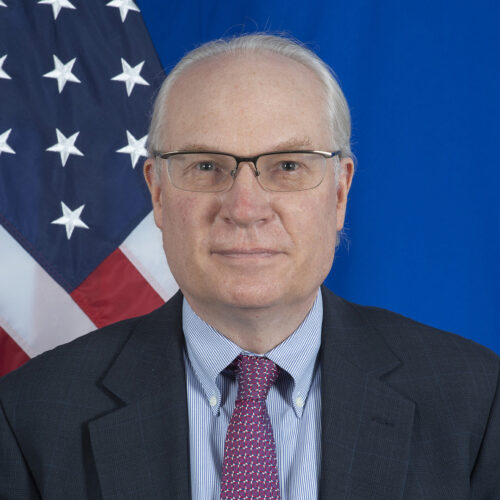
Barbara A. Leaf is a seasoned diplomat and expert on the Middle East, having served as the US Assistant Secretary of State for Near Eastern Affairs and held key positions in US embassies across the region. In this episode, Barbara joins Brian to discuss the array of “black swan” events currently unfolding in the Middle East, and how the second Trump administration may respond to these challenges. They discuss the broader implications of these developments for US foreign policy, national security, and regional stability.
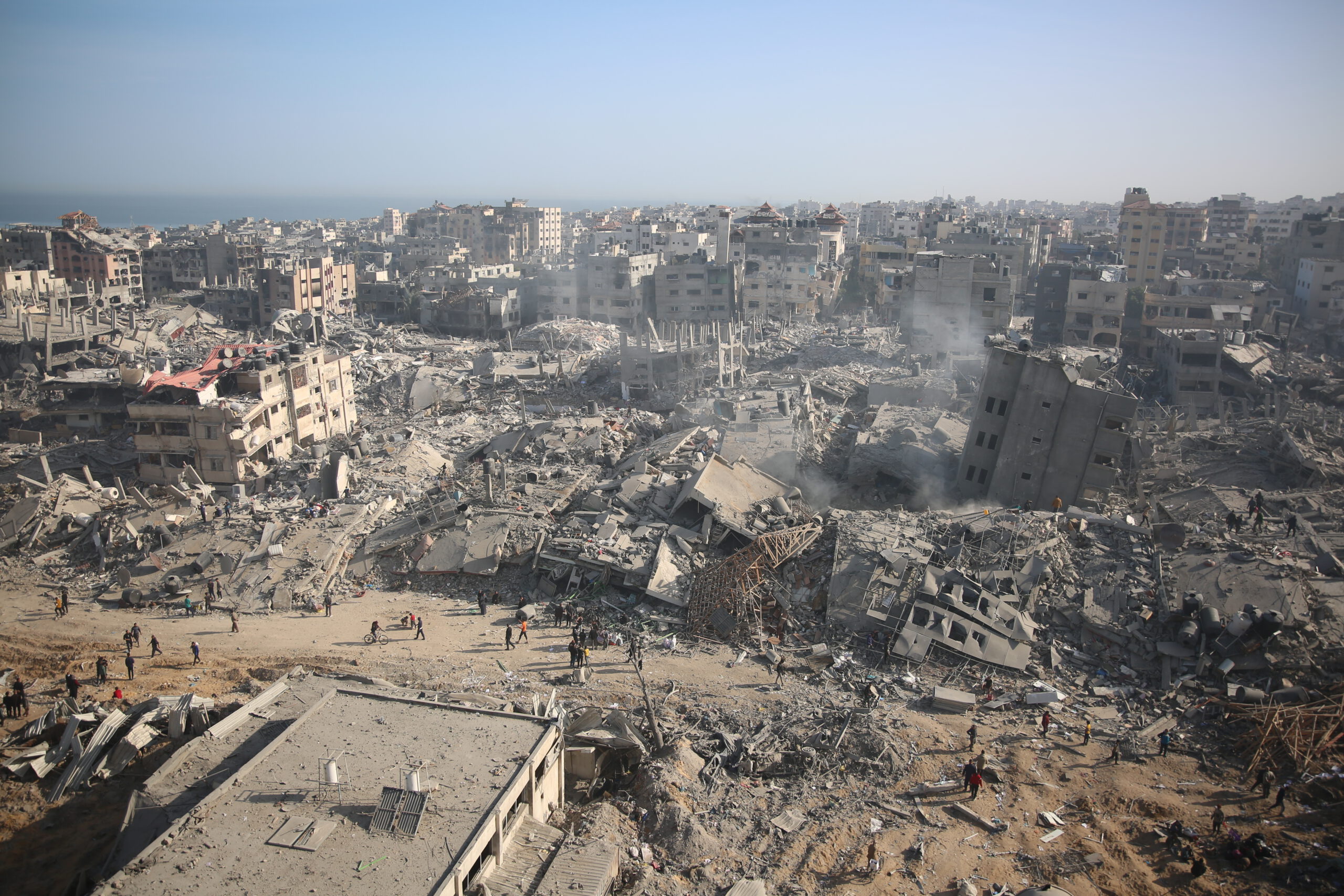
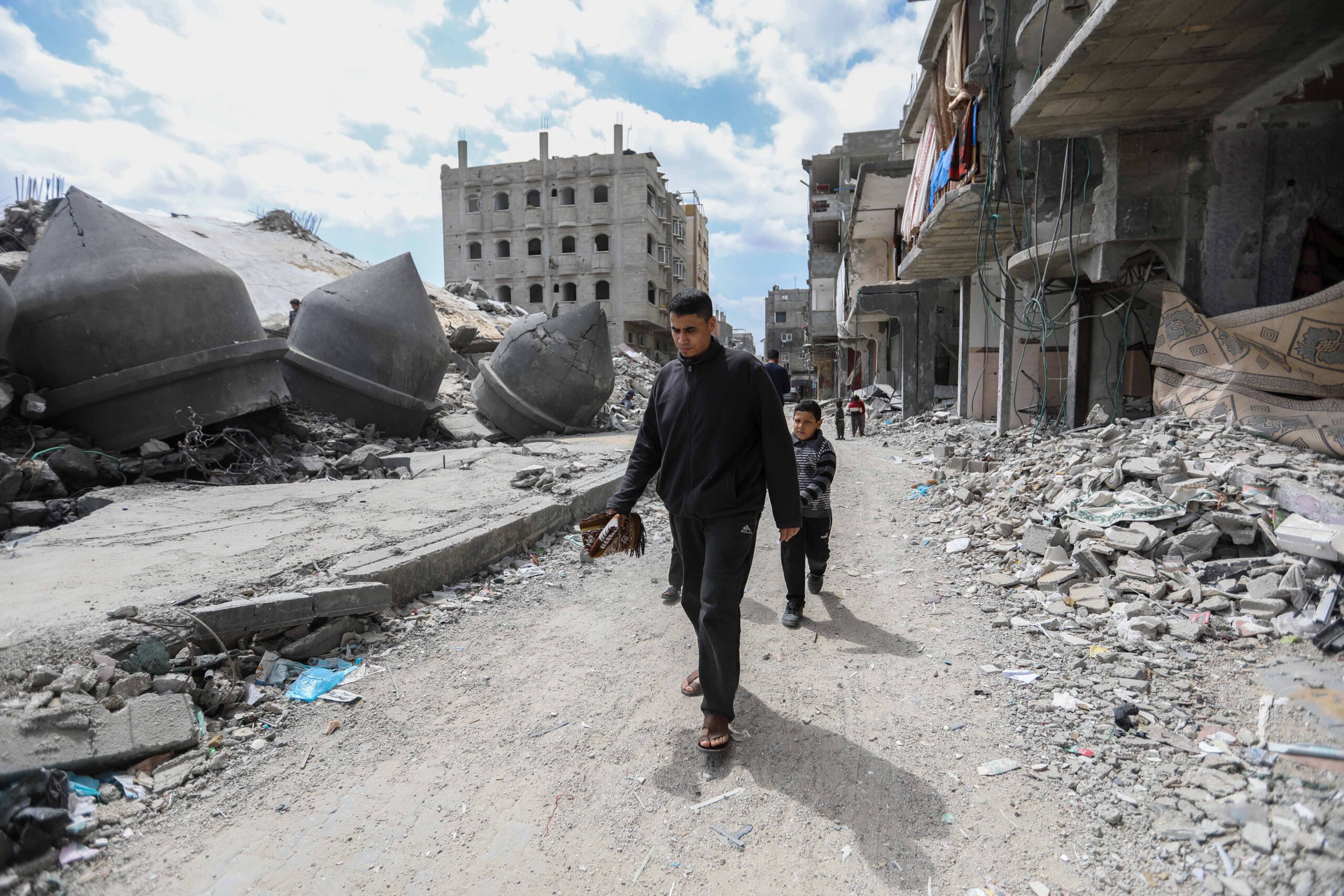
Despite a few hiccups, the cease-fire between Israel and Hamas has achieved its initial milestones. Much will depend on the upcoming negotiations regarding the next phases of the agreement. Yet for now, the fundamental questions of who will govern Gaza, who will provide security, and who will deliver the funding to rebuild it have yet to be definitively resolved.
Rebalancing Russia’s Mediterranean strategy: From showing the flag to retreating to the gray zone
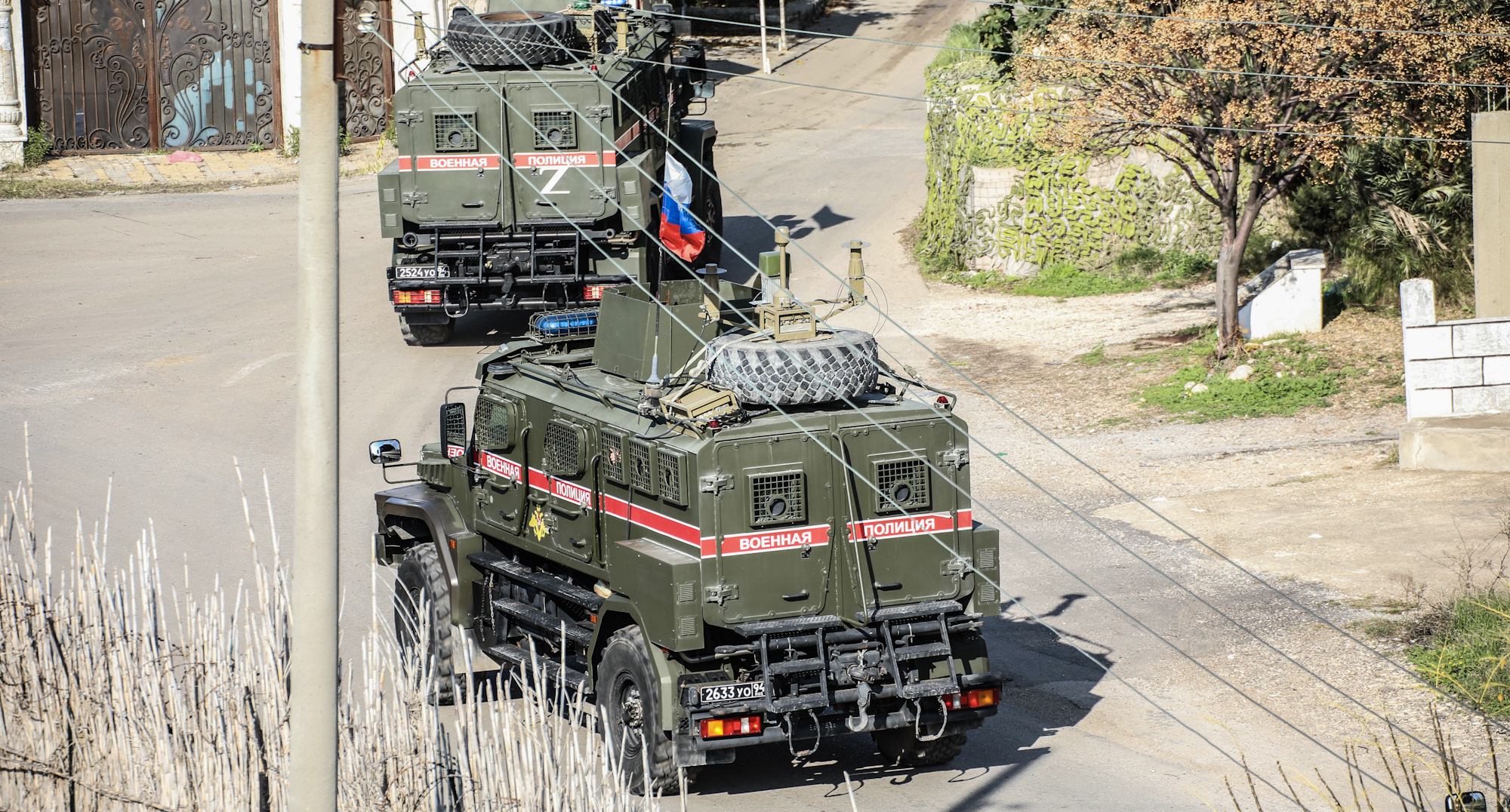
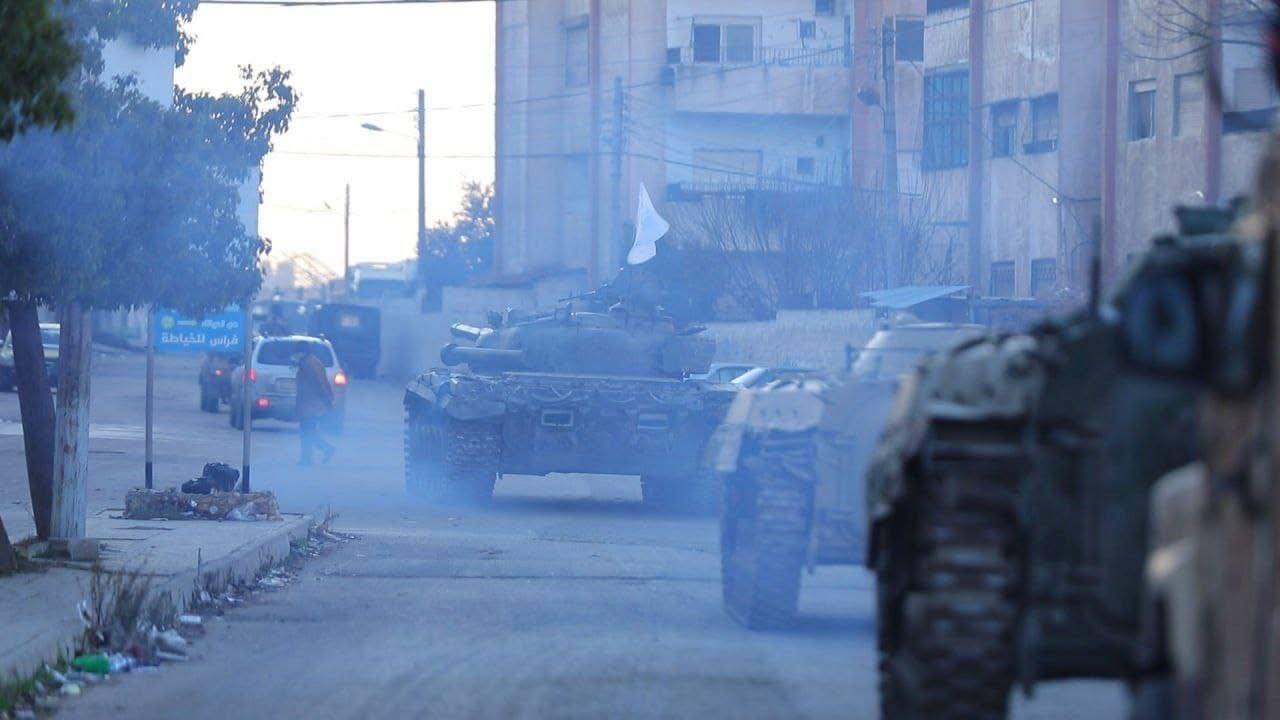
Either maintaining Russia’s military bases in Syria or finding an alternative outpost in the Mediterranean will prove extremely difficult for Moscow. And part of the problem with pursuing the latter option, particularly if in Libya, is that it would require a full-on transformation of Russia’s military presence model — from more traditional bases designed to establish deterrence by showing the flag in the region to building up a military and logistical operation inside a security “gray zone.”
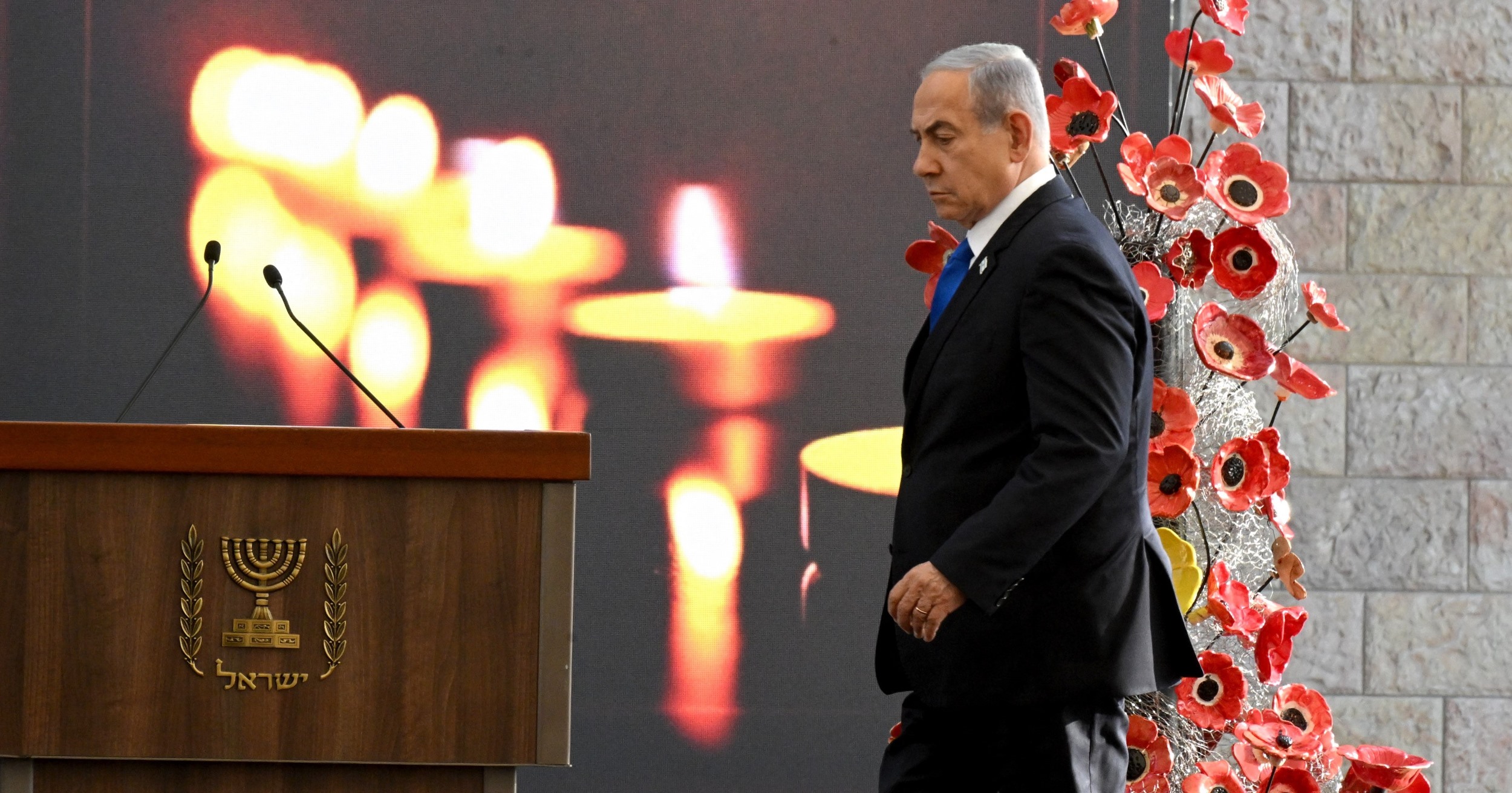
Israeli Prime Minister Benjamin Netanyahu faces a potentially disastrous showdown within the next month that could shake his hold on power, unless he manages to deter the strongly held positions of the foreign and domestic politicians and political forces on which he is dependent.
Beyond “Maximum Pressure” in US Policy on Iran: Leveraging Regional Partners to Contain Iran's Actions and Shape its Future Choices
In his second term in office, President Donald Trump faces a Middle East undergoing multifaceted upheaval and an Islamic Republic of Iran currently in its weakest and most isolated position since the founding of the regime in 1979. Yet far from permanently subdued, Tehran continues to move closer to building a nuclear weapon, and it is trying to preserve its regional network of proxies and non-state allies. Trump now faces an important strategic choice on Iran policy. This report analyzes three overarching dynamics: the shifting strategic landscape across the Middle East in 2023-24; the impact of these shifts on Iran and its Axis of Resistance network; and Iran’s current position and standing at home and in the region. It concludes with a series of strategic-level recommendations for the new administration.
Rethinking Democracy Ep. 6: Shariah, Democracy, and the Future of Governance in Syria
For the first time in decades, the question of how Syria will be governed is wide open. The fall of Bashar al-Assad’s regime at the hands of Hayat Tahrir al-Sham, an armed Islamist group with former ties to al-Qaeda, has left Syria in uncharted territory. Its de facto leader, Ahmed Al Shaara, has pledged a vision of a pluralistic Syria governed by civil institutions rather than dictatorship or ideology.
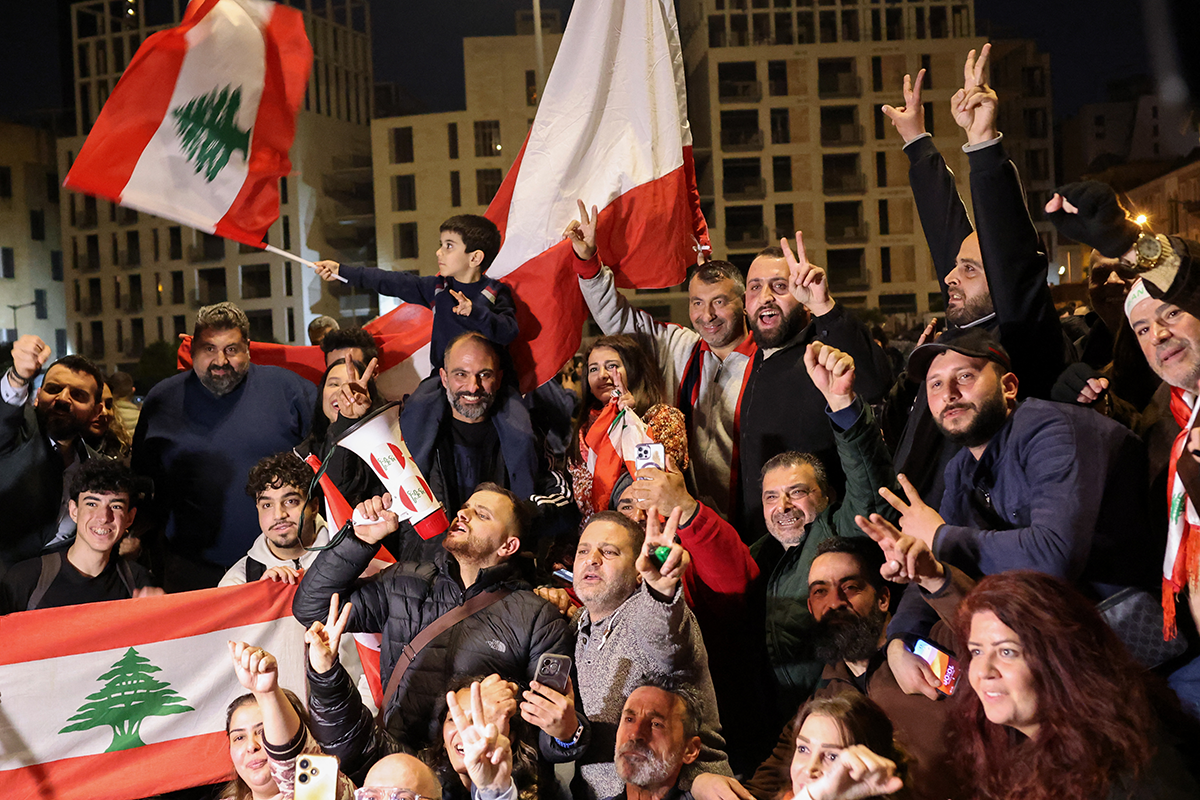
The election of President Joseph Aoun and Prime Minister Nawaf Salam is a political breakthrough in Lebanon and a harbinger of what could happen in a country long dismissed as unsalvageable. Beirut’s new leadership reflects the aspiration of a majority of the Lebanese people to live in a functioning state free from the dual drivers of its failure: political violence and pervasive corruption. Those leaders must now deliver on their commitment to establish a state committed and accountable to its people and rise to meet the responsibility that comes with holding the promise of a nation’s future.
Forecasting Trump 2.0’s Middle East approach: Cloudy with a strong chance of more uncertainty ahead
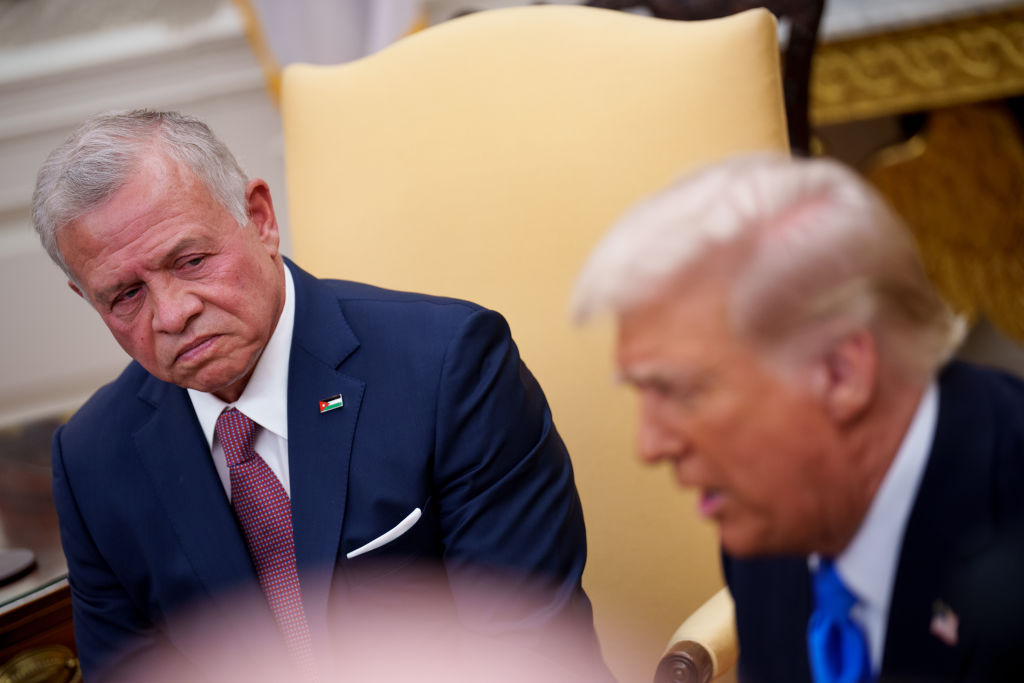
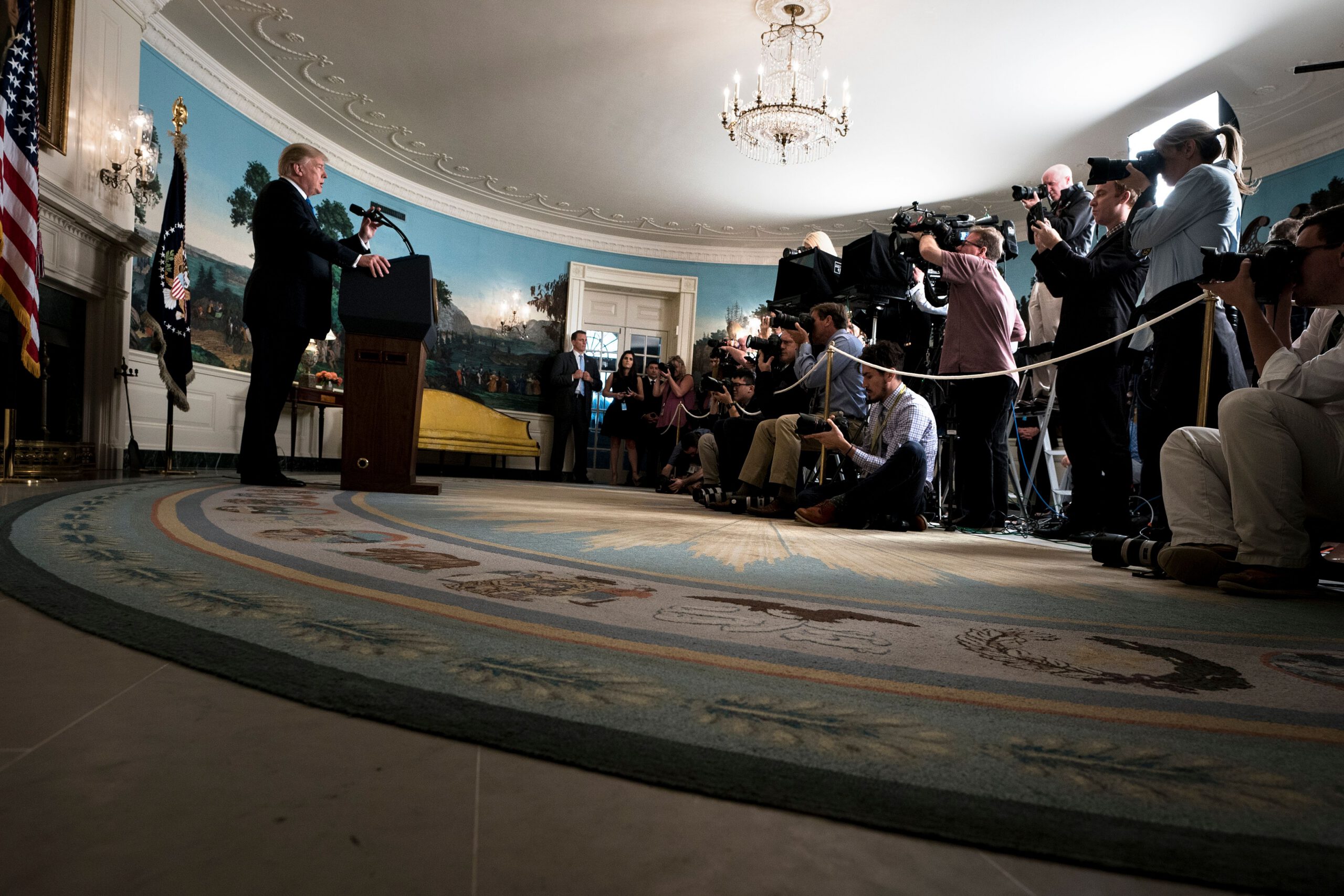
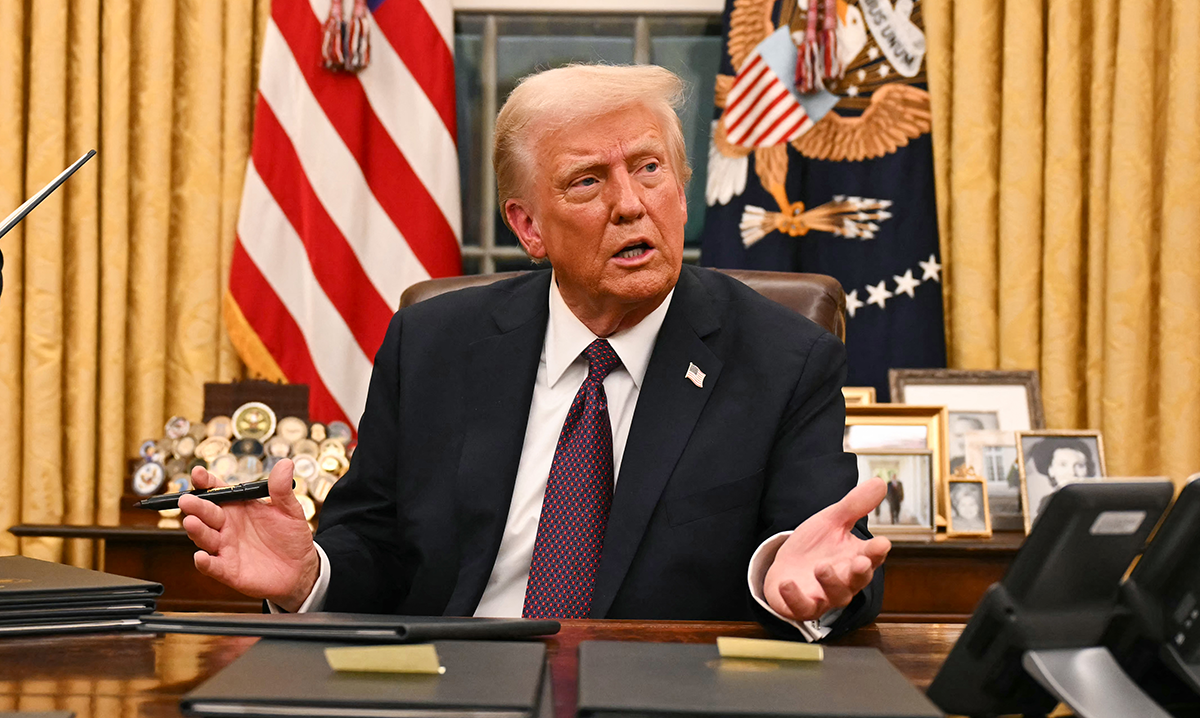
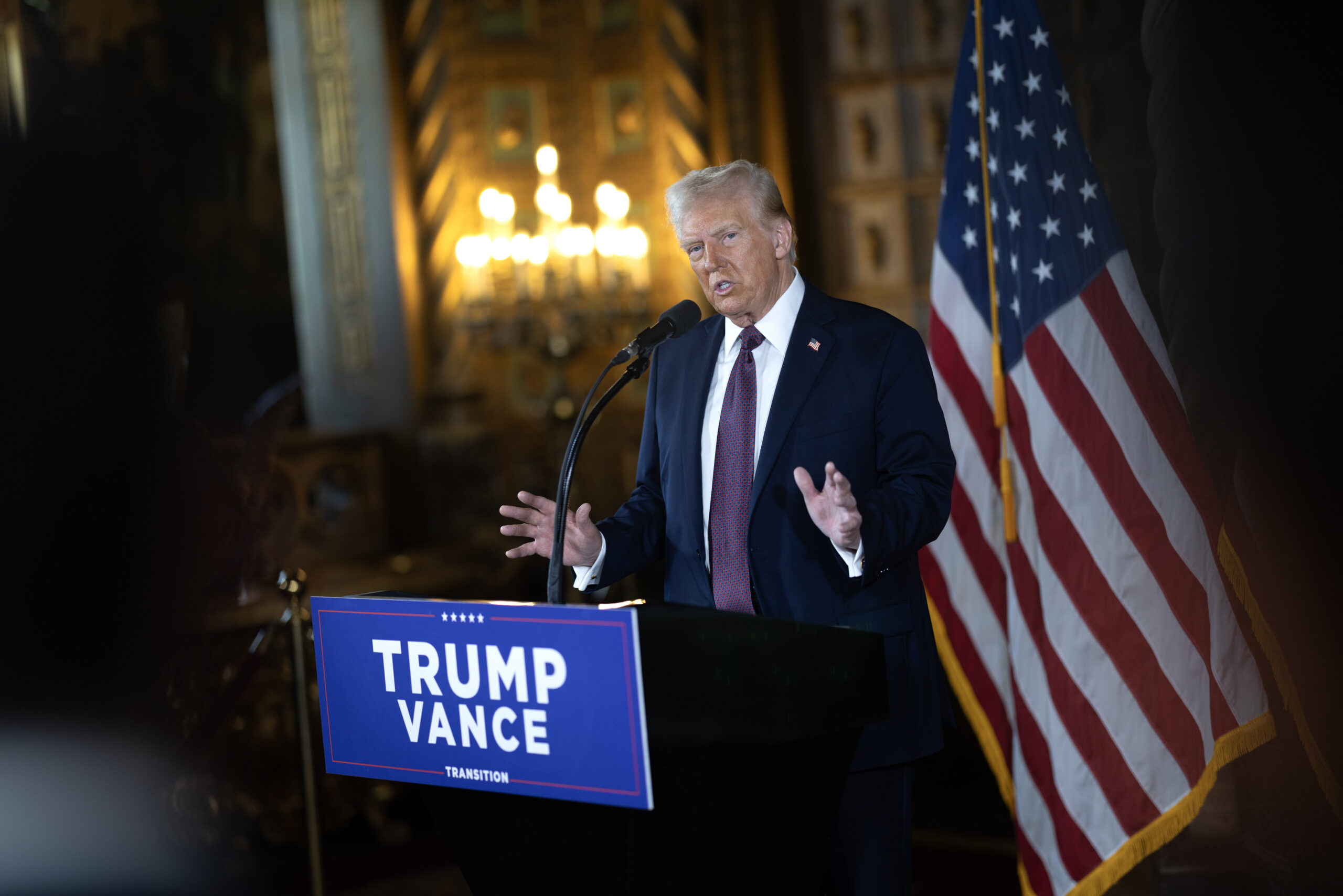
The opening act of US President Donald Trump’s second administration had very little to do with Middle East policy issues. It is too soon to predict what approach Trump might take on that front or even how much he will prioritize the region relative to the other issues on his second term agenda. His administration has sent some mixed and inconsistent signals on staffing and policy moves that don’t provide enough of a clear overall sense of the big picture on the Middle East but do offer some preview of what might be to come on three key fronts.
Will Damascus-SDF negotiations lead to agreement or escalation?
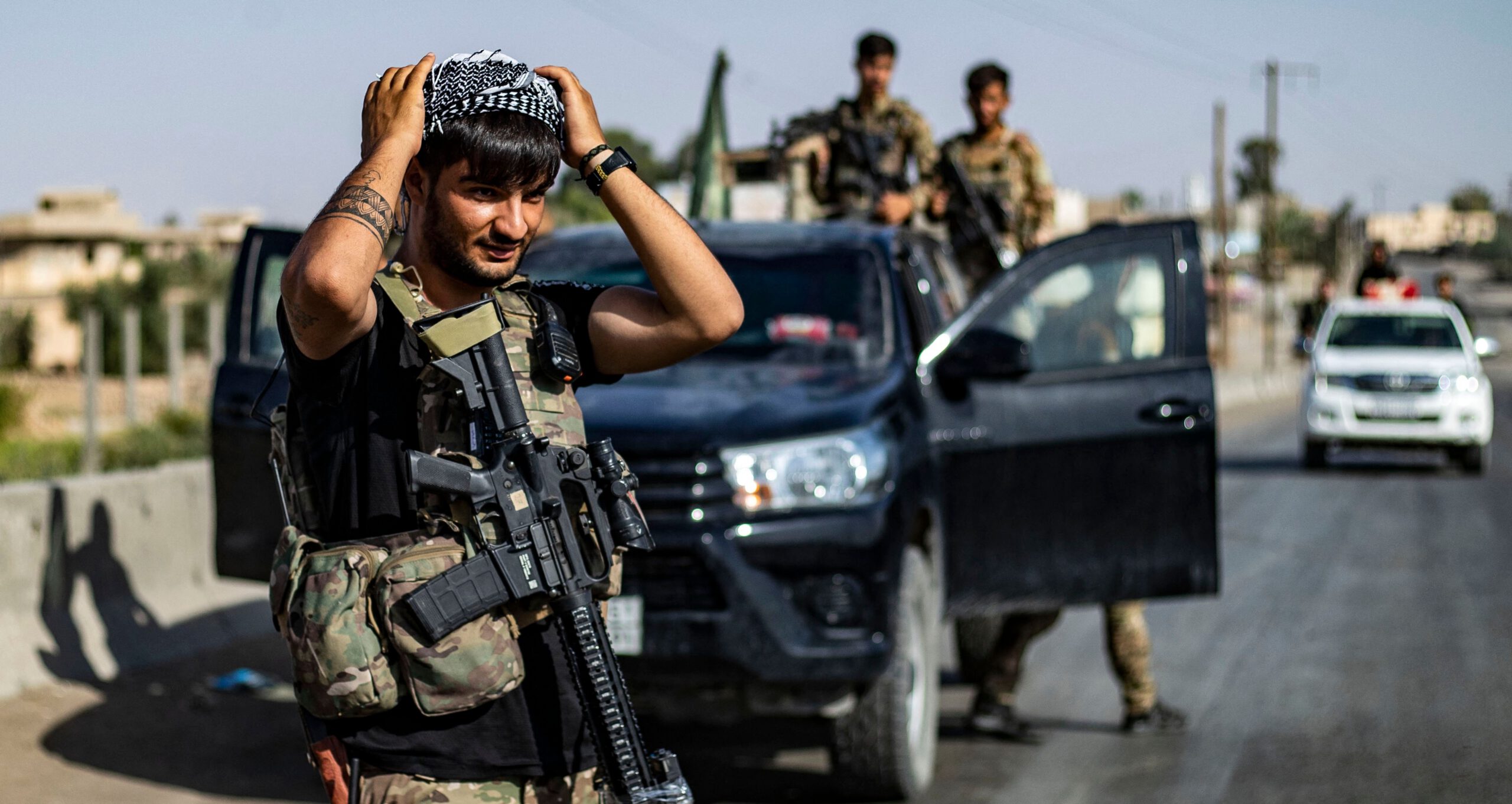
It is becoming apparent that negotiations between the new leadership in Damascus and the Syrian Democratic Forces (SDF) face significant obstacles due to disagreements over military structure and administrative demands. These issues reflect the difficulty of reaching a mutual understanding between the two parties. As these challenges persist, there is growing talk of a potential military escalation in eastern Syria, amid residents’ fears and international mediation efforts to contain the crisis and achieve progress in the negotiations.
Normalizing regular contacts and building relationships with the Taliban leadership can offer a more effective way to hold the Islamic Emirate to account for its actions. It also gives greater promise of realizing American hopes for an Afghanistan inhospitable to global terrorists and more respectful of the human rights of its citizens.
Syria’s first post-Assad protests broke out on Dec. 25 after a video claiming to show the destruction of an Alawite shrine spread rapidly across Facebook. The video was quickly debunked as several weeks old, the shrine only partially damaged, and the damage occurring during the capture of Aleppo city rather than in an act of sectarian vandalism. But those first hours were enough to stir up the widespread fears lingering just below the surface among Syria’s Alawite minority, bringing many Alawites (as well as Sunnis) to the streets to denounce sectarianism.