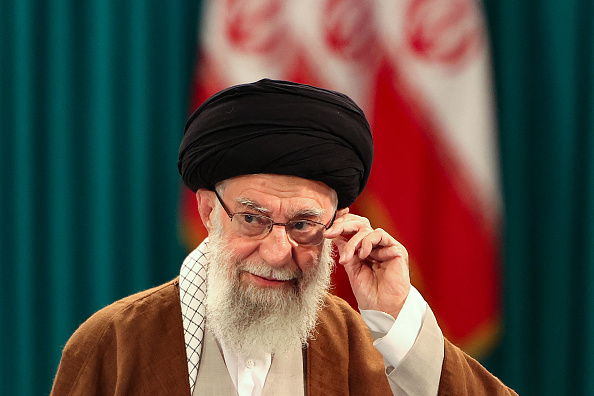
Tehran’s calculations to avoid all-out war with Israel and the US
Under past reformist presidents, Iran repeatedly tried to build a grand bargain deal with the United States, entailing compromises over its nuclear program in return for negotiating spheres of influence across the Middle East. This September, speaking on the sidelines of the United Nations General Assembly meetings in New York, the current reformist president Masoud Pezeshkian confirmed that he was open to direct talks with Washington to end hostilities.
Strained Israel-Jordan ties are further tested by Gaza, but a turnaround is possible
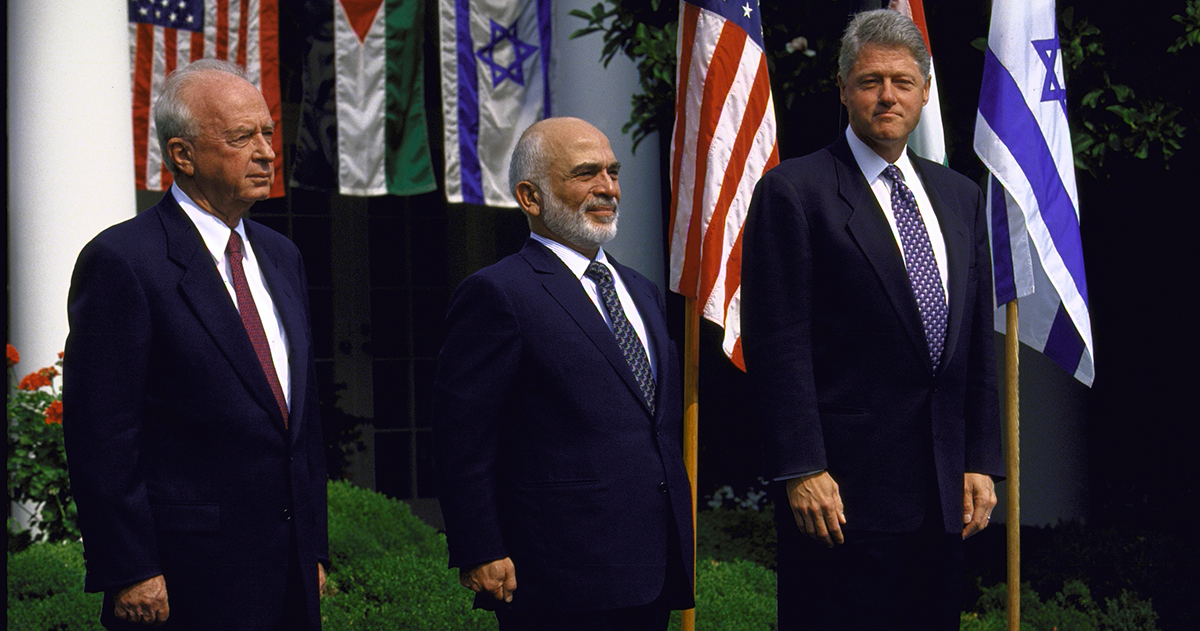
30 years have passed since Israel and Jordan signed a peace treaty on Oct. 26, 1994. But instead of celebrations, this anniversary was largely marked by disappointment and even despair. Relations, it is claimed, are at an all-time low and the future prospects seem bleak, as the war in Gaza continues and peace between Israelis and Palestinians seems more distant than ever. However, Israel-Jordan relations have proven resilient, even in the face of the current crisis, and the two countries continue to advance vital shared interests.
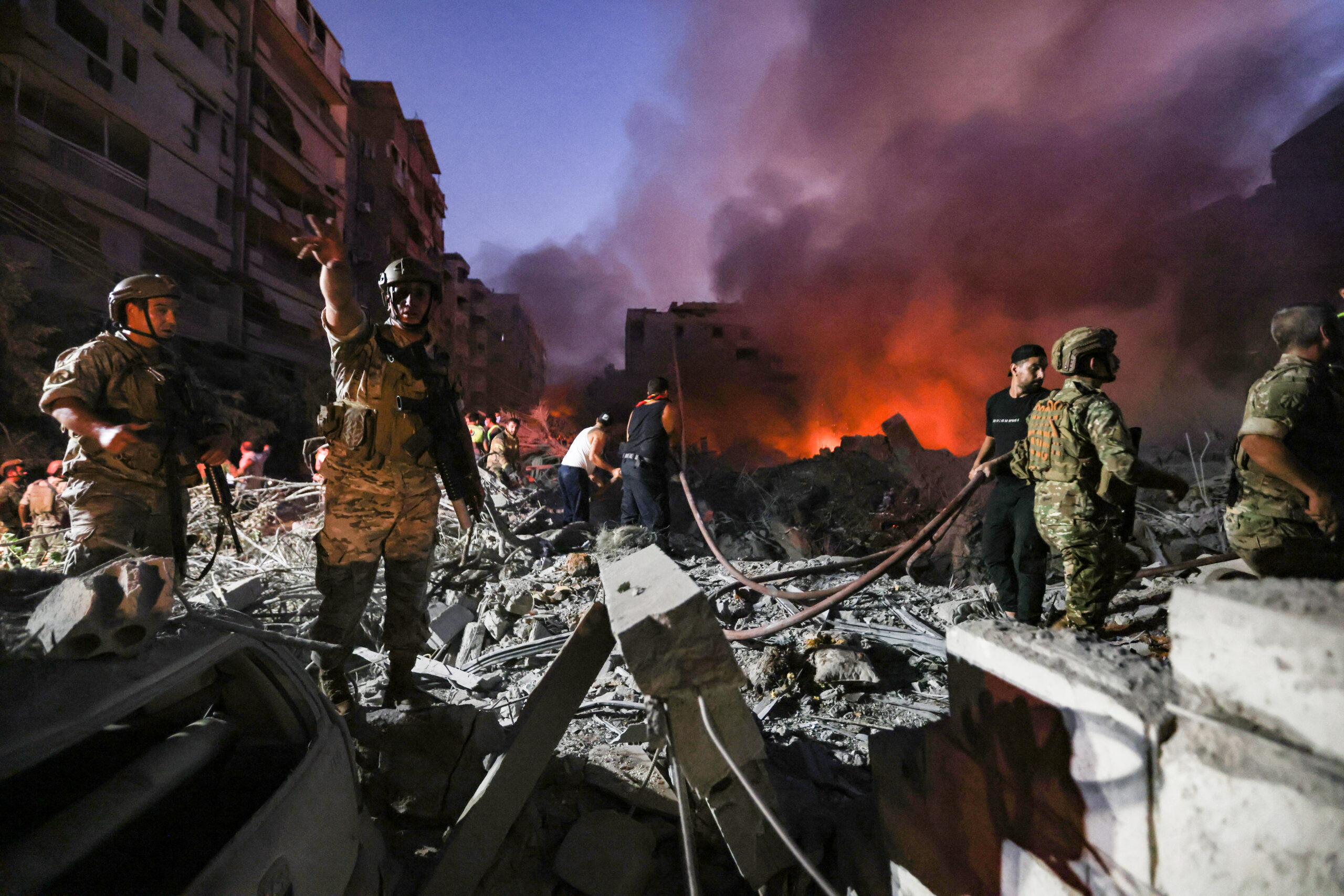
The multiple wars that have erupted since Oct. 7, 2023, have already changed the strategic landscape in the Middle East — and more change is likely to follow.
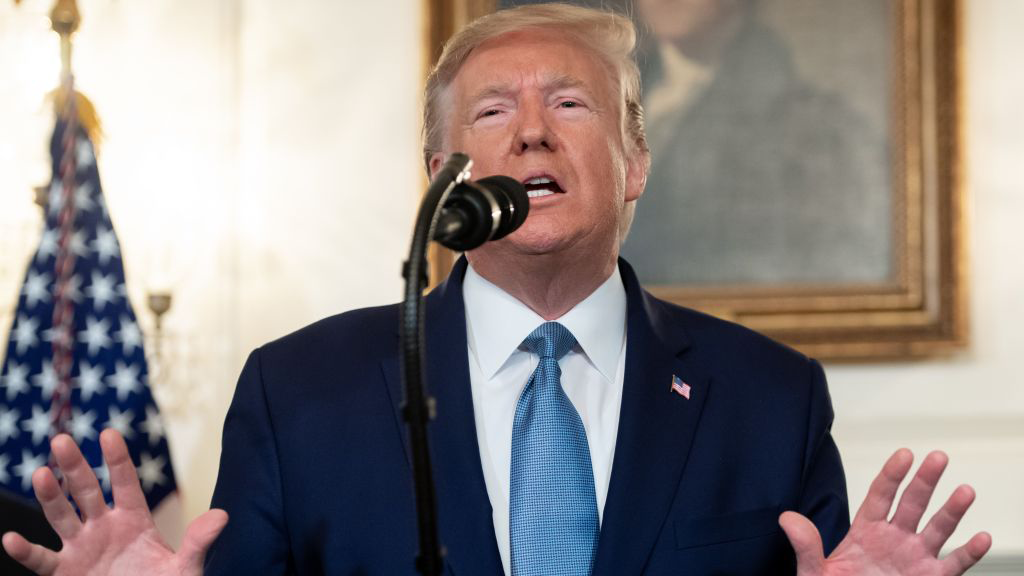
How Donald Trump might tackle the Middle East in 2025
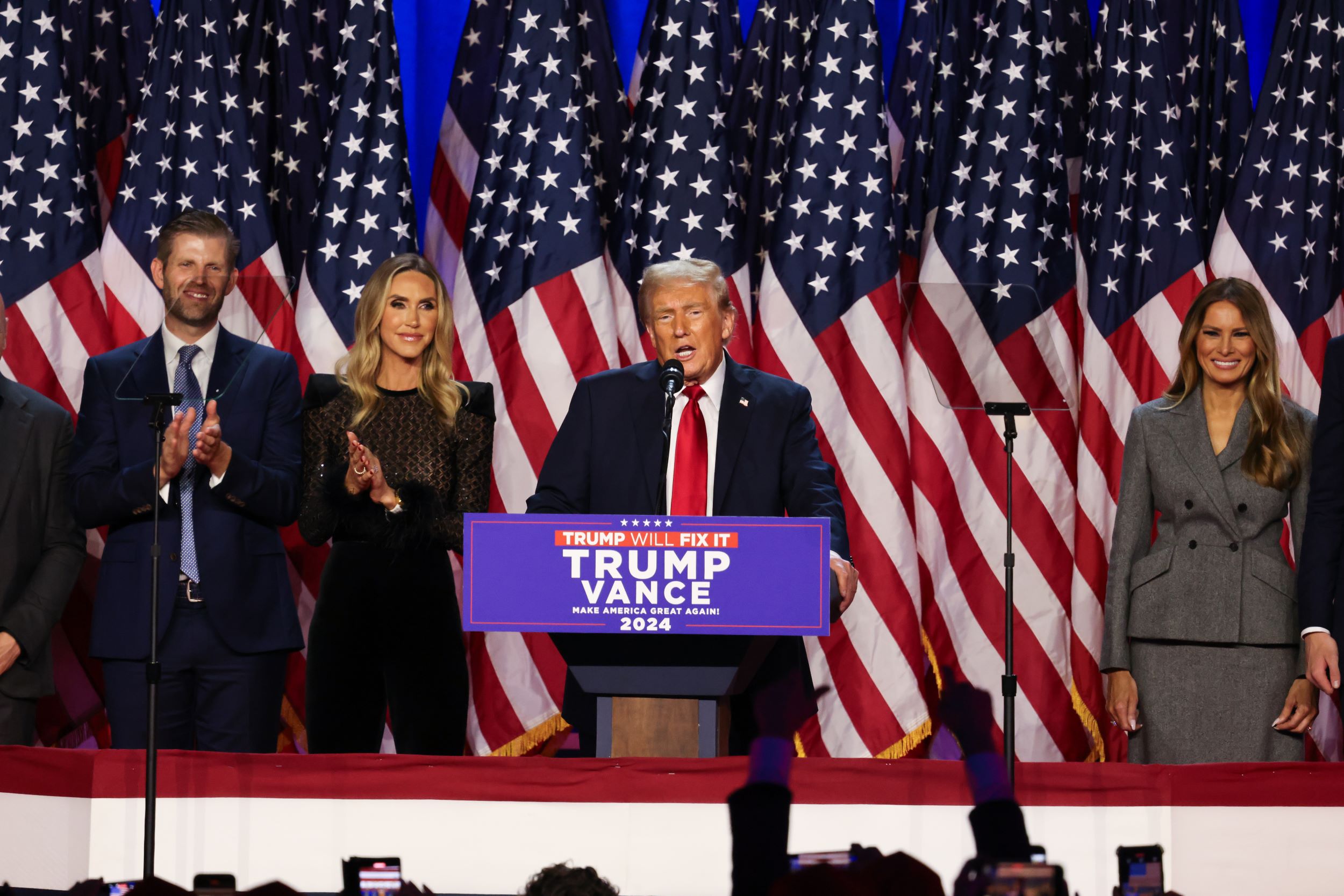
it is possible to extrapolate how the incoming second Trump administration may respond to the complex situation in the Middle East by examining the president-elect’s record during his first term, what he has said since, as well as public statements of his running-mate, Sen. J. D. Vance. Two main issues are likely to dominate Donald Trump’s regional agenda when he comes to power: Iran and Israeli-Palestinian affairs.
After Oct. 7, Israeli and Palestinian civil societies’ pro-peace role is more important than ever
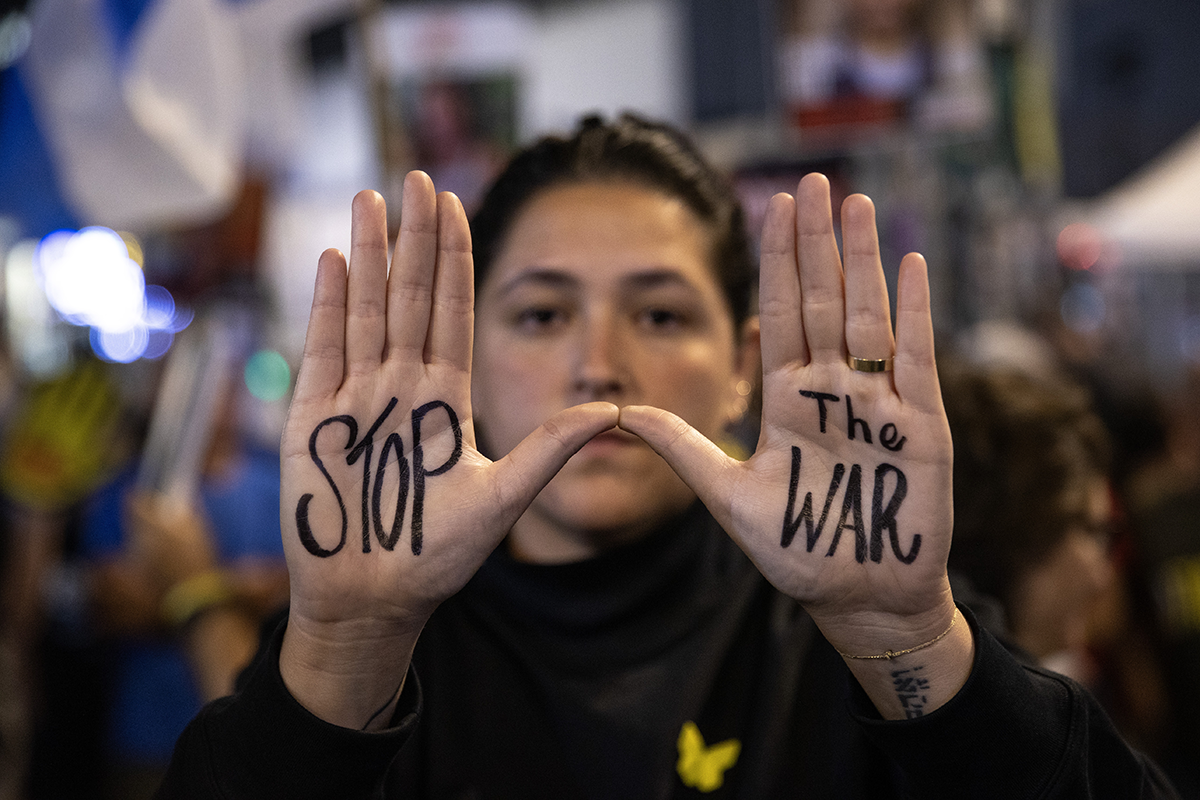
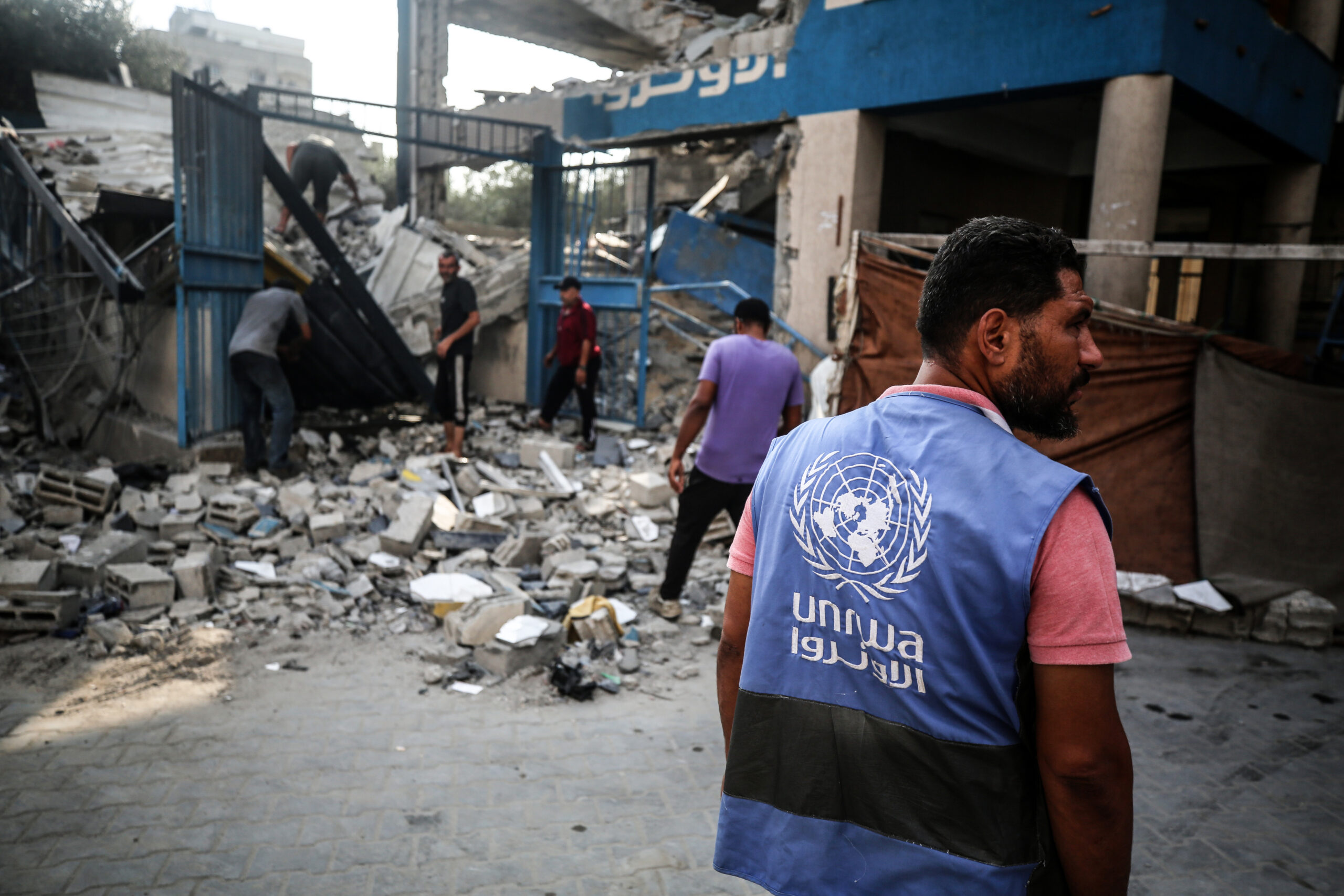
The devastating conflict that erupted on Oct. 7, 2023, dealt a near-fatal blow to efforts by Israeli and Palestinian civil society organizations, leaving both sides feeling as though they have returned to square one. The unprecedented violence and severity of the war have profoundly altered the consciousness of both Israelis and Palestinians, reinforcing a sense of existential struggle. Efforts to engage the public must contend with a hardening of positions and sentiment.
Ukraine’s role in the Black Sea: Navigating a geopolitical crossroads
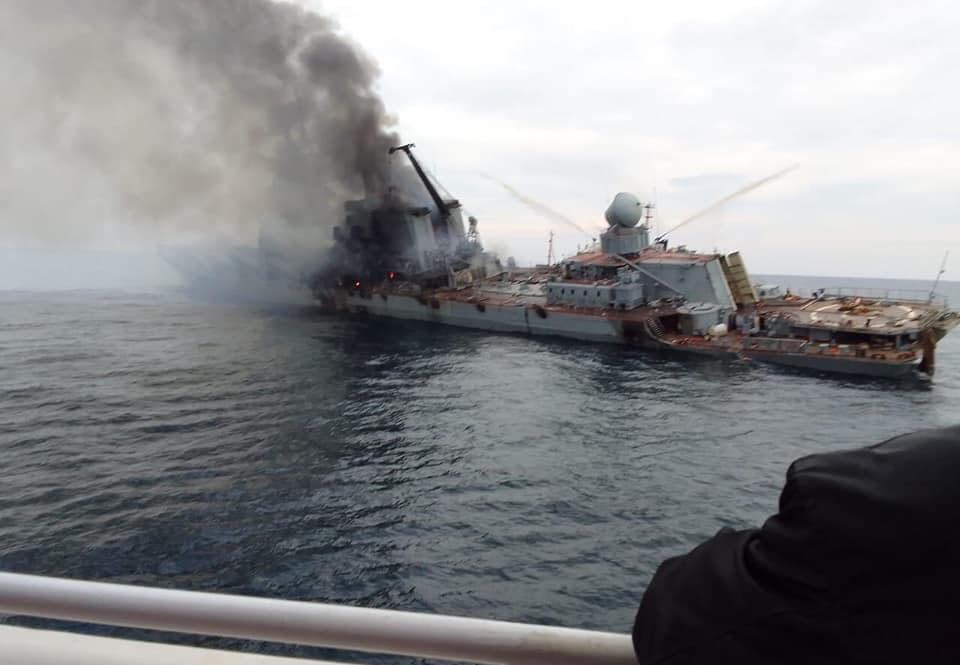
The Black Sea has recently become one of the world’s most important dynamically shifting geostrategic maritime areas, with Ukraine playing a crucial role in upending the naval balance of power there. Ukraine’s efforts to push back against Russia, bolstered by Western military aid, have challenged the status quo and reshaped the region’s security landscape.
Early recovery and rehabilitation in regime-controlled areas of Syria: An assessment
The following is a short abstract, offering the main analytical findings and policy takeaways from a newly released Middle East Institute report on post-war reconstruction in Syria.
Inside Damascus’s Reconstruction Lab: Navigating the Framework of Return and Recovery
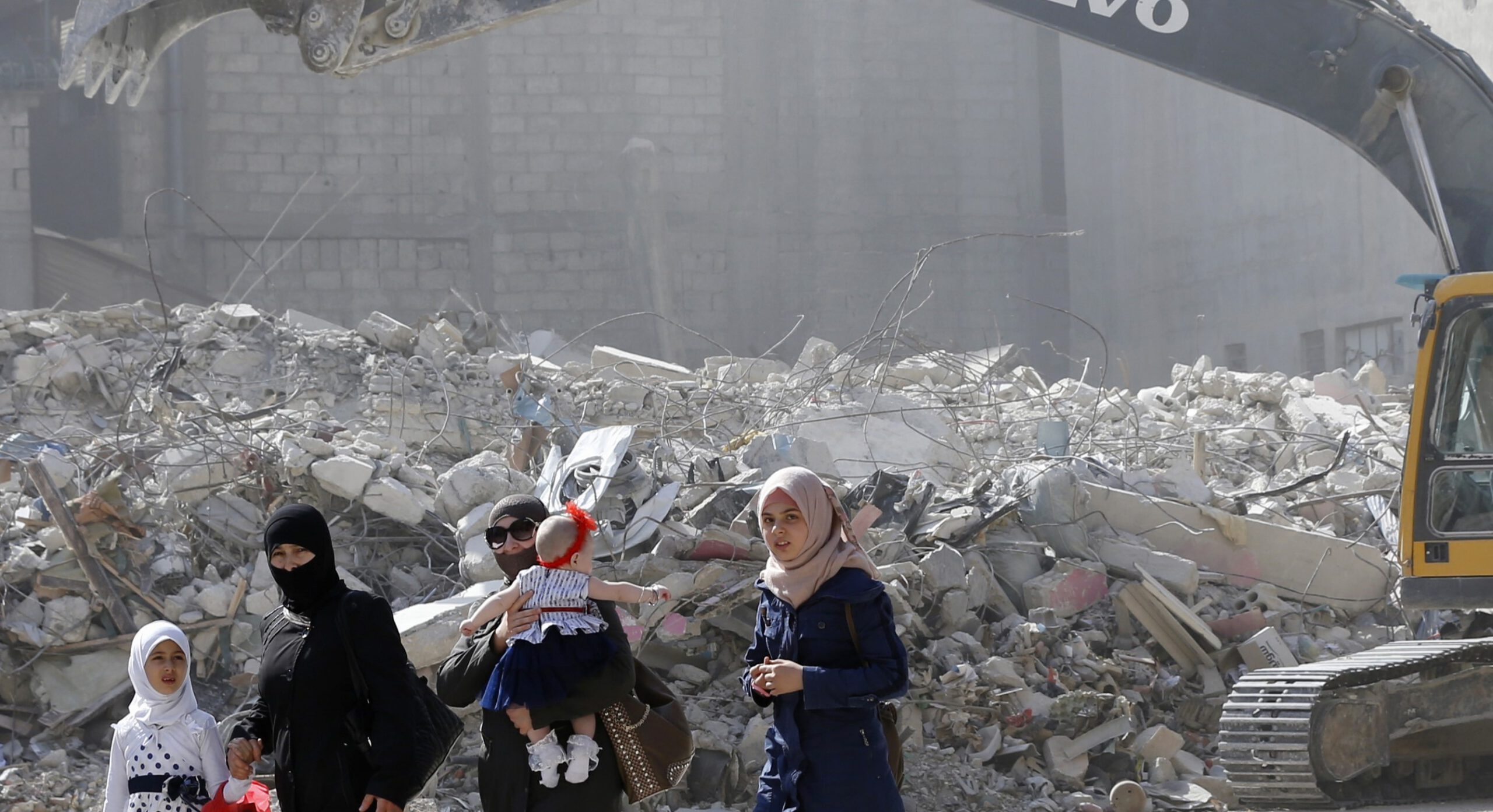
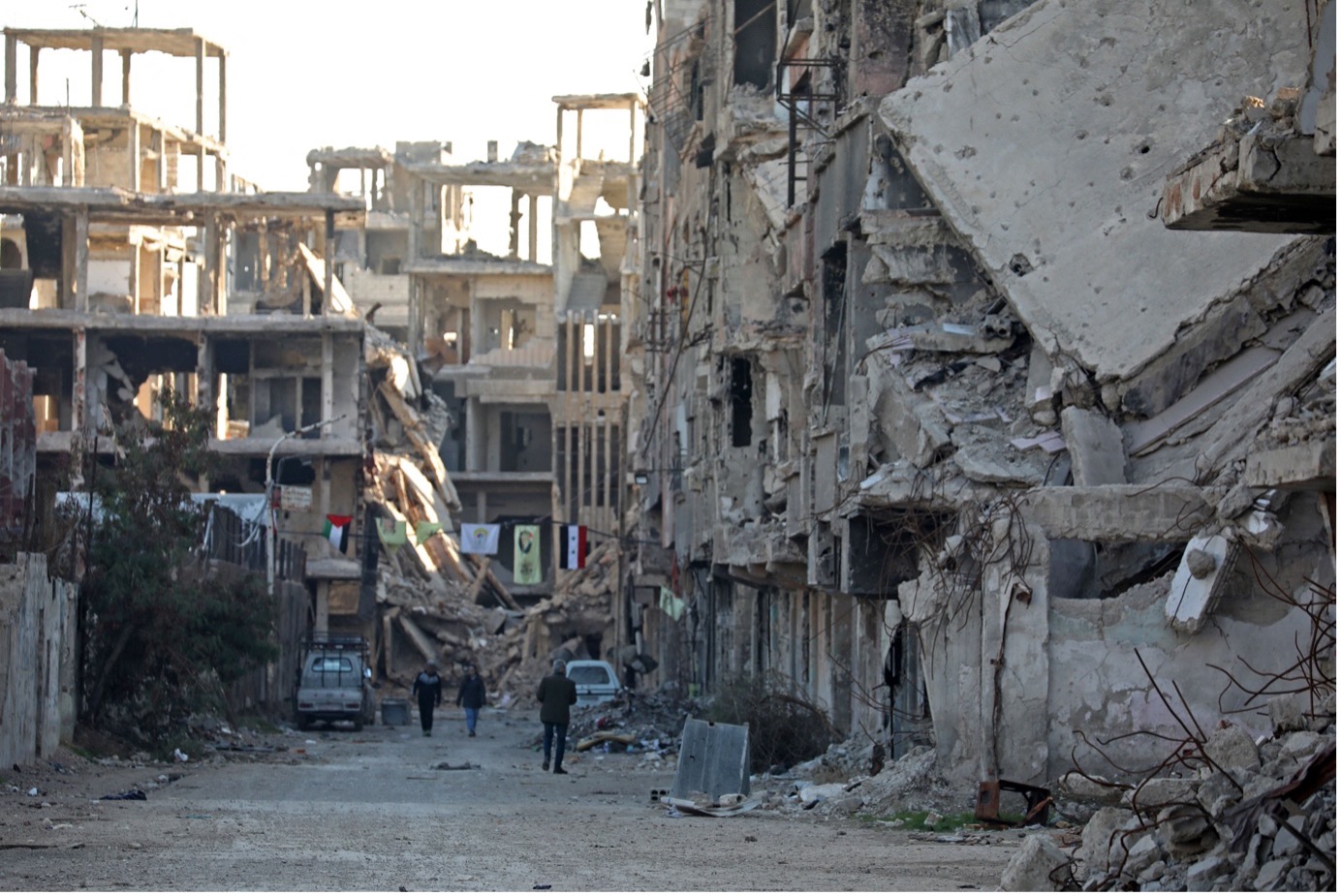
Since the end of the civil war in Syria, government officials have inaugurated high-end tourist projects and upscale urban housing schemes, while at the same time preventing Syrian refugees and internally displaced persons from returning to their ruined neighborhoods or rebuilding their demolished homes. The focus on luxury housing in a country devastated by conflict and within a city suffering from massive destruction and housing shortages encapsulates the contradictions of the regime’s policy for reconstruction and early recovery not only in Damascus but in the whole country.
Beyond oil: Google’s big bet on Saudi Arabia’s AI future
In a landmark move signaling the growing importance of the Middle East in the global tech landscape, Google has entered into a strategic partnership with Saudi Arabia’s Public Investment Fund (PIF), the kingdom’s sovereign wealth fund. The partnership underscores the “growing interlink” between AI and energy, as Saudi Arabia — along with the United Arab Emirates and other Gulf states — uses its energy surplus to power data centers, a critical pillar of AI infrastructure.
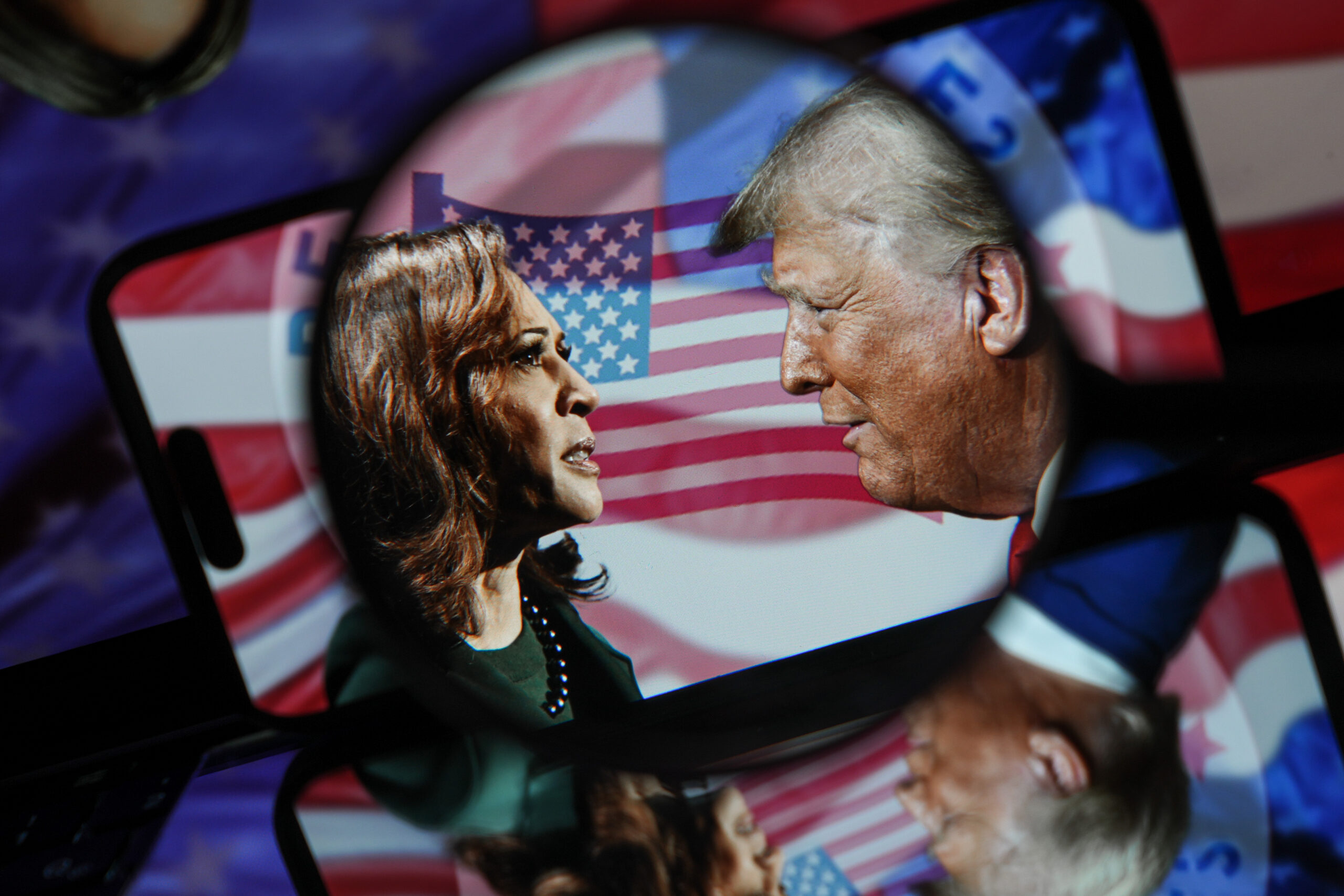
3 National Security Wild Cards That Could Sway the Election
When news broke Friday night that Israel had launched its largest-ever military strike on Iran, a group of diplomats, administration officials, journalists and think tankers had just sat down for dinner at one of the best restaurants in Washington, hosted by a prominent ambassador.
Danielle Pletka | ‘Taking the Edge Off the Middle East’ Ep. 4
Middle East Focus Presents: ‘Taking the Edge Off the Middle East’ with Brian Katulis
A series of casual conversations with leading policy professionals on the most important happenings in the Middle East today – hosted by MEI’s Senior Fellow for US Foreign Policy Brian Katulis.
Danielle Pletka, Distinguished Senior Fellow at the American Enterprise Institute, sits down with Brian to discuss how she made the jump from journalism to policy, her views on the Iraq War, and the need for strong leadership in US-MENA foreign policy.