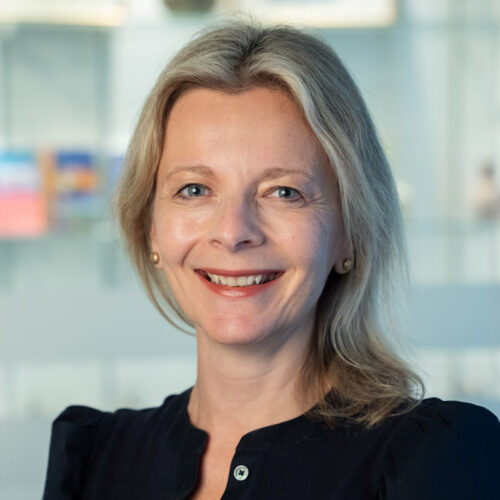
This individual is a guest contributor. MEI is not able to assist with contact requests.
Sara Sadek is an affiliated researcher and coordinator at the Center for Migration and Refugee Studies (CMRS) at the American University in Cairo. She obtained an MA in Refugee Studies from the University of East London. Since 2005, she has worked on various research projects on Iraqi and Sudanese communities in Egypt, contributing to a report on Iraqis in Egypt and recently producing a paper on challenges of integration for Iraqis in Arab states for the Henry L. Stimson Center’s forthcoming volume Transnational Challenges.
If the US wants to make its mark on the future of Israeli democracy, it’s time it moved from words to deeds
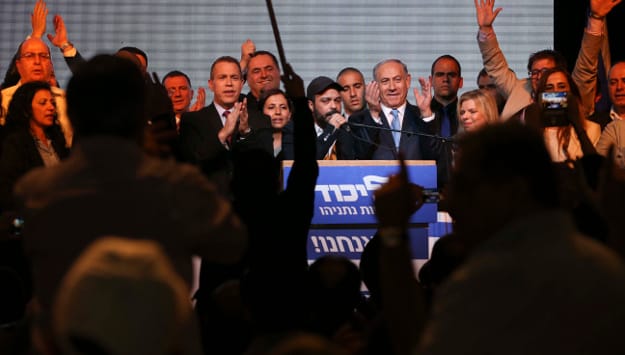
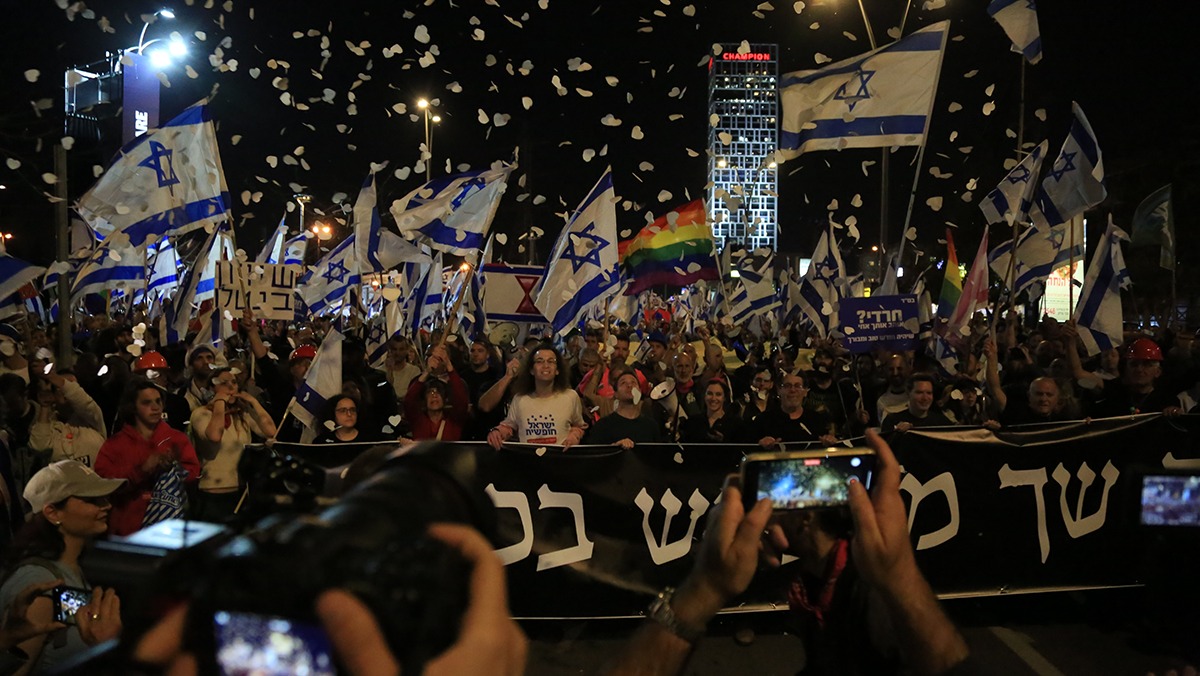
As Israel’s hardline coalition government is ramming through legislation that would radically alter the country’s political character and system of government, alarm bells are finally ringing in Washington. Even President Joe Biden has finally picked up the phone and expressed his concern to Prime Minister Benjamin Netanyahu about his anti-democratic agenda. The growing American apprehension, however, has yet to be translated into meaningful policy action.
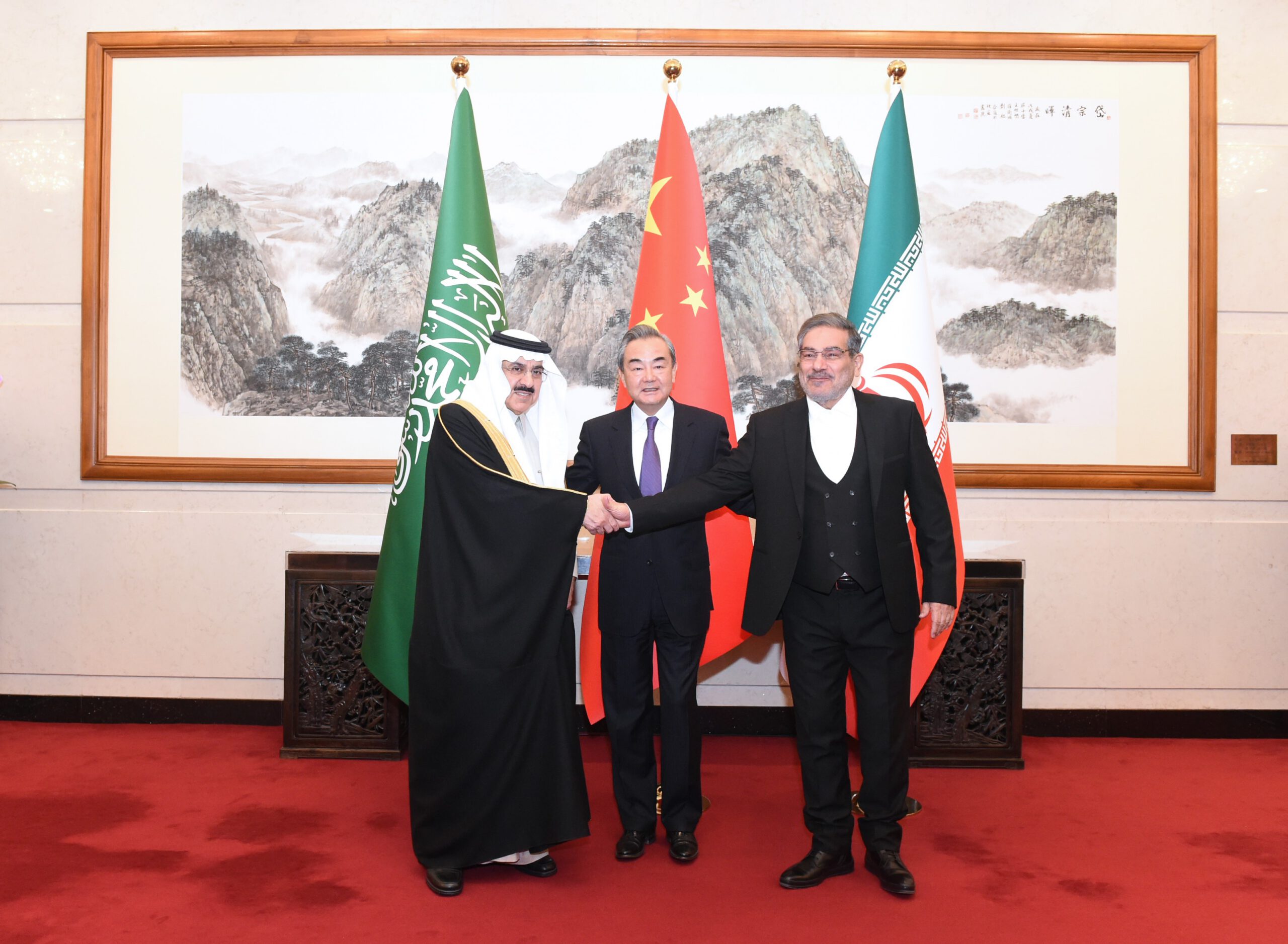
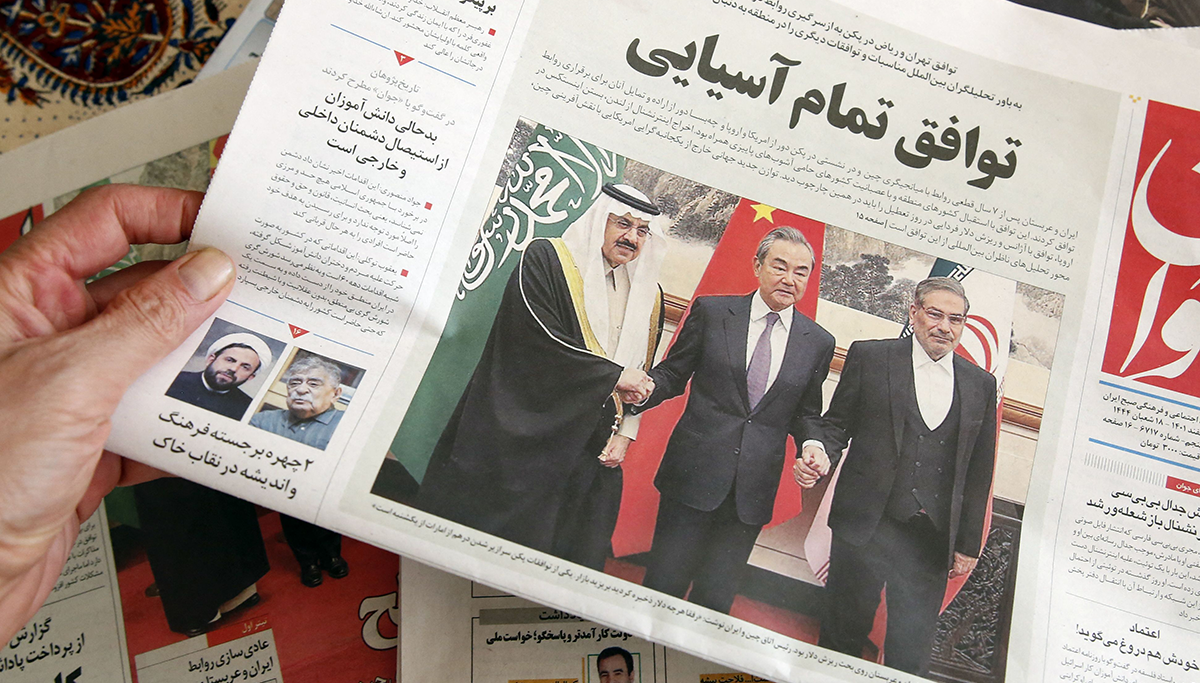
Two weeks ago, on March 10, Iran said it would restore diplomatic relations with Saudi Arabia after a seven-year rupture as part of a deal brokered by China. The agreement, reached in Beijing, is the result of almost a year and a half of mostly quiet talks between Iran and Saudi Arabia, facilitated by a host of countries including China, Iraq, Oman, Russia, and the United States.
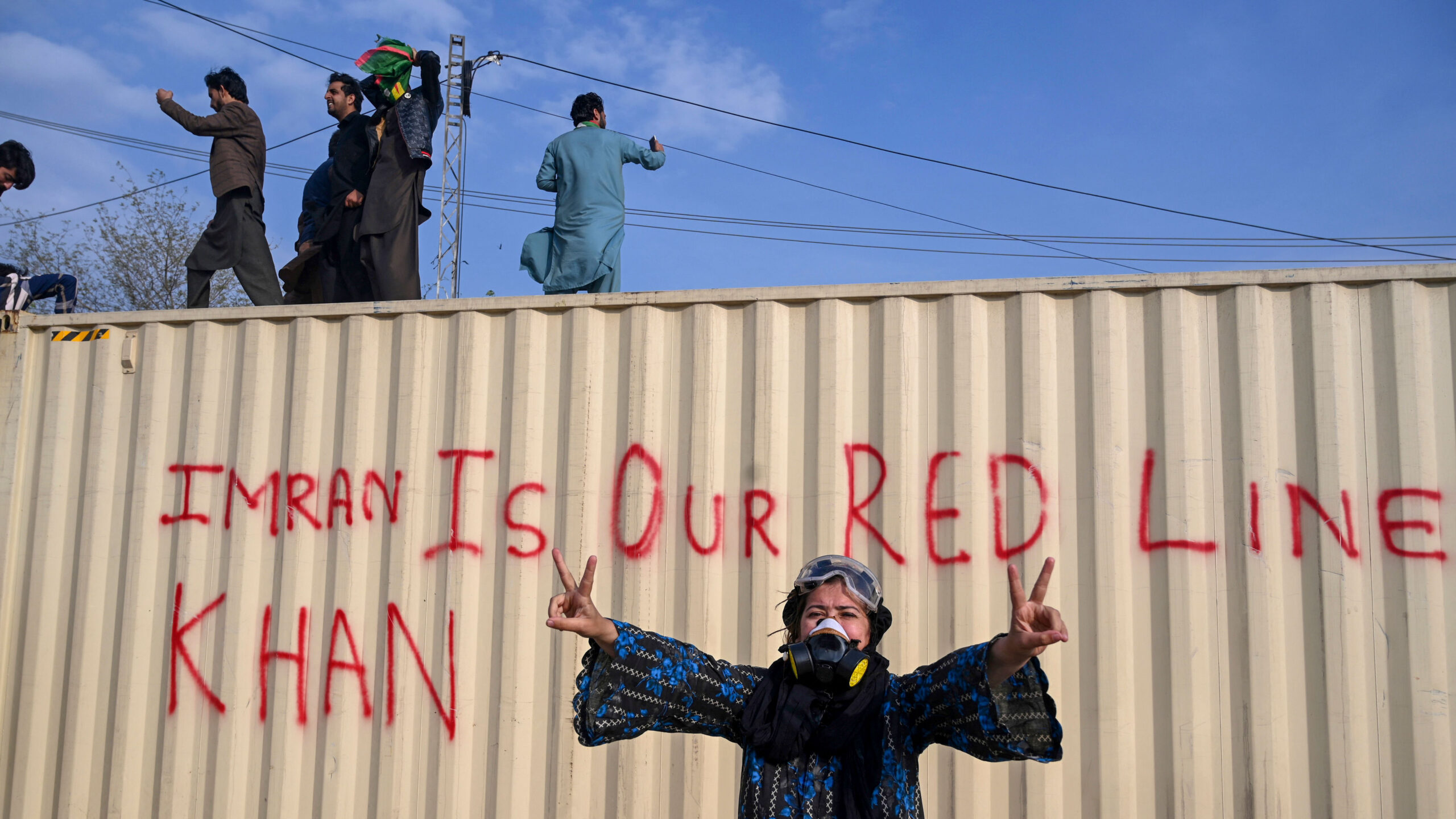
Pakistan’s democratic dilemma at the edge of a political precipice
The ongoing conflict in Pakistan between Imran Khan’s Pakistan Tehreek-e-Insaf (PTI) and Prime Minister Shehbaz Sharif’s coalition government has escalated to new heights, widened the political chasm even more, and multiplied social fragmentation in the face of public hostility to state institutions. It has also increased the likelihood of anarchy and civil war.
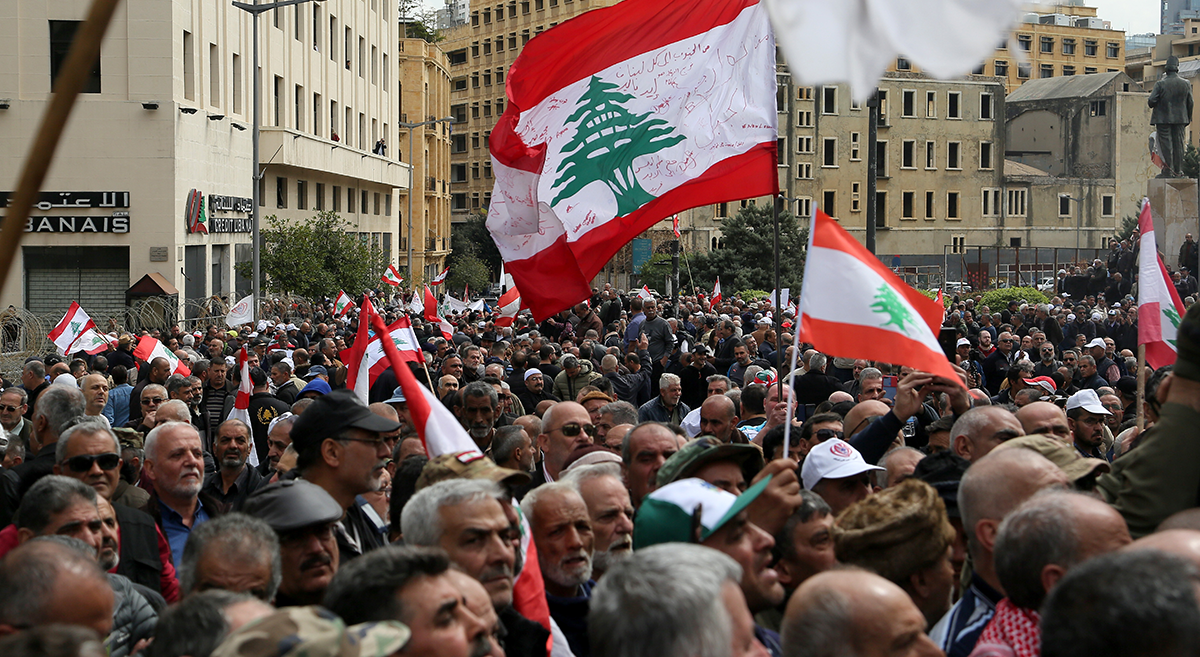
Paris failed. Washington must lead in breaking the mafia-militia’s chokehold on Lebanon
In response to Lebanon’s seemingly imminent transition into a failed state, this article introduces a new framework to explain the country’s protracted crisis. In turn, we unpack what the past four years of international responses to Lebanon got wrong and make the case for a new assertive approach for Washington to take — one that empowers local stakeholders working to recapture the state and reform the country’s political economy.
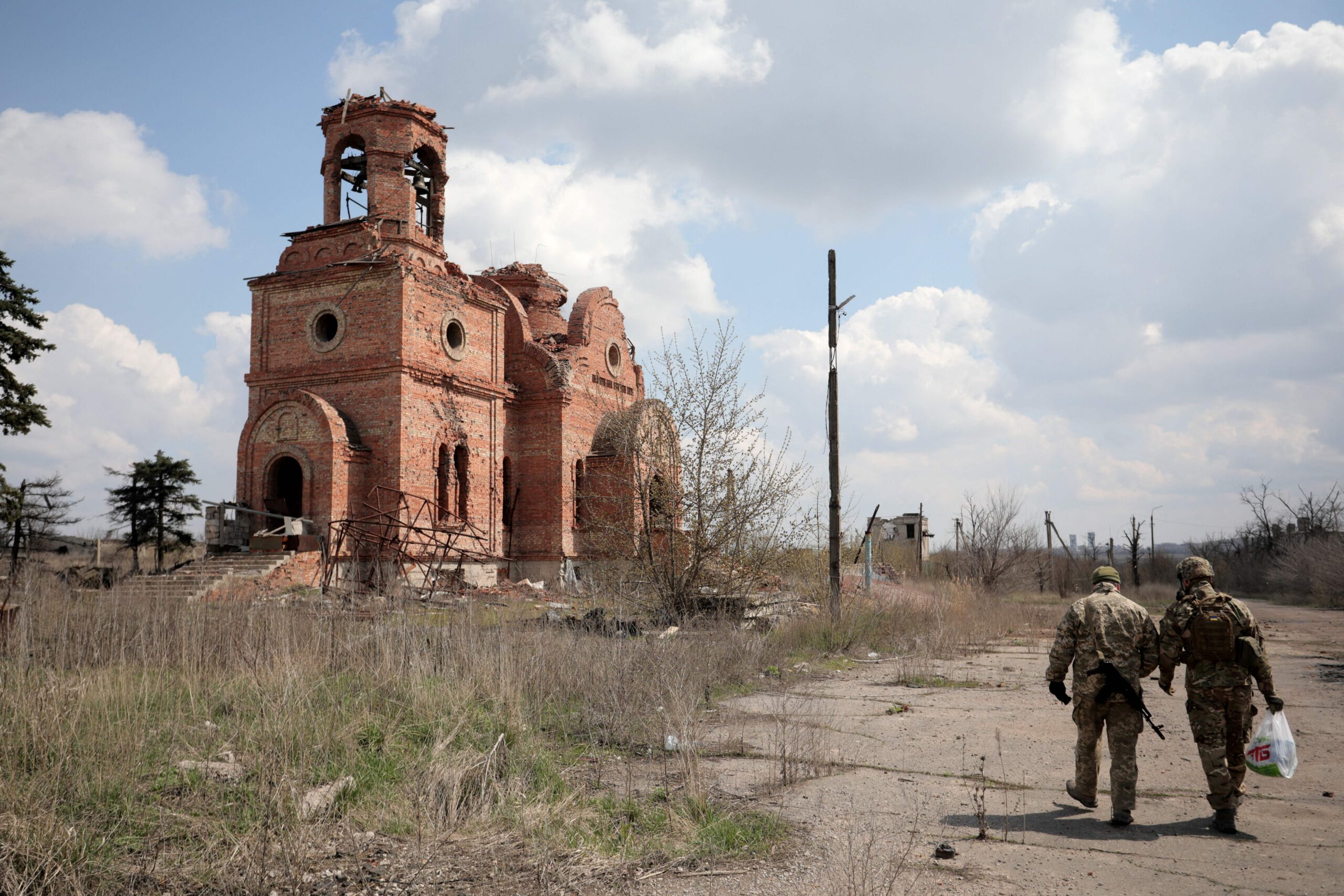
Russia’s occupation strategy — the biggest long-term threat to Ukraine’s stability
Repeatedly throughout Russia’s history, its authorities have employed unlawful occupations, annexations, deportations, filtration, and ethnic dilution through an influx of Russian settlers to control and reshape the Eurasian map in favor of Russian expansionism. The de-occupation and reintegration of the Russian-controlled territories of Ukraine can be the only guarantee of durable peace in the heart of Europe.
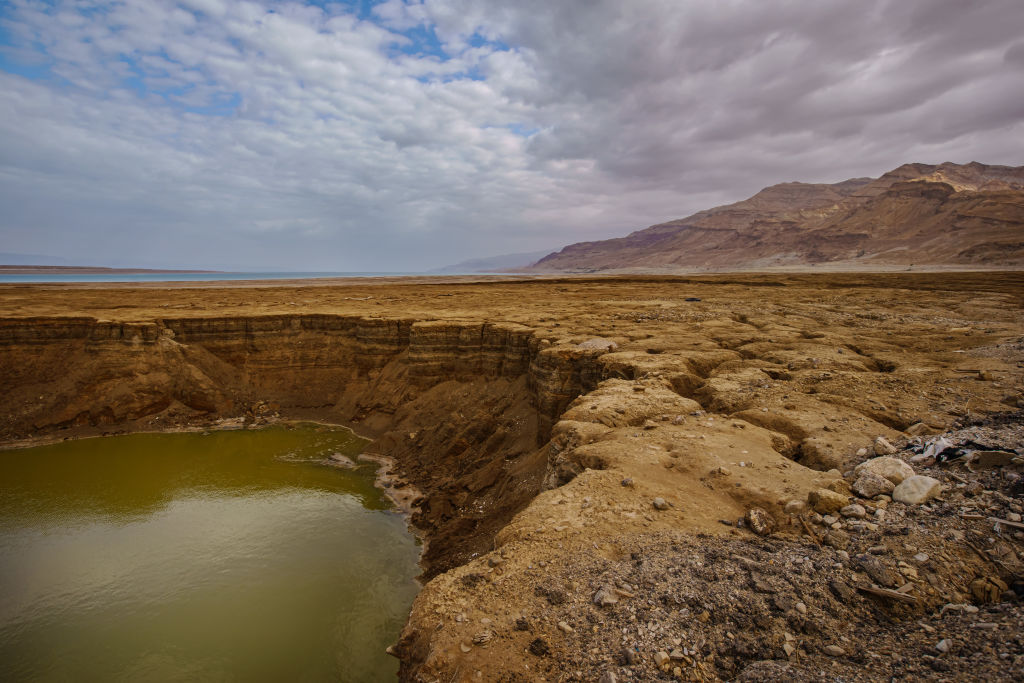
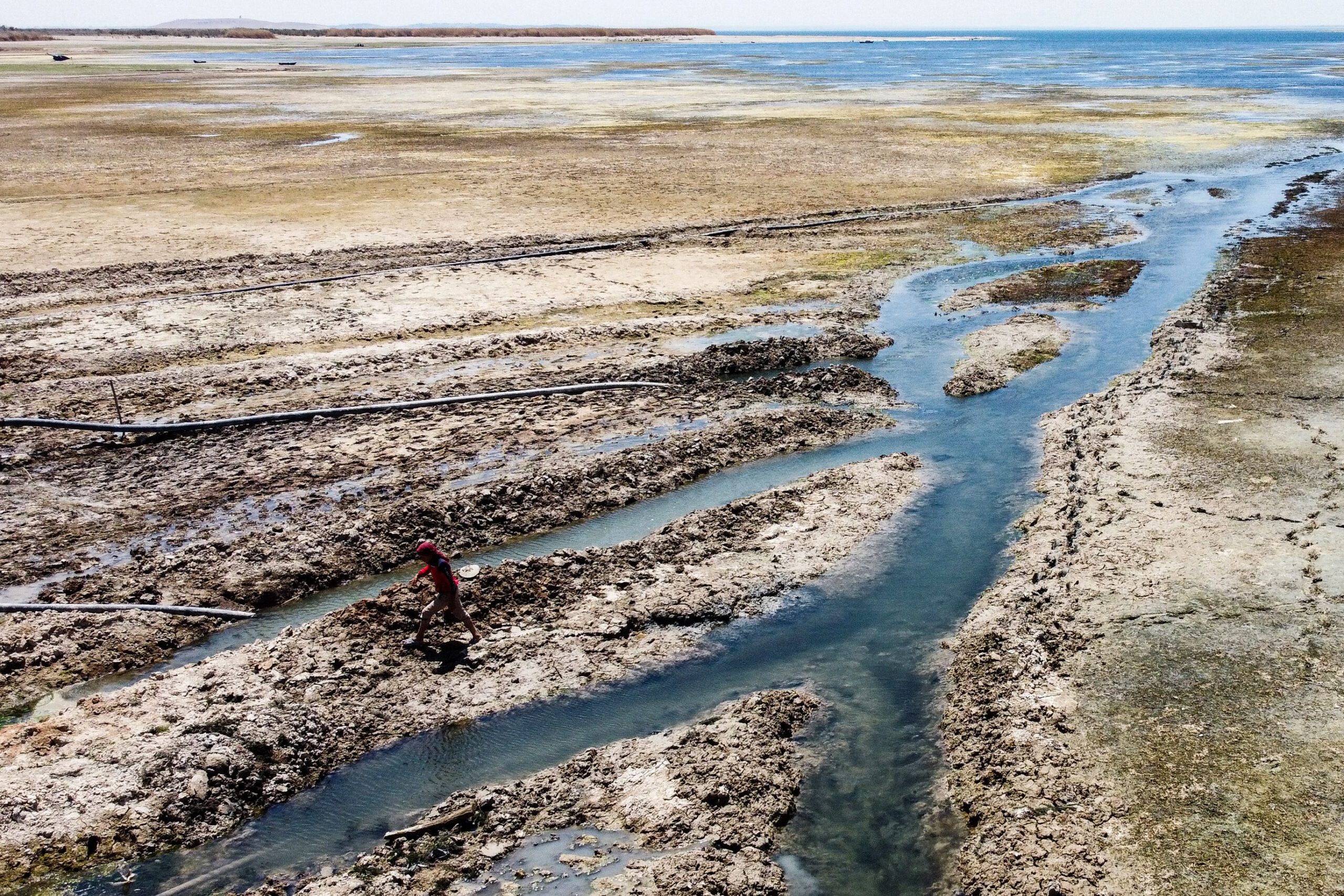
Expert Views: Opportunities to enhance water security in MENA
Water resources are a key component of global sustainability, especially in light of the mounting environmental challenges posed by climate change. We asked some of MEI’s Climate and Water Program scholars to share their perspective on strategies and opportunities that could most readily alleviate the region’s water security concerns.
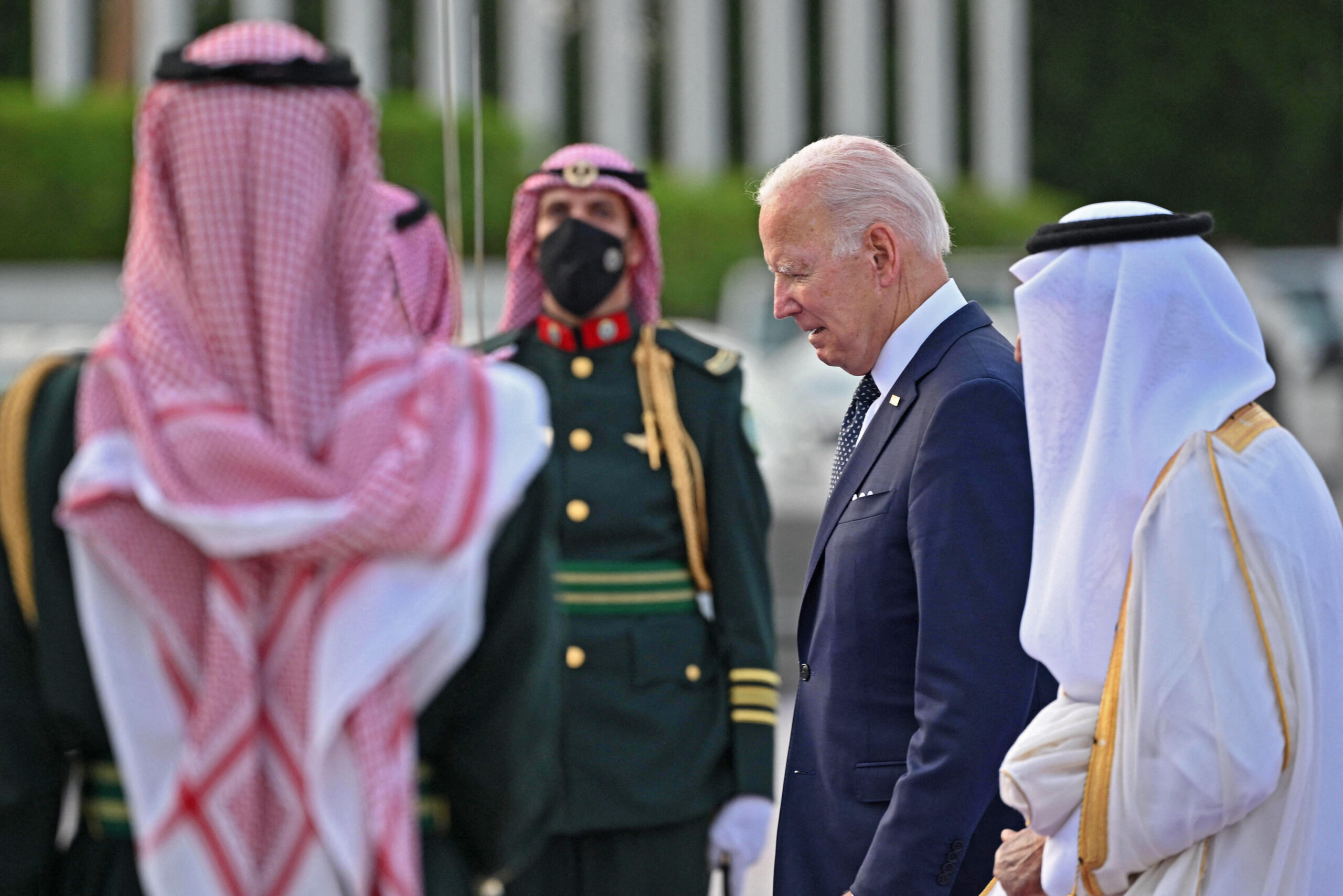
Now that Saudi Crown Prince Mohammed bin Salman has clarified what he expects from Washington in return for normalizing ties with Israel—mainly U.S. security guarantees—the question is: Should U.S. decision-makers accept his price?
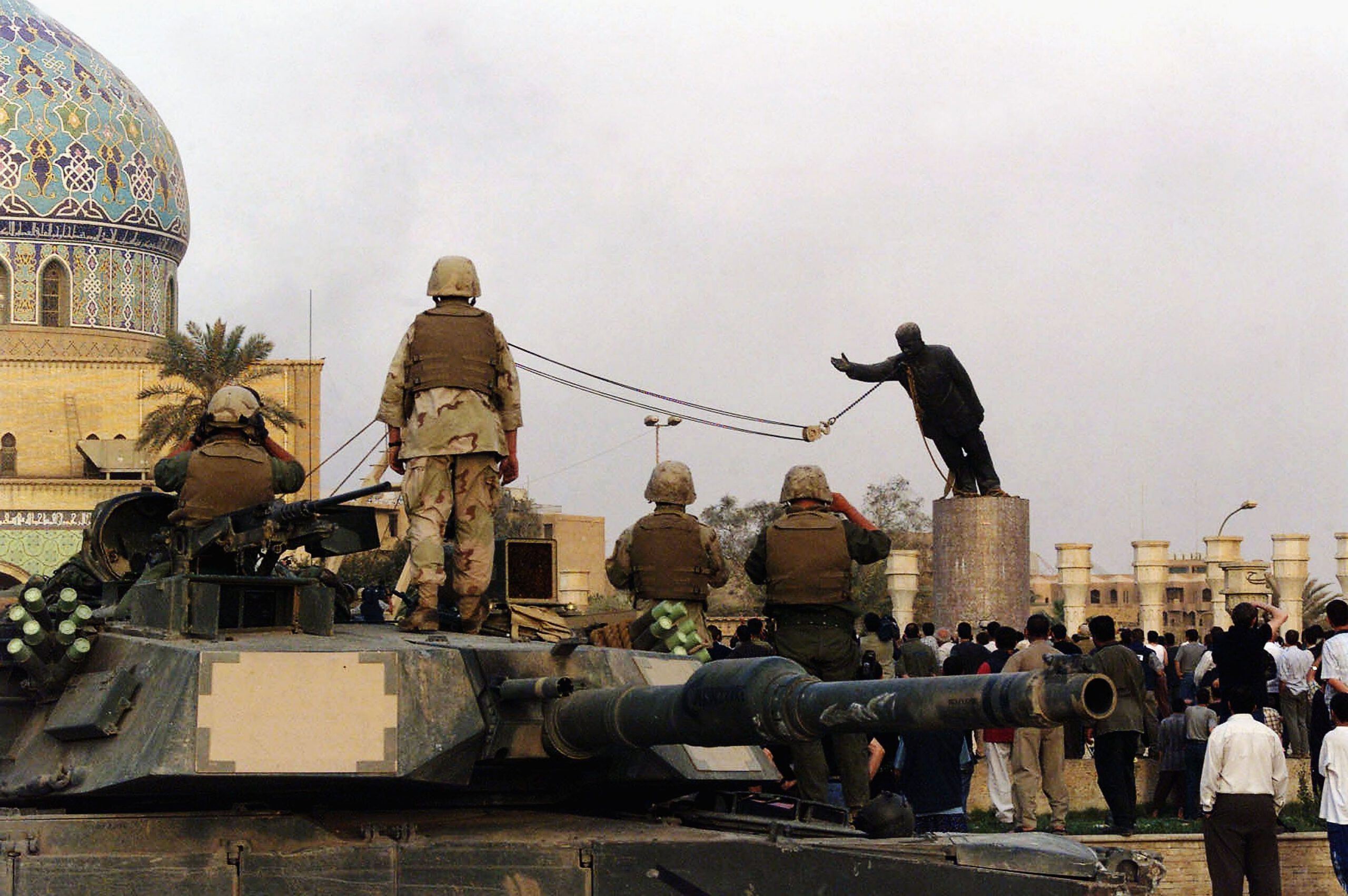
The painful reality is that Washington’s hastily cobbled together ethno-sectarian political system for post-2003 Iraq ended up doing the opposite of what it intended. The regional domino effect was also the opposite of what the U.S. had hoped for, as Iraq became a cautionary tale that regimes could use to undermine the democratic desires of their own populations.
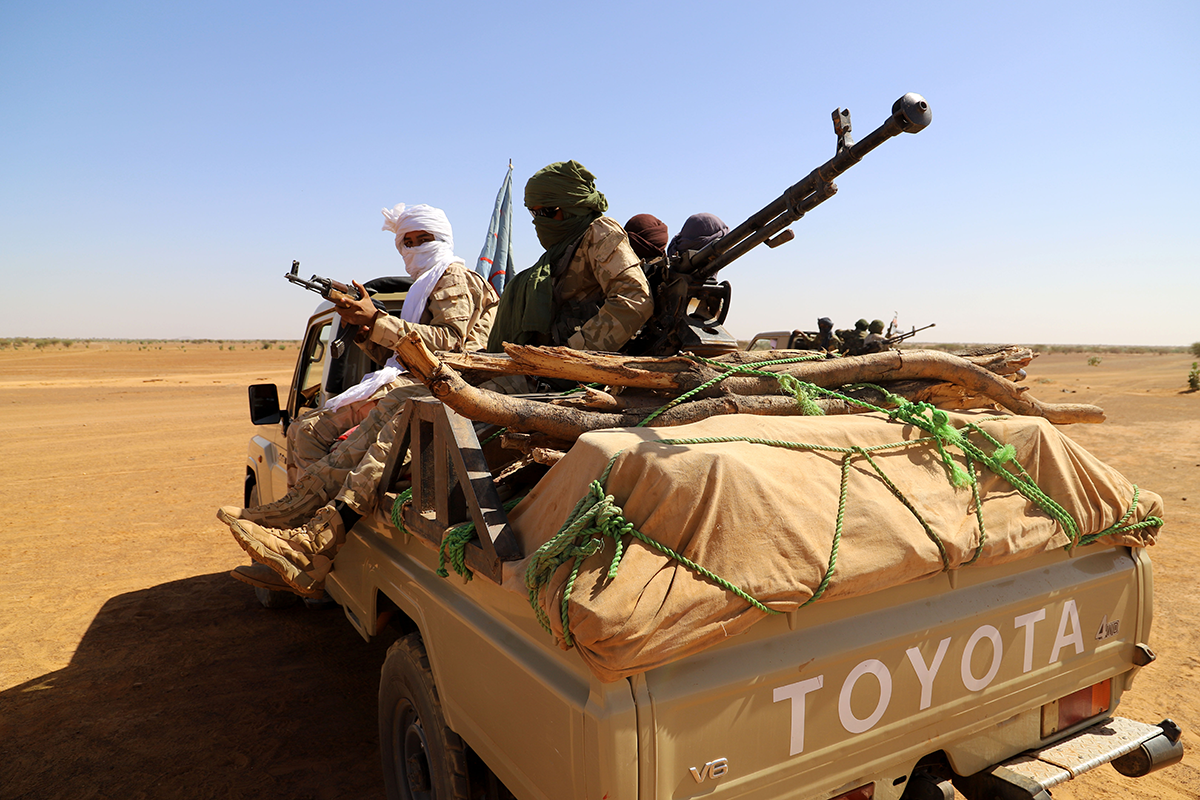
In Disorder, They Thrive: How Rural Distress Fuels Militancy and Banditry in the Central Sahel
The central Sahel — Burkina Faso, Mali, and Niger — is buffeted by three main forms of armed conflict that overlap and fuel each other: communal conflict, banditry, and violent extremism. These conflicts are partly rooted in a crisis of governance in rural areas, and are exacerbated by climate change, demographics, and internal and cross-border migration.
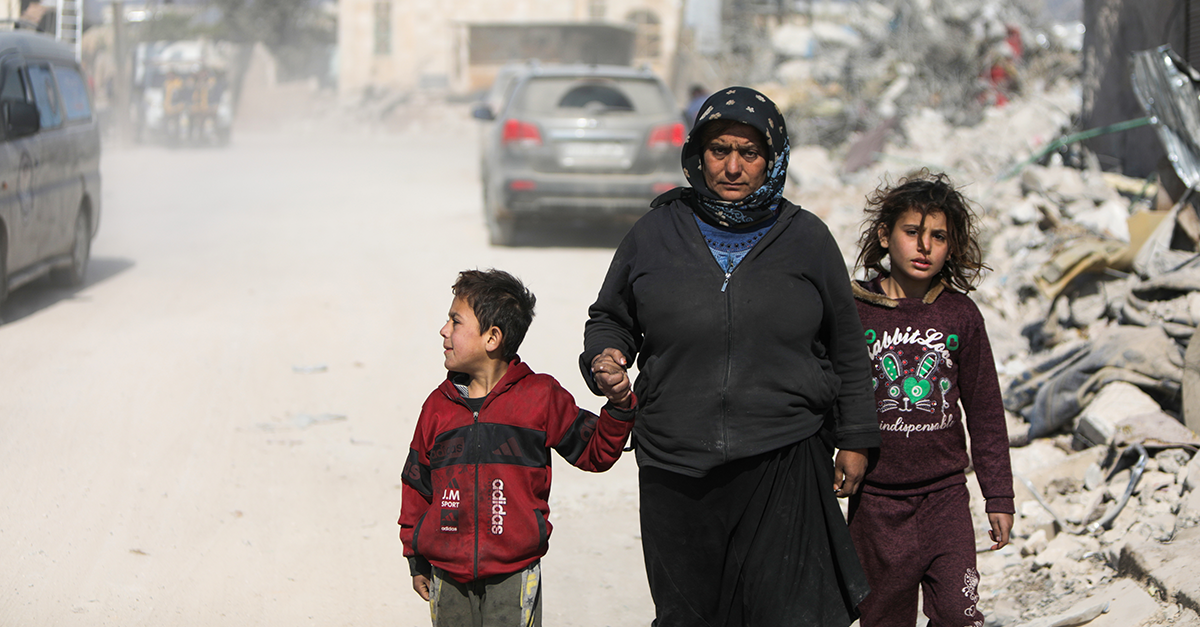
A message to the donors convening in Brussels to aid Syria’s earthquake recovery
On March 20, the EU will hold an international donors’ conference in Brussels to raise funds for Turkey and Syria’s recovery from the devastating earthquakes that struck in early February. While Turkey’s foreign minister will speak before the pledging session, no one will represent or even speak on behalf of Syrians.
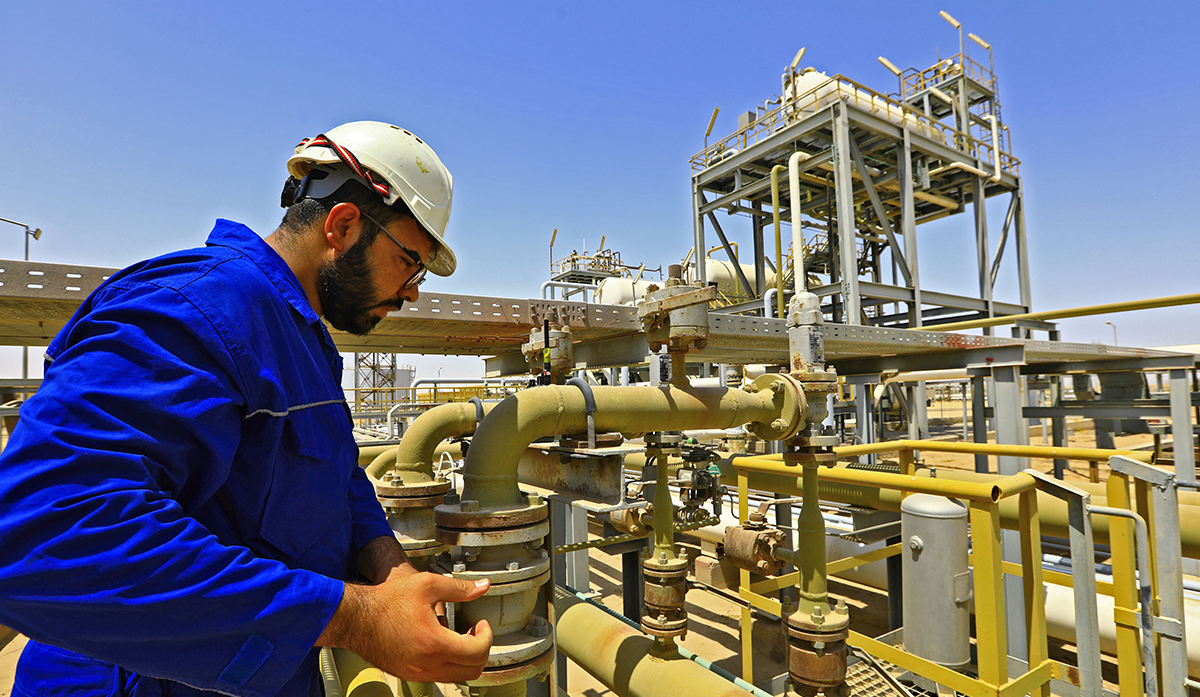
Economic Diversification, Energy Transition, and the Labor Market in Iraq and the Gulf
As part of a continued collaboration with the Middle East Peace and Security Forum held in Iraqi Kurdistan at the American University of Kurdistan, the Middle East Institute and the Iraq Policy Group held a workshop on Nov.15, 2022 focusing on challenges of economic diversification, energy transition, and impacts on labor markets in Iraq and the Gulf region. This report provides the insights and analyses of a select group of participants from the workshop.
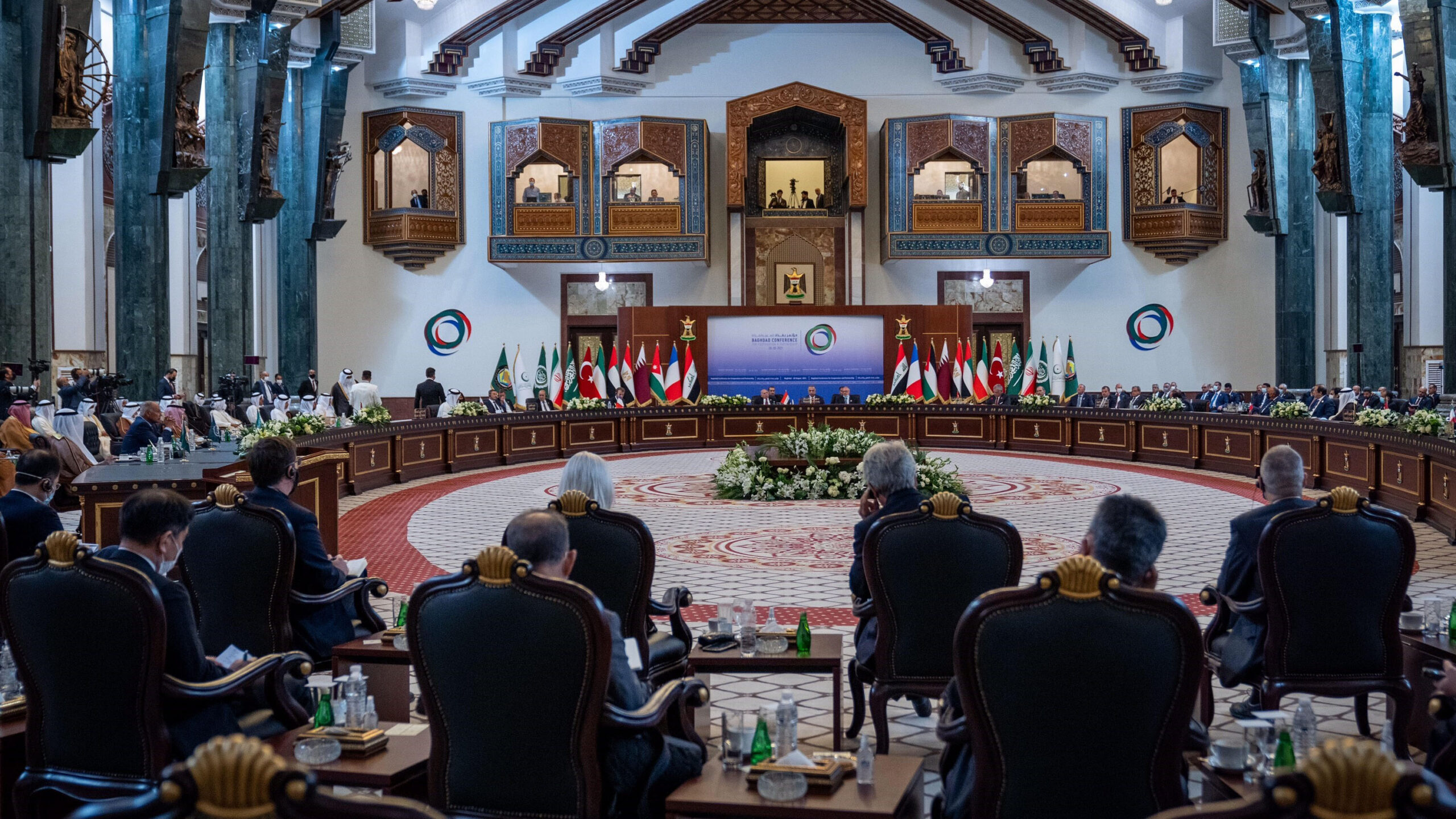
Iraq’s new geopolitics and the importance of regional engagement: A view from Brussels
Despite Iraq’s systemic and ongoing domestic instability, division, and foreign interference, there are fragile but hopeful signs of de-confliction and de-escalation. These include important efforts that a number of international actors as well as the government in Bagdad itself have been making to turn Iraq into a platform for regional engagement.