This individual is a guest contributor. MEI is not able to assist with contact requests.
Sara Sadek is an affiliated researcher and coordinator at the Center for Migration and Refugee Studies (CMRS) at the American University in Cairo. She obtained an MA in Refugee Studies from the University of East London. Since 2005, she has worked on various research projects on Iraqi and Sudanese communities in Egypt, contributing to a report on Iraqis in Egypt and recently producing a paper on challenges of integration for Iraqis in Arab states for the Henry L. Stimson Center’s forthcoming volume Transnational Challenges.
Former US Ambassador to Turkey W. Robert Pearson and Sinan Ulgen, a visiting scholar at Carnegie Europe, join host Alistair Taylor to discuss Turkey’s March local elections, in which the long-ruling AK party faced significant setbacks, and where Turkey’s economic challenges and strained foreign relations stand today.
The Syrian Civil War: A New Stage, but Is It the Final One?
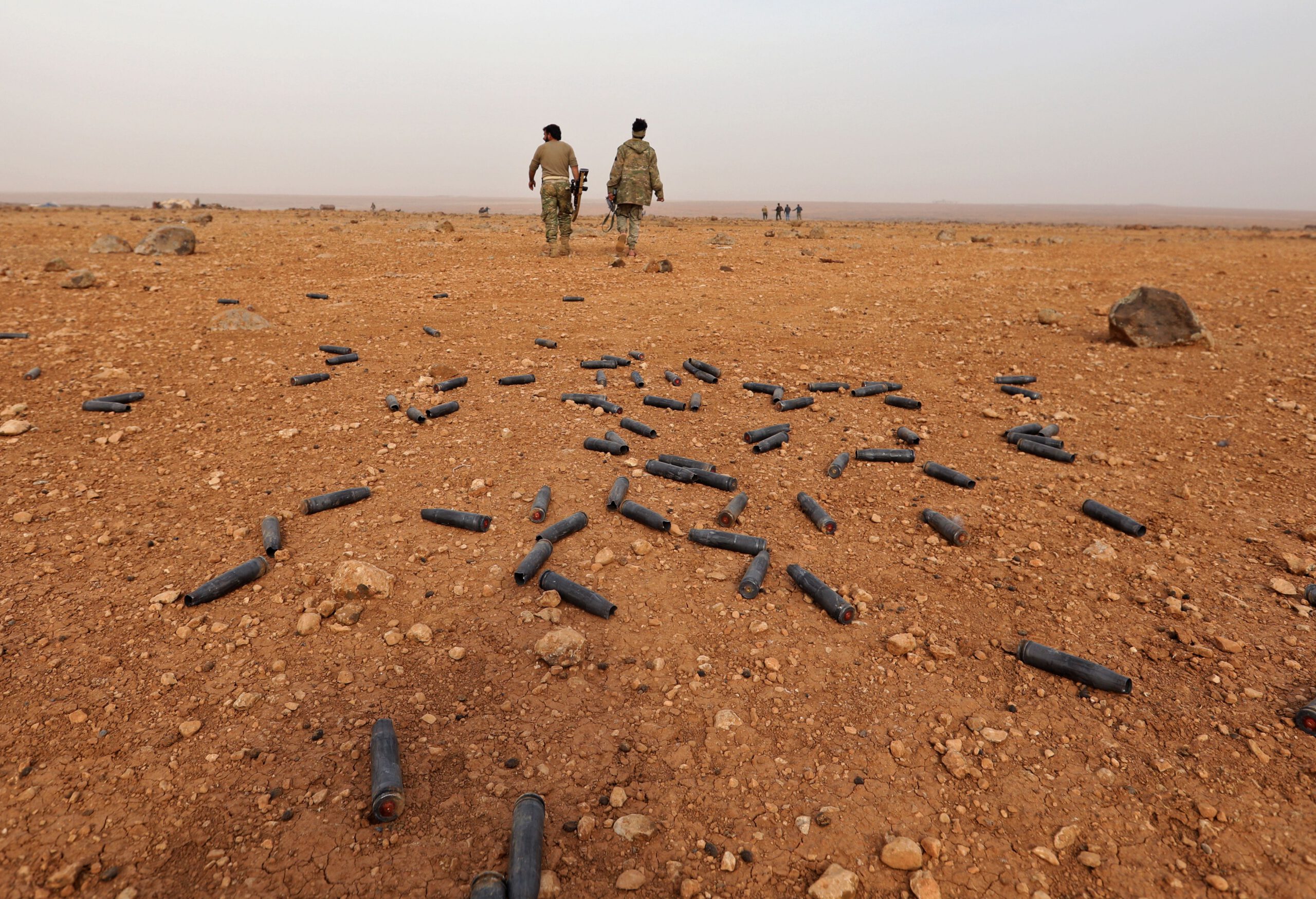
Eight years on, the Syrian civil war is finally winding down. The government of Bashar al-Assad has largely won, but the cost has been steep. The economy is shattered, there are more than 5 million Syrian refugees abroad, and the government lacks the resources to rebuild. The country remains divided into three zones, each in the hands of a different group and supported by foreign forces. The Syrian government will not accept partition and is ultimately likely to reassert its control in the other two zones.
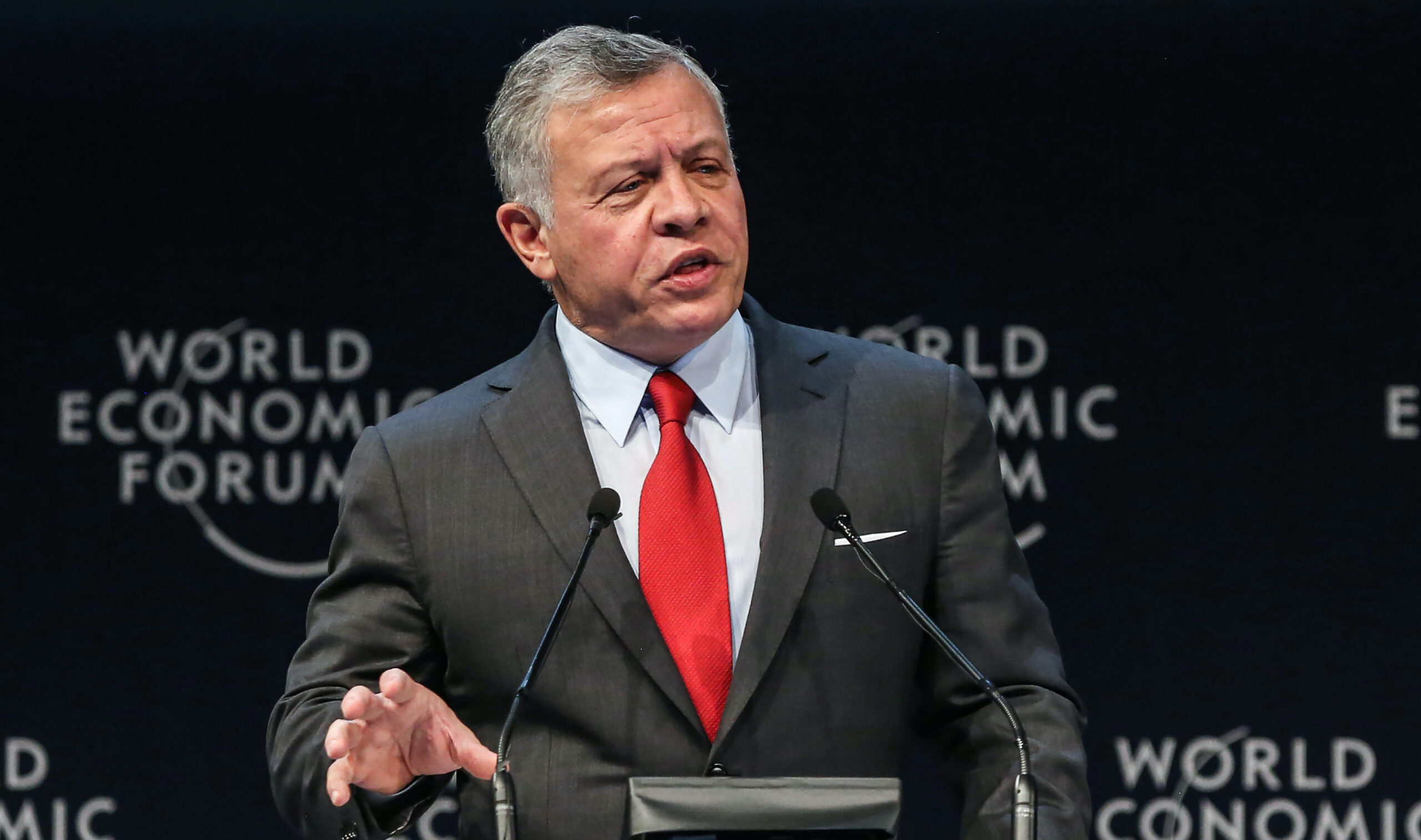
Jordan’s King Abdullah is defiant ahead of the release of Trump’s peace plan
Jordan’s King Abdullah is mobilizing his people ahead of the expected June unveiling of President Donald Trump’s much touted Middle East peace plan. Since returning from a working visit to Washington in March, King Abdullah has been unusually vociferous in his defense of his position on the fate of East Jerusalem and his rejection of any plan that would undermine Jordan’s stability.
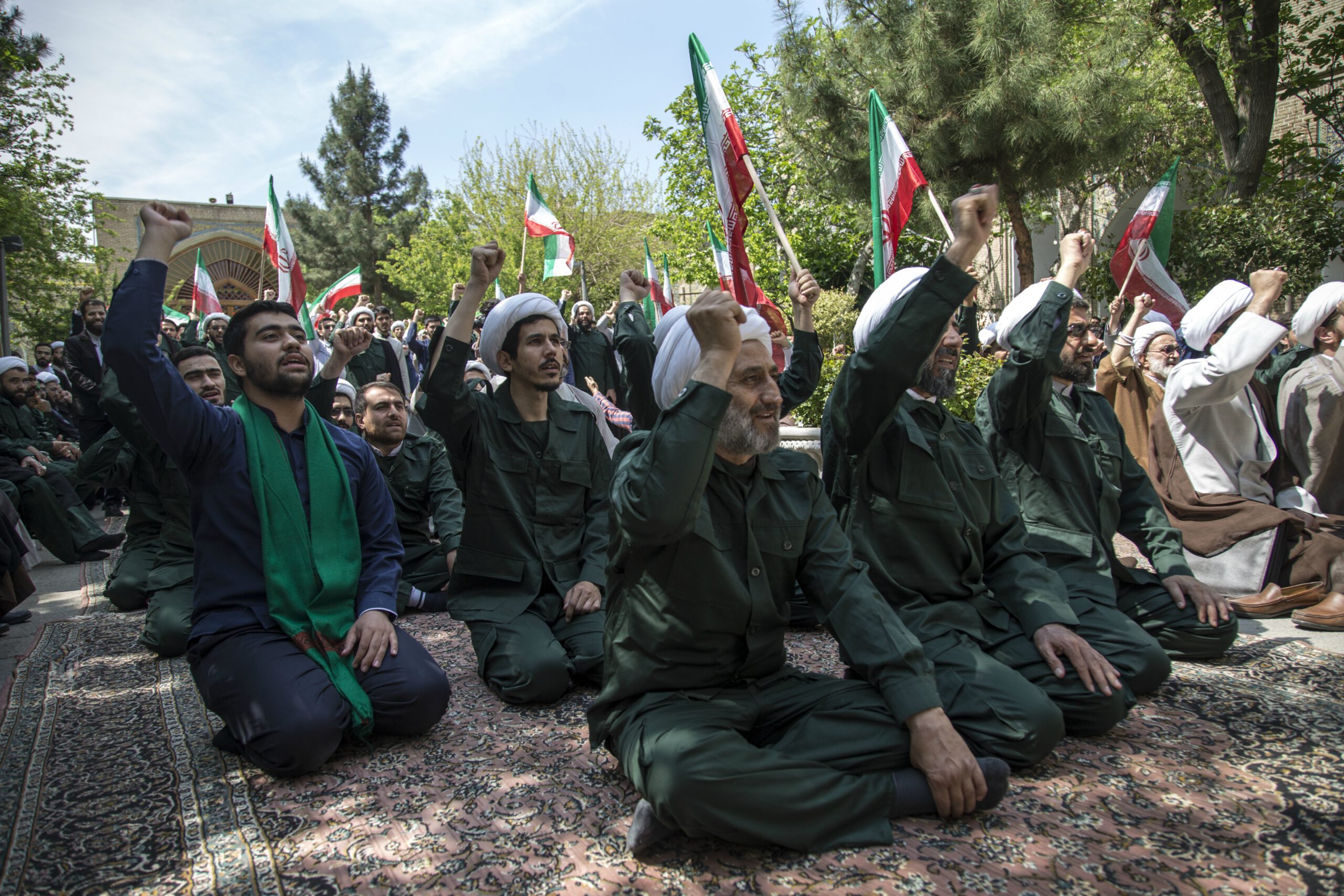
Iranian President Hassan Rouhani has faced many difficulties over the past few years, both at home and abroad. It seems likely that President Trump’s recent designation of the Islamic Revolutionary Guard Corps (IRGC) as a foreign terrorist organization (FTO) may render Rouhani’s prospects even worse as domestic support for the organization grows.
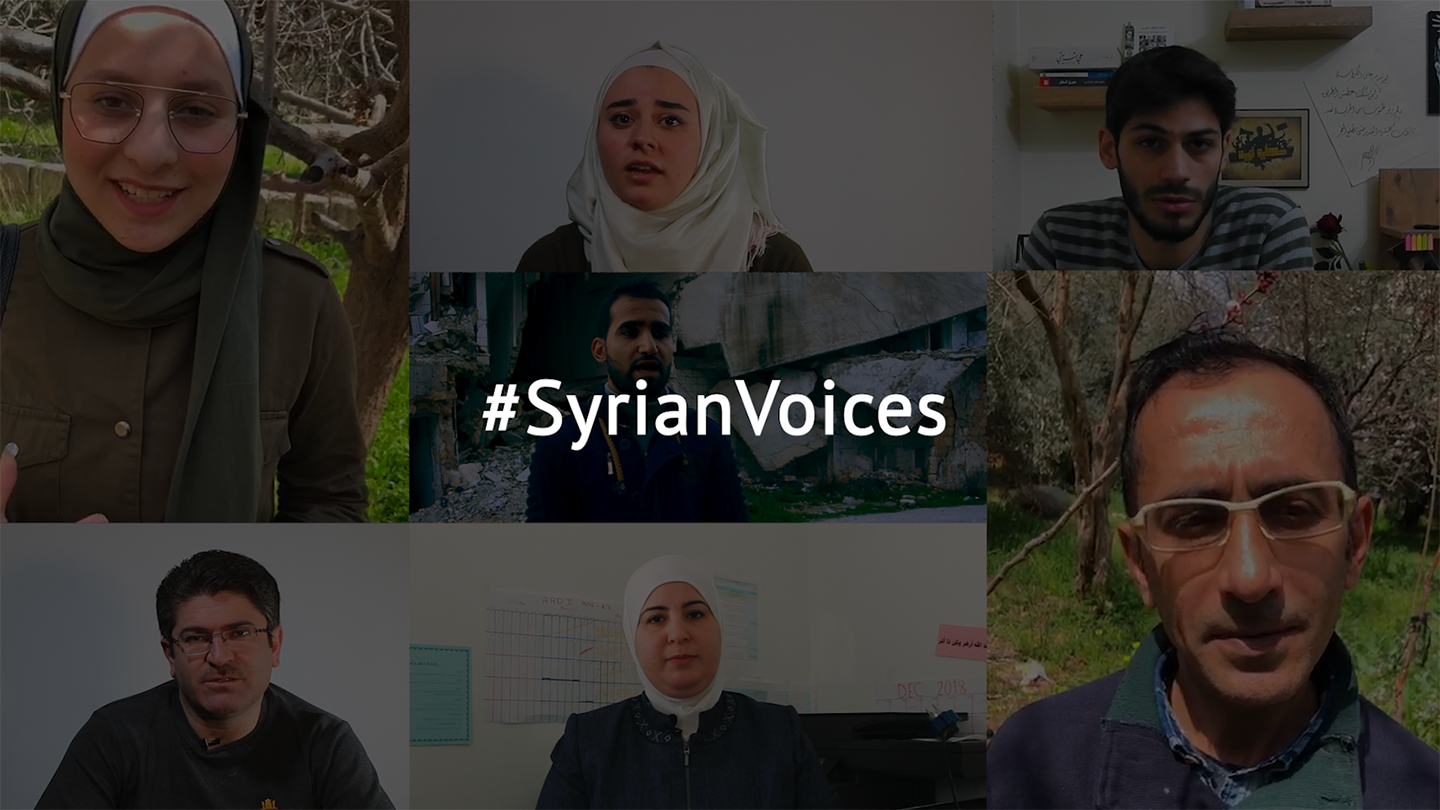
The Voices of Syria project is an undertaking by the Middle East Institute, in partnership with Syrian civil society, to better inform the general public and to guide policymakers toward a more holistic view of the situation in Syria by leveraging the voices of the unheard and their hopes and aspirations.
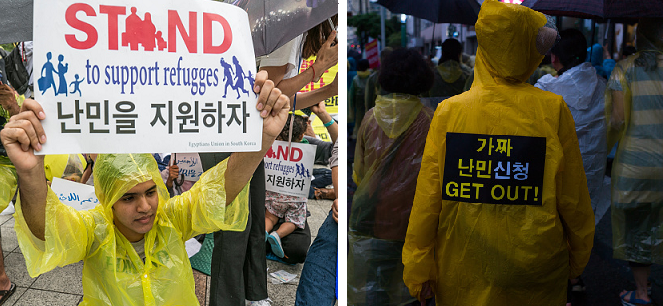
South Korea’s experience with the current global refugee crisis began in 2018 with the arrival of around 550 Yemeni citizens on Jeju Island using the visa-free entry system. Before even developing a clear understanding of the asylum applicants, much of the Korean public hastily leaped to fearful conclusions about the new arrivals inspired by Europe’s experience with Islamic terrorism and populist anti-refugee rhetoric found in other countries. The impact of this discourse has brought significant attention and public concern regarding Muslim refugees in Korea. This article examines the Korean debate over accepting Yemeni refugees by detailing how the Korean public and government have responded since 2018. It traces the arrival of Yemeni refugees, how different Korean groups reacted, and concludes with a discussion of what efforts are needed to resolve the dispute.
Monday Briefing: US and key partners on course for conflict over Iran oil waivers
In this week’s Monday Briefing, MEI experts Gerald Feierstein, Marvin G. Weinbaum, Randa Slim, Emadeddin Badi, and Robert S. Ford provide analysis on recent and upcoming events including the US decision to end Iran oil waivers, the flagging Afghan peace process, Iraq’s evolving regional policy, the status of General Hifter’s offensive in Libya, and Russia’s maneuvering to control the upcoming Syria talks in Astana.
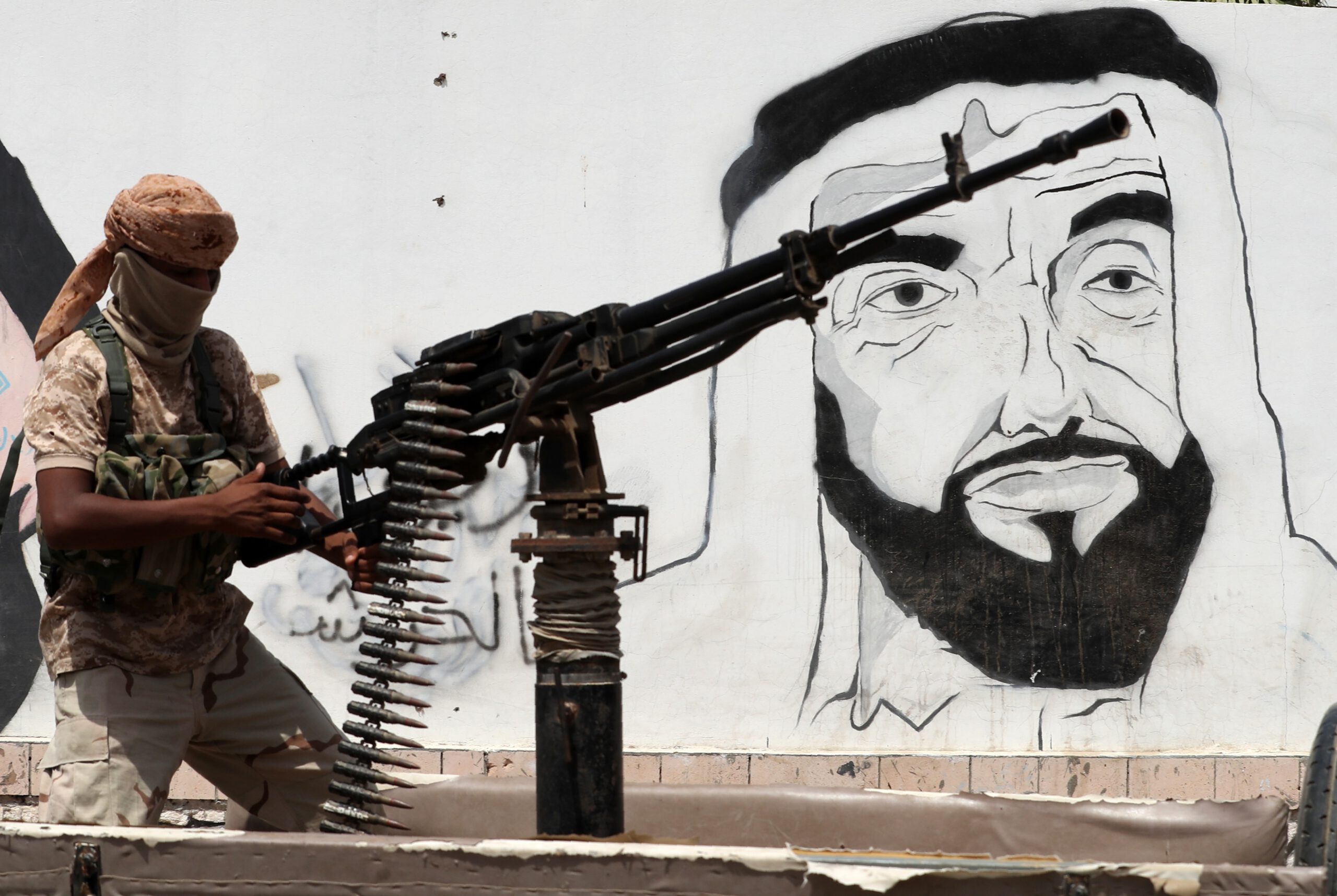
Yemen’s strategic and oil-rich eastern governorate of Hadramawt stands at a critical turning point, as feuds between competing political and military groups are coming to a head. While the UAE and Saudi Arabia are likely to reach a political compromise, local political groups and militias may not so agreeable.
Niama El Bassunie, CEO of Ways to Cap, Rob Tashima, VP and head of innovations at Village Capital, and Faisal Hakki, managing partner of AB Ventures, join host Alistair Taylor to discuss the importance of building new businesses in the Middle East and North Africa to drive economic development and job creation.
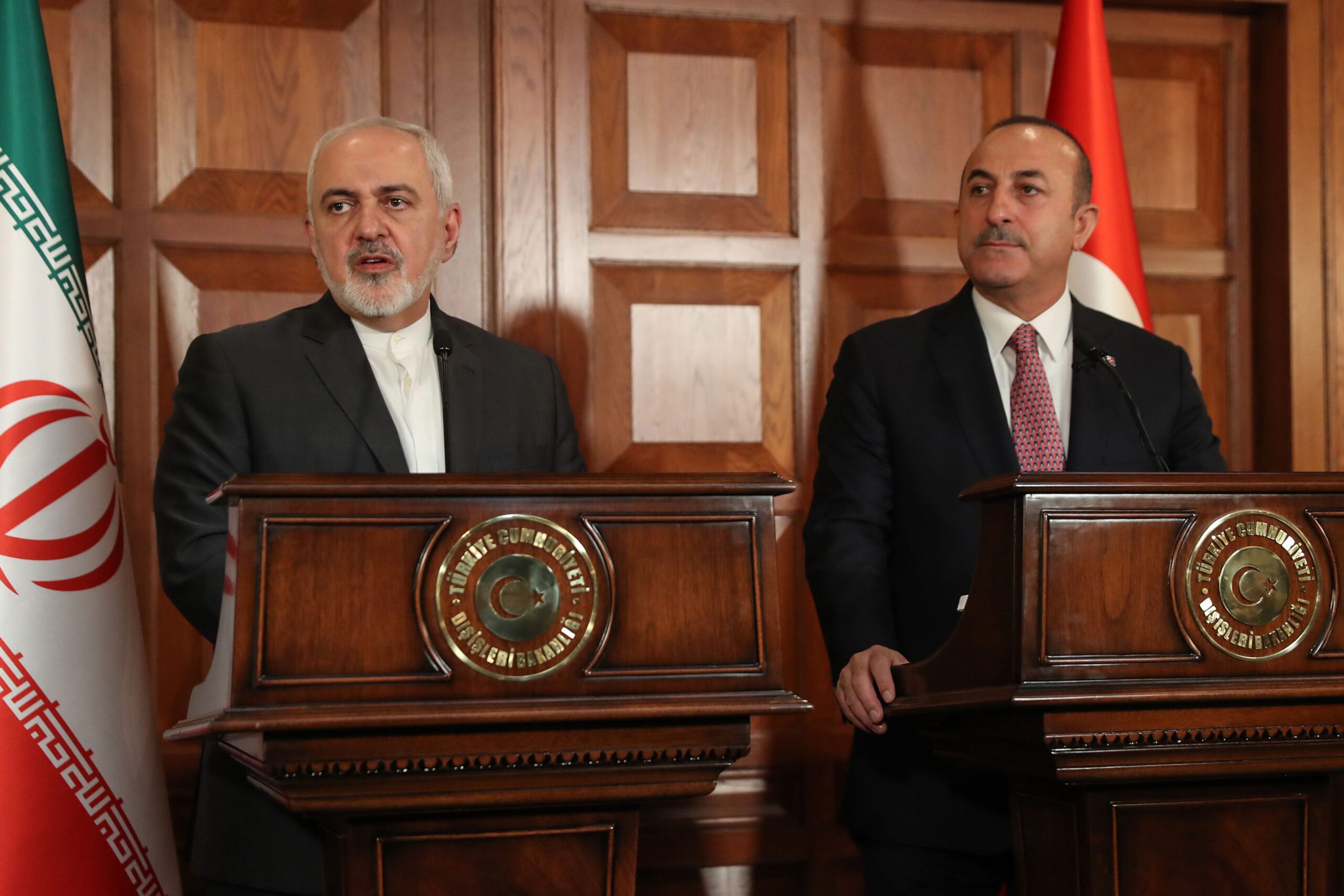
US sanctions and the future of Turkish-Iranian energy ties
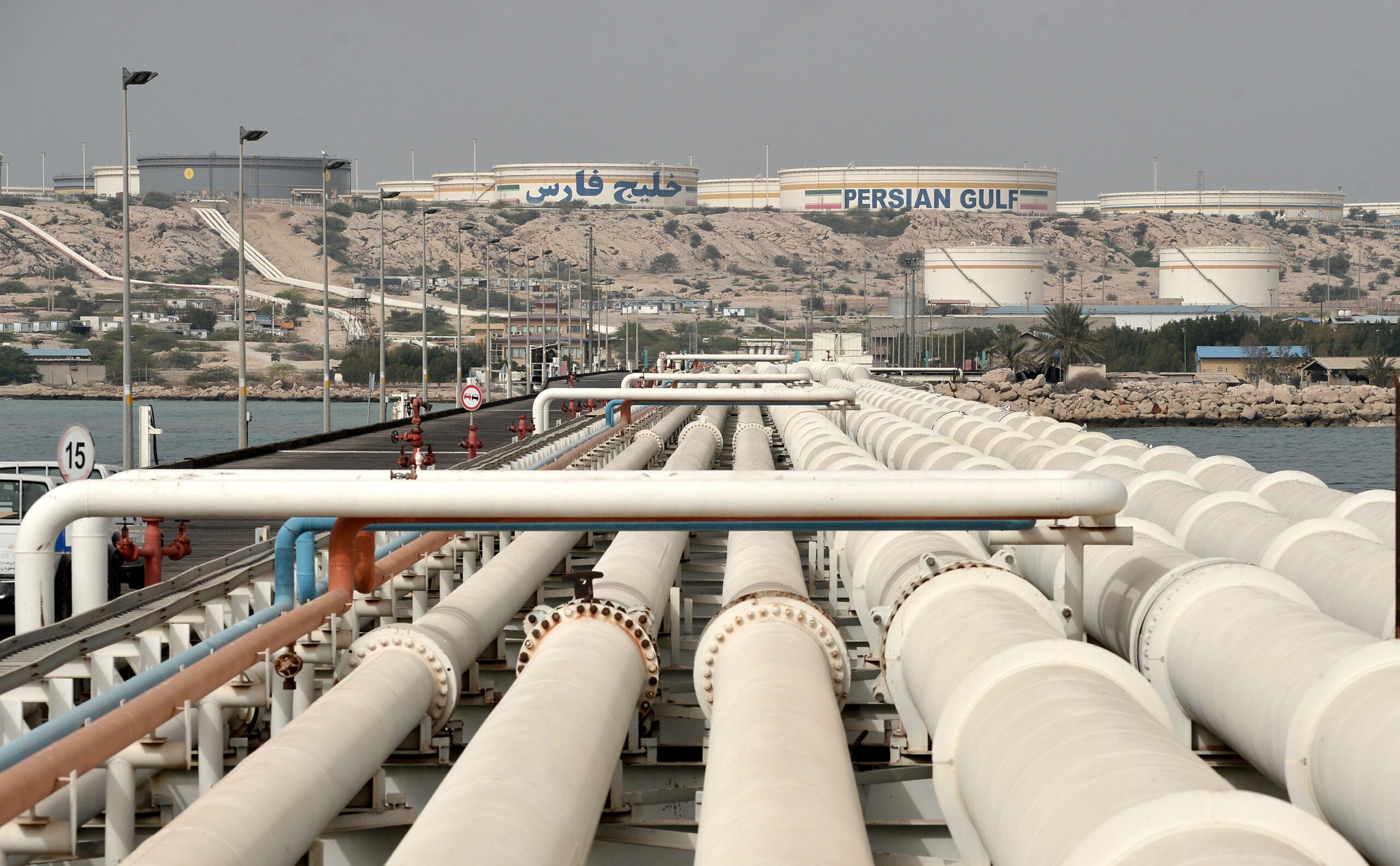
Iran’s huge hydrocarbons reserves and Turkey’s growing demand for oil and gas seem to suggest great potential for energy collaboration. US sanctions and pricing disputes, however, limit and complicate the prospects of such a partnership.
Turkey, which lies at the crossroads of Europe and Asia, has emerged in recent years as an important geopolitical actor not just within the surrounding region but in the global arena as well. Turkey’s foreign and economic policy horizons today extend to the Far East. These essays explore the development of cultural, political, and economic links between Turkey and Asia.