This individual is a guest contributor. MEI is not able to assist with contact requests.
Sara Sadek is an affiliated researcher and coordinator at the Center for Migration and Refugee Studies (CMRS) at the American University in Cairo. She obtained an MA in Refugee Studies from the University of East London. Since 2005, she has worked on various research projects on Iraqi and Sudanese communities in Egypt, contributing to a report on Iraqis in Egypt and recently producing a paper on challenges of integration for Iraqis in Arab states for the Henry L. Stimson Center’s forthcoming volume Transnational Challenges.
A version of this article appeared in Arabic in the Al-Hayat newspaper on Friday, October 31.
As 2014 draws to a close, it is striking to reflect on the parallels between 1914 and 2014, and to consider that the global and Middle East regional orders could be in the process of undergoing changes as profound as the changes that were unleashed in 1914.
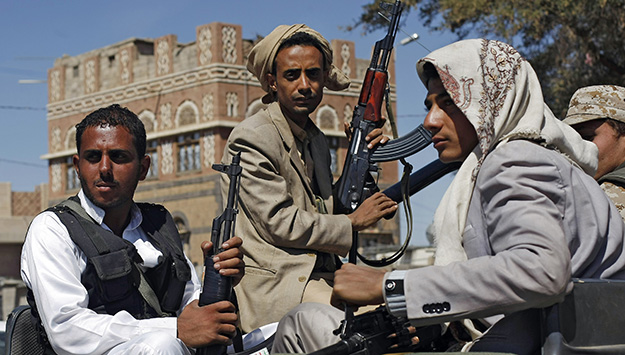
A month after the Houthi conquest of Sana, Yemen’s new political landscape remains uncharted. In Sana, the Houthi leadership is trying to coax Yemen’s political elite into a coalition government, while south of Sana, Houthi forces are pressing to consolidate their military power on the ground. Both efforts are encountering considerable resistance, but the Houthis may prevail still.
Contemporary Patterns in Transregional Islam: Indonesia’s Shi‘a
Representing about 1% of the country’s 200 million Muslims, Indonesia’s Shi‘a are but a small group in the overwhelmingly Sunni majority. These contemporary communities of devotees of the ahl al-bayt (“people of the house,” referring to the Prophet Muhammad, his daughter Fatima, her husband ‘Ali, and their sons Hasan and Husayn) explain their identities, albeit with differences, in transregional terms. Recently, this transregional focus has turned from South Asia toward the Islamic Republic of Iran.
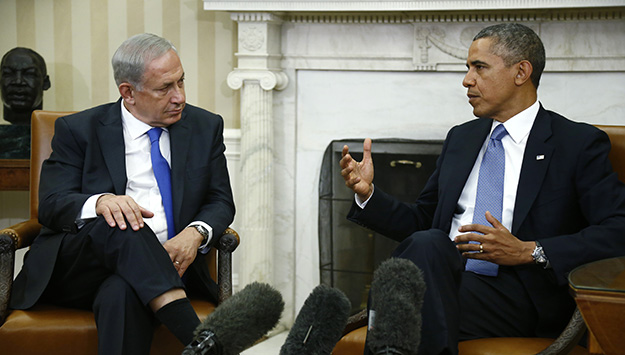
The Syrian crisis and, before it, the Arab uprisings in Tunisia, Libya, Egypt, Yemen, and Bahrain have exposed fault lines not only within the region, but between regional countries and the United States. An understanding of the fractures within the region has benefited from the extensive and largely astute analysis of a range of scholars, who point to sectarian splits along one axis and the divide between conservatives and radicals along another. The fault line between Washington and the regional capitals is harder to assess.
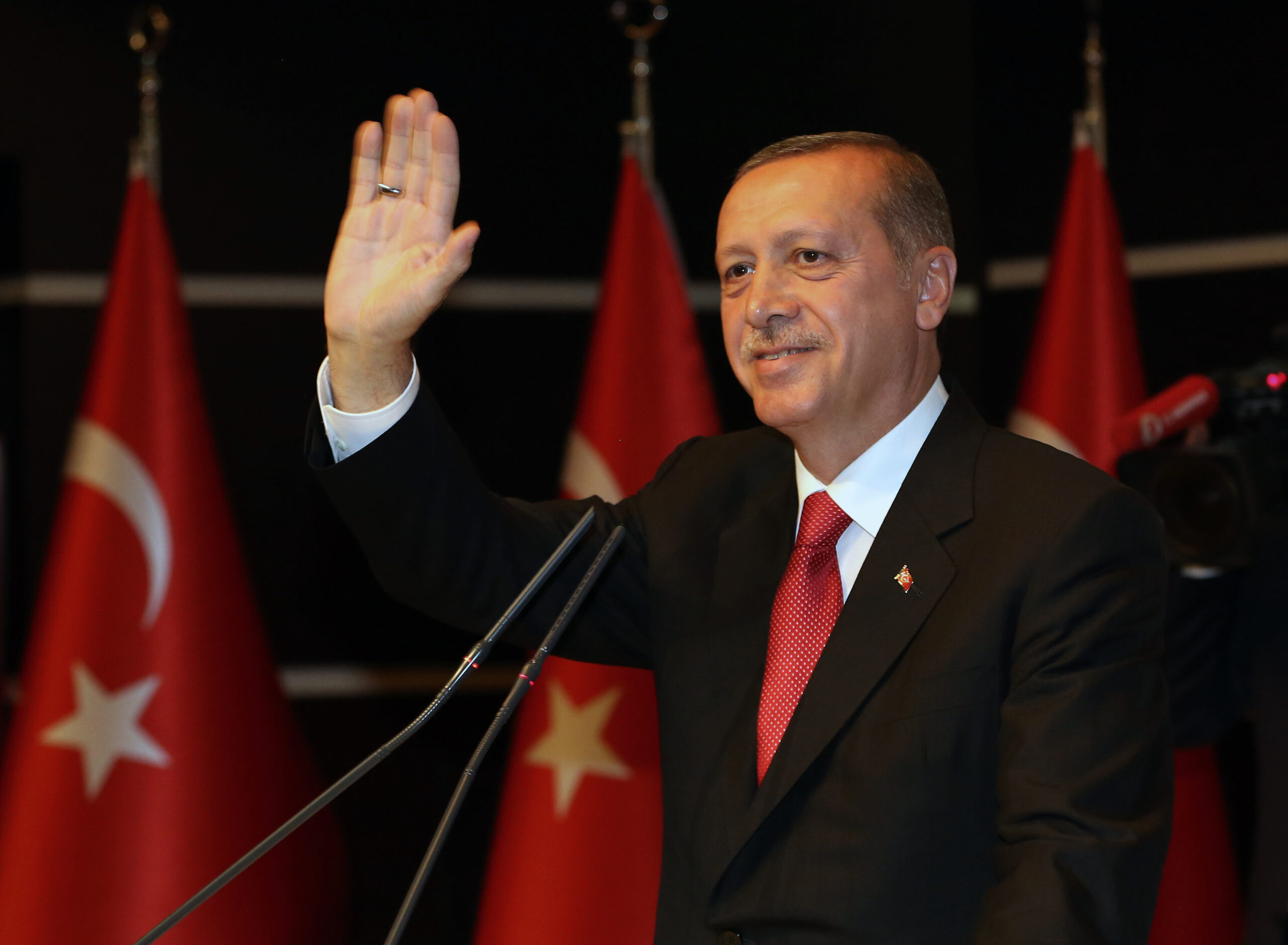
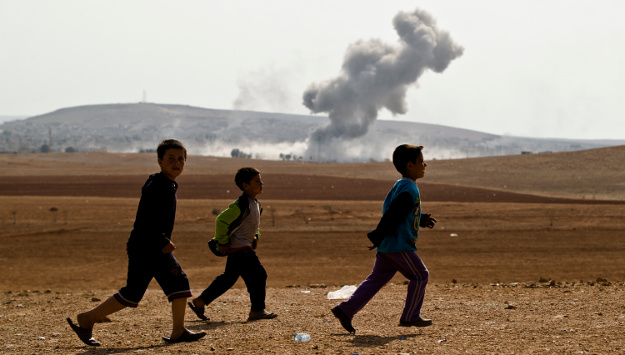
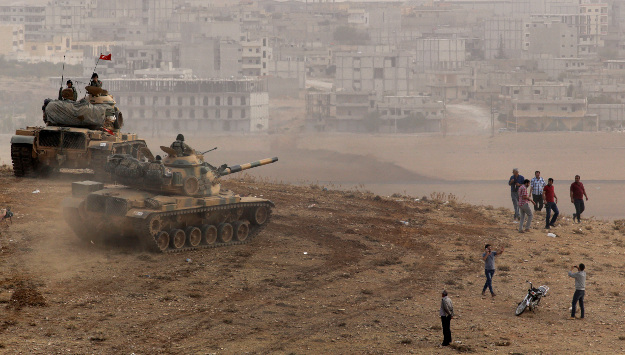
In the space of just 48 hours last week, Turkey went from calling the PYD — the Kurds defending the Syrian border town of Kobani — a terrorist group to opening up an arms corridor from Iraq to aid its fight against ISIS.
Excerpted from article first published on LobeLog.
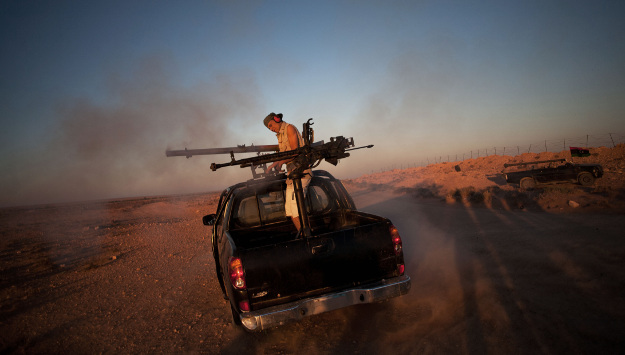
Libya remains broken and violent. Secular forces made gains against Muslim extremists in Benghazi recently, but the advantage has shifted from side to side since early this year. And two rival governments vying for power amidst a near lawless country with open borders is an ideal setting for the outflow of everything from heightened concerns to munitions and fighters. Yet Libya keeps boiling away on the global back burner.
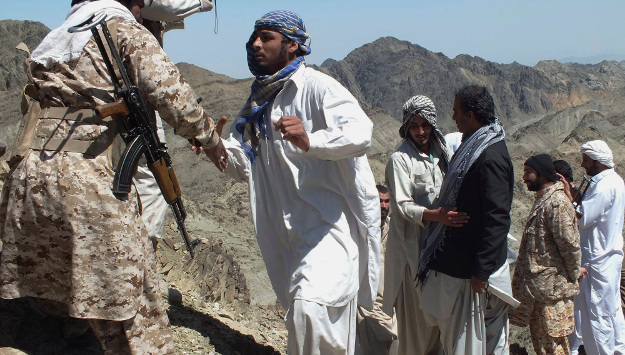
There have been a number of rounds of border skirmishes between Iran and Pakistan since the first week of October. However, reports that Pakistani forces have returned mortar fire is highly unusual and represents an increase in tensions that have marred this region for years.
Contemporary Indonesian Pilgrimage to Hadramawt, Yemen
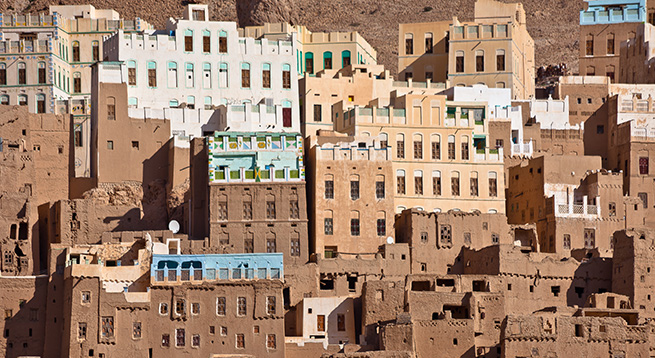
The past decade has witnessed a steady increase in the numbers of Indonesians embarking on pilgrimage (ziyara) to the Hadramawt valley of the former South Yemen. Despite the considerable presence of the Hadrami diaspora in Indonesia, the idea of a pilgrimage to Hadramawt did not really exist among Indonesian Muslims of non-Hadrami descent until rather recently.
Despite Elections, Transitional Justice Still Elusive in Tunisia
This essay is part of the Middle East-Asia Project (MAP) series on “Pathways to Transitional Justice in the Arab World — Reflections on the Asia Pacific Experience.” The series explores the pursuit of transitional justice in the post-Arab Spring Middle East, and how such efforts could be informed by past and ongoing justice processes in Asia-Pacific countries. See Resources …
The Tunisian Elections: Toward an Arab Democratic Transition
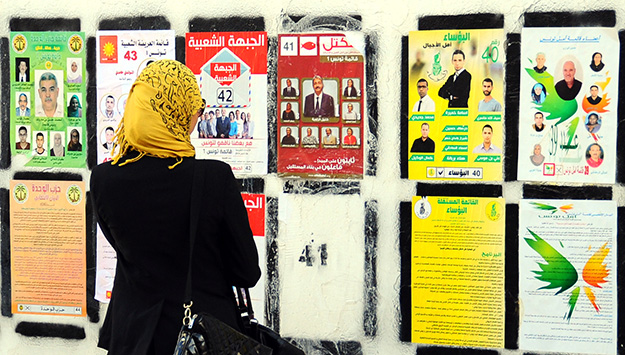
Tunisia, the birthplace of the 2011 Arab uprisings, is on the cusp of a defining moment. The parliamentary election of October 26 is about pivoting toward democratization. Presidential elections will follow on November 23. The focus of this piece is on how the elections are likely to reshape Tunisia’s polity and society.