This individual is a guest contributor. MEI is not able to assist with contact requests.
Sara Sadek is an affiliated researcher and coordinator at the Center for Migration and Refugee Studies (CMRS) at the American University in Cairo. She obtained an MA in Refugee Studies from the University of East London. Since 2005, she has worked on various research projects on Iraqi and Sudanese communities in Egypt, contributing to a report on Iraqis in Egypt and recently producing a paper on challenges of integration for Iraqis in Arab states for the Henry L. Stimson Center’s forthcoming volume Transnational Challenges.
The Middle East Institute (MEI) mourns the passing of Dr. David Pollock (1950-2024), a respected scholar and Bernstein Fellow at The Washington Institute for Near East Policy.
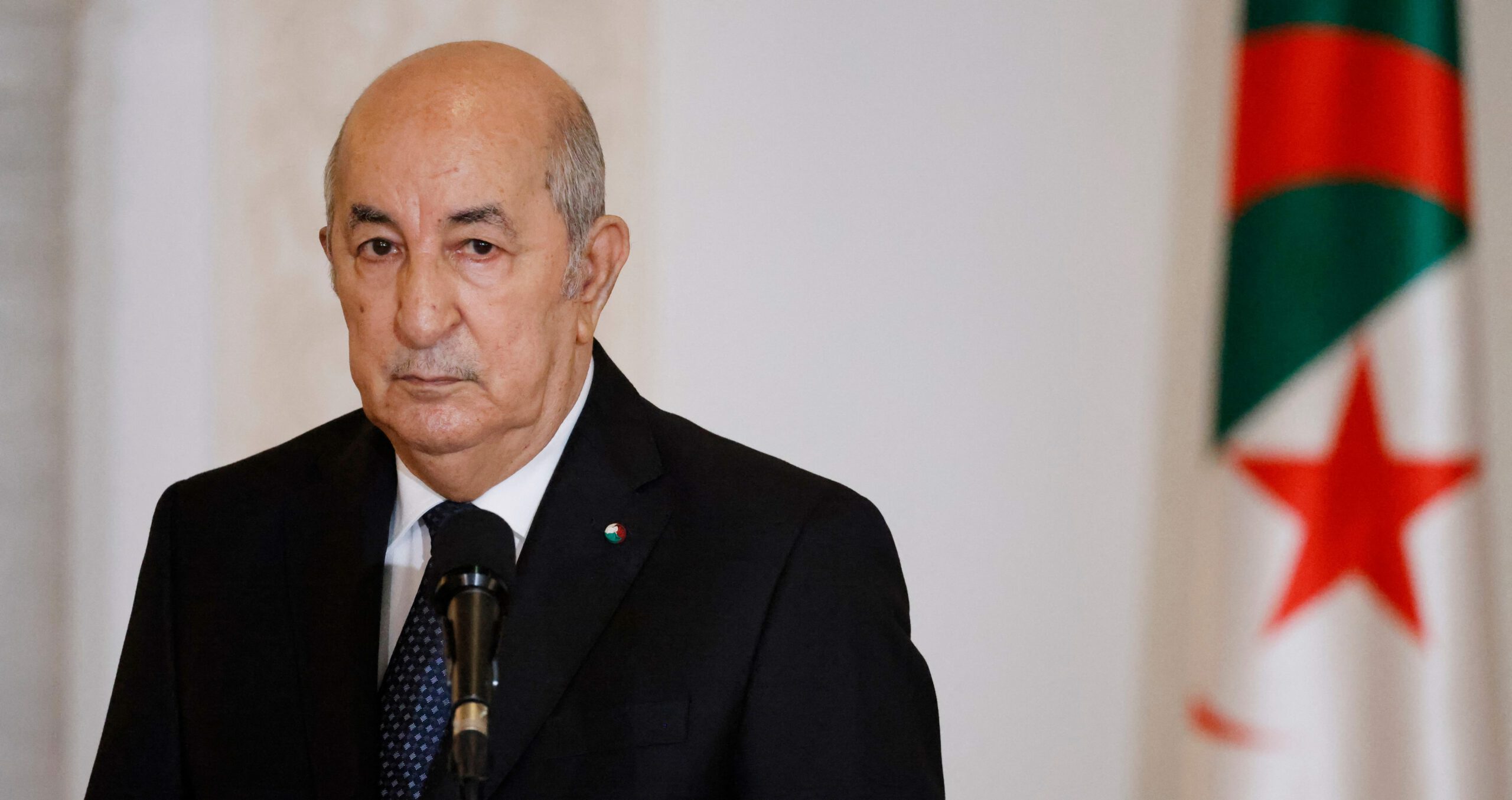
Policy shifts and political challenges as Algeria prepares for upcoming elections
A closer look at the impact of domestic and international developments on Algeria’s agenda as the country prepares for a complicated and critical presidential race in December 2024.
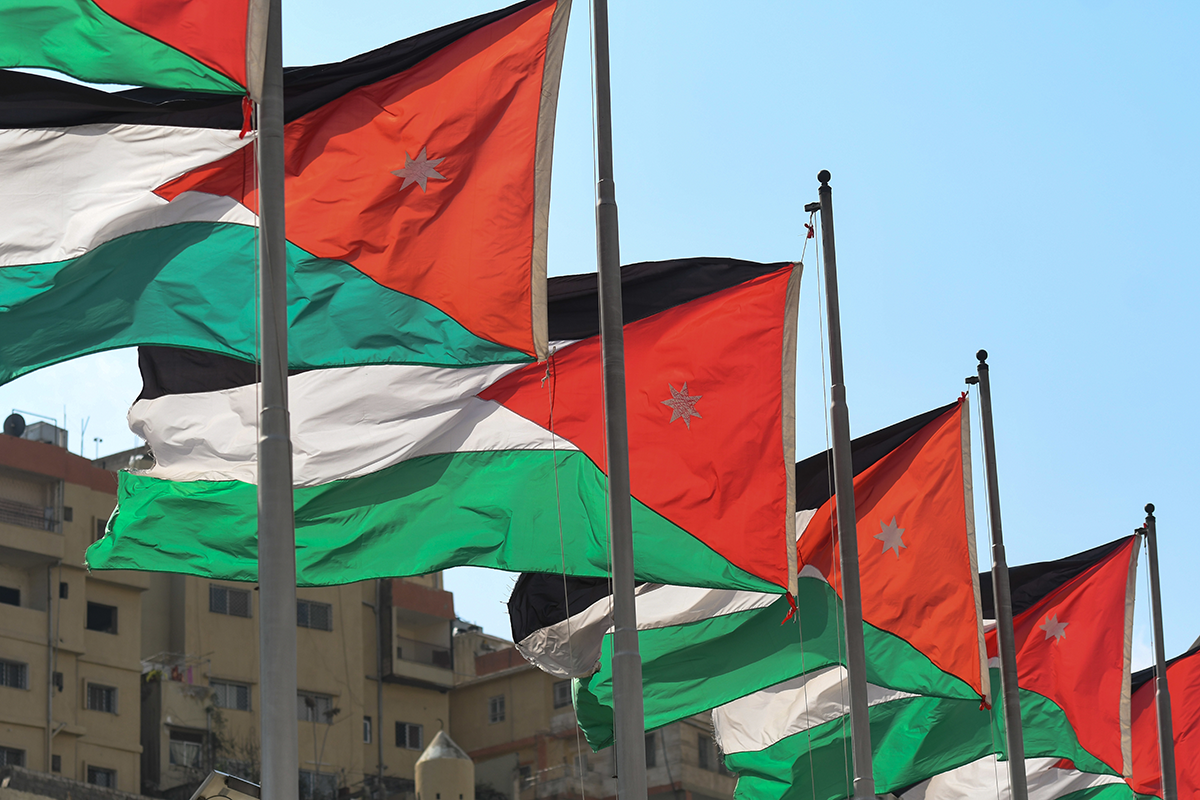
Jordanian ambitions, Saudi funds: A look at Saudi investments in Jordan
In 2017, Saudi Arabia’s Public Investment Fund and a number of Jordanian banks established the Saudi-Jordanian Investment Fund to channel $3 billion into the Jordanian economy. Two SJIF projects provide relevant case studies of the challenges facing Jordan’s broader efforts to attract more FDI and drive economic development.
Reinventing a square wheel: Can a revitalized Palestinian Authority lead the way to a better “day after?”
As questions about regarding who can take over governance of the war-torn Gaza Strip, Washington and other are pinning their hopes on a revitalized Palestinian Authority. But such “revitalization,” if limited to “strengthening” the PA cabinet and making only minor improvements in governance, will ensure that Gaza will remain a “super camp” and a source of recurring/persistent instability for Palestine and Israel.
Antisemitism and Islamophobia in the US Political Discourse on Israel/Palestine
Sahar Aziz and Mitchell Plitnick discuss their study “Presumptively Antisemitic: Islamophobic Tropes in the Palestine Israel Discourse” with MEI’s Palestine and Palestinian-Israeli Affairs Program Director Khaled Elgindy.
Locals fight their own war on drugs in Syria’s Daraa Province
Since early last year there has been a surge in drug-related assassinations in Syria’s southwestern Daraa Province, adding a new layer to the region’s persistent violence. The regime’s complicity, driven by financial and political motives, has fostered a climate where drug networks operate with impunity, spurring locals to take matters into their own hands.
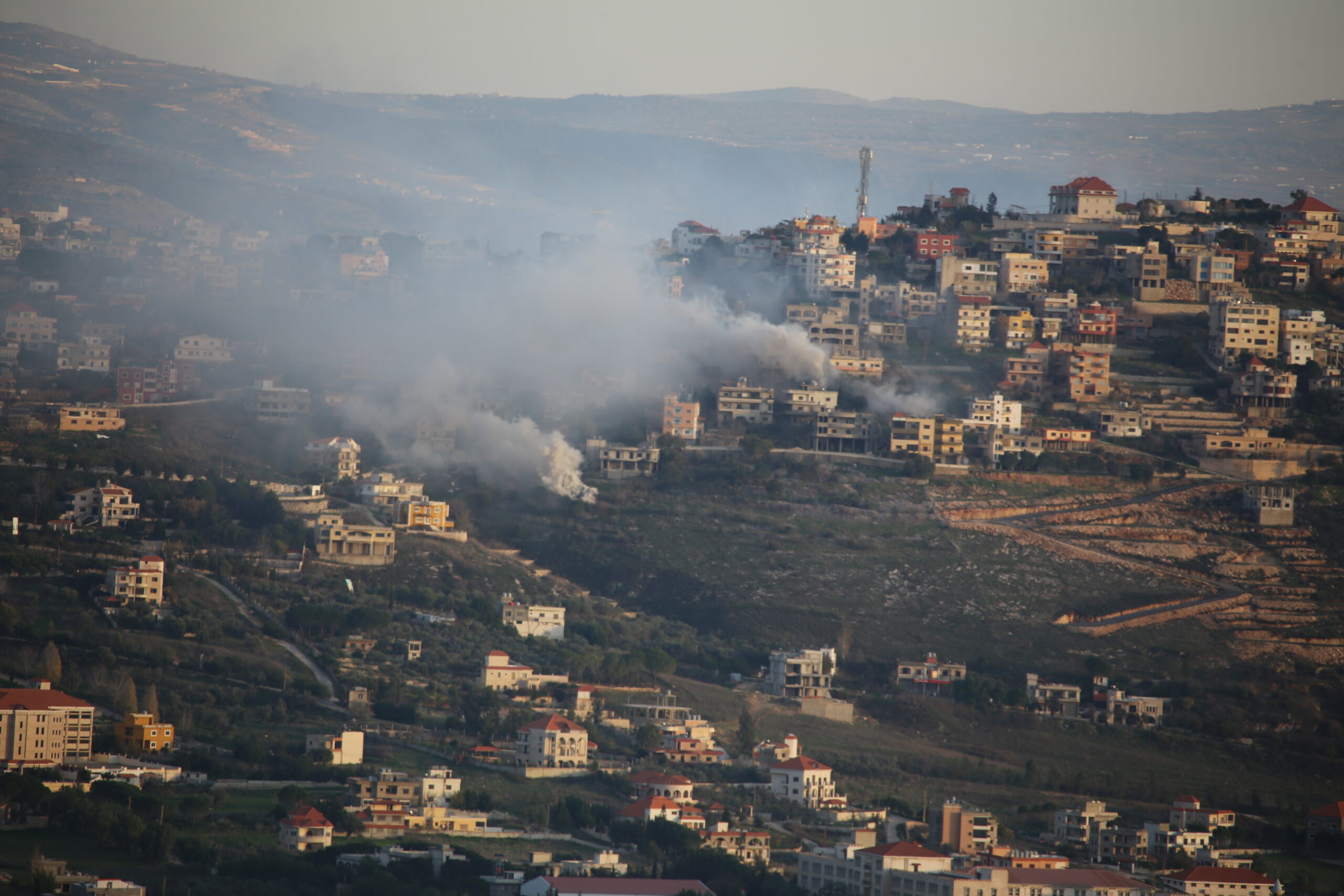
The current escalation between Israeli and Hezbollah forces necessitates immediate action from the international community to prevent a widening of the Gaza war, and the US is positioned in a leadership role to mollify tensions, beginning with diplomatic actions to stabilize the Lebanese-Israeli border, helping to pacify the broader region as a result.
Dynamic Force Employment is the Future of America’s Middle East Presence
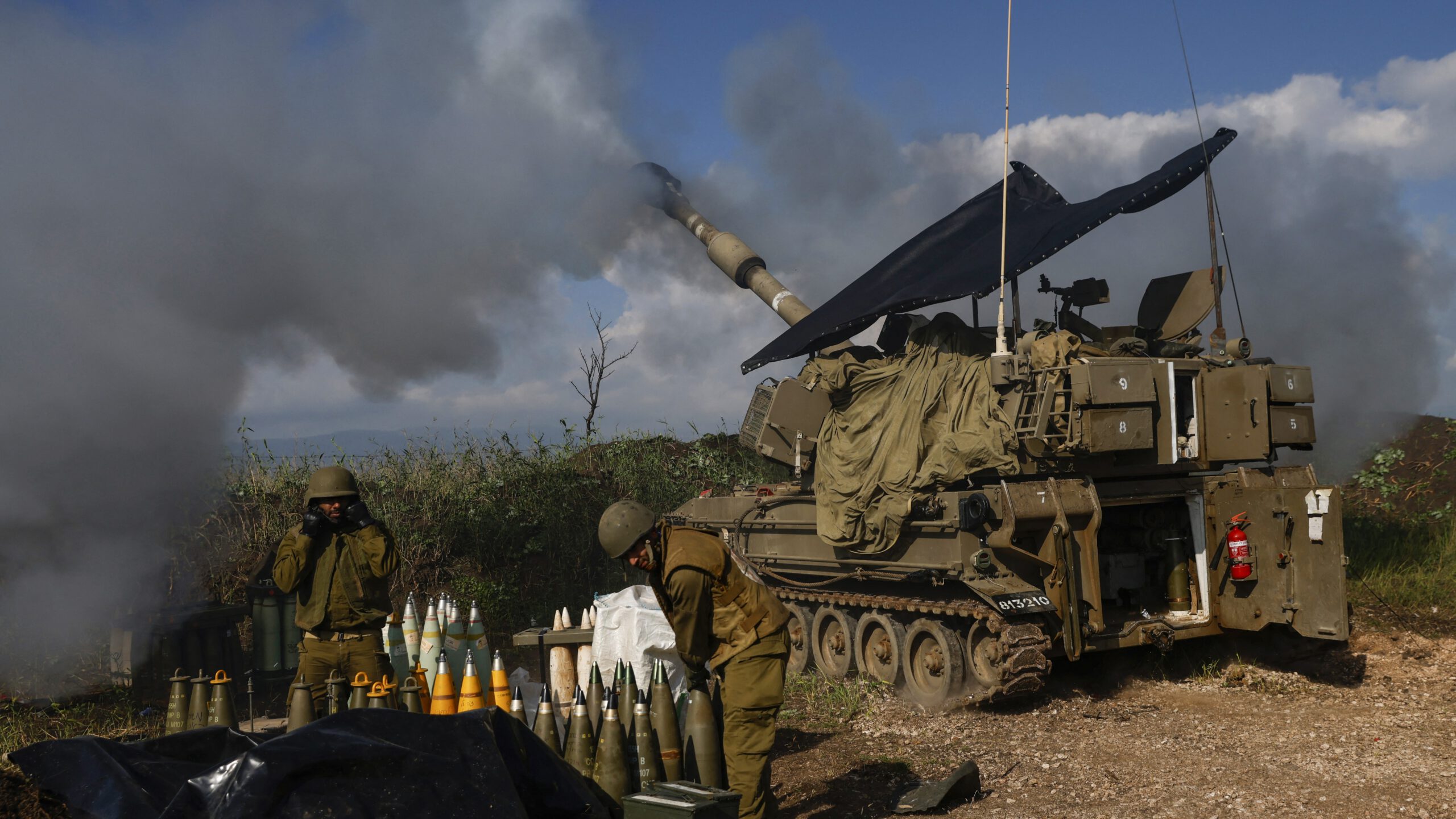
The US Department of Defense has stepped up and proposed some creative ideas regarding the future of America’s military presence in the Middle East region, as exemplified by the adoption of the concept of dynamic force employment.
The Jews who disappeared from Iran and reappeared in Pakistan
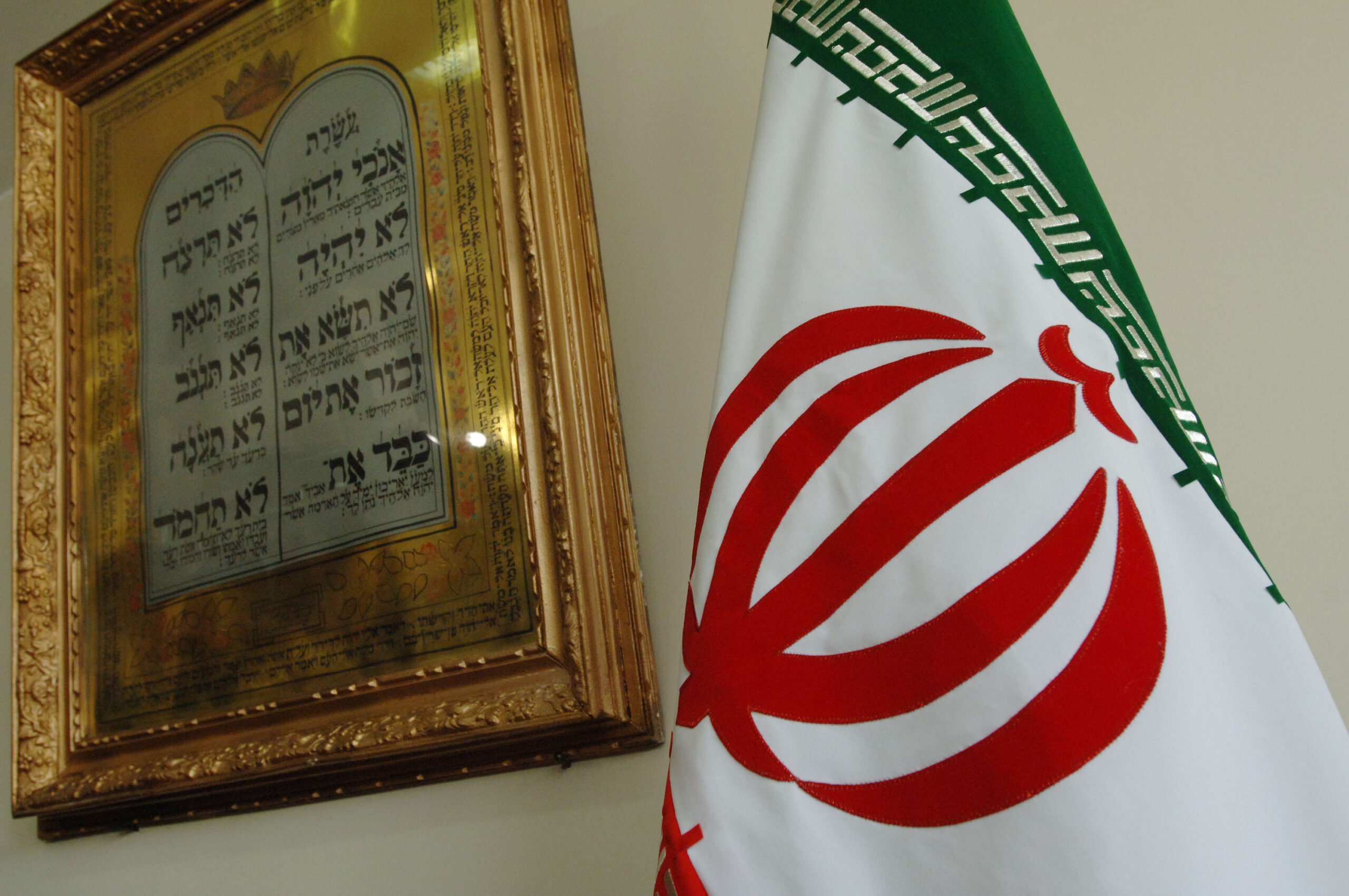
In the mid-1980s, during the long war between Iran and Iraq, students at Tehran’s Jewish high schools would watch their friends suddenly disappear, and then reappear six months later in Europe, the U.S., or Israel. They would get there through a sophisticated smuggling operation that spirited Iran’s Jews out of the country and into Pakistan.
Iran amid conflicting geopolitical dynamics in the Middle East
As two contradictory trends of de-escalation in the Persian Gulf and a new round of war between Palestinians and Israelis unfold at the same time, Iran is trying to play its best cards and navigate its position. Iran views the region’s geopolitical and security conflicts as a chance to uphold its position and leverage it to advance its defined national interests.