This individual is a guest contributor. MEI is not able to assist with contact requests.
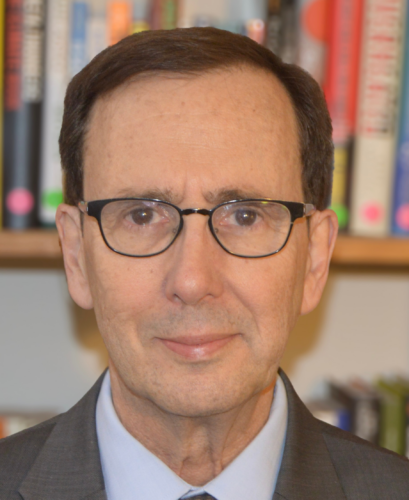
Shahmahmood Miakhel is the Country Director in Afghanistan for the US Institute of Peace (USIP). Prior to that he was a Governance Advisor for the United Nations Assistance Mission in Afghanistan (UNAMA), and, from 2003–2005, a Deputy Minister of the Interior in the Government of Afghanistan. In 1994–1995 he worked for the United Nations Development Programme (UNDP) and United Nations Office for Project Services (UNOPS) in South and Southeast Afghanistan helping to establish District Rehabilitation Shuras (DRS). He also worked as a reporter for the Pashto service of the Voice of America from 1985–1990.
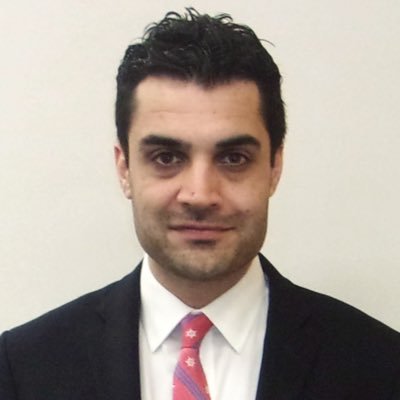
On today’s episode, Middle East Focus kicks off the new year with Danny Hajjar, whose newsletter Sa’alouni El Nas brings diverse music and perspectives from the MENA region to inboxes worldwide. Interviewing Danny is Fadi Nicholas Nassar, U.S.-Lebanon Fellow at the Middle East Institute, Director of the Institute for Social Justice and Conflict Resolution, and Assistant Professor of Political Science and International Affairs at the Lebanese American University (LAU).
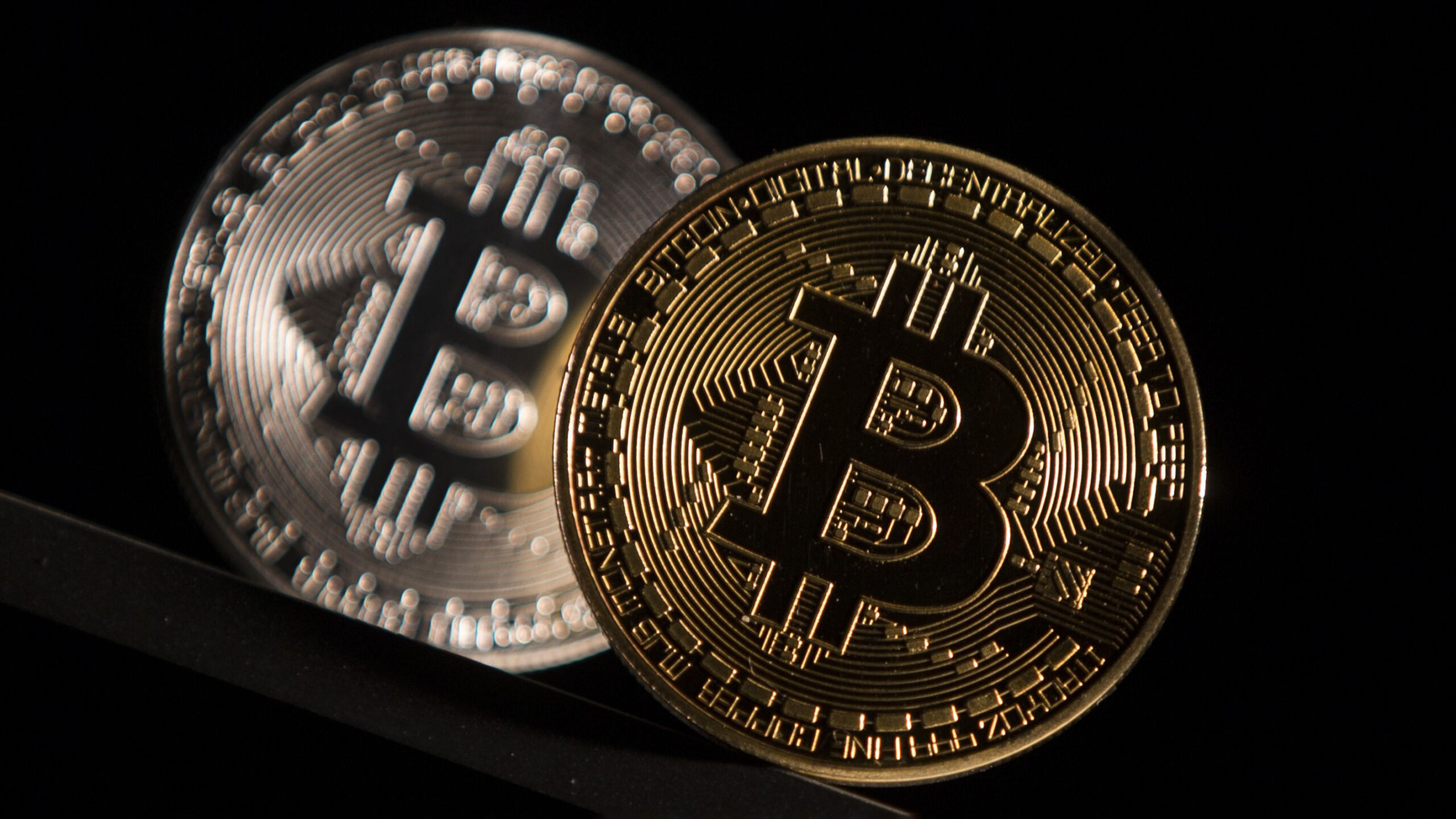
Iran and cryptocurrency: Opportunities and obstacles for the regime
While cryptocurrency may offer Iran the opportunity to bypass sanctions and boost trade, it is by no means a panacea for such outcomes and comes with a host of obstacles, such as price volatility, economic uncertainty, energy consumption, and evolving regulation.
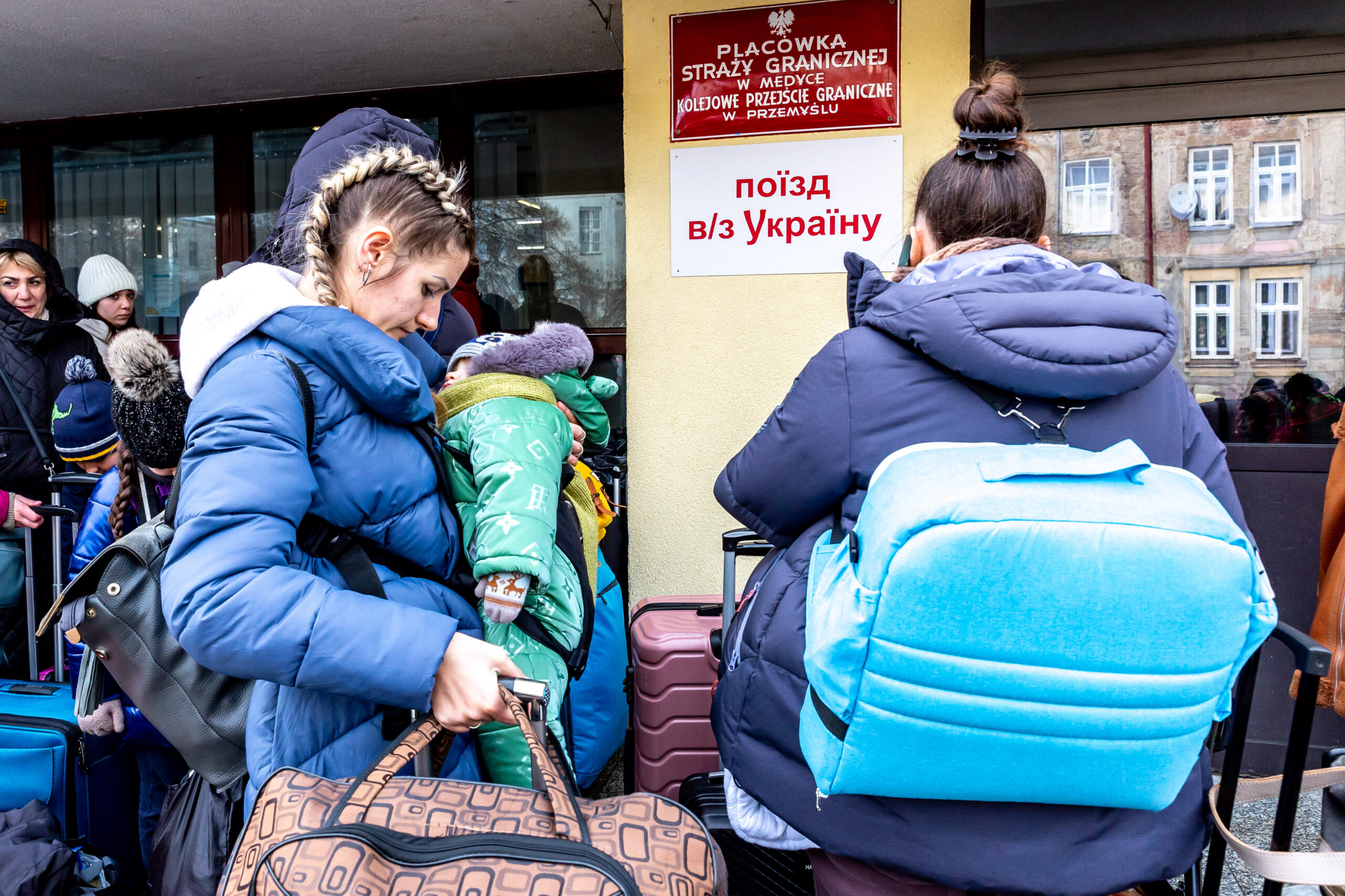
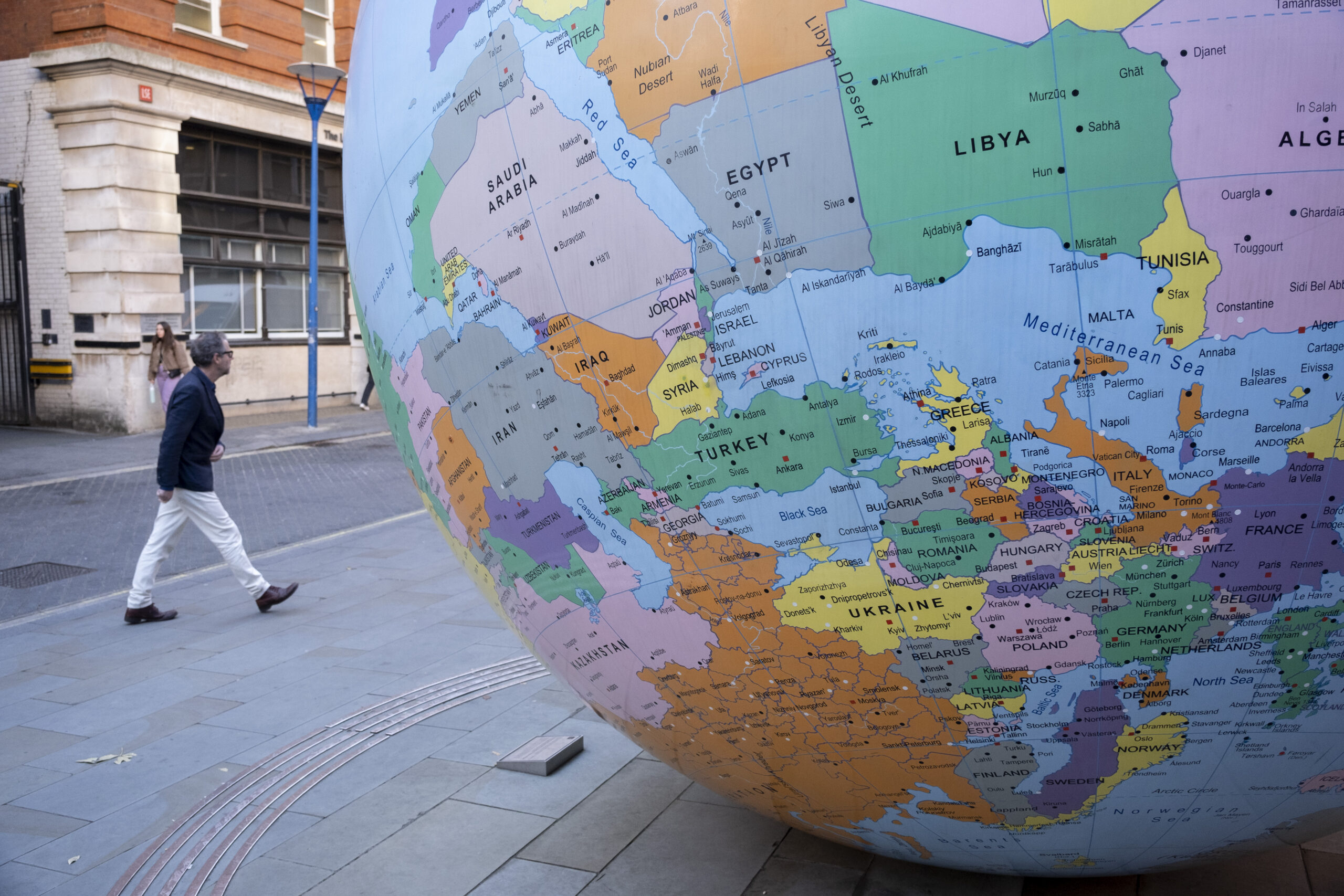
Young Ukrainians’ evolving war-time attitudes toward Russia and the West
Listening to students and young professionals is instrumental in understanding the Ukrainian perspective. A series of interviews, conducted in summer 2022, centered around their identity as Ukrainians, how the war is impacting their lives, and how they viewed Russia and the West before and after Feb. 24, 2022. The participants in these interviews have only known an independent Ukraine, and their negative feelings toward Russia will not improve anytime soon.
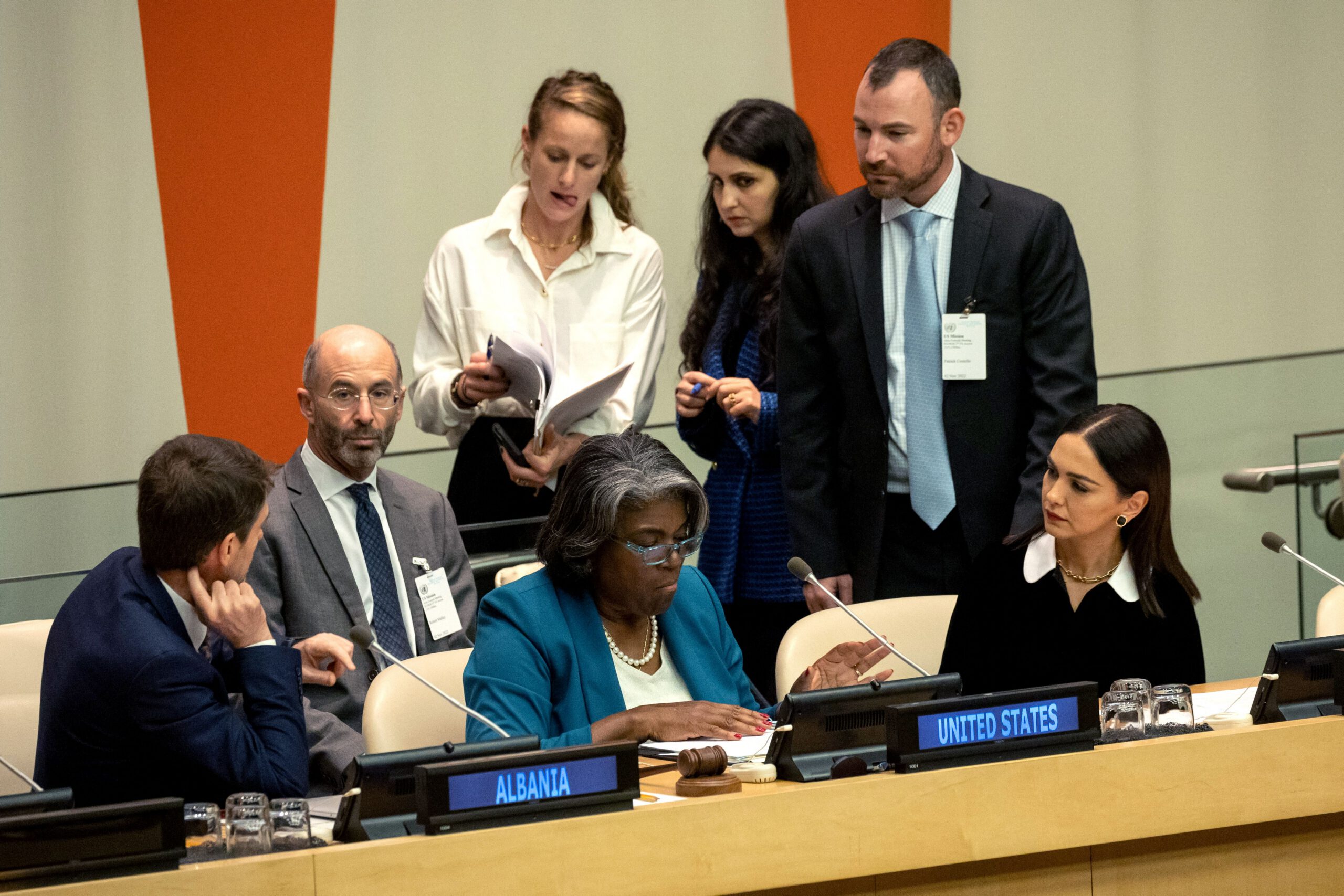
Iran’s Balkan front: The roots and consequences of Iranian cyberattacks against Albania
A series of damaging Iranian hacks of Albania’s critical digital infrastructure over the summer pushed Tirana to break off bilateral diplomatic relations. Iran has regularly responded to sanctions or perceived provocations through cyberattack campaigns, as was visible in the case of Albania, guilty in the Iranian authorities’ eyes for the accommodations it has given to the anti-regime group MEK .
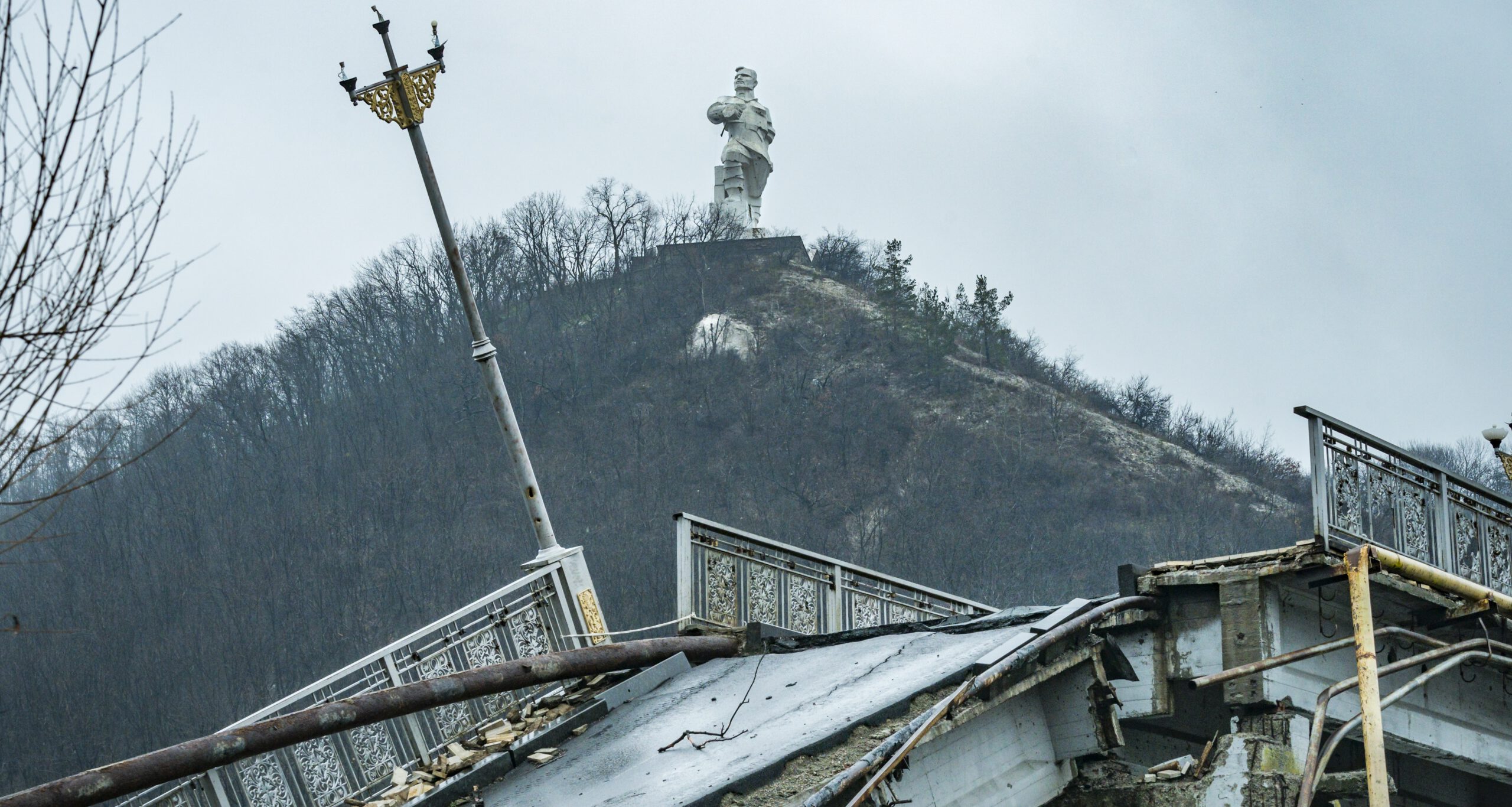
What role will China play in Ukraine’s post-war transformation?
Cost estimates for Ukraine’s post-war reconstruction already exceed many hundreds of billions of dollars. Given the Western world’s slowing economic prospects, Ukrainian elites admit that China looks increasingly likely to have a role in helping finance and rebuild Ukrainian infrastructure. But Chinese involvement comes with economic and security risks.
Now entering their fourth month of defiance, the people of Iran continue to protest the regime of Ali Khamenei. Since protests began in September, the crackdown by security forces has become increasingly severe and the government has now begun executing protesters. According to figures from the Human Rights Activists News Agency, as of Dec. 15, nearly 500 protesters have been killed and almost 20,000 people have been arrested.
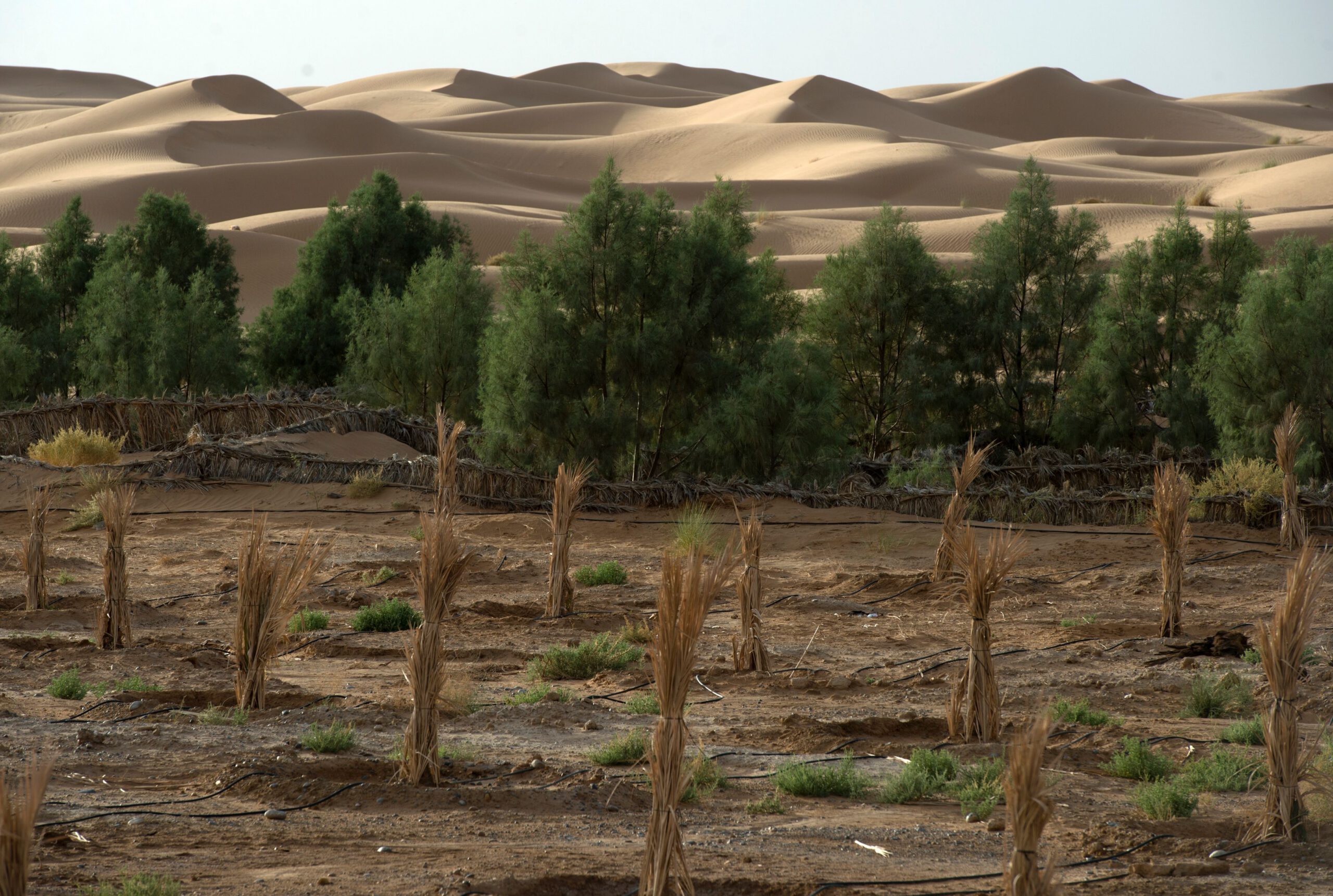
What the United Nations’ 6th Climate Assessment tells us about the Mediterranean’s climate future
The latest U.N. IPCC report details the alarming changes that Mediterranean countries will experience in the coming decades due to climate change, highlighting three critical areas — warming and droughts, declining ecosystems, as well as socioeconomic and public health risks.
10 Books to Expand Your Knowledge of the Middle East
Recommended readings selected by MEI’s book review editor from reviews published in this year’s issues of The Middle East Journal. Subscribe to MEJ to read full reviews of these and other new publications exploring the history, culture, and contemporary issues shaping the modern Middle East and North Africa region.
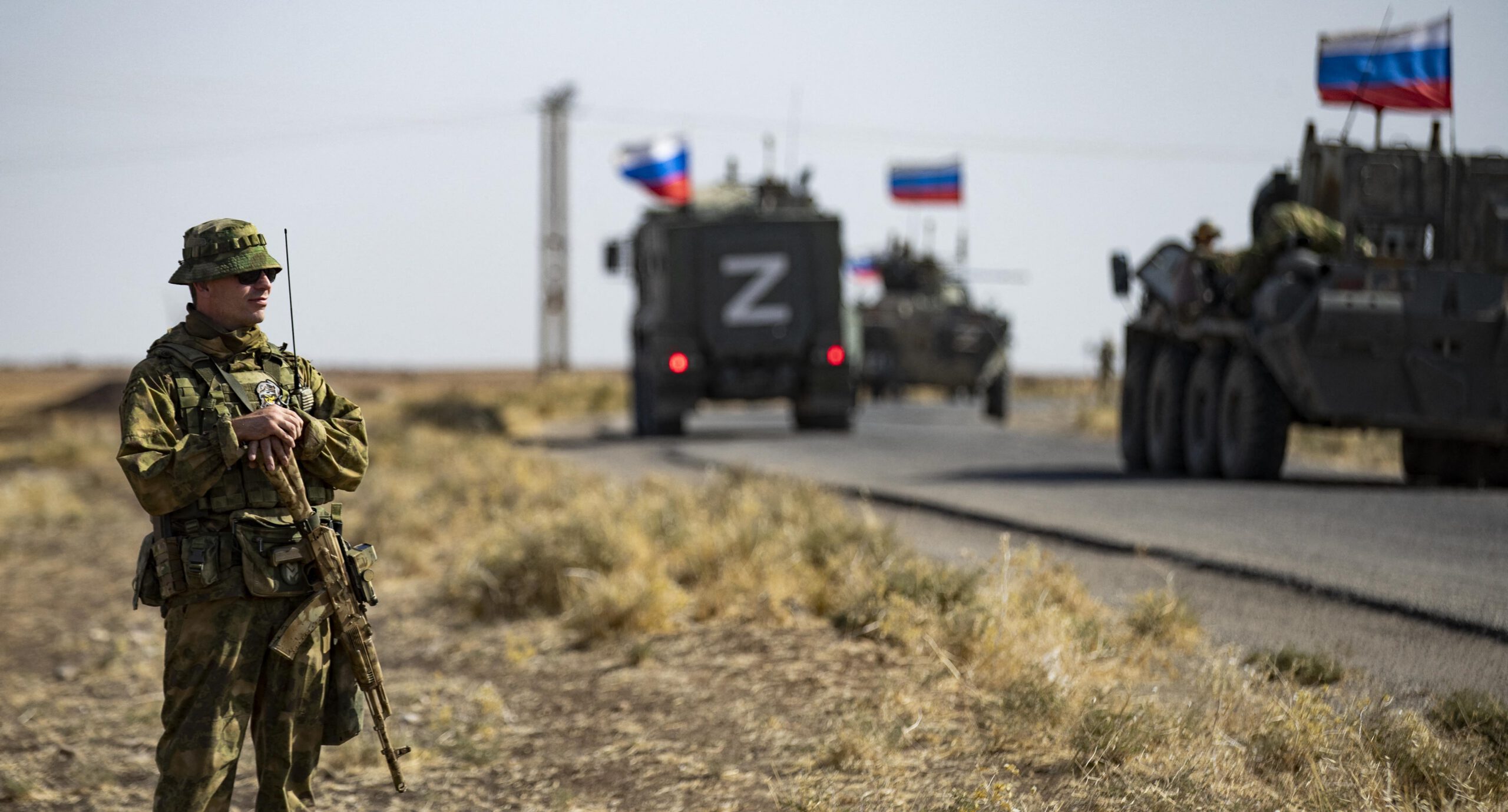
Keeping up appearances: The Ukraine war’s effect on Russian deployments in Syria
As Russia’s 2022 invasion of Ukraine turned into protracted positional and attrition warfare, often speculative reports emerged about the imminent reduction of the Russian military presence in Syria. Several factors may explain the changes in the Russian military presence in Syria and its future.
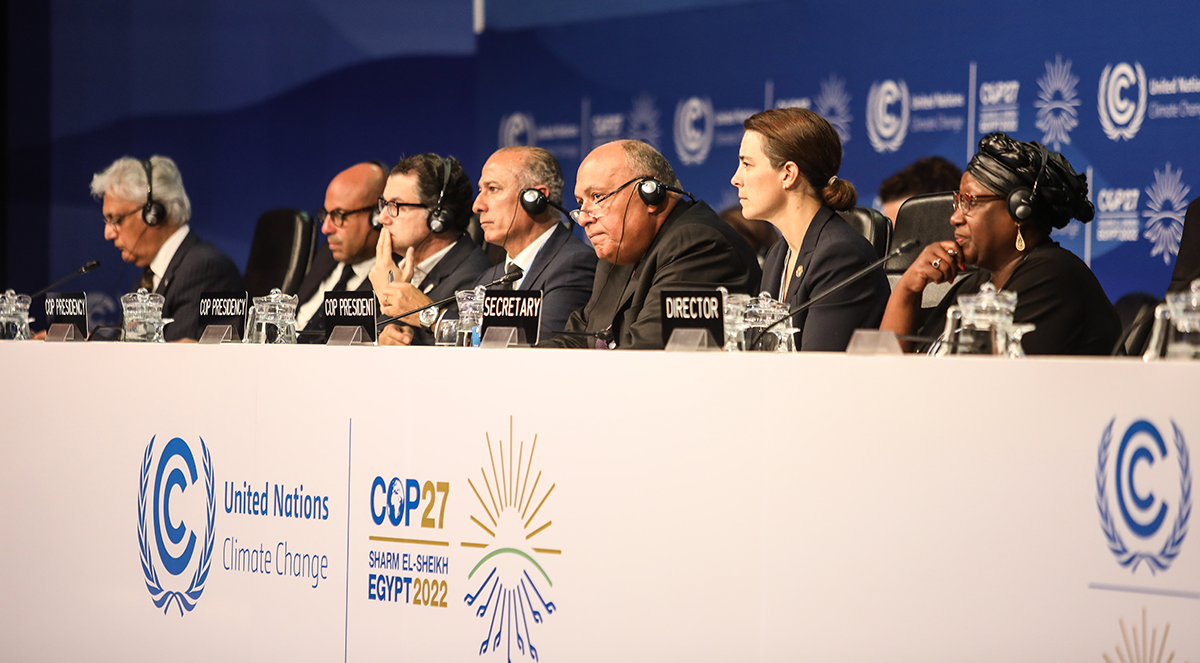
With COP27 concluded, we asked experts from across MEI, some of whom attended the meeting, to offer their perspectives on the developments that came out of the conference and what it means moving forward, especially for the Middle East and North Africa.
Russia’s new military: The rise of Prigozhin and the Wagner Group
Kremlin-linked oligarch Yevgeny Prigozhin, founder of the notorious Wagner Group PMC, is taking power away from the traditional Russian military establishment and fostering President Putin’s dependence on his resources and advice. This trend will undoubtedly propel the escalation of the war in Ukraine and possibly inflict irrevocable damage to the future utility of the Russian Armed Forces.