This individual is a guest contributor. MEI is not able to assist with contact requests.
Shahmahmood Miakhel is the Country Director in Afghanistan for the US Institute of Peace (USIP). Prior to that he was a Governance Advisor for the United Nations Assistance Mission in Afghanistan (UNAMA), and, from 2003–2005, a Deputy Minister of the Interior in the Government of Afghanistan. In 1994–1995 he worked for the United Nations Development Programme (UNDP) and United Nations Office for Project Services (UNOPS) in South and Southeast Afghanistan helping to establish District Rehabilitation Shuras (DRS). He also worked as a reporter for the Pashto service of the Voice of America from 1985–1990.
A career in American diplomacy in the Middle East is a humbling affair. Whenever you heard well-meaning American officials speak of the birth pangs of a “new Middle East,” you knew it was time to update the embassy’s evacuation plans and re-stock its bunkers.
And if anyone in charge spoke of peace in Lebanon of all places, you knew to supplement the evacuation plans with an IQ test for anyone so detached from reality. For the history of American-Lebanese relations is one strewn with inflated expectations and deflated ambition. And not a few corpses.
Iran at a Crossroads: War, Survival, and the Future of the Islamic Republic
Gönül Tol speaks with Dr. Vali Nasr, one of the world’s leading experts on the Middle East, to unpack the aftermath of the 12-Day War. Together, they examine the war’s domestic and regional fallout, the resilience of Iran’s regime under fire, and the shifting public sentiment that may shape the country’s political future. Does survival alone count as success for Tehran? And what becomes of protest movements and democratic aspirations when a nation is consumed by existential external threats?
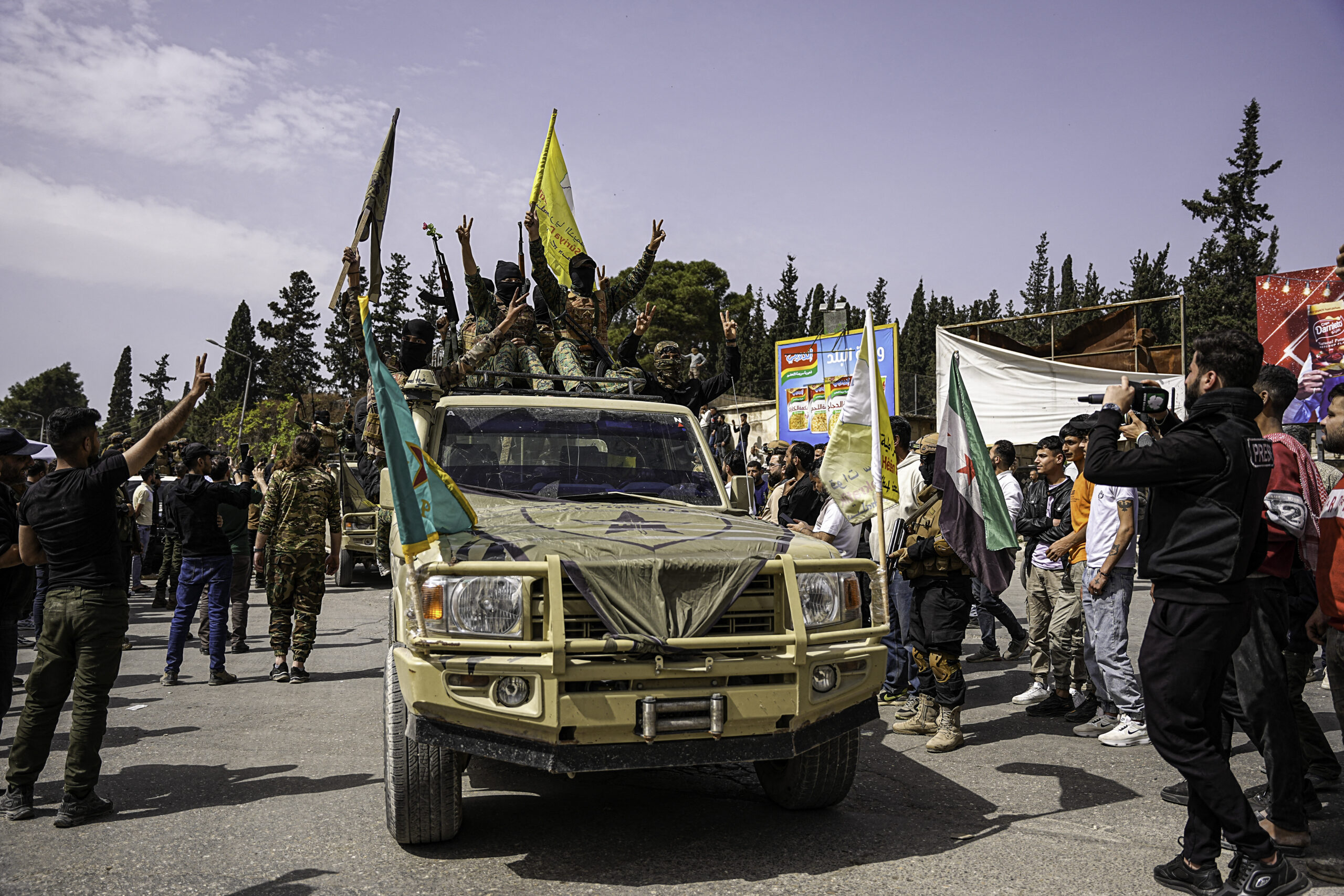
Fading hopes that the SDF will agree to Syrian integration
In the seven months since Syria’s former president Bashar al-Assad was overthrown, 78 foreign governments and multinational bodies have descended on Damascus to engage with Syria’s new interim president Ahmed al-Sharaa and his transition team.
What Would Zbig Do? Edward Luce on US Strategy Then and Now
Financial Times columnist and author Edward Luce joins Brian to discuss his new biography Zbig: The Life of Zbigniew Brzezinski—what the legendary strategist got right, where he fell short, and what his legacy means for U.S. foreign policy today. From Camp David to Tehran, Luce reflects on the pivotal moments Brzezinski helped shape in the Middle East and beyond—and what lessons today’s leaders could take from his intellectual rigor and hard strategic choices.
What happens when the US and Iran lose their strategic ambiguity?
MEI Senior Fellow Ross Harrison breaks down how this foreign policy approach can help mitigate conflict—and how both Washington and Tehran may have undermined their own ambiguity during the recent 12-day war, with potentially lasting consequences for regional stability.
Deals, Diplomacy, and Day-After Plans: The Trump Administration's Middle East Strategy
As the Trump administration marks six months in office, it is pursuing a flurry of diplomatic initiatives across the Middle East — some publicly coordinated, others shaped behind closed doors. MEI Distinguished Diplomatic Fellow Mara Rudman joins hosts Alistair Taylor and Matthew Czekaj to assess the administration’s broader regional strategy and its handling of key issues.
The 12-day Israel-Iran war: China’s response and its implications
Last June’s Israel-Iran conflict became a revealing stress test for Beijing’s Middle East strategy, its role in global diplomacy, and the coherence of what some have described as an emergent “Axis of Upheaval” between China, Russia, and Iran.
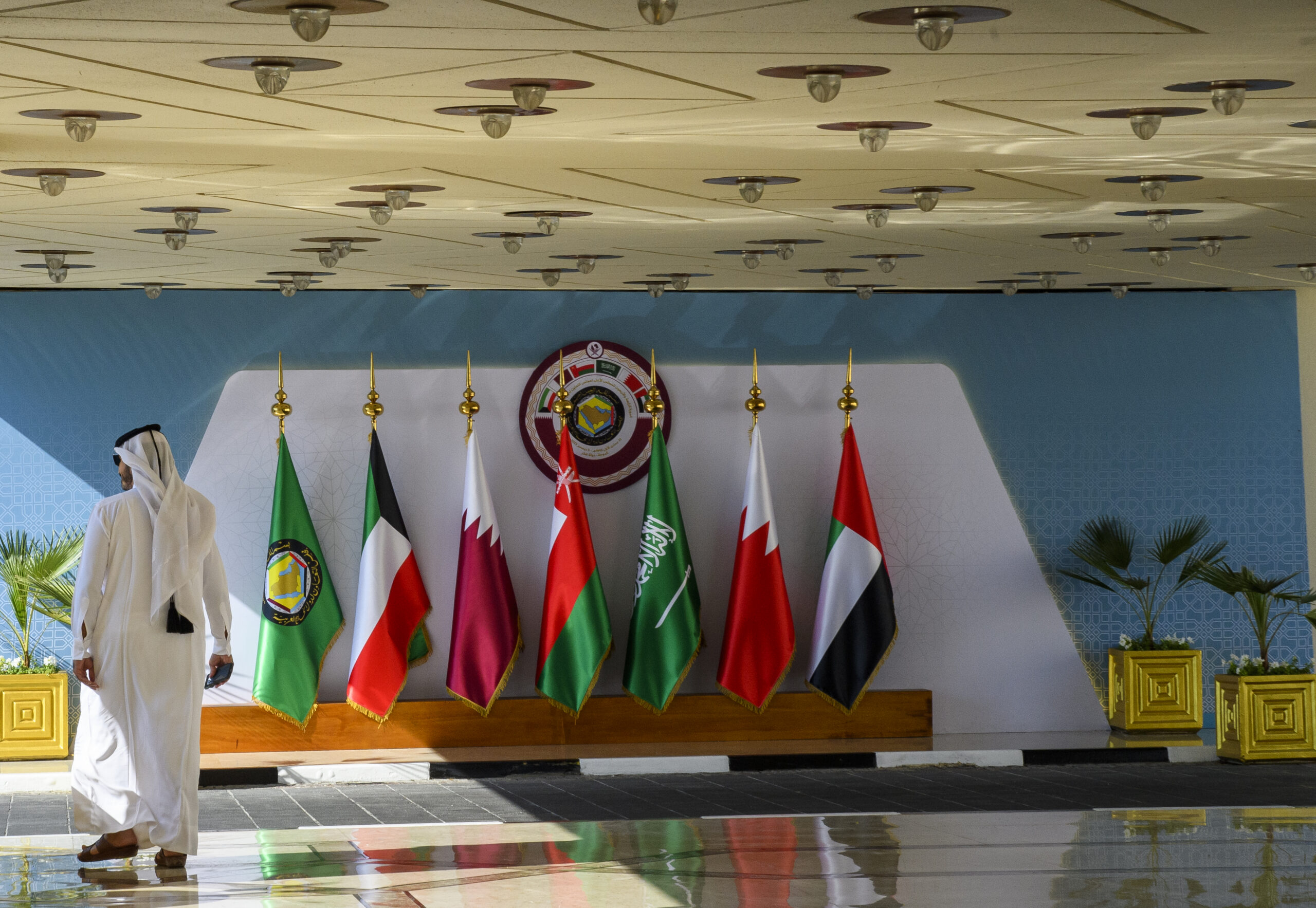
What the Gulf states must do to establish deterrence over Iran
The Middle East has been reshaped and a bold new approach can ensure it holds, but the clock is ticking. Iran, the regional bully for decades, has been defanged and there is a now a window of opportunity to make this new Middle East permanent.
Trump still looking for major wins on the global stage after budget battle victory at home
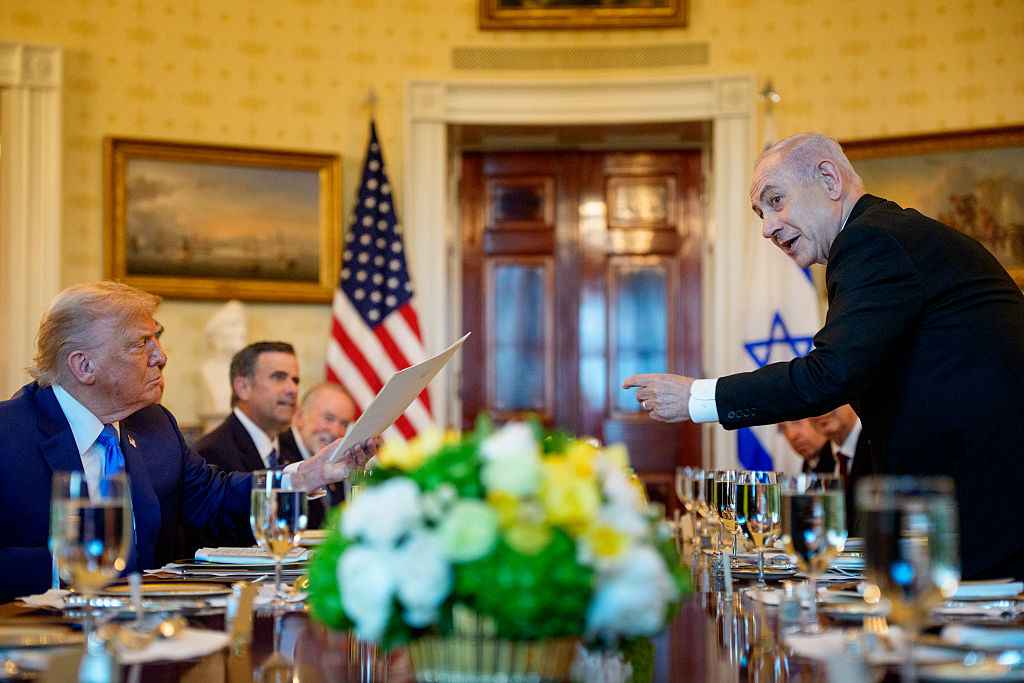
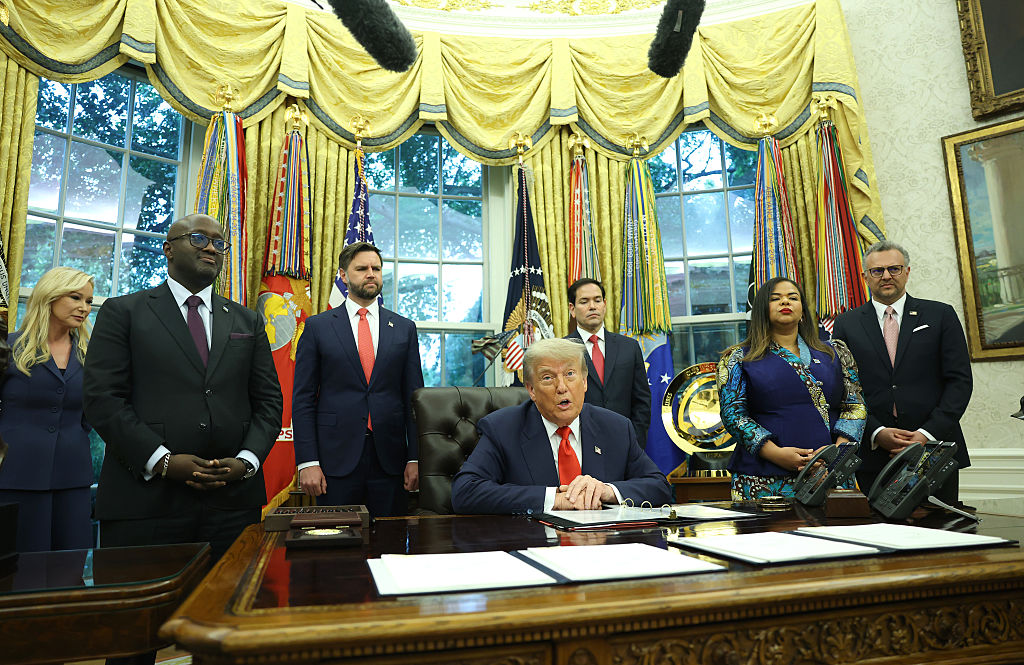
US President Donald Trump hosted Israeli Prime Minister Benjamin Netanyahu for the third time in his second term this week, shortly after securing a major victory for his domestic policy agenda in the budget bill passed by Congress.
Pakistan’s ability to thread the needle in relations with the US and Iran tested by the Israel-Iran war
When the Israel-Iran war broke out and the United States decided to assist the Israeli side by striking Iran’s nuclear program, both Tehran and Washington expected Islamabad to side with their respective positions. This situation placed the Pakistani government in a politically sensitive and diplomatically delicate position.
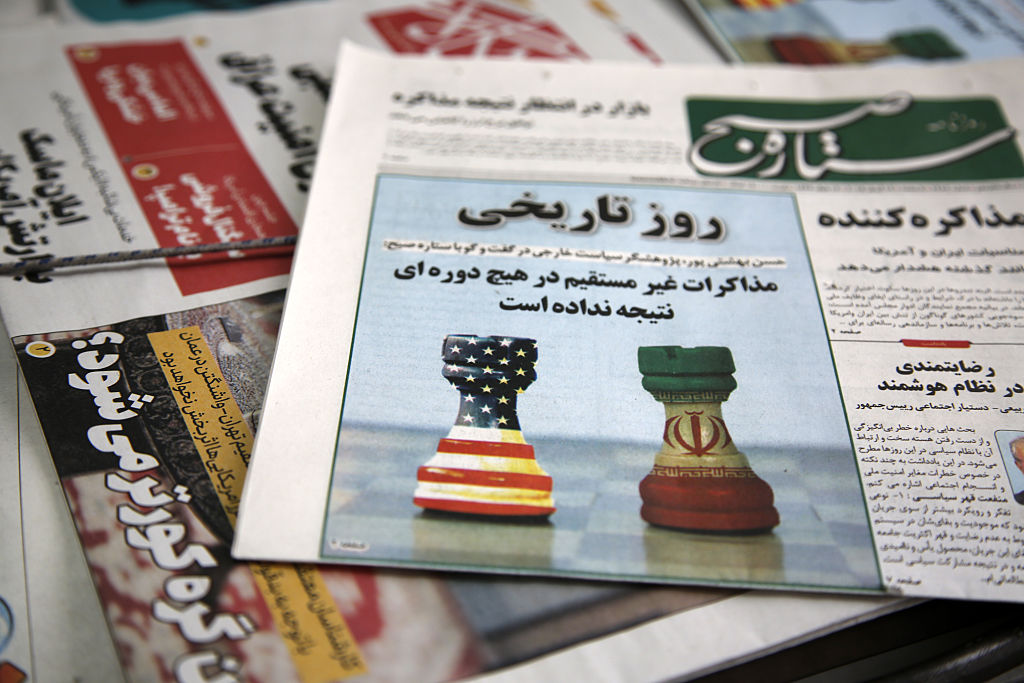
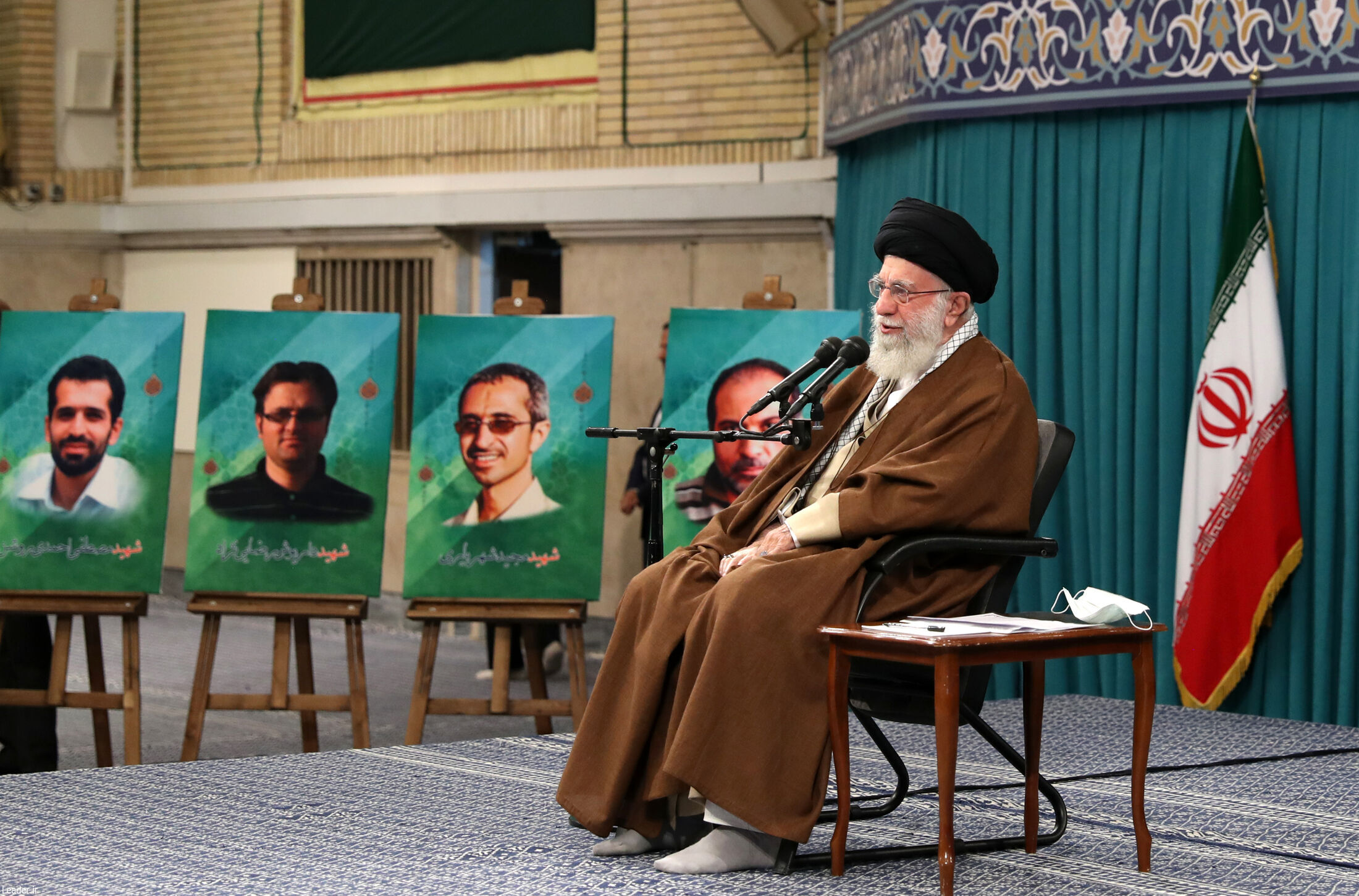
The 12-day war between Iran, Israel, and the United States has ended, but the dust has not yet settled. Many official voices in Tehran are warning that the war can resume at any moment. Iran now faces deepening economic turmoil, political uncertainty, and hard choices about its nuclear future. The central question is whether the Islamic Republic will emerge stronger through nationalist mobilization or weaker, exposed by vulnerabilities it long sought to deny. No doubt, Iran’s leaders stand at a true crossroads.
Israel at War: Regional Reverberations and Political Fallout
Dr. Yoel Guzansky, associate fellow at MEI and senior research fellow at Israel’s Institute for National Security Studies, joins hosts Alistair Taylor and Matthew Czekaj to unpack the military and political implications of Israel’s 12-day war with Iran. In the lead-up to next week’s closely watched visit by Israeli Prime Minister Benjamin Netanyahu to the White House, they discuss Israel’s strategic gains and domestic reaction, the evolving US-Israel relationship, and the war’s ripple effects across Gaza, the Gulf, and beyond.
Trump’s Middle East policy arrives at a temporary and fragile limbo
Domestic politics has taken center stage in the United States as Congress struggles to pass President Donald Trump’s proposed budget plan. But July is also shaping up as a pivotal month for Trump’s foreign policy in the Middle East and beyond.