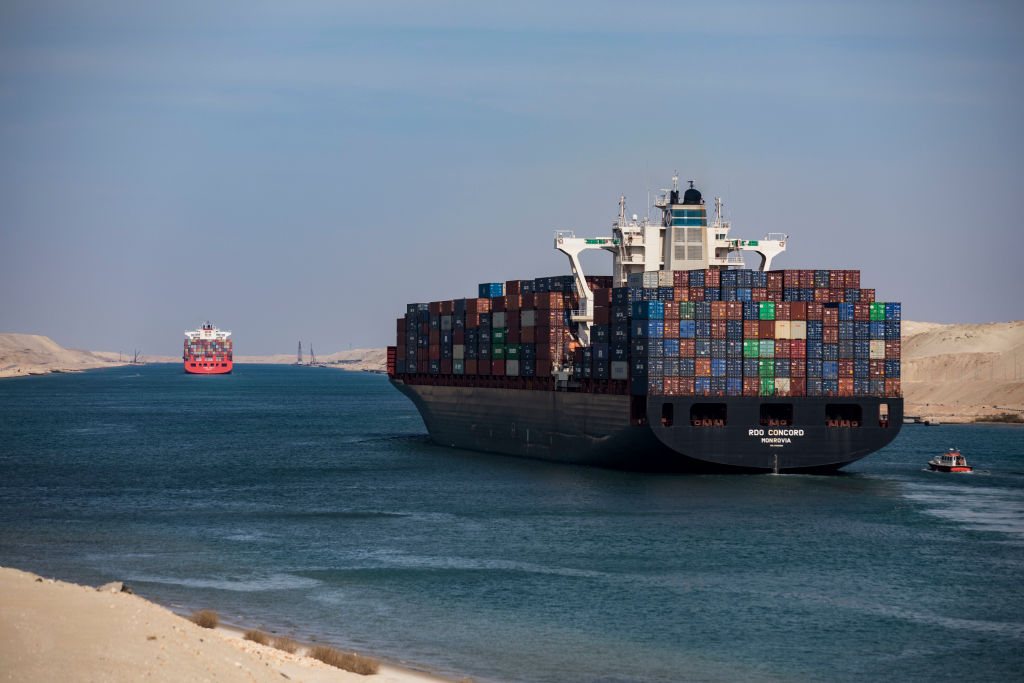
There Is No Indo-Pacific Without Egypt and the Suez Canal
As a major strategic chokepoint for this trade and maritime security, Suez is fundamental to the West’s commitment to a “free, open, secure and prosperous Indo-Pacific.”
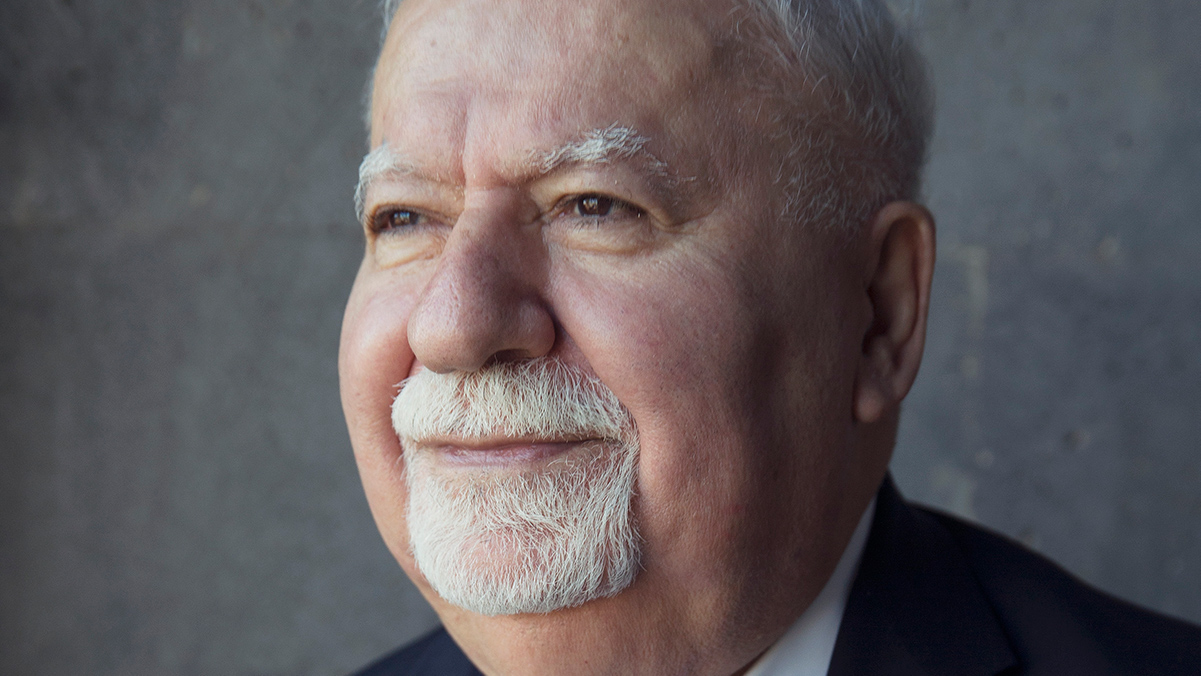
The Middle East Institute (MEI) mourns the loss of humanitarian, educator, and friend Dr. Vartan Gregorian, the late president of the Carnegie Corporation of New York. His character and legacy will leave a lasting impression on all those he touched, both directly and indirectly. Regarded as one of America’s most generous and forward-thinking educators and intellectuals, Dr. Gregorian was perhaps best known for his revitalization of the New York Public Library.
Terrorism Laws in Malaysia: The Continuing Case for SOSMA and POTA
Calls for the abolishment of terrorism laws have resurfaced in Malaysia recently. The Malaysian Bar and human rights advocates have referred to current terrorism laws as “unjust,” “regressive,” violations of basic human rights and laws that need to be abolished immediately. Yet, despite the physical loss of the Islamic State (IS) caliphate, the terrorism threat still looms in the region owing to IS’ ideology. This article discusses Malaysia’s two terrorism-related laws — correcting misconceptions about them, arguing for their retention, and suggesting ways that valid concerns about them might be addressed.
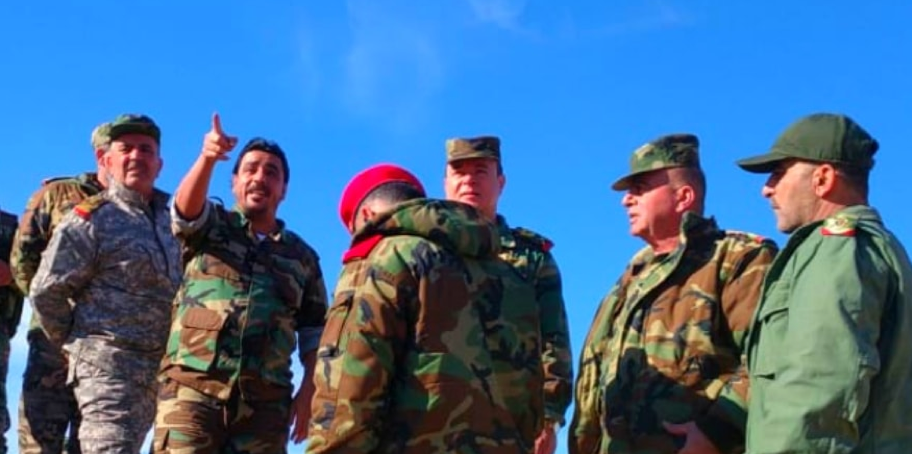
Five months into his job as commander of regime forces in Deir ez-Zor, Maj. Gen. Nizar Khader appears to have skillfully gained control over the diverse tapestry of loyalist forces in the region. Khader’s return to power in the east quickly put an end to the deadly disputes that had plagued the governorate’s security forces for years. He then launched a nearly three-month campaign, coordinated between Syrian, Iranian, and Russian forces, to push ISIS cells back into the province’s hinterlands, securing the crucial highway connecting Deir ez-Zor with Palmyra and Damascus to the west. His success, while impressive, will face its second major test soon as ISIS prepares for a potential Ramadan offensive.
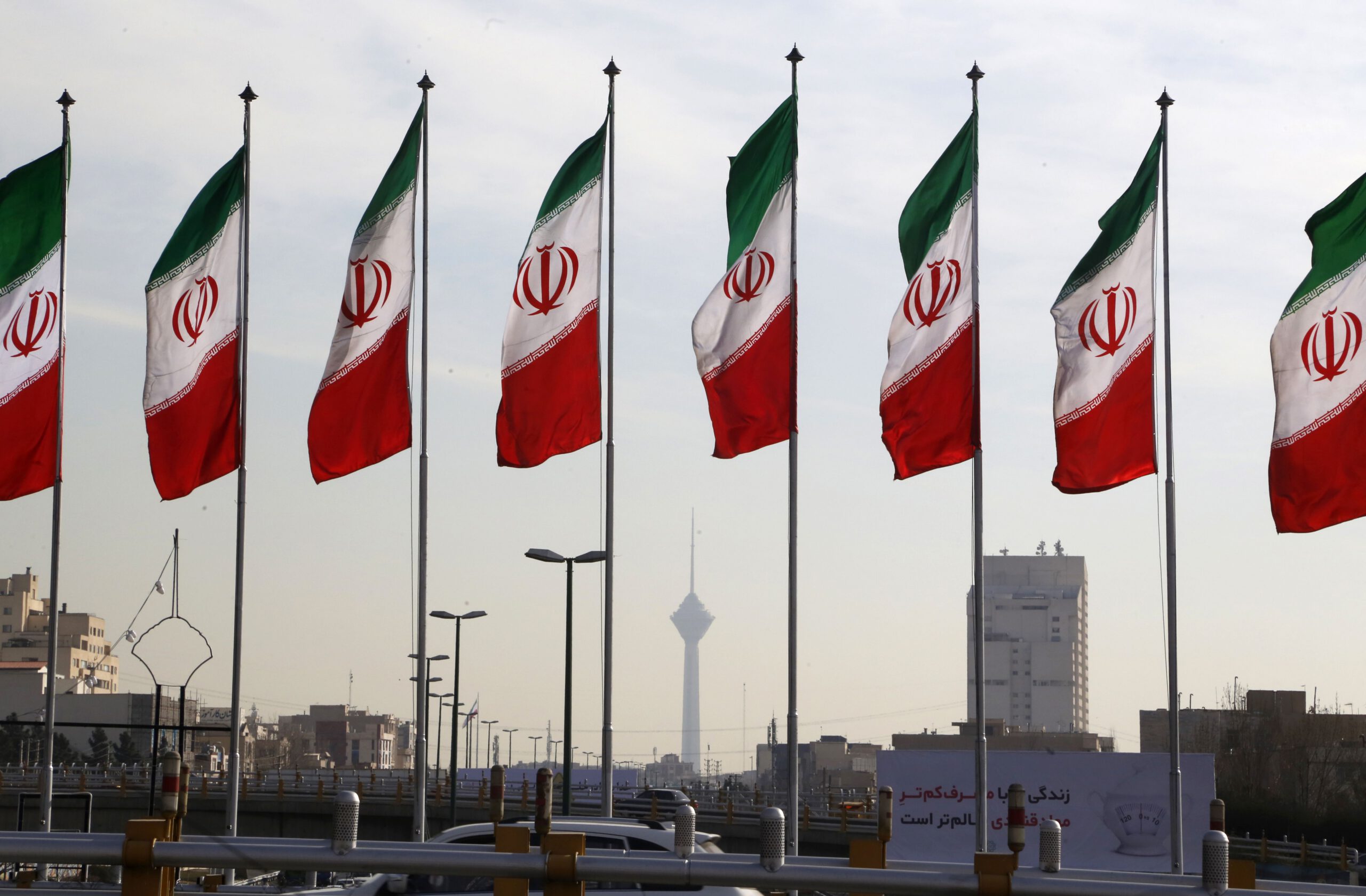
Historically, Iran has used Iraqi militias to implement both its short-term plans and long-term strategies. At this stage Iran seems to have included its Iraqi proxies in plans to lift U.S. sanctions. Going forward, the Islamic Republic may use escalation against the United States in Iraq to exercise leverage in its dealings with Washington on the JCPOA.
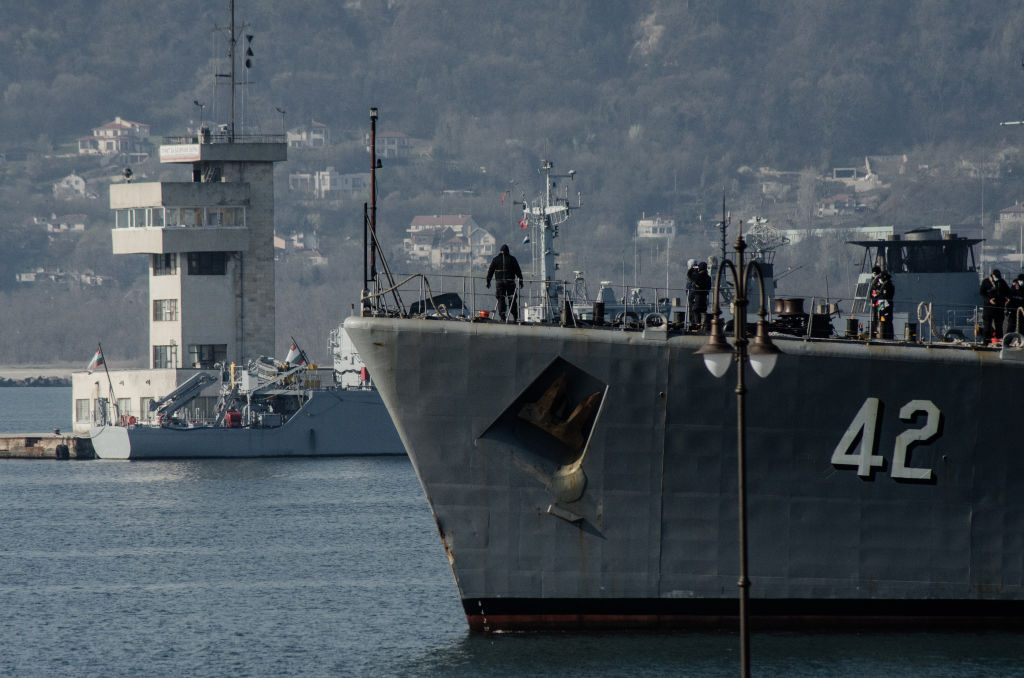
Bulgaria in the Black Sea: Defending against Russian hybrid warfare
As a NATO and EU member, Bulgaria has consistently been a target of the Kremlin’s hybrid warfare. Moscow is pursuing a calculated and well-planned policy aimed at influencing domestic politics in Bulgaria, with a view of preventing the country from becoming a robust NATO regional security provider. This is especially important for the build-up of the Alliance’s presence in the Black Sea.
Jonathan Winer and Mirette Mabrouk join host Alistair Taylor to discuss Libya’s new interim government, the complex regional and international dynamics at play, and what Libya’s future might look like.
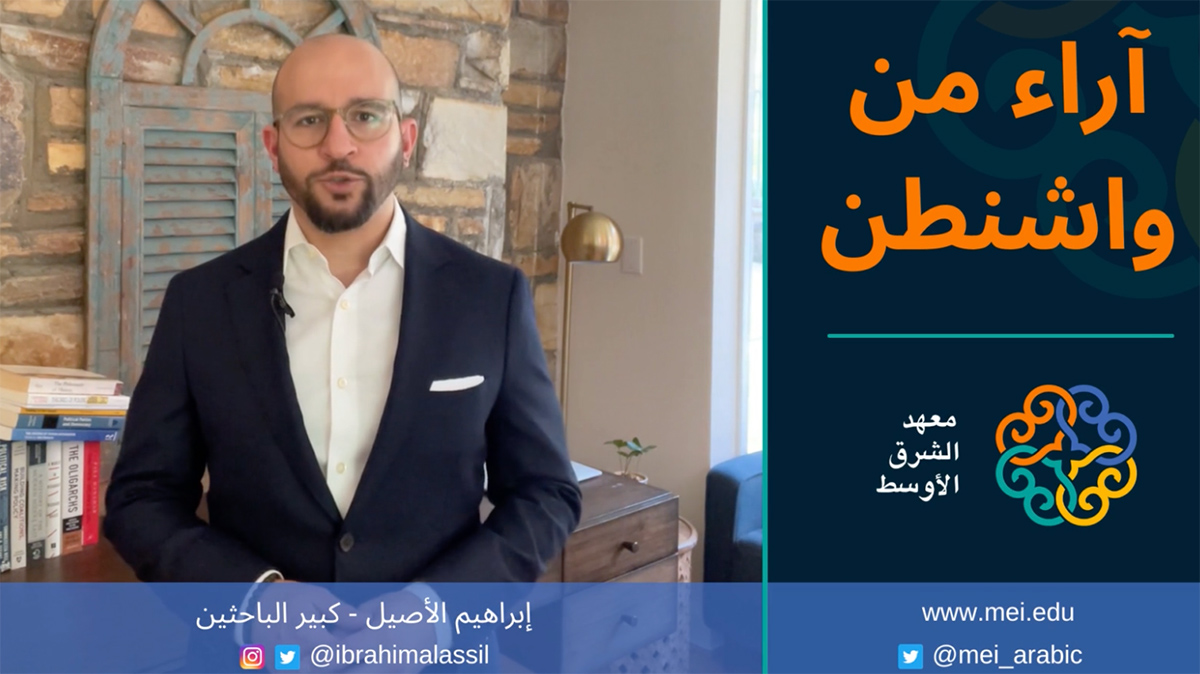
حلقة 13: آراء من واشنطن – إيديولوجيا النظام الإيراني تجاه الولايات المتحدة
في هذه الحلقة من ‘آراء من واشنطن’، يستعرض إبراهيم الأصيل رأي لنازي موينيان حول الموقف الإيديولوجي للنظام الإيراني من الولايات المتحدة وأثره على المفاوضات
The role of algorithms in the persistent US-Iranian impasse
Even if we assume that there is goodwill between the U.S. and Iran to improve relations, the power of algorithms will place major stumbling blocks in the way of efforts toward future normalization. A priori programming of foreign policy options and lines of argument have led to immutable algorithms causing the relationship between the two countries to calcify. On both sides, the key personalities who define national security, interpret events, and shape policies toward one another have had virtually no direct contact or experiences with each other’s country. They interpret events, extract meanings, react to one another, and delineate policies through prisms, images, metaphors, binaries, groupthink, and in the lexicon of artificial intelligence, algorithms.
Following a royal rift King Abdullah faces daunting choices
April 11, 2021 was to be a day of celebration and national pride marking the kingdom of Jordan’s centenary as a state — a geopolitical feat in itself few thought was possible a century ago. But instead of pomp and ceremony the festivities were overshadowed by stark events that took place a week before when the government unveiled a “plot” to destabilize the country involving a senior member of the royal family, a close former palace aide, and “outside entities.” This was an unprecedented development in the history of the kingdom and ruling monarchy. The implication of Prince Hamzah, the former crown prince and half-brother of King Abdullah, in a fuzzy conspiracy that is tantamount to a coup has shocked Jordanians from all walks of life.