Iranian and Saudi women: Overcoming comparative suffering?
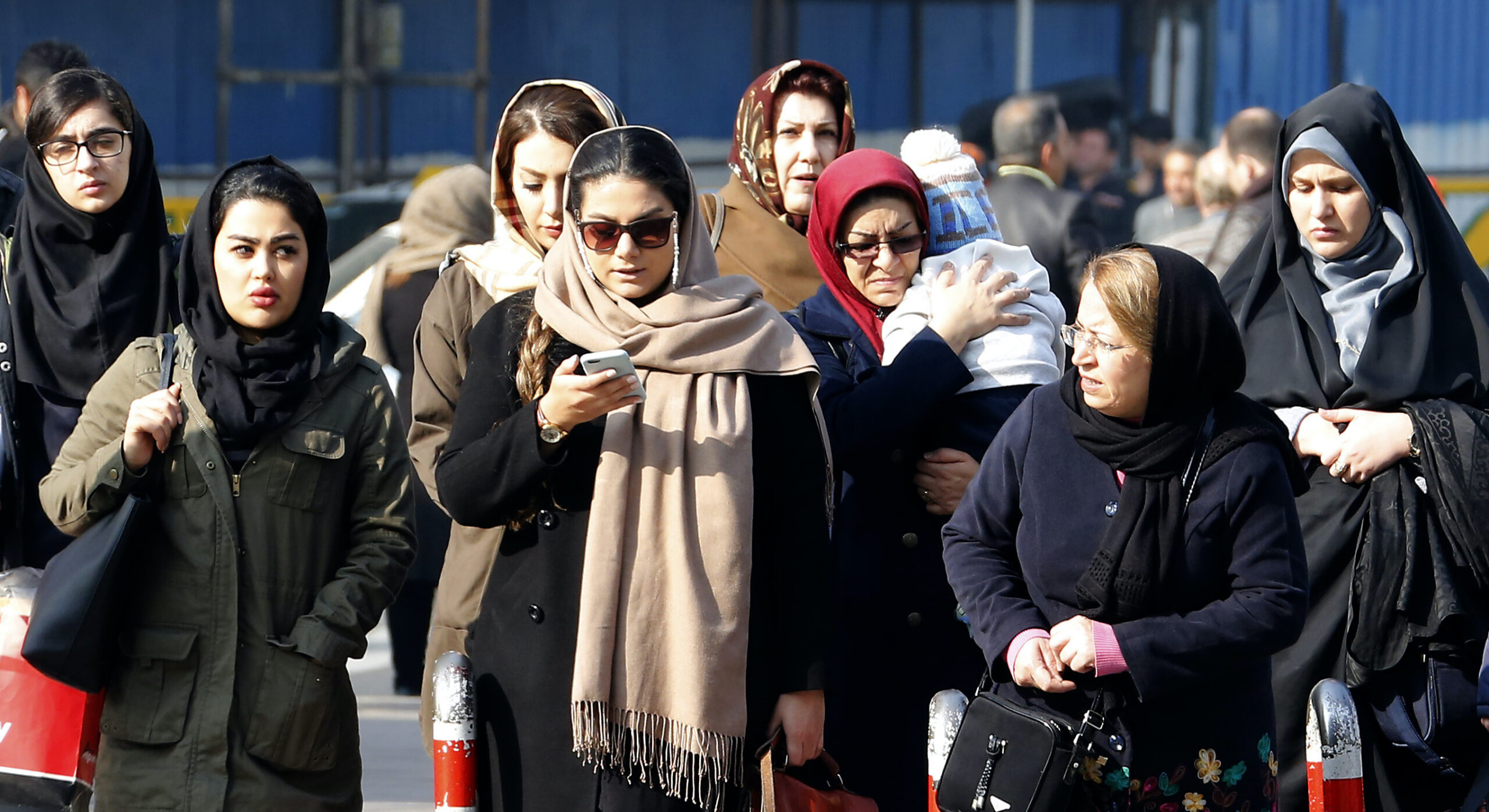
For many decades, Iran and Saudi Arabia have been bitter rivals, but not over women. If there was a competition, it was only over whose government could impose more limitations on their female population.
OPEC+ extends production cuts as Riyadh and Moscow find common ground
On March 4, OPEC+ members agreed to maintain their current production cut levels into April, and the Saudi- and Russia-led cartel’s decision further strengthened the upward trajectory of oil prices. While there were differing opinions among the OPEC+ members regarding the state of the global economy, the group’s unanimous decision reflects Riyadh’s current take on the markets, which is that the health of the world’s economy remains fragile as the recovery from the pandemic continues.
يستضيف إبراهيم الأصيل في هذه الحلقة مدير برنامج في معهد الشرق الأوسط كريس أبي نصايف للحديث عن إطلاق برنامج لبنان ومناقشة آخر التطورات في لبنان والدور الدولي المحتمل. — Ibrahim Al-Assil Chris Abi Nassif
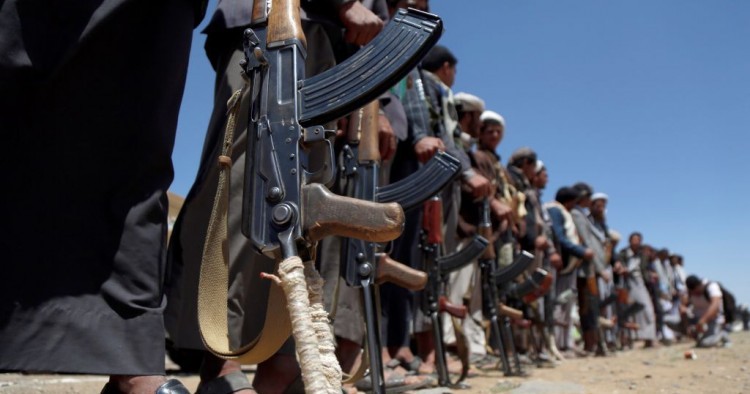
Yemen’s Joint Declaration: A bigger repeat of the stalled Hodeida Agreement?
With debate on Yemen in recent weeks focused on the decision by the U.S. State Department to revoke the Houthis’ designation as an FTO, the Joint Declaration (JD) proposal by U.N. Special Envoy for Yemen Martin Griffiths has received relatively little attention. Since the global outbreak of COVID-19 a year ago, the U.N. special envoy has sought to use the urgency engendered by the pandemic to broker a nationwide cease-fire alongside a set of confidence-building measures — branded as the JD — between the Houthi rebels and the Republic of Yemen Government. But the content of the proposal is not new, nor is it a recipe for effective de-escalation and sustainable conflict resolution.
Set yourself apart from all other applicants by learning a Middle Eastern language at MEI. Through group classes and private tutoring, we want to help you reach your career goals! View our course offerings and tutoring options here.
Relations between the U.S. and Black Sea countries are complex. The Western-oriented Georgia and Romania have shown unconditional support for greater U.S. involvement. Others, like Turkey and Russia, will continue to challenge Western involvement. And while relations between Black Sea countries reflect similarly complex cooperation and conflict patterns, common among them is a hope that the Biden Administration will bring a shift in U.S. policy in the region.
Frontier Europe Initiative’s new report, Alternative Futures for the Black Sea Region, is designed to inform the development of a U.S. strategy for the Black Sea region by considering a range of alternative future scenarios.
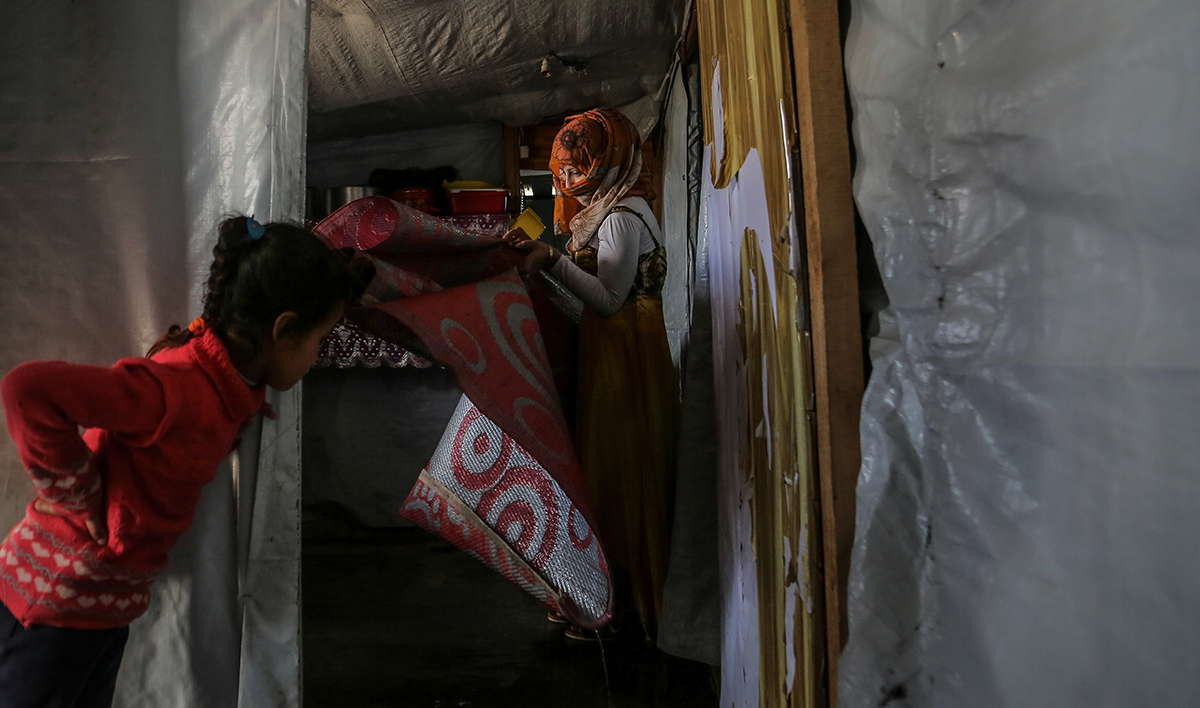
An unequal present and future in a COVID-19 world: The pandemic’s impact on refugee women in Lebanon
March 8 marks International Women’s Day and this year’s theme is “Women in Leadership: Achieving an Equal Future in a COVID-19 World.” However, refugee women and girls in Lebanon remain far behind the aspirations of the U.N.’s theme. This difficult situation is unlikely to change unless Lebanon ends its discriminatory policies toward refugees.
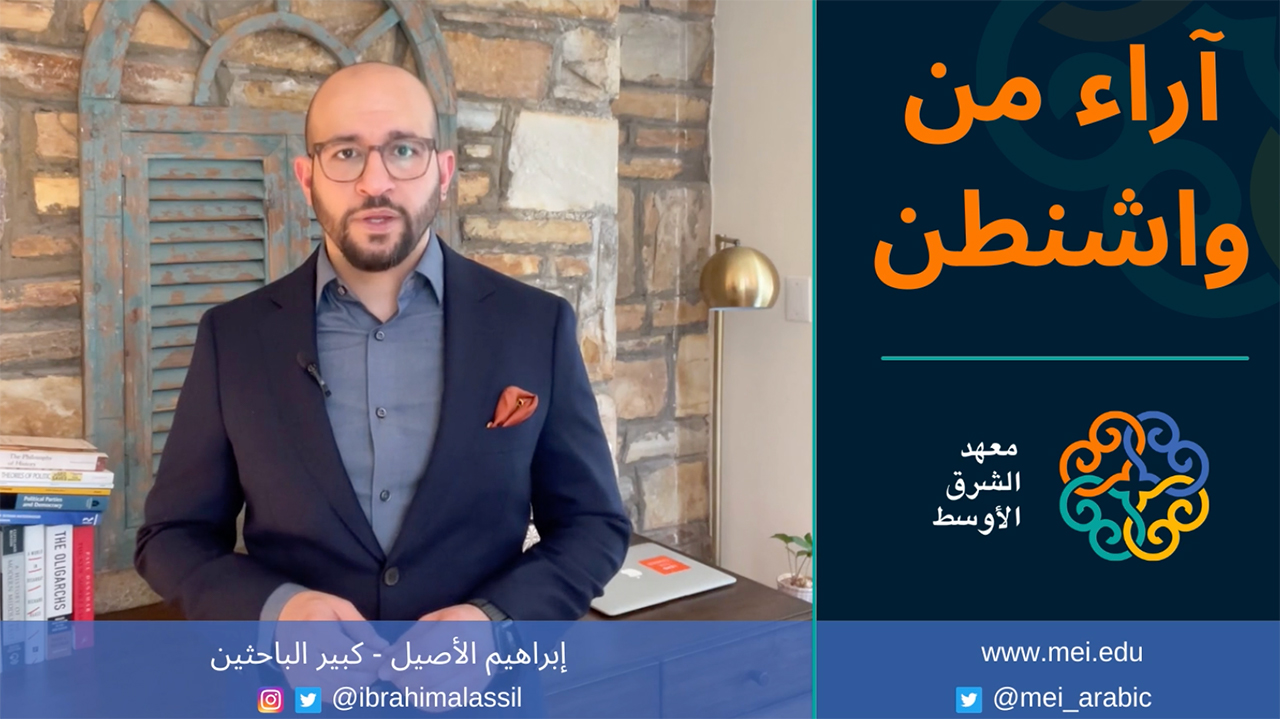
الحلقة الخامسة من سلسلة آراء من واشنطن. يستعرض إبراهيم الأصيل رأي لسيرين كوركماز حول مقترح إردوغان لصياغة دستور جديد والأسباب وراء ذلك والنتيجة المحتملة.