This individual is a guest contributor. MEI is not able to assist with contact requests.
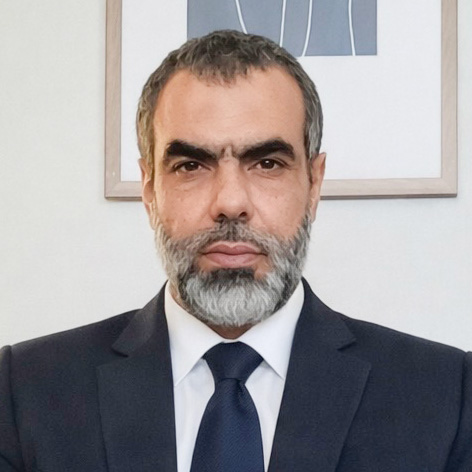
Steven Kenney is the former head of MEI’s Strategic Foresight Initiative and the founder and principal of Foresight Vector LLC, an advisory firm he created to help organizations develop the strategies they need to achieve their greatest success. He is widely recognized for his expertise and more than twenty-five years’ experience in the methods of strategic foresight and their application.
He has advised a wide variety of government, corporate, and non-profit sector organizations on how to create their future. Steven’s work includes advisory engagements for top executives in Fortune 500 and other leading corporations. He has also designed and led engagements for top leaders in Cabinet-level departments of the US government, and for dozens of US and other nations’ government agencies.
From 2016 to 2019, in addition to his leadership of Foresight Vector and his work with all its clients, he also served as an Executive in Residence at N2Growth, a global leadership advisory services firm. Prior to founding Foresight Vector, Steven was a Vice President at Monitor 360 (a spin-off of Global Business Network, the scenario-based strategy advisory firm founded by Art of the Long View author Peter Schwartz), and a Partner in Toffler Associates, the executive advisory firm founded by world-renowned futurist Alvin Toffler, with whom he worked for more than fifteen years.
Middle East Conflict and COVID-19 – A View from 2025
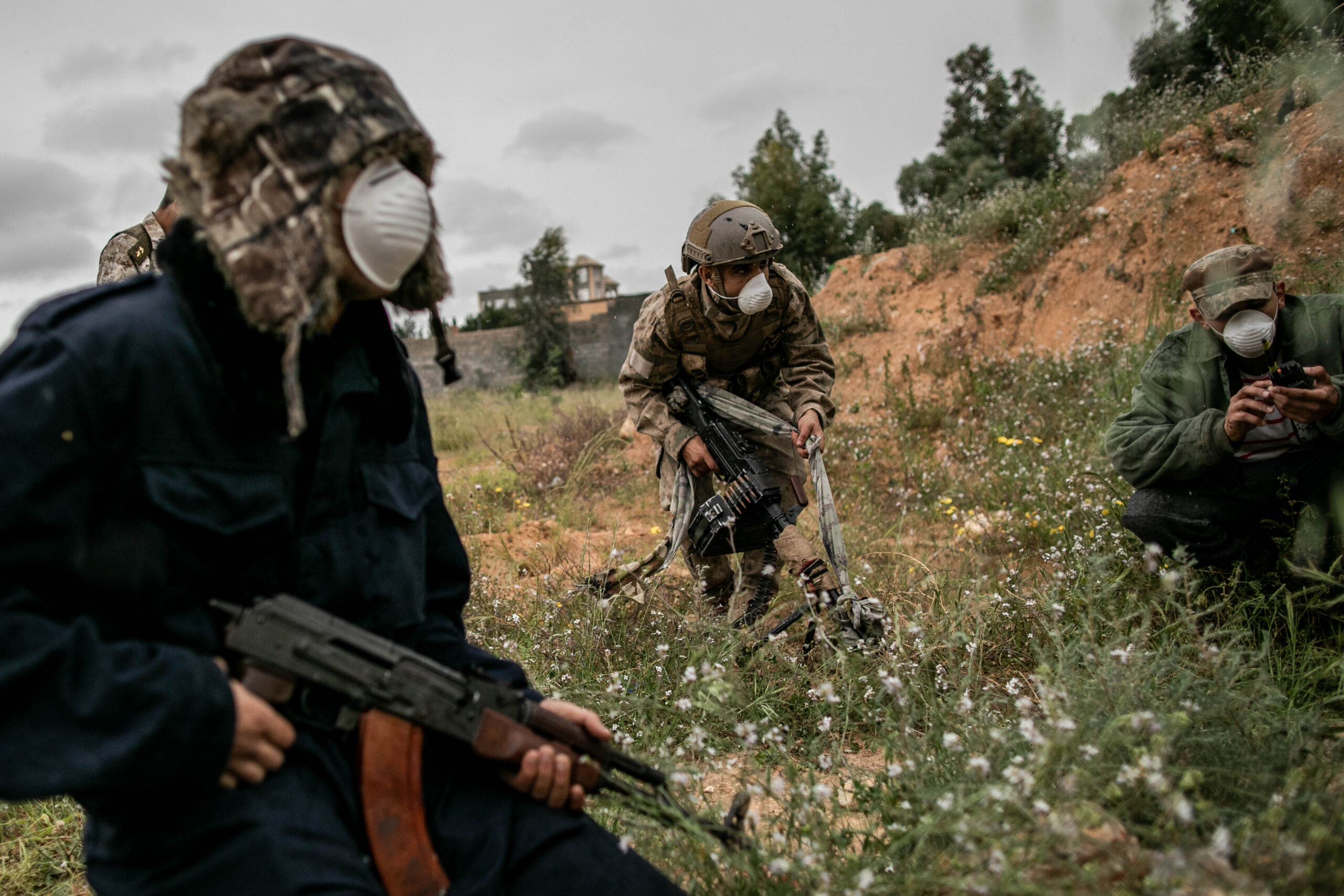
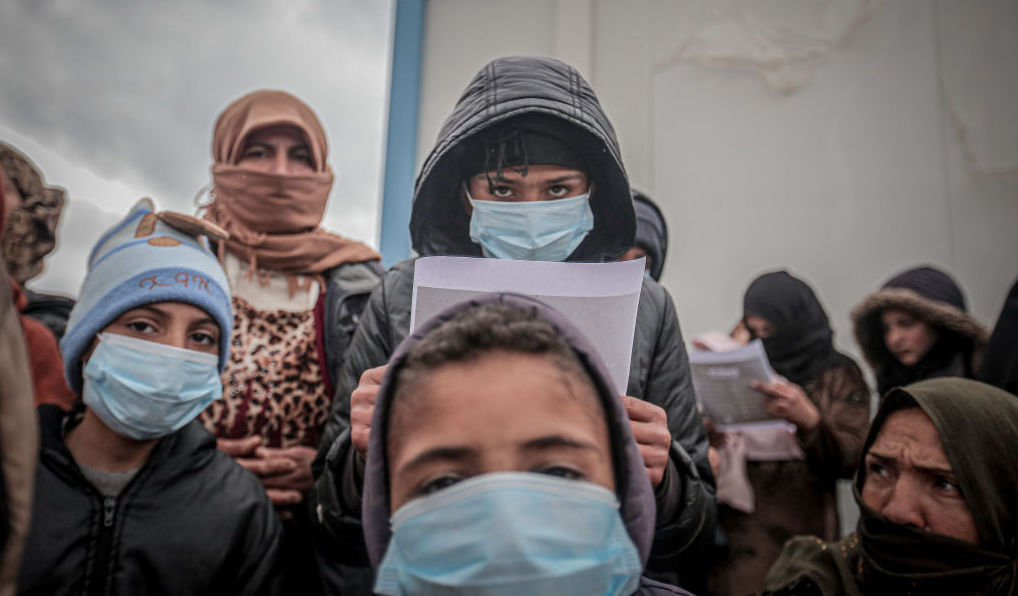
Conflict and instability have been constant features of the Middle East for decades. Over the most recent decade, four civil wars and fraught relationships between the major regional powers have been pushing the region toward a potentially perilous political and economic future. We know that the COVID-19 crisis is disrupting the status quo on nearly everything, including regional conflict. What we do not know is how that disruption today might worsen — or improve — the trendlines of those conflicts as we head toward 2025. In this MEI Strategic Foresight Initiative paper we employ a scenario-based methodology to explore this question.
In Brief: Middle East Conflict and COVID-19 – A View from 2025
Our ongoing analysis in MEI’s Strategic Foresight Initiative examines scenarios built around different combinations of drivers of change related to the COVID-19 pandemic. We used the scenarios to analyze what conflict in the region could look like in 2025, as we believe that how these drivers change the dynamics of the Iran-Saudi Arabia rivalry and the civil wars could be a primary determinant of what the region is like in that timeframe and beyond. Our study posited differences in the health response of governments, the economic response from governments, and the social dynamics of populations to the COVID-19 crisis. Rather than consider them as independent forces of change, our foresight analysis focuses on the interaction between these drivers.