This individual is a guest contributor. MEI is not able to assist with contact requests.
Dr. Umud Shokri is a highly regarded energy strategist and senior foreign policy advisor, bringing over two decades of expertise to his role as a Senior Visiting Fellow at George Mason University. With a Ph.D. in International Relations, Dr. Shokri’s broad knowledge encompasses global energy dynamics, climate change, clean energy technologies, energy security, and geopolitics. In his capacity, he actively shapes academic discourse, collaborating with fellow scholars and engaging students to foster innovative research addressing pressing challenges.
Dr. Shokri’s strategic acumen is evident in his contributions to policy development, including authoring “US Energy Diplomacy in the Caspian Sea Basin,” and engaging with diverse entities across different landscapes. He adeptly navigates legislative terrains, advocating staunchly for environmental sustainability. His dedication to renewable energy and sustainable urban development underscores his cross-cultural competence, enabling successful collaborations and advancing global sustainability objectives.
As a 2024 Title VIII Black Sea Research Fellow with the Middle East Institute, Dr. Shokri focused on examining the intricate dynamics of energy transition within the Caspian Sea region, with specialized emphasis on Azerbaijan.
Persian Gulf-Black Sea corridor: A new era for Iran-Europe trade or just another risk?
The Persian Gulf-Black Sea International Transport and Transit Corridor, which Tehran proposed eight years ago, remains relevant today in the context of strategic competition, as it offers Iran and participating countries an alternative trade route that bypasses traditional Western-dominated shipping lanes, potentially reshaping regional economic dynamics and geopolitical influence.
Azerbaijan’s green shift: Energy transition, COP29 commitments, and US collaboration
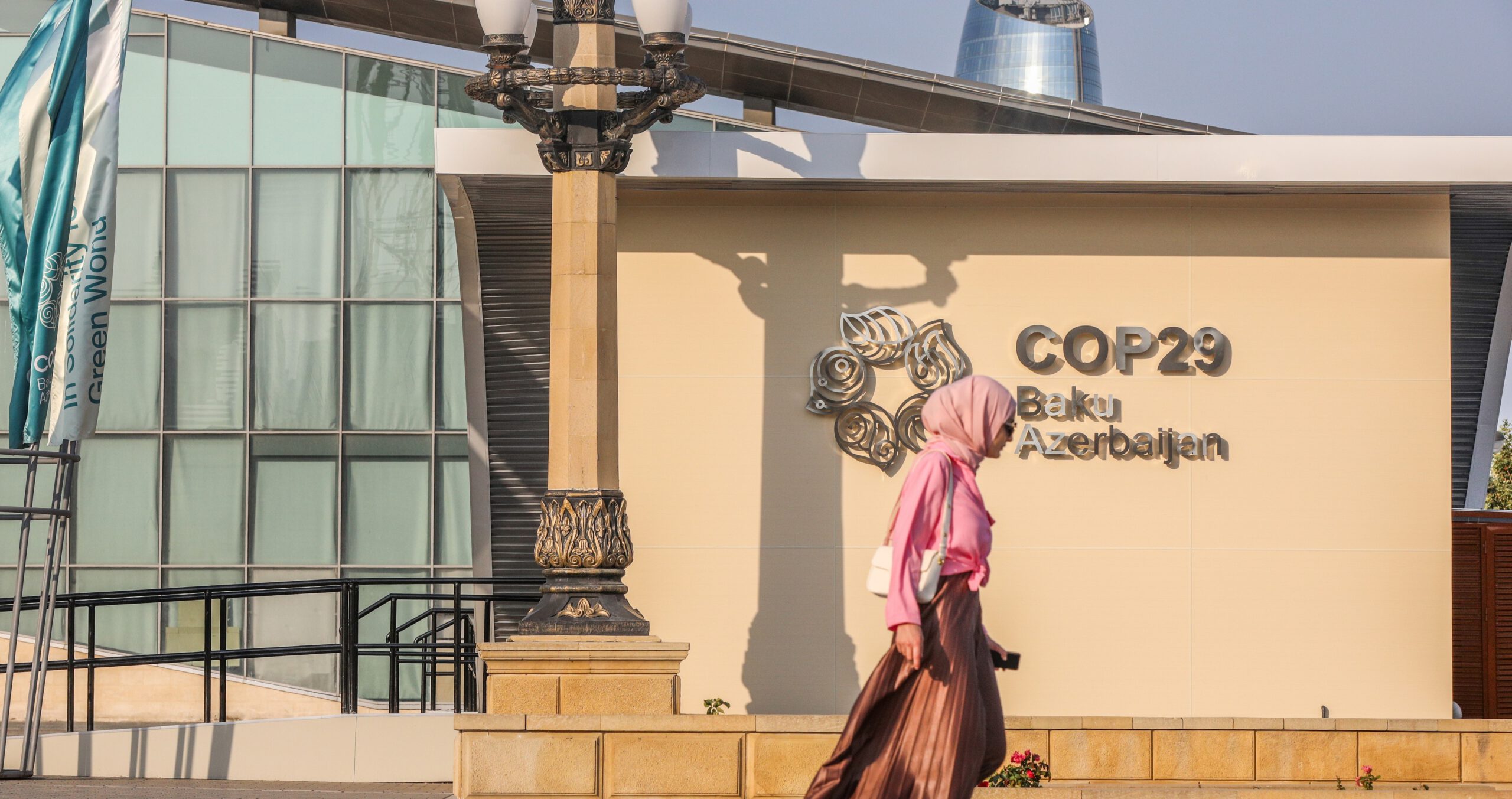
Azerbaijan seeks to establish itself as a major actor in the global energy transition space as it prepares to host the 2024 UN Climate Change Conference (COP29) in Baku, on November 11-22. COP29 offers many opportunities to improve US-Azerbaijani energy cooperation, including by coordinating the United States’ clean energy technology goals with Azerbaijan’s renewable energy revolution.
Powering up: Turkey-Iraq transmission line is part of a broader strategic shift
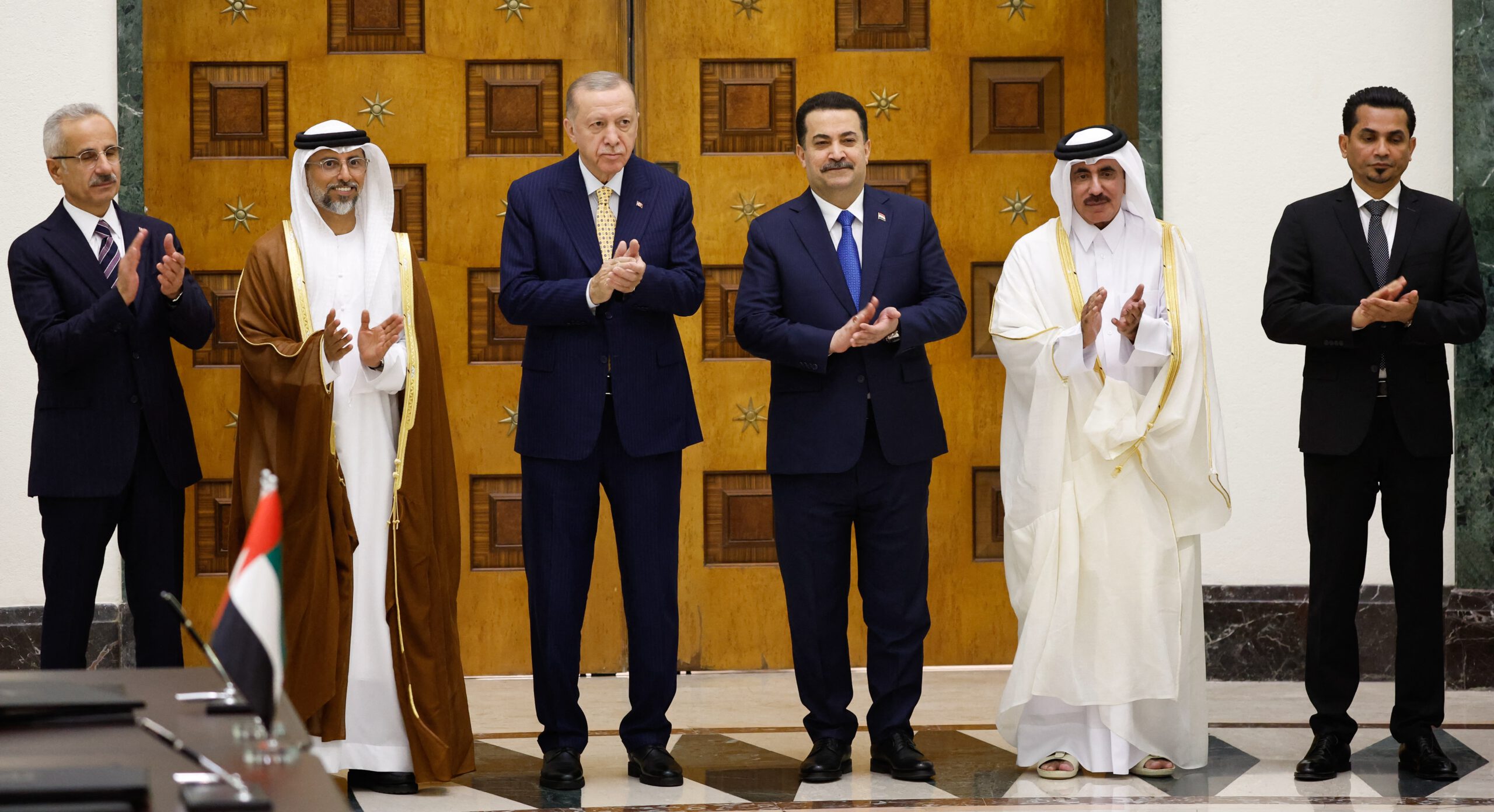
On July 21, 2024, Iraq inaugurated a new power line connecting Turkey and Iraq to handle Turkish electricity imports. Iraq is operationalizing this new power line with the goal of ensuring a more stable energy future, reshaping its geopolitical relationships, and reducing its reliance on Iran.
Obstacles and opportunities for closer Iranian-Chinese economic cooperation
Despite a substantial growth in trade between China and Iran, especially when it comes to Chinese exports to Iran and purchases of Iranian oil, the same cannot be said for Beijing’s investments in the Iranian economy, which have remained anemic, particularly in the critical energy sector.
Iran-Iraq competition in regional maritime and overland transit corridors
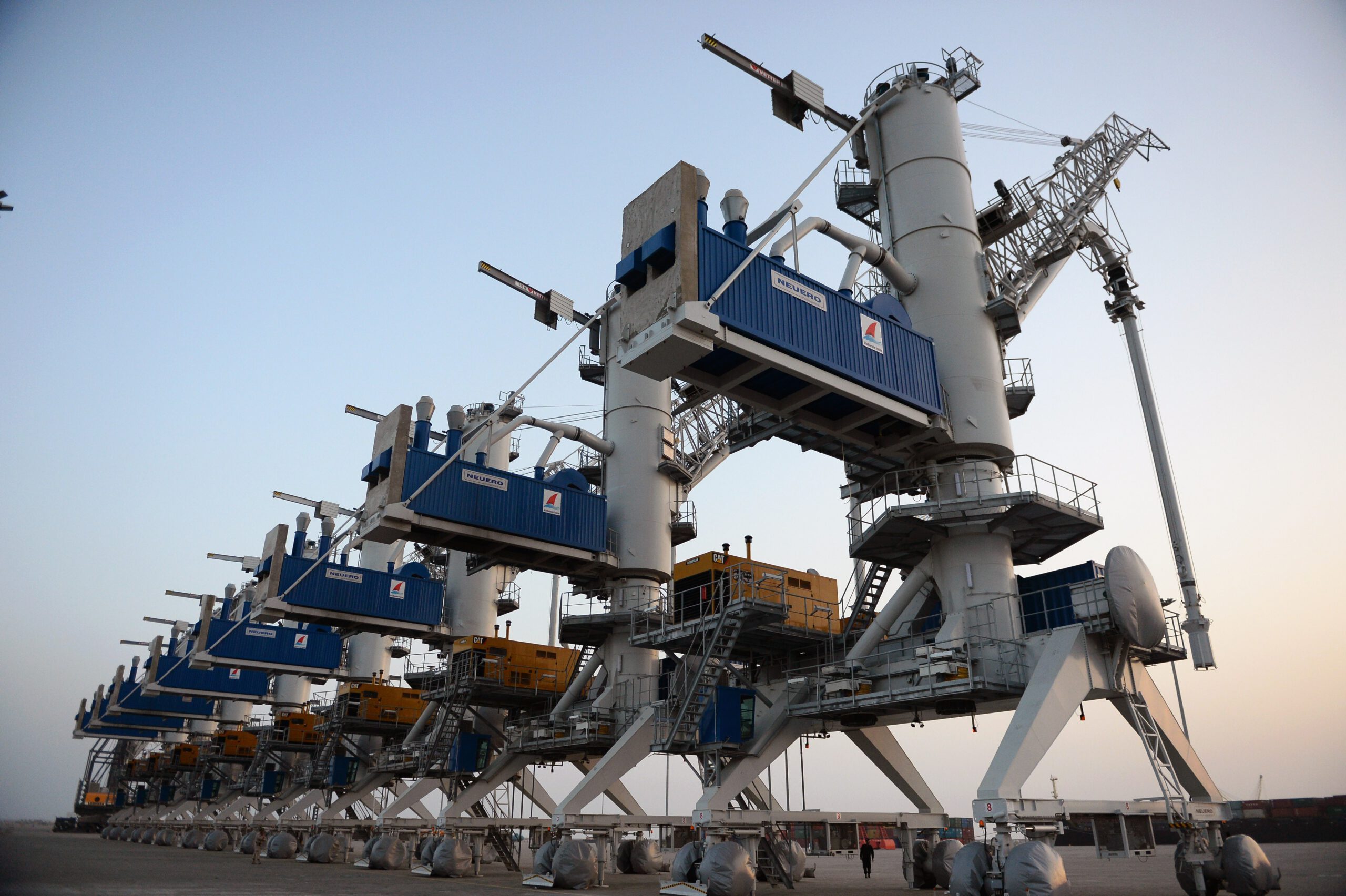
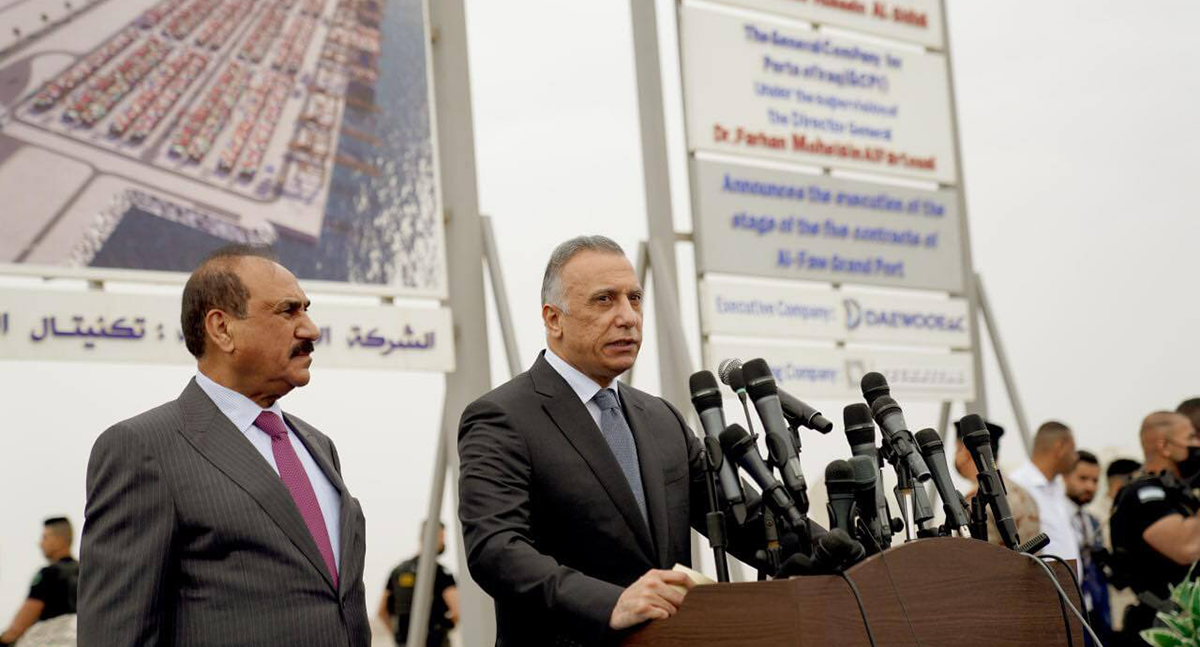
In recent years, Iraq has become one of the leading destinations for Chinese investments in the Middle East and a crucial link in Beijing’s Belt and Road Initiative. To capitalize on its geostrategic location and central position within the Chinese BRI, Iraq is seeking to develop a sprawling new 54-square-kilometer port project, known as al-Faw Grand Port, which will reduce the country’s reliance on Arab Gulf ports and overland transit from Iran and Turkey. The project also underscores Iraq’s growing economic rivalry with neighboring Iran, as both countries seek to carve out a similar niche in handling regional transit traffic.
Iranian sanctions evasion and the Gulf’s complex oil trade
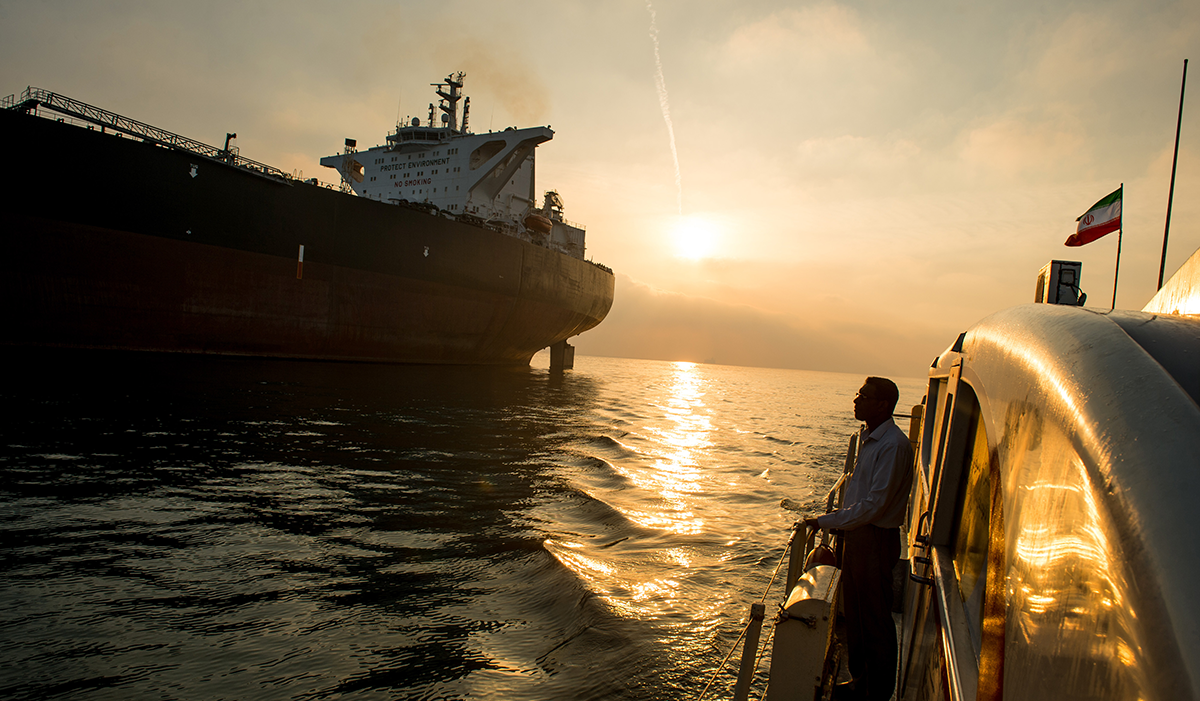
Sanctions have had a devastating impact on Iran’s oil production and exports, preventing much-needed investment in the country’s ageing fields and barring it from legally exporting crude oil to global customers. Using a range of evasion tactics, however, Iran has succeeded in circumventing sanctions and maintaining a steady — albeit much lower — level of crude exports. The Gulf’s complex regional oil market has facilitated these tactics, providing the perfect environment for trade in oil that U.S. sanctions designate as illicit.
US sanctions and the future of Turkish-Iranian energy ties
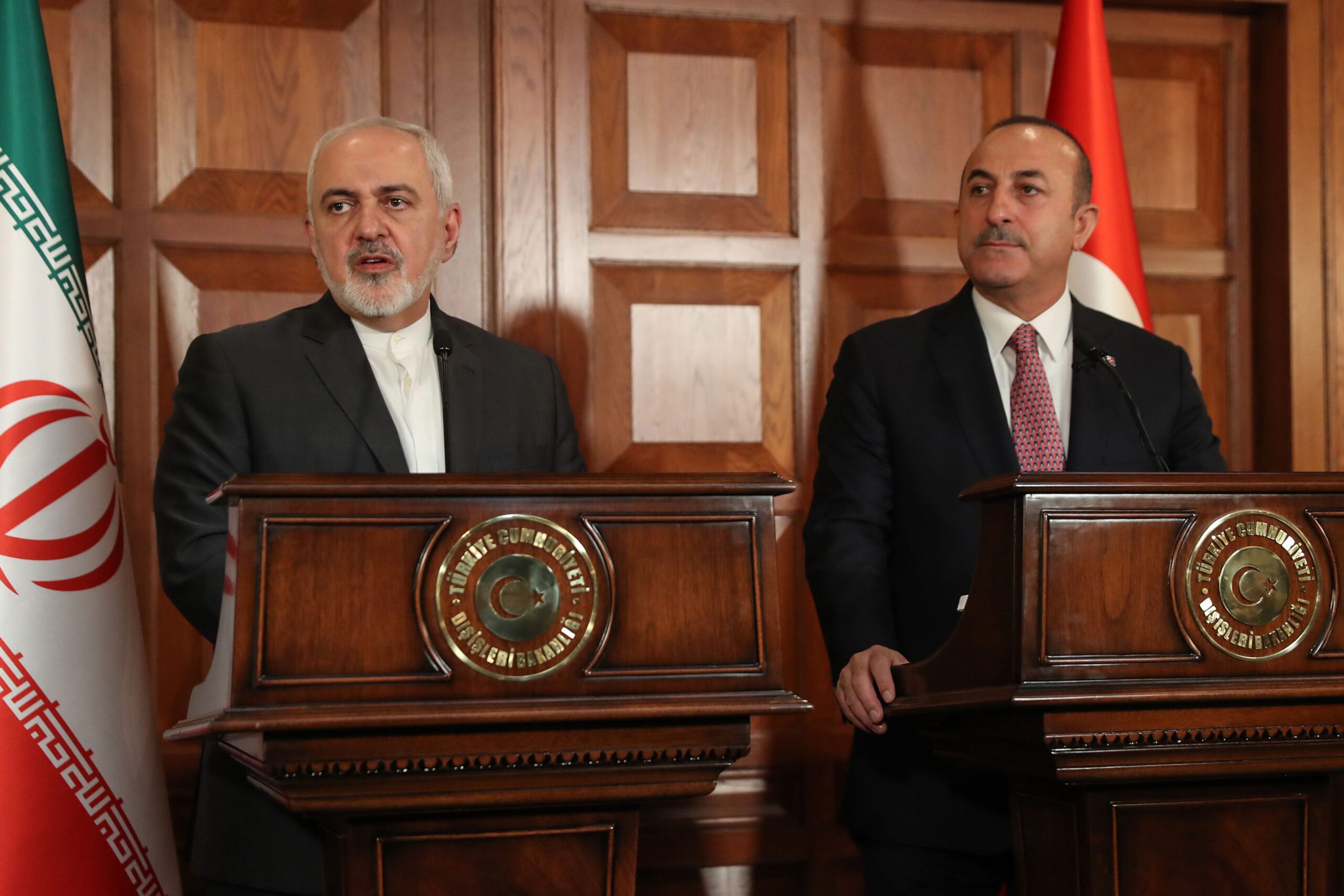
Iran’s huge hydrocarbons reserves and Turkey’s growing demand for oil and gas seem to suggest great potential for energy collaboration. US sanctions and pricing disputes, however, limit and complicate the prospects of such a partnership.