Skip to Content

Afghanistan-Pakistan

Countries

The Mecca Joint Défense Agreement: A New Geometry of Middle Eastern Power?
  • Analysis
  • The Mecca Joint Défense Agreement: A New Geometry of Middle Eastern Power?

    On August 7, 2026, Saudi Arabia, Turkey, and Pakistan signed the Mecca Joint Défense Agreement, a collective-defense pact widely compared to NATO’s Article 5. This essay argues that the comparison is misleading. Mecca borrows NATO’s language of solidarity without yet possessing NATO’s institutional machinery, and the Houthi offensive against Saudi Arabia in September 2026 provided an early and revealing test of what the agreement actually means in practice. Neither Pakistan nor Turkey automatically entered the fight on Saudi Arabia’s behalf, and Washington, despite an initial reluctance to strike directly, remained indispensable through intelligence support and a major proposed F-35 sale. Drawing on realist alliance theory — Hans Morgenthau, Kenneth Waltz, Stephen Walt, Glenn Snyder, and Steven David — and on the precedent of the Central Treaty Organization (CENTO), the essay contends that the Middle East is not dividing into rival blocs but moving from hierarchy toward a looser, overlapping geometry of hedged partnerships, in which American exclusivity is eroding considerably faster than American primacy.

    The Mecca Alliance Meets the Red Sea – Saudi Arabia’s New Defense Pact Faces Its First Major Test
  • Commentary
  • The Mecca Alliance Meets the Red Sea – Saudi Arabia’s New Defense Pact Faces Its First Major Test

    When Saudi Arabia, Turkey and Pakistan agreed to a mutual defense pact in August, it was principally seen as a political commitment. The “Mecca alliance,” as it was dubbed, stipulated that an armed attack on one would be treated as an attack on all three, accompanied by deeper military cooperation.

    The Case for a Middle Course in Afghanistan
  • Commentary
  • The Case for a Middle Course in Afghanistan

    I was a teenage Afghan refugee in Pakistan’s tribal areas when the Twin Towers fell. Almost nobody around us understood the politics of what had happened, but we knew that something had changed for good. Afghanistan, which until then had been our private tragedy and our first exile from Taliban rule, had suddenly become the world’s concern, with the United States leading the response.

    The Latest

    Filter by
    1194 Results
    After Afghanistan: What’s next for Pakistan and the US?
    Photo by AAMIR QURESHI/AFP via Getty Images
  • Analysis
  • After Afghanistan: What’s next for Pakistan and the US?

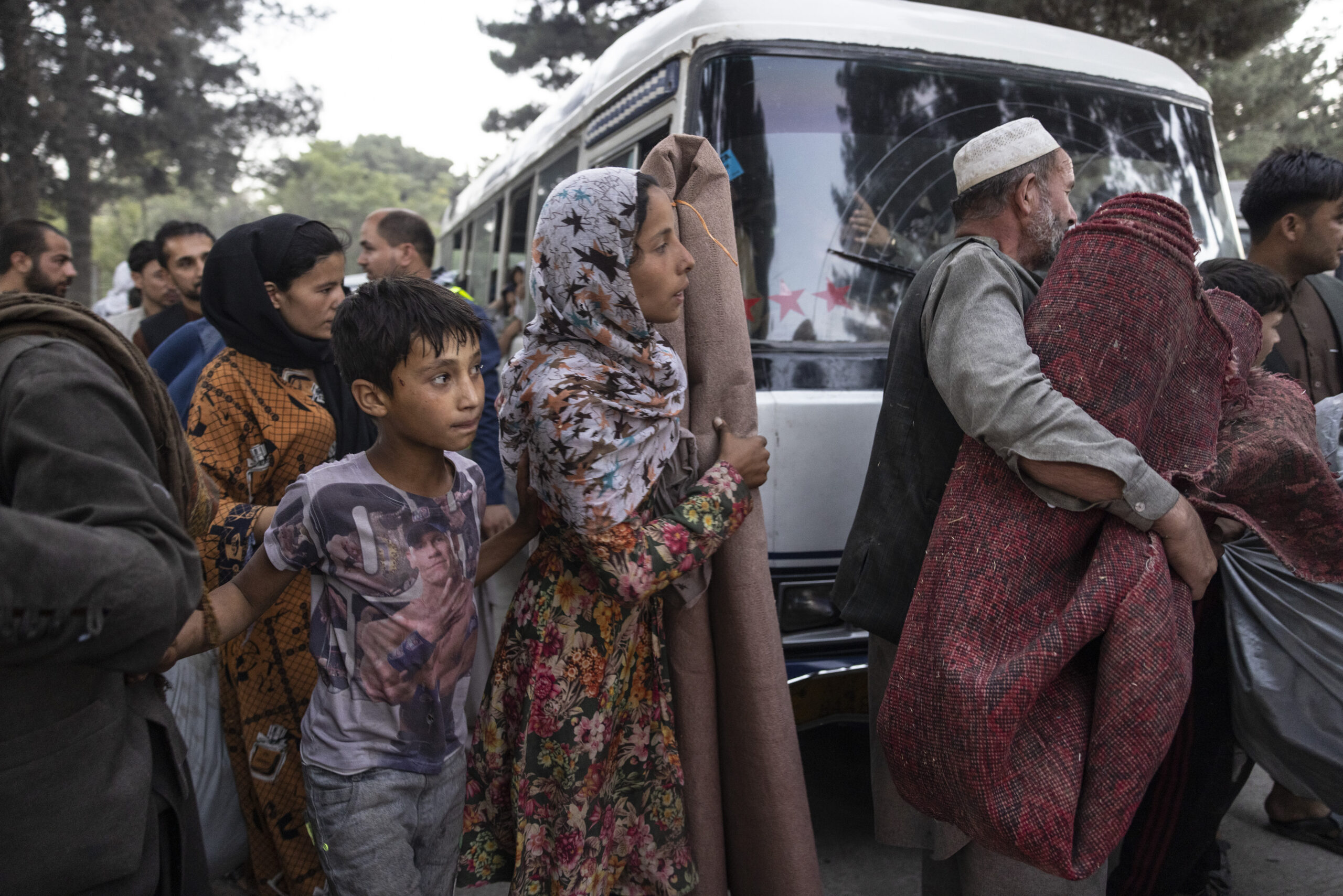
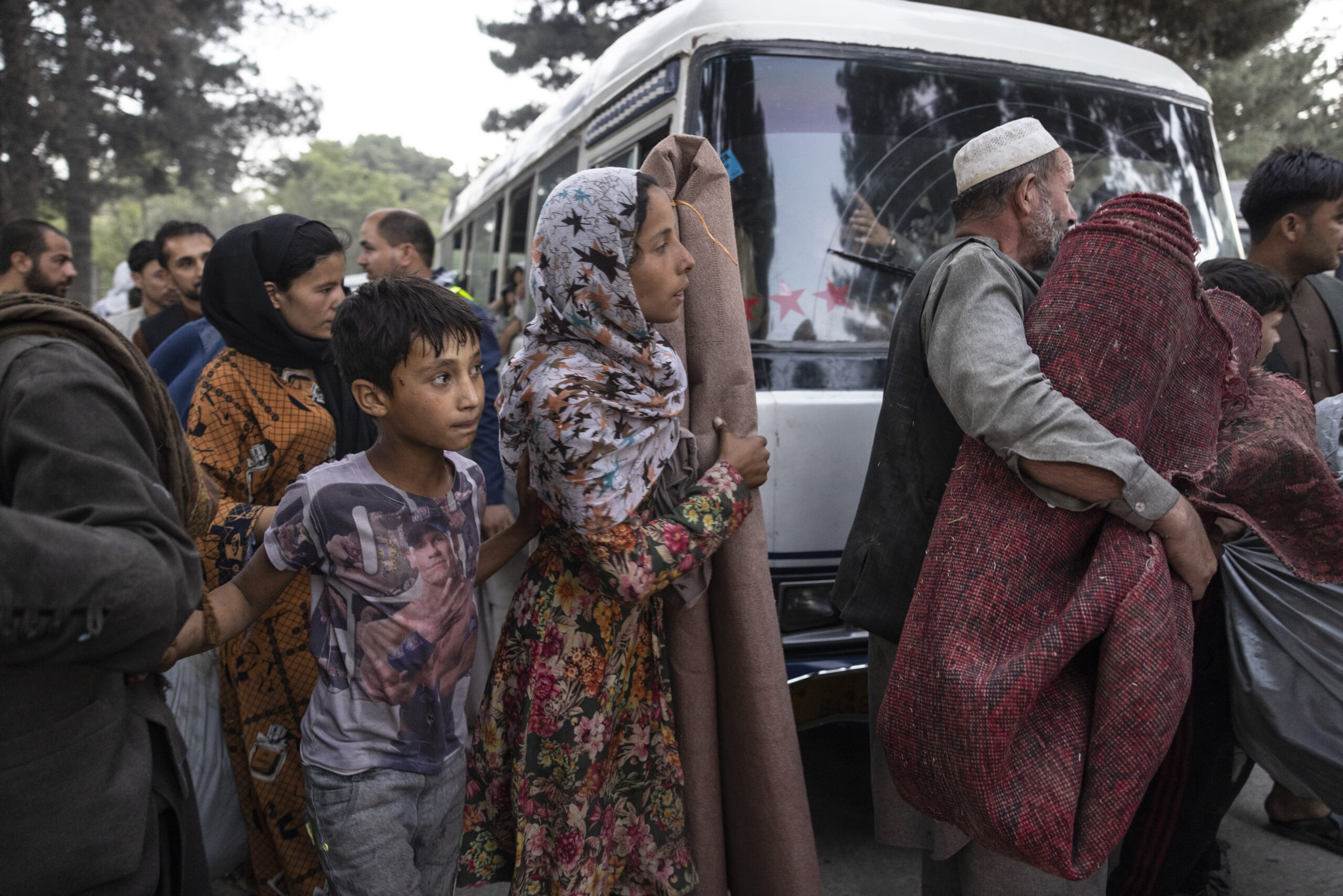
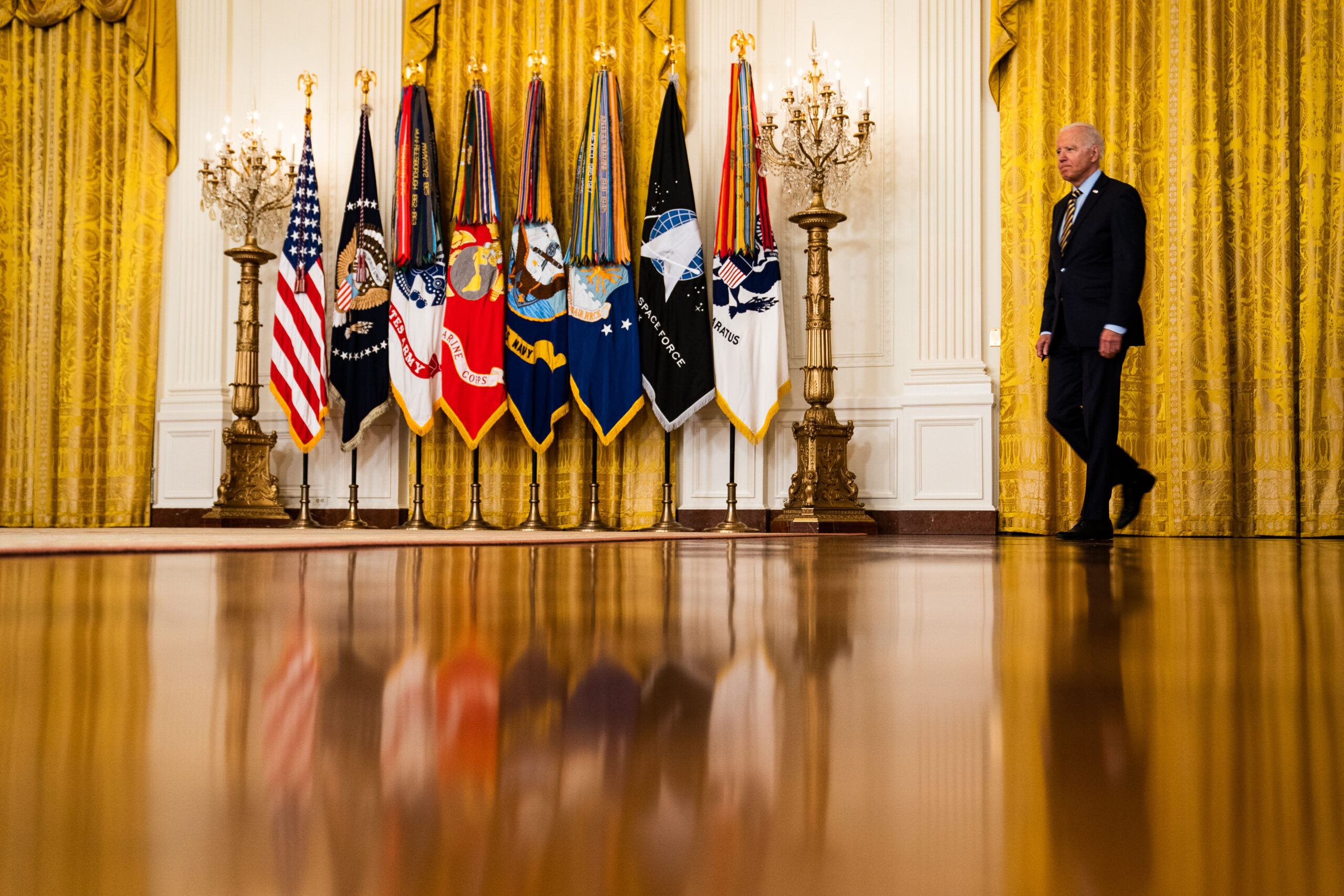
    The evacuation crisis precipitated by the Taliban’s swift takeover of Afghanistan following the rapid withdrawal of American troops may further widen the divide between Pakistan and the United States. The Aug. 26 terror attack at Kabul airport claimed by Islamic State-Khorasan Province (ISKP), ISIS’s local affiliate, is a clear manifestation of Washington’s epic defeat in the two-decade-long “war on terror” and a sign that President Joe Biden is losing his grip on the Afghan narrative.

    September 2, 2021

    In Afghanistan, the Gulf Arab states stepped up
    Photo by Jimmie Baker/U.S. Army via Getty Images
  • Analysis
  • In Afghanistan, the Gulf Arab states stepped up

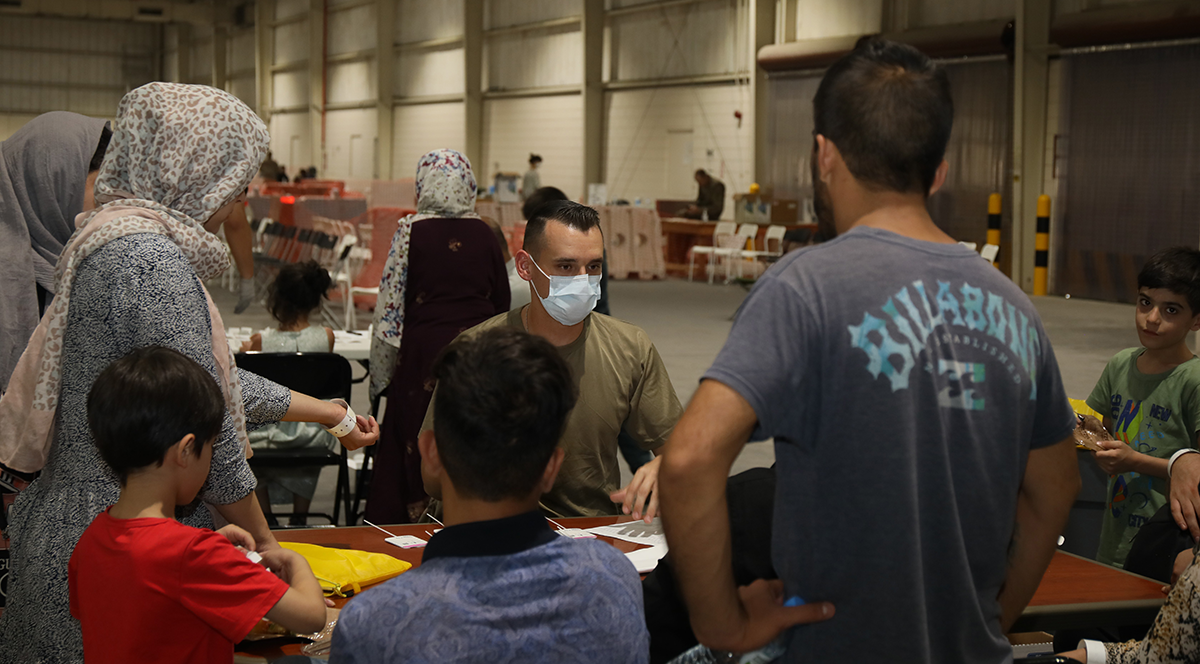
    We rarely miss an opportunity to criticize our Gulf Arab partners — sometimes rightly so — for not doing enough to safeguard collective interests. But one must acknowledge that on Afghanistan, and especially our just-completed exit from the country, most of our Gulf Arab partners absolutely shined. They deserve a ton of credit for the role they played in our large, challenging, and deadly evacuation — a role which was nothing short of indispensable.

    September 1, 2021

    The CIA Is Better Than the U.S. Military at Creating Foreign Armies
  • Commentary
  • The CIA Is Better Than the U.S. Military at Creating Foreign Armies

    The failure of the Afghan army is a reminder that Pentagon-led security cooperation programs are more expensive and less effective than those led by spies.

    September 1, 2021

    Déjà vu all over again in Afghanistan: Negotiating with the Taliban to save heritage sites
    Photo copyright by UNESCO
  • Analysis
  • Déjà vu all over again in Afghanistan: Negotiating with the Taliban to save heritage sites

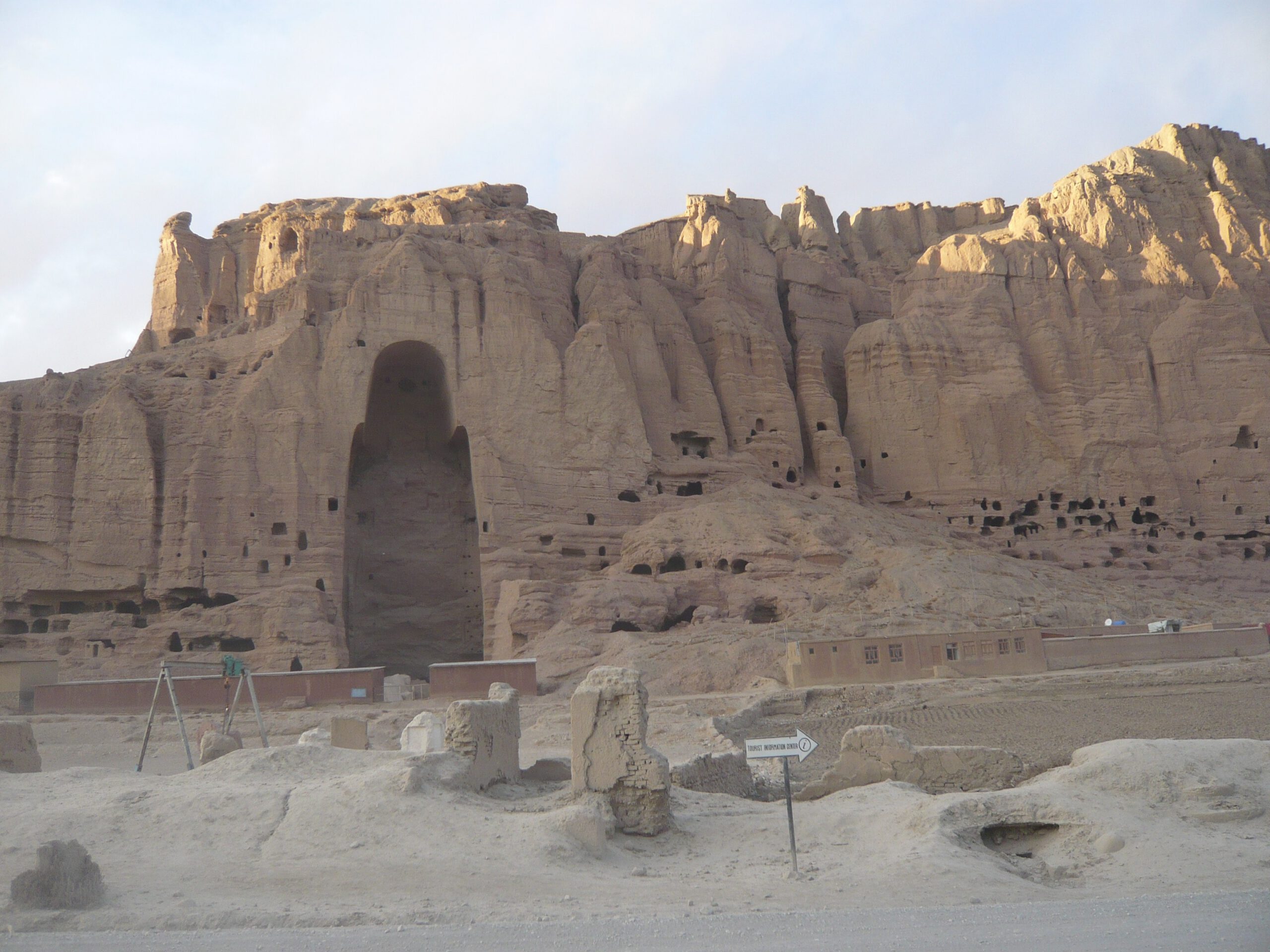
    As the world watches the Taliban takeover of Afghanistan and its aftermath, it’s like déjà vu all over again for the nation’s long-suffering peoples. With the Taliban back in the Bamiyan Valley, the UNESCO World Heritage site where Mullah Omar sanctioned the destruction of the 6th century Buddhas 20 years ago, we’ve seen this movie before and we know how it ends.

    September 1, 2021

    أفغانستان: جهود جبارة وتهديدات جديدة
  • Commentary
  • أفغانستان: جهود جبارة وتهديدات جديدة

    من المهم الاعتراف بالجهود الجبارة التي بذلها ضباطنا في الجيش والخدمة الخارجية والمخابرات لإخراج أكثر من 100 ألف من الأمريكيين ومن الأفغان حاملي تأشيرة الهجرة الخاصة من أفغانستان بالتنسيق مع مئات المتطوعين الذين ساعدوهم في كل من الولايات المتحدة وأفغانستان. والأهم من ذلك هو الاعتراف بالجنود من الرجال والنساء الأمريكيين الذين قدموا أقصى التضحيات لبلدهم من أجل حماية الأمريكيين.

    Afghanistan: The US decides, but will Europe pay the bill?
    Photo by JAVIER SORIANO/AFP via Getty Images
  • Analysis
  • Afghanistan: The US decides, but will Europe pay the bill?

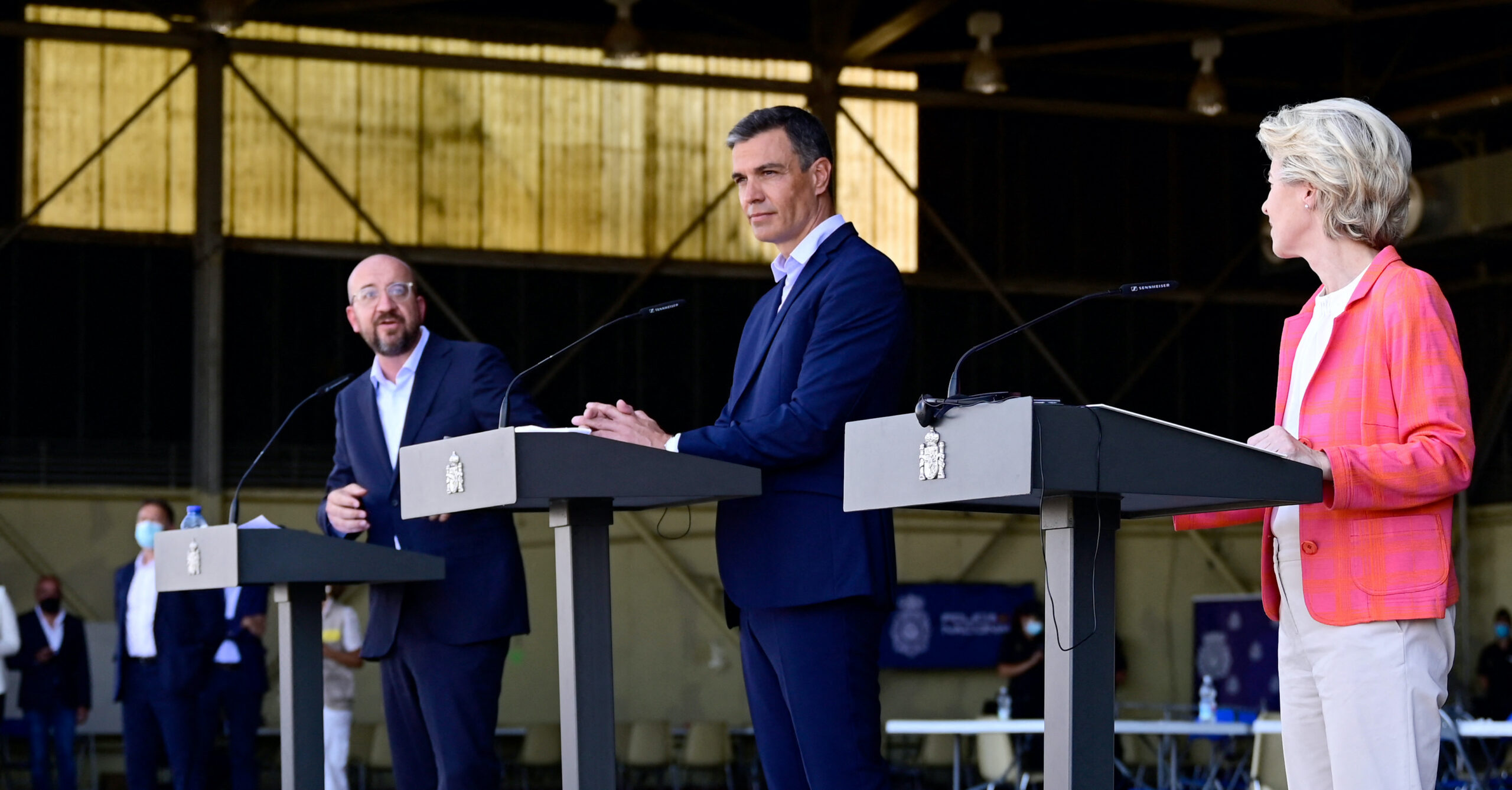
    That the Taliban ended up taking over Afghanistan was not surprising, given the details of the agreement between the U.S. administration and the group’s leadership that have been known for many months. What was surprising for the international community, however, was the speed and manner of their takeover. The Taliban offensive and its consequences came as a particular shock to the institutions of the European Union (EU) and the member states that took part in the International Security Assistance Force (ISAF) mission and various aid programs in the country. When it comes to assessing the consequences of the Taliban’s takeover, there is no doubt that, first and foremost, it is the Afghan people that are most badly affected. Among the members of the international community, it is the Americans that have suffered the greatest reputational and financial losses so far, but from here on out the EU may well be the party that will face the greatest consequences.

    August 27, 2021

    A Way Out Of Biden’s Afghan Trap
  • Commentary
  • A Way Out Of Biden’s Afghan Trap

    The U.N. Security Council could authorize the U.S. and allies to enforce a safe zone for evacuations.

    August 26, 2021

    حلقة 23: آراء من واشنطن – تبعات الانسحاب من أفغانستان
  • Video
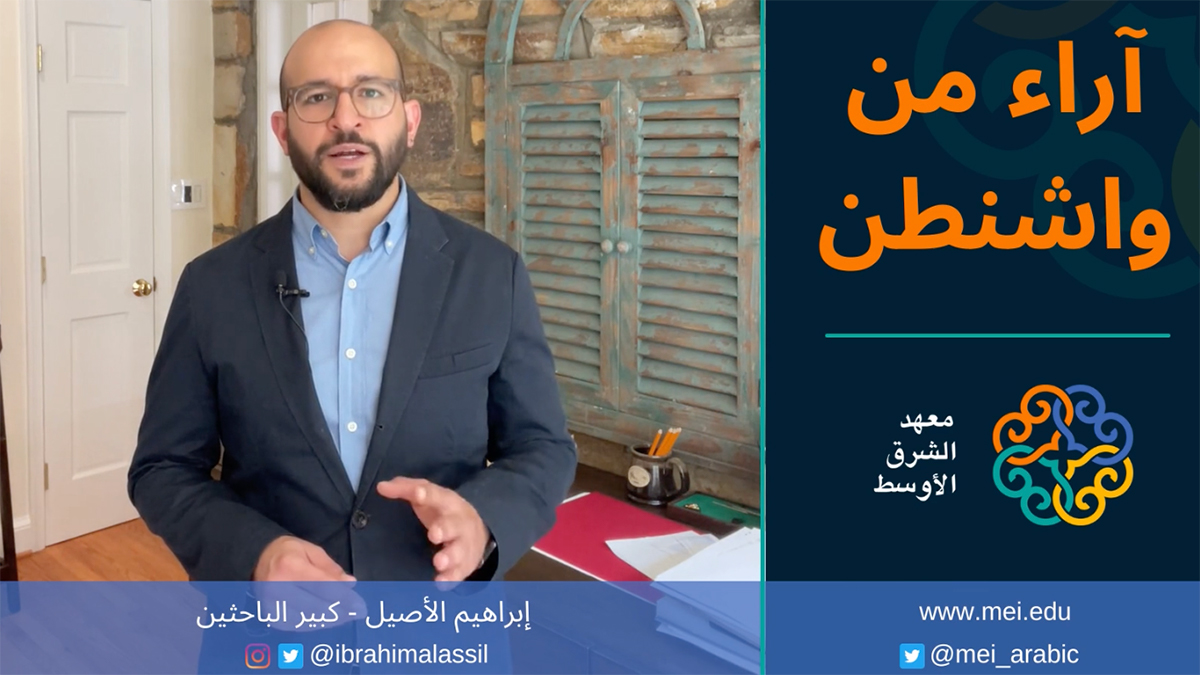
  • حلقة 23: آراء من واشنطن – تبعات الانسحاب من أفغانستان

    ما هي تبعات الانسحاب الأميريكي من أفغانستان على مكافحة الإرهاب وعلى الاستراتيجية الأميريكية وصورتها في الشرق الأوسط؟ يستعرض إبراهيم الأصيل رأياً لبول سالم، رئيس معهد الشرق الأوسط.

    August 26, 2021

    Al Qaeda and lessons from the past 20 years of counterterrorism
    Middle East Institute
  • Podcast
  • Al Qaeda and lessons from the past 20 years of counterterrorism

    Peter Bergen and Colin Clarke join guest host Charles Lister to discuss Bergen’s new book, The Rise and Fall of Osama Bin Laden, as well as the Biden administration’s handling of the US withdrawal from Afghanistan and concerns about the country once again becoming a safe haven for Al Qaeda under the Taliban.

    August 25, 2021

    The Taliban and the formation of a new Afghan government
    Photo by MARCUS YAM/LOS ANGELES TIMES
  • Analysis
  • The Taliban and the formation of a new Afghan government

    A week and a half after the fall of Kabul, the world has yet to fully recover from the shock of how quickly the Ghani regime collapsed. As U.S. and international forces continue their evacuations and many Afghans struggle to leave for Western countries, the formation of a new government in Kabul has picked up pace. The Taliban have been consulting all stakeholders to form a government that has broad support from a variety of Afghan populations — one they say will be “inclusive” and “Islamic” — but what that will actually mean or look like in practice is as yet unclear.

    August 24, 2021

    China-US rivalries after the Afghan war
    Photo by Yang Wenbin/Xinhua via Getty Images.
  • Analysis
  • China-US rivalries after the Afghan war

    As the Great Game between the United States and China unfolds on a global scale, American and Chinese leaders have to make a choice — will they clash more openly in a struggle to dominate Afghanistan and its neighboring regions or will they rein in their ambitions and jealousies to accomplish goals that benefit themselves and many others?

    August 24, 2021

    Read the Middle East Journal

    The oldest peer-reviewed publication dedicated to the study of the modern Middle East, MEI’s flagship journal covers politics, society, and culture in the region.