Skip to Content

Afghanistan-Pakistan

Countries

The Mecca Joint Défense Agreement: A New Geometry of Middle Eastern Power?
  • Analysis
  • The Mecca Joint Défense Agreement: A New Geometry of Middle Eastern Power?

    On August 7, 2026, Saudi Arabia, Turkey, and Pakistan signed the Mecca Joint Défense Agreement, a collective-defense pact widely compared to NATO’s Article 5. This essay argues that the comparison is misleading. Mecca borrows NATO’s language of solidarity without yet possessing NATO’s institutional machinery, and the Houthi offensive against Saudi Arabia in September 2026 provided an early and revealing test of what the agreement actually means in practice. Neither Pakistan nor Turkey automatically entered the fight on Saudi Arabia’s behalf, and Washington, despite an initial reluctance to strike directly, remained indispensable through intelligence support and a major proposed F-35 sale. Drawing on realist alliance theory — Hans Morgenthau, Kenneth Waltz, Stephen Walt, Glenn Snyder, and Steven David — and on the precedent of the Central Treaty Organization (CENTO), the essay contends that the Middle East is not dividing into rival blocs but moving from hierarchy toward a looser, overlapping geometry of hedged partnerships, in which American exclusivity is eroding considerably faster than American primacy.

    The Mecca Alliance Meets the Red Sea – Saudi Arabia’s New Defense Pact Faces Its First Major Test
  • Commentary
  • The Mecca Alliance Meets the Red Sea – Saudi Arabia’s New Defense Pact Faces Its First Major Test

    When Saudi Arabia, Turkey and Pakistan agreed to a mutual defense pact in August, it was principally seen as a political commitment. The “Mecca alliance,” as it was dubbed, stipulated that an armed attack on one would be treated as an attack on all three, accompanied by deeper military cooperation.

    The Case for a Middle Course in Afghanistan
  • Commentary
  • The Case for a Middle Course in Afghanistan

    I was a teenage Afghan refugee in Pakistan’s tribal areas when the Twin Towers fell. Almost nobody around us understood the politics of what had happened, but we knew that something had changed for good. Afghanistan, which until then had been our private tragedy and our first exile from Taliban rule, had suddenly become the world’s concern, with the United States leading the response.

    The Latest

    Filter by
    1194 Results
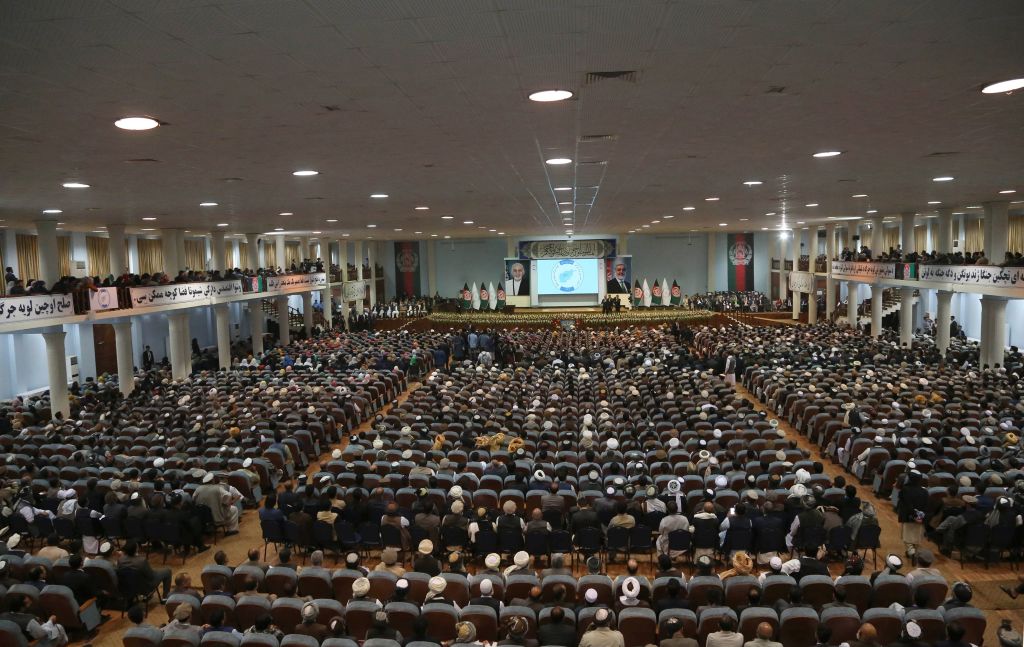
    The rocky road to intra-Afghan dialogue
    Afghan people attend the first day of the
  • Analysis
  • The rocky road to intra-Afghan dialogue

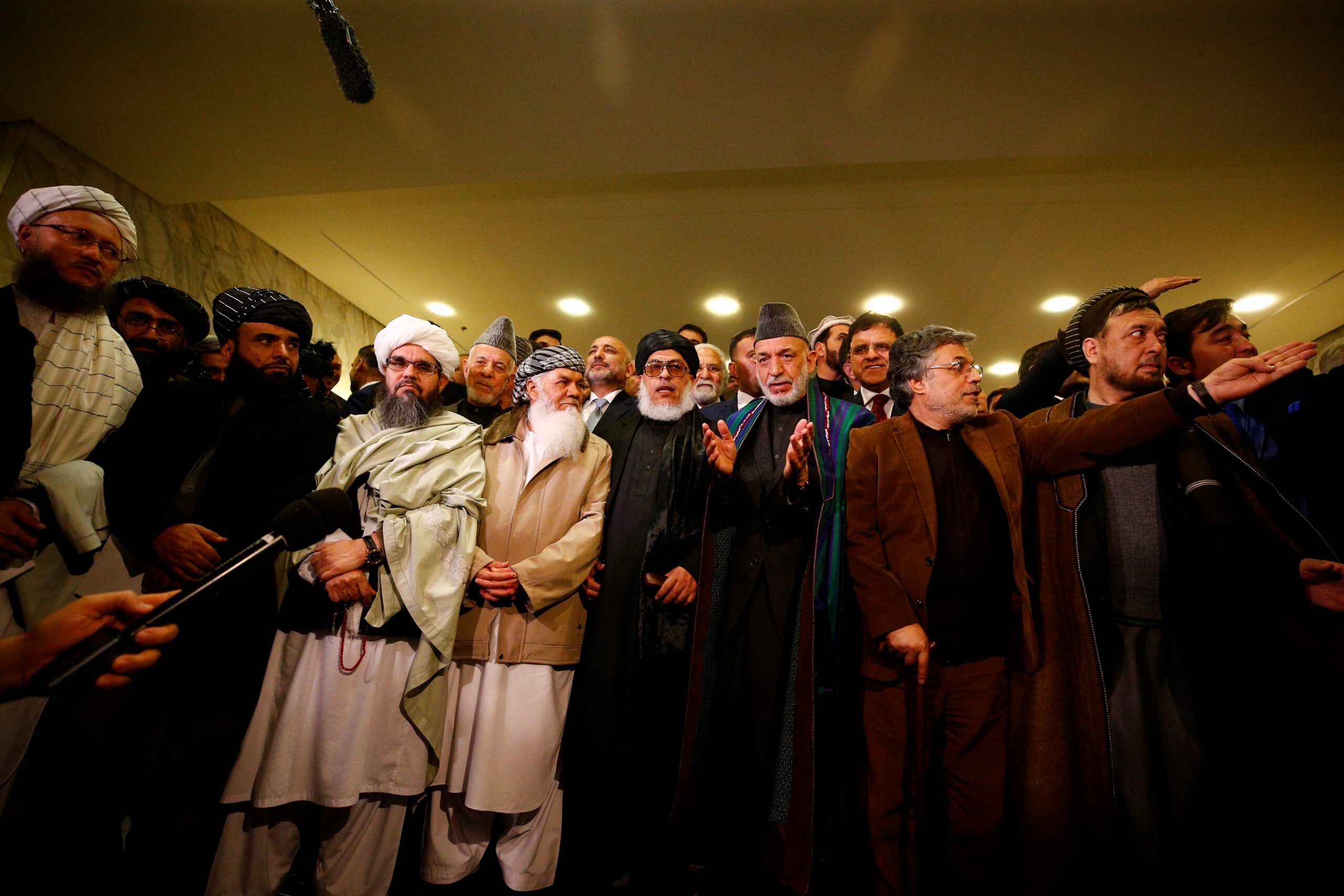
    U.S. Special Representative Zalmay Khalilzad is holding talks with the Afghan Taliban to make sure the guns fall silent in Afghanistan. But getting the Taliban to agree on a ceasefire and engage in an intra-Afghan dialogue is severely testing Khalilzad’s negotiating skills; the fifth round of talks in Doha lasted for 16 days. If the intra-Afghan dimension cannot be made to work, it will likely lead to not only a more complicated political process, but also a far more dangerous one.

    May 13, 2019

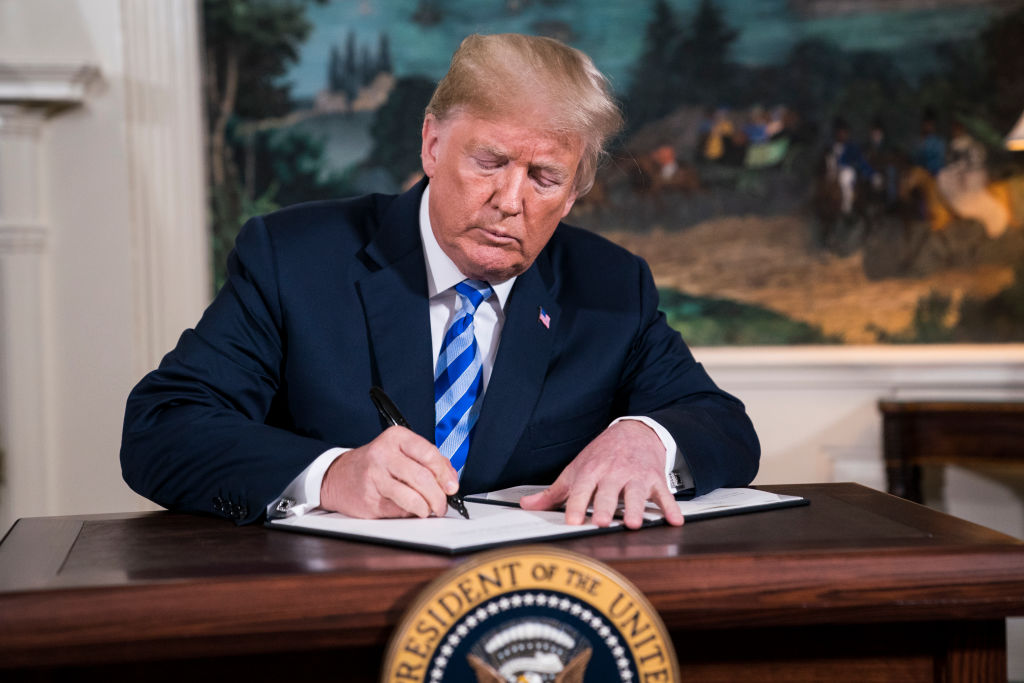
    Monday Briefing: Troubled paths ahead for US and Iran
  • Analysis
  • Monday Briefing: Troubled paths ahead for US and Iran

    In this week’s Monday Briefing, MEI experts Paul Salem, Randa Slim, and Marvin G. Weinbaum provide analysis on recent and upcoming events including the anniversary of the US withdrawal from the Iran nuclear deal, the economic crisis in Lebanon, and ongoing peace talks in Afghanistan.

    May 6, 2019

    Jihadists' Code of Conduct in the Era of ISIS
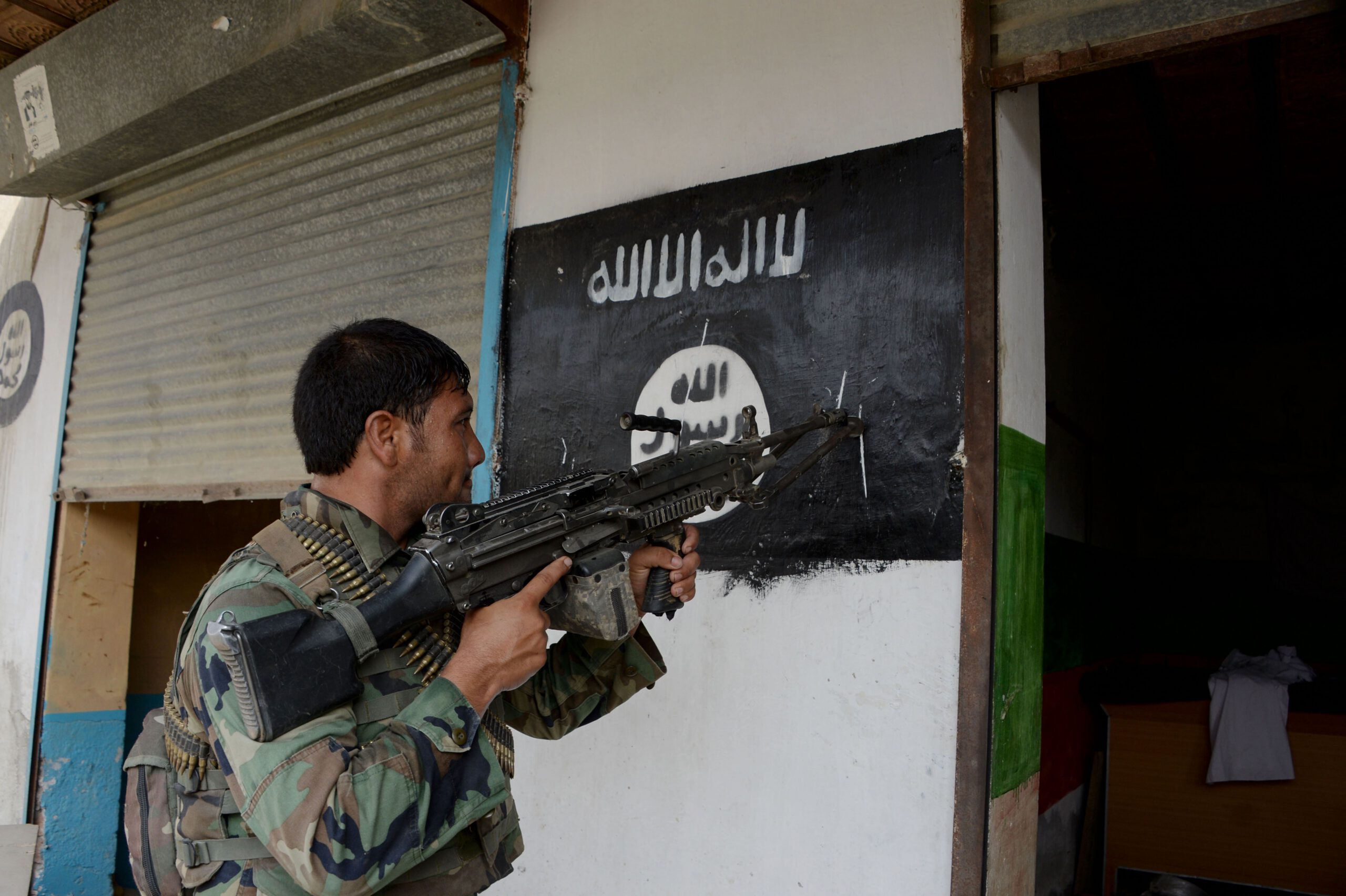
    An Afghan soldier points his gun at an ISIS banner as he patrols in Nangarhar Province
  • Analysis
  • Jihadists' Code of Conduct in the Era of ISIS

    The rise of ISIS post-2013 changed how we perceive jihadism, but it also transformed how jihadists perceive themselves and how they behave. ISIS’s brutality and indiscriminate violence created unprecedented fragmentation within the jihadi movement, leading to critical self-reflection and changes in codes of conduct. This paper examines how three different jihadi groups – the Afghan Taliban, al-Qaeda in the Indian Sub-Continent, and Tehreek- e-Taliban Pakistan (or the Pakistani Taliban) – responded to the challenges presented by ISIS.

    April 29, 2019

    Monday Briefing: US and key partners on course for conflict over Iran oil waivers
    Kharg Island Oil Terminal in Iran
  • Analysis
  • Monday Briefing: US and key partners on course for conflict over Iran oil waivers

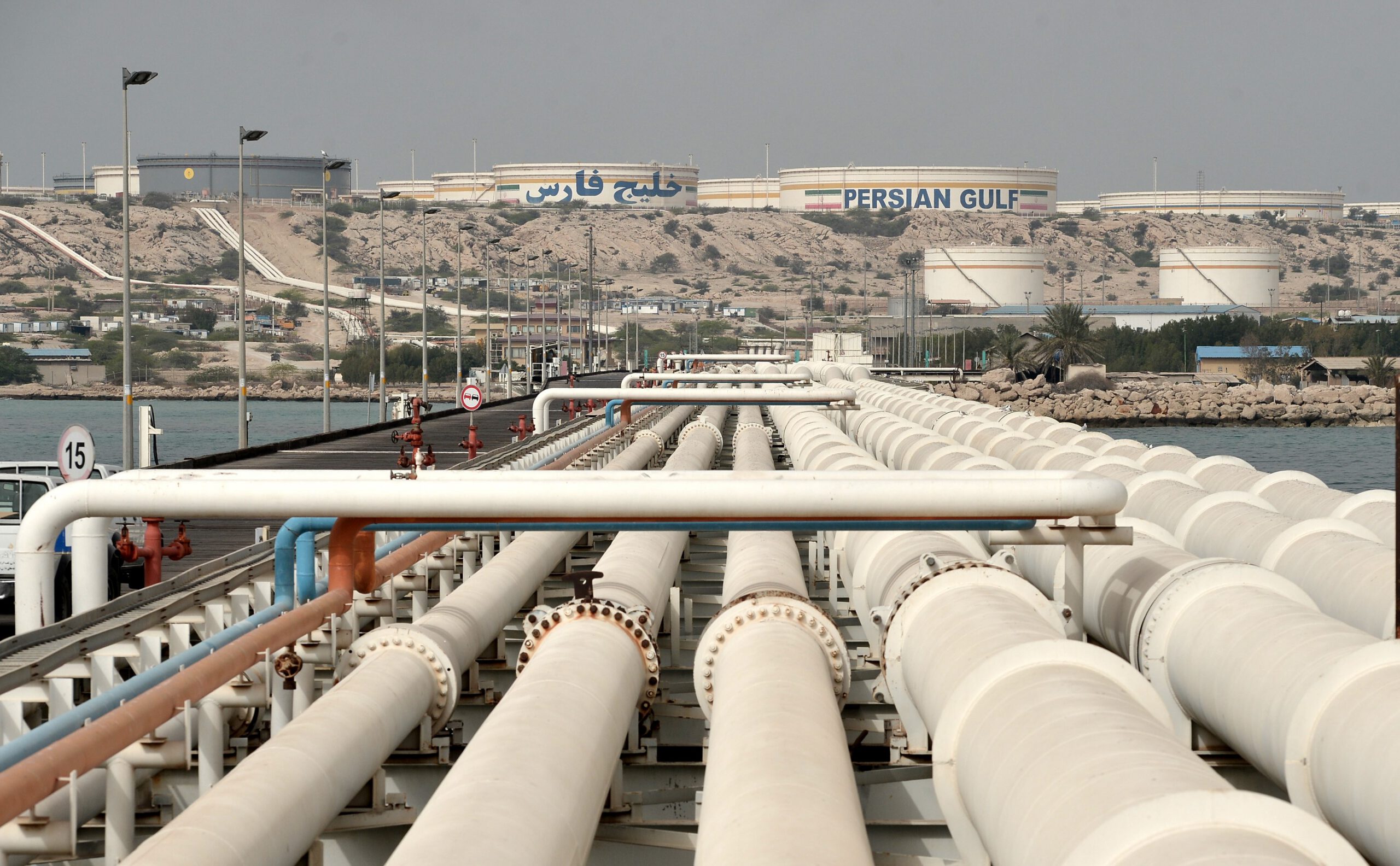
    In this week’s Monday Briefing, MEI experts Gerald Feierstein, Marvin G. Weinbaum, Randa Slim, Emadeddin Badi, and Robert S. Ford provide analysis on recent and upcoming events including the US decision to end Iran oil waivers, the flagging Afghan peace process, Iraq’s evolving regional policy, the status of General Hifter’s offensive in Libya, and Russia’s maneuvering to control the upcoming Syria talks in Astana.

    US-Taliban talks strain ties between Washington and Kabul
    Afghan President Ashraf Ghani receives U.S. special envoy to Afghanistan Zalmay Khalilzad at the Presidential Palace in Kabul, Afghanistan on February 18, 2019.
  • Analysis
  • US-Taliban talks strain ties between Washington and Kabul

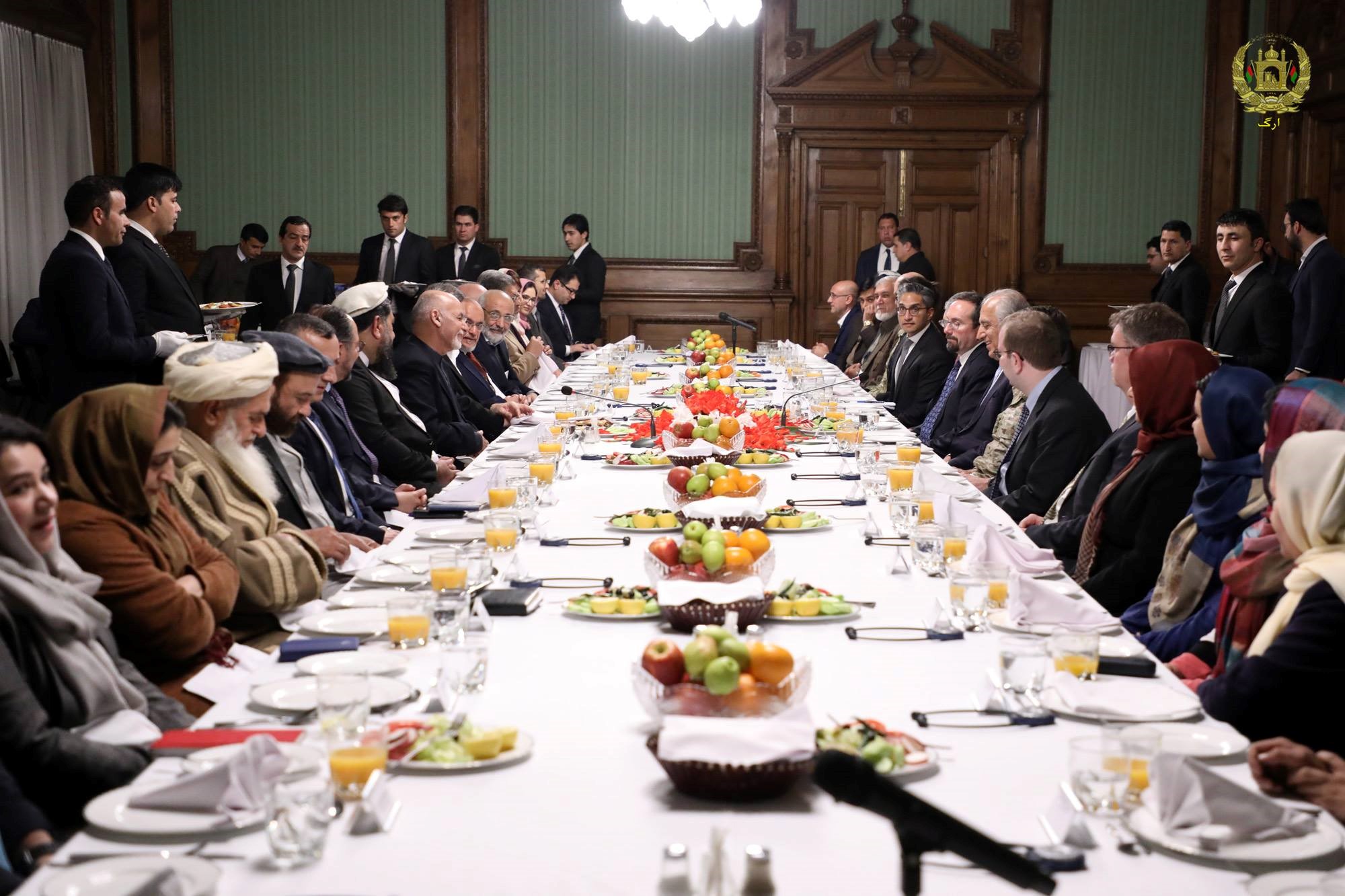
    More than six months on, the Afghan government remains excluded from U.S.-Taliban peace talks, and the Taliban still refuses to engage with the authorities in Kabul or halt its deadly attacks. The exclusion of the Afghan government has caused severe strains in the relationship between Washington and Kabul.

    April 2, 2019

    Monday Briefing: Too little too late in Algeria?
  • Analysis
  • Monday Briefing: Too little too late in Algeria?

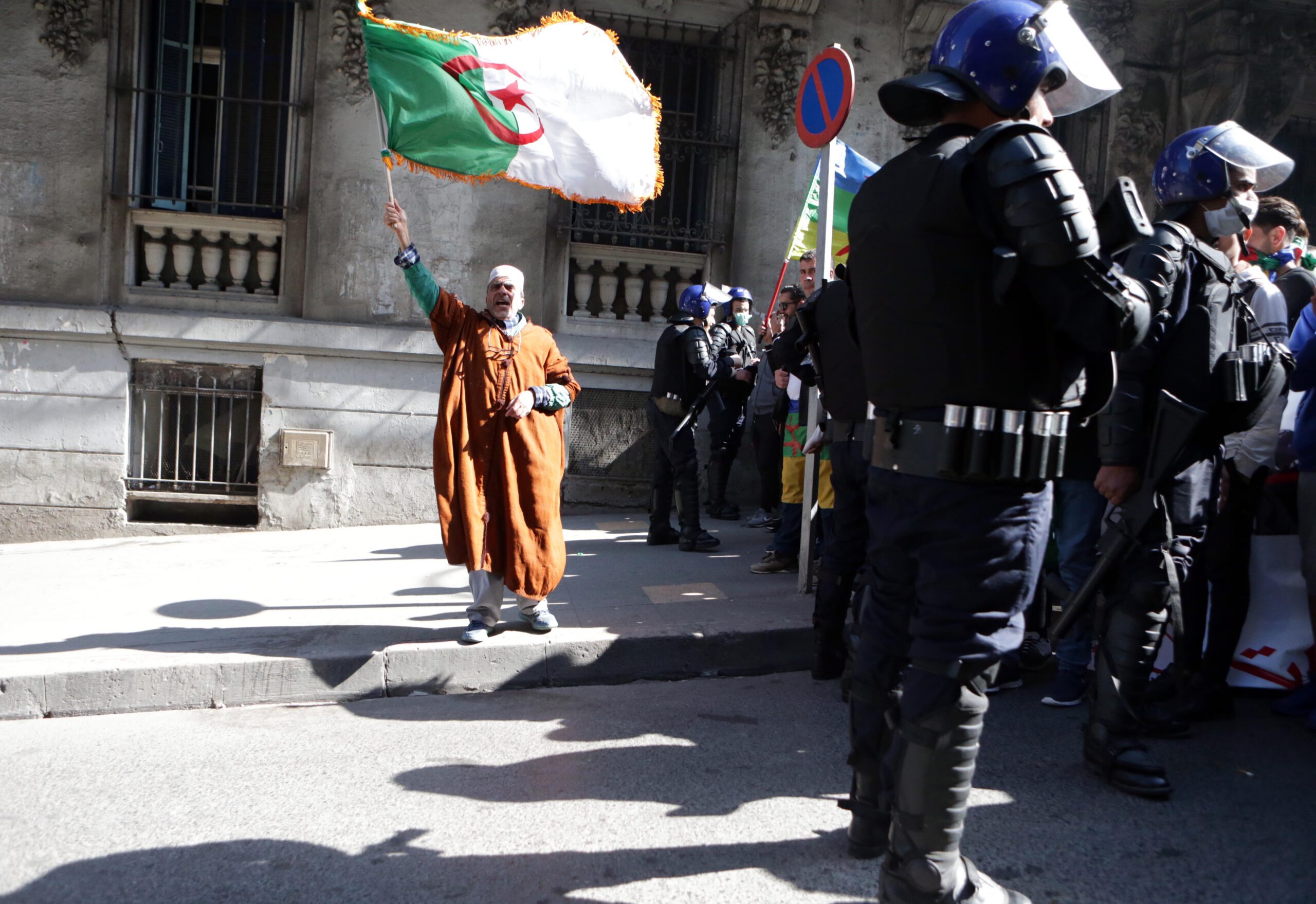
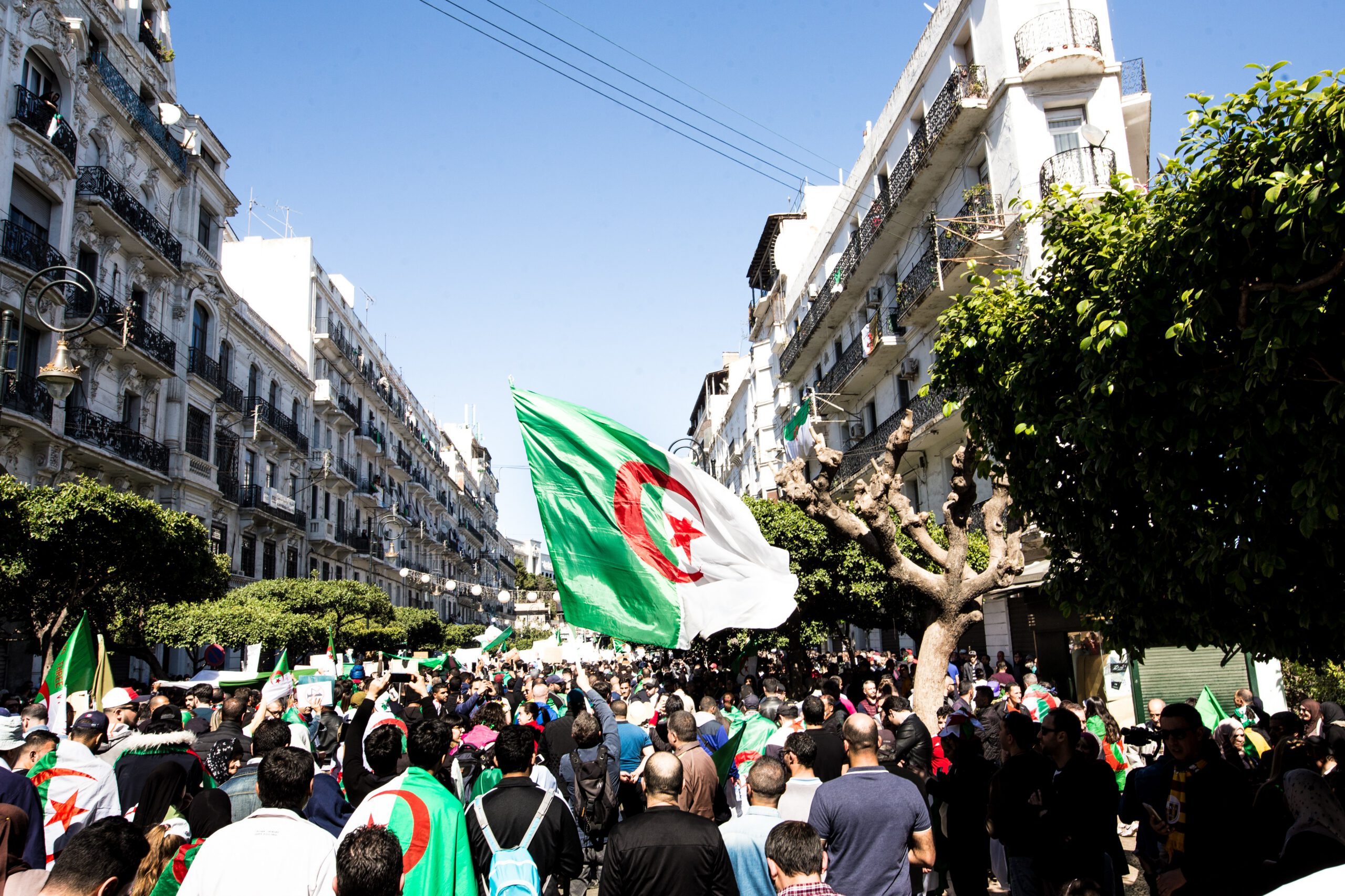
    In this week’s Monday Briefing, MEI experts Robert S. Ford, Mirette F. Mabrouk, Nathan Stock, Marvin G. Weinbaum, and Jean-François Seznec provide analysis on recent and upcoming events including the government shakeup in Algeria, Egyptian President el-Sissi’s visit to Washington, rocket attacks from Gaza, Imran Khan’s war against poverty, and a $69 billion merger between Saudi Arabia’s oil and chemical giants.

    Monday Briefing: Algeria's political crisis is deepening
  • Analysis
  • Monday Briefing: Algeria's political crisis is deepening

    In this week’s Monday Briefing, MEI experts Robert S. Ford, Paul Salem, Marvin G. Weinbaum, Wa’el Alzayat, and Alex Vatanka provide analysis on recent and upcoming events including Algeria’s ongoing political crisis, the 16th anniversary of the U.S.-led invasion of Iraq, criticism of the U.S.-Taliban talks by Afghanistan’s national security advisor, international fundraising efforts to aid Syria, and Iranian President Hassan Rouhani’s fading political clout.

    Saudi crown prince’s Asia trip showcases checkbook diplomacy and a more assertive foreign policy
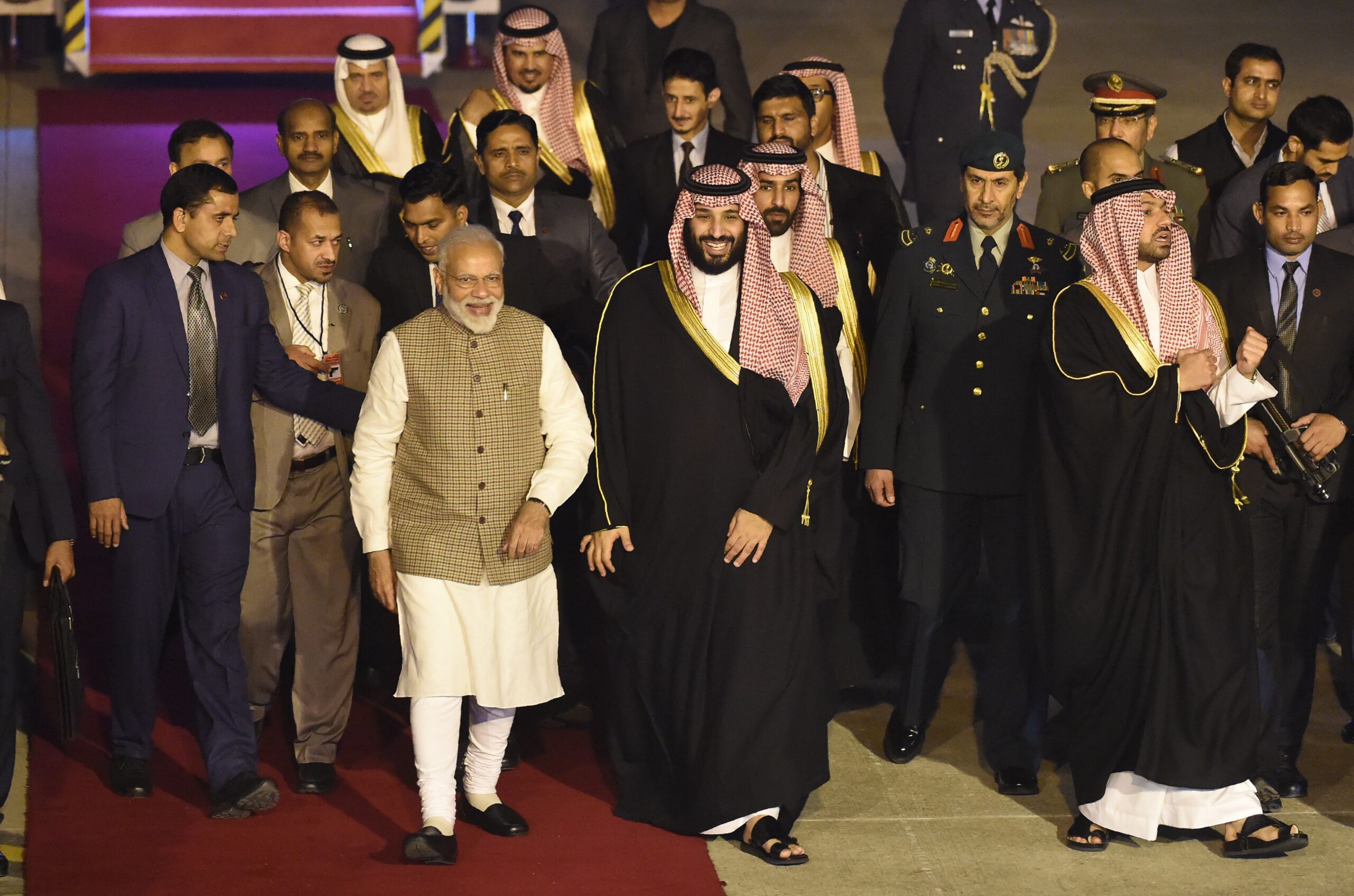
    Saudi Crown Prince Mohammed bin Salman walks next to Indian Prime Minister Narendra Modi upon arriving at the airport in New Delhi on February 19, 2019.
  • Analysis
  • Saudi crown prince’s Asia trip showcases checkbook diplomacy and a more assertive foreign policy

    Saudi Crown Prince Mohammed bin Salman has wrapped up another round of checkbook diplomacy, showering up to $100 billion on Pakistan, India, and China during his visit to the three countries in late February. The trip was important for another reason as well: It showcased a new Saudi strategy of playing a more assertive foreign-policy role far beyond the Middle East.

    March 13, 2019

    Monday Briefing: Iran's Rouhani heads to Baghdad
  • Analysis
  • Monday Briefing: Iran's Rouhani heads to Baghdad

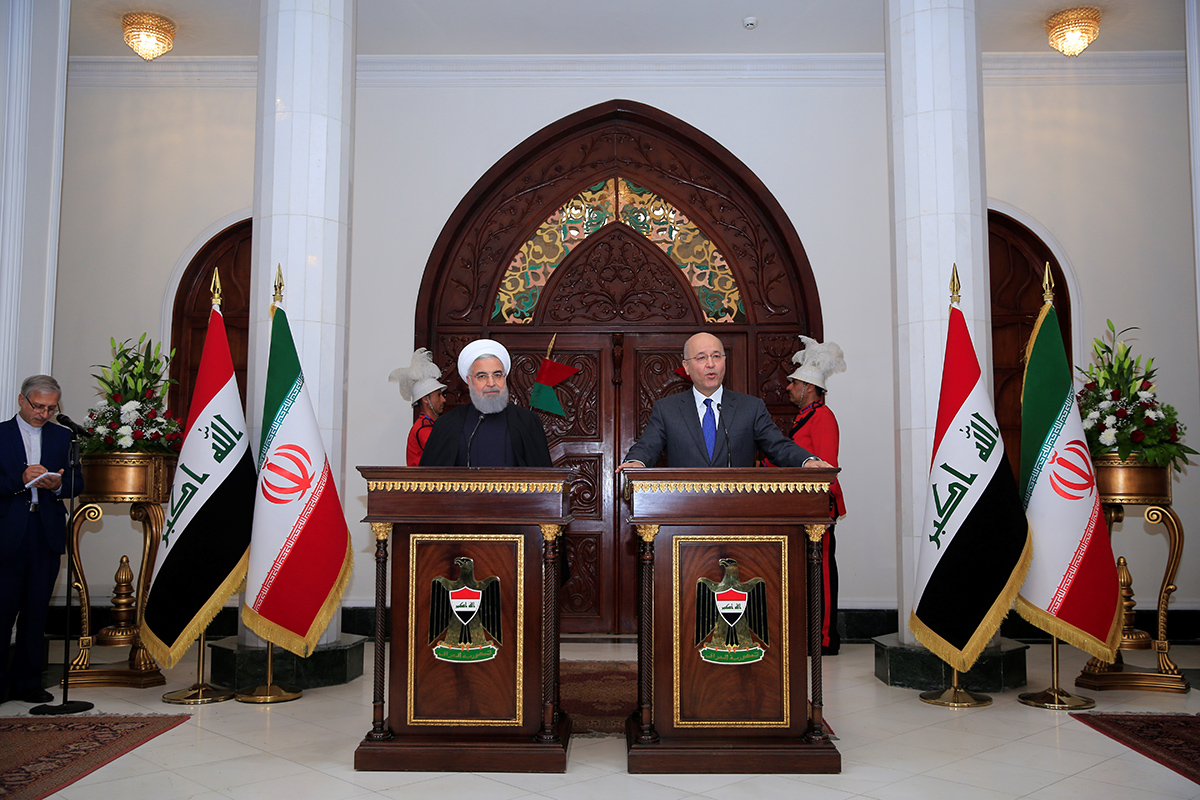
    In this week’s Monday Briefing, MEI experts Randa Slim, Robert S. Ford, Marvin G. Weinbaum, James P. Farwell, Emadeddin Badi, Guney Yildiz, and Jean-François Seznec provide analysis on recent and upcoming events including Iranian President Hassan Rouhani’s visit to Baghdad, reconstruction efforts in Syria, the crackdown on militant Islamists in Pakistan, Iran’s cyber attack capabilities, upcoming elections in Libya, Turkish-Egyptian tensions, and Qatar’s $12B loan from bond markets.

    Monday Briefing: Tenuous promise in Pakistan and Afghanistan
  • Analysis
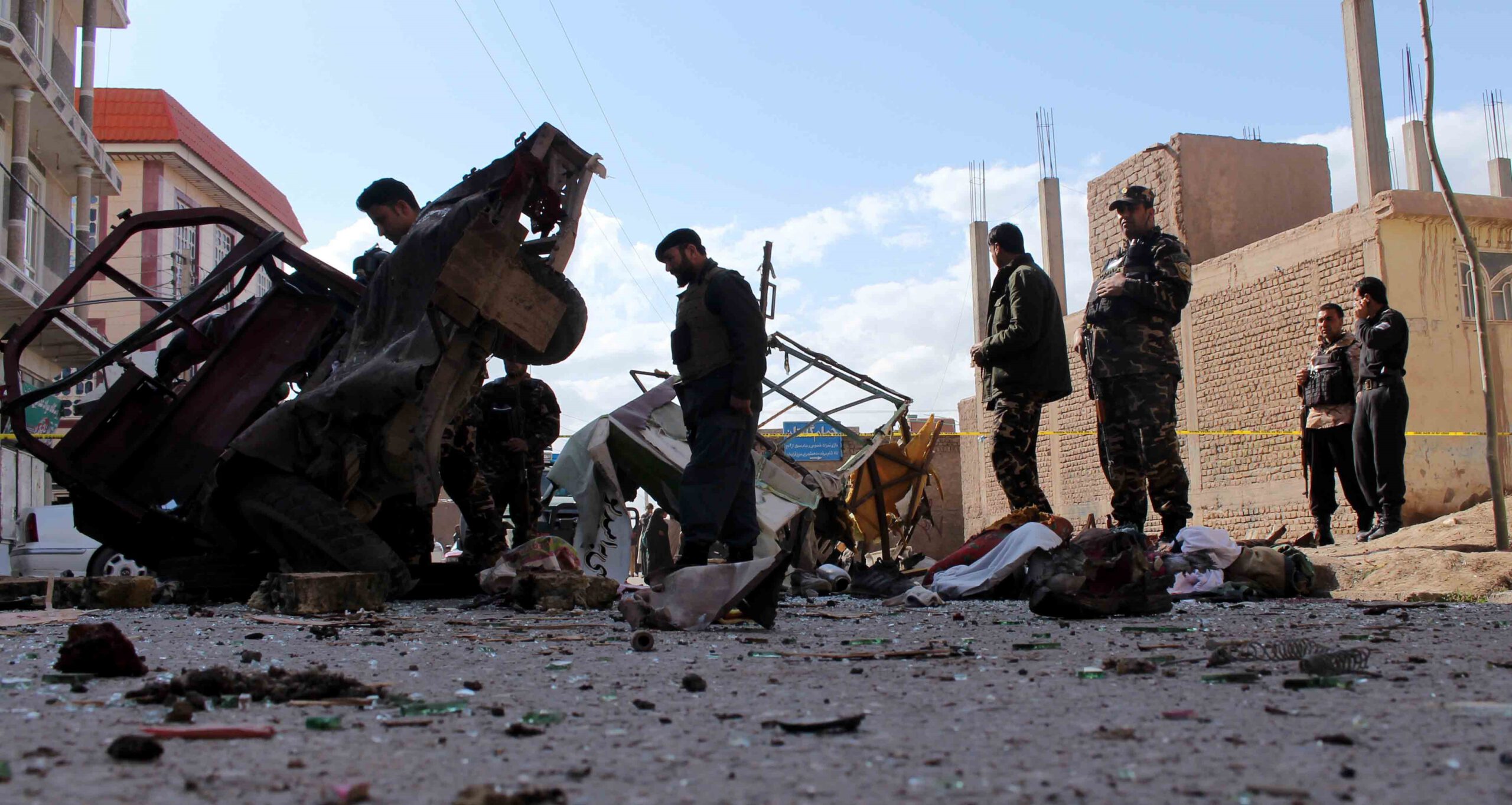
  • Monday Briefing: Tenuous promise in Pakistan and Afghanistan

    In this week’s Monday Briefing, MEI experts Marvin G. Weinbaum, Robert S. Ford, Alex Vatanka, and Birol Baskan provide analysis on recent and upcoming events including a potential agreement between Pakistan and Afghanistan, protests in Algeria, Rouhani’s planned trip to Baghdad, and recent Turkish naval exercises.

    Pakistan’s border standoff and domestic politics
  • Podcast
  • Pakistan’s border standoff and domestic politics

    Madiha Afzal, visiting fellow at Brookings, and MEI’s Marvin Weinbaum join host Alistair Taylor to discuss Pakistan’s latest flare-up with India, the recent visit of Saudi Crown Prince Mohammed bin Salman, the US-Taliban talks, and the political and economic challenges facing the government of Imran Khan.

    March 1, 2019

    Monday Briefing: Egypt hosts first EU-Arab League summit
  • Analysis
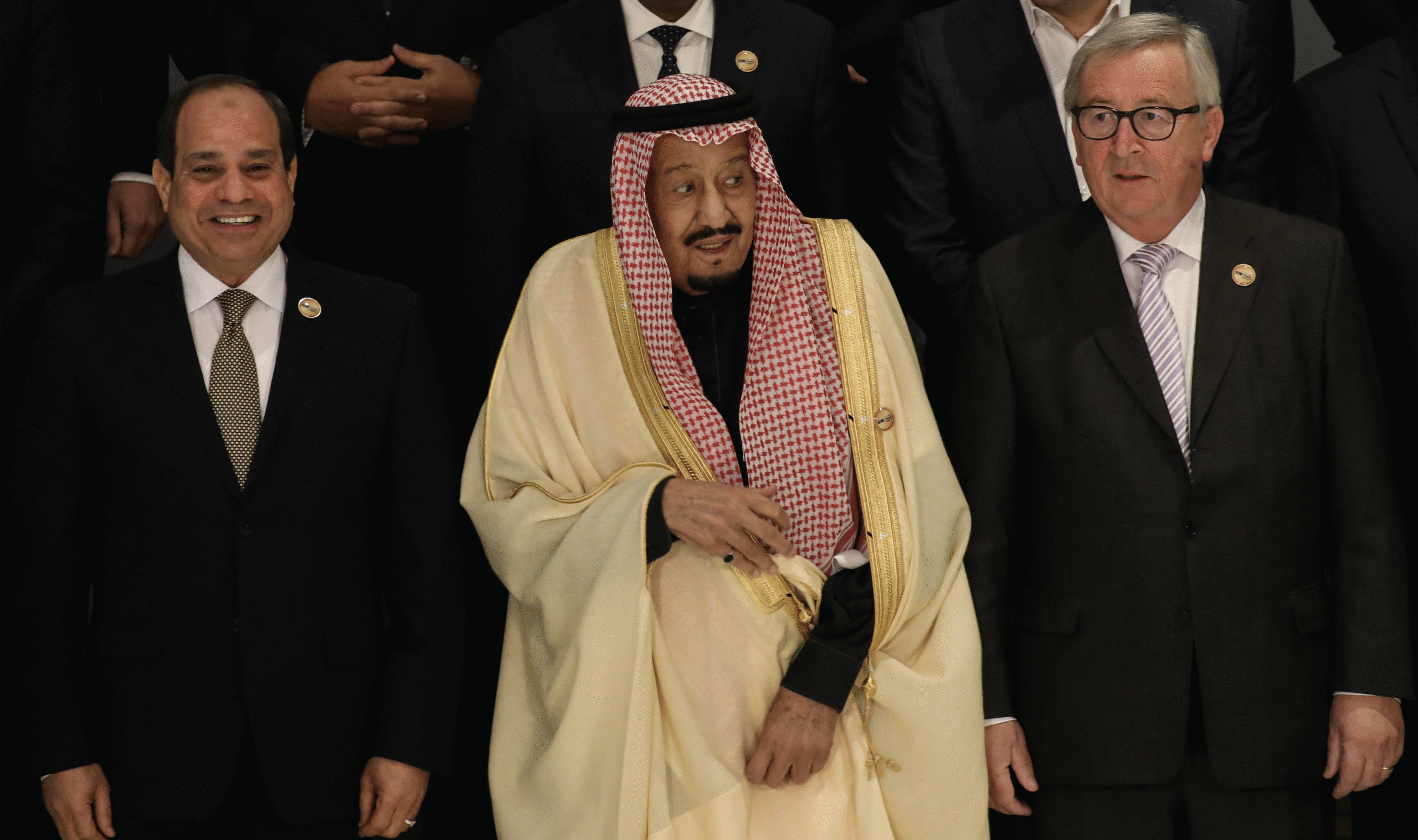
  • Monday Briefing: Egypt hosts first EU-Arab League summit

    In this week’s Monday Briefing, contributors Mirette F. Mabrouk, Gerald Feierstein, Marvin G. Weinbaum, Przemysław Osiewicz, Grace Wermenbol, and W. Robert Pearson provide analysis on recent and upcoming events including the EU-Arab League summit, the progress in US-Taliban talks, challenges to Israeli Prime Minister Benjamin Netanyahu’s power, consequences of the Kashmir attack, and Turkey’s next steps in Syria.

    Afghanistan's Unending Wars
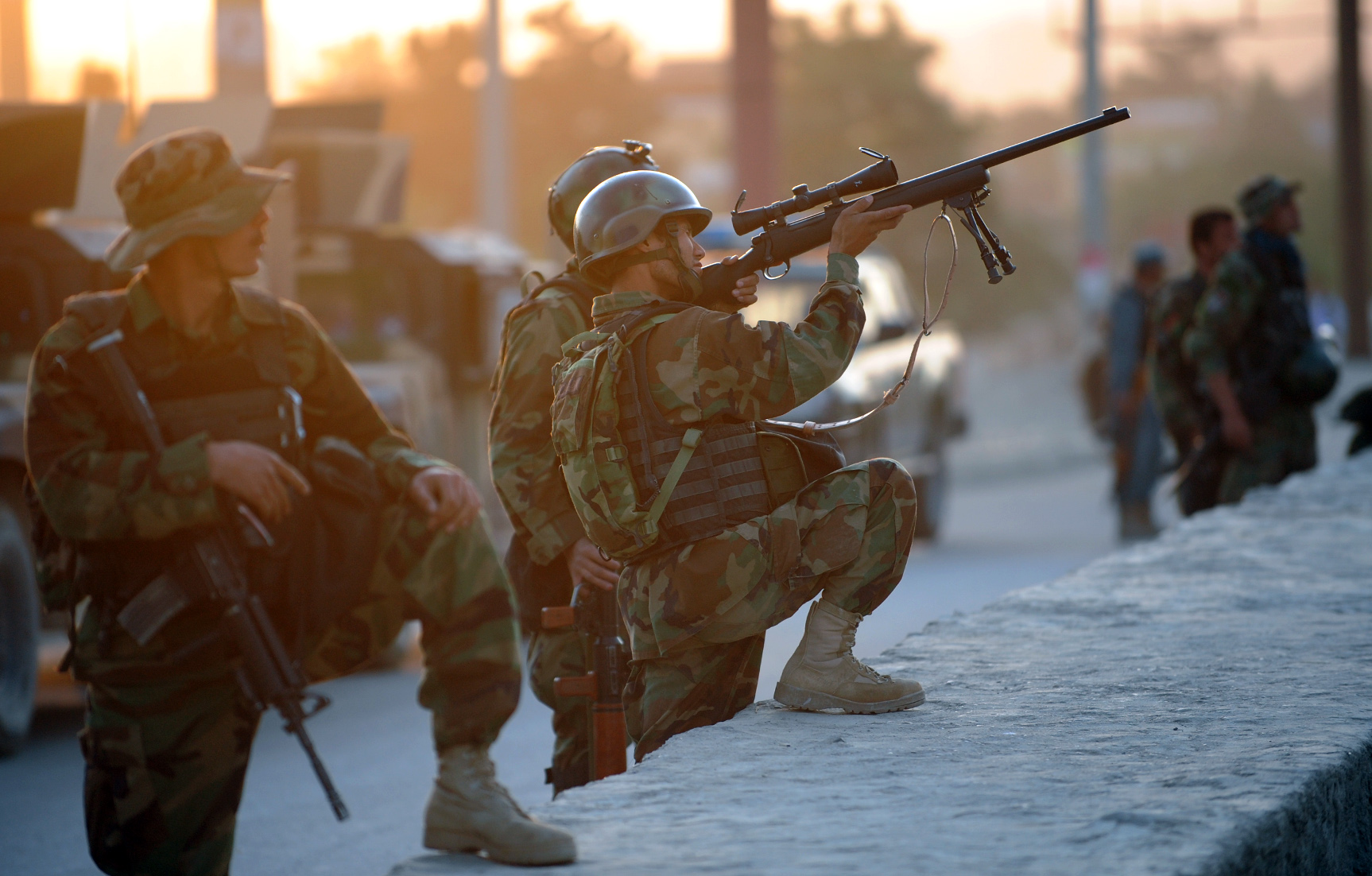
    An Afghan soldier aims his gun as he guards the area surrounding the Intercontinental hotel during a military operation against Taliban militants that stormed the hotel in Kabul on June 29, 2011.
  • Analysis
  • Afghanistan's Unending Wars

    The current conflict in Afghanistan, the latest in a series of perpetual wars and episodes of civil strife over the past 40 years, is strategically stalemated. While the Taliban are willing to negotiate with the U.S. about the withdrawal of foreign troops from the country, they continue to reject direct talks with the Afghan government for a political settlement. Even with inclusive peace talks, there is reason to question whether the Taliban’s vision of a future Afghan state and society can be reconciled with a liberal, democratic constitutional order.

    Read the Middle East Journal

    The oldest peer-reviewed publication dedicated to the study of the modern Middle East, MEI’s flagship journal covers politics, society, and culture in the region.