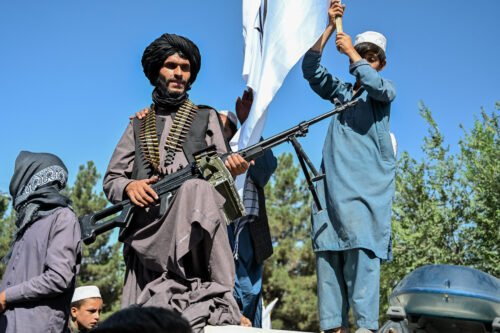
I was a teenage Afghan refugee in Pakistan’s tribal areas when the Twin Towers fell. Almost nobody around us understood the politics of what had happened, but we knew that something had changed for good. Afghanistan, which until then had been our private tragedy and our first exile from Taliban rule, had suddenly become the world’s concern, with the United States leading the response.
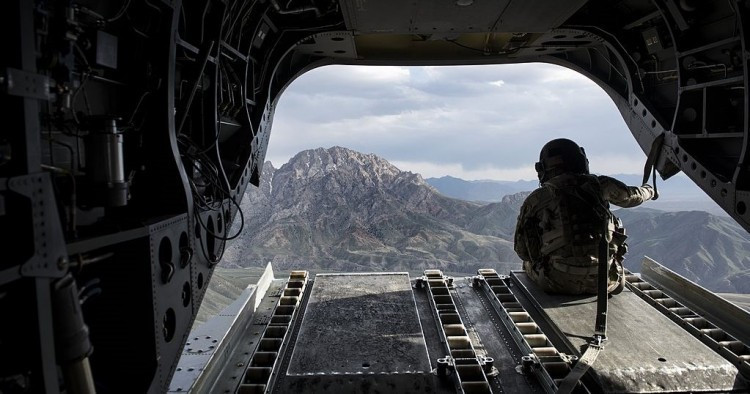
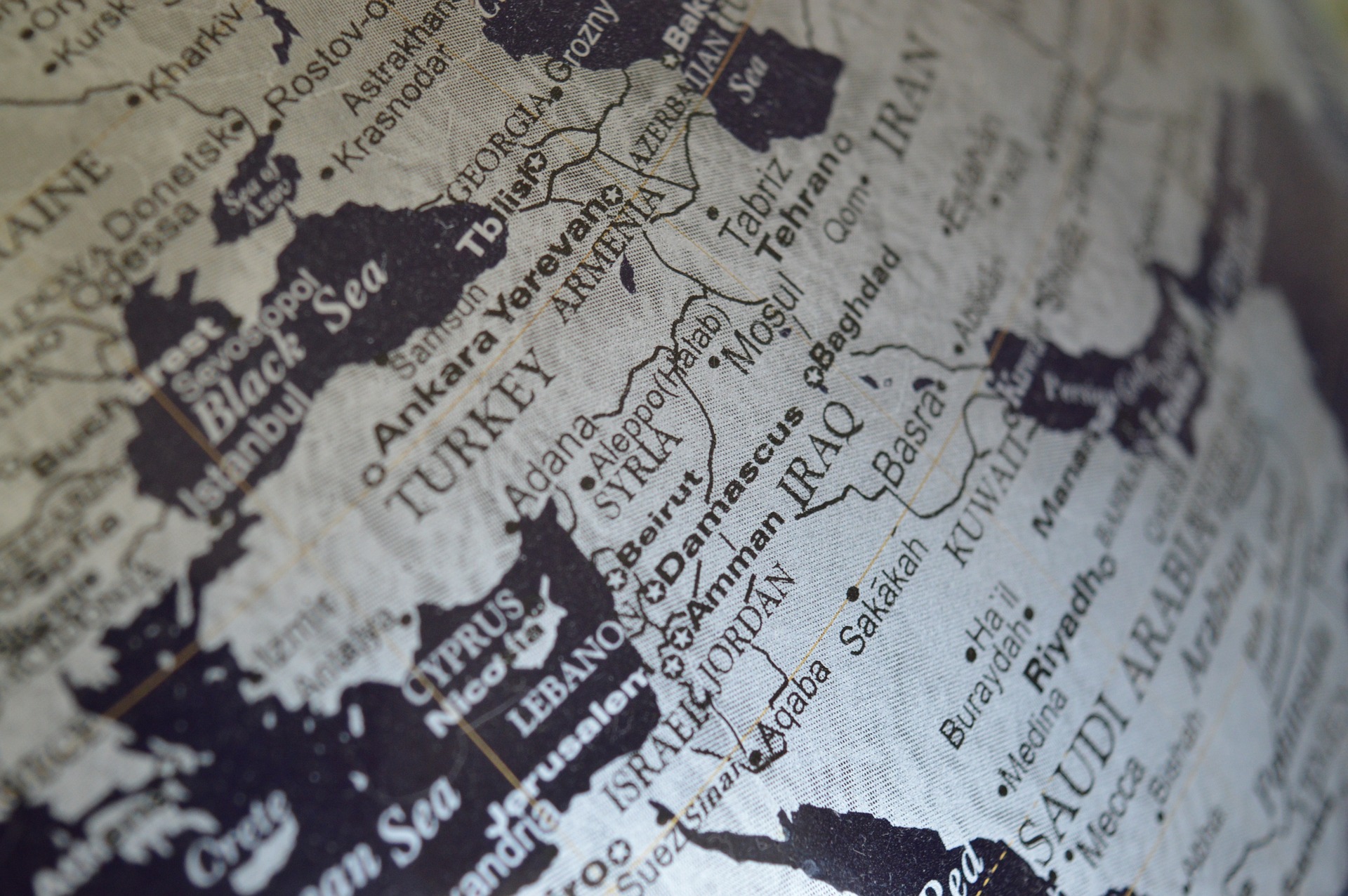
United States Central Command (CENTCOM), one of the US Department of Defense’s (DoD) six geographical combatant commands, is responsible for countering threats, responding to crises, and strengthening regional stability in the Middle East, Central Asia, and parts of South Asia.
A Strategic Conundrum: Pakistan’s Transit Corridor to Iran as Lifeline or Liability
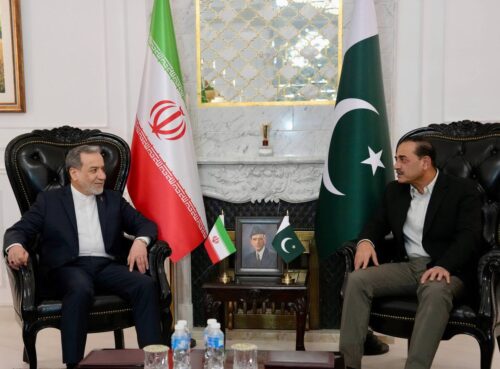
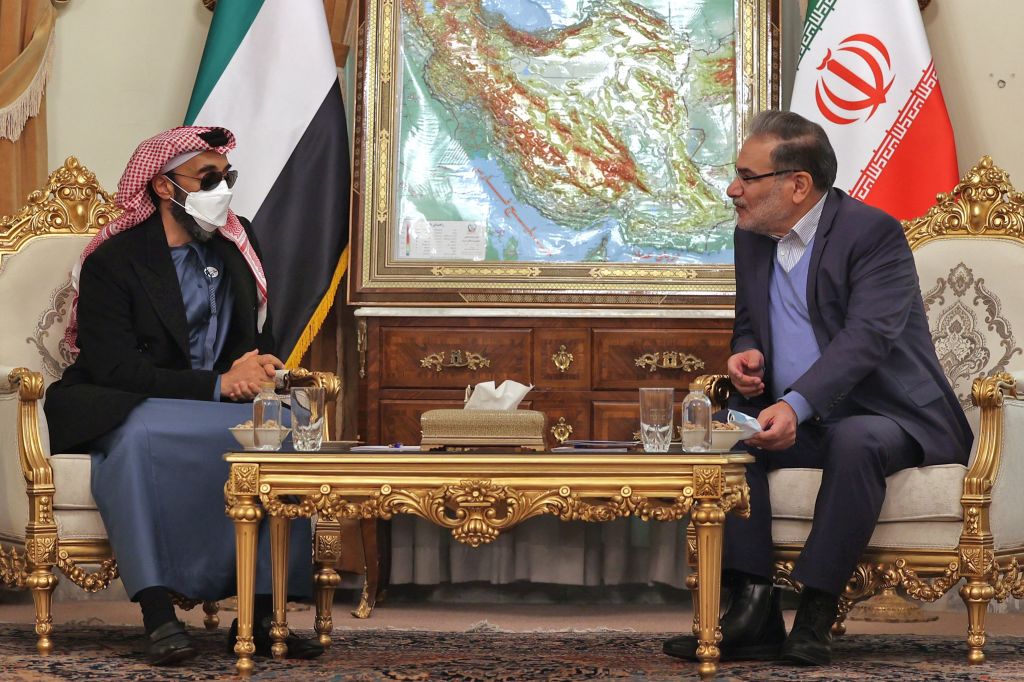
The US-Iran standoff over the Strait of Hormuz — disruptive to global trade and energy flows, and devastating for debt-burdened economies — has handed Pakistan an unexpected geoeconomic opportunity, one that may persist even if the framework agreement announced on June 14 results in a lasting peace and permanent reopening of the strait. But seizing it will have interlocking consequences for Islamabad’s ties with Tehran, Washington, and the Gulf states.
The right war fought the wrong way: Reflecting on the US withdrawal from Afghanistan
The initial success in Afghanistan was achieved with a limited number of forces from the CIA, the U.S. military (especially special operations), and our partners in the Northern Alliance. In the opinion of many military experts and historians, it was a model for how to conduct a large-scale military operation with limited casualties and expenditure of resources.
Afghan filmmaker Sahraa Karimi tells her people’s story — and her own
Afghan filmmaker Sahraa Karimi has spent decades documenting the plight of Afghan women. But when the Taliban returned with a vengeance following their takeover of Kabul on Aug. 15 of this year, she turned the camera on herself.
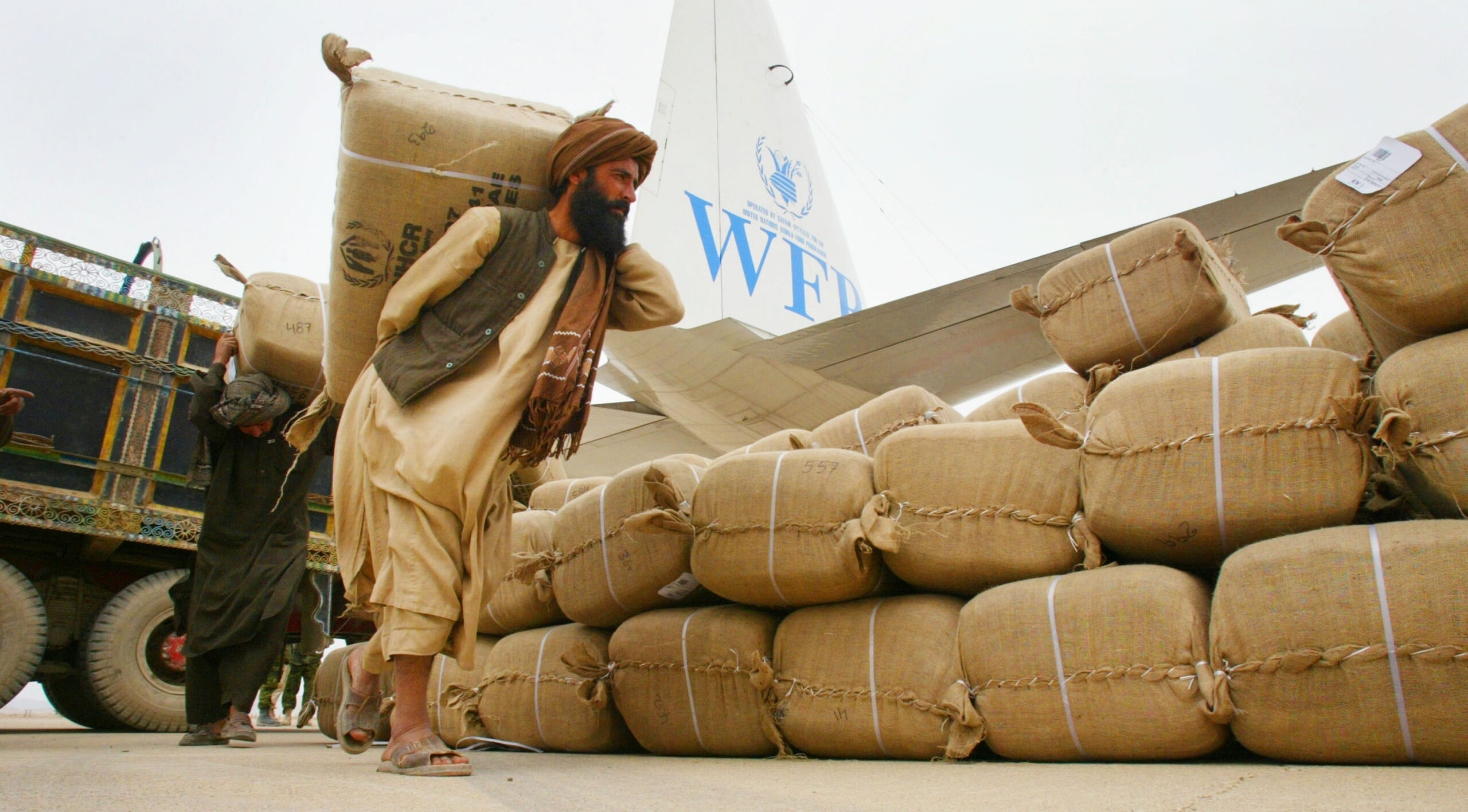
As the humanitarian situation in Afghanistan grows increasingly dire, Pakistan has informed India that it will allow the transportation of wheat and life-saving medicines from India to Afghanistan through its territory, on the condition that only Afghan trucks are used to carry it. The Taliban regime has praised Pakistan for the move, but will it arrest the decline in India’s fortunes in Afghanistan?
Tajikistan’s evolving relations with the Taliban 2.0
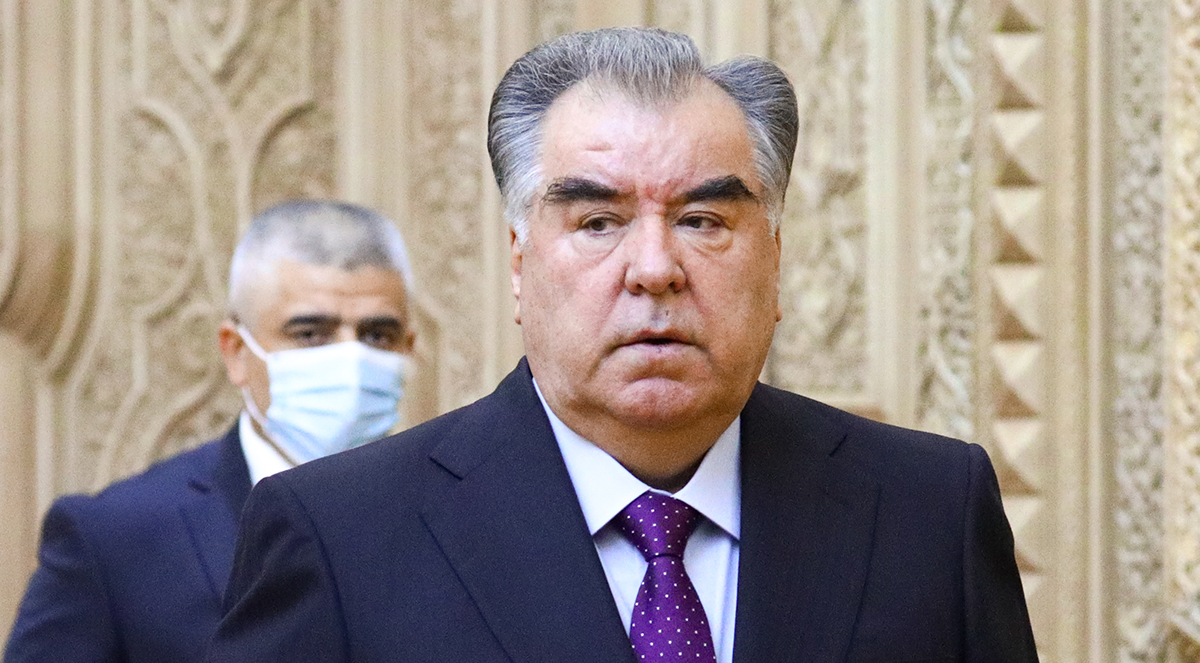
While the international community has adopted a “wait-and-see” attitude toward the Afghan Taliban, Tajikistan has taken a sharply critical view. Rhetoric between Tajikistan and the Taliban is increasingly bitter, a symptom of a broader problem in their bilateral ties. Tajikistan’s President Emomali Rahmon has condemned the Taliban regime in Kabul for failing to form an inclusive government and for violating human rights in the Panjshir Valley. The Taliban have responded by warning Tajikistan not to interfere in Afghanistan’s internal affairs.
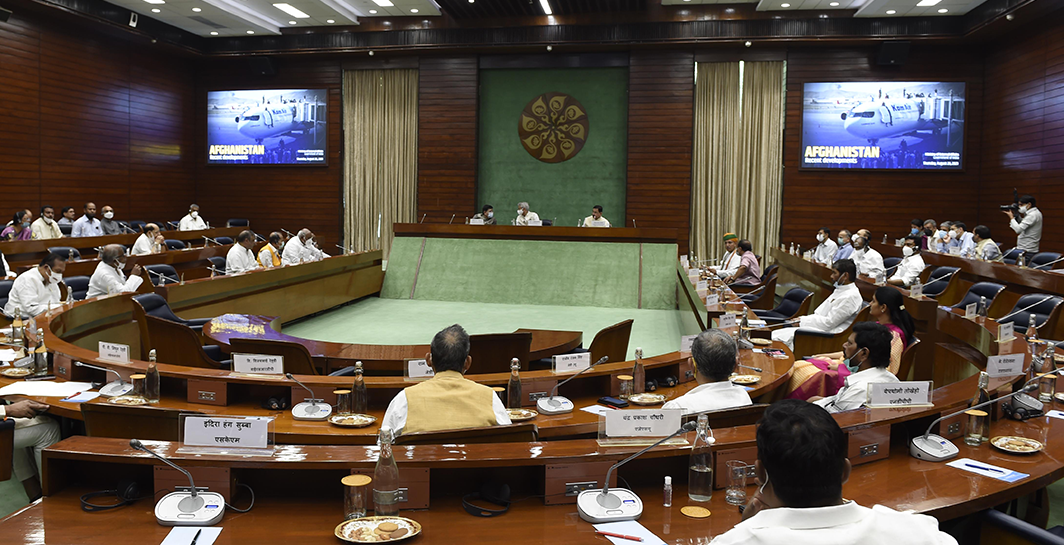
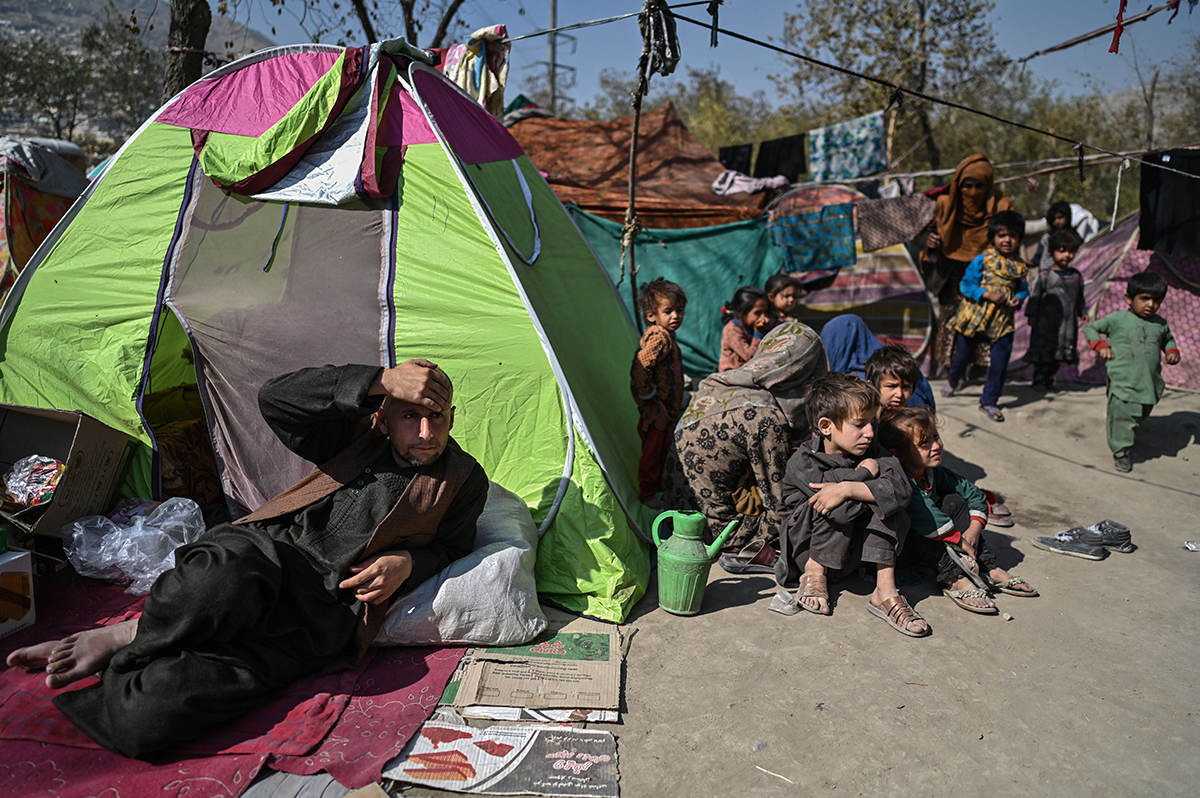
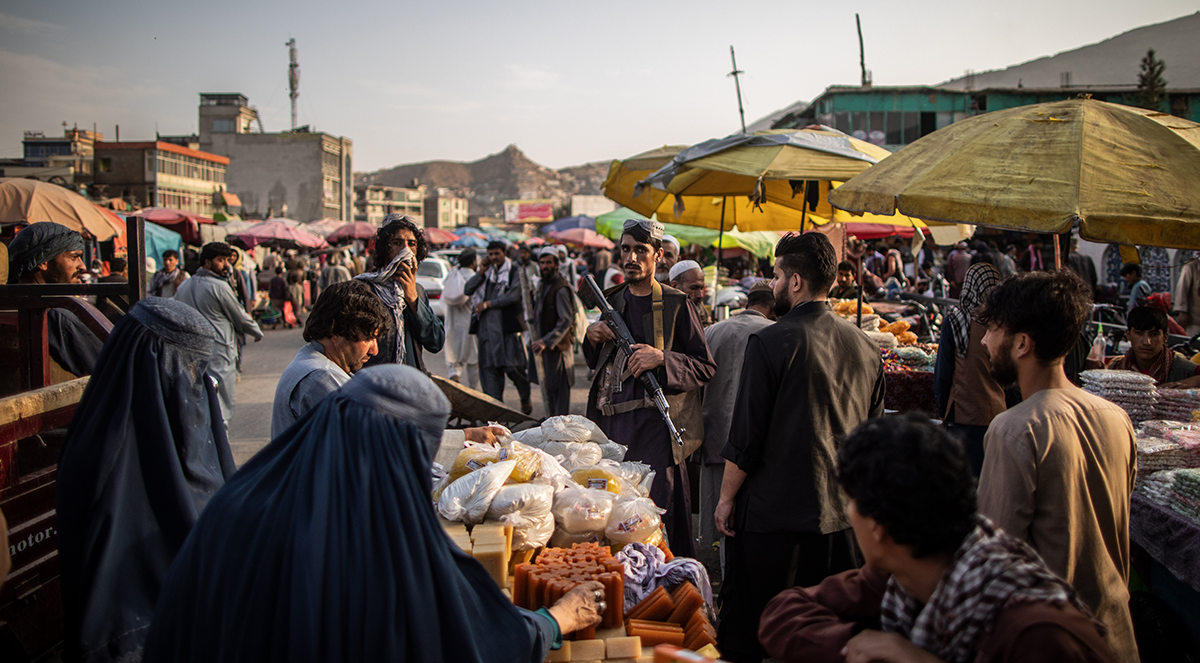
Since the hasty American withdrawal from Afghanistan in August, refugees have flowed out of the country and its domestic problems have grown increasingly dire due to the lack of effective governance and much-needed funding. Neighboring countries Iran, Pakistan, and China, along with other regional states and the U.S., now all face a dilemma as to how to stabilize the rapidly deteriorating internal situation. Further efforts must be made to address the growing economic and humanitarian crisis, especially before the onset of winter, although the nature and scope of these efforts are likely to be shaped by the broader competition between Washington and Beijing.
Marvin Weinbaum and Javid Ahmad discuss conditions in Afghanistan since falling back under Taliban rule, including worsening economic and humanitarian crises, the security situation, the role of international and regional actors, and where things might be headed moving forward.
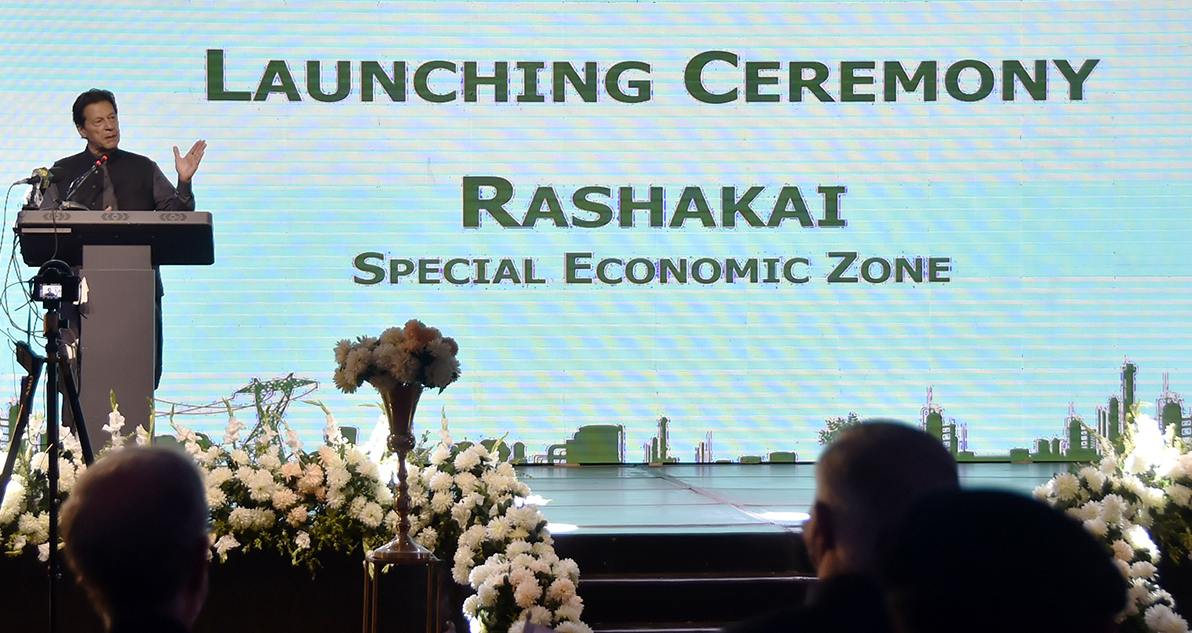
The China-Pakistan Economic Corridor: Slower may be better
In September, China and Pakistan convened the tenth session of their joint coordination committee that oversees the CPEC — the largest of the BRI corridors. The long-anticipated meeting ultimately yielded no major breakthroughs. The momentum of CPEC appears to be losing steam once again, but for Pakistan, slower may actually be better.
Afghanistan’s economy is collapsing. The Taliban’s forceful seizure of power led to a curtailment of almost all foreign aid, a devastating development for a nation overwhelmingly dependent on international assistance. Widespread drought, pervasive corruption, the perennially inadequate use of the country’s human capital, and a population largely unvaccinated against COVID-19 have exacerbated this longstanding problem of foreign financial dependence.
The oldest peer-reviewed publication dedicated to the study of the modern Middle East, MEI’s flagship journal covers politics, society, and culture in the region.