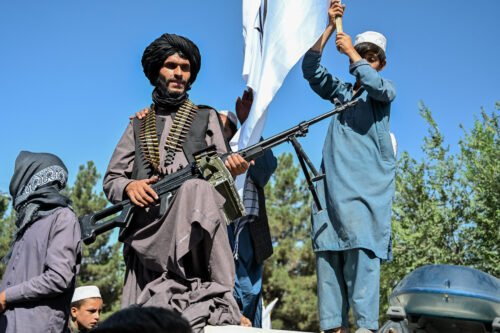
I was a teenage Afghan refugee in Pakistan’s tribal areas when the Twin Towers fell. Almost nobody around us understood the politics of what had happened, but we knew that something had changed for good. Afghanistan, which until then had been our private tragedy and our first exile from Taliban rule, had suddenly become the world’s concern, with the United States leading the response.
United States Central Command (CENTCOM), one of the US Department of Defense’s (DoD) six geographical combatant commands, is responsible for countering threats, responding to crises, and strengthening regional stability in the Middle East, Central Asia, and parts of South Asia.
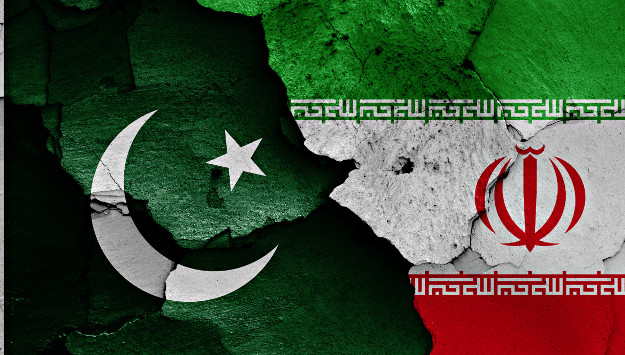
A Strategic Conundrum: Pakistan’s Transit Corridor to Iran as Lifeline or Liability
The US-Iran standoff over the Strait of Hormuz — disruptive to global trade and energy flows, and devastating for debt-burdened economies — has handed Pakistan an unexpected geoeconomic opportunity, one that may persist even if the framework agreement announced on June 14 results in a lasting peace and permanent reopening of the strait. But seizing it will have interlocking consequences for Islamabad’s ties with Tehran, Washington, and the Gulf states.
This essay, which launches the MAP series on India’s relations with the Middle East (West Asia), delineates the extraordinary transformation of India’s deeply fraught relations with the region into, arguably, India’s most satisfying set of external relationships.
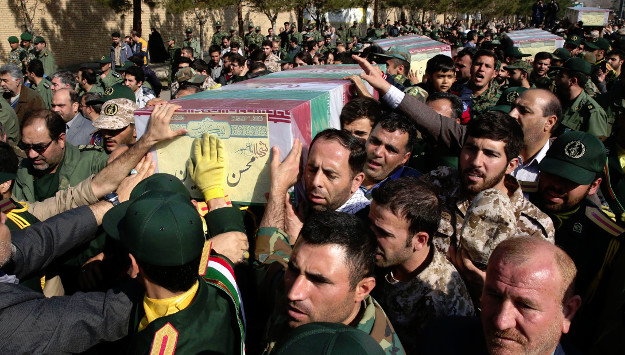
Pakistani Shiite Militias Fighting in Syria Say Quds Force Keep Their Passports
Iran’s Qom News reported on Friday that Sayed Abbas Mousavi, a commander of the Zainabyoun Brigade, was kidnapped in the Iranian holy city of Qom (the site has now deleted the report).
Senior Iranian Politician Glorifies Afghan Shiite Militiamen Fighting in Syria
Ezzatollah Zarghami, the former head of the Islamic Republic of Iran Broadcasting, has emphasized the significance of Afghan Shiite militias for the Iranian military intervention in Syria.
Monday Briefing: Al-Qaeda leader killed, U.S. & Russia at odds over Syria
Note: The latest issue of MEI’s Monday Briefing e-mail incorrectly linked to this page. If you’re looking for the Monday Briefing for March 6, click here.
Afghan Daily: Tehran “Blackmails” Kabul for Political Concessions
Afghanistan’s leading daily newspaper Hasht-e Sobh has blasted the Iranian government for blocking Afghanistan’s accession to the Transport Corridor Europe-Caucasus-Asia (TRACECA) and using its leverage within TRACECA to “blackmail” the Afghan government and seek political concessions from Kabul.
Prominent Afghan Jihadi Leader Warns Iran against Supporting Taliban
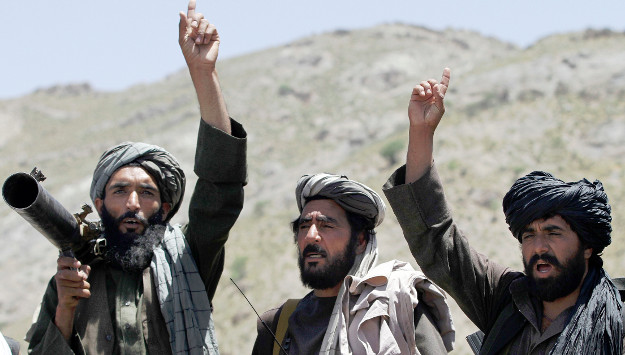
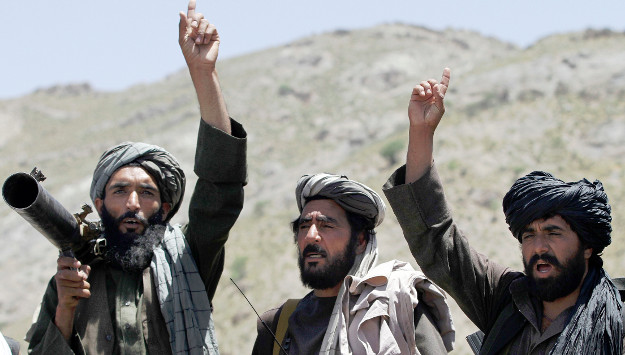
Prominent Afghan jihadi leader Amir Ismail Khan has warned the Iranian government against providing military and financial assistance to the Taliban militants in Afghanistan.
Top U.S. General Provides Further Evidence of Iran’s Support for Taliban
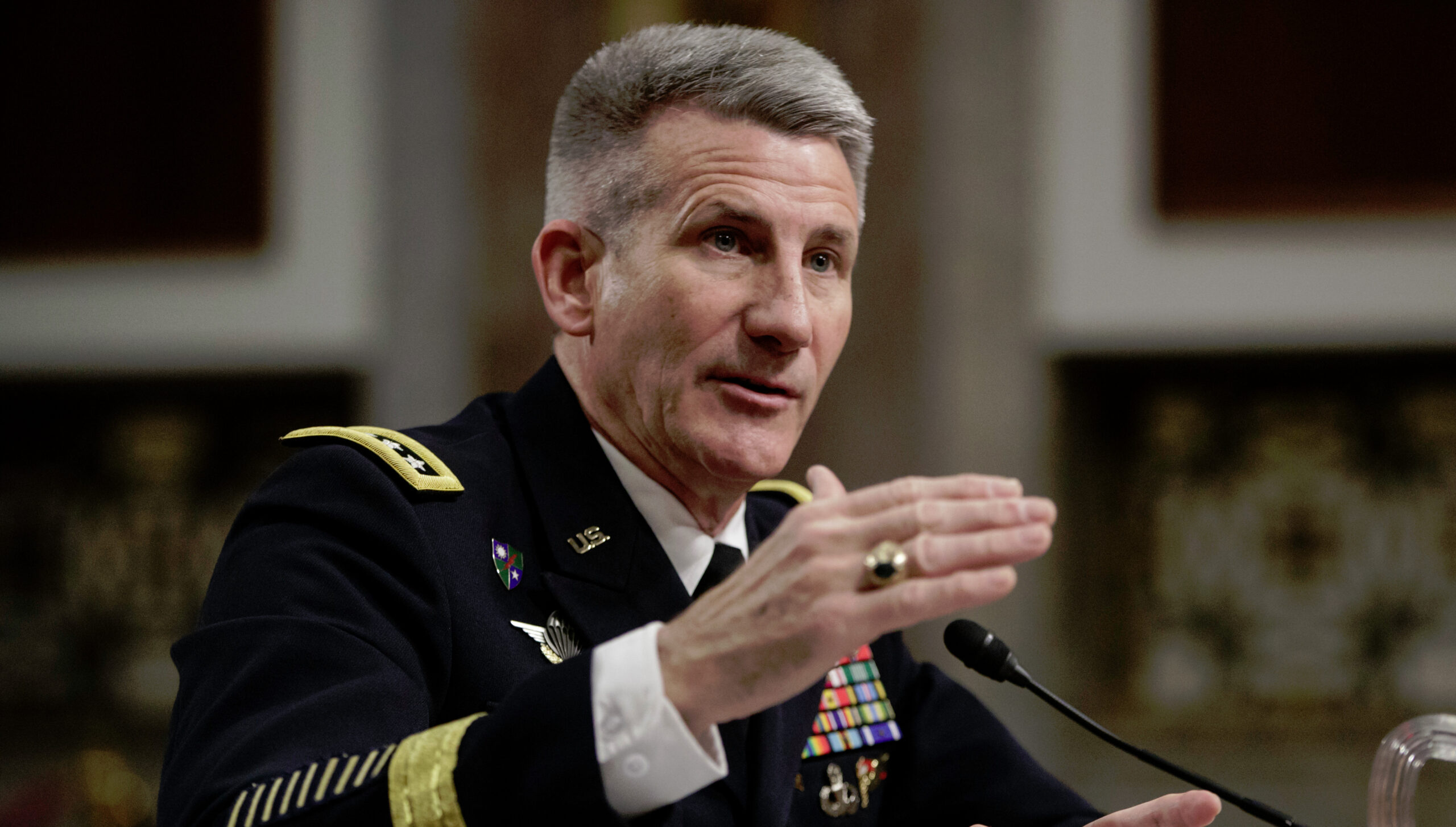
The top American commander in Afghanistan told Congress yesterday that Iran and Russia are supporting the Taliban to undermine the U.S. mission to stabilize the war-ravaged country. Army Gen.
Afghan Official Says Iran Is Fueling Sectarian Tension in Western Provinces
The BBC Persian reports that Iran has significantly expanded its ideological, cultural and economic sphere of influence in Afghanistan’s western province of Nimroz and is inflaming sectarian tension in the province.
Monday Briefing: Trump’s Executive Orders Don’t Reveal a Coherent Strategy
In this week’s Monday Briefing, MEI experts Paul Salem, Paul Scham, Randa Slim, W. Robert Pearson, and Marvin G. Weinbaum provide analysis on recent and upcoming events including the Trump administration’s apparent lack of a coherent strategy in the implementation of executive orders, the possibility of an improved relationship between Israel and the UK in the wake of Brexit, the Astana meeting to discuss the Syrian cease-fire deal, bilateral efforts to improve Turkish-Israel relations, and the uncertainty surrounding U.S.-Pakistani relations under the Trump administration.
Top Afghan Leader Orders Probe into Iran’s Support for Terrorists in Helmand
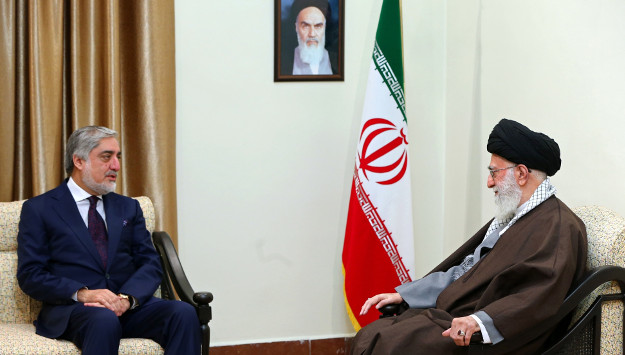
Afghanistan’s Chief Executive Abdullah Abdullah has called for an investigation into the latest reports of the Iranian government’s ties with the Taliban, the Afghan media reports.
Iranian Delegation Reportedly Visited Helmand to Deliver Weapons to Taliban
Afghan officials say Iran has recently sent a delegation to meet with Taliban commanders in the restive province of Helmand. On January 23, Hayatullah Hayat, the governor of Helmand, told Afghanistan’s 1TV channel that the National Directorate of Security was probing allegations that the Iranian team also delivered weapons to the Taliban militants in Helmand’s Garmsir District.
The oldest peer-reviewed publication dedicated to the study of the modern Middle East, MEI’s flagship journal covers politics, society, and culture in the region.