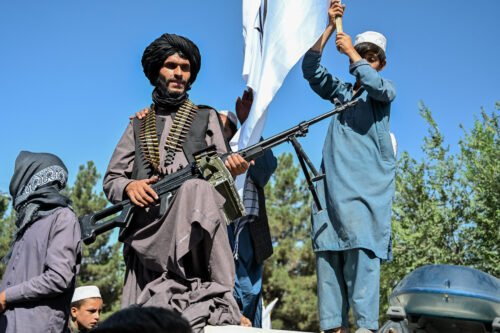
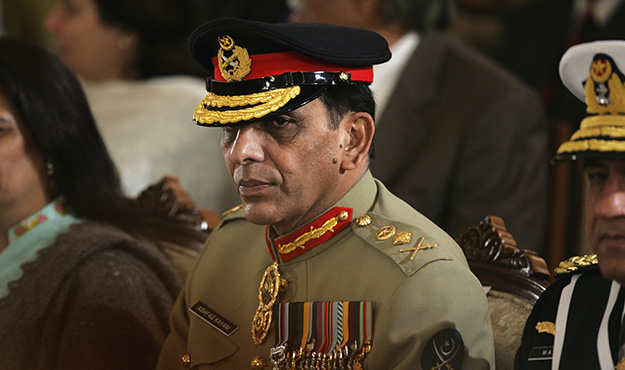
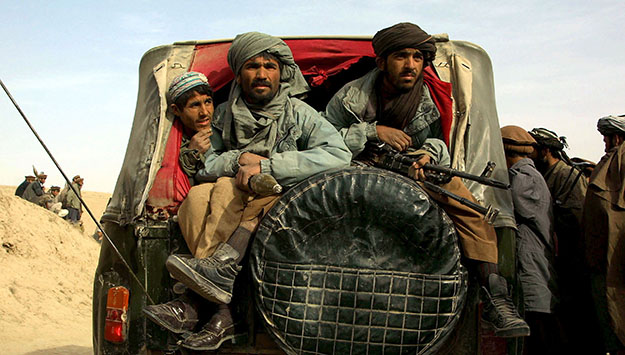
I was a teenage Afghan refugee in Pakistan’s tribal areas when the Twin Towers fell. Almost nobody around us understood the politics of what had happened, but we knew that something had changed for good. Afghanistan, which until then had been our private tragedy and our first exile from Taliban rule, had suddenly become the world’s concern, with the United States leading the response.
United States Central Command (CENTCOM), one of the US Department of Defense’s (DoD) six geographical combatant commands, is responsible for countering threats, responding to crises, and strengthening regional stability in the Middle East, Central Asia, and parts of South Asia.
A Strategic Conundrum: Pakistan’s Transit Corridor to Iran as Lifeline or Liability
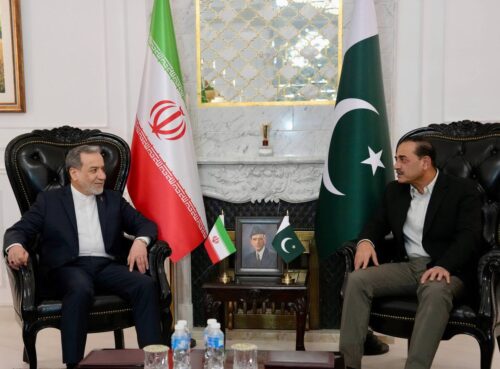
The US-Iran standoff over the Strait of Hormuz — disruptive to global trade and energy flows, and devastating for debt-burdened economies — has handed Pakistan an unexpected geoeconomic opportunity, one that may persist even if the framework agreement announced on June 14 results in a lasting peace and permanent reopening of the strait. But seizing it will have interlocking consequences for Islamabad’s ties with Tehran, Washington, and the Gulf states.
Author Stephen Cohen on the India-Pakistan Conundrum
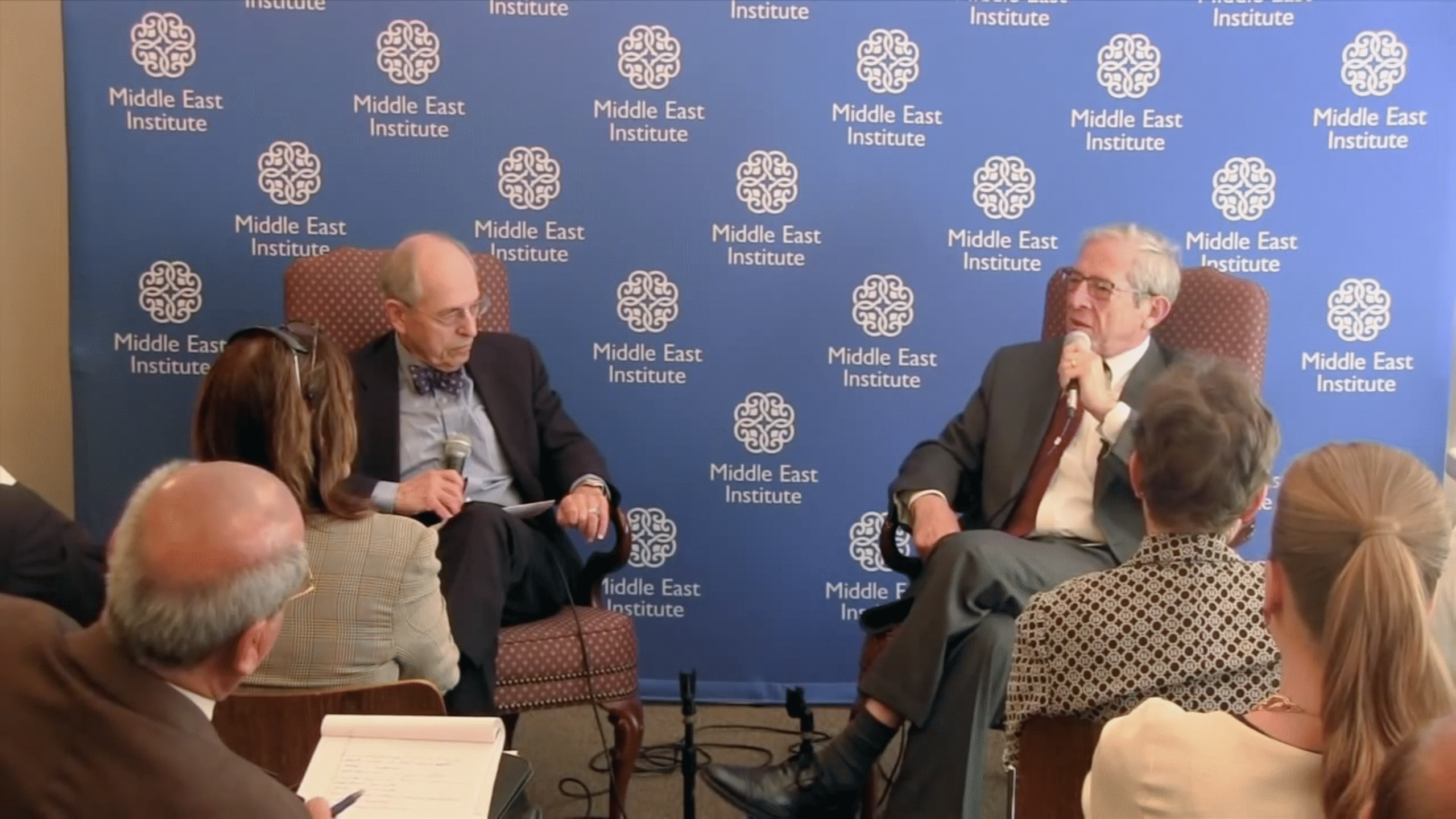
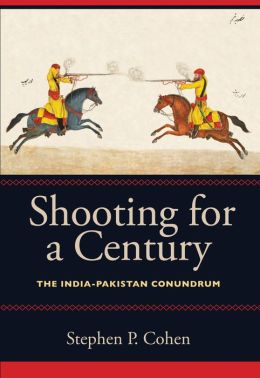
The Middle East Institute is proud to host author and Brookings senior fellow Stephen P. Cohen for a reading and discussion of his book, Shooting for a Century: The India-Pakistan Conundrum (Brookings Institution Press, 2013). In his latest book, Dr. Cohen explores one of the most intractable conflicts in modern history and examines the parallels with the ongoing Israeli-Palestinian conflict, observing how nuclear weapons, minority and victim psychology, and outside powers come into play in both regions. Widely regarded as one of America’s foremost experts on South Asian affairs, Dr.
A Discussion With Stephen Cohen, Author of Shooting for a Century: The India-Pakistan Conundrum
The Middle East Institute is proud to host author and Brookings senior fellow Stephen P. Cohen for a reading and discussion of his book, Shooting for a Century: The India-Pakistan Conundrum (Brookings Institution Press, 2013). In his latest book, Dr. Cohen explores one of the most intractable conflicts in modern history and examines the parallels with the ongoing Israeli-Palestinian conflict, observing how nuclear weapons, minority and victim psychology, and outside powers come into play in both regions. Widely regarded as one of America’s foremost experts on South Asian affairs, Dr.
Assessing the Past, Informing the Future: U.S. Aid Policy in Afghanistan & Pakistan
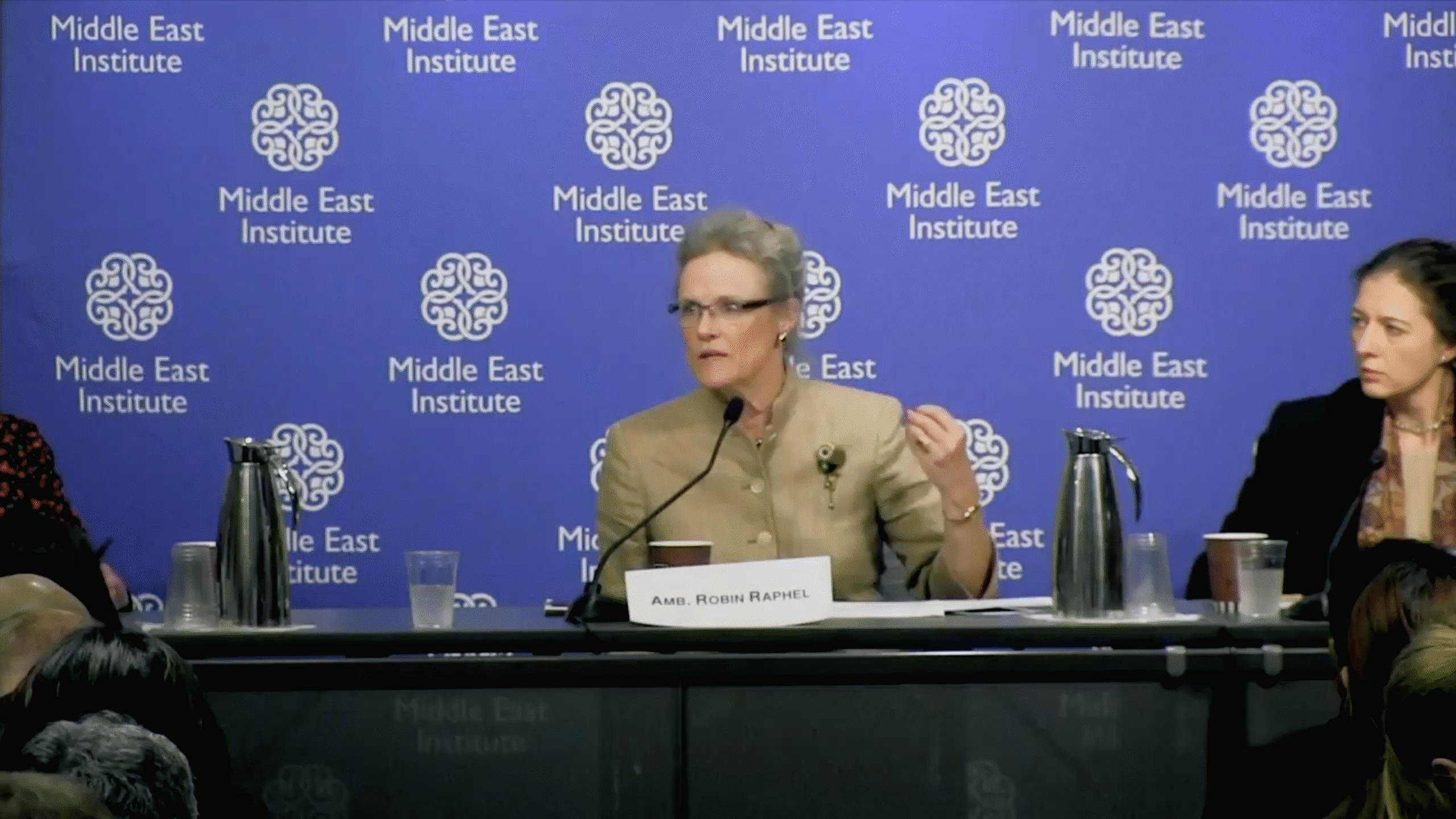
The Middle East Institute is pleased to welcome Vanda Felbab-Brown, senior fellow with the Center for 21st Century Security and Intelligence in the Foreign Policy program at Brookings, independent consultant Polly Nayak, Amb. Robin Raphel, U.S. Coordinator for Non-Military Assistance to Pakistan, and Alex Thier, assistant to the Administrator for Policy, Planning, and Learning at USAID, for a panel discussion examining how the US can contribute to the stability of post-2014 Afghanistan and Pakistan through economic and development assistance.
Assessing the Past, Informing the Future: U.S. Aid Policy in Afghanistan & Pakistan
Thu, 9/19/2013 12:00 pm to 1:30 pmThe Middle East Institute is pleased to welcome Vanda Felbab-Brown, senior fellow with the Center for 21st Century Security and Intelligence in the Foreign Policy program at Brookings, independent consultant Polly Nayak, Amb. Robin Raphel, U.S. Coordinator for Non-Military Assistance to Pakistan, and Alex Thier, assistant to the Administrator for Policy, Planning, and Learning at USAID, for a panel discussion examining how the US can contribute to the stability of post-2014 Afghanistan and Pakistan through economic and development assistance.
Assessing the Past, Informing the Future: U.S. Aid Policy in Afghanistan & Pakistan
Thu, 9/19/2013 12:00 pm to 1:30 pmThe Middle East Institute is pleased to welcome Vanda Felbab-Brown, senior fellow with the Center for 21st Century Security and Intelligence in the Foreign Policy program at Brookings, independent consultant Polly Nayak, Amb. Robin Raphel, U.S. Coordinator for Non-Military Assistance to Pakistan, and Alex Thier, assistant to the Administrator for Policy, Planning, and Learning at USAID, for a panel discussion examining how the US can contribute to the stability of post-2014 Afghanistan and Pakistan through economic and development assistance.
Assessing the Past, Informing the Future: U.S. Aid Policy in Afghanistan & Pakistan
Thu, 9/19/2013 12:00 pm to 1:30 pmThe Middle East Institute is pleased to welcome Vanda Felbab-Brown, senior fellow with the Center for 21st Century Security and Intelligence in the Foreign Policy program at Brookings, independent consultant Polly Nayak, Amb. Robin Raphel, U.S. Coordinator for Non-Military Assistance to Pakistan, and Alex Thier, assistant to the Administrator for Policy, Planning, and Learning at USAID, for a panel discussion examining how the US can contribute to the stability of post-2014 Afghanistan and Pakistan through economic and development assistance.
Assessing the Past, Informing the Future: U.S. Aid Policy in Afghanistan & Pakistan
Thu, 9/19/2013 12:00 pm to 1:30 pmThe Middle East Institute is pleased to welcome Vanda Felbab-Brown, senior fellow with the Center for 21st Century Security and Intelligence in the Foreign Policy program at Brookings, independent consultant Polly Nayak, Amb. Robin Raphel, U.S. Coordinator for Non-Military Assistance to Pakistan, and Alex Thier, assistant to the Administrator for Policy, Planning, and Learning at USAID, for a panel discussion examining how the US can contribute to the stability of post-2014 Afghanistan and Pakistan through economic and development assistance.
Assessing the Past, Informing the Future: U.S. Aid Policy in Afghanistan & Pakistan
Thu, 9/19/2013 12:00 pm to 1:30 pmThe Middle East Institute is pleased to welcome Vanda Felbab-Brown, senior fellow with the Center for 21st Century Security and Intelligence in the Foreign Policy program at Brookings, independent consultant Polly Nayak, Amb. Robin Raphel, U.S. Coordinator for Non-Military Assistance to Pakistan, and Alex Thier, assistant to the Administrator for Policy, Planning, and Learning at USAID, for a panel discussion examining how the US can contribute to the stability of post-2014 Afghanistan and Pakistan through economic and development assistance.
Instruments such as the shakuhachi and the nay—though both many centuries old—have seldom met because they come from very distant places. The nay is a piece of reed from the Middle East, while the shakuhachi is bamboo from Japan. Although very simple in substance and shape, their sound has a strong character because they have grown to represent in the most complex ways what they have inherited from the past. When Kamal Helou, my musical partner, and I made these two instruments converse, we knew that we were forcing the laws of time. We found the first musical contact timid—both the shakuhachi and the nay imposing their characters, clinging to their traditional aesthetics. The shakuhachi is sharp and focused, the nay moving and warm. Yet the similarities were evident, both instruments having come to reflect similar ethical questions—the universality of being and the intuition of the soul.
The oldest peer-reviewed publication dedicated to the study of the modern Middle East, MEI’s flagship journal covers politics, society, and culture in the region.