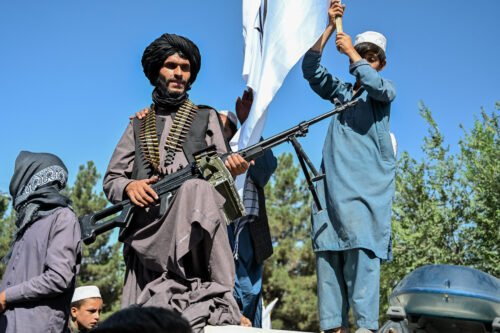
I was a teenage Afghan refugee in Pakistan’s tribal areas when the Twin Towers fell. Almost nobody around us understood the politics of what had happened, but we knew that something had changed for good. Afghanistan, which until then had been our private tragedy and our first exile from Taliban rule, had suddenly become the world’s concern, with the United States leading the response.
United States Central Command (CENTCOM), one of the US Department of Defense’s (DoD) six geographical combatant commands, is responsible for countering threats, responding to crises, and strengthening regional stability in the Middle East, Central Asia, and parts of South Asia.
A Strategic Conundrum: Pakistan’s Transit Corridor to Iran as Lifeline or Liability
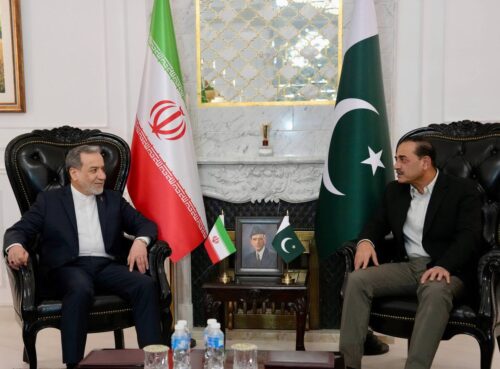
The US-Iran standoff over the Strait of Hormuz — disruptive to global trade and energy flows, and devastating for debt-burdened economies — has handed Pakistan an unexpected geoeconomic opportunity, one that may persist even if the framework agreement announced on June 14 results in a lasting peace and permanent reopening of the strait. But seizing it will have interlocking consequences for Islamabad’s ties with Tehran, Washington, and the Gulf states.
This piece first appeared as a Commentary on McClatchyDC.com, August 24, 2010
It is hard to imagine a government that faces more existential threats to its people, state, and democracy than the current civilian government in Pakistan.
This Commentary first appeared as an op-ed on Foreign Policy's AfPak Channel, August 18, 2010.
The desperate plight of over 20 million Pakistani citizens displaced and dispossessed by the most ferocious flooding in the history of the young state is heartbreaking. Nature is extracting a cruel price on a population already racked by debilitating poverty and a brutal insurgency.
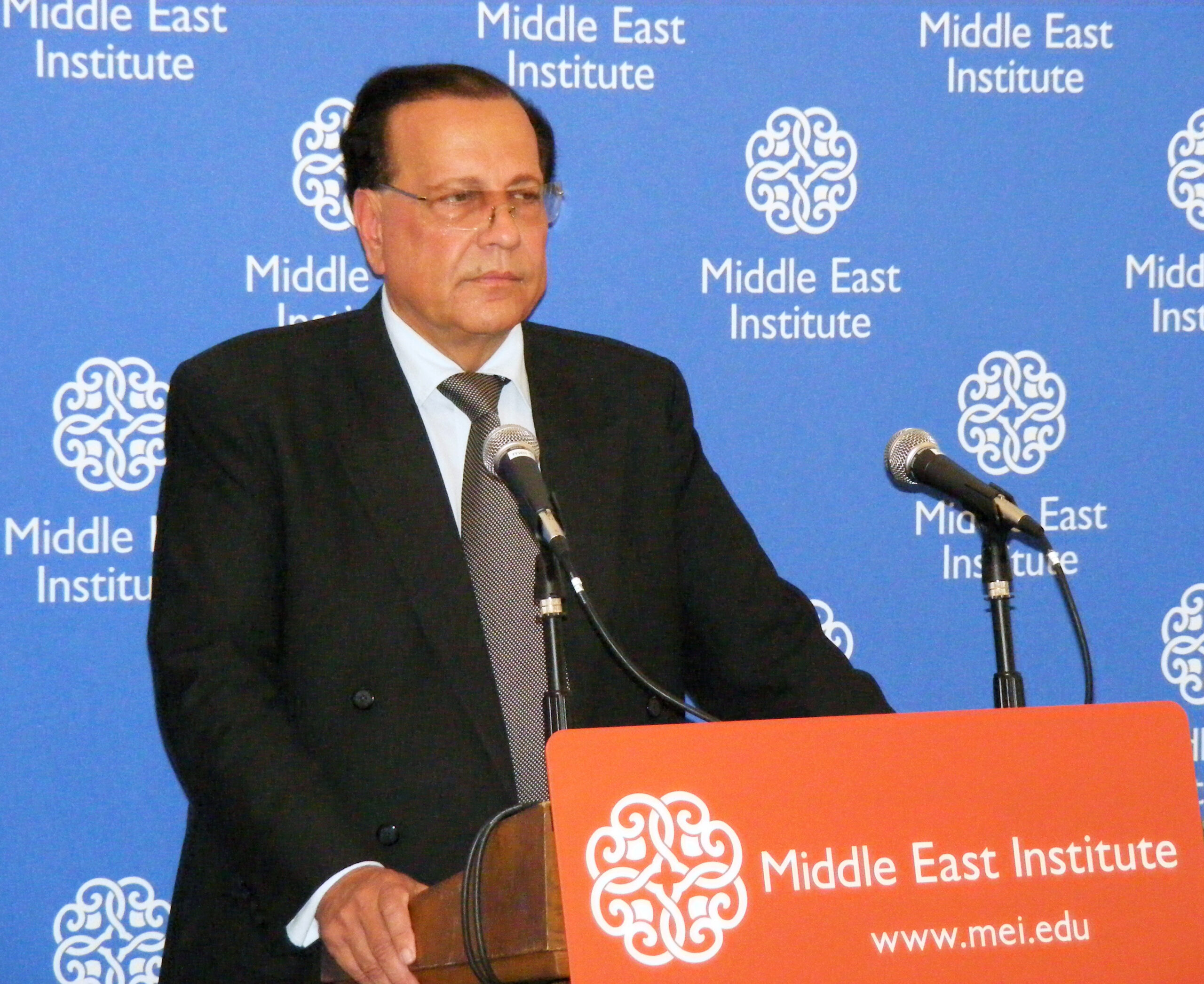
The Middle East Institute is proud to host Salman Taseer, the Governor of Pakistan's Punjab province. He will examine Pakistan's accomplishments over the past year and its looming challenges.
Children can learn many lessons from playing sports: leadership, self-confidence, and the concept of working toward a common goal are a few such lessons. These are all skills that, when applied in life off the field, can augment the potential for success there as well.
Tradition Trumps Sport: A Female Wrestler Retreats
The 20th century has yielded new and expanding arguments for increasing sports opportunities for women and girls. From Title IX to the Women’s Sports Foundation, the importance of women’s access to sports has received a great deal of attention from academia, the media, and the non-profit circuit. While I agree that women should have access, and that our opportunities lag far behind those of men, I do not agree with the social and political promises of change made by some of these programs.
Transnational Networks and Local Challenges: Iraqis in Cairo
Originally posted March 2010
It is estimated that over four million Iraqi refugees have fled to neighboring countries in the region since the 2003 war began. While migration continued after the war, the peak of this influx was witnessed particularly in and after 2006 due to the acceleration of violence in central and southern Iraq. More particularly, the majority of these refugees fled due to direct threats to their lives and their immediate families.
The Middle East Institute is proud to host Kandahar-based writers and researchers Alex Strick van Linschoten and Felix Kuehn for a discussion about the state of the Taliban in Afghanistan and the current situation in Kandahar. Strick van Linschoten and Kuehn translated and edited My Life with the Taliban, an account of the inner workings of the organization from the perspective of former Taliban minister and ambassador to Pakistan, Mullah Abdul Salam Zaeef, who was arrested following the overthrow of the Taliban and spent four years in Guantanamo Bay.
The oldest peer-reviewed publication dedicated to the study of the modern Middle East, MEI’s flagship journal covers politics, society, and culture in the region.