As it fights on four separate but connected fronts, Pakistan’s military is employing more force and less tolerance for public dissent. The result is not strength, but instead a widening set of vulnerabilities that will undermine Pakistan.
I was a teenage Afghan refugee in Pakistan’s tribal areas when the Twin Towers fell. Almost nobody around us understood the politics of what had happened, but we knew that something had changed for good. Afghanistan, which until then had been our private tragedy and our first exile from Taliban rule, had suddenly become the world’s concern, with the United States leading the response.
Russia’s Taliban Embrace Signals a New Power Shift in Afghanistan
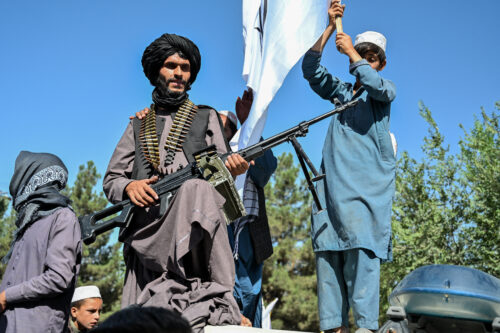
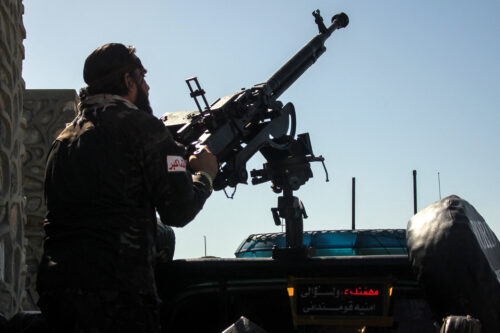
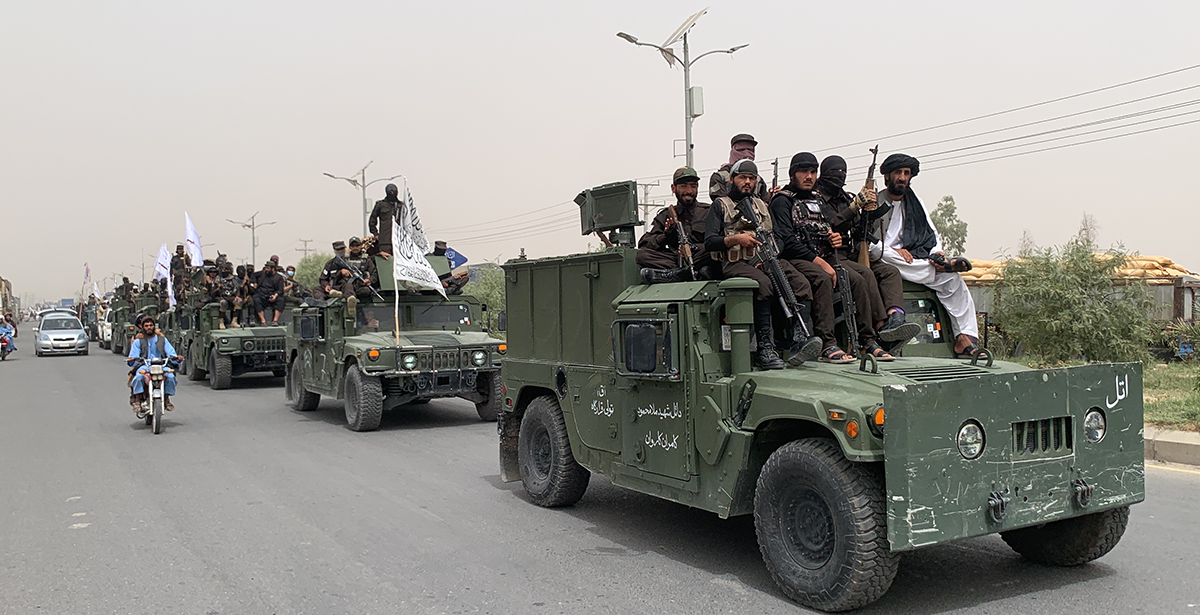
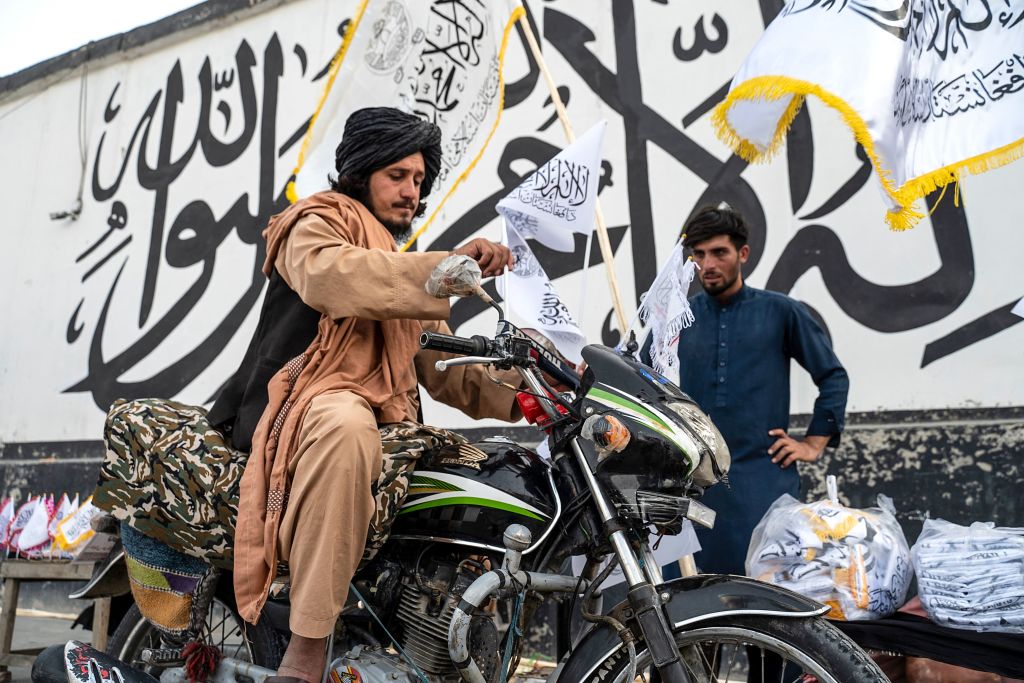
Sometimes the only thing more frightening than Afghanistan’s problems is the Taliban’s solutions and the recently signed Russia-Taliban military-technical agreement may be the most alarming one yet. The partnership signals that Afghanistan’s security architecture is being rebuilt without the United States, and increasingly by America’s rivals. Washington should pay close attention because the deal hands one of the world’s most repressive regimes a pathway to becoming more capable and deeply entrenched in a regional order where Russian influence is expanding at America’s expense.
Beyond diplomacy: Charting China's multifaceted partnership with Pakistan
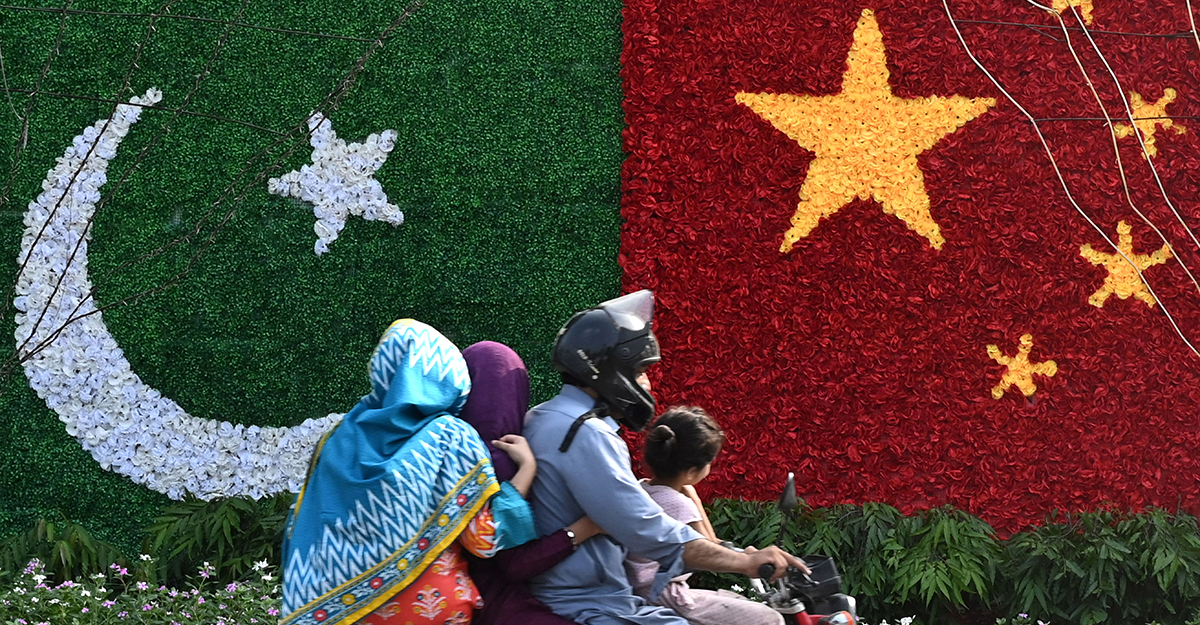
Pakistan’s intensifying economic, political, and security instability is not good news for China’s strategic investments. So, what are Beijing’s options?
Pakistan’s interim government: A challenging road ahead
After the conclusion of the 16-month rule of the Pakistan Democratic Movement (PDM), the appointment of a new caretaker government has created uncertainty. This raises doubts about whether Pakistan will smoothly transition to another democratic government or if the caretaker setup will exceed its constitutional mandate.
Making sense of the Taliban’s counterterrorism assurances
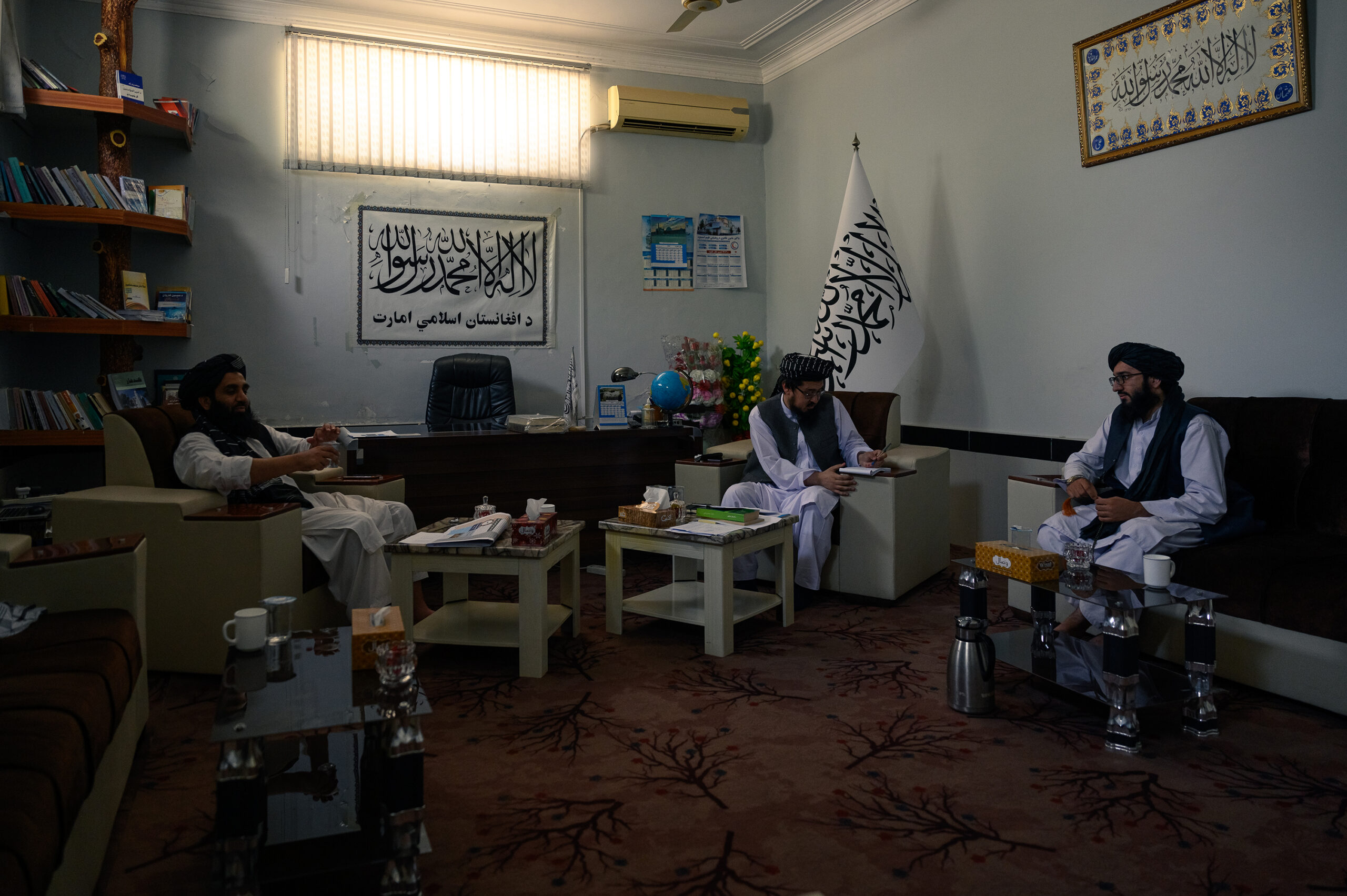
Two years on from the Taliban’s takeover of Kabul, Afghanistan’s neighbors are increasingly concerned that their return to power has emboldened terrorist groups and networks, which are using the hospitable environment to regroup, rearm, and recruit substantially. The main question now for Afghanistan’s neighbors in the region, and the international community more broadly, is just how reliable the Taliban’s counterterrorism assurances to other states really are.
According to multiple media reports, Taliban anti-narcotics units have managed to effect a drastic reduction in opium cultivation in Afghanistan. Assisted by armed Taliban soldiers, stick-wielding personnel are hopping from one opium-growing field to another, destroying standing crops in a large number of provinces. Overseen by international media, such operations may have resulted in an almost 80 percent reduction in opium cultivation this year in the country, which not long ago accounted for 85 percent of the world’s opium.
Pakistan’s establishment closing the curtain on Imran Khan and his party
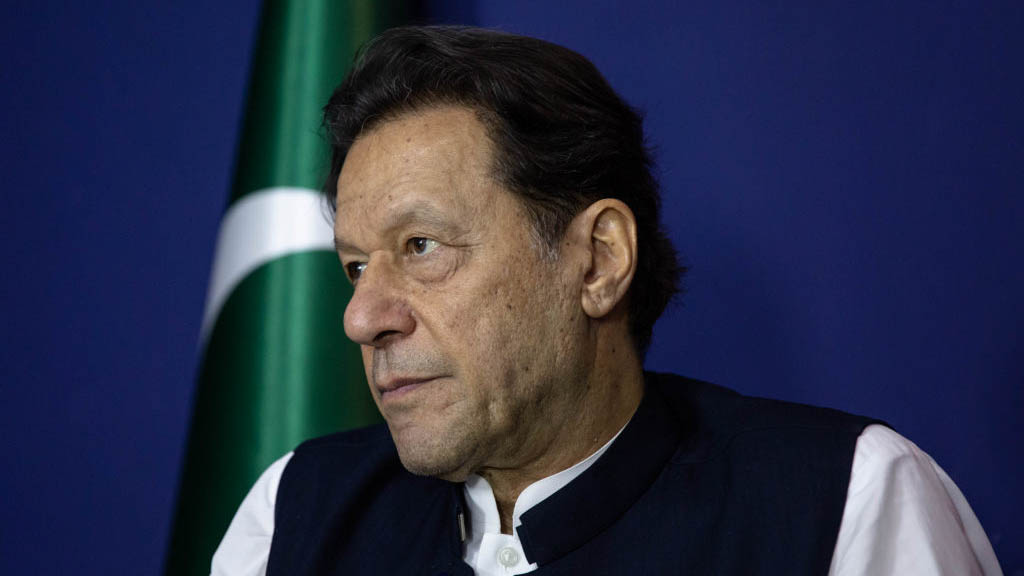
The likelihood of former Pakistani Prime Minister Imran Khan successfully extricating himself from his entwined battle with the Army now appears to be nearly impossible. He has crossed too many red lines for the military establishment to give him slack. The developing situation ahead of the October elections looks set to culminate with Khan imprisoned and stripped of his political party.
MEI’s Taliban Leadership Tracker is a detailed database mapping 1,200 leaders and appointees wielding influence throughout the Taliban government. Produced and maintained by MEI Non-Resident Scholar Javid Ahmad, the database can be used to help identify individuals who wield various forms of influence, ones who may be receptive to dialogue and collaboration, as well as those involved in rights violations, abuses, or criminal and terrorist activities.