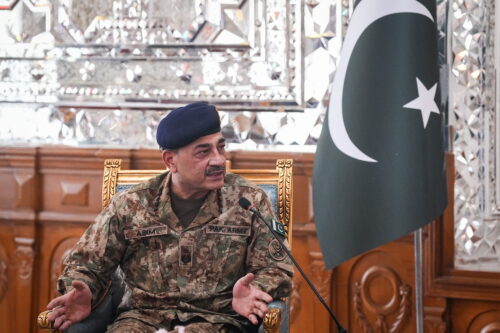
The Pakistani General Running Washington’s Backchannel to Tehran
As Washington and Tehran edge closer to escalation, the most critical line of communication keeping the crisis from spiraling is being run not by polished diplomats, but by an unlikely figure: a Pakistani general. Field Marshal Asim Munir, Pakistan’s powerful army chief, has quietly become the key intermediary in the U.S.-Iran standoff, managing what may be the most important backchannel between the two sides. The mediation has thrust Pakistan to the center of the crisis while exposing it to enormous risk.
Bonus Episode: Stalled Talks and Next Steps for the US and Iran
This bonus episode of Middle East Focus features a recent MEI Virtual Briefing. Director of Communications Zeina Al-Shaib is joined by MEI Distinguished Diplomatic Fellows Alan Eyre and Daniel Benaim to discuss the historic talks held in Pakistan last weekend between the United States and Iran. Tehran insists the US failed to gain its trust, while the US made its red lines clear and declared it would blockade Iranian ports in the Persian Gulf. What happens next? Eyre and Benaim offer insights into what goes on behind the scenes at such negotiations; identify the core issues at play; explore potential incentives to end the war; analyze the weaponization of energy; as well as assess the role of other regional players in this conflict.
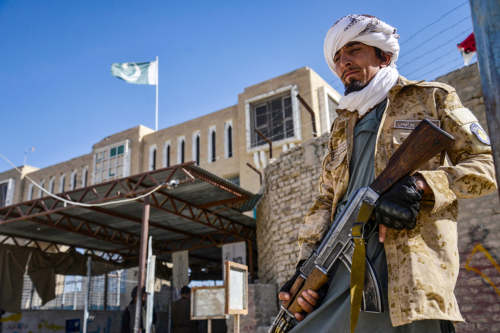
The Pakistan-Afghanistan conflict: A strategic concern for the US
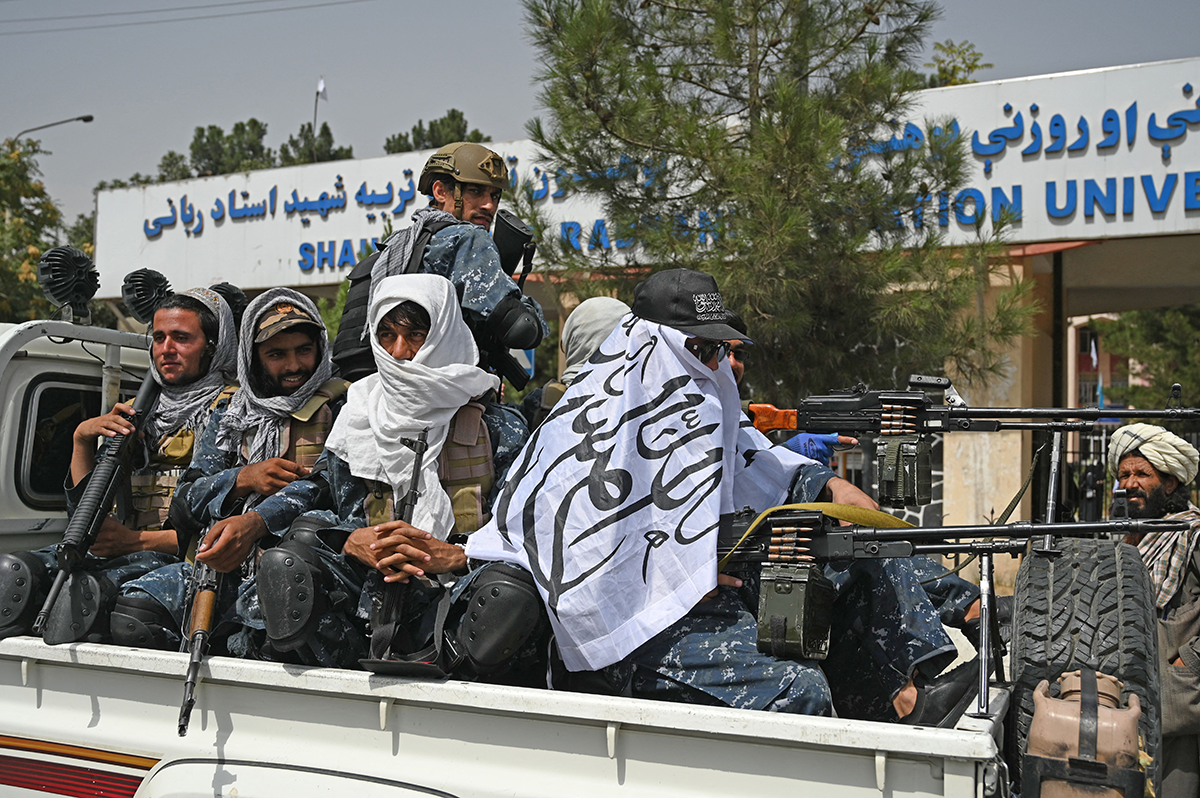
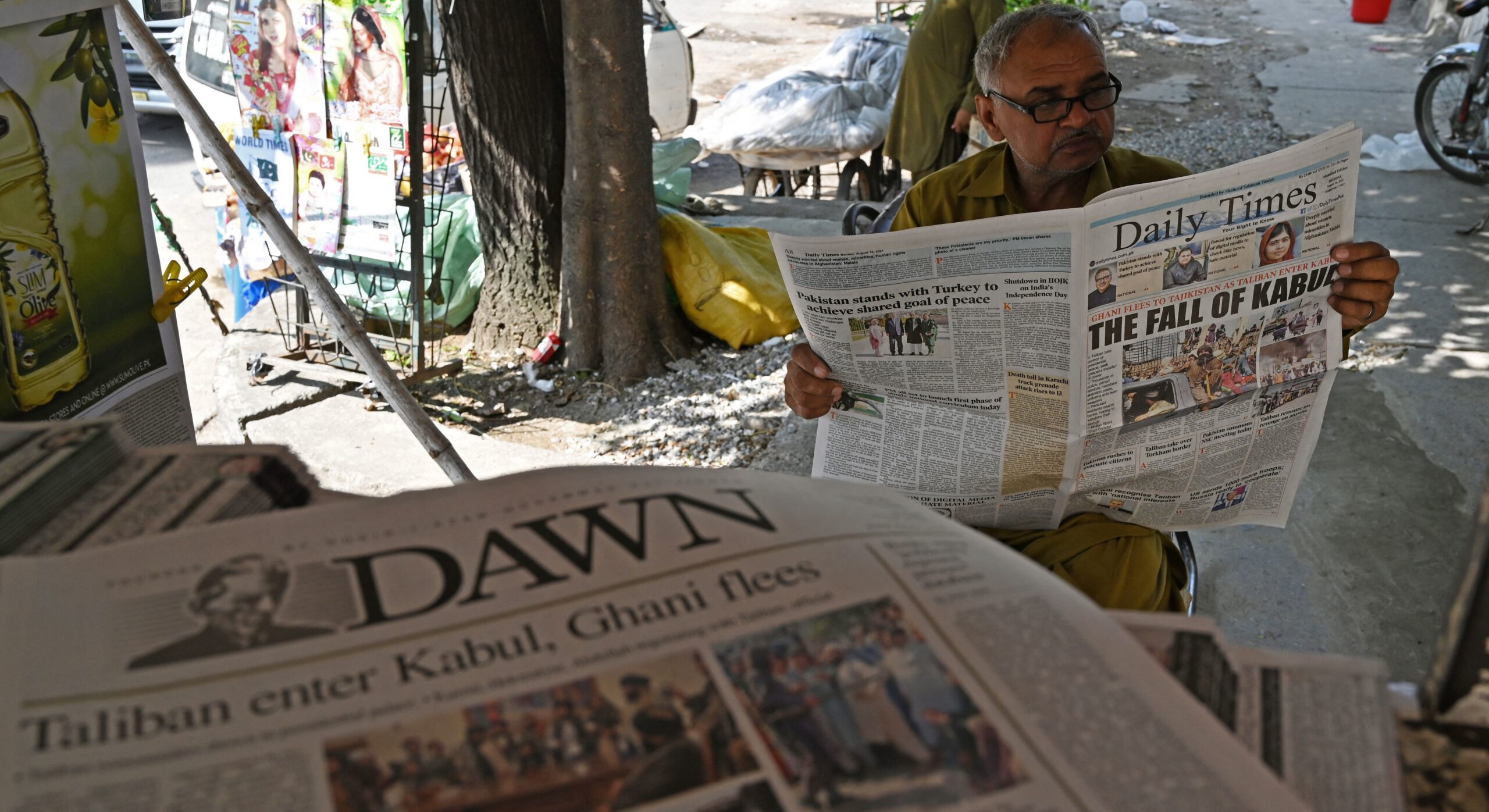
Pakistan’s relationship with the Afghan Taliban has shifted from open sponsorship in the 1990s to a silent partnership following 2001 to alienation and belligerence since 2021. Their current conflict, which comes at great cost to both countries and seems to have no easy military or political resolution, also poses a threat to the stability and prosperity of neighboring states. Although American strategic interests in the region greatly diminished following the United States’ military withdrawal from Afghanistan in August 2021, the region’s altered political dynamics have prompted a growing American engagement with Pakistan and tentatively with Afghanistan. At the same time, the US has become a factor in how both Islamabad and Kabul have come to form their national security strategies.
Though aware of the weaknesses of the former Afghan government, none of the Central Asian governments seemed prepared for the rapidity and decisiveness of the Taliban victory. Not unreasonably, Central Asians fear that it will spur the growth of regional terrorism and extremism, either through direct Taliban sponsorship or inspiration. The five Central Asian states backed the anti-Taliban opposition in the 1990s and then the U.S.-led NATO military campaign in Afghanistan after 2001. Presently, the Central Asian governments are eschewing policies that could antagonize the new regime while looking for indications whether the Taliban have genuinely turned over a new leaf and renounced international terrorism. If they have, then some Central Asian countries seem open to economic and perhaps other cooperation. If not, Central Asians will likely rely on Russia for enhanced security support.
Budget dust: Better approaches for security and sustainability — lessons learned from Iraq and Afghanistan
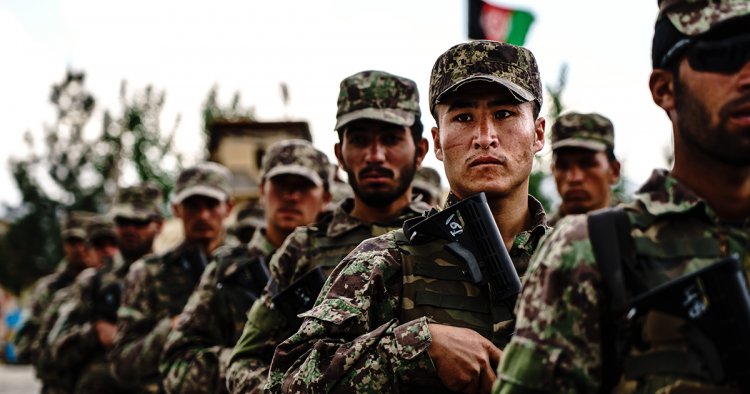
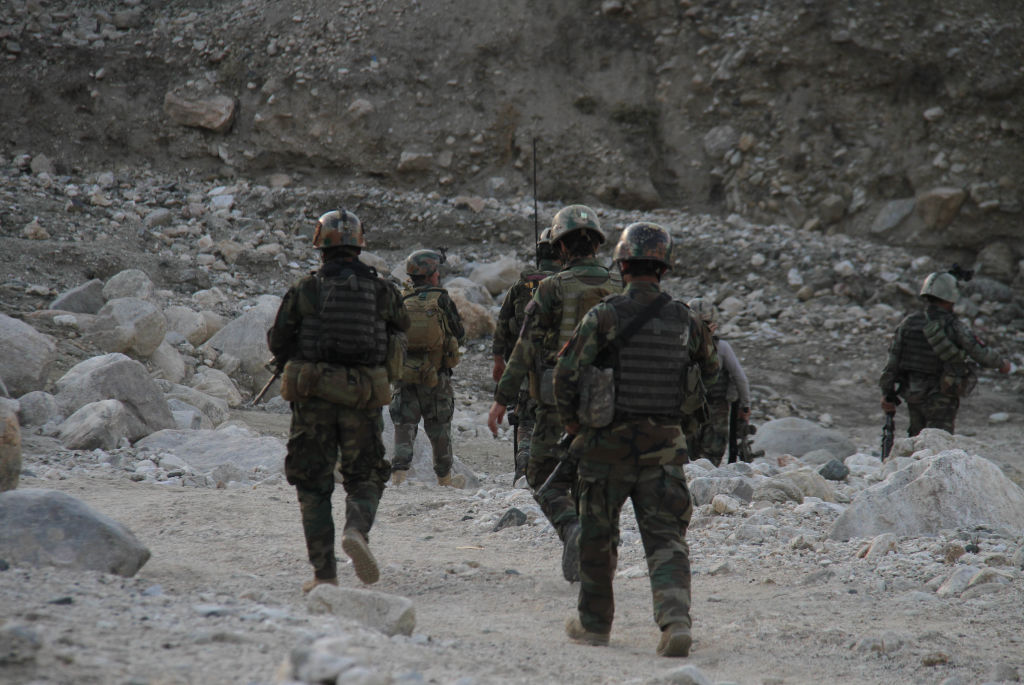
It took the Taliban just three and a half months to undermine a 20-year international effort to build a competent Afghan military. The Afghanistan National Army (ANA) collapsed once it was clear the U.S. was pulling out ground troops and ceasing air support operations after two decades of training and sustainment that cost the American taxpayer approximately $83 billion. When required to stand alone, against a Taliban force, the ANA failed unequivocally. Building the ANA as a mirror image of the U.S. military was strategically and operationally flawed. If they are designed to fight like the U.S. but cannot fight in the absence of U.S. forces, they are ineffective. What lessons should we learn from this and how could our approach be different in the future?
Stuck in the middle: Afghanistan between the superpowers
After 20 years of extensive involvement in Afghanistan by the U.S. and other NATO allies, now is the time to ask what China sees in the country and how it plans to approach relations with its new rulers, the Taliban.
Balancing ties, Russia expands Afghanistan cooperation with both India and Pakistan
Since the Taliban seized control of Kabul on Aug. 15, Russia has expanded its engagement with India and Pakistan on Afghanistan. Russian President Vladimir Putin held talks with Indian Prime Minister Narendra Modi on Aug. 24, which resulted in the creation of a permanent bilateral channel for consultations on Afghanistan. On Sept. 8, Modi’s national security advisor, Ajit Doval, met with his Russian counterpart, Nikolay Patrushev, and agreed to expand Russia-India cooperation against terrorism and drug trafficking. On Aug. 25, Putin spoke with Pakistani Prime Minister Imran Khan about the situation in Afghanistan, which resulted in Khan inviting Putin to visit Pakistan. Russia’s simultaneous engagement with India and Pakistan on Afghanistan is the latest iteration of its balancing strategy toward the two South Asian rivals.
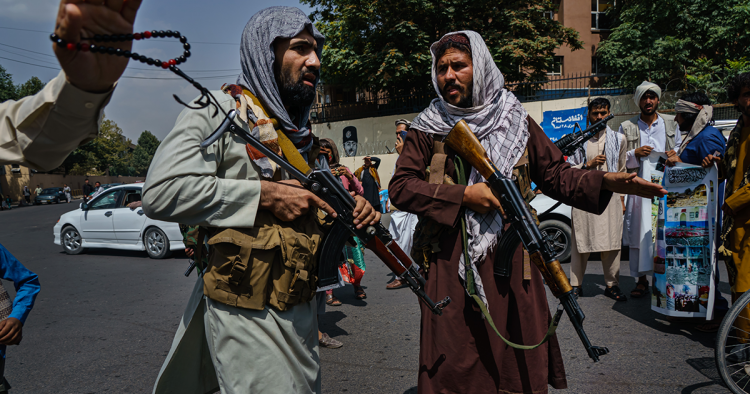
The selection of the interim Afghan government led by Mullah Hasan Akhund has the unmistakable stamp of Pakistan’s security establishment. Islamabad has always wanted the international community to believe that the Taliban are a nationalistic Pashtun force that has a legitimate claim to rule the country, but the manner in which the new government has been announced is a testament to the fact that the Taliban are also a proxy force for Pakistan
Ross Harrison, Paul Salem, and Randa Slim join host Alistair Taylor to reflect on 9/11’s impact on US policy in the Middle East over the past 20 years and how its legacy has been viewed by the region.
The Taliban’s post-battle narratives on women’s rights and governance
Unanticipated swiftness of victory can be potentially befuddling, even for the victor. After the Taliban’s dramatic and largely bloodless capture of power, their leadership has struggled to finalize the structure of a government that will rule the country. The group, however, has attempted to use the interregnum period to indulge in a rebranding exercise. Statements issued by its spokespersons in Kabul as well as in Doha indicate that the group does not wish to take revenge on the “collaborators” of the fallen government. Instead, it wishes to form an “inclusive” government, which although it will be governed by sharia, may still have role for former government servants and women. However, this could only be a feeble attempt at building a narrative, which the group will find hard to sustain, even in the short term.
After Afghanistan: What’s next for Pakistan and the US?
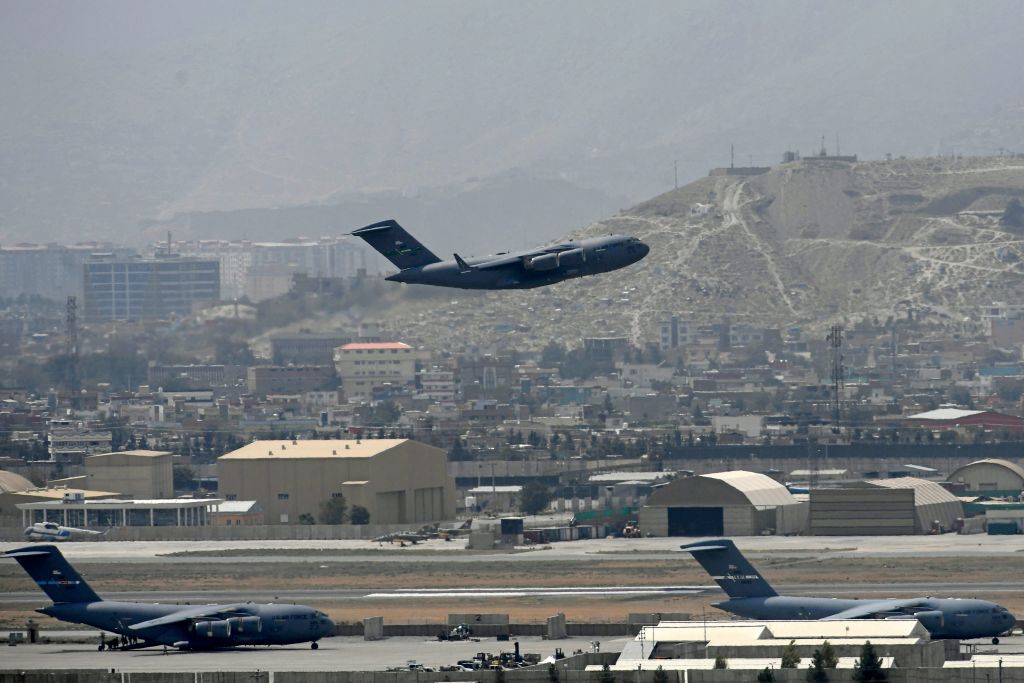
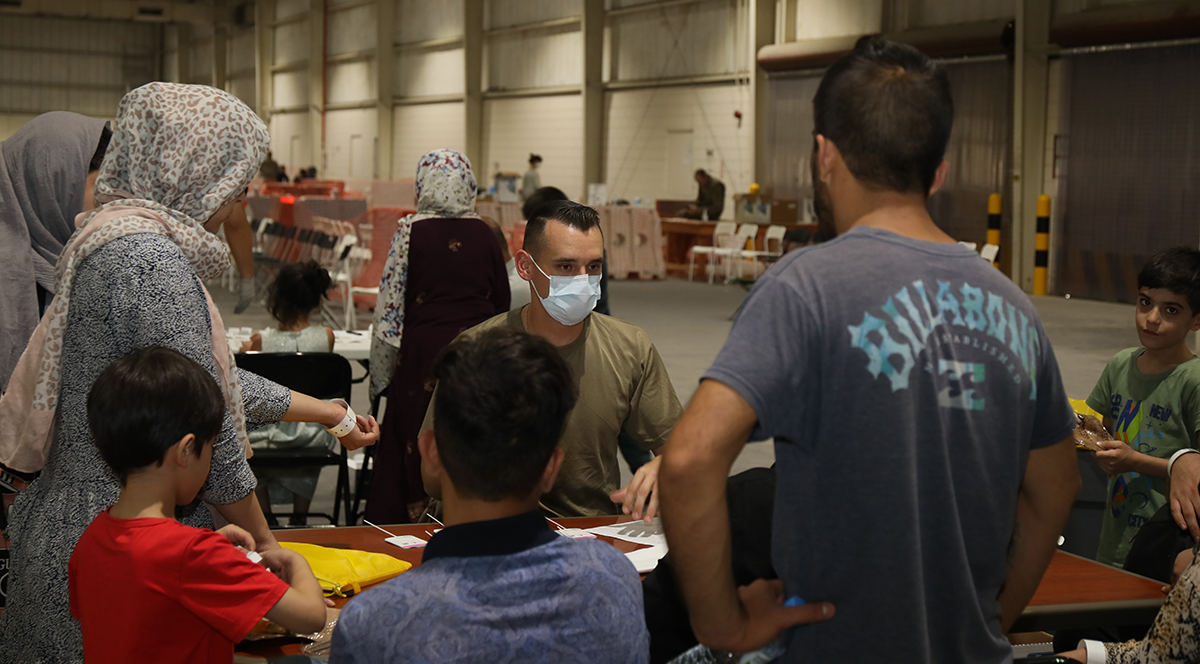
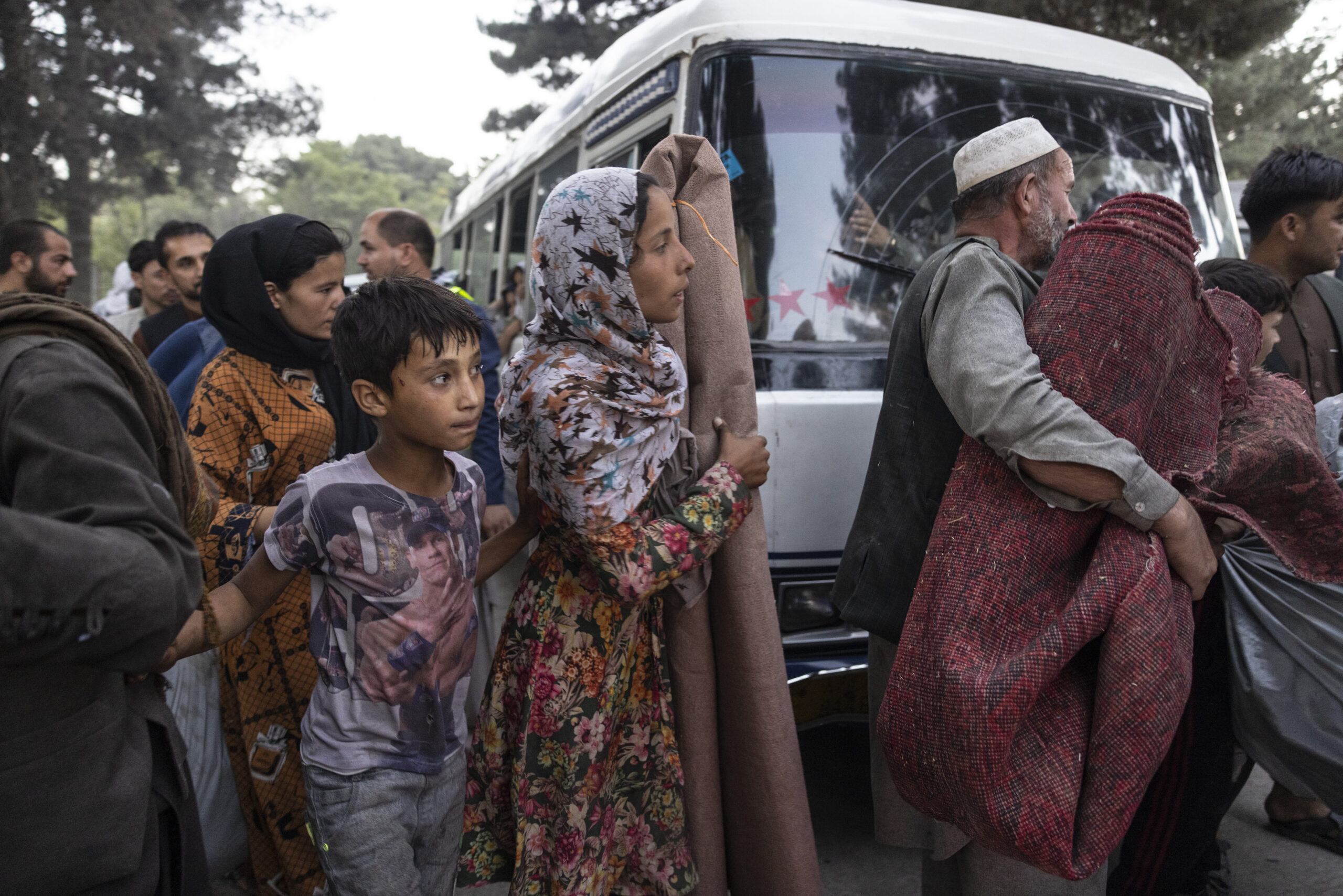
The evacuation crisis precipitated by the Taliban’s swift takeover of Afghanistan following the rapid withdrawal of American troops may further widen the divide between Pakistan and the United States. The Aug. 26 terror attack at Kabul airport claimed by Islamic State-Khorasan Province (ISKP), ISIS’s local affiliate, is a clear manifestation of Washington’s epic defeat in the two-decade-long “war on terror” and a sign that President Joe Biden is losing his grip on the Afghan narrative.
We rarely miss an opportunity to criticize our Gulf Arab partners — sometimes rightly so — for not doing enough to safeguard collective interests. But one must acknowledge that on Afghanistan, and especially our just-completed exit from the country, most of our Gulf Arab partners absolutely shined. They deserve a ton of credit for the role they played in our large, challenging, and deadly evacuation — a role which was nothing short of indispensable.
The CIA Is Better Than the U.S. Military at Creating Foreign Armies
The failure of the Afghan army is a reminder that Pentagon-led security cooperation programs are more expensive and less effective than those led by spies.
من المهم الاعتراف بالجهود الجبارة التي بذلها ضباطنا في الجيش والخدمة الخارجية والمخابرات لإخراج أكثر من 100 ألف من الأمريكيين ومن الأفغان حاملي تأشيرة الهجرة الخاصة من أفغانستان بالتنسيق مع مئات المتطوعين الذين ساعدوهم في كل من الولايات المتحدة وأفغانستان. والأهم من ذلك هو الاعتراف بالجنود من الرجال والنساء الأمريكيين الذين قدموا أقصى التضحيات لبلدهم من أجل حماية الأمريكيين.
The oldest peer-reviewed publication dedicated to the study of the modern Middle East, MEI’s flagship journal covers politics, society, and culture in the region.