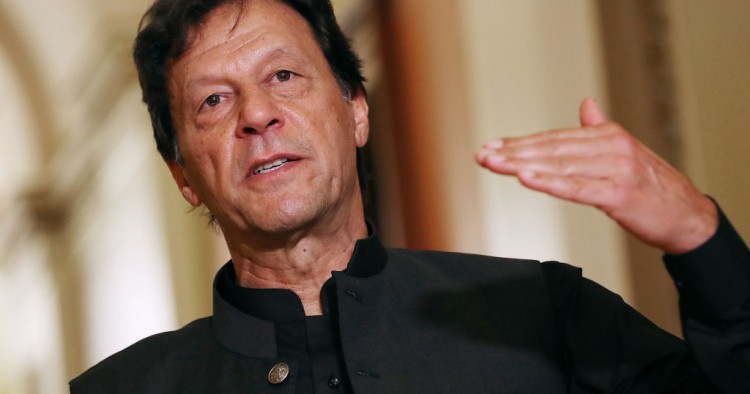
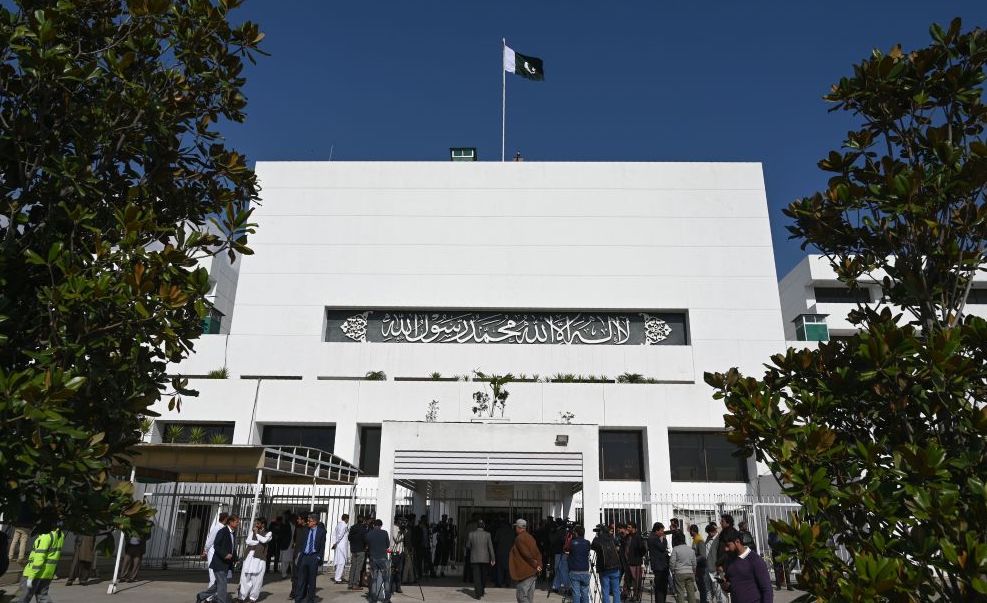
As it fights on four separate but connected fronts, Pakistan’s military is employing more force and less tolerance for public dissent. The result is not strength, but instead a widening set of vulnerabilities that will undermine Pakistan.
The Mecca Joint Défense Agreement: A New Geometry of Middle Eastern Power?
On August 7, 2026, Saudi Arabia, Turkey, and Pakistan signed the Mecca Joint Défense Agreement, a collective-defense pact widely compared to NATO’s Article 5. This essay argues that the comparison is misleading. Mecca borrows NATO’s language of solidarity without yet possessing NATO’s institutional machinery, and the Houthi offensive against Saudi Arabia in September 2026 provided an early and revealing test of what the agreement actually means in practice. Neither Pakistan nor Turkey automatically entered the fight on Saudi Arabia’s behalf, and Washington, despite an initial reluctance to strike directly, remained indispensable through intelligence support and a major proposed F-35 sale. Drawing on realist alliance theory — Hans Morgenthau, Kenneth Waltz, Stephen Walt, Glenn Snyder, and Steven David — and on the precedent of the Central Treaty Organization (CENTO), the essay contends that the Middle East is not dividing into rival blocs but moving from hierarchy toward a looser, overlapping geometry of hedged partnerships, in which American exclusivity is eroding considerably faster than American primacy.
The Mecca Alliance Meets the Red Sea – Saudi Arabia’s New Defense Pact Faces Its First Major Test
When Saudi Arabia, Turkey and Pakistan agreed to a mutual defense pact in August, it was principally seen as a political commitment. The “Mecca alliance,” as it was dubbed, stipulated that an armed attack on one would be treated as an attack on all three, accompanied by deeper military cooperation.
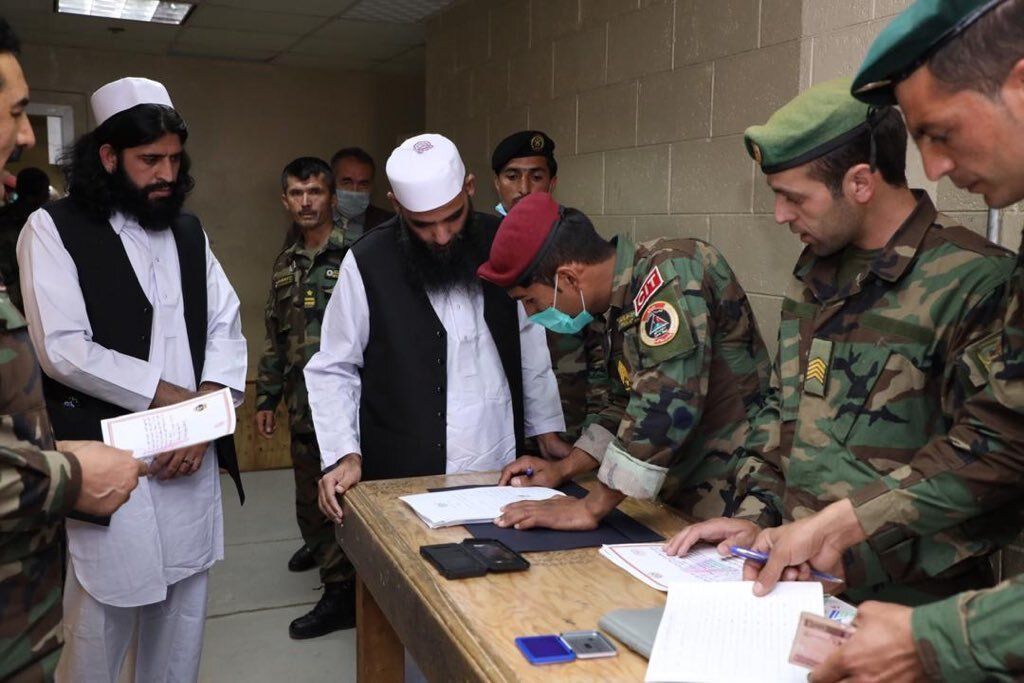
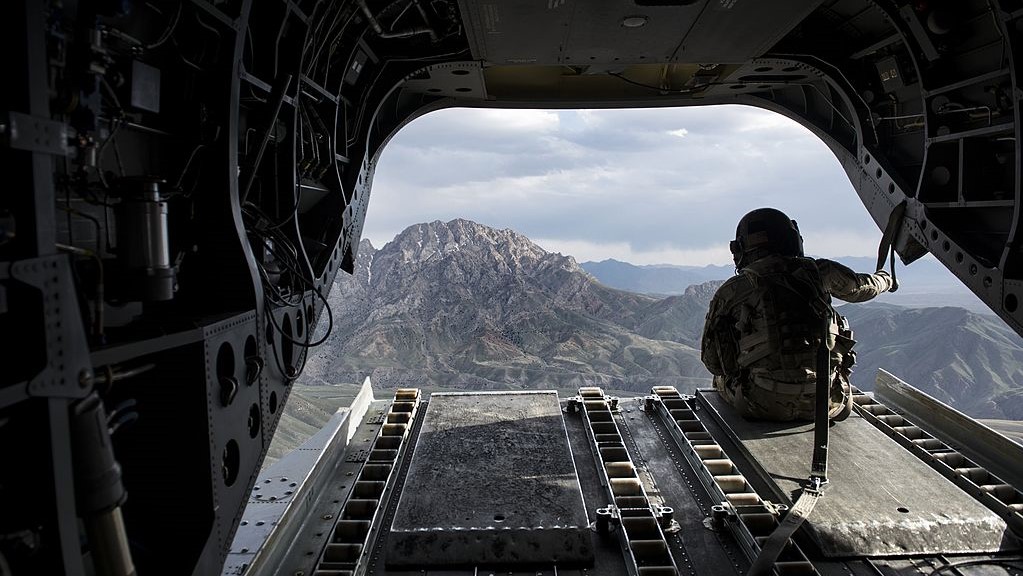
The hurdles encountered in kick-starting the intra-Afghan talks seem to be more daunting than anticipated. This has not only delayed a process that was scheduled to begin immediately after the Doha agreement in February, but has also underlined the bumpy road that lies ahead for various stakeholders to reach a consensus on Afghanistan’s national destiny.
This week’s briefing on recent news and upcoming events in the region featuring Charles Lister, Randa Slim, Jonathan M. Winer, Alex Vatanka, Marvin G. Weinbaum, Robert S. Ford, Mirette F. Mabrouk, and Syed Mohammad Ali.
Looking to repair ties, Pakistan’s Gen. Bajwa heads to Saudi Arabia
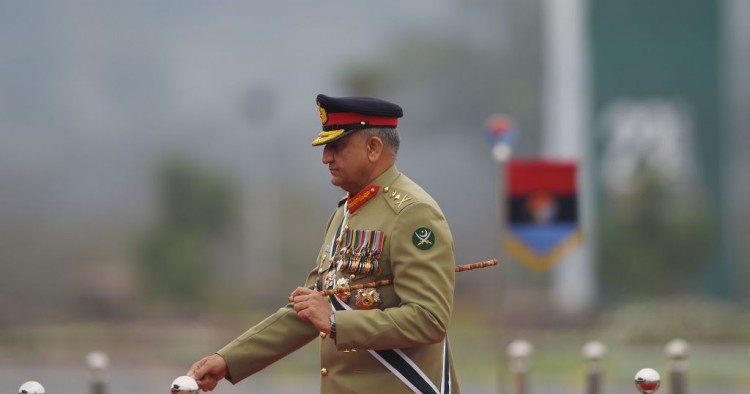
All is not well in Pakistan-Saudi relations, which seem to have gone into a tailspin. In order to repair the fractured ties with one of the country’s strongest allies, Pakistan’s army has swung into action and its chief, Gen. Qamar Javed Bajwa, will travel to Saudi Arabia for talks this weekend.
What does China’s growing engagement in Afghanistan mean for the US?
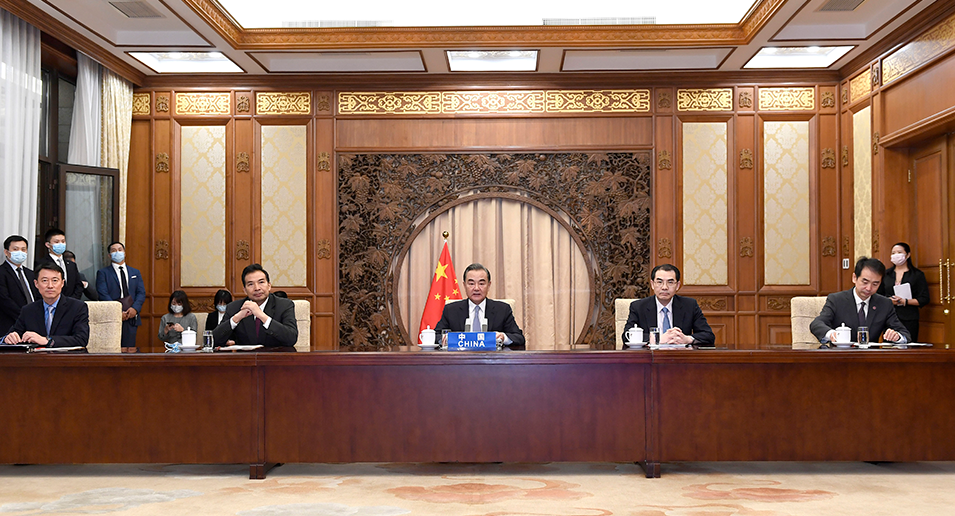
On July 27, Chinese Foreign Minister Wang Yi held a video conference with his counterparts from Afghanistan, Pakistan, and Nepal to suggest expanding their pandemic cooperation and proposed extending the China-Pakistan Economic Corridor into Afghanistan. Although the details about what this quadrilateral framework would entail and how it would work are unclear, any movement toward its institutionalization would be a serious challenge for the United States.
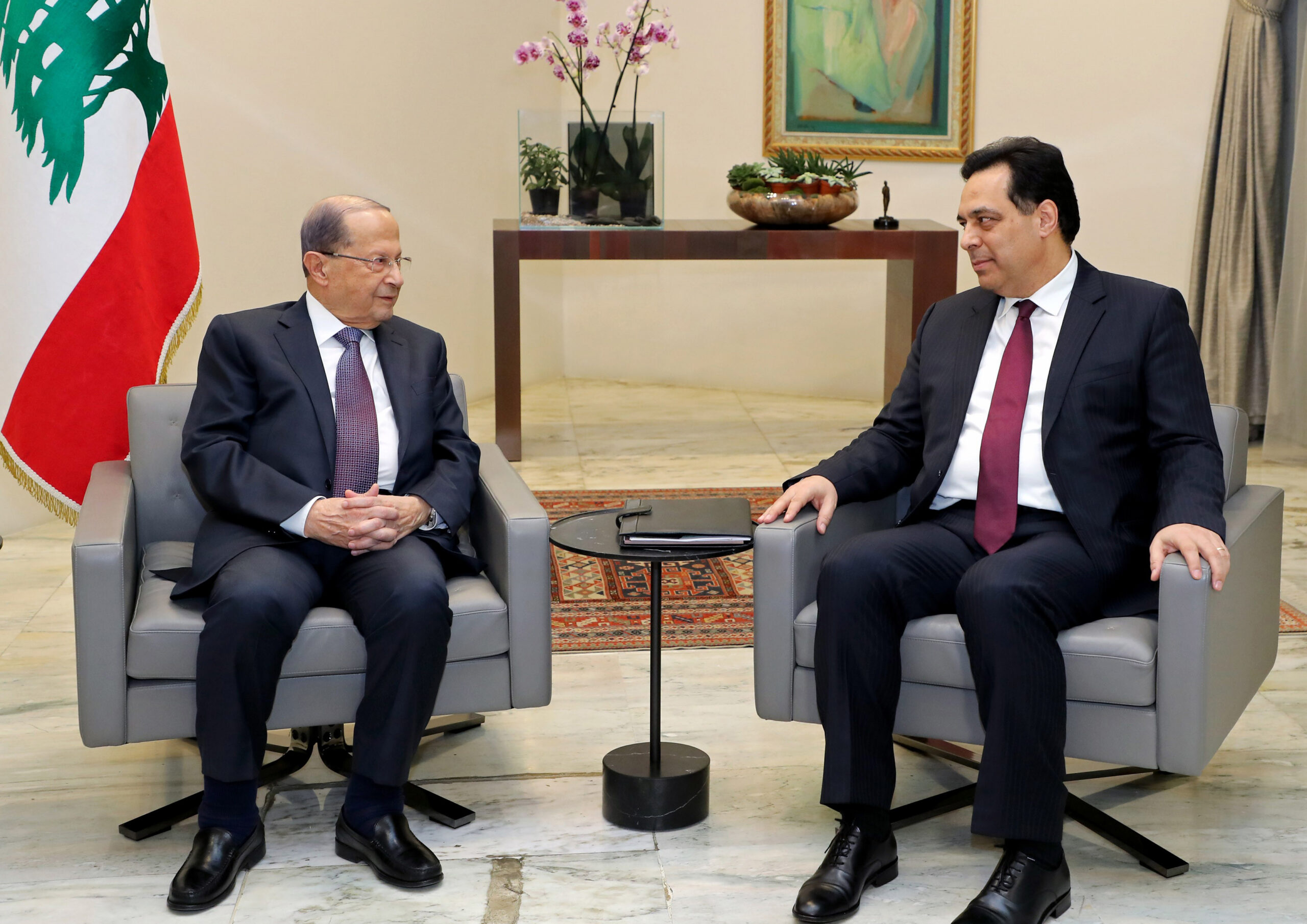
Monday Briefing | Lebanon: The twilight of an impotent government
This week’s briefing on recent news and upcoming events in the region featuring Paul Salem, Hafsa Halawa, Marvin G. Weinbaum, Anne-Linda Amira Augustin, and Gerald Feierstein.
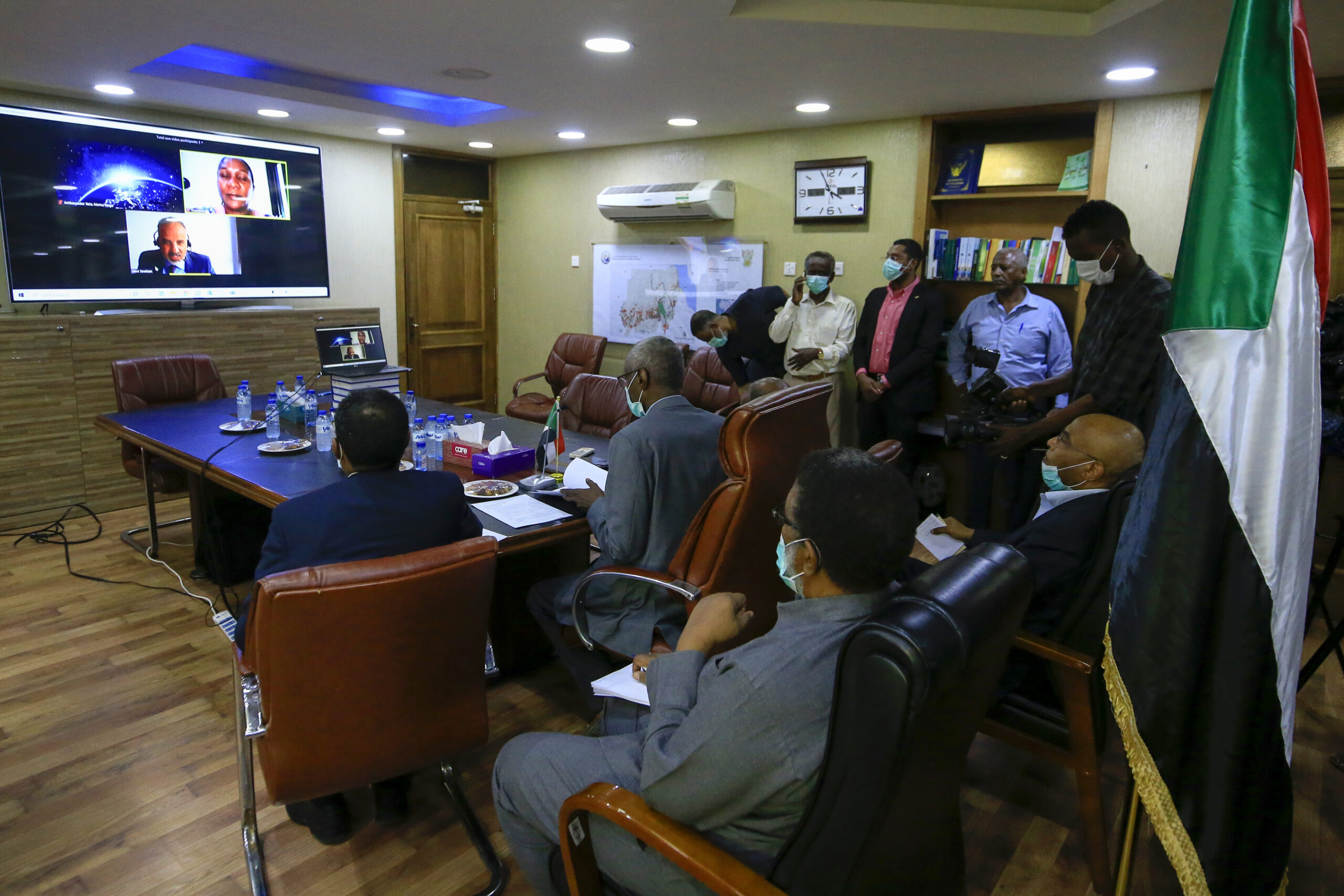
Monday Briefing: GERD talks continue, but political will is still lacking
This week’s briefing on recent news and upcoming events in the region featuring Mirette F. Mabrouk, Marvin G. Weinbaum, Gonul Tol, Alex Vatanka, and Gerald Feierstein.
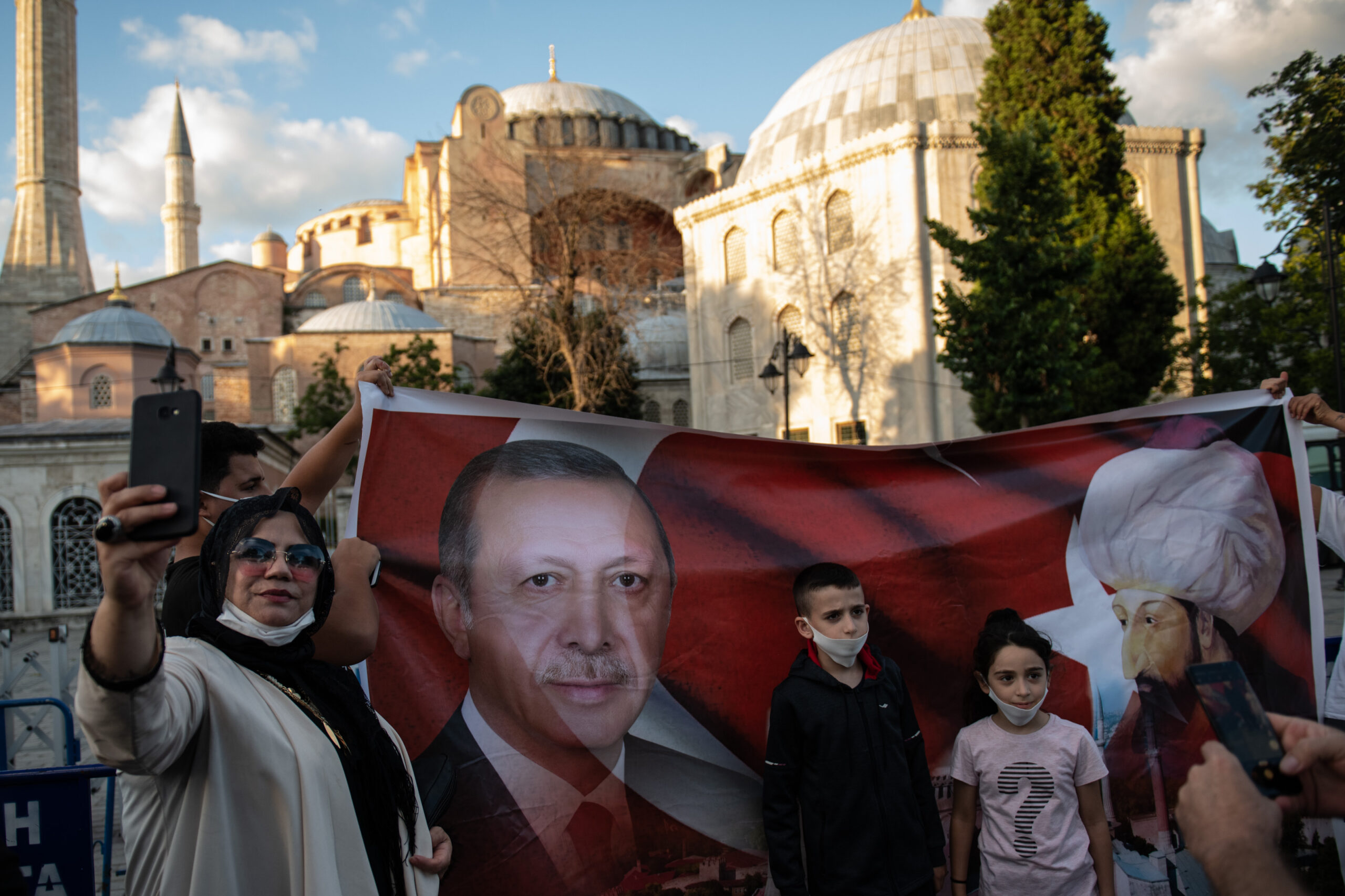
Monday Briefing: Erdoğan and the “symbolic war” over Hagia Sophia
This week’s briefing on recent news and upcoming events in the region featuring Seren Selvin Korkmaz, Marvin G. Weinbaum, Mirette F. Mabrouk, Robert S. Ford, and Nilsu Goren.
US-Russia rift exacerbates Afghanistan’s crisis of confidence
Multiple signs point to a crisis of confidence in Afghanistan. Ever since the publication of a sensational report alleging that a Russian military intelligence unit secretly offered bounties to the Taliban to kill American soldiers, there has been an intense debate about the possibility of peace in Afghanistan following the U.S. exit.
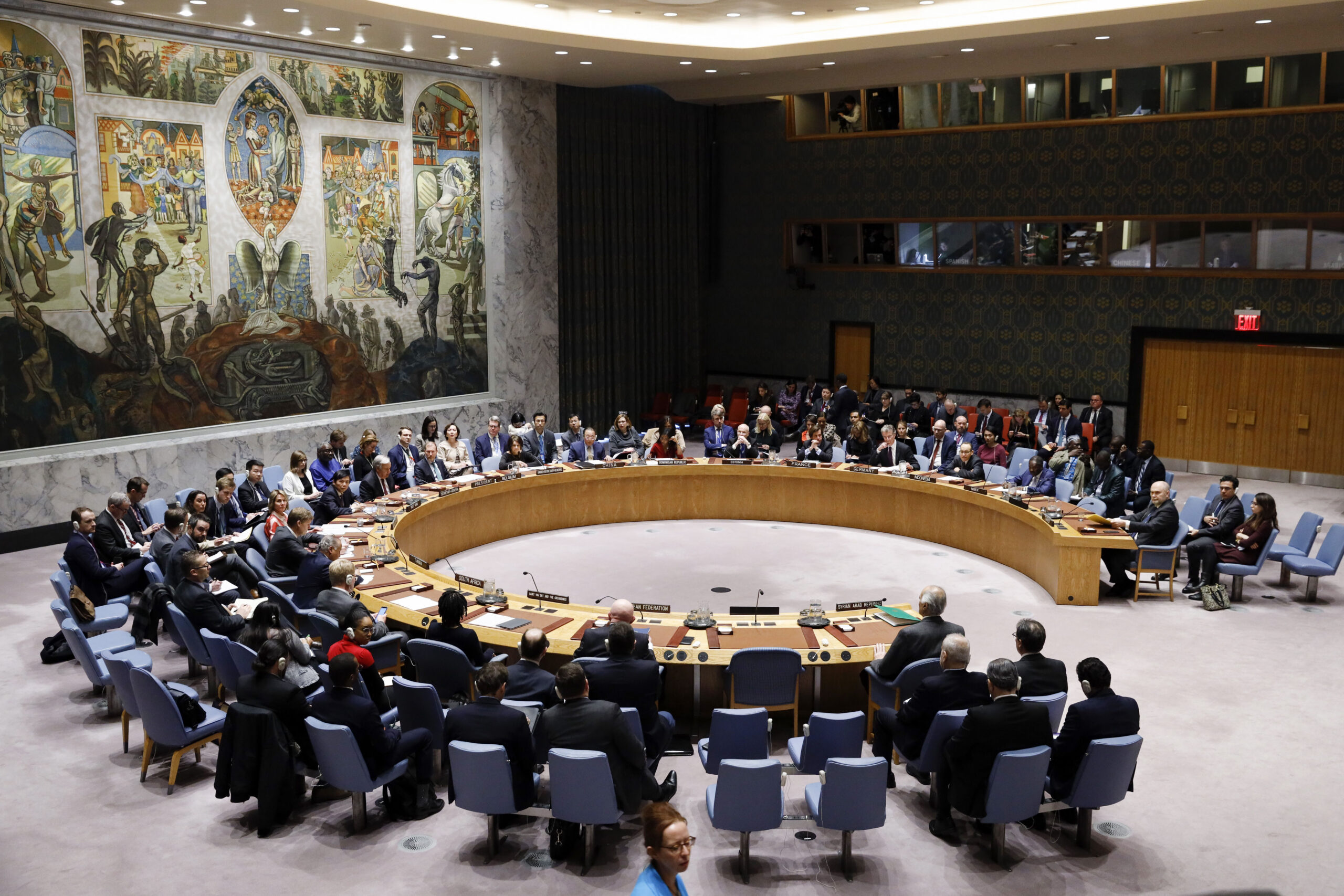
Monday Briefing: The UN Security Council must act now to save northwest Syria
This week’s briefing on recent news and upcoming events in the region featuring Dara Conduit, Marvin G. Weinbaum, Mark Heller, Syed Mohammad Ali, Gonul Tol, and Guled Ahmed.
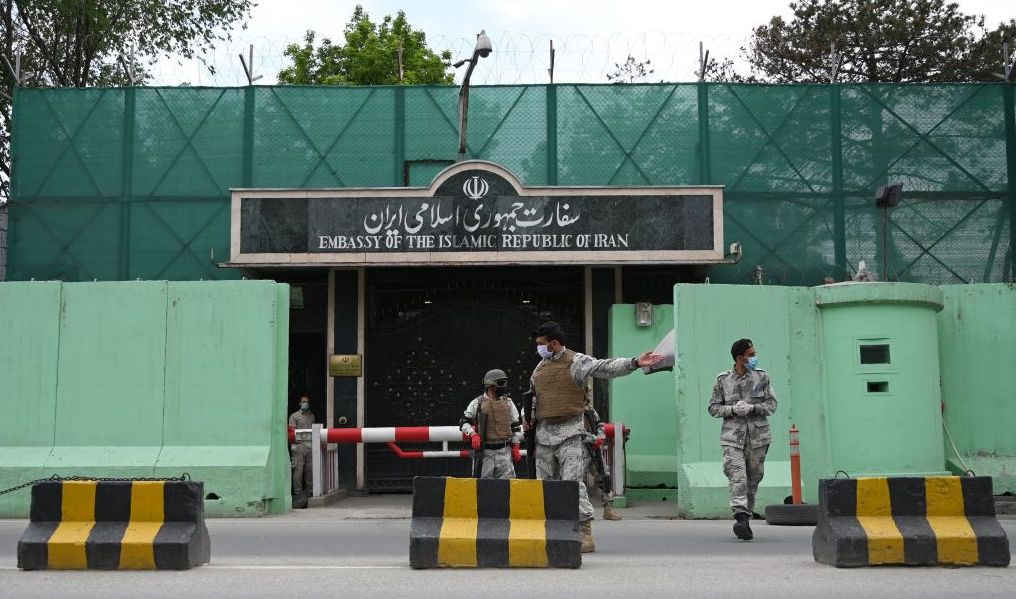
Despite strong religious and cultural ties and a long shared border, Iran has a somewhat complicated relationship with Afghanistan. Since the Soviet Union’s invasion of Afghanistan some four decades ago, Iran’s attempts to preserve its interests in conflict-ridden Afghanistan have not received much attention from the outside world, but it remains one of the most important neighboring countries for Tehran’s foreign policy.
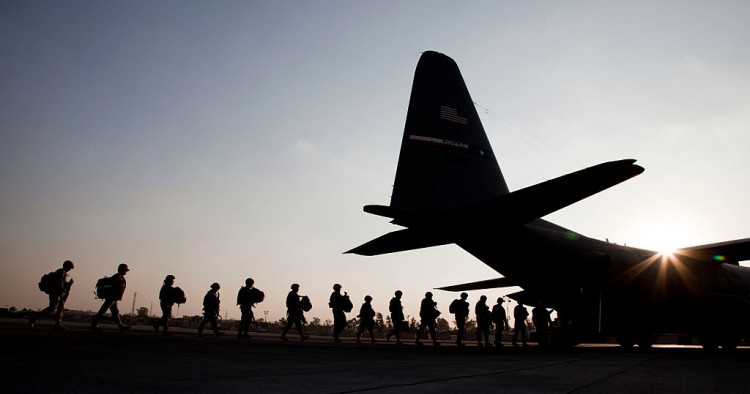
Confusion writ large: US troop withdrawal from Afghanistan
The uncertainty about the withdrawal timetable has sowed confusion among U.S. partners in Afghanistan and prompted the Taliban to accuse the U.S. of not living up to the terms of their agreement.
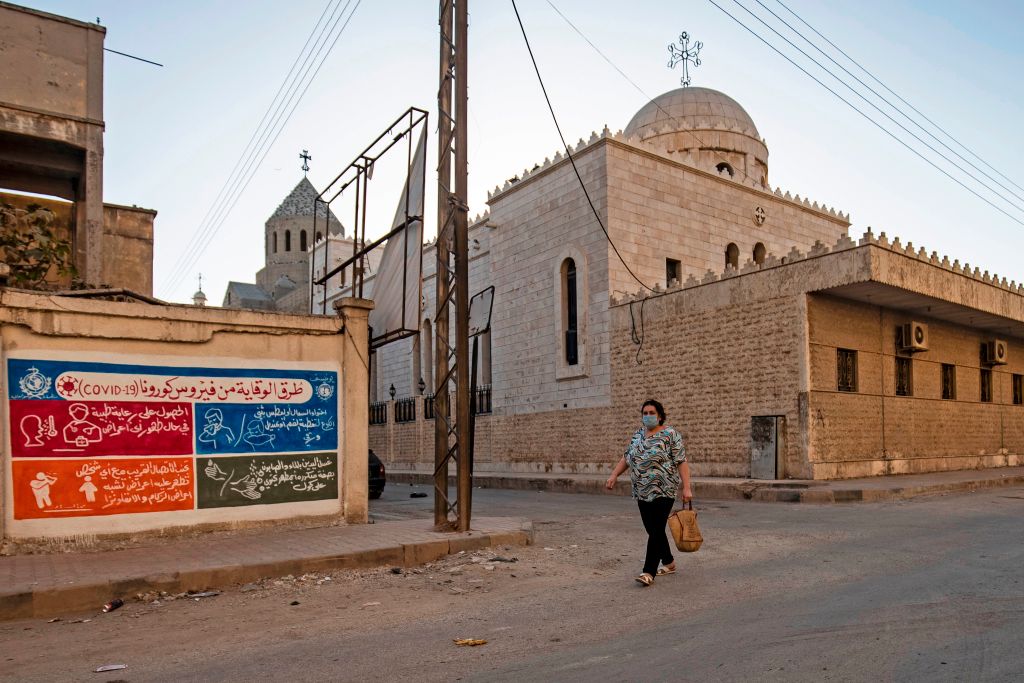
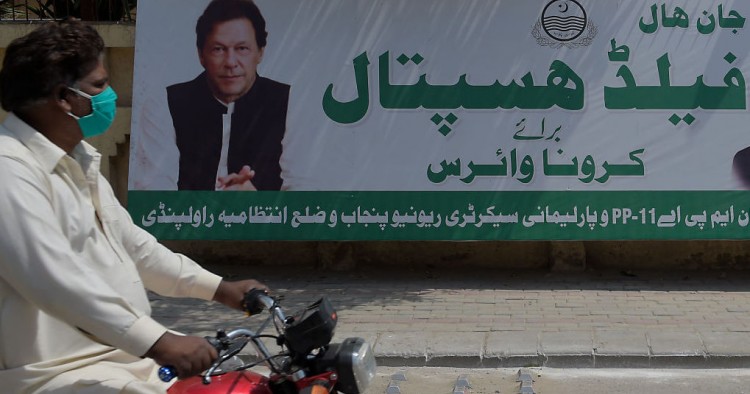
Mainly at issue for the country is the difficult choice of whether to prioritize saving lives or saving the economy for a Pakistan that can ill afford to ignore either.
The oldest peer-reviewed publication dedicated to the study of the modern Middle East, MEI’s flagship journal covers politics, society, and culture in the region.