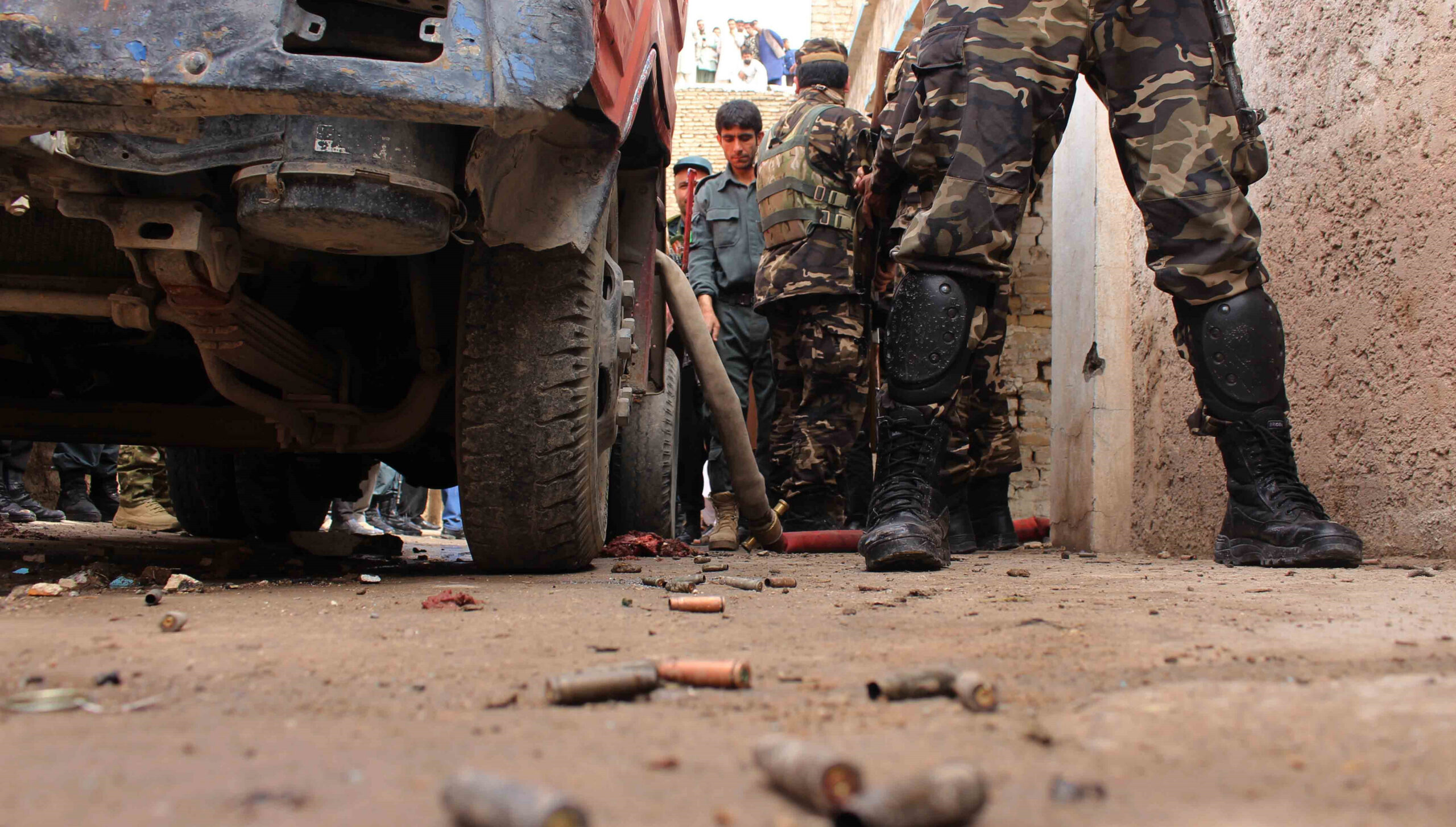
As it fights on four separate but connected fronts, Pakistan’s military is employing more force and less tolerance for public dissent. The result is not strength, but instead a widening set of vulnerabilities that will undermine Pakistan.
The Mecca Joint Défense Agreement: A New Geometry of Middle Eastern Power?
On August 7, 2026, Saudi Arabia, Turkey, and Pakistan signed the Mecca Joint Défense Agreement, a collective-defense pact widely compared to NATO’s Article 5. This essay argues that the comparison is misleading. Mecca borrows NATO’s language of solidarity without yet possessing NATO’s institutional machinery, and the Houthi offensive against Saudi Arabia in September 2026 provided an early and revealing test of what the agreement actually means in practice. Neither Pakistan nor Turkey automatically entered the fight on Saudi Arabia’s behalf, and Washington, despite an initial reluctance to strike directly, remained indispensable through intelligence support and a major proposed F-35 sale. Drawing on realist alliance theory — Hans Morgenthau, Kenneth Waltz, Stephen Walt, Glenn Snyder, and Steven David — and on the precedent of the Central Treaty Organization (CENTO), the essay contends that the Middle East is not dividing into rival blocs but moving from hierarchy toward a looser, overlapping geometry of hedged partnerships, in which American exclusivity is eroding considerably faster than American primacy.
The Mecca Alliance Meets the Red Sea – Saudi Arabia’s New Defense Pact Faces Its First Major Test
When Saudi Arabia, Turkey and Pakistan agreed to a mutual defense pact in August, it was principally seen as a political commitment. The “Mecca alliance,” as it was dubbed, stipulated that an armed attack on one would be treated as an attack on all three, accompanied by deeper military cooperation.
MEI’s Ahmad Majidyar and Marvin Weinbaum join host Alistair Taylor to discuss the US-Taliban negotiations in Doha and what a potential agreement could mean for Afghanistan and the wider region.
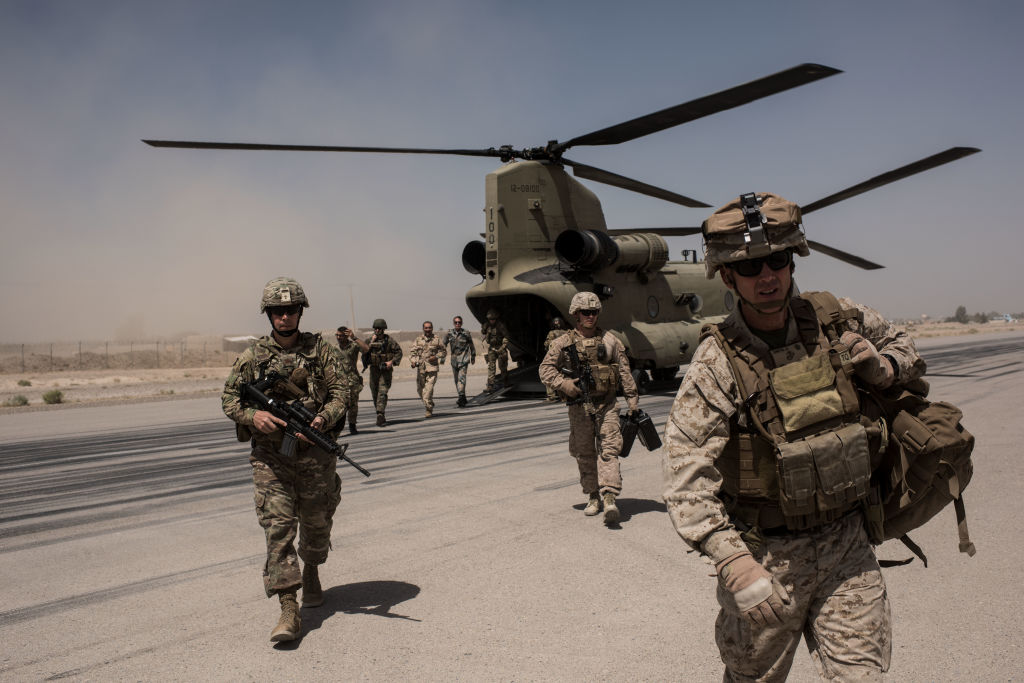
Monday Briefing: US-Taliban talks progress, but major obstacles remain
In this week’s Monday Briefing, MEI experts Ahmad Majidyar, Marvin G. Weinbaum, Randa Slim, Paul Salem, and Guney Yildiz provide analysis on recent and upcoming events including U.S. negotiations with the Taliban in Afghanistan, a warning sent to Israel by Hezbollah leader Hassan Nasrallah, the Sudanese president’s appeal for external support, Turkish-Syrian diplomacy, and Pakistan’s acceptance of Gulf aid.
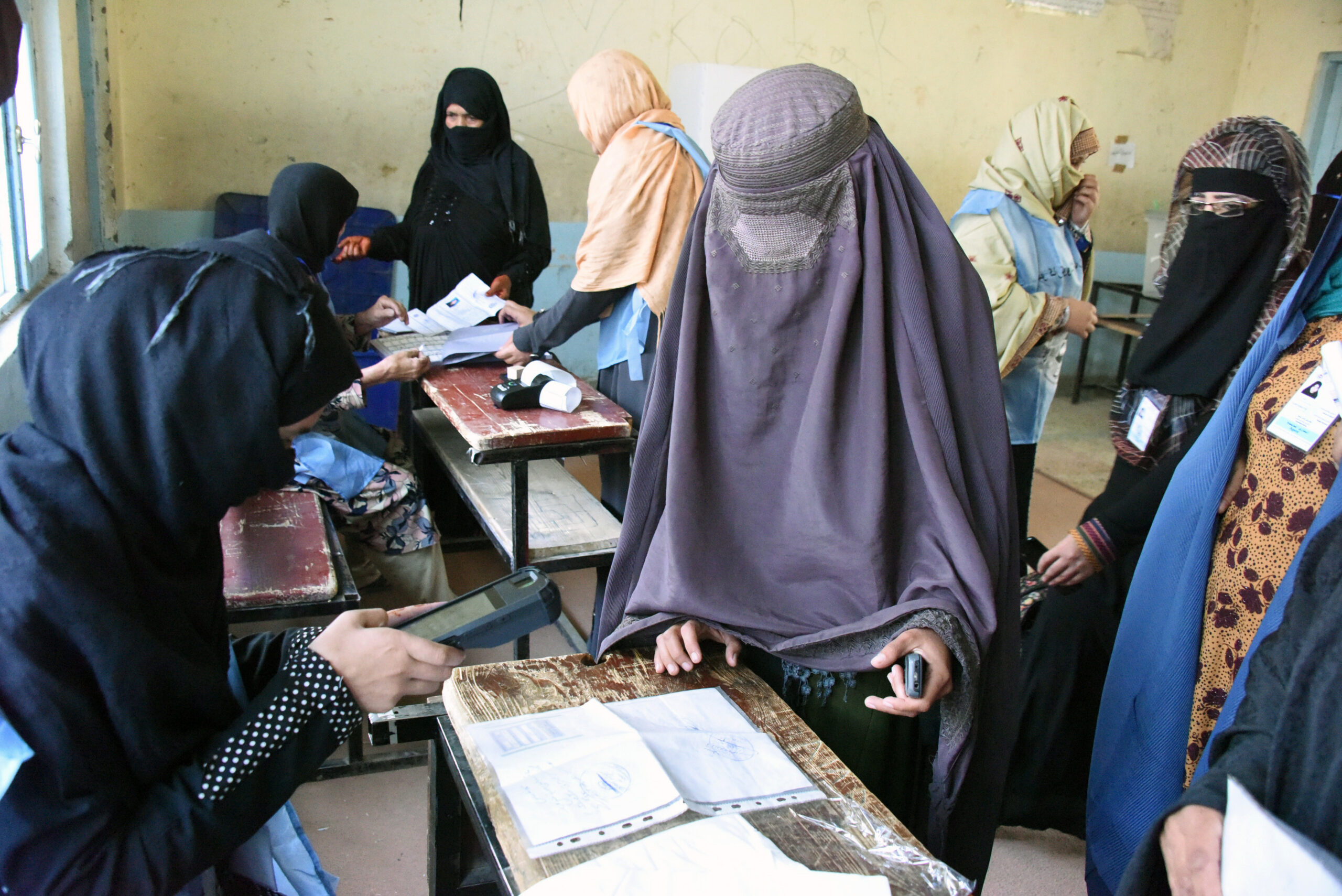
October going on December: Voters are still waiting for results in Afghan elections
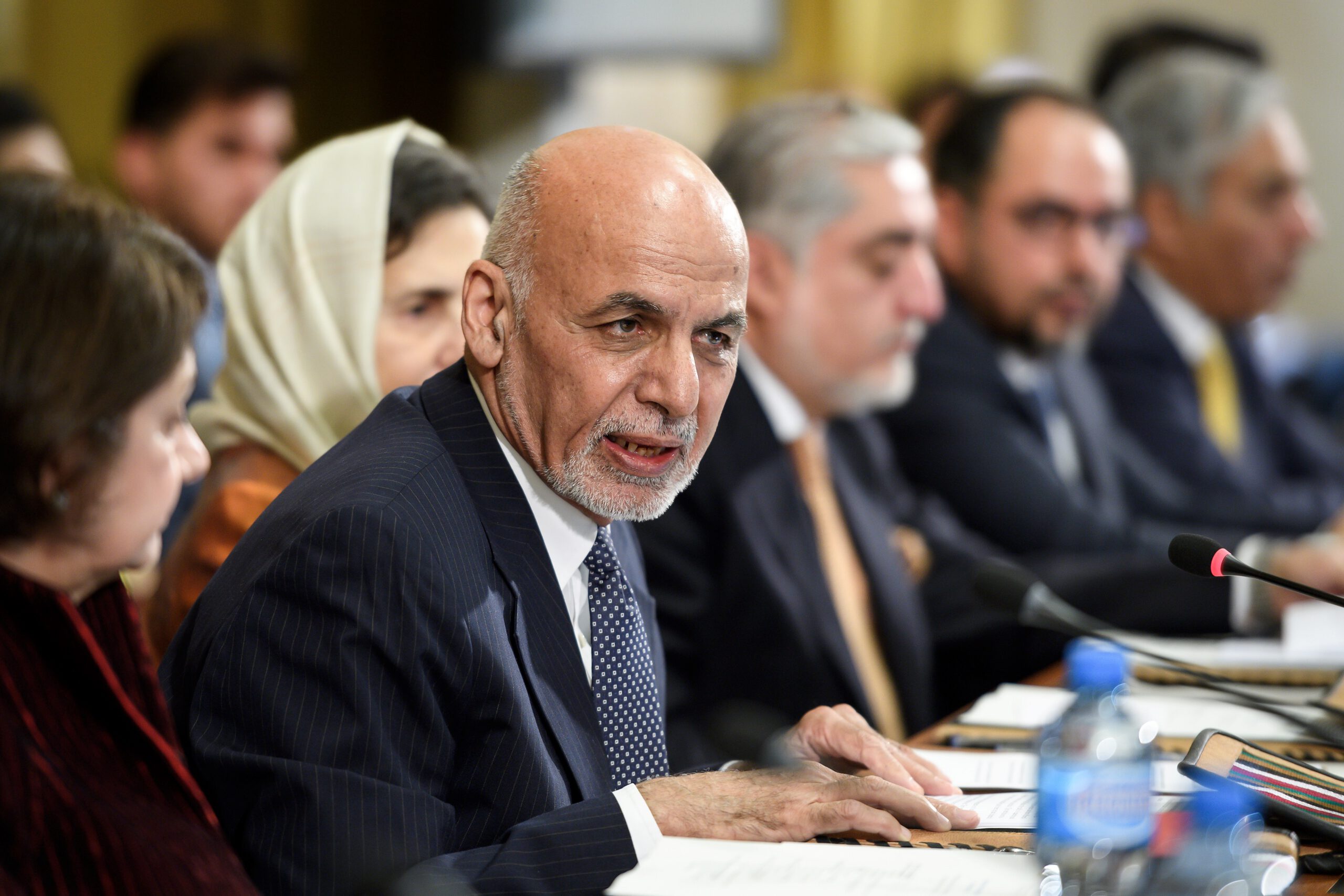
While four million Afghans bravely defied Taliban threats to cast their ballots in parliamentary elections in October, issues with the voting process and the two-month delay in announcing the results are causes for concern, especially with four important elections scheduled for next April.
Geneva conference lays out challenges in Afghanistan
Held on Nov. 27-28, the two-day Geneva conference on Afghanistan voiced both challenges and prospects for Afghanistan’s economic and political stability.
Monday Briefing: Russians launch air strikes after alleged gas attack
In this week’s Monday Briefing, MEI experts discuss recent and upcoming events including Russian air strikes in Aleppo, the elections in Bahrain, the growing international interest in Egypt’s offshore energy finds, and the appointment of a new Afghan team of negotiators for peace talks.
A new approach in Afghanistan: China and India take steps toward cooperation
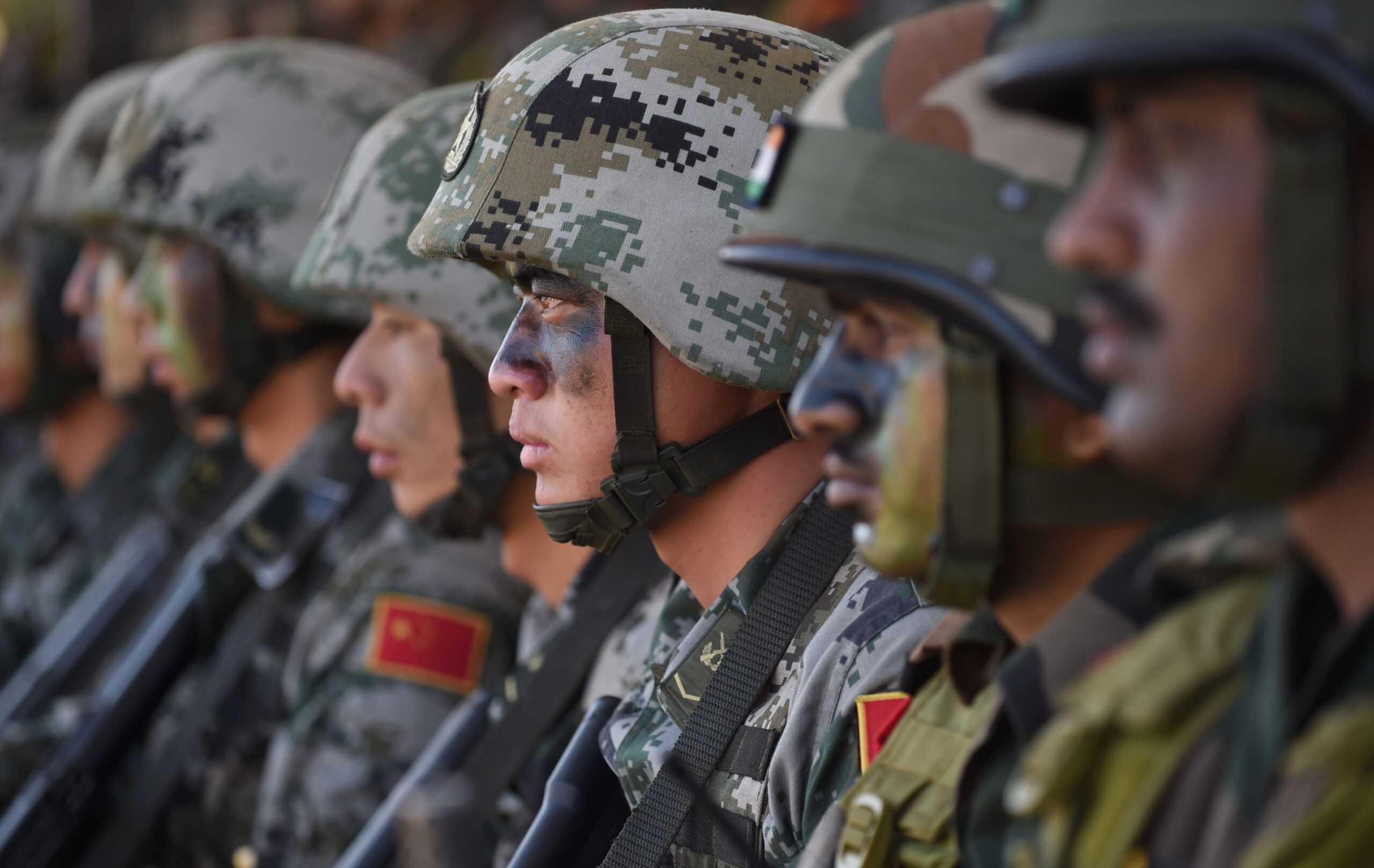
While there have been promising recent signs of Indian-Chinese cooperation in Afghanistan, Beijing’s “all-weather” friendship with Islamabad and Pakistan’s concerns about Indian involvement in the country remain obstacles to closer ties.
In this week’s Monday Briefing, MEI experts Alex Vatanka, Marvin G. Weinbaum, and Charles Lister provide analysis on recent and upcoming events including Iran’s decision to sell its oil in the private sector, the prime minister of Pakistan’s search for foreign aid, and the Syrian summit in Istanbul.
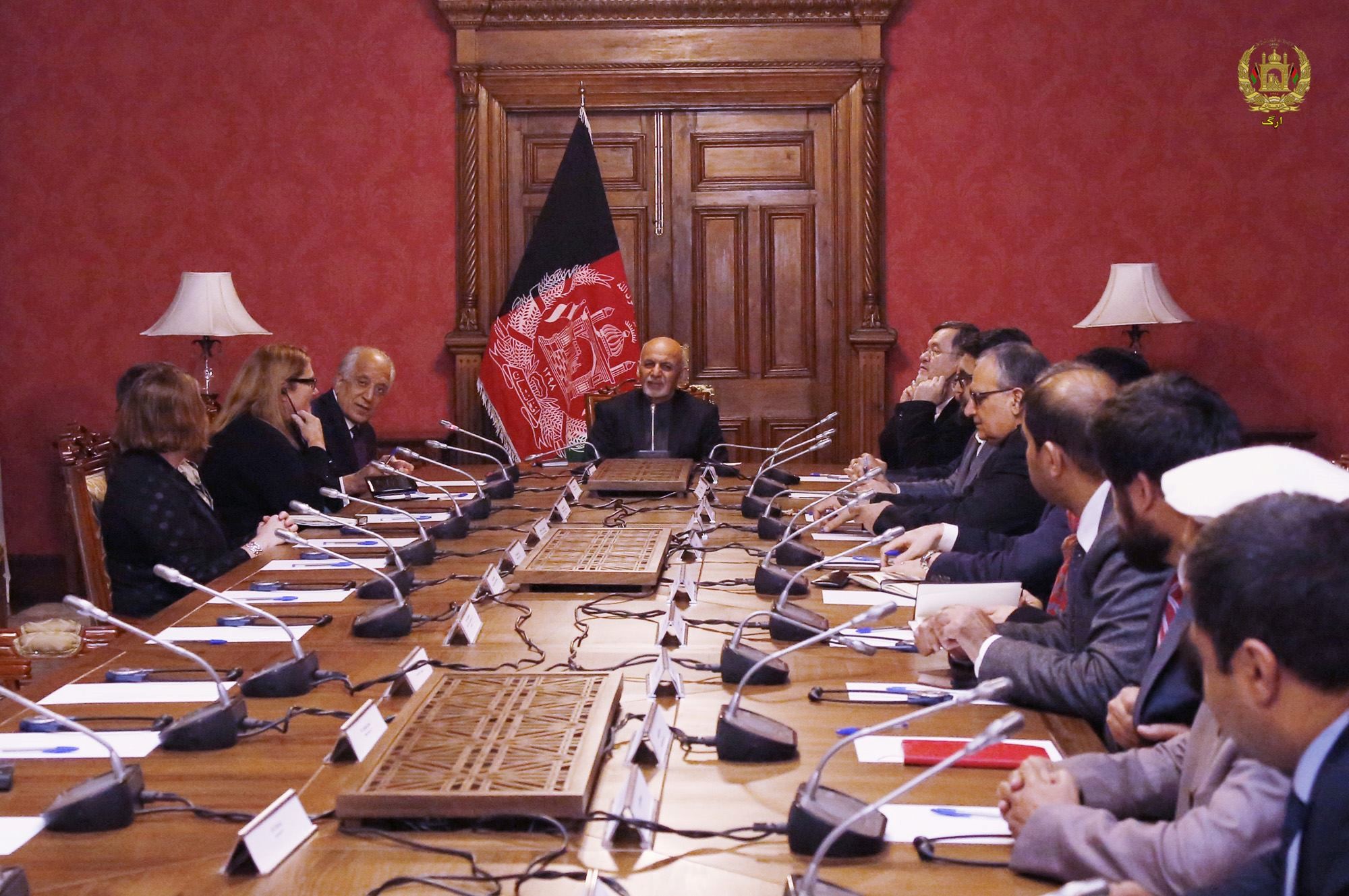
As Khalilzad leads U.S. efforts to bring the Taliban to the negotiating table, he faces immense challenges from geopolitical entanglements and regional rivalries surrounding the Afghan conflict.
Update on Jamal Khashoggi; Afghan elections preview
In this episode, MEI’s Gerald Feierstein and Gonul Tol continue last week’s discussion on the tragedy and ongoing foreign relations crisis over Jamal Khashoggi, and Ahmad Majidyar gives a preview of this weekend’s parliamentary elections in Afghanistan.
The U.S.’s troubled relationship with Pakistan continues to be eroded by crisis after crisis. Leave alone the pretense of any strategic convergence, the two countries are finding it difficult to maintain even a transactional relationship. If events surrounding a short visit by U.S. Secretary of State Mike Pompeo to Islamabad are any indicator, it will not be easy to reduce the trust gap in bilateral ties.
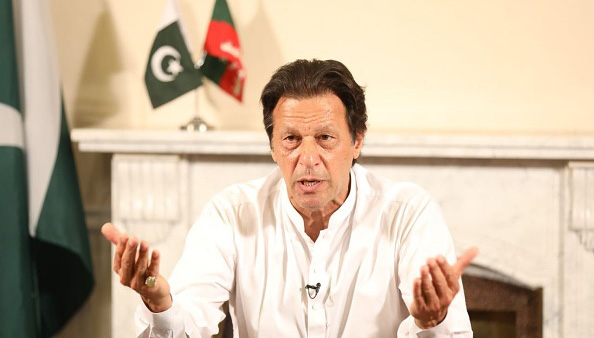
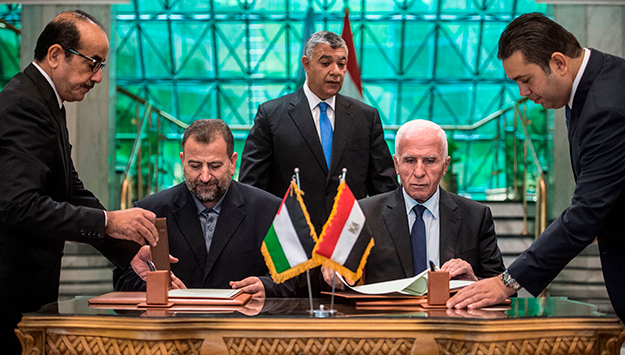
In this week’s Monday Briefing, MEI experts provide analysis on Fatah-Hamas reconciliation talks in Cairo, possible cooperation between the Syrian Democratic Council and the Assad regime, the protests in Iraq, the U.S.’s lifting of restrictions on aid to Egypt, and Imran Khan’s victory in the Pakistani elections.
Anti-India Sentiments in South Asia: Terrorist Recruitment Narratives
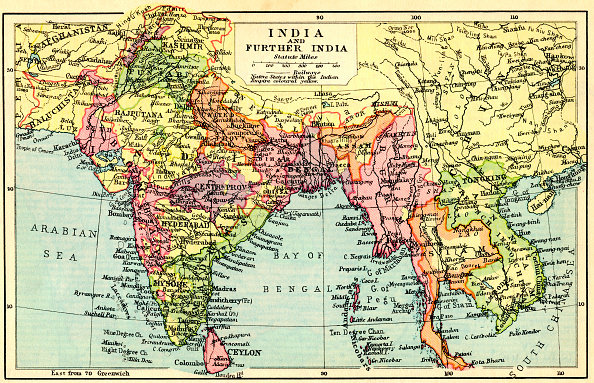
India’s strategic choices in South Asia have prompted it to interfere in the domestic affairs of some of its neighbors. As a result, India has become a part of domestic politics of most of its neighboring states where anti-India sentiment is often used to bolster the nationalist credentials of various political formations. Importantly, such sentiments have been leveraged by Jihadist groups — especially those operating in Pakistan and Bangladesh — to shore up support for themselves.
The oldest peer-reviewed publication dedicated to the study of the modern Middle East, MEI’s flagship journal covers politics, society, and culture in the region.