Recent Elections and What They May Mean for the Middle East
Recent elections for the Israeli Knesset and American Congress may make less of a difference in the Middle East than some people think. Elections are significant indicators of national political trends, but do not always translate into changes in national security strategies. That is likely the case now in both nations.
The Coming Debate Over the US Military Presence in the Gulf
The war with Iran is hardly over, but the debate over the shape and nature of the post-conflict American posture in the Gulf region is just beginning. Undoubtedly, how the war ends will affect how the United States adjusts its role. While this debate is still in its early stages, something of a conventional wisdom is already developing in policy circles that could seriously compromise American influence in the Middle East.
Curb Your Enthusiasm: Why the Midterms Might Not Change Much in US Middle East Policy
With less than a week before the midterm elections in the United States, the spotlight is on the economy and cultural divides. US foreign policy remains mostly on the sidelines, but this year’s inconclusive Iran war and its effect on America’s economy have shaped the broader political environment in this electoral cycle.
Gulf economies should use the available fiscal space to ensure a soft landing
After achieving respectable growth in 2021, the GCC member states now face the risk of monetary (over) tightening due to the need to follow the U.S Federal Reserve’s interest rate adjustments. These increases are not warranted, however, as the GCC economies currently face relatively moderate inflation. Instead, they should use the available fiscal space to mitigate the negative fallout of monetary tightening and make greater use of PPPs for future infrastructure development.
Yemen cease-fire extension: The glass is still half-empty
Although the latest two-month extension of the Yemeni cease-fire was welcomed by all, the conflict will not end until meaningful pressure is applied on the Houthis to deny them a military victory and force them to accept a political resolution to the war they launched in 2014.
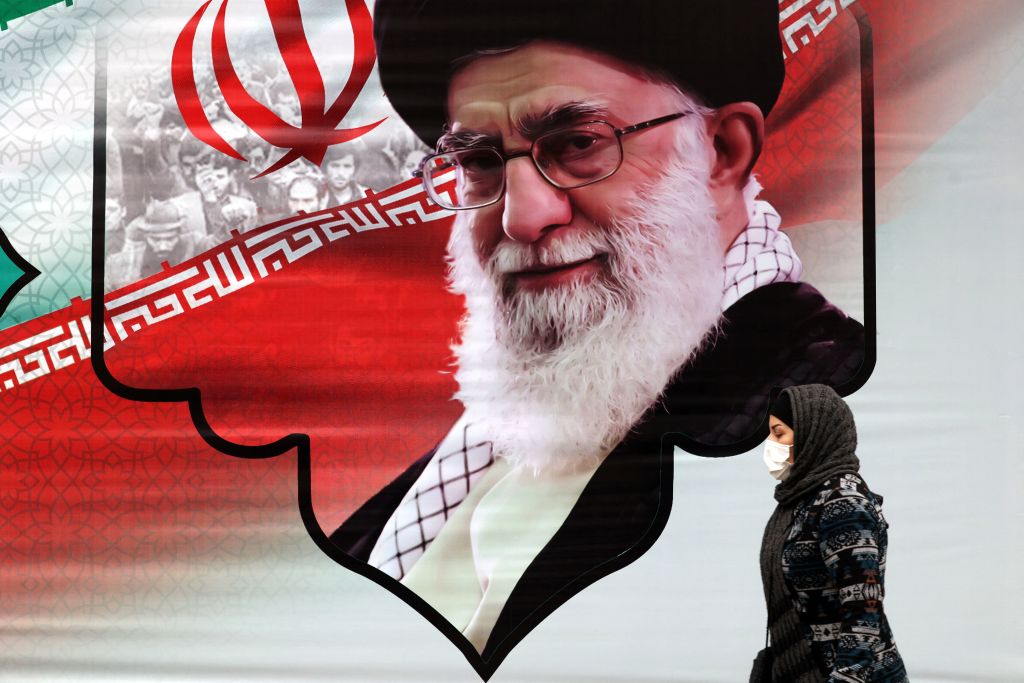
When he declared his presidential candidacy in May 2021, Ebrahim Raisi was already recognized as a favorite of Iran’s supreme leader, Ayatollah Ali Khamenei. A month later, Raisi was handed the job on a silver platter of an election that was carefully engineered by Khamenei. Voter turnout hit a historical low, making clear that Iranian voters saw the sham for what it was. From the get-go, then, Raisi’s primary concern was not Iranian public opinion but Khamenei’s continued patronage.
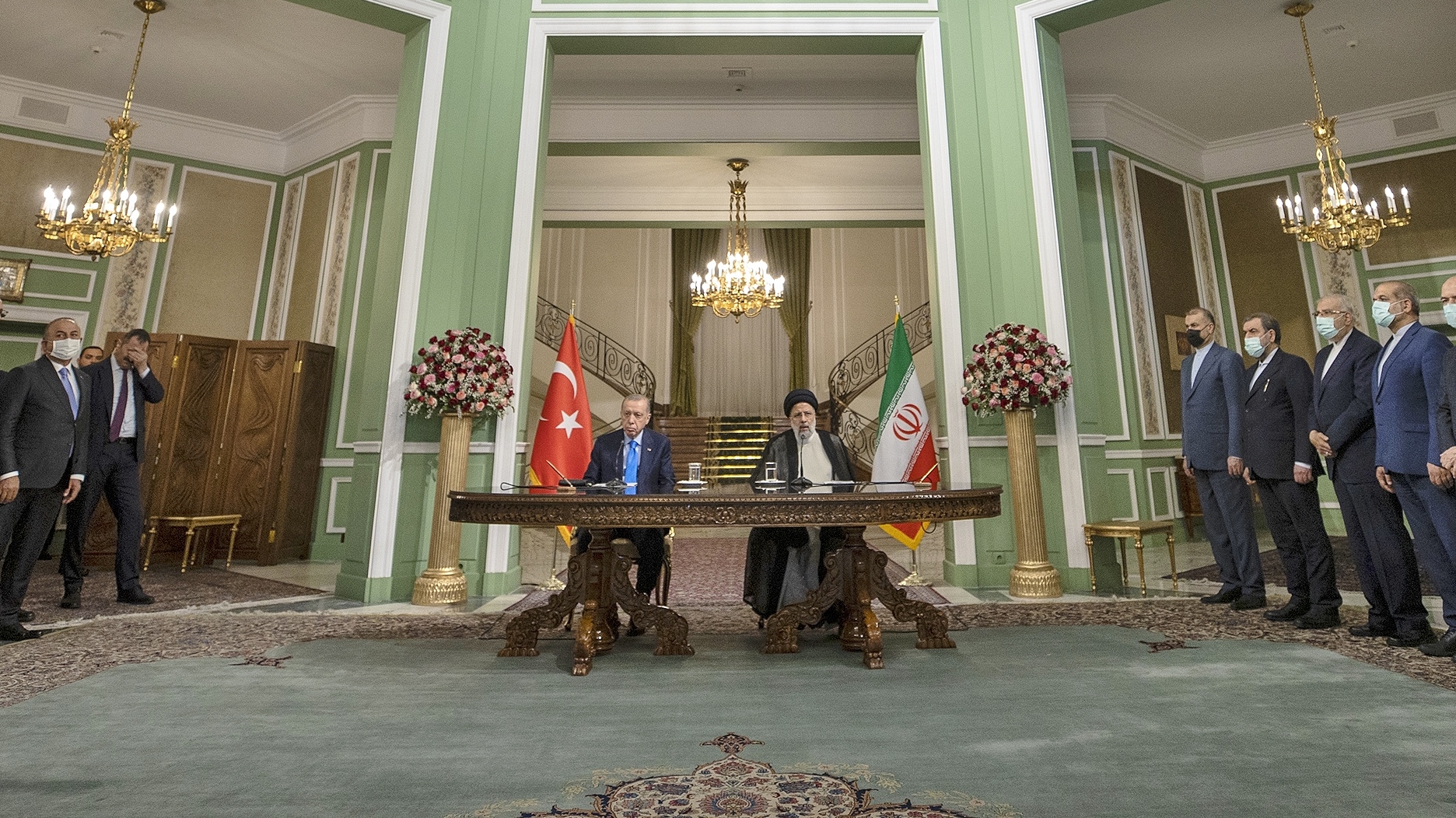
Erdoğan in Tehran, but Turkey and Iran have plenty of mistrust to overcome
Iranian-Turkish trade and economic cooperation has been the all-important platform on which otherwise often tense bilateral relations could survive. With trade and economic ties now weakening, their geopolitical rivalry could sharply re-intensify.
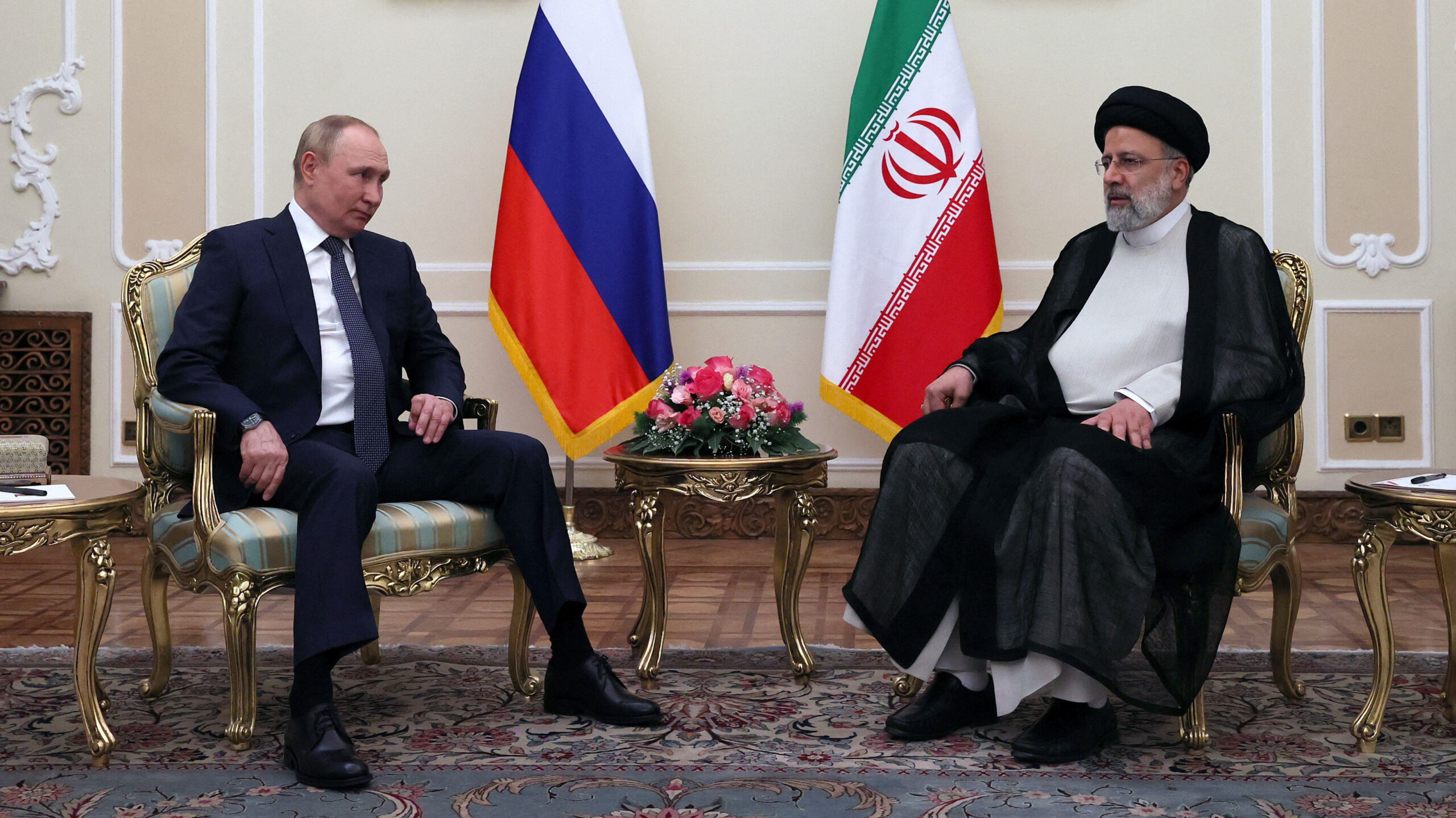
Putin’s visit to the Islamic Republic: Bringing Iran closer to Russia while building long-term leverage over Tehran
Russian President Vladimir Putin’s July 19 visit to Tehran will have important repercussions for the region’s evolving security environment as well as the trajectory of Iranian-Russian relations more specifically. Although officially billed as seeking to revive the “Astana peace process” on Syria, the significance of the trip has less to do with the trilateral meeting between Iran, Russia, and Turkey and more with the deepening of ties between Moscow and Tehran.
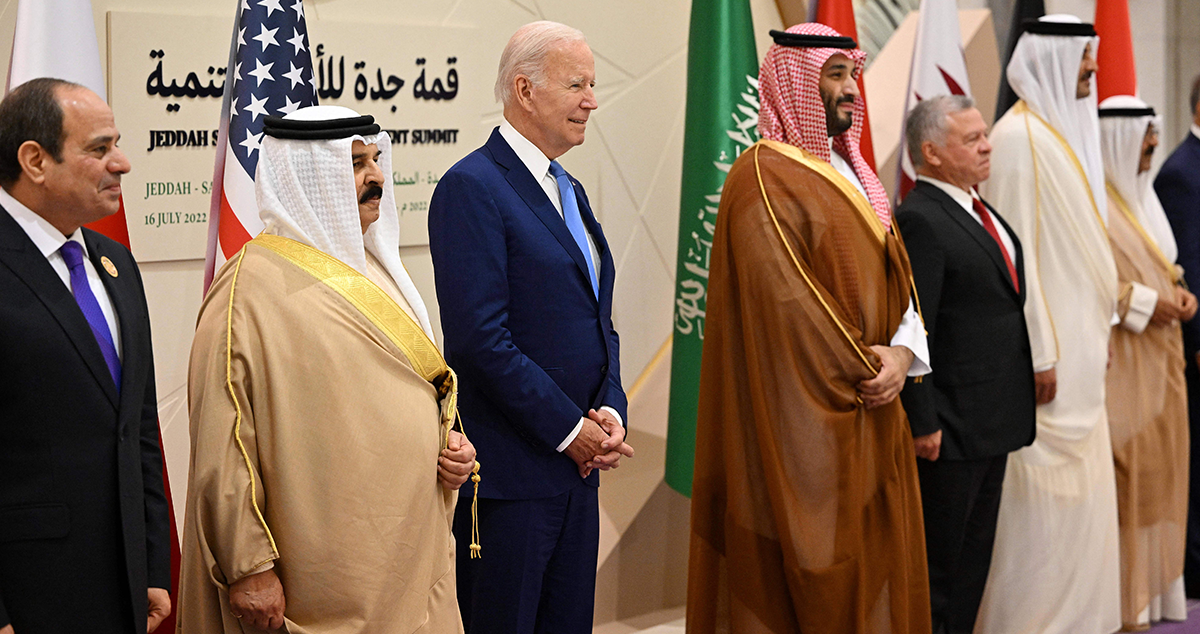
Biden’s trip was a start, but the US needs to sustain its influence in the Gulf
At the Jeddah summit in mid-July, President Joe Biden declared that “America is back,” a message that was welcomed by Saudi Arabia and Gulf media outlets. But Washington cannot maintain its influence and develop robust relationships in the Middle East without sustained American interest and effort, which have been oscillating with every change in administration.
One sided and incomplete, Yemen’s truce faces implementation hurdles as extension deadline nears
The U.N.-sponsored truce of April 2022 is the longest pause in fighting Yemen has experienced since the Houthi armed rebellion broke out in September 2014 and the Saudi-led coalition forces intervened six months later. But although there is strong external interest in both extending and expanding the truce given the scale of turmoil in the global arena, credible progress remains lacking, while serious obstacles persist.
Ransomware in the UAE: Evolving threats and expanding responses
Immediately following the outbreak of COVID-19, cyber attacks swept across the Middle East, leaving public and private entities highly vulnerable and transforming the pandemic into both a physical and a digital threat. Despite worldwide physical isolation, many people were more digitally connected than ever before, which vastly expanded the attack surface for eager cyber threat actors. Ransomware attacks, in particular, hit the Middle East rapidly and in great numbers, especially the UAE.
Israel’s new Iran strategy complicates regional security
The decades-long confrontation between Israel and Iran is now arguably becoming more dangerous. Amid a lack of consensus among Israeli leaders on how to address this perceived existential threat, calls for applying greater pressure are gaining momentum. The two countries have been engaged in a shadow war for years that includes assassinations, sabotage, kidnappings, and cyber operations, but a new phase of tensions may only bring them closer to a full-scale conflict.
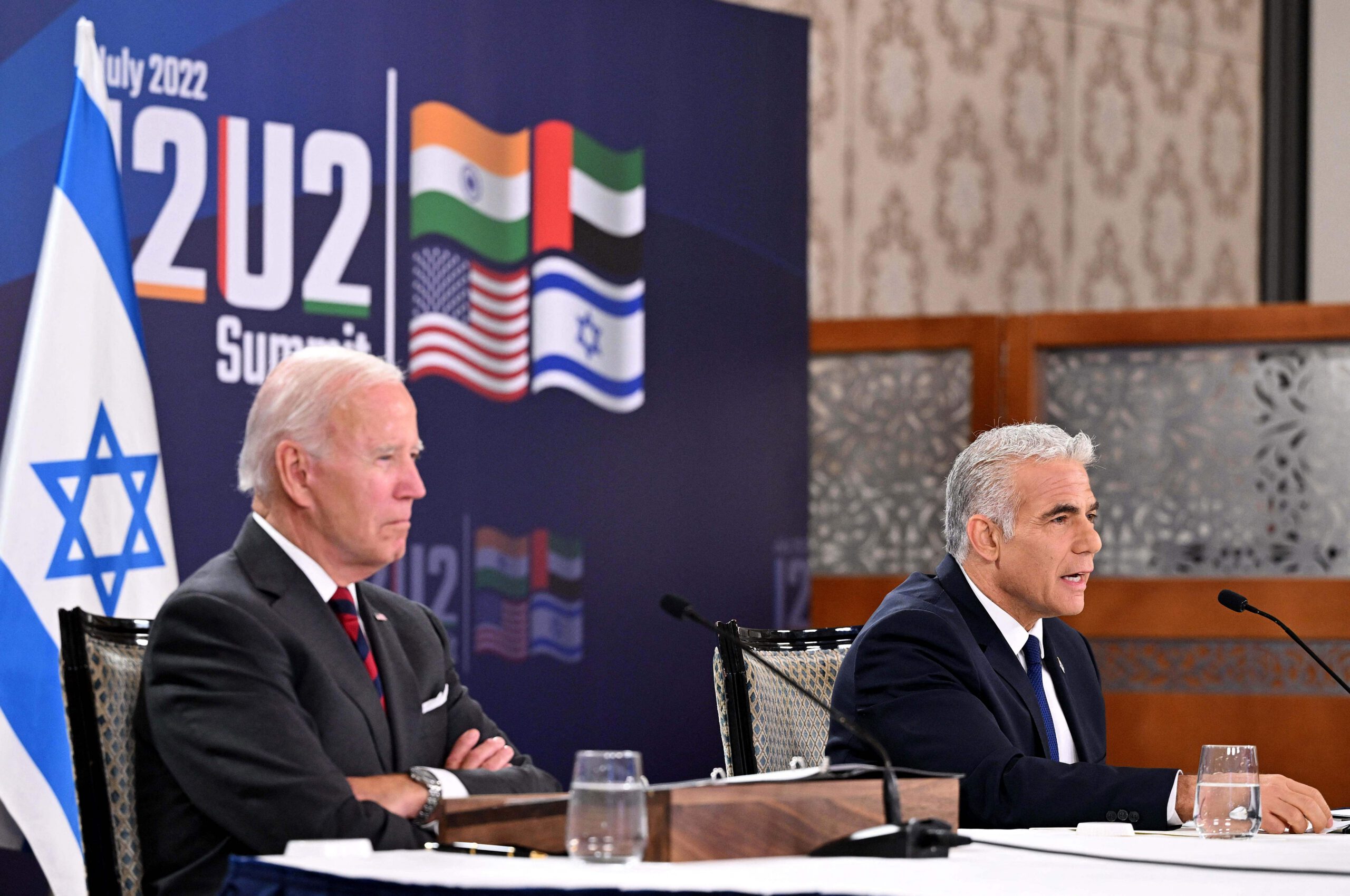
The India-Middle East Food Corridor: How the UAE, Israel, and India are forging a new inter-regional supply chain
The India-Middle East Food Corridor developed organically among the three Asian countries themselves, through private sector, joint venture investments carefully cultivated via bilateral public-private partnerships. The United States’ participation in the corridor could prove beneficial as the U.S. seeks to bolster its presence in the strategic architecture of the Indo-Pacific.
How the Ukraine war exposed Europe’s derailed energy transition and its hypocrisy toward the Middle East
With energy security becoming a top priority, the sudden need to find new sources of hydrocarbons dampened Europe’s and the United States’ previously pledged resolve to address climate change and greenhouse gas emissions.
The oldest peer-reviewed publication dedicated to the study of the modern Middle East, MEI’s flagship journal covers politics, society, and culture in the region.