Recent Elections and What They May Mean for the Middle East
Recent elections for the Israeli Knesset and American Congress may make less of a difference in the Middle East than some people think. Elections are significant indicators of national political trends, but do not always translate into changes in national security strategies. That is likely the case now in both nations.
The Coming Debate Over the US Military Presence in the Gulf
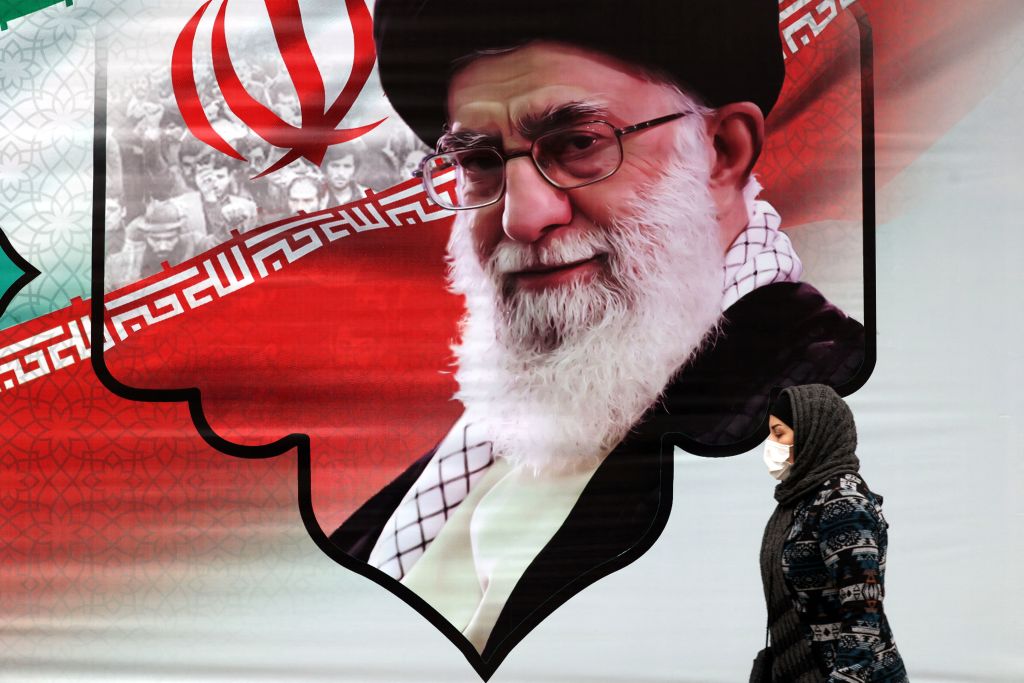
The war with Iran is hardly over, but the debate over the shape and nature of the post-conflict American posture in the Gulf region is just beginning. Undoubtedly, how the war ends will affect how the United States adjusts its role. While this debate is still in its early stages, something of a conventional wisdom is already developing in policy circles that could seriously compromise American influence in the Middle East.
Curb Your Enthusiasm: Why the Midterms Might Not Change Much in US Middle East Policy
With less than a week before the midterm elections in the United States, the spotlight is on the economy and cultural divides. US foreign policy remains mostly on the sidelines, but this year’s inconclusive Iran war and its effect on America’s economy have shaped the broader political environment in this electoral cycle.
Iraq has refrained from taking a firm position on the war and political opinion on Russia’s conduct is divided along partisan and factional lines. The imposition of sanctions against Russia has complicated its energy investments in Iraq and prospective arms purchases from Moscow and could have a long-lasting adverse impact on the Iraqi economy.
Gulf oil producers feel vindicated, but don’t expect them to turn on Russia
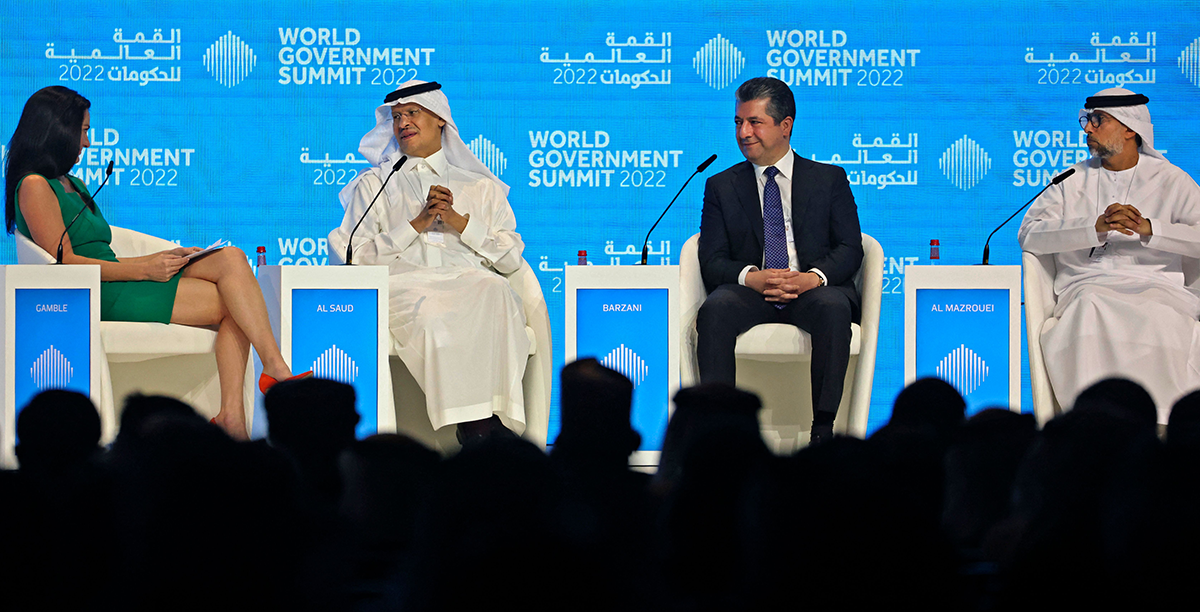
The war in Ukraine has brought back to the forefront the conversation about the need for new investments in oil and gas for the foreseeable future. As the calls multiply for Gulf producers to step in and fill the gap in gas and oil supplies as Russia faces sanctions, producers now feel vindicated after being shunned, and even targeted, at the COP26 in Glasgow last year.
How will the war in Ukraine affect EU-MENA relations?
While most analyses of the war in Ukraine have tended to focus on the intra-European dimension, it is worth exploring the potential consequences of this conflict for the EU’s relations with countries further afield, especially those in the Middle East and North Africa.
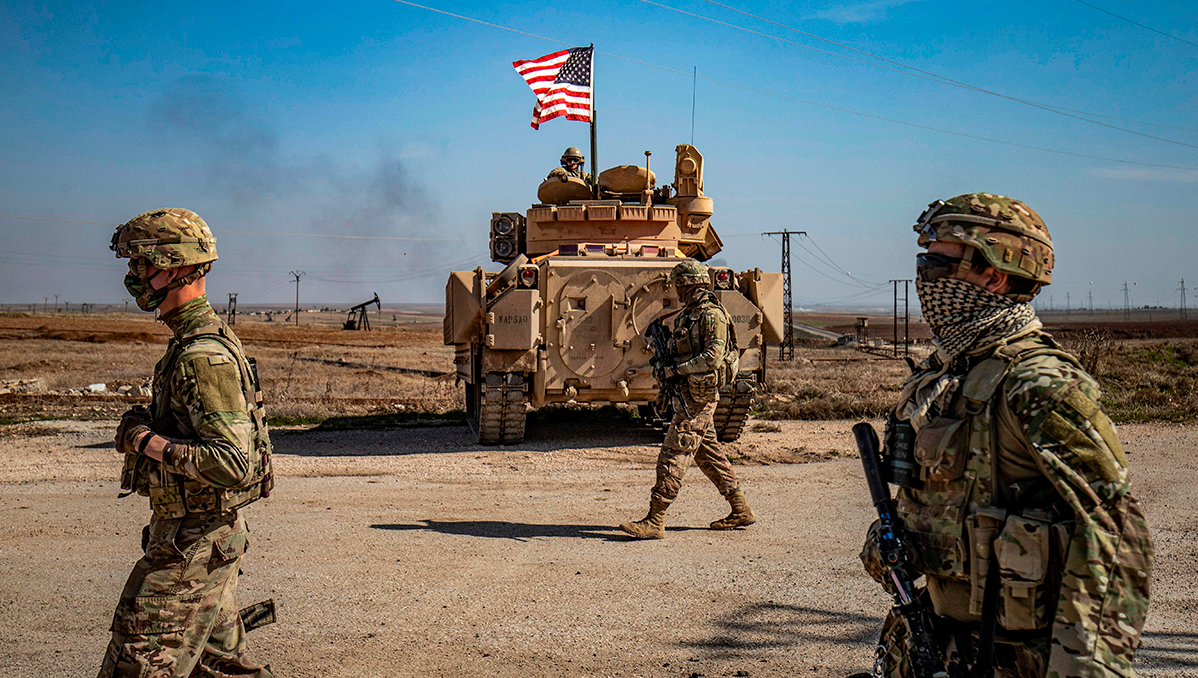
Iran’s growing presence in Syria’s al-Hasakah poses a direct threat to US forces
During February and early March 2022, the militias of the Iranian Islamic Revolutionary Guard Corps (IRGC) located in Syria’s al-Hasakah Governorate brought in several shipments of weapons and military equipment in an effort to strengthen their military and security presence in the governorate, which is considered the richest in Syria in terms of oil and agricultural wealth.
Yemen: Ending the War, Building a Sustainable Peace
Seven years on from the launch of the Saudi-led coalition’s military campaign on March 26, 2015, the civil war in Yemen remains stalemated. The fundamental realities of the conflict have not changed substantially in over five years. Meanwhile, the conditions under which the majority of innocent Yemenis are living continue to deteriorate. It’s time to consider measures that can promote an end to the conflict and lay the groundwork for post-conflict reconstruction.
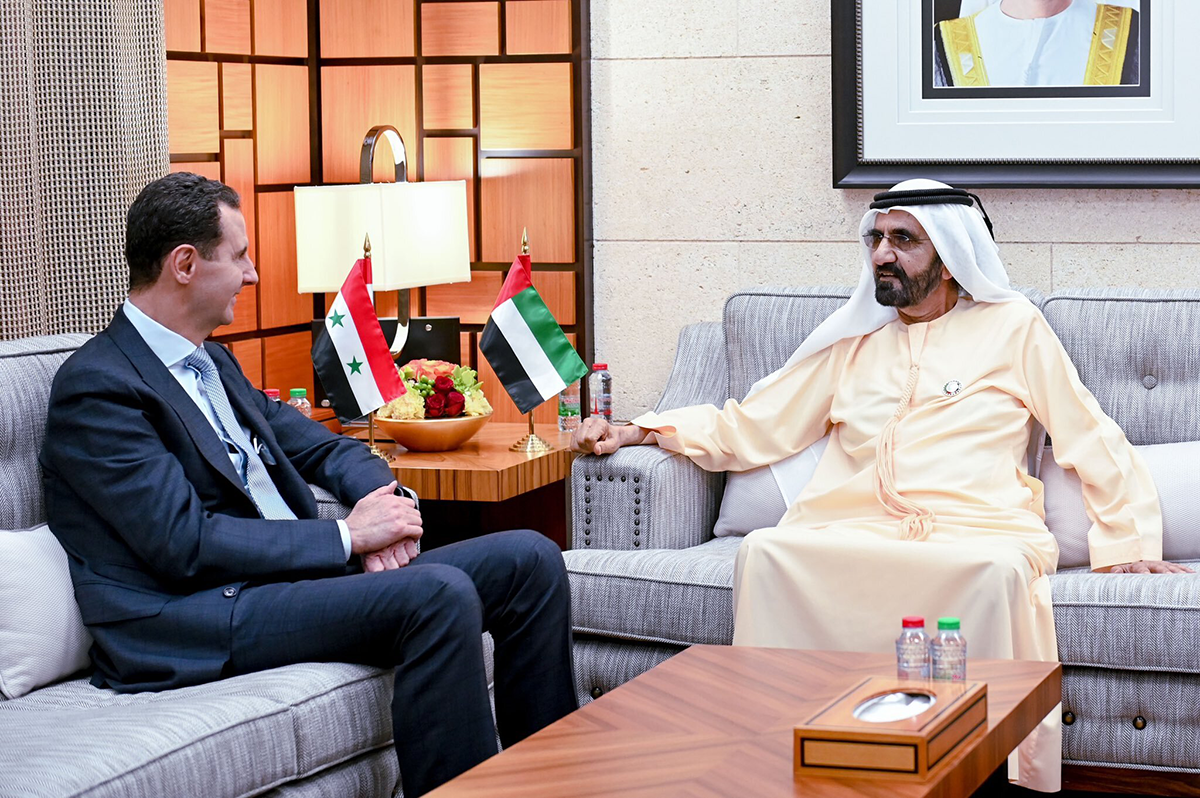
Amid efforts to normalize Assad’s regime, the need for a new US Syria policy is clear
The decision by the UAE to host Syria’s President Bashar al-Assad in Dubai on March 18 has drawn deep consternation across the U.S. government and Congress, as well as in allied capitals in Europe and some in the Middle East.
The Russian invasion of Ukraine has been a watershed moment on so many levels for so many countries. Existing political, economic, energy, and transportation channels are being affected across western Eurasia. Countries are maneuvering to minimize the war’s detrimental impact while new trade synergies are being formed at a rapid pace. Most recently, Germany and Qatar signed a long-term energy partnership for the delivery of Qatari natural gas as the Germans look to reduce dependence on Russian supplies. Qatar’s reserves are located in the world’s largest gas field, which it shares with its northern neighbor, Iran.
When the leaders of Saudi Arabia and the United Arab Emirates decline phone calls from the president of the United States, rebuff his requests to help lower oil prices, and shy away from condemning Russia’s invasion of Ukraine, and when the U.A.E. hosts Syrian dictator Bashar al-Assad in Abu Dhabi, there is no doubt that a major crisis in U.S.-Arab Gulf relations is under way.
The oldest peer-reviewed publication dedicated to the study of the modern Middle East, MEI’s flagship journal covers politics, society, and culture in the region.