Iran’s Role in Arab Allies’ Underground Warfighting
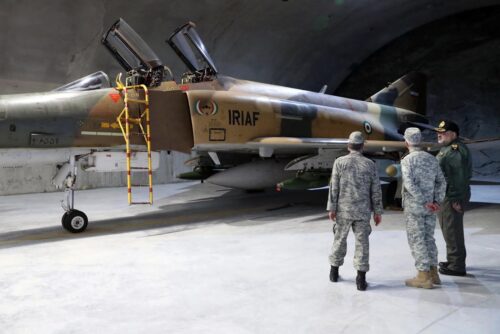
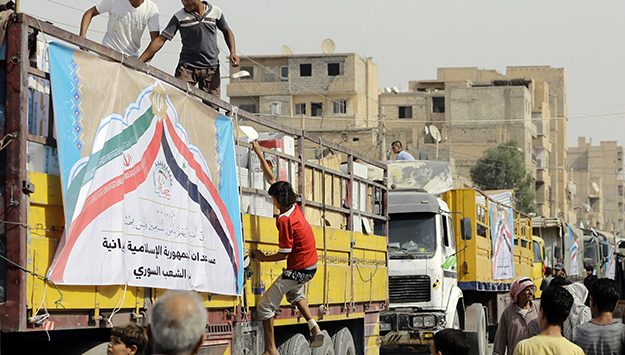
Hamas, Hizballah and Houthi tunnel networks resemble Iran’s underground missile cities. But their origins reveal a more complicated story of local necessity, Iranian assistance and military adaptation.
Dr. Marwan Muasher: Has the Middle East Really Changed?
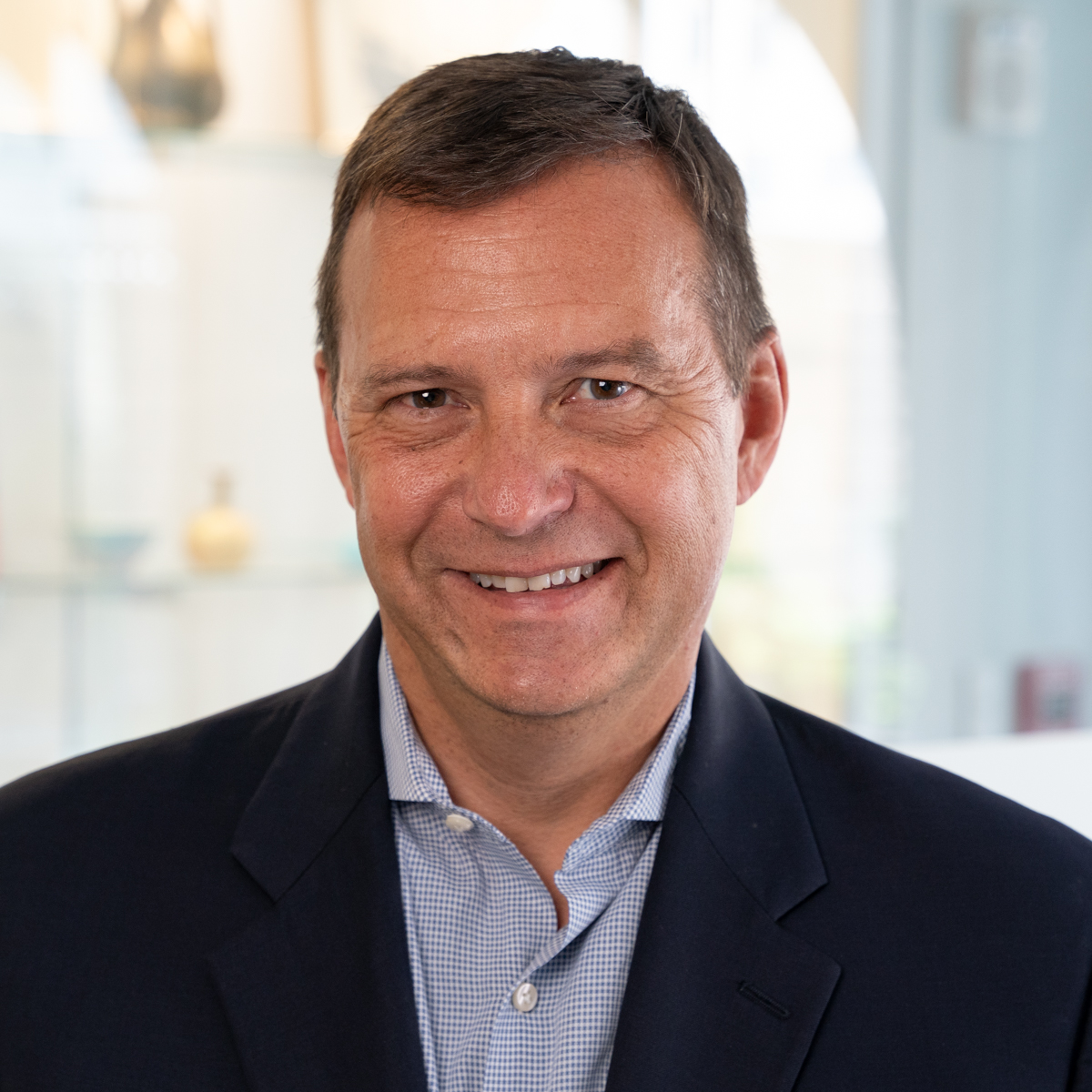
Have October 7 and the Iran war remade the Middle East, or just made it more dangerous? In the first episode of Re-Orient, Gönül Tol puts that question to Dr. Marwan Muasher, Jordan’s former Deputy Prime Minister and Foreign Minister. Muasher draws on his extensive career to unpack the key issues driving today’s Middle East, from regional alignments to US influence, and offers insights on what has the potential to shape this volatile part of the world.
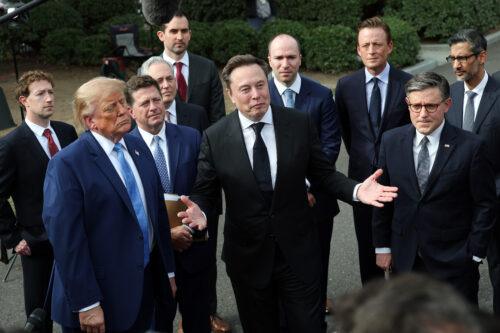
President Donald Trump’s next move on Iran should follow from what he actually wants, and with his legacy at stake, the choice matters. If the ultimate goal is regime change through internal collapse, the logic points to a long squeeze: tighter enforcement of the economic blockade and periodic military strikes to limit Iranian actions in the Strait of Hormuz, a campaign that might outlast his presidency. Whether by design or by drift, that is roughly the course Washington is on today.
Listen closely to the debate in Tehran about Syria and you will detect great unease. There is an underlying fear—inside both the moderate and the hard-line camps of the regime—that Iran won the war but is in danger of losing out in the post-war period that will follow. This apprehension has always been there. But it has become markedly more distinct as the principal foreign powers that intervened in Syria—Russia, Turkey and the U.S.—set their sights on the long-term endgame.
Houthis want Iran and Russia to deliver arms to Sana’a, bypassing coalition siege
A senior official of the Yemeni Houthi rebels has said that the insurgent group is willing to purchase weapons from Iran and Russia if they can deliver the arms to the Yemeni capital of Sana’a, which is currently held by the Houthis. Saleh al-Samad, the head of the Houthis’ political council, which administers Sana’a, made the remarks at a graduation ceremony of new Houthi military leaders.
Zarif shrugs off concerns about British-Iranian mother jailed in Iran
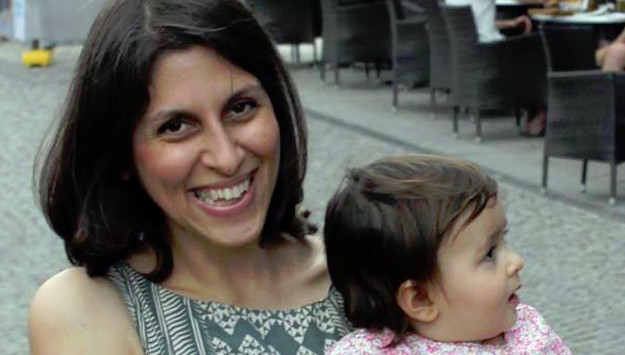
In an interview with the BBC Arabic, Iran’s Foreign Minister Javad Zarif said that the fate of British-Iranian mother Nazanin Zaghari-Ratcliffe is only in the hands of the Iranian Judiciary. He urged the British government to respect the “independence” of the judicial branch in the Islamic Republic.
Bahraini FM says Iran-linked bank sponsored terrorism in island kingdom
Bahrain’s Foreign Minister Khalid bin Ahmed al-Khalifa said that the country’s authorities have uncovered an Iranian bank that was financing acts of terrorism in the island kingdom.
This essay discusses Saudi Arabia’s Soft Power Strategy in Indonesia. The Saudi strategy of cultural investment in Indonesia — primarily engineered through building Islamic schools, supplying teachers and textbooks, and financing scholarship opportunities — has facilitated a channel of Saudi influence largely impermeable to Indonesia’s political changes over the last 40 years. Saudi-supported Islamic education not only survived but thrived under the oppression of Suharto’s New Order regime from 1966 to 1998. Today, under Indonesia’s often anti-liberal democratic rule, the country’s Saudi-educated Muslim elite have capitalized on opportunities to use increased political freedom to promote religious protectionism and hardline Islamic orthodoxy.
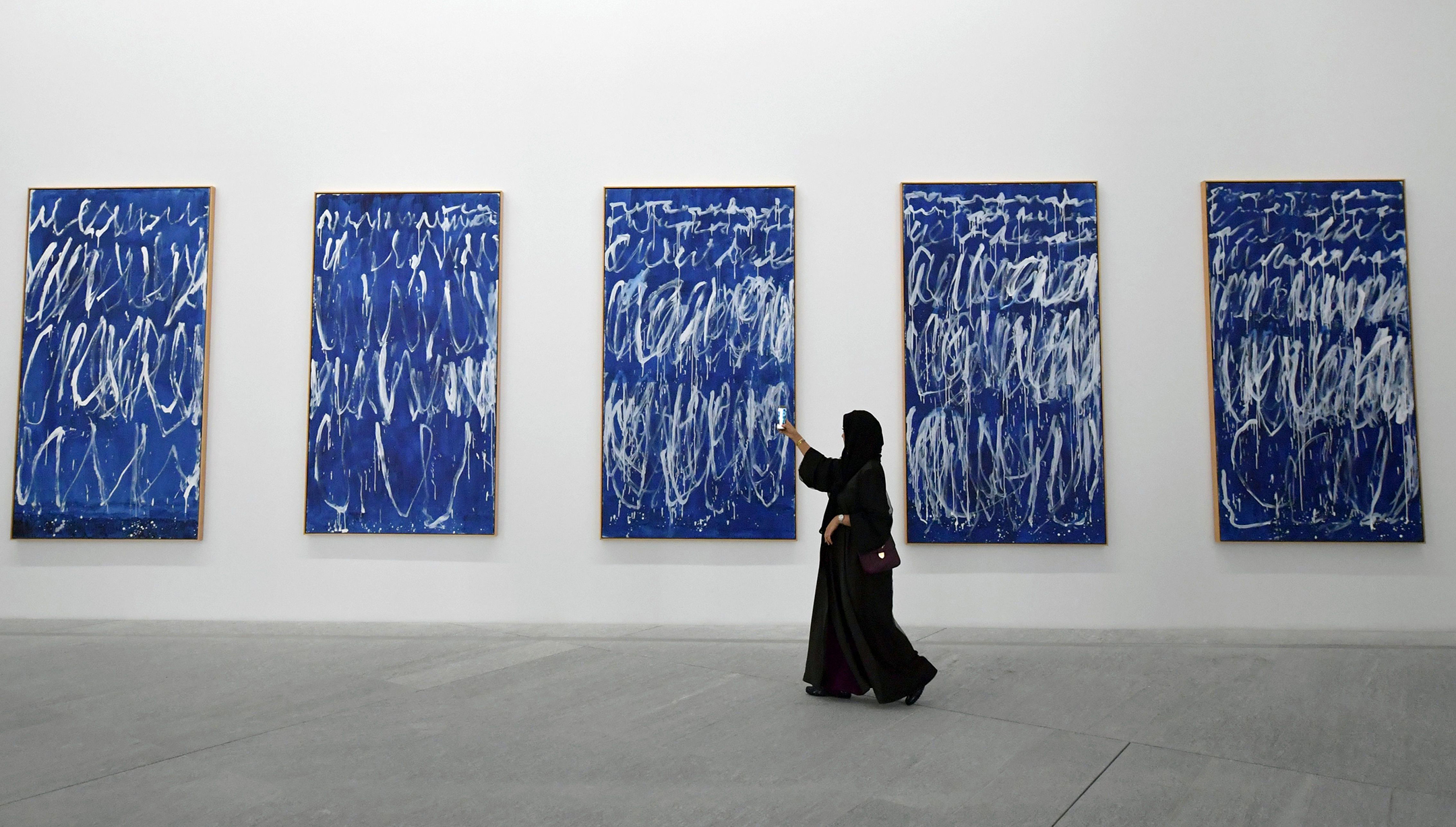
Vibrant art scene inspires cooperation, competition in Gulf
The countries of the Middle East are using art to remodel their national identities. Billions of dollars have been spent on colossal building efforts and massive acquisition programs in an effort to expand the cultural sector in the Middle East, especially in the Gulf. Art acquisition now appears to be part of a geopolitical strategy by Gulf countries to use their hydrocarbon money to purchase cultural clout and establish themselves as international cultural centers.
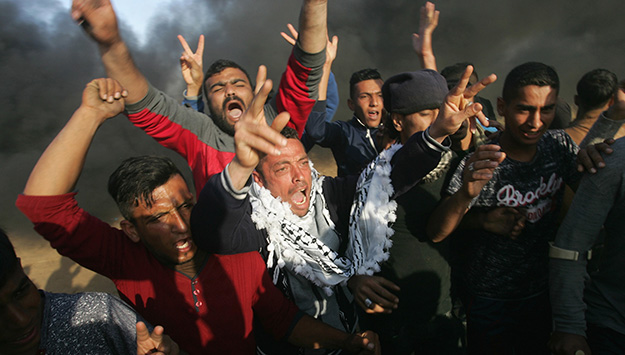
In this week’s Monday Briefing, MEI experts Paul Salem, Bilal Y. Saab, Marvin G. Weinbaum, and Charles Lister provide analysis on recent and upcoming events including the latest violence in Gaza, Gulf Shield-1 military drills, the Taliban’s resistance to peace, and the approaching Syria summit in Ankara.
Tehran views US withdrawal from Syria as victory for “axis of resistance”
President Donald Trump’s Thursday remarks about an imminent withdrawal of US troops has drawn a great deal of attention in the Iranian press. While some state-run outlets and those affiliated with the Revolutionary Guards welcome Trump’s announcement as a victory for Iran and its regional proxies, others remain skeptical about whether Washington will actually press ahead with such a plan.
IRGC targets domestic rivals in anniversary message
Commemorating the 39th anniversary of the March 30, 1979 referendum, which established the Islamic Republic, the Islamic Revolution Guards Corps (IRGC) issued a statement warning against foreign threats against “the track record of the Islamic Republic.” The statement cautioned that “the front of Arroga
Iranian commander rules out missile negotiation in defiance of Western pressure
A senior Iranian military official said today that Tehran would not negotiate over its missile program with Western powers, Iran’s Mehr News Agency reported.
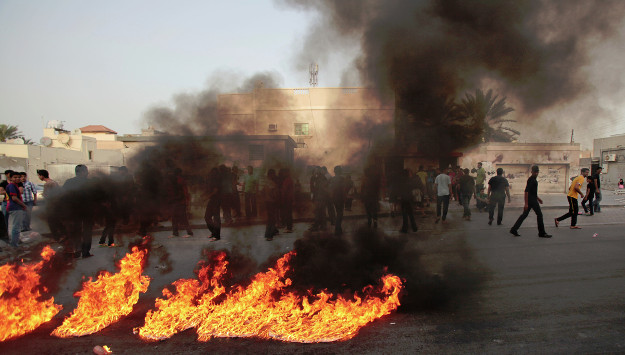
Iranian Arabs stage rallies in Khuzestan to protest state-sanctioned discrimination
Scores of Iranian Arabs staged anti-government protest rallies in western Khuzestan Province after the Islamic Republic of Iran Broadcasting (IRIB) excluded the Arab community’s cultural identity in a New Year TV show that was ironically supposed to showcase Iran’s diversity. The protesters called the program aired on the state-run TV “insulting” and demanded an apology from the IRIB.
Limit Iran's missiles? Sure, but first come up with a plan
Critics of the Iran nuclear deal have consistently argued that one of its major flaws is that it didn’t address Tehran’s ballistic missile program. Imposing limits on those weapons of terror, opponents of the deal say, is a primary U.S. objective and should have been part of our negotiating strategy with the Iranians from the beginning.
Arab leaders call on Iran to stop destabilizing role in region
The UN Security Council should hold Iran responsible for disrupting regional and international security and providing ballistic missiles to the Houthi militants in Yemen to attack Saudi Arabia and other Gulf nations, the speaker of the Arab Parliament has said.
The oldest peer-reviewed publication dedicated to the study of the modern Middle East, MEI’s flagship journal covers politics, society, and culture in the region.