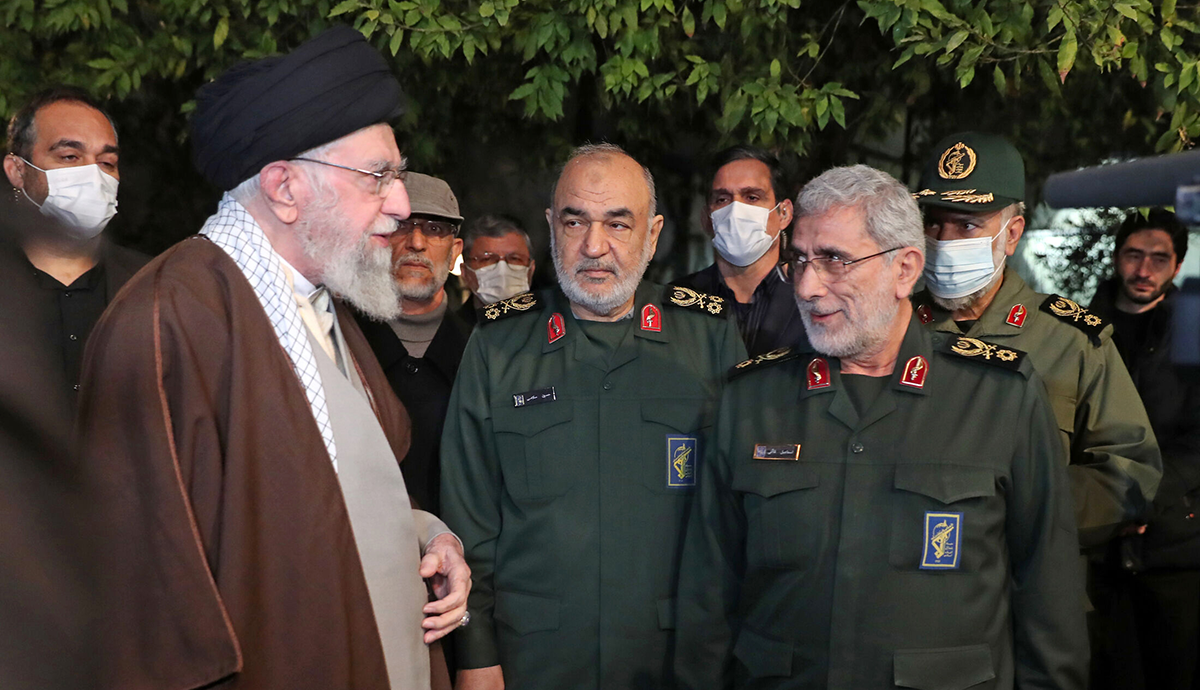
Iran’s Role in Arab Allies’ Underground Warfighting
Hamas, Hizballah and Houthi tunnel networks resemble Iran’s underground missile cities. But their origins reveal a more complicated story of local necessity, Iranian assistance and military adaptation.
Dr. Marwan Muasher: Has the Middle East Really Changed?
Have October 7 and the Iran war remade the Middle East, or just made it more dangerous? In the first episode of Re-Orient, Gönül Tol puts that question to Dr. Marwan Muasher, Jordan’s former Deputy Prime Minister and Foreign Minister. Muasher draws on his extensive career to unpack the key issues driving today’s Middle East, from regional alignments to US influence, and offers insights on what has the potential to shape this volatile part of the world.
President Donald Trump’s next move on Iran should follow from what he actually wants, and with his legacy at stake, the choice matters. If the ultimate goal is regime change through internal collapse, the logic points to a long squeeze: tighter enforcement of the economic blockade and periodic military strikes to limit Iranian actions in the Strait of Hormuz, a campaign that might outlast his presidency. Whether by design or by drift, that is roughly the course Washington is on today.
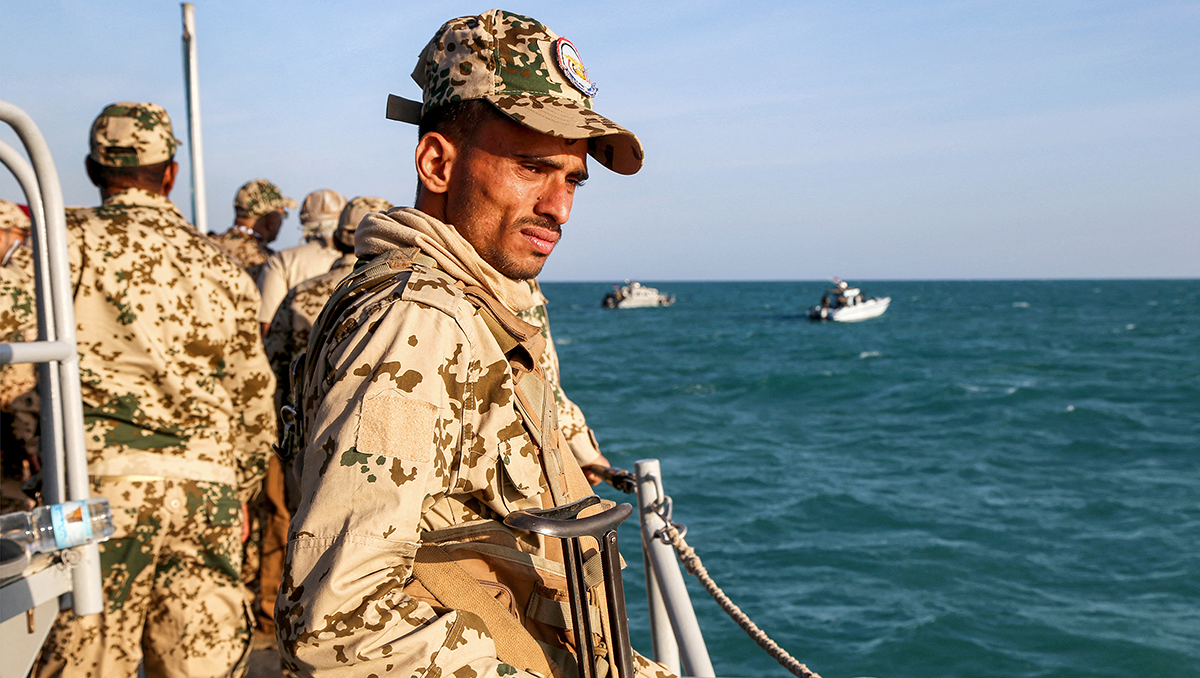
As Western options narrow, Yemen's anti-Houthi forces vie for US military support
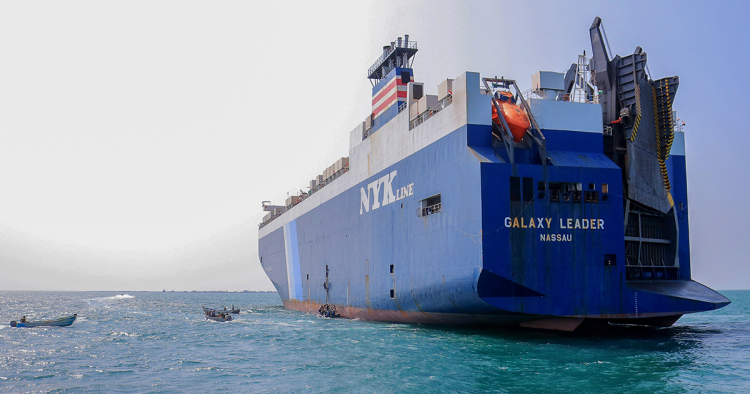
In recent weeks, Yemen’s main anti-Houthi leaders have increasingly been sending the same message to the US, urging it to provide support in the fight against the Houthis on the ground. The provision of military assistance is still hypothetical but seems more and more plausible given developments in Yemen, triggered by the Houthis’ continuing attacks on maritime shipping in the Red Sea.
Home to around 1,000 forts, castles, and watchtowers, Oman has long used its historical structures to showcase the country’s rich history. Now, as part of an effort to promote cultural tourism, the sultanate is looking to develop more of them with a focus on the arts and cultural activities, giving its centuries-old heritage sites a new lease on life.
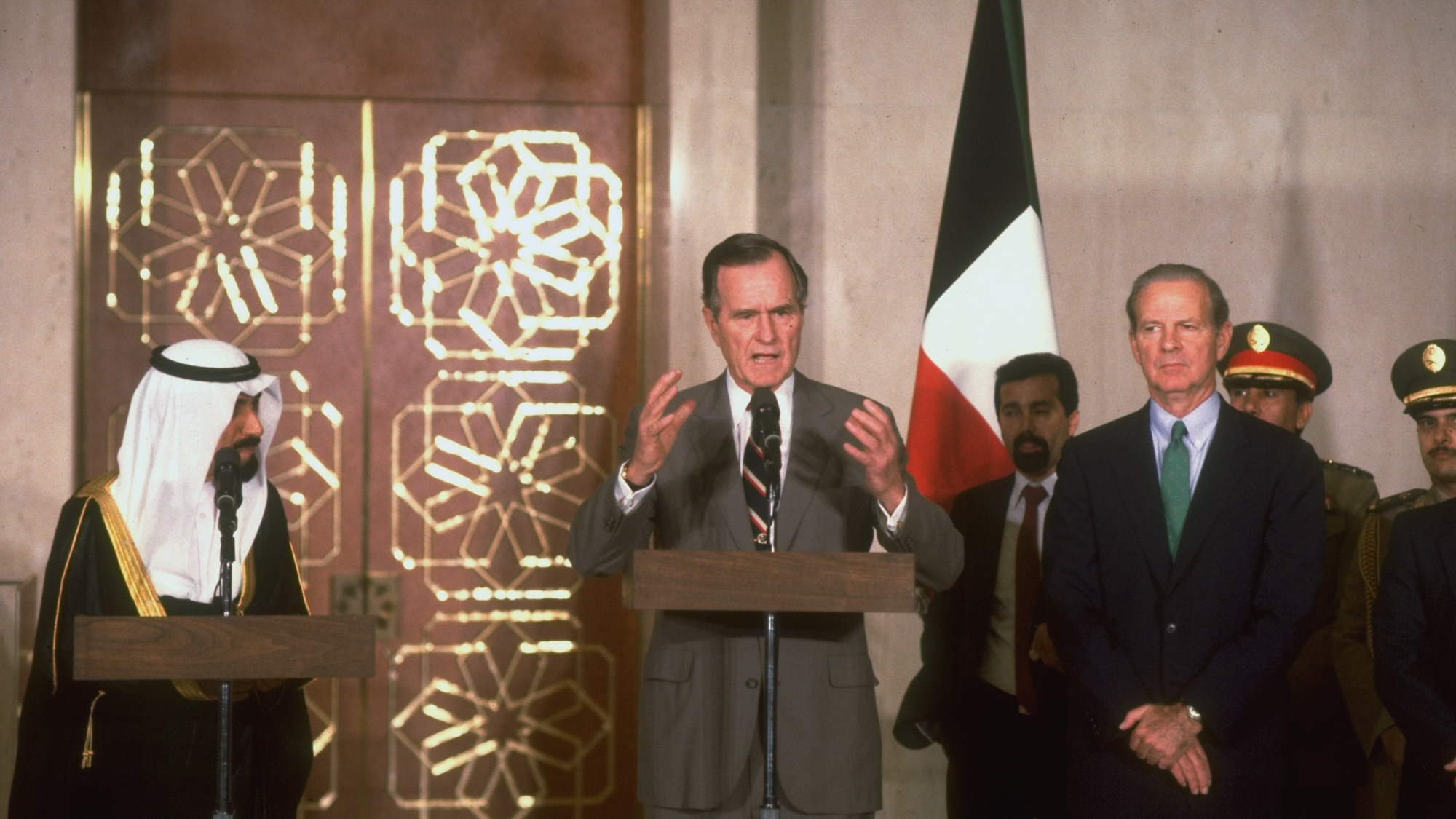
In his new book, Steve Coll casts doubt on whether Iraqi intelligence had actually tried to assassinate former President George H. W. Bush in Kuwait in April 1993. If the Kuwait plot were a fabrication, it would fit yet another brick in the wall of many well documented falsehoods and misunderstandings that led to the US invasion. Unfortunately for that allegation, the plot was very likely to have been quite real.
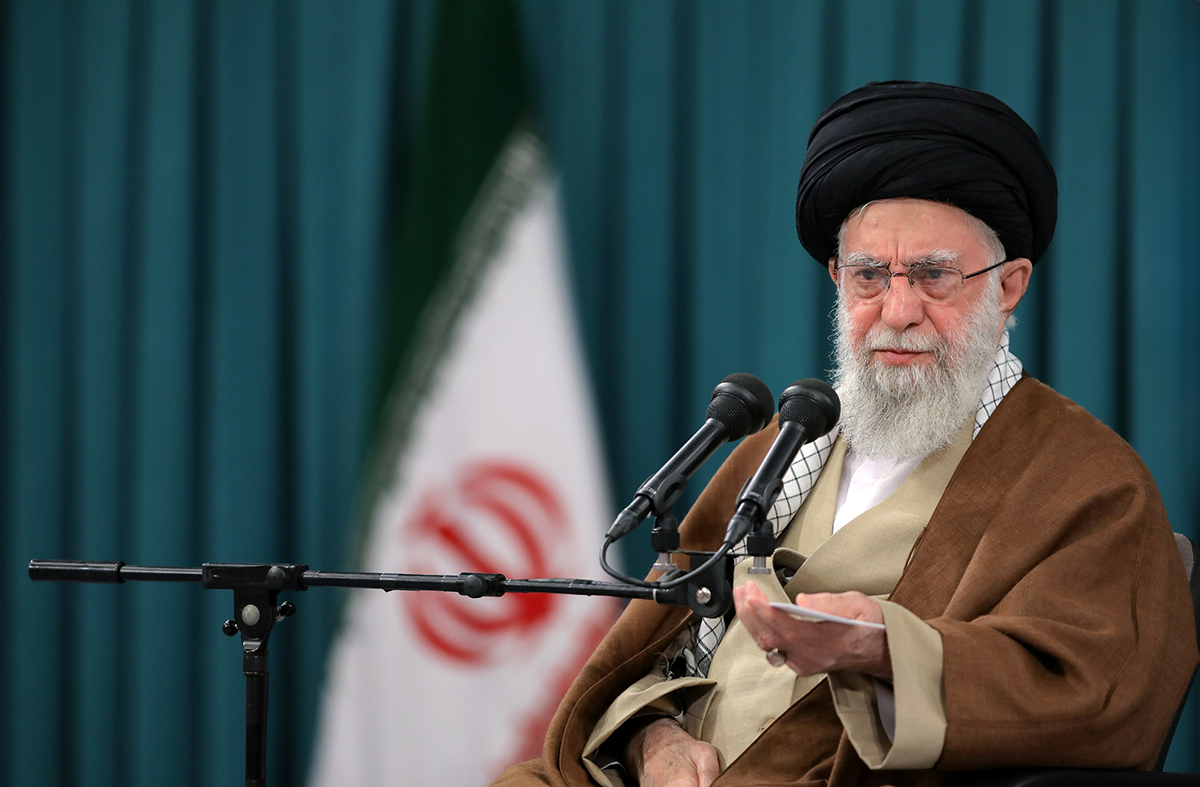
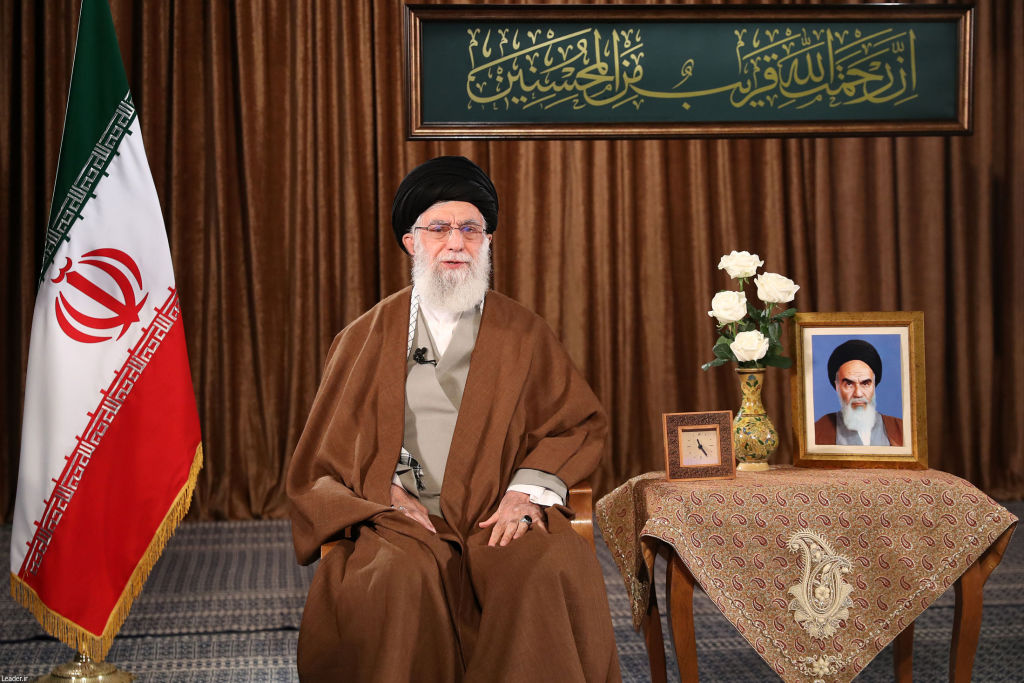
Moving to a post-Khamenei era: Cutthroat competition within the supreme leader’s office
In discussions on Iran’s future in a post-Khamenei era, one crucial player in the transition to a new supreme leader is often overlooked: the inner circle surrounding Ayatollah Ali Khamenei, primarily operating within the framework of the Office of the Supreme Leader.
Five key takeaways from new poll ahead of Iran’s parliamentary elections
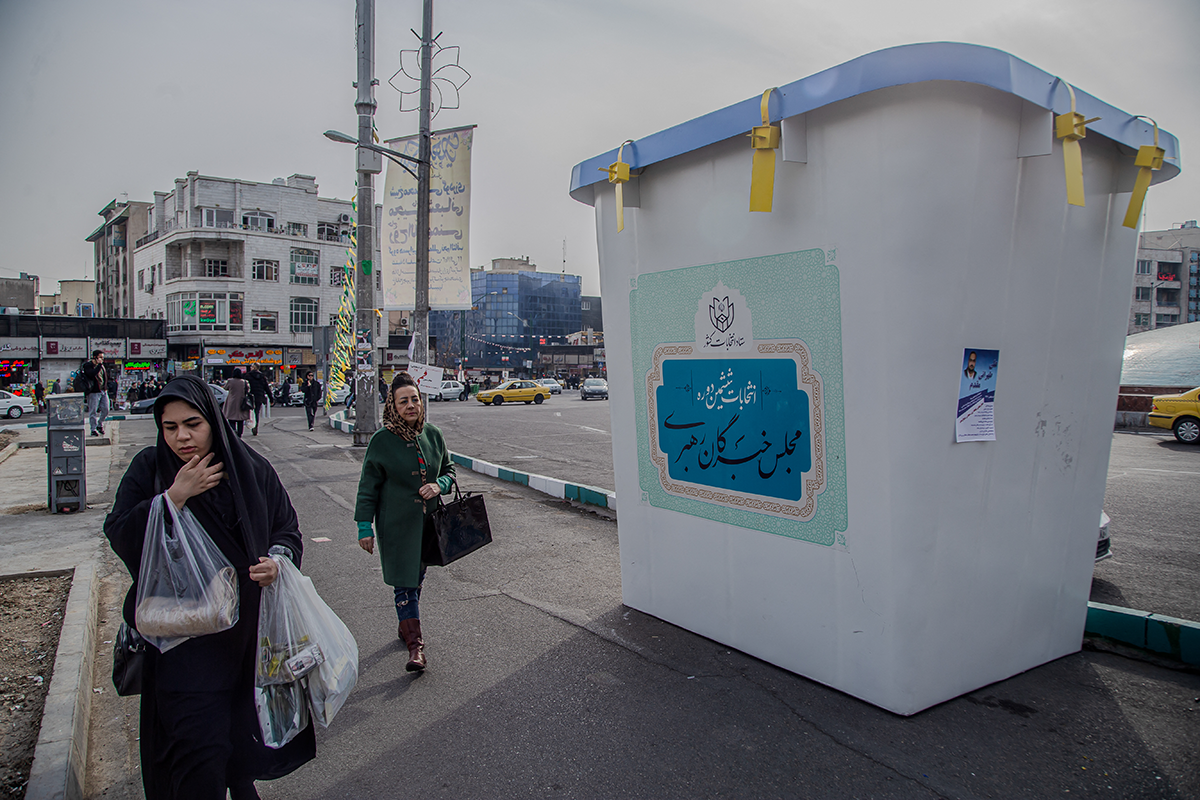
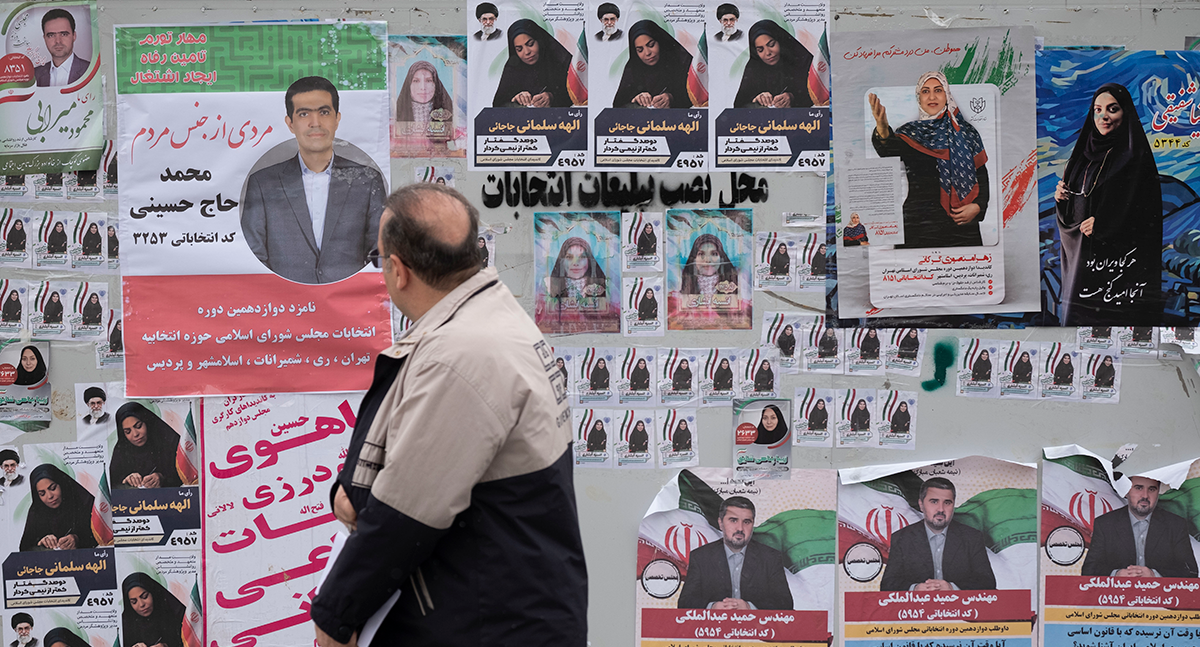
This article breaks down five key takeaways from the February 2024 survey conducted by Stasis Consulting ahead of Iran’s upcoming March 1 parliamentary elections.
Polling suggests Iran’s 2024 parliamentary election will see record low turnout
Findings from the latest survey on Iran from Stasis Consulting: Turnout in the March 1 parliamentary election is expected to be a record low of 34%, the majority of Iranians disapprove of President Raisi’s job performance as well as that of the parliament (65% and 61%, respectively), and in a hypothetical face-off between President Raisi and former FM Zarif, Mr. Raisi wins out 30% to 16%.
Why Gulf Arab states are not intervening in the Red Sea
As Yemen’s Ansarullah movement—better known as the Houthis—steps up attacks on commercial vessels in the Red Sea, Gulf Arab states have opted to stay on the sidelines. They have their reasons for not engaging, including security concerns and the fact that their economies have, to a significant extent, remained shielded from the impact of the strikes. More importantly, these countries are bracing for the more serious economic risks they may face in the future.
Are Iran and Turkey on a collision course over West Azerbaijan?
Over the centuries, Iran and Turkey have engaged in an ebbing and flowing, but continual, rivalry for regional influence and supremacy. Yet such potentially escalatory dynamics have not been limited to geopolitical competition by proxy; they have also spilled over into efforts to meddle in each other’s internal affairs.
Elections in the Islamic Republic are highly restricted and engineered to produce the veneer of political representation. And yet, there is significant symbolism around heightened absurdities of holding elections in Iran that the vast opposition to the Islamist rule could have utilized if it had any gameplan.
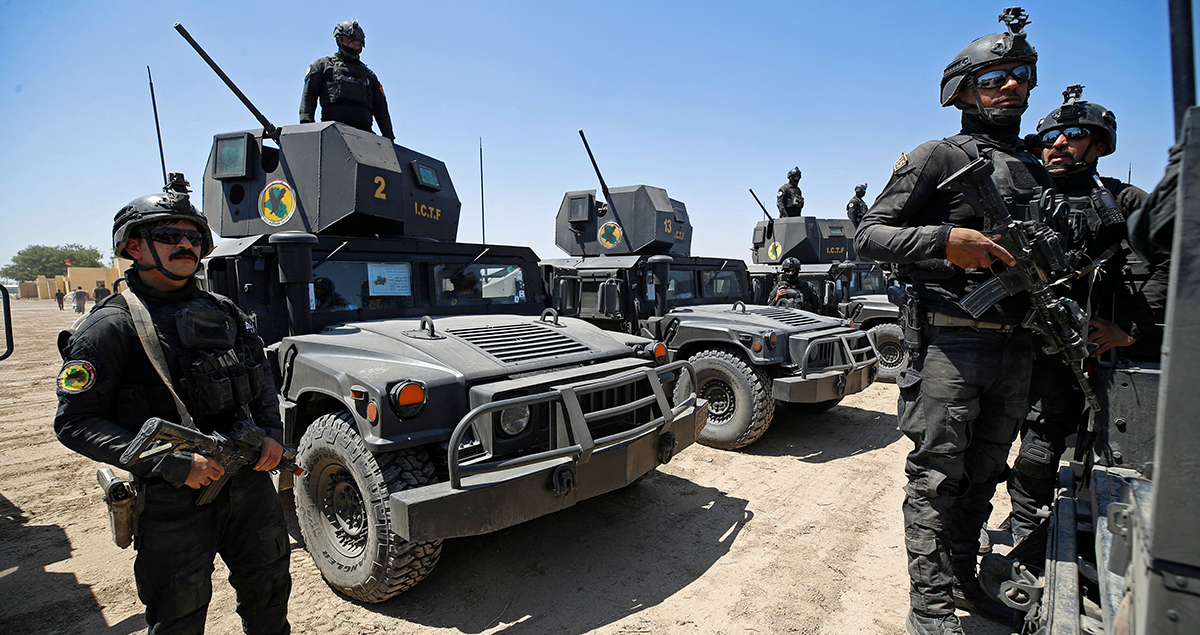
Maintaining the best thing the US built in Iraq: Continued support to the Iraqi Counterterrorism Service
As the US engages in a dialogue with the Iraqi government over the future of the coalition forces combating the Islamic State, Washington must ensure a continued relationship between the US Special Operations Forces and the Iraqi Counterterrorism Service.
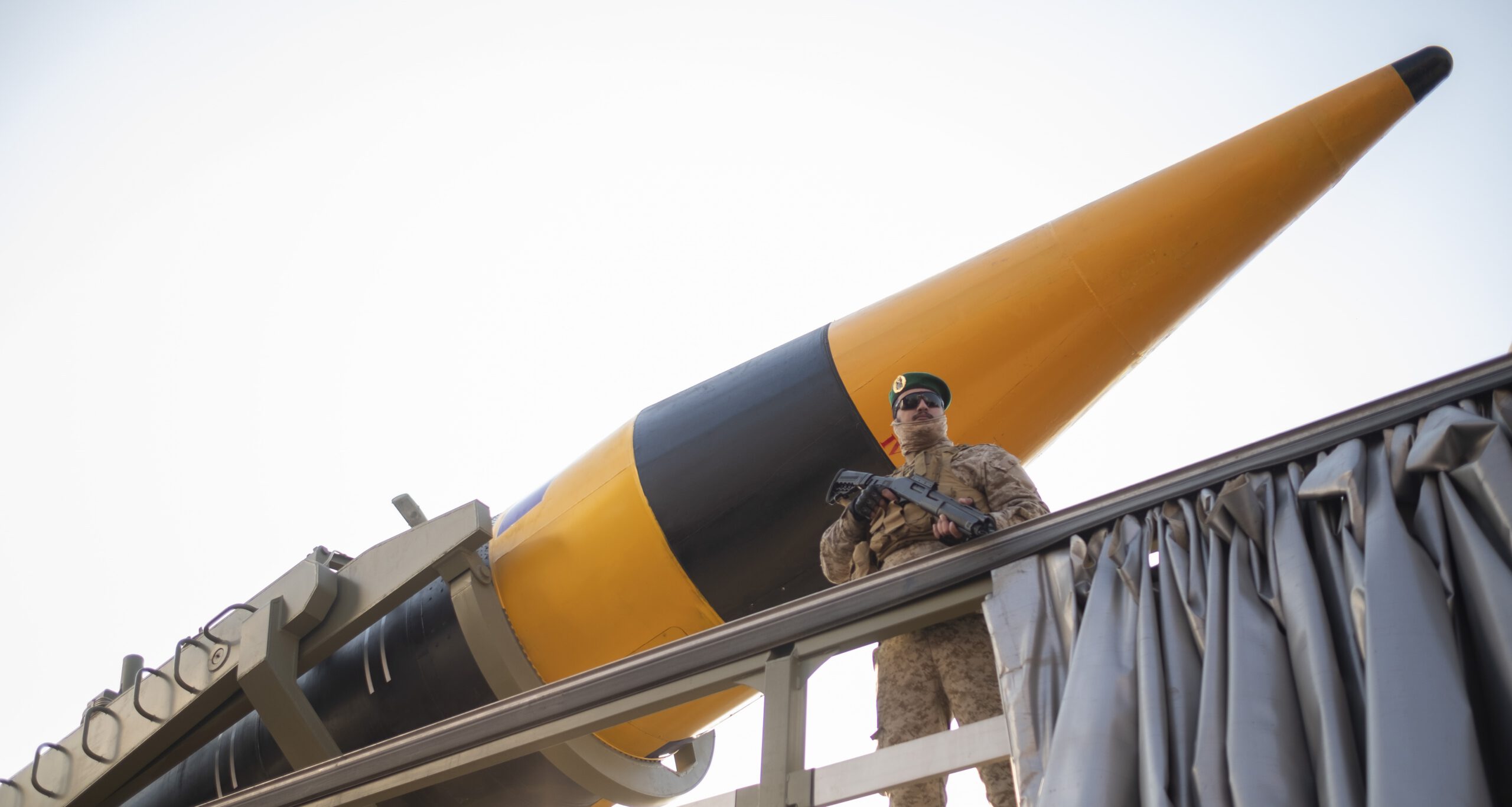
“Exporting its internal problems”: Understanding Iran’s January missile salvos against its neighbors
In mid-January, with the war in Gaza continuing to rage on, Iran launched a series of surprise missile attacks on its immediate neighbors Iraq, Syria, and Pakistan over two days. Taken together, these attacks illustrate that the Islamic Republic puts regime survival above national interest in its foreign policy calculations, which undermines its efforts to engender solidarity and good relations with other Muslim-majority states in the region.
Moving to a post-Khamenei era: The role of the IRGC and the clergy
The IRGC and the clerical establishment are Ayatollah Ali Khamenei’s most significant instruments of power. This piece explores the relative influence of these two entities throughout the Khamenei era and beyond, with a particular focus on the potential changes that might occur to their position and standing after the conclusion of his leadership.
The oldest peer-reviewed publication dedicated to the study of the modern Middle East, MEI’s flagship journal covers politics, society, and culture in the region.