The Americans Are Gone. Will Iraq’s Militias Disarm?
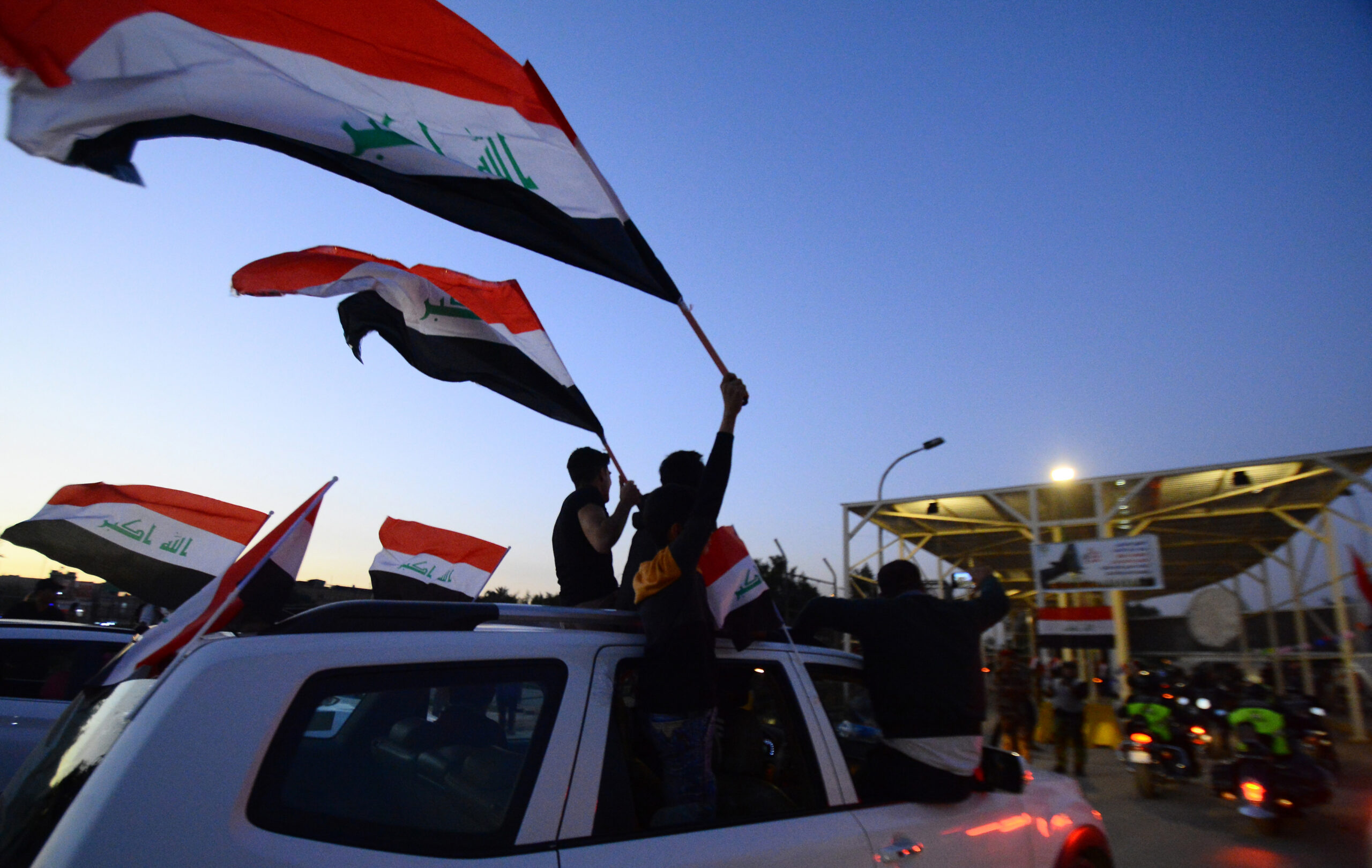
On September 30, the US completed its military withdrawal from Iraq, ending a 12-year-long mission to combat ISIS that began in 2014. The date was also meant to be the deadline for disarming the largely Iranian-backed militias known as the Popular Mobilization Forces (PMF), but Prime Minister Ali al-Zaidi has now pushed that cutoff back to June 30, 2027. MEI Distinguished Diplomatic Fellow Amb. (ret.) Robert S. Ford joins hosts Alistair Taylor and Matthew Czekaj to discuss what the US military withdrawal means for Iraqi security and the nature of the bilateral relationship going forward. They also speak about what it will take for Baghdad to bring the PMF militias to heel, and how Iraq may navigate the post-Iran war era.
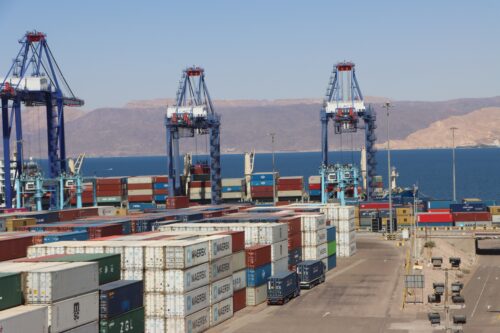
Jordan’s Economy Weathers Iran War’s Shocks and Finds New Opportunities
In the summer of 2003, King Abdullah II told Bloomberg Jordan sits “between Iraq and a hard place,” a play on words designed to describe the kingdom’s challenging environment to an American audience amid the US-led Iraq war to the east and the lingering Palestinian-Israeli conflict to the west. Jordan is grappling with a much “harder place” today.
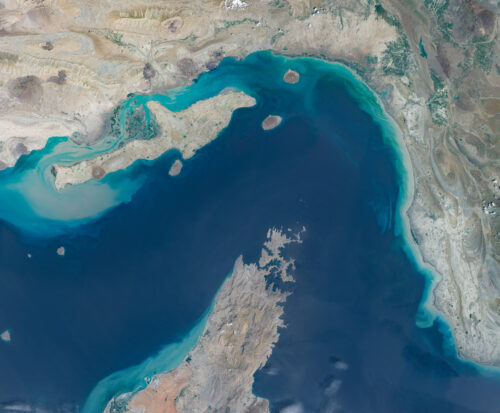
Proponents of the war with Iran have taken recent increases in crude-oil flows through the Strait of Hormuz as proof that the US strategy is finally working. President Trump is so confident in this that he recently rejected a seven-day plan, set forward by Iran’s foreign ministry, to end the war and open the strait. The United States is “winning tremendously,” Trump boasted.
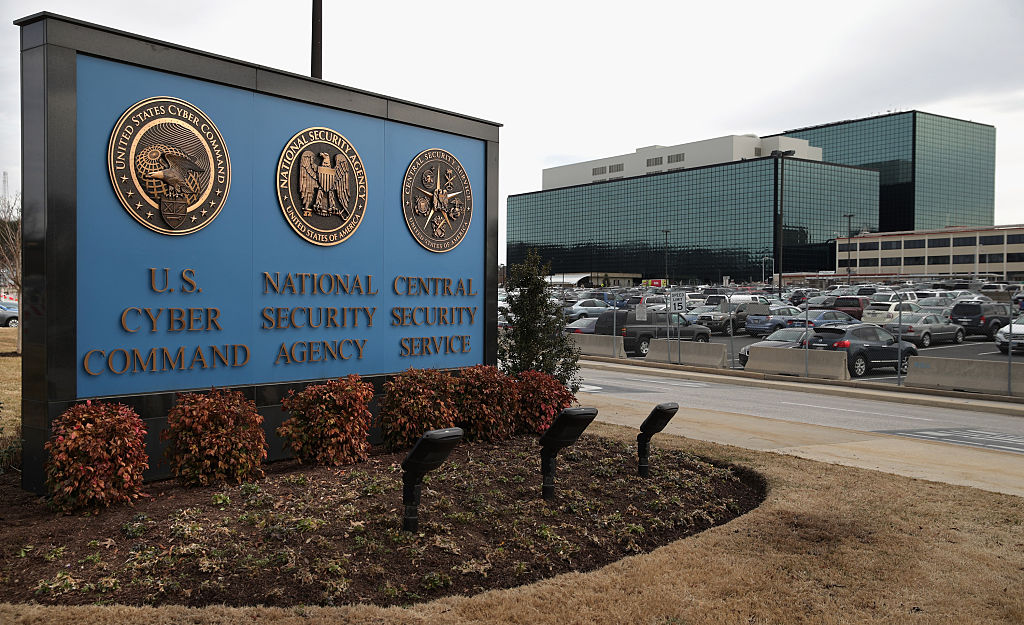
Twitter suspends government-linked accounts, citing manipulation and raising wider concerns
The microblogging and social media service Twitter recently announced the suspension of 271 accounts linked to several Middle East governments a year after the company first released public information about the existence of state-run manipulation using its tools. The company cited violation of its policies on platform manipulation as the reason for the suspensions.
Saudi makes cautious moves in Yemen, but remains far from a settlement
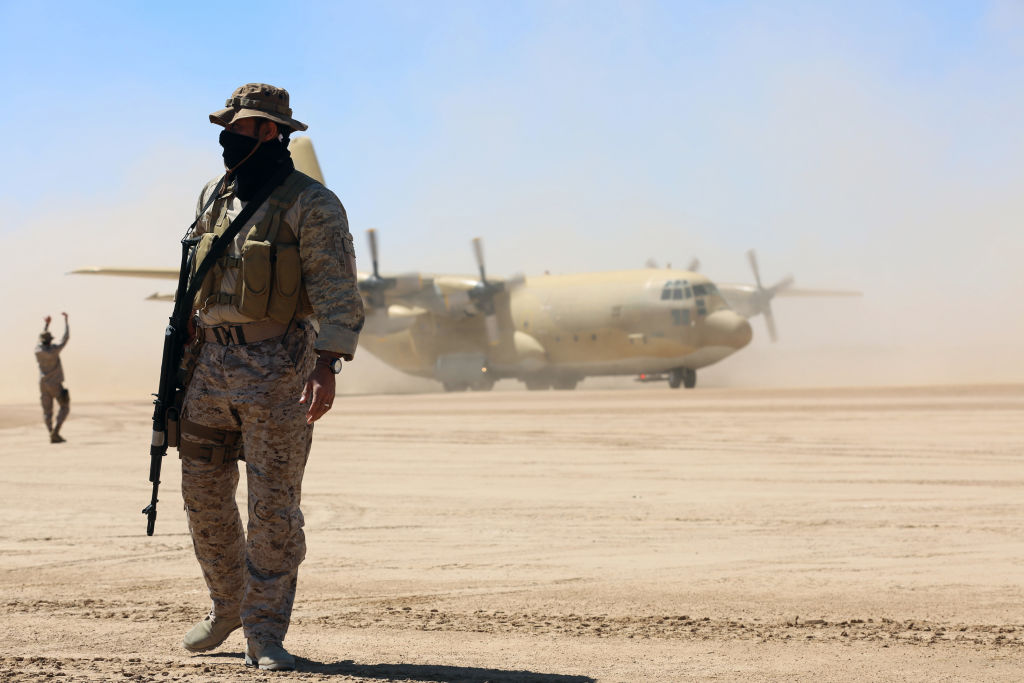
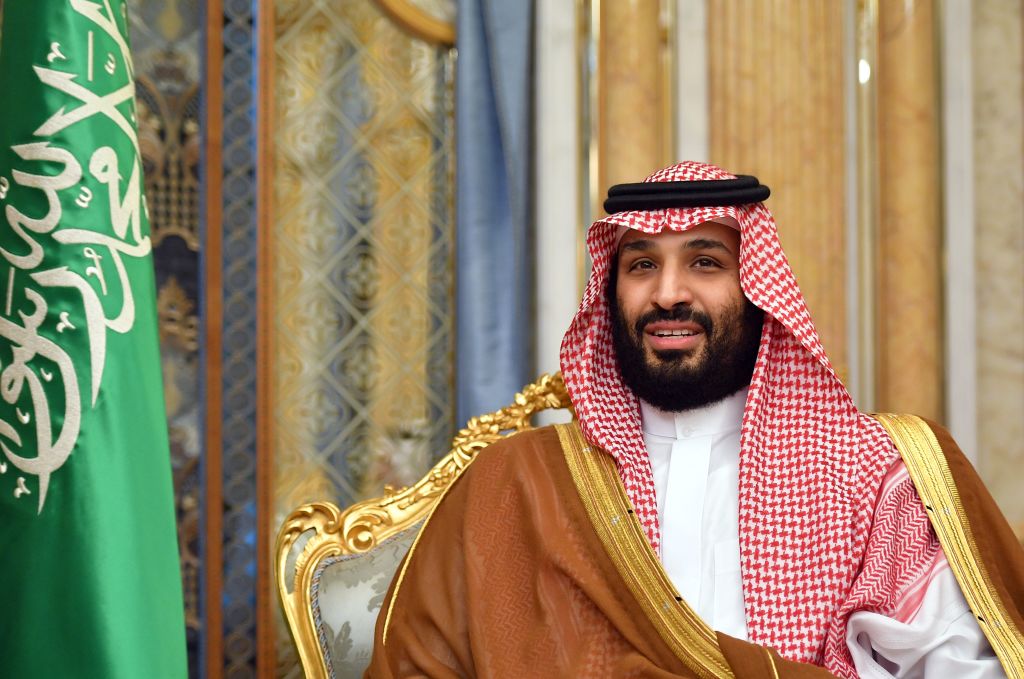
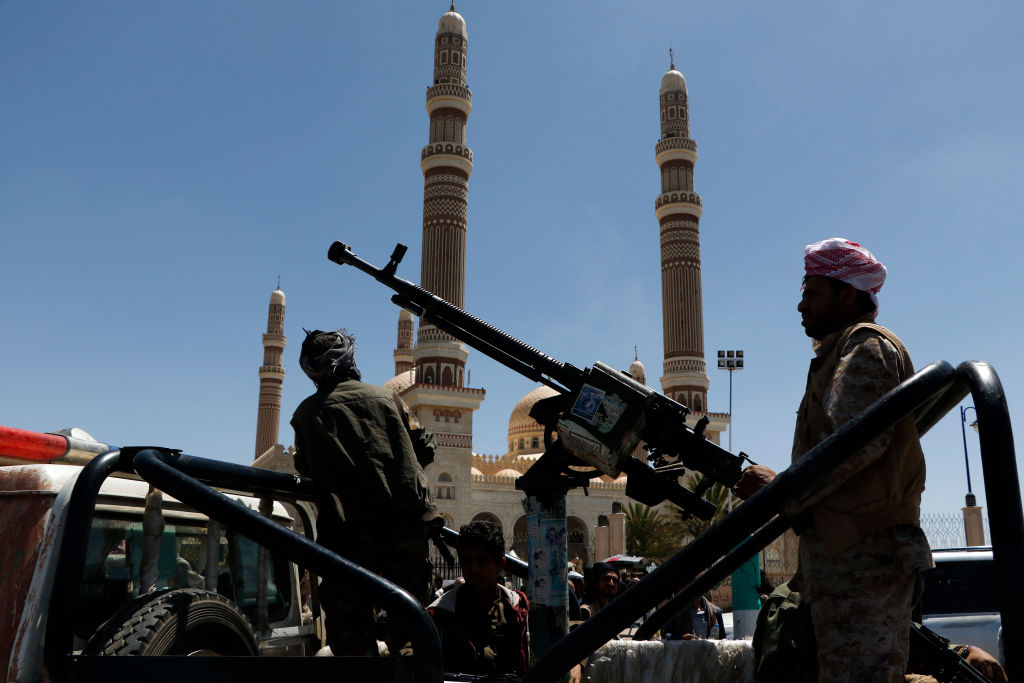
The Saudis made their first cautious moves to disentangle themselves from Yemen but remain far from any settlement. In response to an earlier announcement of a unilateral ceasefire by the Houthis on the fifth anniversary of their entrance into Sanaa, Saudi Crown Prince Mohammad bin Salman said that a settlement in Yemen would be far easier if the Houthis abandoned their Iranian backers. His comments come after the Saudis announced a partial ceasefire covering some areas in Yemen, but Saudi planes attacked Houthi positions in northern Yemen along the border as if to emphasize that it is only a partial ceasefire.
One year later, can Mohammed bin Salman put the Khashoggi murder behind him?
The murder of Saudi journalist Jamal Khashoggi remains a black mark on the record of Saudi Crown Prince Mohammed bin Salman and an obstacle to his efforts to promote an image of the kingdom as a modernizing power in the Middle East and a prime destination for investors and tourists alike.
Iraq: Key signs of progress amid ongoing challenges
MEI senior fellows Randa Slim and Robert Ford join host Alistair Taylor to discuss observations from their recent trip to Baghdad and Erbil, where they met with senior Iraqi government officials and policy experts and witnessed numerous positive developments as the country emerges from a long-standing climate of violent conflict.
Many international commentators continue to present the war in Yemen through the lens of Saudi Arabian intervention or sectarian conflict. This narrative has even influenced the US Congress, where some members have passed legislation that rests on the assumption that the war is between the Houthis and Saudi Arabia, rather than against their fellow Yemenis. While the Saudis have intervened in the conflict and the Houthis have often played the sectarian card, neither narrative accurately reflects the current conflict between the Houthis and the UN-recognized government of Abd Rabo Mansour Hadi.
Iraq’s current public service regime is struggling to deliver on desperately needed services in part due to the issue of establishing a functioning federal state system across the country. Far more attention needs to be devoted to institutions and how those operating within them can deliver those services. One way to do this is to decentralize service provision to the governorates not incorporated into a region. However, this process has been hampered by administration, fiscal, and political issues. Identifying these and seeking solutions to resolve them will be key. This paper addresses the decentralization process, specifically focusing on the issues surrounding the governorates not incorporated into a region, as per Law 21.
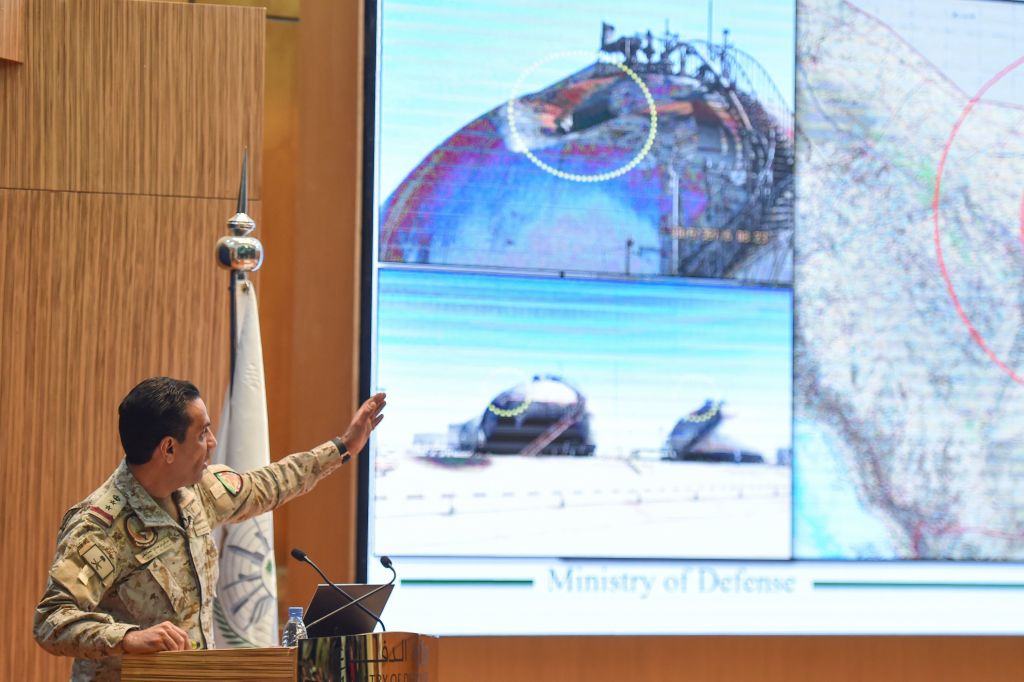
What does the Saudi oil facility attack mean for Russia?
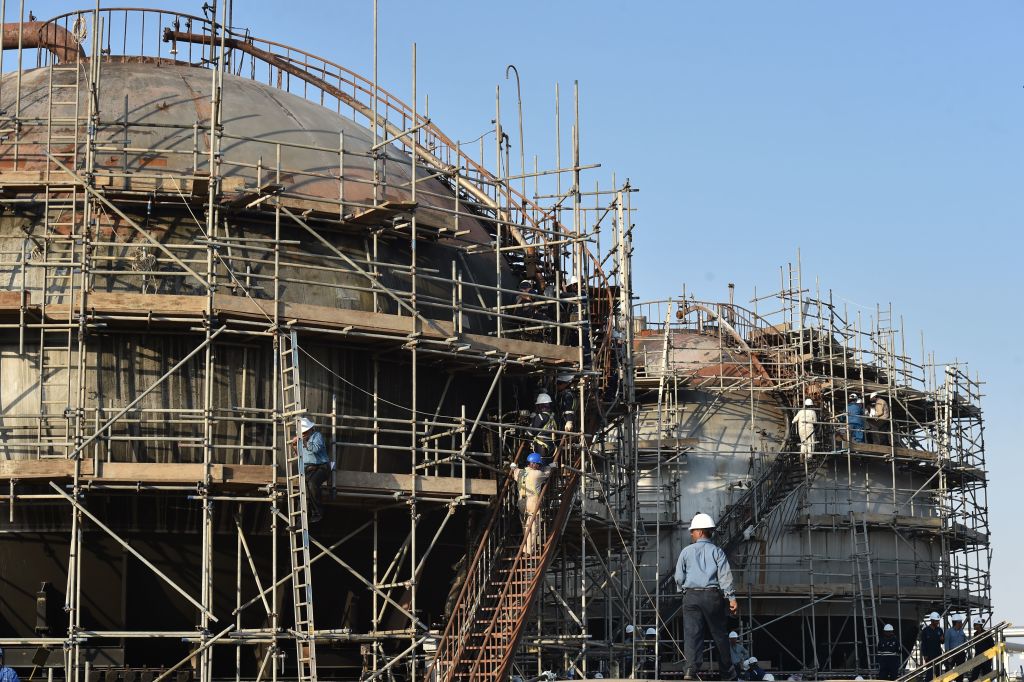
The Sept. 14 attack on key Saudi oil facilities, which knocked out over half of the kingdom’s oil production, has signaled a significant change in approach toward regional and global security. It’s clear that things won’t be the same again. But what does it mean for Russia?
The attack reduced Saudi oil production by 5.7 million barrels per day (bpd), leading to a sharp rise in global oil prices of nearly 20%. Although this was a very important development from an energy and economic perspective, we should not underestimate the political and security ramifications either. The entire paradigm of a secure Gulf under the protection of the U.S. military umbrella has been undermined.
Why Iran’s leadership is opposed to US negotiations despite pressure
The unprecedented attack on critical Saudi oil infrastructure in Abqaiq and Khurais on Sept. 14 came just days after U.S. President Donald Trump’s dismissal of hawkish National Security Advisor John Bolton had opened a narrow window of diplomacy for Iran-U.S. negotiations to deescalate spiraling tensions.
Pakistan’s tricky balancing act between Saudi Arabia and Iran
The Sept. 14 attack on Saudi Arabia’s Abqaiq oil processing plant has put Pakistan in a place it never wanted to be: possibly forced to choose between Saudi Arabia and Iran.
Iranian President Hassan Rouhani and Foreign Minister Javad Zarif do not expect to meet with senior U.S. officials in New York this week. For that to happen, President Donald Trump has to first lift the sanctions on Iran, and that is an unlikely scenario.
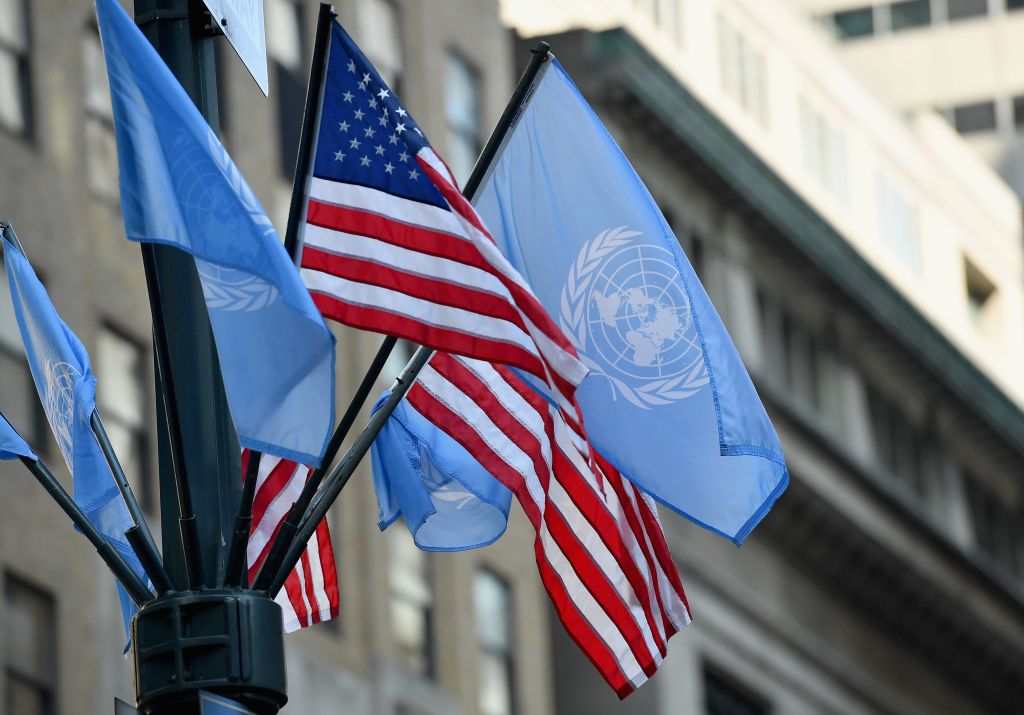
Monday Briefing: Middle East takes center stage at UNGA
This week’s briefing on recent news and upcoming events in the region featuring Gerald Feierstein, Alex Vatanka, Eran Etzion, Gonul Tol, Amal Kandeel, Marvin G. Weinbaum, Michael Sexton and Eliza Campbell.
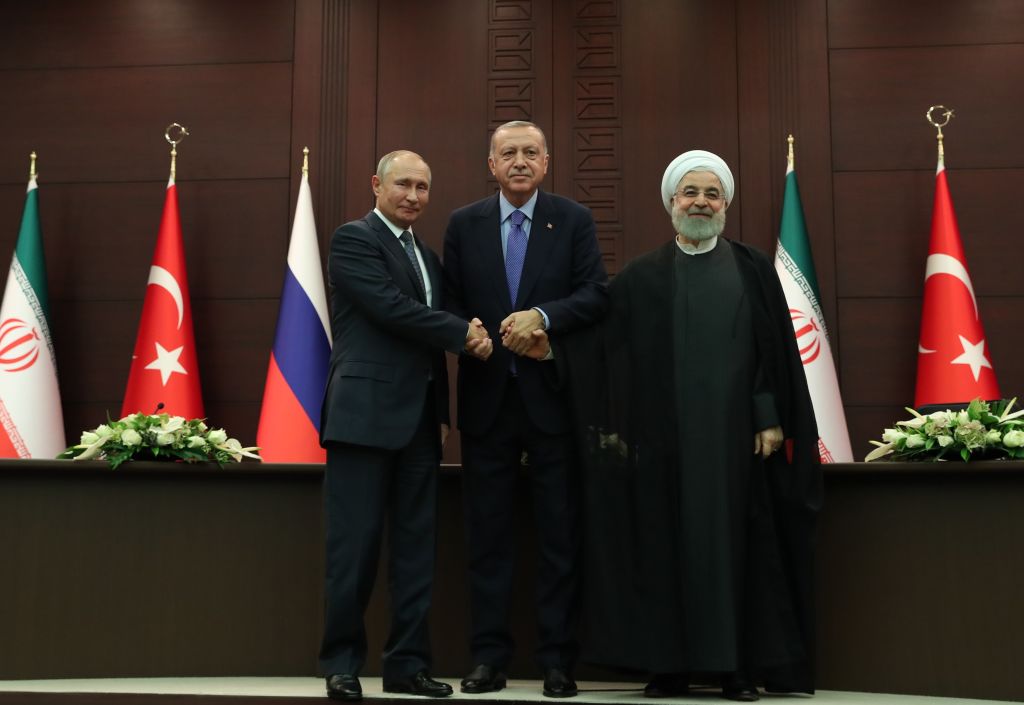
From regime change to rapprochement? Turkey’s shifting Syria policy
At a trilateral summit in Ankara earlier this week, President Recep Tayyip Erdogan sat back and ate treats as Iranian President Hassan Rouhani told the world that efforts to topple the Assad regime have failed. The scene was a stark reminder of how far Turkey’s Syria policy has shifted.
The oldest peer-reviewed publication dedicated to the study of the modern Middle East, MEI’s flagship journal covers politics, society, and culture in the region.