The Americans Are Gone. Will Iraq’s Militias Disarm?
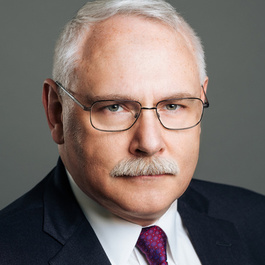
On September 30, the US completed its military withdrawal from Iraq, ending a 12-year-long mission to combat ISIS that began in 2014. The date was also meant to be the deadline for disarming the largely Iranian-backed militias known as the Popular Mobilization Forces (PMF), but Prime Minister Ali al-Zaidi has now pushed that cutoff back to June 30, 2027. MEI Distinguished Diplomatic Fellow Amb. (ret.) Robert S. Ford joins hosts Alistair Taylor and Matthew Czekaj to discuss what the US military withdrawal means for Iraqi security and the nature of the bilateral relationship going forward. They also speak about what it will take for Baghdad to bring the PMF militias to heel, and how Iraq may navigate the post-Iran war era.
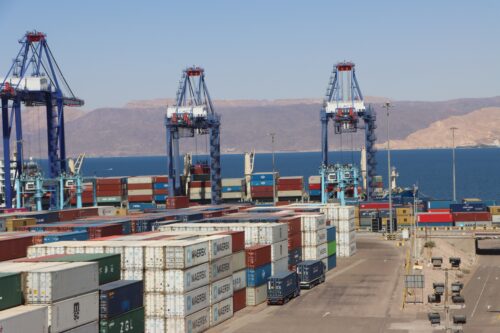
Jordan’s Economy Weathers Iran War’s Shocks and Finds New Opportunities
In the summer of 2003, King Abdullah II told Bloomberg Jordan sits “between Iraq and a hard place,” a play on words designed to describe the kingdom’s challenging environment to an American audience amid the US-led Iraq war to the east and the lingering Palestinian-Israeli conflict to the west. Jordan is grappling with a much “harder place” today.
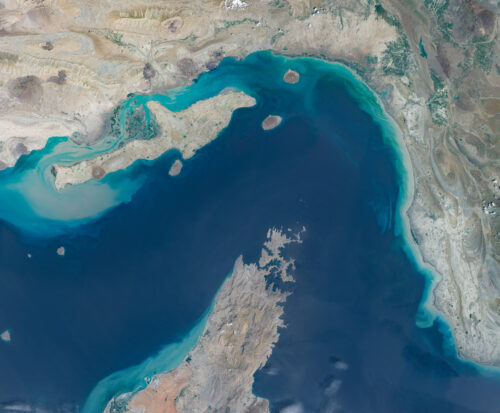
Proponents of the war with Iran have taken recent increases in crude-oil flows through the Strait of Hormuz as proof that the US strategy is finally working. President Trump is so confident in this that he recently rejected a seven-day plan, set forward by Iran’s foreign ministry, to end the war and open the strait. The United States is “winning tremendously,” Trump boasted.
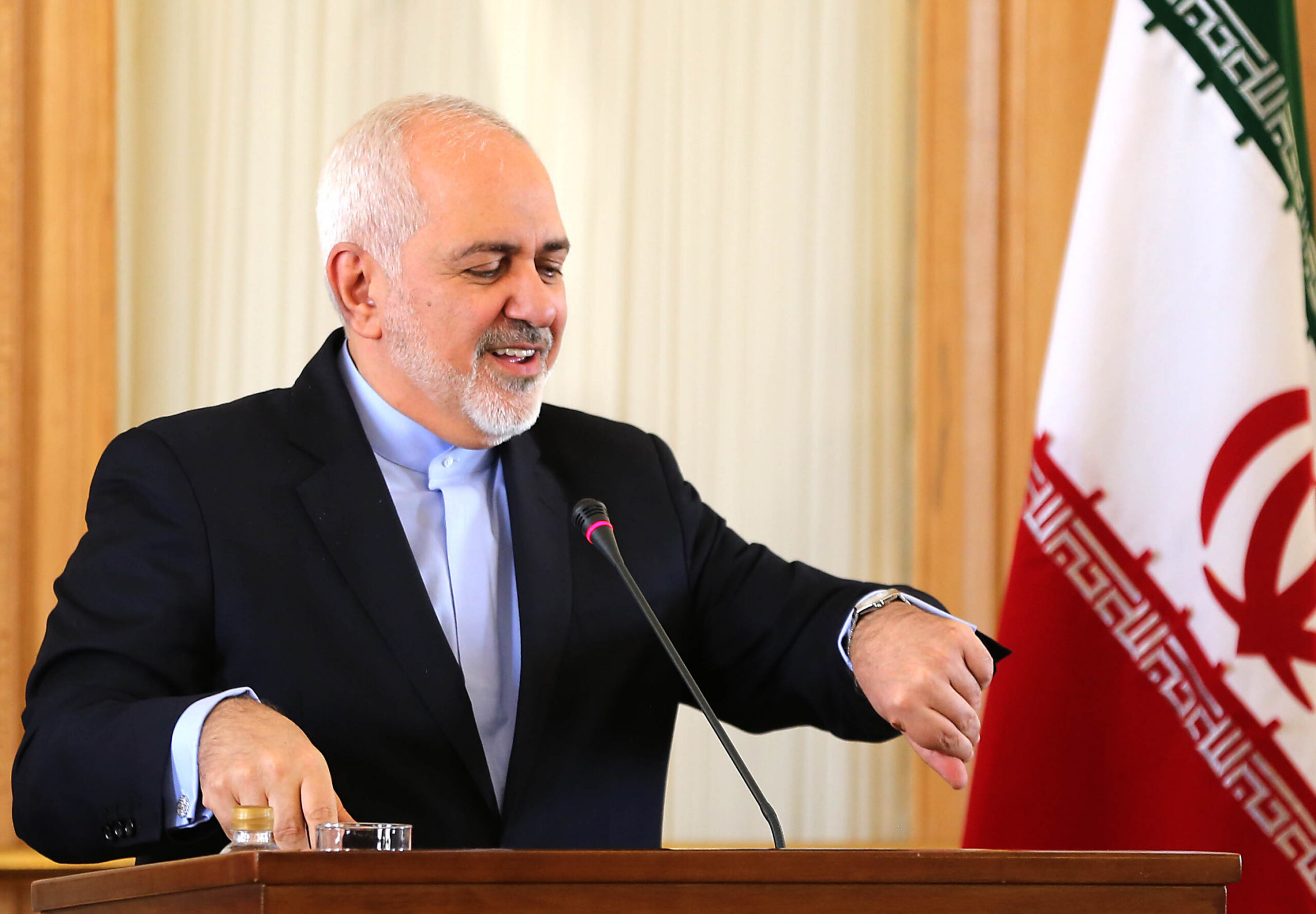
On April 8, the Trump administration designated the Islamic Revolutionary Guard Corps (IRGC), Iran’s elite military force, as a foreign terrorist organization. The reaction in Tehran was stern and swift.
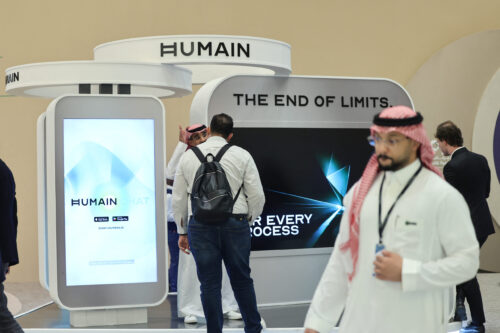
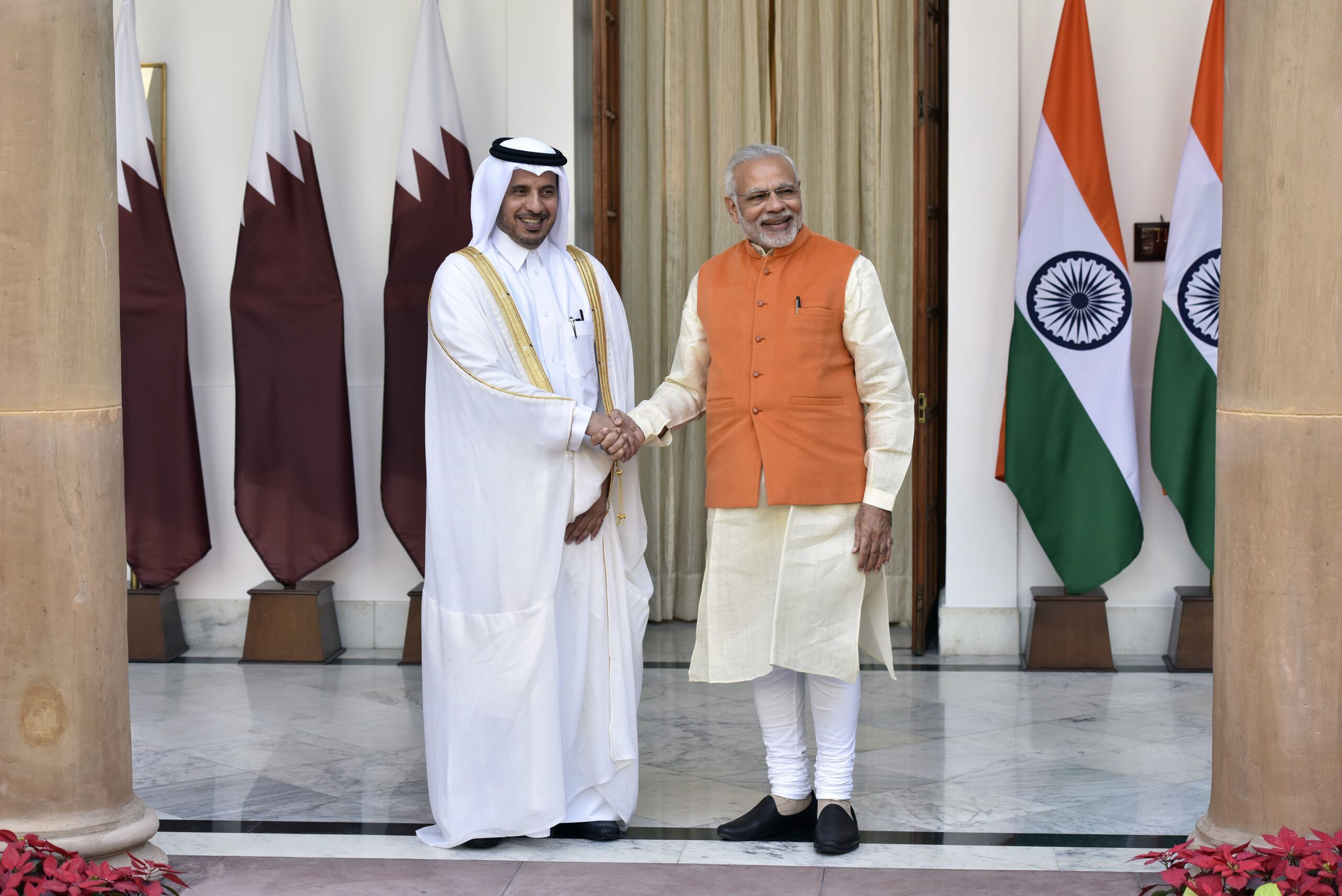
Examining India’s relations with Qatar provides a lens through which to illuminate Delhi’s goals and approach to West Asia at a time when the Gulf countries are mired in tensions and controversies.
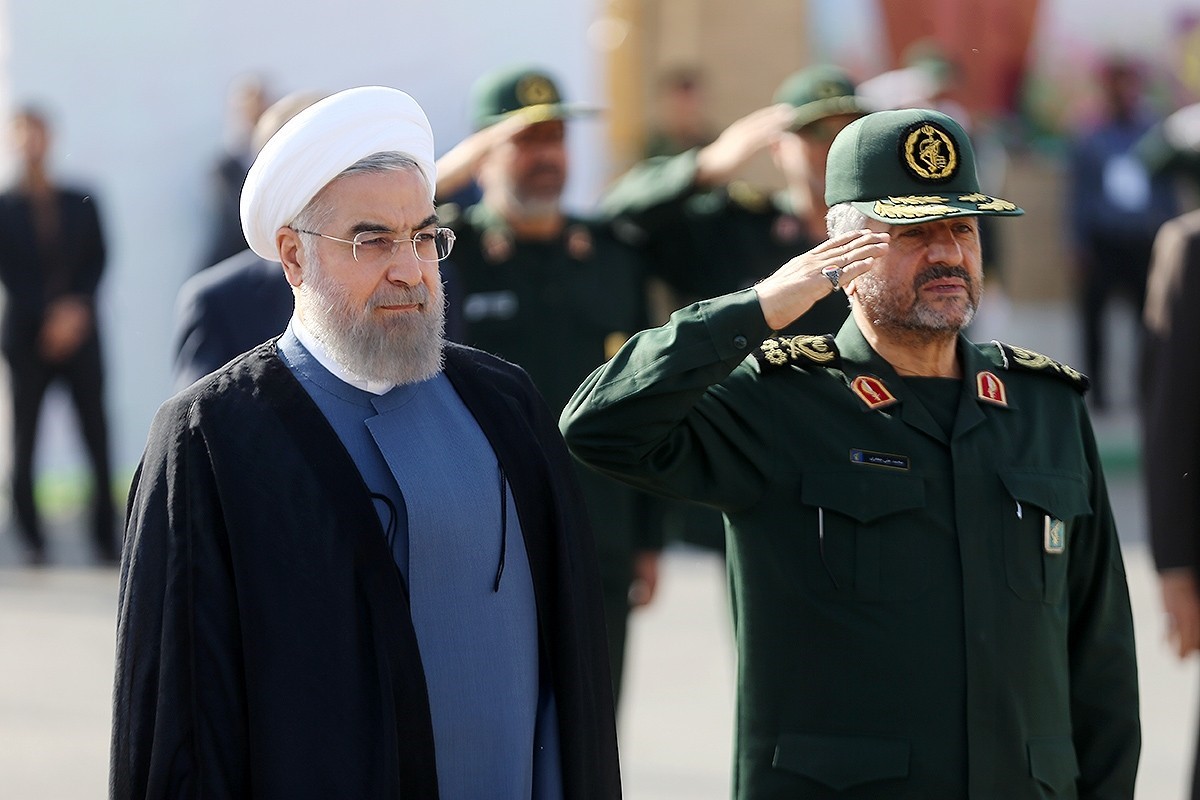
Monday Briefing: US IRGC terrorist designation and the view from Tehran
In this week’s Monday Briefing, MEI experts Alex Vatanka, Emadeddin Badi, Yousef Munayyer, Randa Slim, and Shahrokh Fardoust provide analysis on recent and upcoming events including the IRGC’s designation as a terrorist group, the battle for control of Tripoli in Libya, the impact of Israel’s elections on the Palestinian crisis, Iraqi PM Abdul-Mahdi’s first official visit to Iran, and the spring meetings of the World Bank and IMF in DC.
Russia looks to the Middle East to boost arms exports
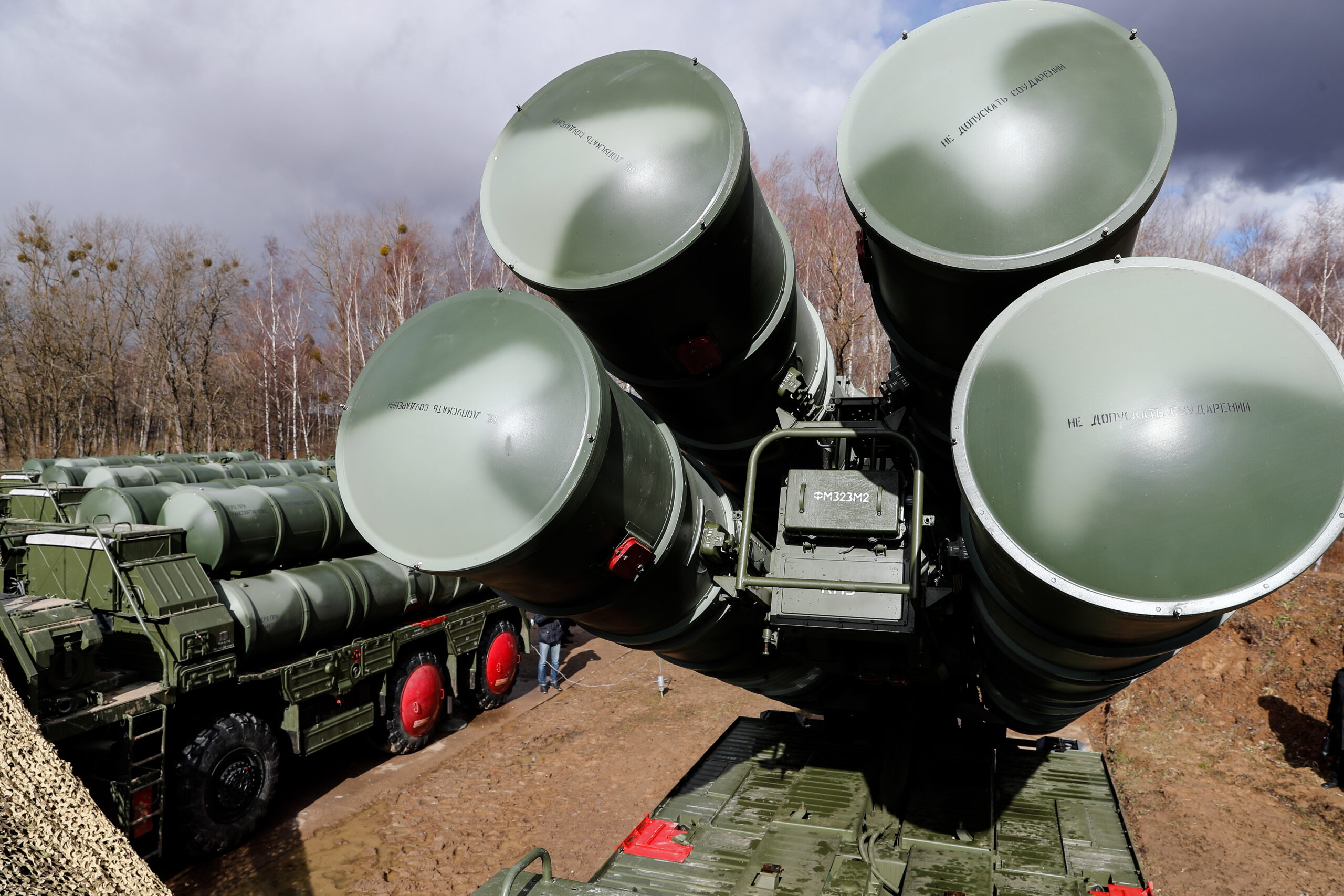
According to SIPRI’s recently published annual report, Russia’s share of global arms exports shrank by around one-fifth over the last decade, falling from 27 percent to 21 percent, while the U.S. share increased from 30 percent to 36 percent, widening the gap between the two major arms exporters. As Russia looks to reverse this decline, it is focusing on the Middle East, the world’s second-largest and fastest-growing arms market, as a way to boost its exports.
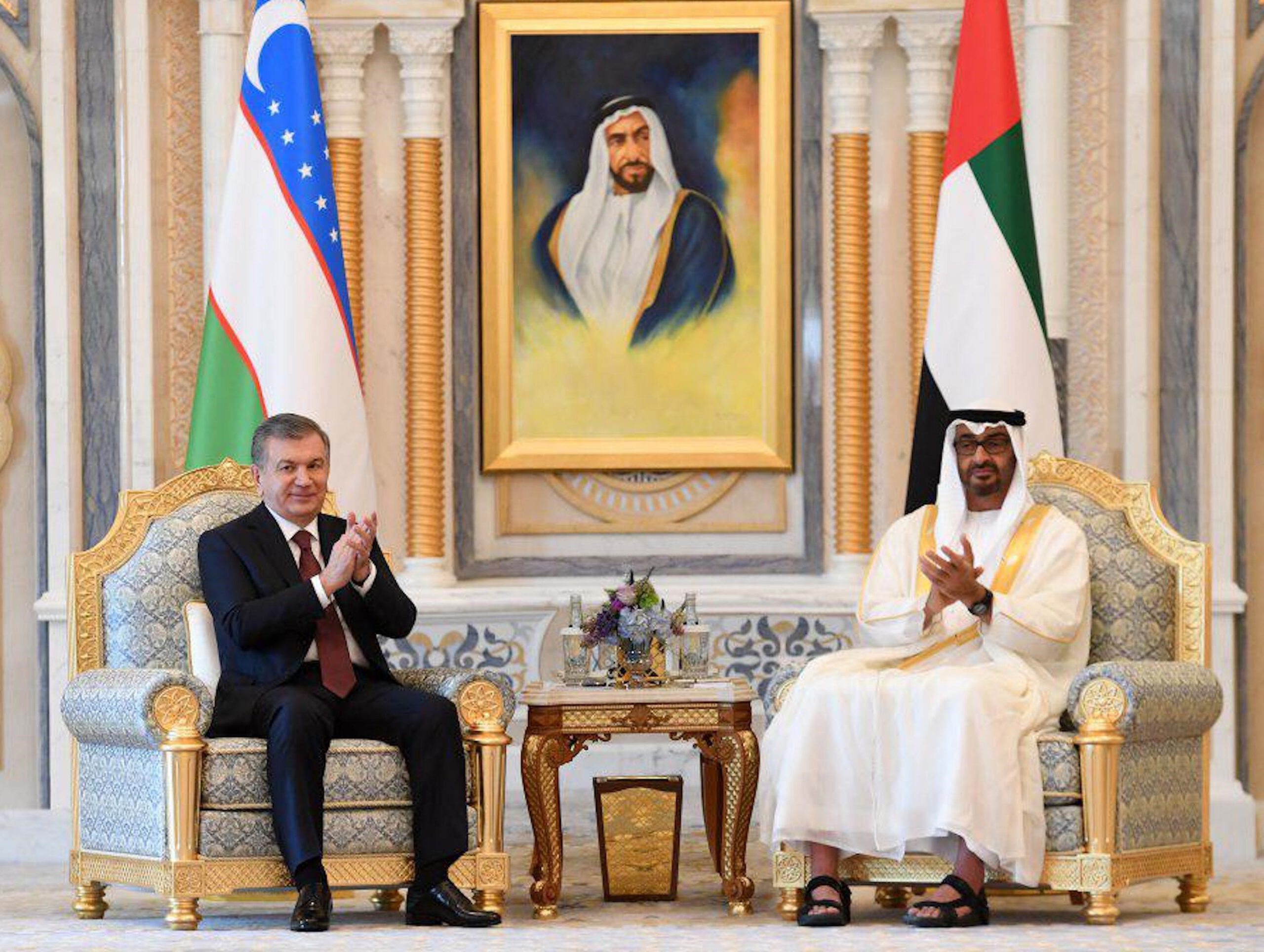
Until two decades ago, Central Asia was a Russian playground. With increasing investment from the Gulf and China, however, the landscape has changed. The UAE, specifically, has recently been vying to play a larger role in this muslim-majority region through large investments in infrastructure.
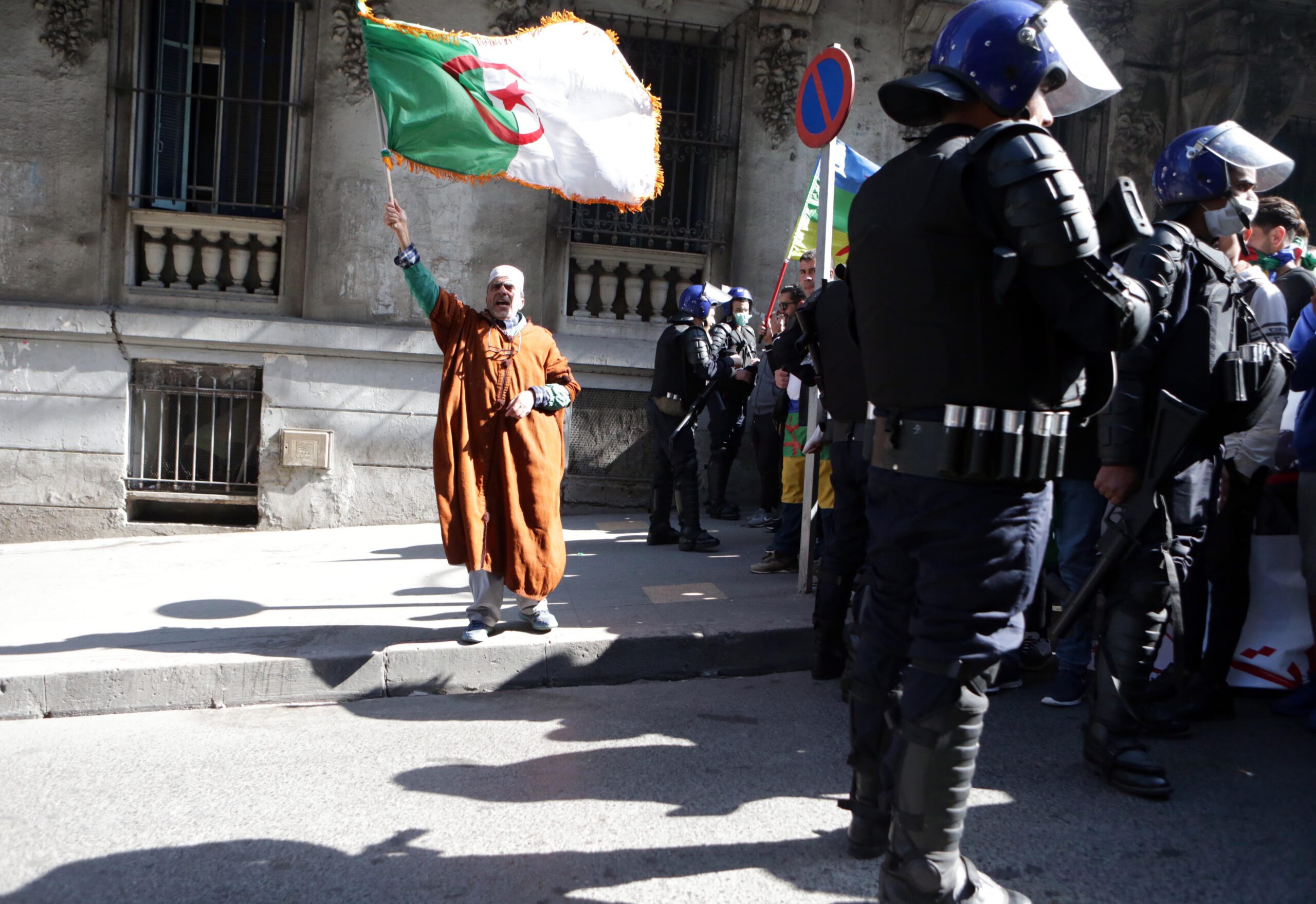
In this week’s Monday Briefing, MEI experts Robert S. Ford, Mirette F. Mabrouk, Nathan Stock, Marvin G. Weinbaum, and Jean-François Seznec provide analysis on recent and upcoming events including the government shakeup in Algeria, Egyptian President el-Sissi’s visit to Washington, rocket attacks from Gaza, Imran Khan’s war against poverty, and a $69 billion merger between Saudi Arabia’s oil and chemical giants.
A tale fit for the silver screen: The rebirth of the Basrah Museum
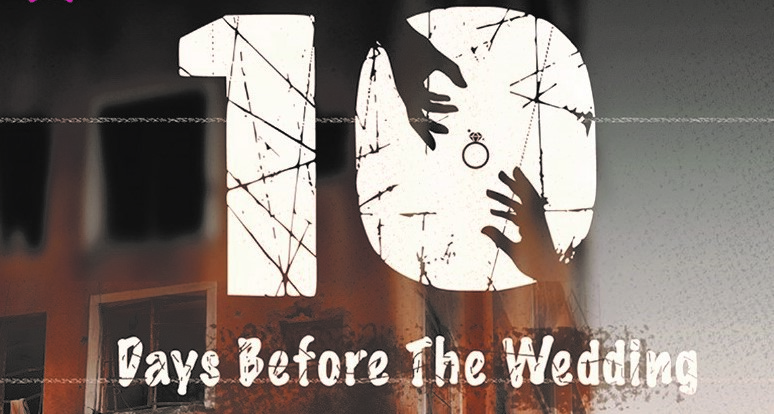
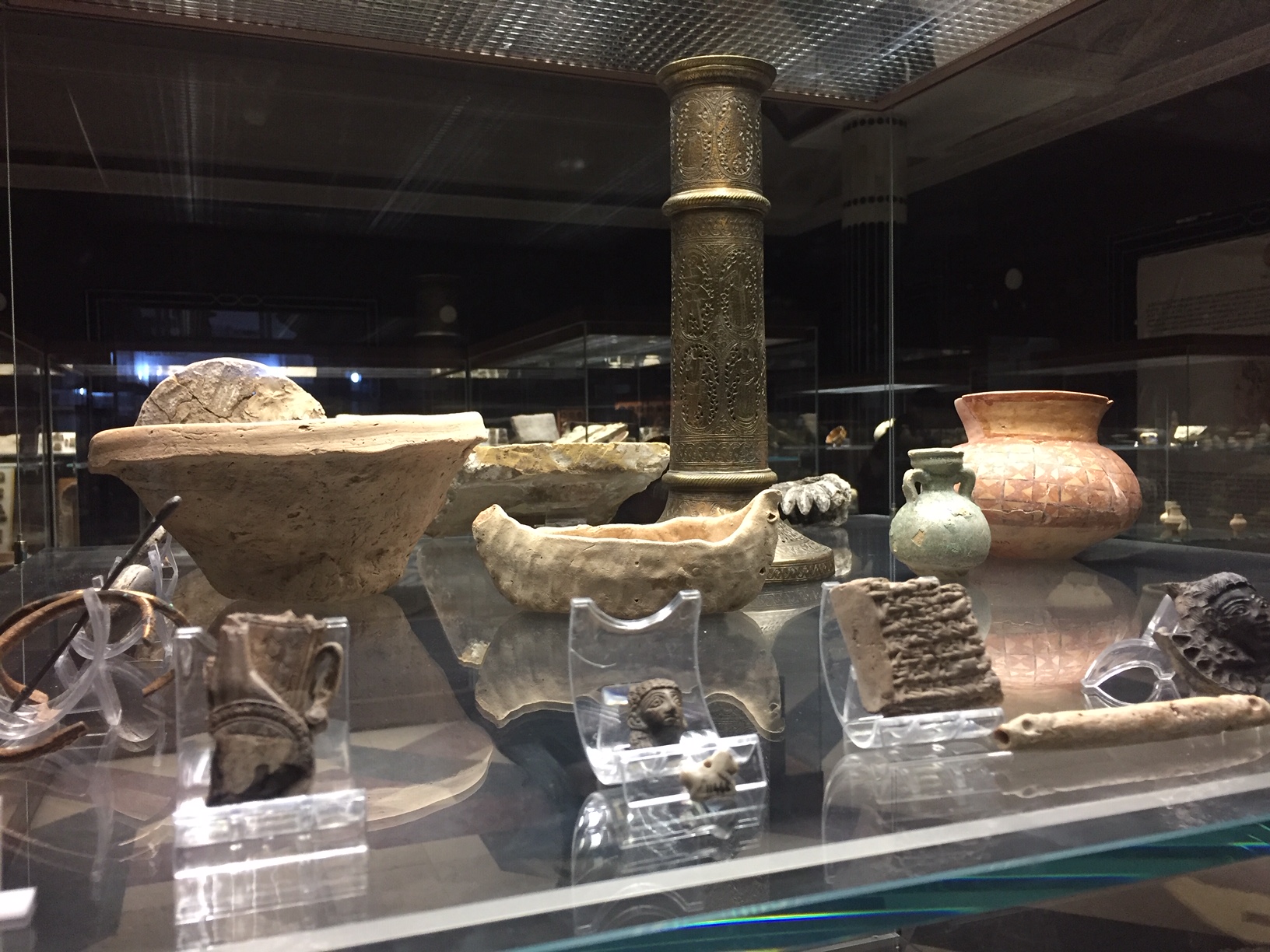
The story of the Basrah Museum, which opened three new galleries on March 19th after languishing for 28 years, is nothing less than cinematic. Read it here.
Where is ISIS today? | The end of the ISIS Caliphate
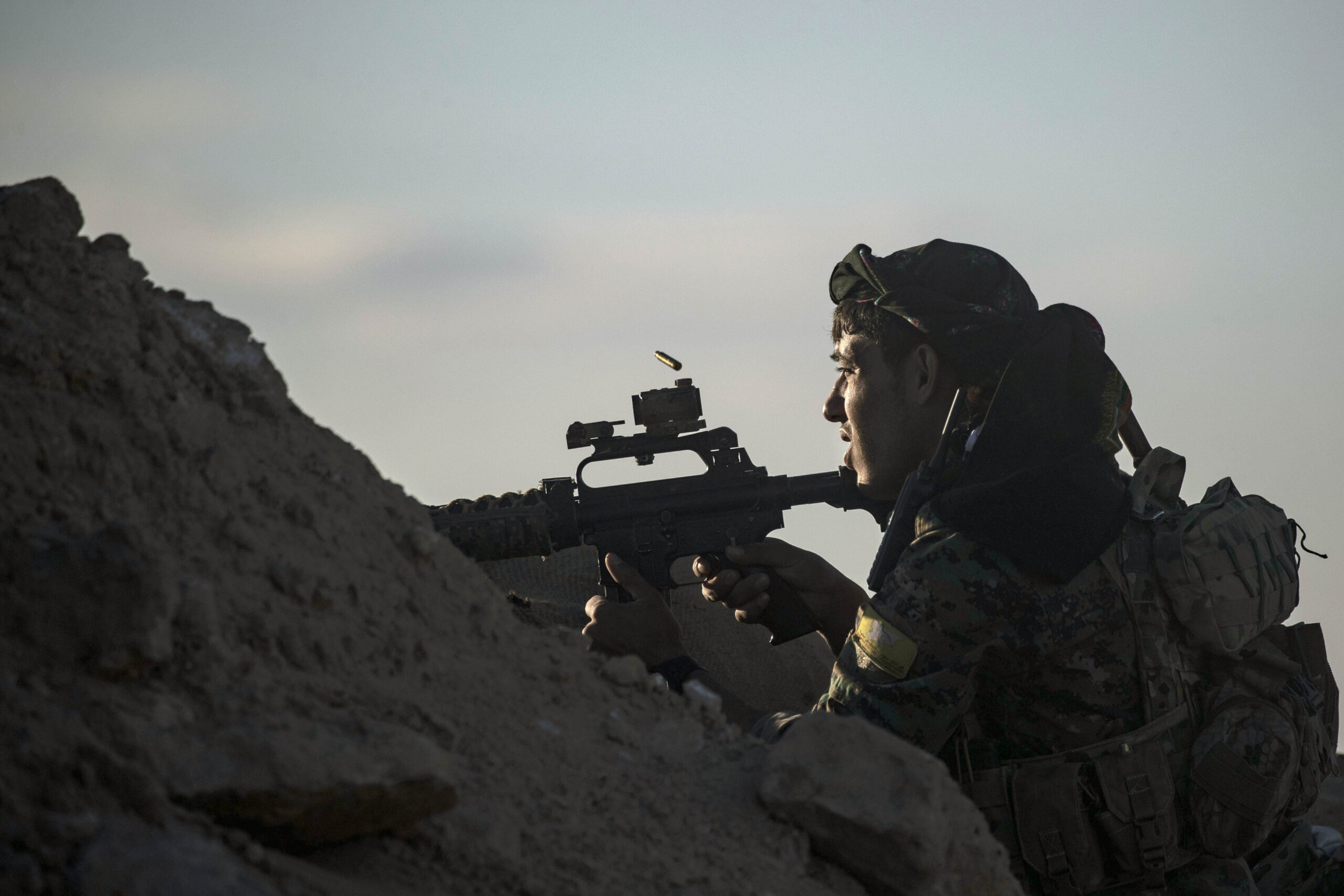
ISIS’s self-proclaimed Caliphate in Syria and Iraq came to an end on March 23, when the Syrian Democratic Forces, backed by the U.S.-led international coalition, liberated the town of Baghouz after a tough six week battle. In some respects however, the military victory against ISIS was the easy part.
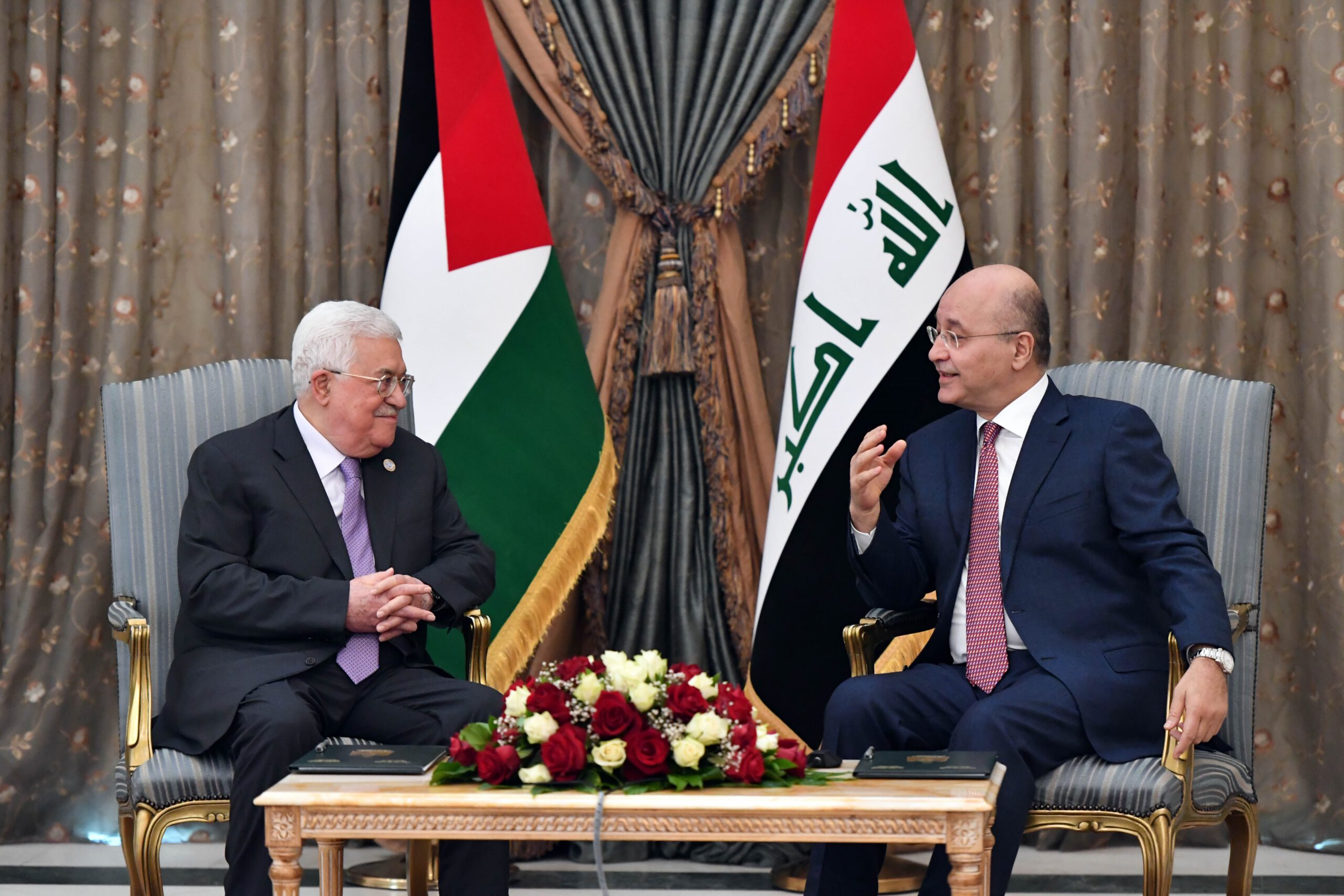
Following the liberation of ISIS-held territory in Syria and Iraq, Palestinian President Mahmoud Abbas is reestablishing ties with regional actors as a means to mobilize Arab support for the Palestinian cause.
Monday Briefing | Iraq: Outreach abroad, but troubles at home
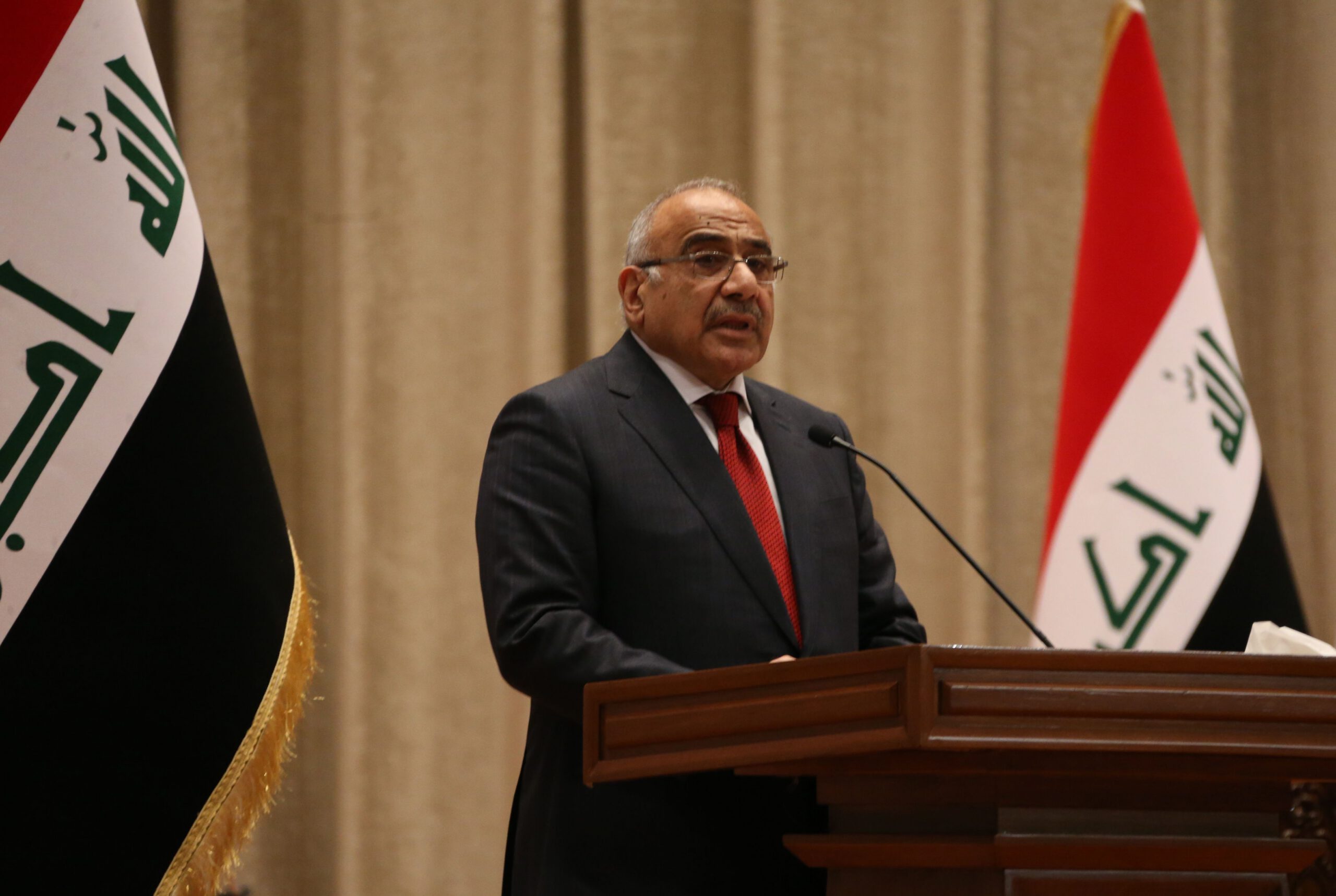
In this week’s Monday Briefing, MEI experts Randa Slim, Charles Lister, Gerald Feierstein, and Paul Salem provide analysis on recent and upcoming events including Iraqi Prime Minister Abdul-Mahdi’s first foreign trip to Egypt, the future threat posed by ISIS, Israeli Prime Minister Benjamin Netanyahu’s AIPAC meeting in Washington, and Secretary of State Mike Pompeo’s visit to Lebanon.
Lavrov’s Gulf trip highlights Russia’s growing regional role
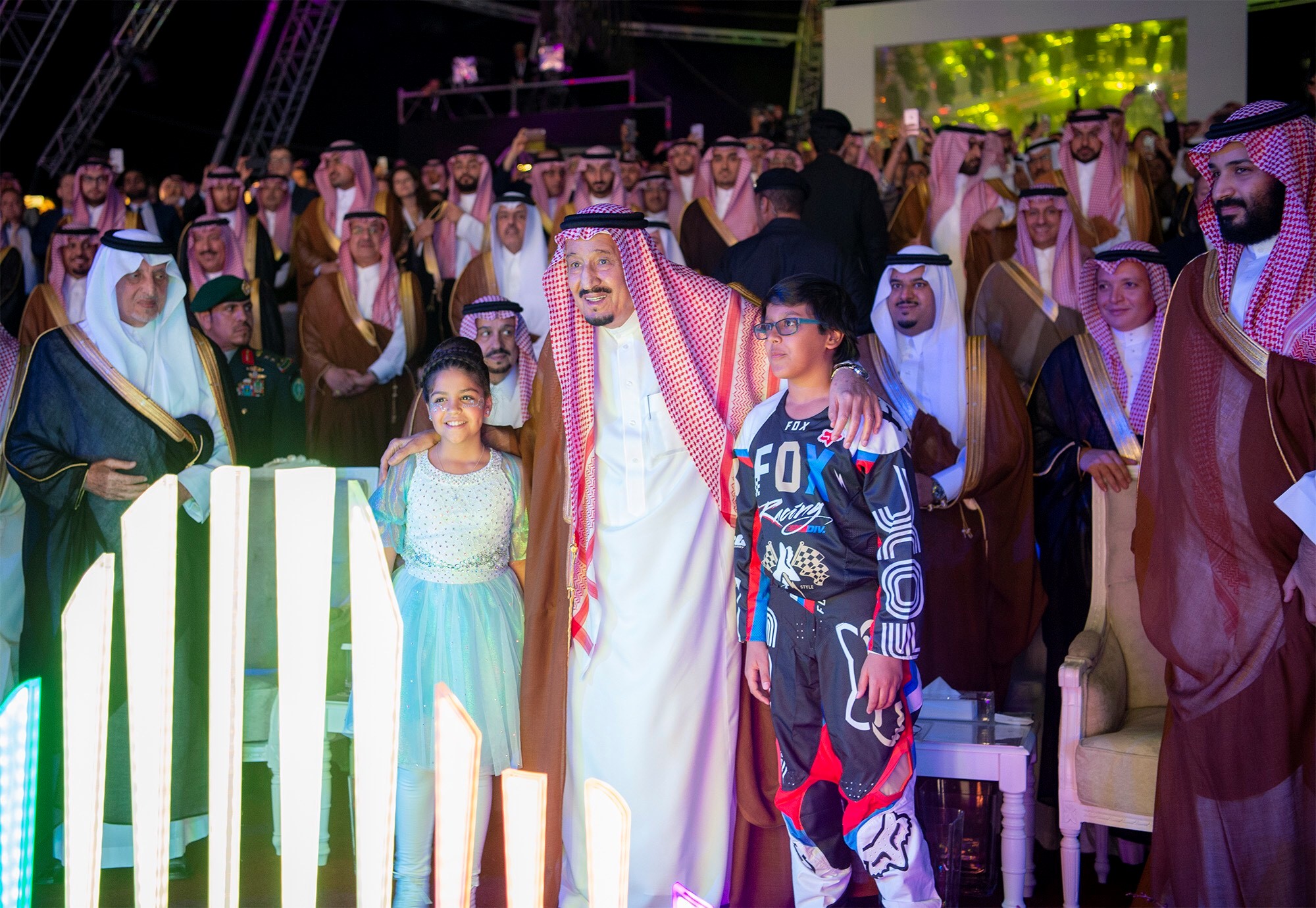
Russian Foreign Minister Sergei Lavrov made a four-day trip to the Gulf in early March, stopping in Qatar, Saudi Arabia, Kuwait, and the UAE as part of a broader effort to boost Moscow’s ties with the region. Although the Gulf monarchies are traditionally considered of some of the U.S’s closest allies, relations between Russia and the Gulf have improved in recent years and there is potential for further cooperation going forward.
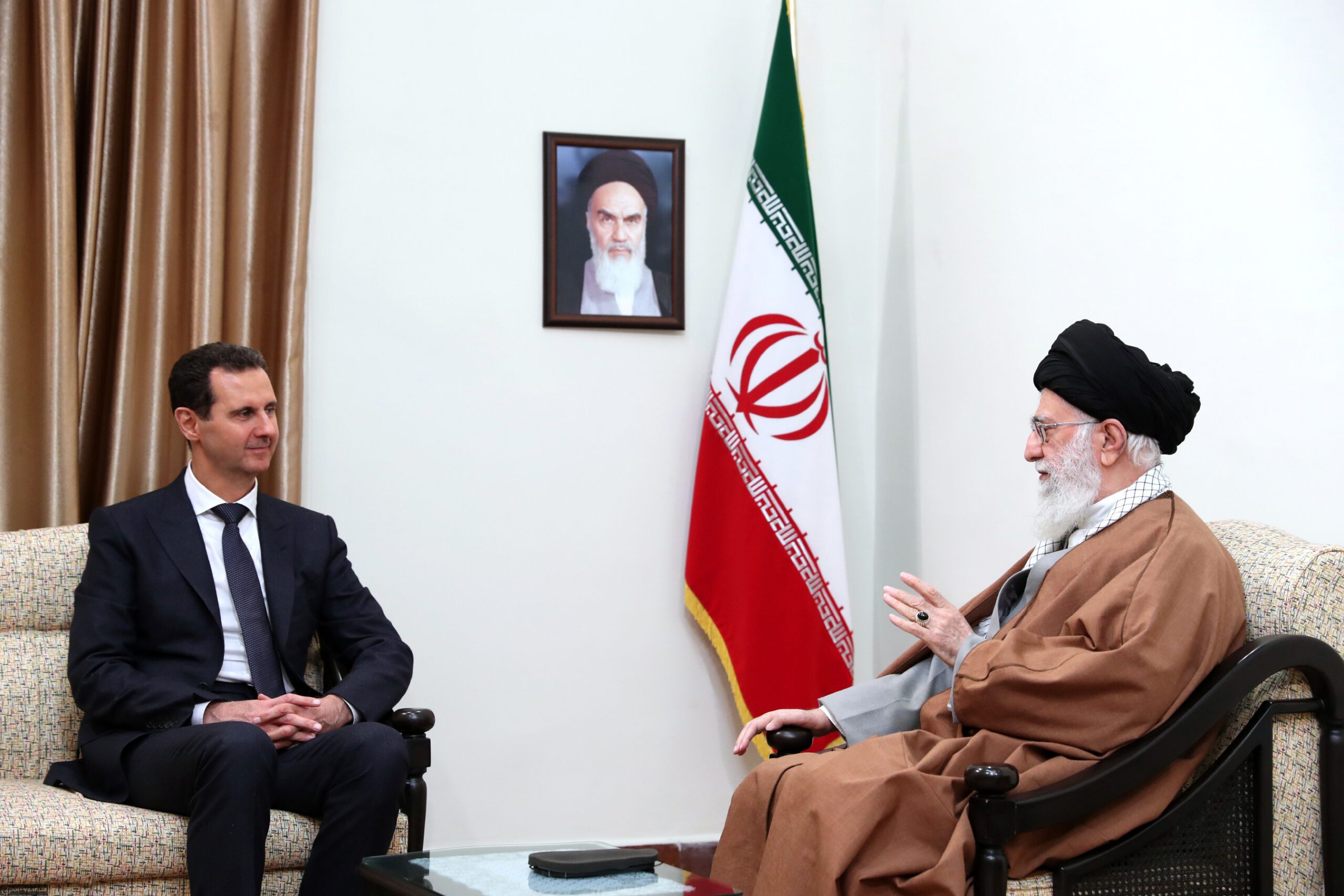
That the relationship between the Ba’ath regime in Syria and the ayatollahs of the Islamic Republic is one of loveless realpolitik is no secret to anyone with a passing familiarity with the history of Damascus-Tehran ties. The end of the war in Syria has already begun to expose faults in the unlikely marriage between a militant secular Arab regime rooted in the independence politics of the colonial era and the revolutionary rule of the wilayat al-faqih.
The oldest peer-reviewed publication dedicated to the study of the modern Middle East, MEI’s flagship journal covers politics, society, and culture in the region.