The Americans Are Gone. Will Iraq’s Militias Disarm?
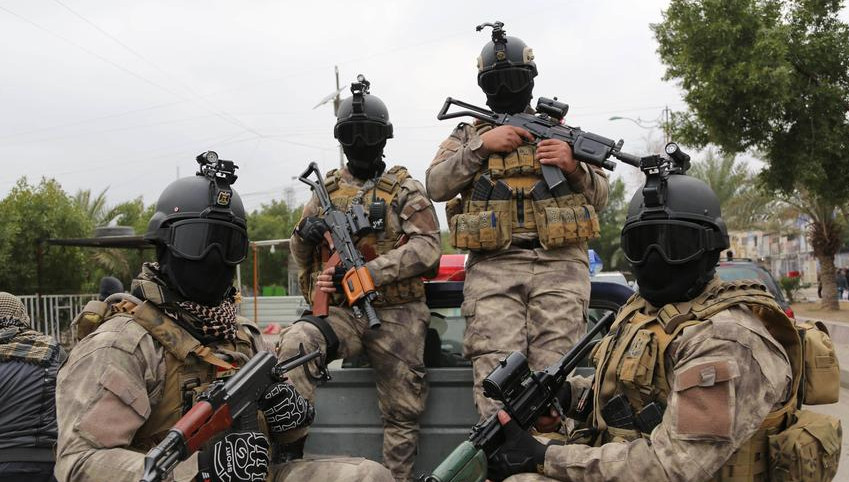
On September 30, the US completed its military withdrawal from Iraq, ending a 12-year-long mission to combat ISIS that began in 2014. The date was also meant to be the deadline for disarming the largely Iranian-backed militias known as the Popular Mobilization Forces (PMF), but Prime Minister Ali al-Zaidi has now pushed that cutoff back to June 30, 2027. MEI Distinguished Diplomatic Fellow Amb. (ret.) Robert S. Ford joins hosts Alistair Taylor and Matthew Czekaj to discuss what the US military withdrawal means for Iraqi security and the nature of the bilateral relationship going forward. They also speak about what it will take for Baghdad to bring the PMF militias to heel, and how Iraq may navigate the post-Iran war era.
Jordan’s Economy Weathers Iran War’s Shocks and Finds New Opportunities
In the summer of 2003, King Abdullah II told Bloomberg Jordan sits “between Iraq and a hard place,” a play on words designed to describe the kingdom’s challenging environment to an American audience amid the US-led Iraq war to the east and the lingering Palestinian-Israeli conflict to the west. Jordan is grappling with a much “harder place” today.
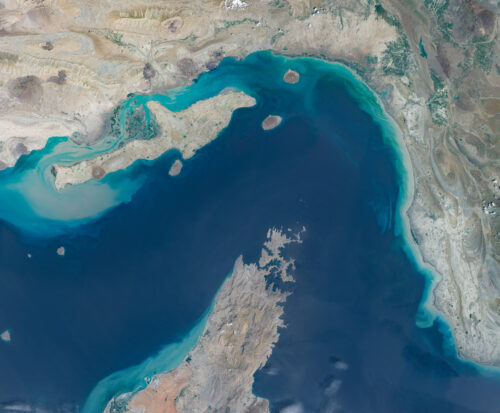
Proponents of the war with Iran have taken recent increases in crude-oil flows through the Strait of Hormuz as proof that the US strategy is finally working. President Trump is so confident in this that he recently rejected a seven-day plan, set forward by Iran’s foreign ministry, to end the war and open the strait. The United States is “winning tremendously,” Trump boasted.
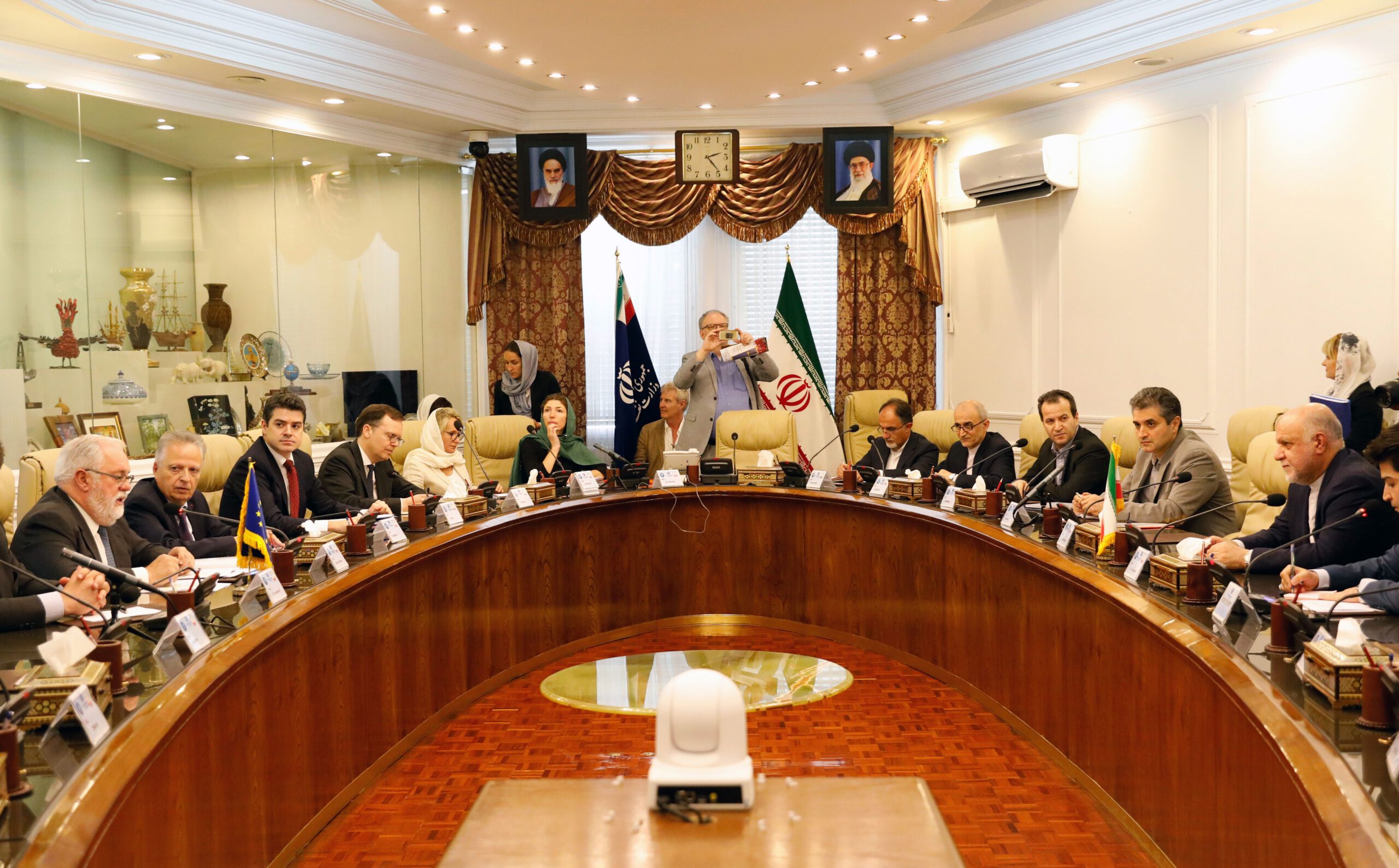
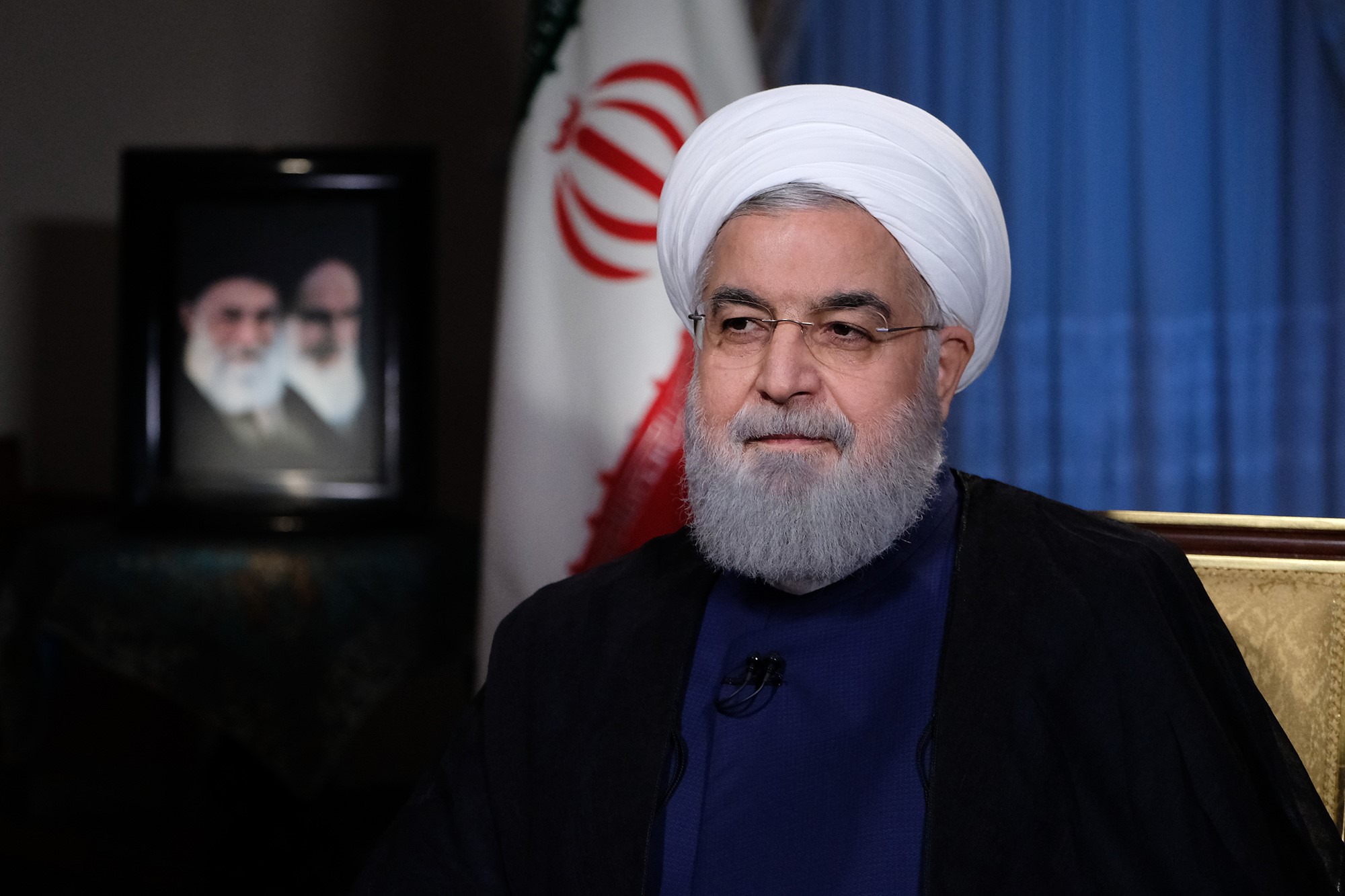
The American decision to reimpose sanctions may result in a new wave of tensions between the U.S. and EU as European companies have benefited significantly from growing trade with Iran.
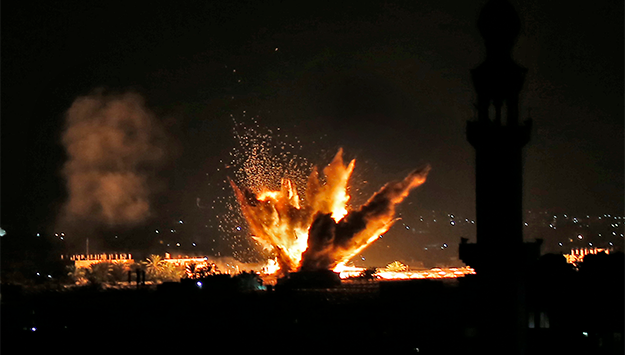
In this week’s Monday Briefing, MEI experts discuss recent and upcoming events including the Gaza flare-up and its threat to Egyptian-led negotiations, Russian-hosted Afghan peace talks, the ground offensive in Hodeidah, and rapid escalation in northwestern Syria.
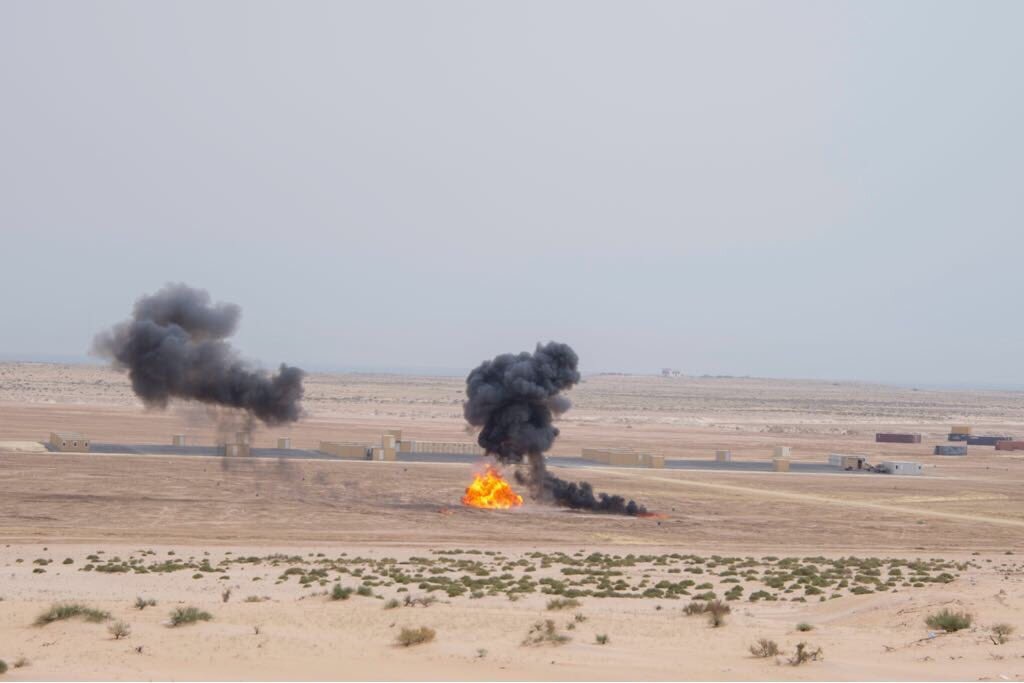
As naval, air, and ground units from Bahrain, Egypt, Jordan, Kuwait, Saudi Arabia, and the UAE conduct war games in western Egypt this month, many speculate that this could represent the birth of the so-called “Arab NATO.”
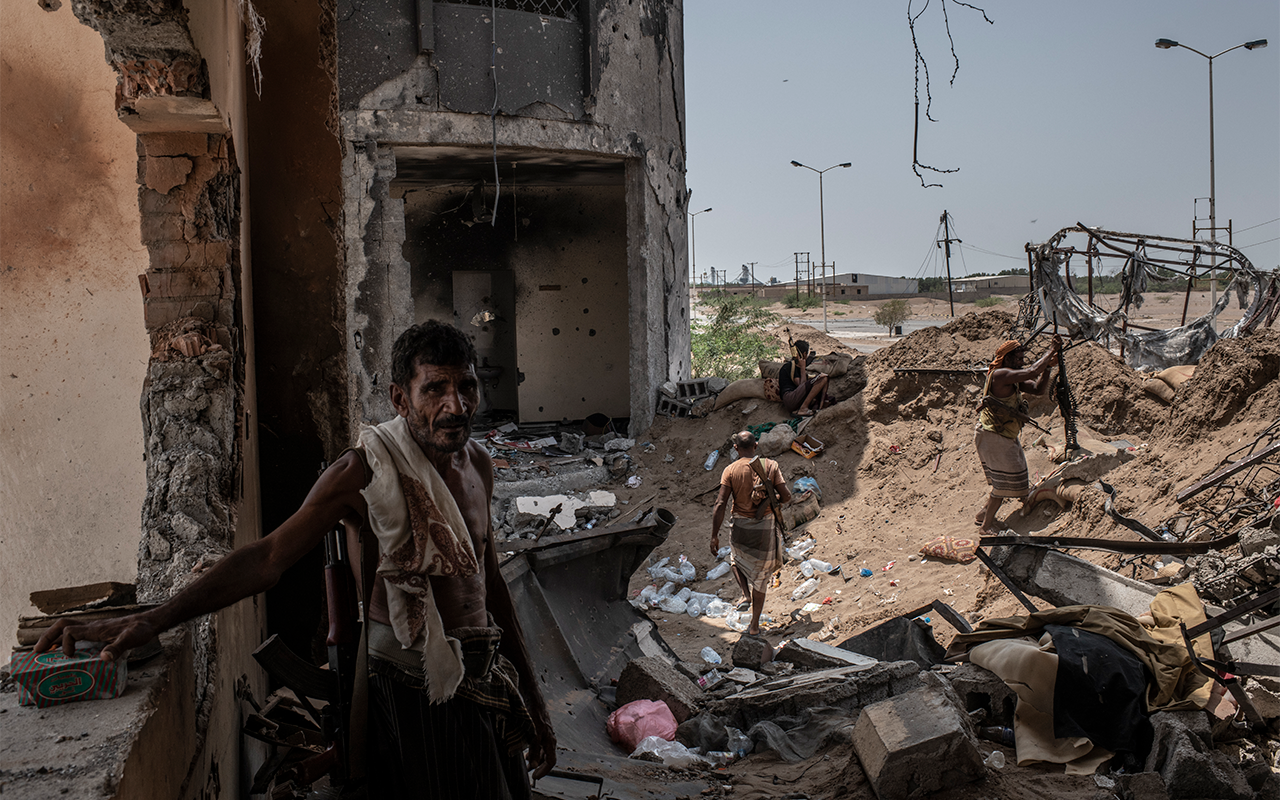
Yemen, the site of the biggest humanitarian disaster in the world today, has seen several significant developments in recent weeks, including renewed calls for a cease-fire, UN intervention, and brokered peace talks. Fatima Alasrar, senior analyst at the Arabia Foundation, and MEI’s Gerald Feierstein join host Paul Salem to discuss the prospects for these latest moves.
New Iran sanctions: U.S. goals, E.U. countermeasures, and Tehran’s reactions
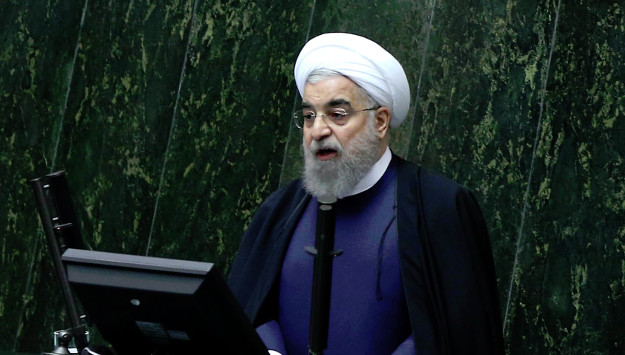
On November 5, the Trump administration re-imposed the full scope of U.S. sanctions on Iran, nearly six months after it unilaterally withdrew from the 2015 nuclear accord, also known as the Joint Comprehensive Plan of Action (JCPOA). The stringent sanctions target Iran’s energy, shipping and banking sectors and make it difficult, if not impossible, for foreign companies to continue to do business with the Islamic Republic. The Treasury Department reinstated all sanctions removed under the JCPOA, and blacklisted 300 new entities and individuals, in what the Treasury called it the “largest ever single-day action targeting the Iranian regime.”
In this week’s Monday Briefing, MEI experts discuss recent and upcoming events including the ongoing conflict in Yemen, the potential impact of the midterm elections on US Middle East policy, U.S.-Turkey rapprochement, escalating tensions in northern Syria, the upcoming Palermo conference on Libya, and the potential for political fallout in Pakistan and peace talks in Afghanistan.
Iraq’s Imam Ali Brigade militiamen vow to fight in Yemen next
In a recent video circulating on Iraqi social media, a man appears to be showing off rows of militiamen in the background as they conduct combat drills. He begins by giving an overhead view of several fighters of the Imam Ali Brigade, an Iranian-supported militia group within Iraq’s Popular Mobilization Force (PMF), marching in formation as they receive training. Before concluding the clip, he declares “Ila al-Yaman Insha’llah” (to Yemen, God willing).
The cross-currents shaping Washington’s Iranian oil policy
Although the Trump administration has said it will issue temporary waivers to some major importers of Iranian oil, further declines in Iran’s exports are likely after sanctions come into effect on Nov. 4.
MEI’s Alex Vatanka and Jean-Francois Seznec join host Paul Salem to discuss the impact of incoming U.S. sanctions on Iranian energy exports on Iran’s economy, the Gulf, and energy markets in general.
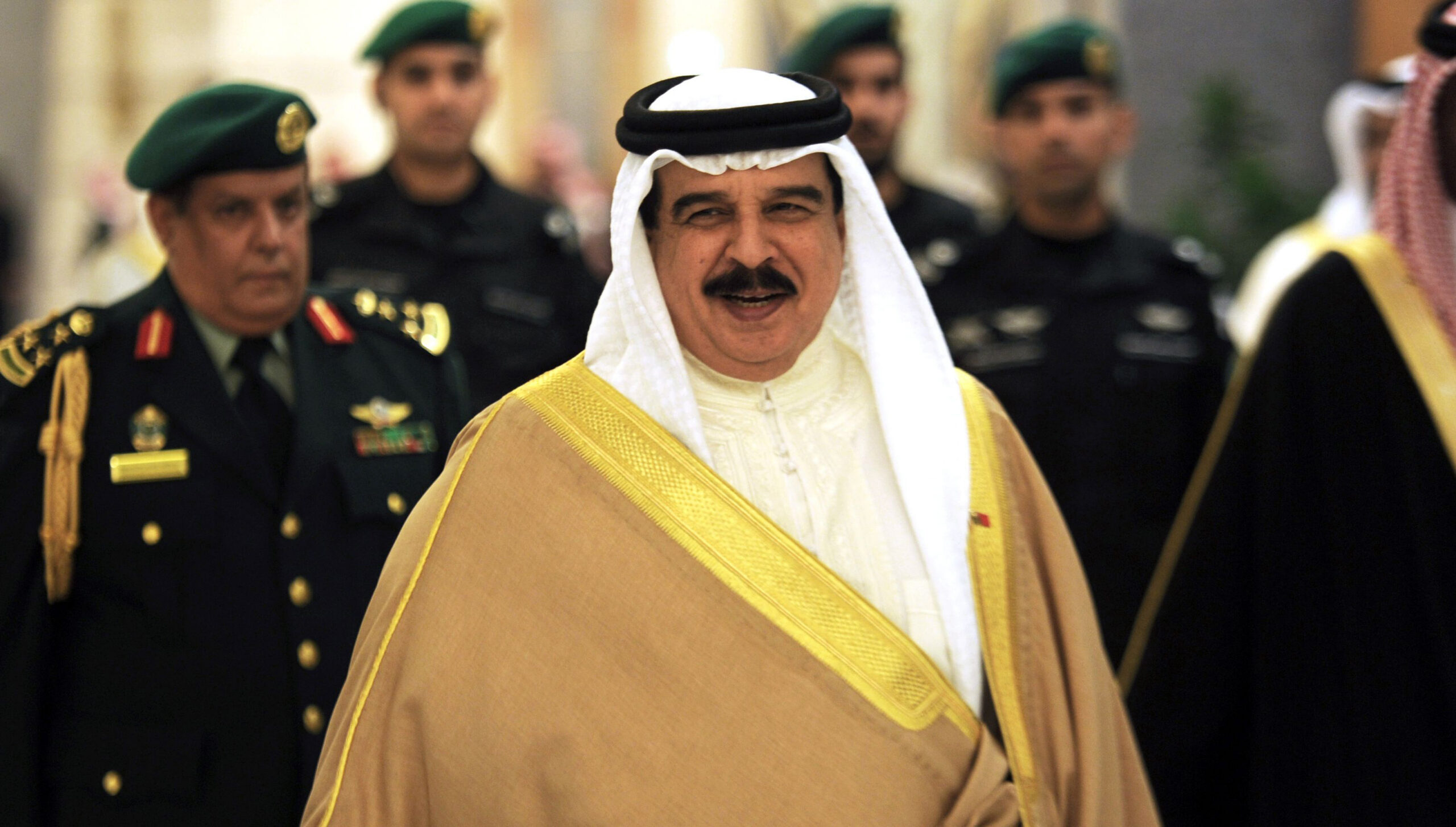
The GCC aid package for Bahrain illustrates how massive capital flows underlie the contentious politics and strategic alliances within the Gulf and broader Middle East.
In this week’s Monday Briefing, MEI experts Alex Vatanka, Marvin G. Weinbaum, and Charles Lister provide analysis on recent and upcoming events including Iran’s decision to sell its oil in the private sector, the prime minister of Pakistan’s search for foreign aid, and the Syrian summit in Istanbul.
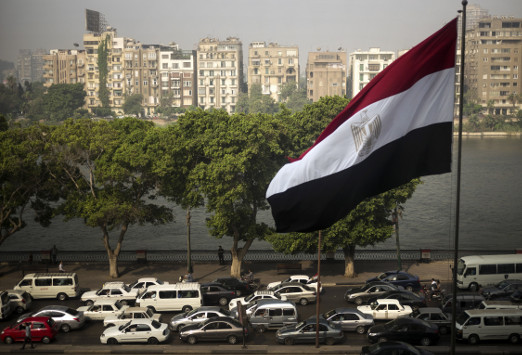
The stakes behind the story: How Egypt’s media covered the Khashoggi case
As the Khashoggi drama became to big to ignore, Egypt’s state-owned and private media coverage of the story confirmed that Egypt could not afford to harm its ties with Saudi Arabia.
October 25, 2018 – This week, in a highly anticipated speech on the Khashoggi affair, Turkish President Erdogan promised a lot but said little; the “Davos in the Desert” conference opened in Riyadh with an appearance by the Saudi crown prince; and the United States continued to send mixed signals. Karen Young, resident scholar at the American Enterprise Institute, and Gonul Tol, director of MEI’s Turkey program, join host Paul Salem to discuss the latest developments.
The oldest peer-reviewed publication dedicated to the study of the modern Middle East, MEI’s flagship journal covers politics, society, and culture in the region.