The Americans Are Gone. Will Iraq’s Militias Disarm?
On September 30, the US completed its military withdrawal from Iraq, ending a 12-year-long mission to combat ISIS that began in 2014. The date was also meant to be the deadline for disarming the largely Iranian-backed militias known as the Popular Mobilization Forces (PMF), but Prime Minister Ali al-Zaidi has now pushed that cutoff back to June 30, 2027. MEI Distinguished Diplomatic Fellow Amb. (ret.) Robert S. Ford joins hosts Alistair Taylor and Matthew Czekaj to discuss what the US military withdrawal means for Iraqi security and the nature of the bilateral relationship going forward. They also speak about what it will take for Baghdad to bring the PMF militias to heel, and how Iraq may navigate the post-Iran war era.
Jordan’s Economy Weathers Iran War’s Shocks and Finds New Opportunities
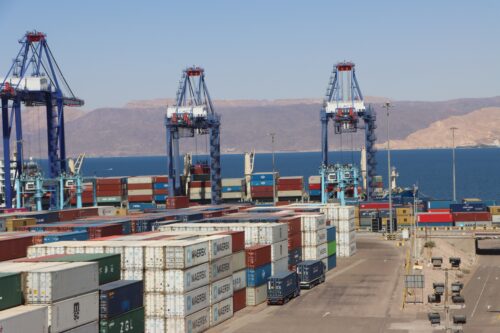
In the summer of 2003, King Abdullah II told Bloomberg Jordan sits “between Iraq and a hard place,” a play on words designed to describe the kingdom’s challenging environment to an American audience amid the US-led Iraq war to the east and the lingering Palestinian-Israeli conflict to the west. Jordan is grappling with a much “harder place” today.
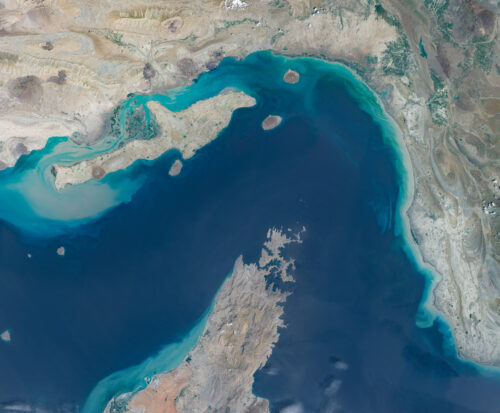
Proponents of the war with Iran have taken recent increases in crude-oil flows through the Strait of Hormuz as proof that the US strategy is finally working. President Trump is so confident in this that he recently rejected a seven-day plan, set forward by Iran’s foreign ministry, to end the war and open the strait. The United States is “winning tremendously,” Trump boasted.
Iran and Turkey Discuss Ways to Cooperate in Syria and Iraq
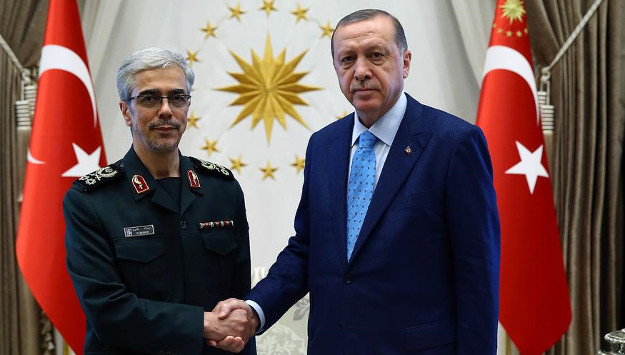
On Wednesday, the chief of the Iranian Armed Forces met with Turkish President Recep Tayyip Erdogan and Defense Minister Nurettin Canikli in Ankara to discuss ways
Rouhani to Trump: Iran Could Restart Nuclear Program within Hours
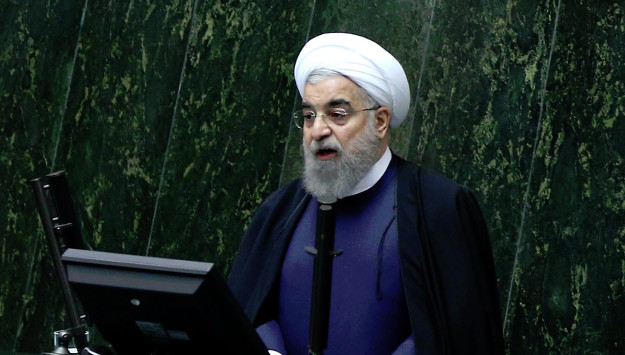
Iranian President Hassan Rouhani has warned that Tehran would restart the country’s nuclear program within hours if the U.S. government imposes additional sanctions on the Islamic Republic, the Iranian media reported. “America’s new statesmen should know that the failed experience of sanction and coercion brought their previous administrations to the negotiating table.
Iran Creates 10 Rapid Reaction Brigades to Fight Terrorism at Home
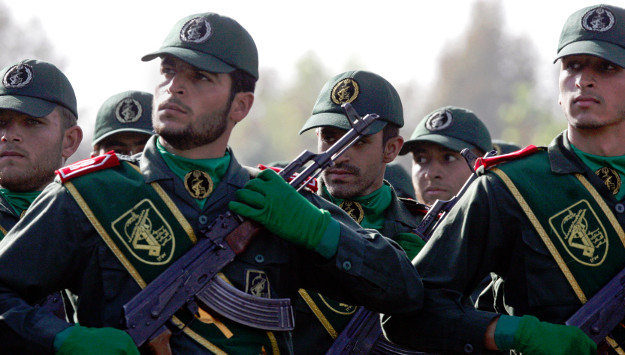
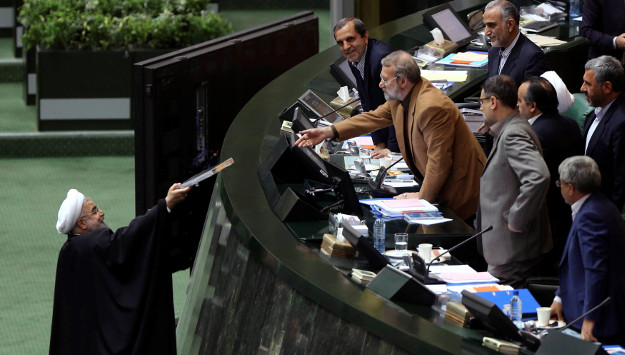
Iran has set up 10 new rapid reaction brigades and plans to create more units to bolster its counterterrorism efforts, President Hassan Rouhani’s defense minister nominee has told the country’s parliament. Introducing his plans for the Defense Ministry, Brigadier General Amir Hatami added that five of the new brigades have been established within the country’s Artesh (regular army), whereas the remainder consisted Islamic Revolution Guards Force (I.R.G.C.) Ground Force units.
I.R.G.C. Rejects U.S. Claim of Unsafe Drone Flight, Says Drone Mission Will Continue in Gulf
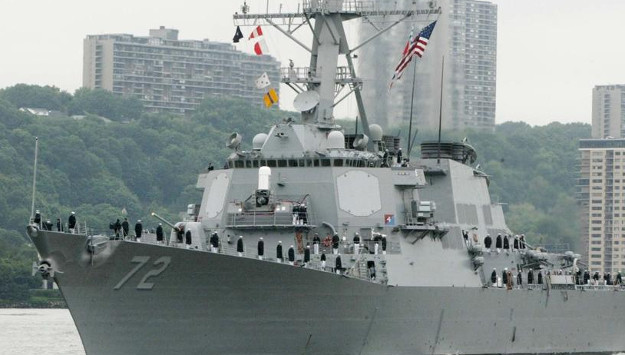
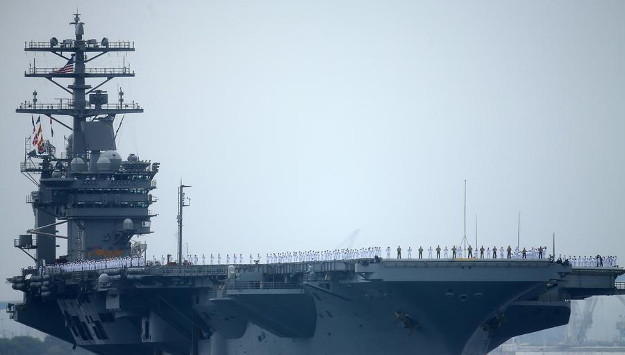
The Islamic Revolution Guards Corps (I.R.G.C.) rejected U.S. claim that an Iranian drone came dangerously close to a U.S. aircraft carrier in the Persian Gulf, and stressed that it will continue its “routine” air patrol in the region despite U.S. warnings.
Iran Navy to Unveil New Vessels and Dispatch Fleets to Atlantic Ocean
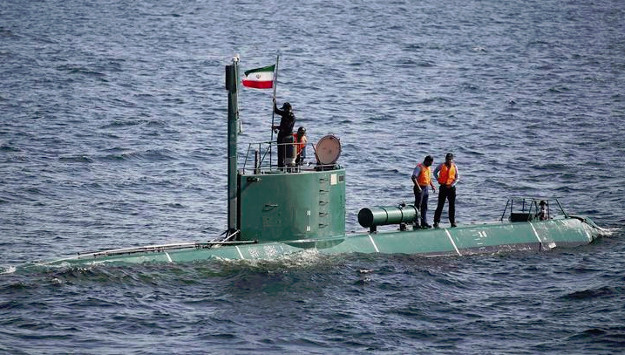
The commander of the Iranian Navy announced today that the country will unveil new home-made vessels and a missile launching warship, Fars News Agency reported. “New equipment, including surface and subsurface vessels units, and other equipment made in the country will be unveiled in the Northern and Southern parts (waters) of the country,” Rear Admiral Sayyari said, addressing a ceremony in the Northern port city of Bandar Anzali.
Monday Briefing | Is the Middle East Tilting toward De-Escalation?
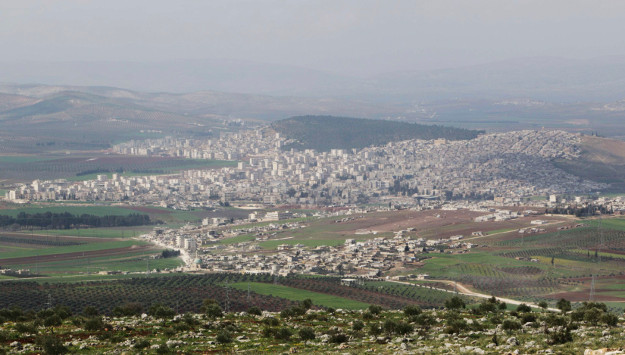
In this week’s Monday Briefing, MEI experts Paul Salem, Gonul Tol, Alex Vatanka, and Jonathan M. Winer provide analysis on recent and upcoming events including Saudi Arabia’s diplomatic engagements in the region, Turkey’s consideration of military operations in northern Syria, Iranian President Rouhani’s centrist cabinet nominations, and Libyan leaders’ decision between greater cooperation or renewed confrontation.
Tehran Sees Saudi Outreach to Iraqi Shiites as "New Project" to Roll Back Iran's Regional Influence
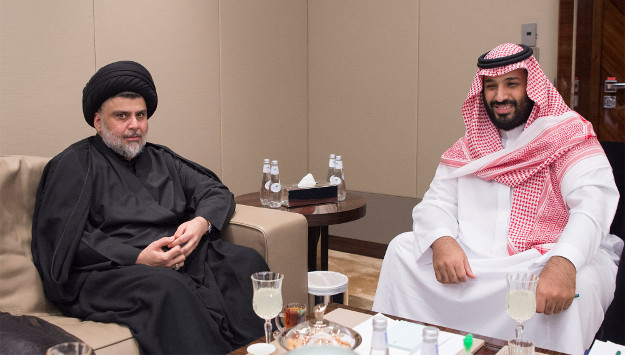
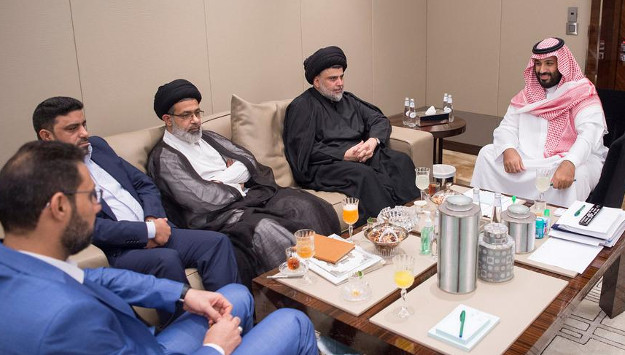
Iranian media outlets, analysts and politicians warn that Saudi Arabia and its regional allies are cultivating close ties with Muqtada al-Sadr and other Iraqi Shiite clerics and political leaders to roll back Iran’s influence in post-Islamic State Iraq and the broader region. While some suggest that Riyadh’s outreach to Iraqi Shiites is part of the kingdom’s efforts to defuse tension with Tehran, others see it as a plot to isolate Iran. At the center of this debate is al-Sadr, who recently visited Saudi Arabia and the United Arab Emirates and is scheduled to travel to Egypt soon.
Iranian Drone Comes “Dangerously” Close to U.S. Aircraft Carrier in Persian Gulf
Iran sent another drone close to a U.S. Navy aircraft carried in the Persian Gulf on Sunday, the media reported today. Last week, an Iranian drone had an “unsafe” encounter with a U.S. Navy F-18 Hornet as it was landing aboard the U.S.S. Nimitz in the Persian Gulf. Navy Lt.
Rouhani Asks Putin for More Russian Investment in Iran’s Energy Sector
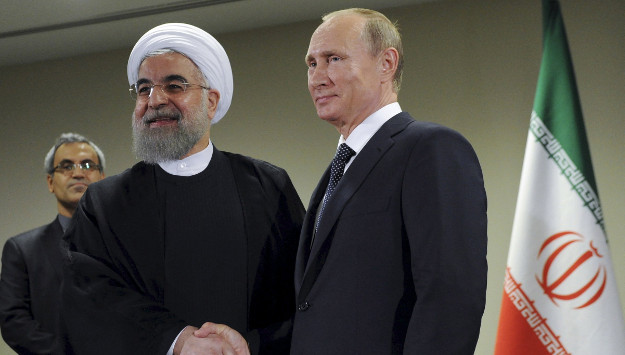
Iranian President Hassan Rouhani and his Russian counterpart Vladimir Putin discussed ways to expand bilateral relations between the two countries in a telephone call today, the Iranian and Russia
Tehran Celebrates Arsal "Victory" as Sign of Hezbollah’s Growing Power
From Tehran’s view, Hezbollah’s military operation against Nusra Front militants on the outskirts of the Lebanese town of Arsal near the Syrian border signifies Hezbollah’s growing political and military influence in Lebanon and the broader region. “There was more cooperation between Hezbollah and the Lebanese Army in the battle of Arsal than at any time in the past. And this cooperation signifies fundamental changes in Lebanon’s political sphere.
Iran Vows Revenge against Islamic State, U.S. after I.R.G.C. Soldier's Beheading
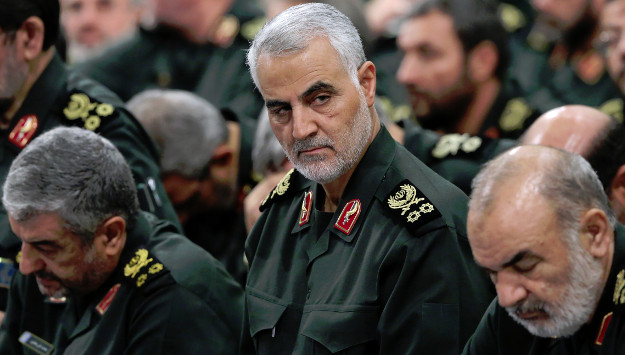
Iranian leaders have reacted angrily to the beheading of an Islamic Revolution Guards Corps (I.R.G.C.) officer by the Islamic State in Syria. Major General Qassem Soleimani, the commander of Iran’s Quds Force, condemned the “savage act” and vowed revenge.
Iranian Clerics Say New U.S. Sanctions Violate Nuclear Deal
Senior Iranian clerics today blasted the latest U.S. sanctions against Tehran and called on the Rouhani government to take strong retaliatory measures against Washington.
I.R.G.C. Outlet: Seizure of al-Sukhnah Helps Regime Operations in Raqqa and Deir Ezzor
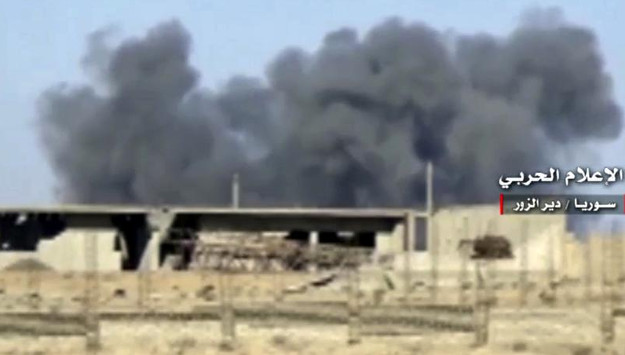
The recent seizure of al-Sukhnah region in Syria’s Homs Governorate has prepared the ground for the Syrian Army and its foreign allies to advance toward and capture the oil-rich Deir Ezzor Governorate, according to
Iran Finalizing Plan to “Counter America’s Adventurous and Terrorist Actions”
The Iranian Parliament’s National Security and Foreign Policy Committee on Wednesday approved a bill titled “Countering America’s Adventurous and Terrorist Actions” in response to the latest U.S. sanctions, the Iranian media reported.
The oldest peer-reviewed publication dedicated to the study of the modern Middle East, MEI’s flagship journal covers politics, society, and culture in the region.