The Americans Are Gone. Will Iraq’s Militias Disarm?
On September 30, the US completed its military withdrawal from Iraq, ending a 12-year-long mission to combat ISIS that began in 2014. The date was also meant to be the deadline for disarming the largely Iranian-backed militias known as the Popular Mobilization Forces (PMF), but Prime Minister Ali al-Zaidi has now pushed that cutoff back to June 30, 2027. MEI Distinguished Diplomatic Fellow Amb. (ret.) Robert S. Ford joins hosts Alistair Taylor and Matthew Czekaj to discuss what the US military withdrawal means for Iraqi security and the nature of the bilateral relationship going forward. They also speak about what it will take for Baghdad to bring the PMF militias to heel, and how Iraq may navigate the post-Iran war era.
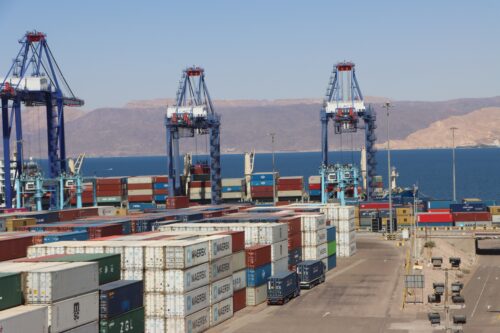
Jordan’s Economy Weathers Iran War’s Shocks and Finds New Opportunities
In the summer of 2003, King Abdullah II told Bloomberg Jordan sits “between Iraq and a hard place,” a play on words designed to describe the kingdom’s challenging environment to an American audience amid the US-led Iraq war to the east and the lingering Palestinian-Israeli conflict to the west. Jordan is grappling with a much “harder place” today.
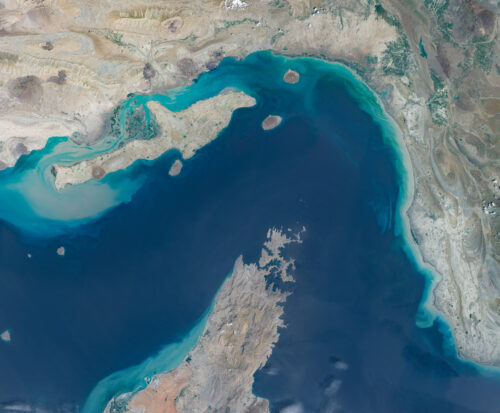
Proponents of the war with Iran have taken recent increases in crude-oil flows through the Strait of Hormuz as proof that the US strategy is finally working. President Trump is so confident in this that he recently rejected a seven-day plan, set forward by Iran’s foreign ministry, to end the war and open the strait. The United States is “winning tremendously,” Trump boasted.
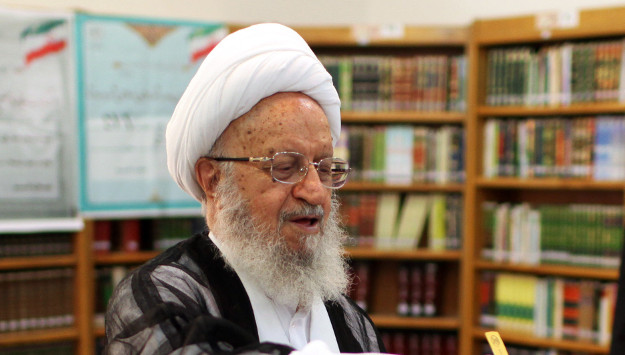
Top Iranian Cleric Says Iran Strongest Power in Region, Hurdle to America’s Ambitions
Senior Iranian cleric Ayatollah Nasser Makarem Shirazi has said that Iran’s military presence in Iraq and Syria prevents the United States from dominating the Middle Eastern region,
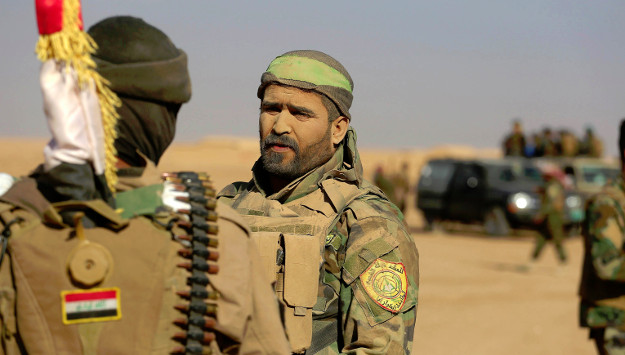
With Islamic State Crumbling, Iran and Its Proxies in Iraq Intensify Anti-U.S. Propaganda
A commander of the Iraqi Popular Mobilization Forces (P.M.F.) – also known as Hashd al-Shaabi – has said that the paramilitary forces will not agree to the presence of American forces or foreign private security firms in post-Islamic State Iraq, particularly in regions near the Syrian border. “The central government has almost agreed to Blackwater controlling the borders. But Blackwater doesn’t have the authority and resources to control the borders or fight Daesh [Islamic State].
Iran and North Korea Call for Expansion of Ties to Confront America
The head of the Iranian parliament’s National Security and Foreign Policy Committee has called for further expansion of bilateral ties between Iran and North Korea.
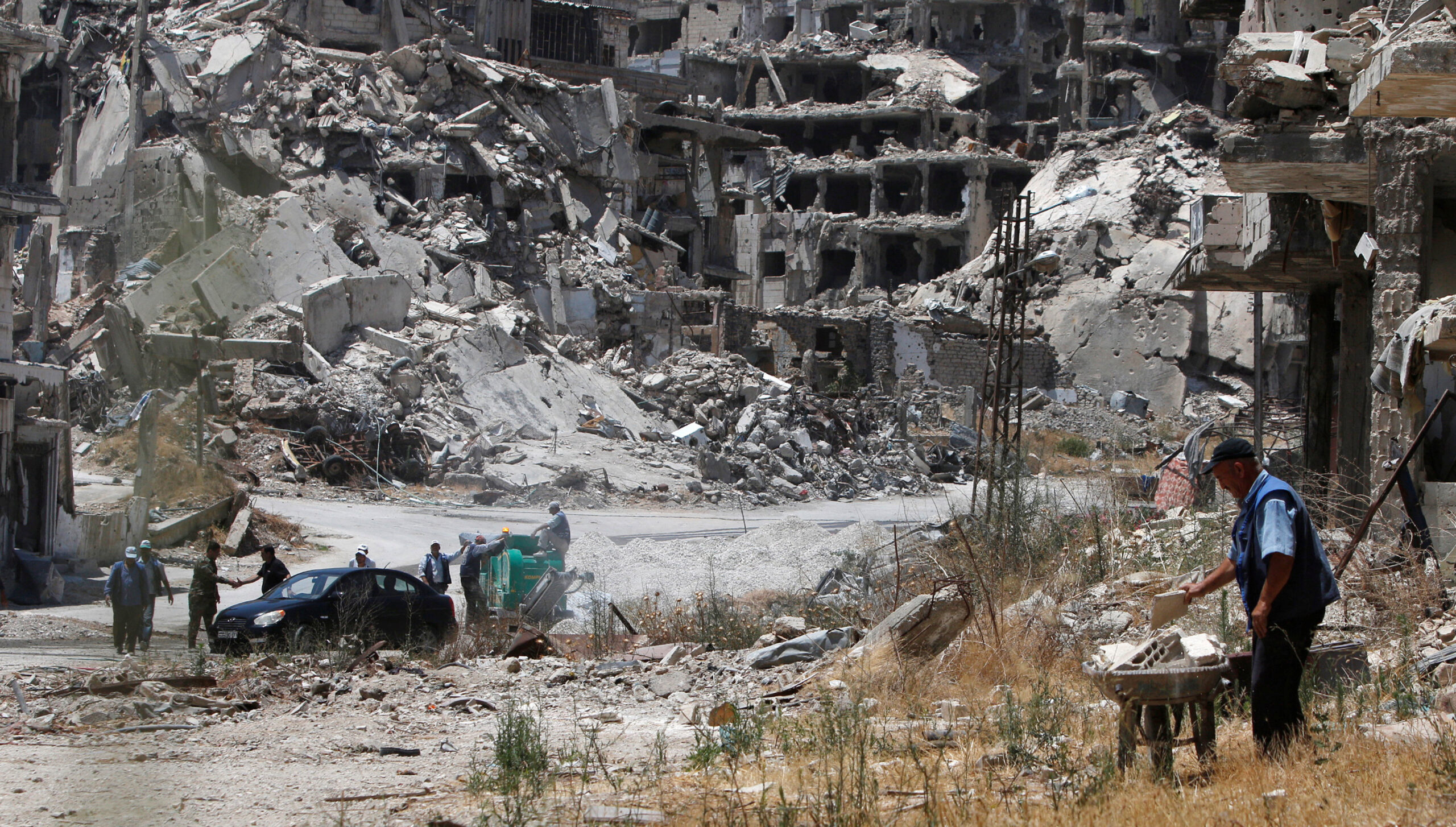
Iran Says U.S.-Russia Ceasefire Could Be Successful Only If Expanded to All Syria
The Iranian Foreign Ministry has said that the latest agreement between the United States and Russia on a ceasefire mechanism in southern Syria could be successful only if it is expanded to all of Syria, the Iranian media reported today. Foreign Ministry Spokesman Bahram Ghassemi told a press conference in Tehran that the agreement should complement four other de-escalation zones that had already been decided upon at the Astana summit by Russia, Iran, Turkey and Syria.
Amid all the accusations being traded recently against each other by Gulf Arab states some truths are getting lost in the smoke.
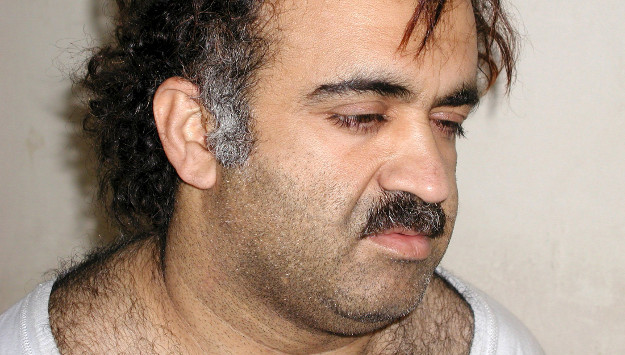
It has been true that Qatar has served as a sanctuary for leaders of groups that the U.S. or other countries deem to be terrorist organizations. That, however, is nothing new. It has been going on for at least 20 years — and one of those who had sanctuary was the mastermind of the 9-11 attacks.
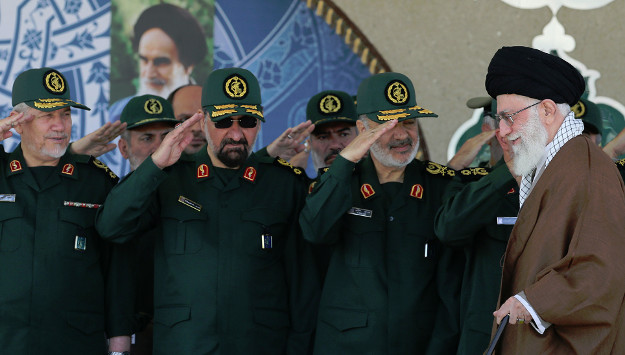
Head of I.R.G.C.’s Khatam al-Anbia Blasts Rouhani’s Economic Policies, Deal with Total
The commander of Khatam al-Anbia Construction Headquarters, a conglomerate of the Islamic Revolution Guards Corps (I.R.G.C.), blasted President Hassan Rouhani’s economic policies and said he “harbors a serious grievance against the Rouhani government.” In an interview with Iran’s state-run television, Gene
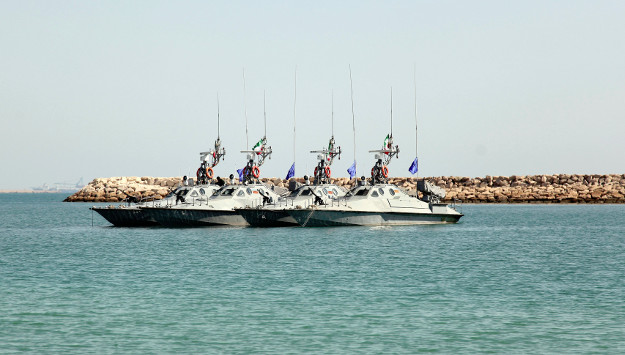
I.R.G.C. Seizes Saudi Boat, Detains Four Crew Members
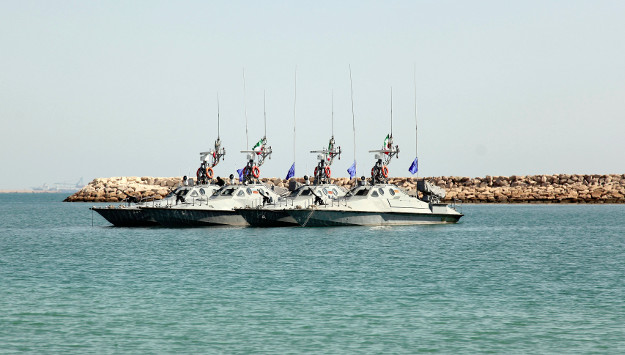
The naval forces of the Islamic Revolution Guards Crops (I.R.G.C.) have seized a Saudi vessel for allegedly trespassing on Iranian territorial waters, the Iranian media reported today. Majid Agha-Babaei, the director-general of border affairs at Iran’s Interior Ministry, said I.R.G.C.
Protestors in Southern Afghanistan Chant Anti-Iran Slogans after Rouhani’s Water Remarks
Earlier today, hundreds of people marched the streets of Lashkargah, the capital of Afghanistan’s volatile Helmand Province, to protest Iranian President Hassan Rouhani’s latest remarks on water dispute with Afghanistan, the Afghan media reported. Speaking at an international conference on tackling dust storm, Rouhani had criticized the Afghan government and its international allies for constructing dams and preventing the flow of sufficient water into Iran.
Yemen War and Qatar Crisis Challenge Oman’s Neutrality
Living on the periphery of the tumultuous Middle East, Omanis do not take their security for granted. Oman has been free of violent unrest since the Sultanate crushed the Dhofar Rebellion in 1976. Yet Oman is situated in a dangerous neighborhood, and the Arab Gulf country is not immune to transregional threats.
Top Iraqi Politician Says Baghdad Will Limit U.S. Military Role in Iraq after Mosul Battle
Ammar al-Hakim, the head of Iraq’s Shiite ruling coalition, has said during his visit to Tehran that the Baghdad government will reduce the number of American military advisors and their role after the liberation of Mosul. “We emphasize that we oppose the presence of their military forces the same way we opposed foreign military bases on the Iraqi soil,” Hakim said in an interview with Fars News Agency, which is affiliated with the Islamic Revolution Guards Corps (I.R.G.C.).
The oldest peer-reviewed publication dedicated to the study of the modern Middle East, MEI’s flagship journal covers politics, society, and culture in the region.