The Americans Are Gone. Will Iraq’s Militias Disarm?
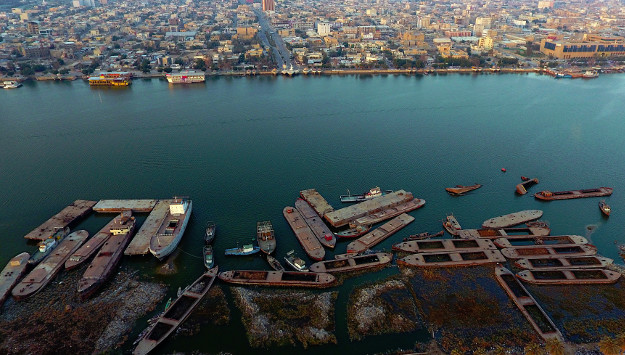
On September 30, the US completed its military withdrawal from Iraq, ending a 12-year-long mission to combat ISIS that began in 2014. The date was also meant to be the deadline for disarming the largely Iranian-backed militias known as the Popular Mobilization Forces (PMF), but Prime Minister Ali al-Zaidi has now pushed that cutoff back to June 30, 2027. MEI Distinguished Diplomatic Fellow Amb. (ret.) Robert S. Ford joins hosts Alistair Taylor and Matthew Czekaj to discuss what the US military withdrawal means for Iraqi security and the nature of the bilateral relationship going forward. They also speak about what it will take for Baghdad to bring the PMF militias to heel, and how Iraq may navigate the post-Iran war era.
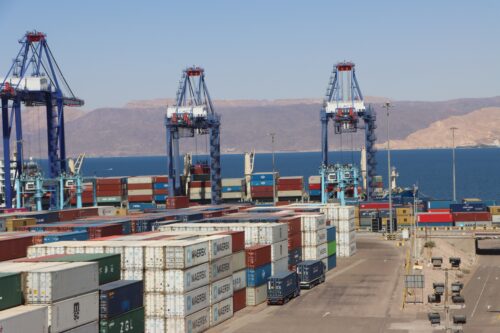
Jordan’s Economy Weathers Iran War’s Shocks and Finds New Opportunities
In the summer of 2003, King Abdullah II told Bloomberg Jordan sits “between Iraq and a hard place,” a play on words designed to describe the kingdom’s challenging environment to an American audience amid the US-led Iraq war to the east and the lingering Palestinian-Israeli conflict to the west. Jordan is grappling with a much “harder place” today.
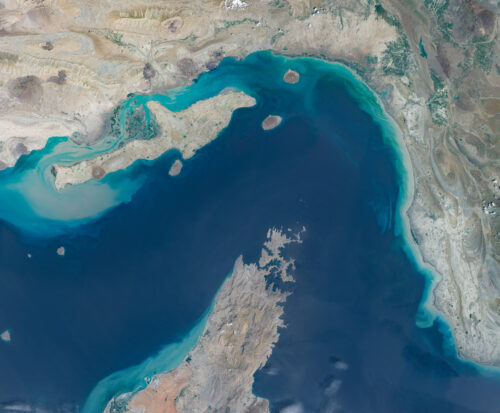
Proponents of the war with Iran have taken recent increases in crude-oil flows through the Strait of Hormuz as proof that the US strategy is finally working. President Trump is so confident in this that he recently rejected a seven-day plan, set forward by Iran’s foreign ministry, to end the war and open the strait. The United States is “winning tremendously,” Trump boasted.
Ali Akbar Velayati, the top foreign policy advisor to Supreme Leader Ayatollah Ali Khamenei, has dismissed Turkish charges that Tehran is engaging in dangerous sectarian policies in the Middle East.
Sweden-Based Researcher on Hunger Strike in Iran after Judge Dismisses His Lawyer
Ahmadraza Jalali, a Sweden-based Iranian researcher detained in Iran since April 2016, has begun a second hunger strike in Tehran’s Evin Prison to protest his unfair trial, the Campaign for Human Rights in Ir
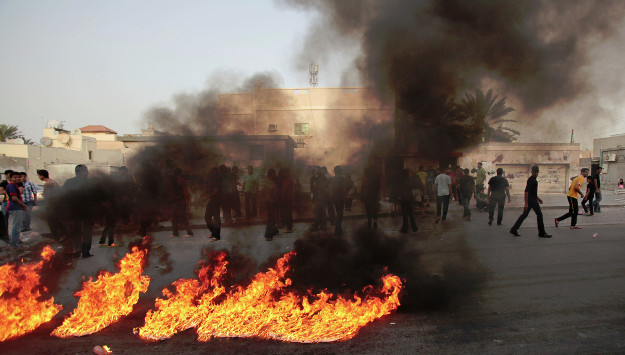
Bahrain Says Dismantled “Terror Cells” Linked to Iran
Authorities in Bahrain claim they have dismantled a number of “terror cells” and arrested 20 individuals who reportedly received military training in Iran and Iraq, the Bahraini state-run media reports.
According to the International Campaign for Human Rights in Iran, the Islamic Revolution Guards Corps (I.R.G.C.) continues to arrest family members of dissidents. In one recent case, “Leila Haghighatjou, the sister of Fatemeh Haghighatjou, an outspoken critic of the Islamic Republic, was arrested” by the I.R.G.C. on December 19, 2016 to intimidate her sister who lives in the United States.
Worries in Tehran over Trump Exploring anti-Iran Arab Alliance
Recent reports that claimed the Trump administration is contemplating forming a military alliance with Arab allies to contain Iran have generated anxiety in Tehran.
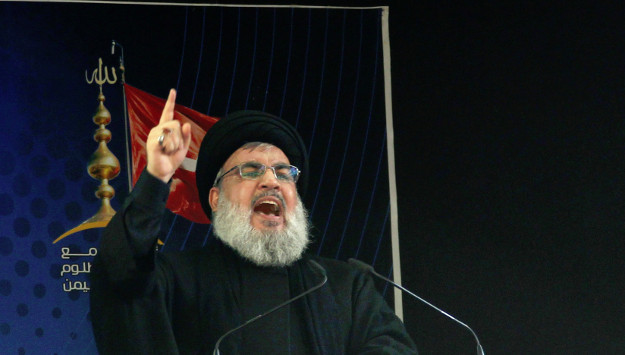
In a fiery speech, Hassan Nasrallah, the head of Lebanon’s Hezbollah organization, has threatened Jerusalem with devastating military response in the event of a new round of conflict between Hezbollah and Israel.
Iranian Protestors Blast Government for Engaging in Foreign Wars and Neglecting Domestic Priorities
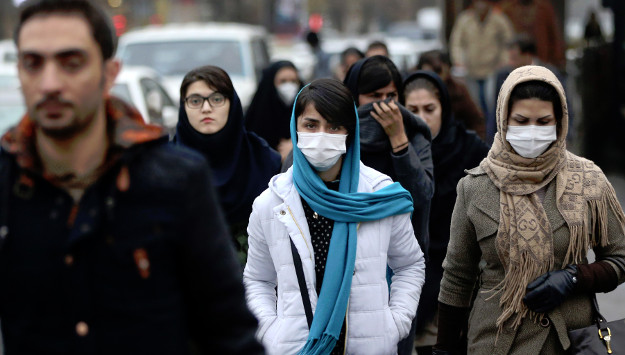
Iran’s oil-rich Khuzestan Province has been hit by four consecutive days of angry protest rallies, as residents have been calling on the government to address the region’s worsening environmental degradation and air pollution. People are also angry because their power and water supplies have been cut off for several days as well. Protesters in the provincial capital city of Ahwaz also blasted local authorities and the government of President Hassan Rouhani for neglecting the region.
Iranian Opposition Leader’s Son Lambasts Khamenei and Rouhani for Illegal Arrests
The son of Mehdi Karroubi, a former Iranian opposition leader and presidential candidate who has been held under house arrest in Iran since February 2011, says Iran’s Supreme Leaders Ali Khamenei is directly responsible for the illegal detention of his father. “The whole issue comes down to Mr.
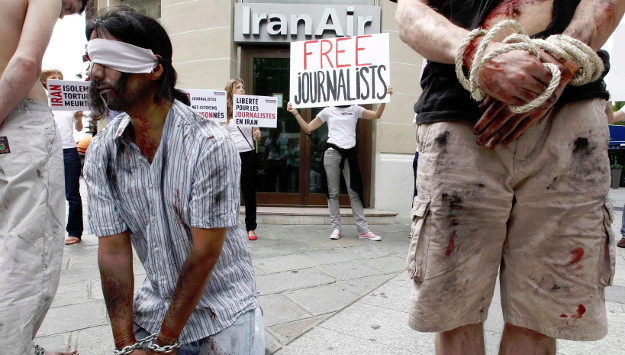
Reporters Without Borders Blasts Iranian Regime’s 38 Years of “Media Repression”
As the Iranian government celebrated the 38th anniversary of the Islamic Revolution with a lot of fanfare on February 10, Reporters Without Borders (SRF) strongly condemned the regime’s persecution of journalists and systematic crackdown on the f
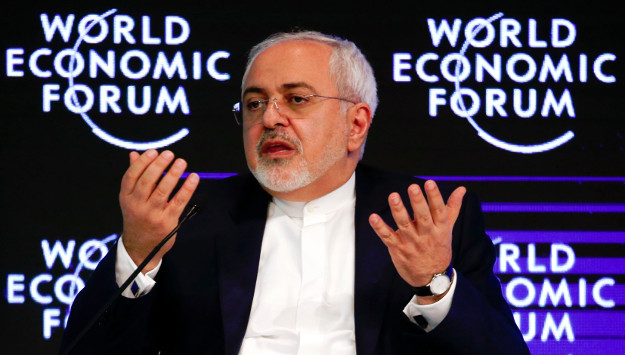
There has been much speculation in the Iranian media about Foreign Minister Javad Zarif’s visit to Germany this week. While Zarif has already met with a number of his counterparts from various countries and international institutions as reported by Fars News, it was the question of whether he might meet with his U.S. counterpart on the sidelines of the Munich security conference that captivated much of the Iranian media’s coverage. Many outlets speculated that a potential meeting between Zarif and U.S.
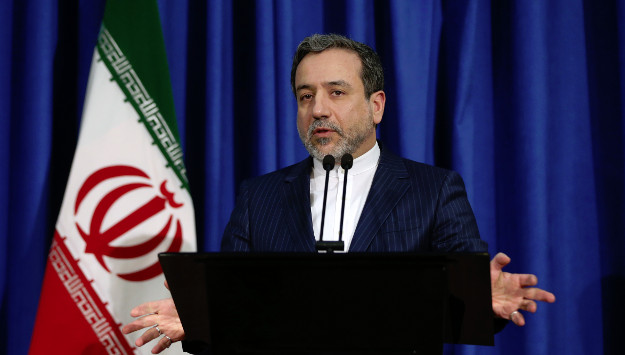
One of Iran’s top diplomats, Abbas Araghchi, who is a deputy foreign minister and held a senior position as a member of the Iranian nuclear negotiating team, has warned that U.S. President Donald Trump does in fact have the power to “tear apart” the agreement. Araghchi pointed out that the U.S. president has the power to either extend sanctions waivers on Iran, as President Obama did, or refuse to do so.
The oldest peer-reviewed publication dedicated to the study of the modern Middle East, MEI’s flagship journal covers politics, society, and culture in the region.