The Americans Are Gone. Will Iraq’s Militias Disarm?
On September 30, the US completed its military withdrawal from Iraq, ending a 12-year-long mission to combat ISIS that began in 2014. The date was also meant to be the deadline for disarming the largely Iranian-backed militias known as the Popular Mobilization Forces (PMF), but Prime Minister Ali al-Zaidi has now pushed that cutoff back to June 30, 2027. MEI Distinguished Diplomatic Fellow Amb. (ret.) Robert S. Ford joins hosts Alistair Taylor and Matthew Czekaj to discuss what the US military withdrawal means for Iraqi security and the nature of the bilateral relationship going forward. They also speak about what it will take for Baghdad to bring the PMF militias to heel, and how Iraq may navigate the post-Iran war era.
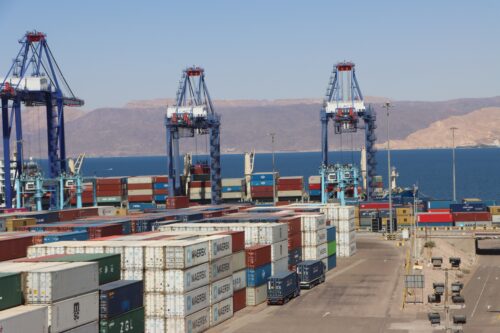
Jordan’s Economy Weathers Iran War’s Shocks and Finds New Opportunities
In the summer of 2003, King Abdullah II told Bloomberg Jordan sits “between Iraq and a hard place,” a play on words designed to describe the kingdom’s challenging environment to an American audience amid the US-led Iraq war to the east and the lingering Palestinian-Israeli conflict to the west. Jordan is grappling with a much “harder place” today.
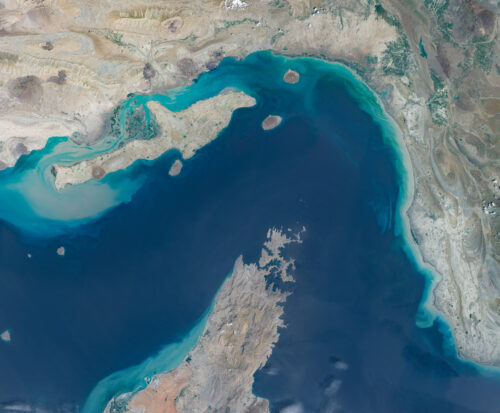
Proponents of the war with Iran have taken recent increases in crude-oil flows through the Strait of Hormuz as proof that the US strategy is finally working. President Trump is so confident in this that he recently rejected a seven-day plan, set forward by Iran’s foreign ministry, to end the war and open the strait. The United States is “winning tremendously,” Trump boasted.
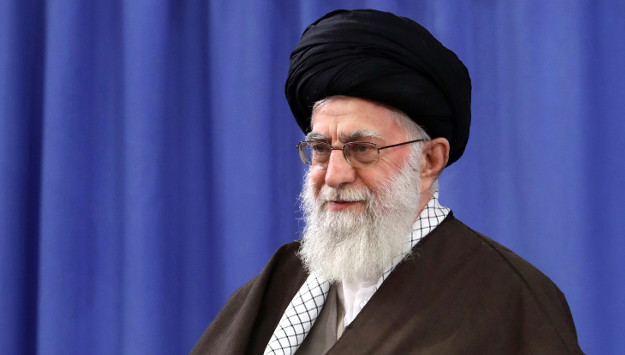
Khamenei’s Tight Control over Iran’s Missile Arsenal
Hassan Firouzabadi, up until recently the Chief of Staff of Iranian Armed Forces, has revealed the country’s supreme leader is intensely involved in managing Iran’s missile industry.
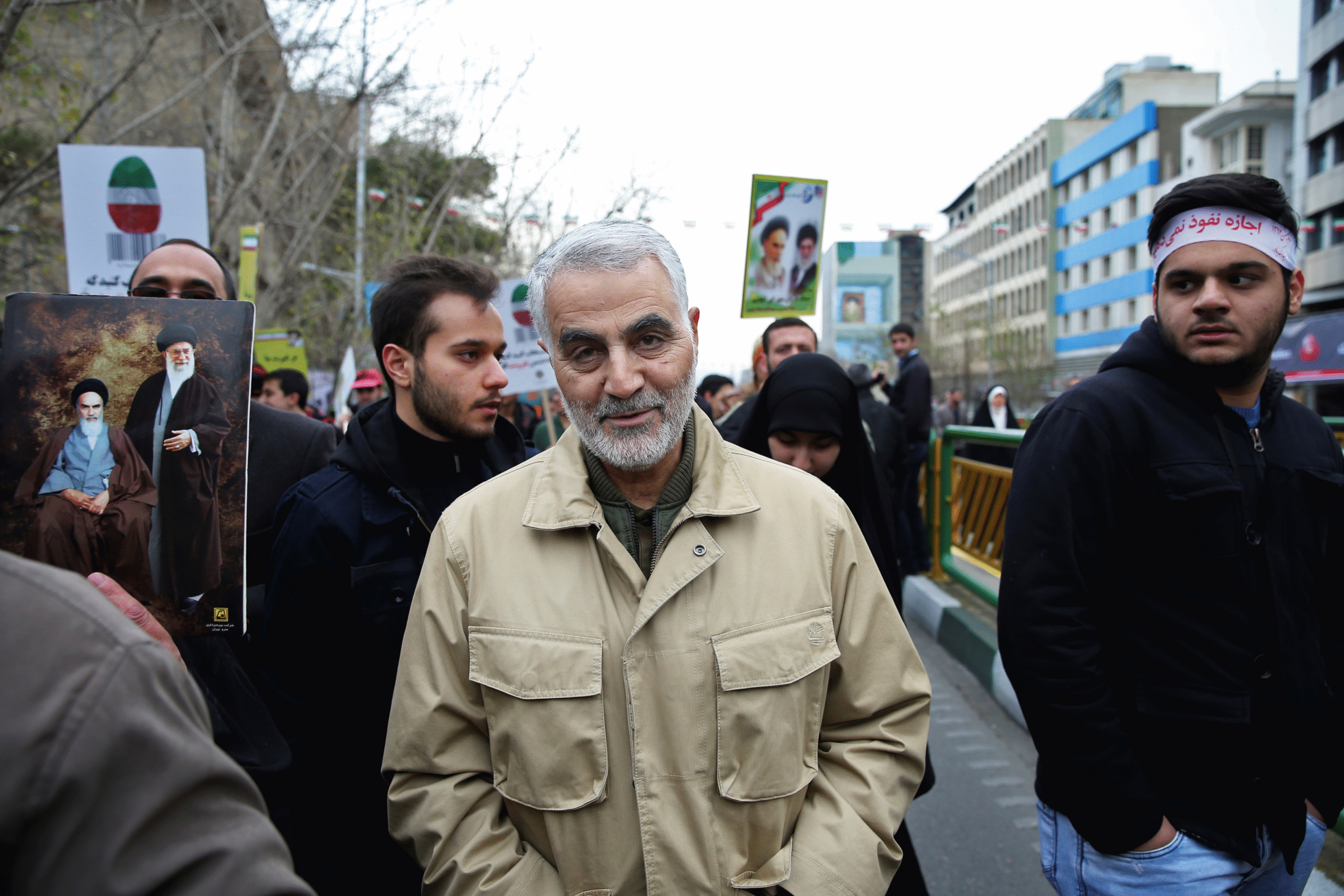
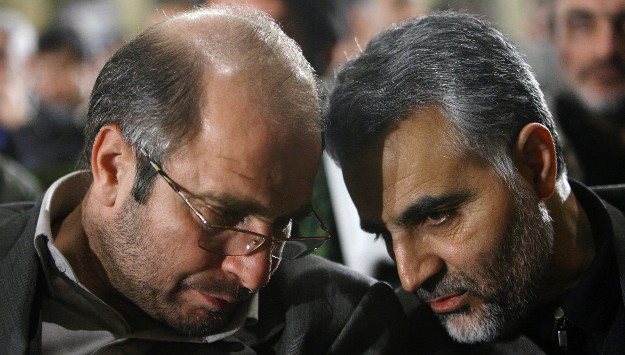
Qassem Suleimani in Aleppo Angers Russian Generals
News Brief:Shia News, an Iranian website, commented that the sudden appearance of Qassem Suleimani, the head of Iran’s Quds Force, in the streets of Aleppo after it was recaptured by Iran-led forces generated anger among the top Russian military brass.
Iranian Military Base for Russia Illustrates Tehran’s Real Agenda
On December 27, Iran’s Defense Minister Hossein Dehghan gave a lengthy interview about Iranian regional policy objectives. In his remarks, Dehghan made it clear that Russia can count on access to military sites on Iranian soil should circumstances require it.
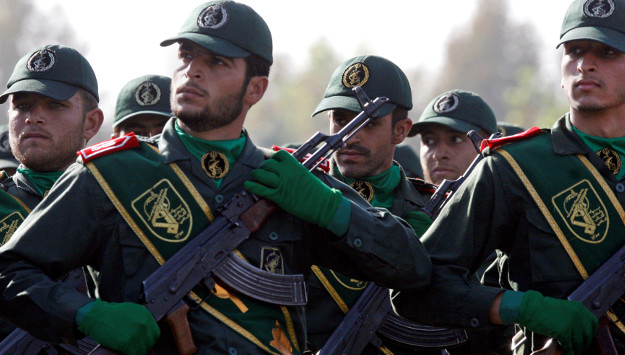
IRGC Sees Victory in Syria Vital to Expanding Its Hegemony in Region
A top Iranian general has said the “liberation” of the Syrian city of Aleppo was a “strategic” victory for Iran over the United States and regional countries. “When Aleppo was liberated, polici
Iran Provokes Region with Plan to Build Aircraft Carrier
A senior Iranian navy commander unveiled the country’s plan to construct an aircraft carrier as part of a broader project to upgrade the country’s maritime warfare capabilities.
Ali Jannati, a former minister of culture under President Hassan Rouhani, has strongly attacked the state of the Iranian society and a lack of political leadership in the country. He said that there were “75,000 mosques and 800 Friday prayer leaders” in Iran today, but ordinary people still had “no one to turn to for leadership.”
Iran Tells British Woman to Keep Toddler in Jail or Lose Custody
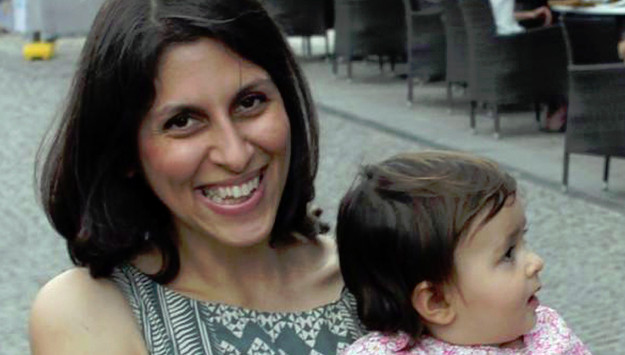
Iranian officials have told a British-Iranian mother held in Tehran’s notorious Evin Prison that she should either keep her toddler with her in jail or give up custody.
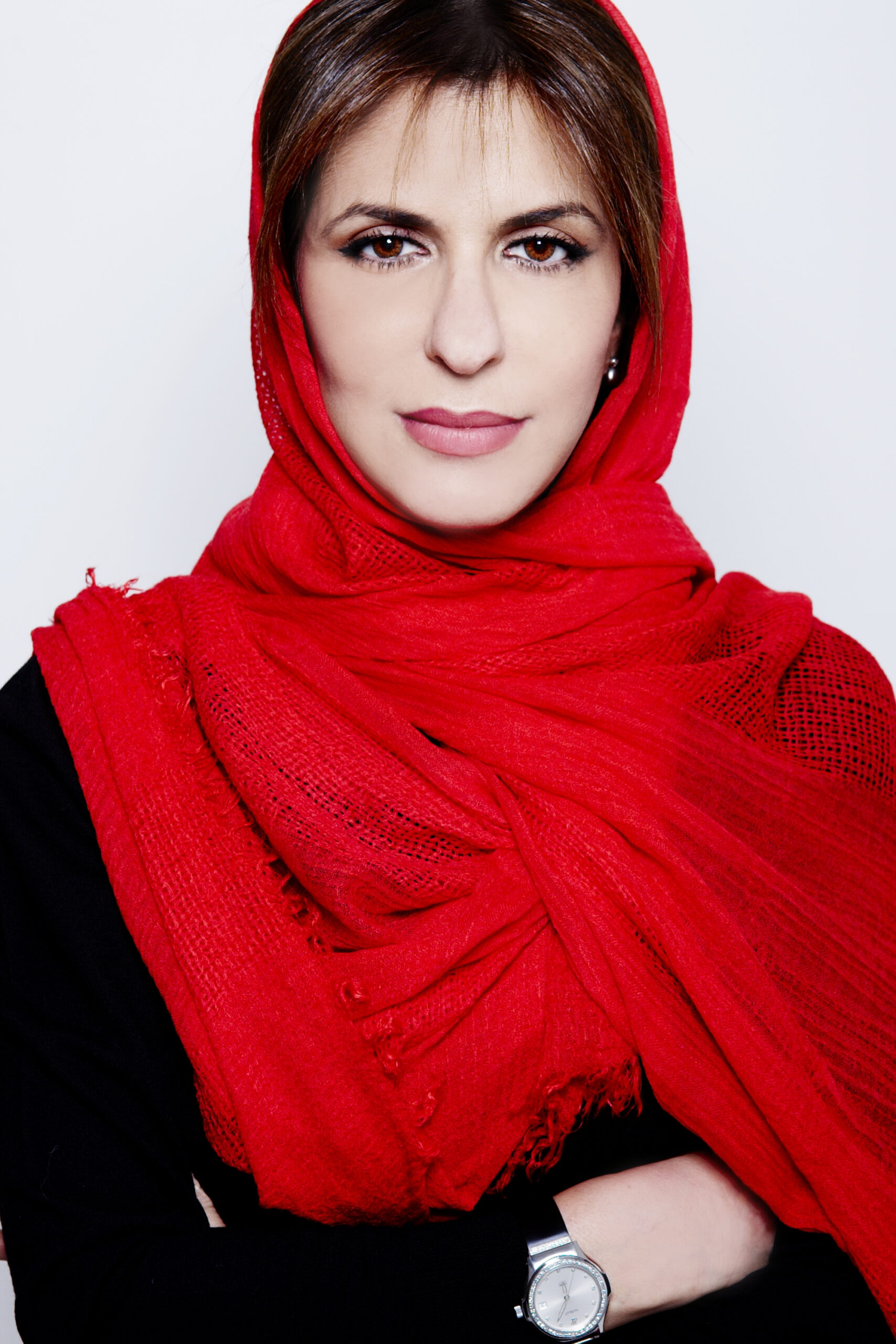
Saudi Female Conservationist Fights to Preserve Islamic Heritage
The Middle East’s descent into chaos has been accompanied by a growing threat to the region’s historic sites. The breakdown of states and growth in extremism have exposed these ancient sites to looting and destruction. The drivers, however, are varied. Extremist groups like ISIS profit from the smuggling of antiquities, but there are also religious motivations. Extremist movements such as ISIS and al-Qaeda, which adhere to a strictly puritanical view of Islam, perceive heritage sites, including Islamic, as a sinful distraction from faith.
The oldest peer-reviewed publication dedicated to the study of the modern Middle East, MEI’s flagship journal covers politics, society, and culture in the region.