The Americans Are Gone. Will Iraq’s Militias Disarm?
On September 30, the US completed its military withdrawal from Iraq, ending a 12-year-long mission to combat ISIS that began in 2014. The date was also meant to be the deadline for disarming the largely Iranian-backed militias known as the Popular Mobilization Forces (PMF), but Prime Minister Ali al-Zaidi has now pushed that cutoff back to June 30, 2027. MEI Distinguished Diplomatic Fellow Amb. (ret.) Robert S. Ford joins hosts Alistair Taylor and Matthew Czekaj to discuss what the US military withdrawal means for Iraqi security and the nature of the bilateral relationship going forward. They also speak about what it will take for Baghdad to bring the PMF militias to heel, and how Iraq may navigate the post-Iran war era.
Jordan’s Economy Weathers Iran War’s Shocks and Finds New Opportunities
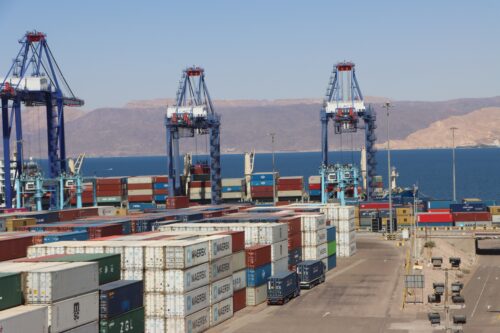
In the summer of 2003, King Abdullah II told Bloomberg Jordan sits “between Iraq and a hard place,” a play on words designed to describe the kingdom’s challenging environment to an American audience amid the US-led Iraq war to the east and the lingering Palestinian-Israeli conflict to the west. Jordan is grappling with a much “harder place” today.
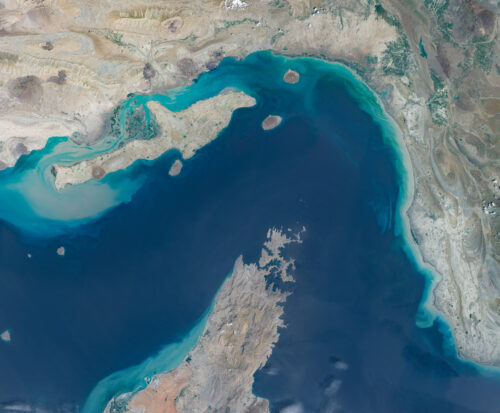
Proponents of the war with Iran have taken recent increases in crude-oil flows through the Strait of Hormuz as proof that the US strategy is finally working. President Trump is so confident in this that he recently rejected a seven-day plan, set forward by Iran’s foreign ministry, to end the war and open the strait. The United States is “winning tremendously,” Trump boasted.
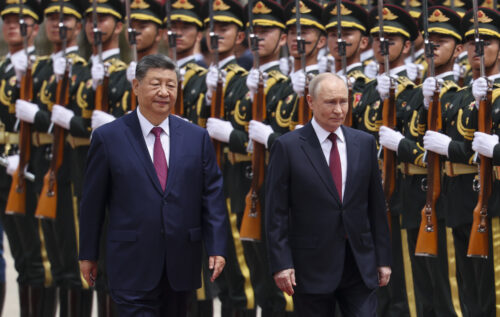
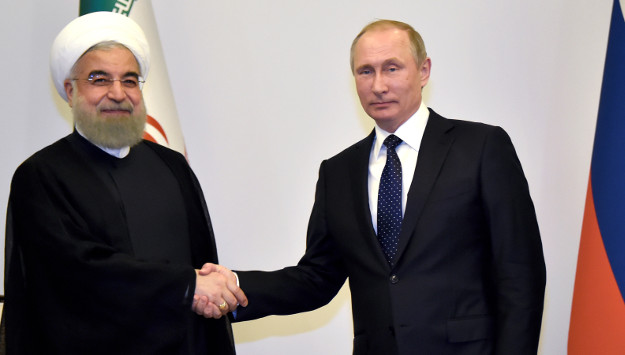
On December 19, Iran’s President Hassan Rouhani and his Russian counterpart Vladimir Putin discussed the Syrian conflict in a phone call. According to the Iranian media, the two leaders discussed ways to coordinate war efforts in Syria.
Training Women as Religious Professionals: Iran’s Shiite Seminaries
The state-run system of women’s religious seminaries in Iran is today probably the most successful in the entire Muslim world. No other country boasts so many women in its institutions of religious learning, and they enjoy popularity not only among Iranian women but Muslim women from all over the world. However, the scope of the religious education on offer for women is nonetheless limited. In this essay, Mirjam Künkler suggests why.
After Aleppo, IRGC Calls for Toppling Regimes in Bahrain and Yemen
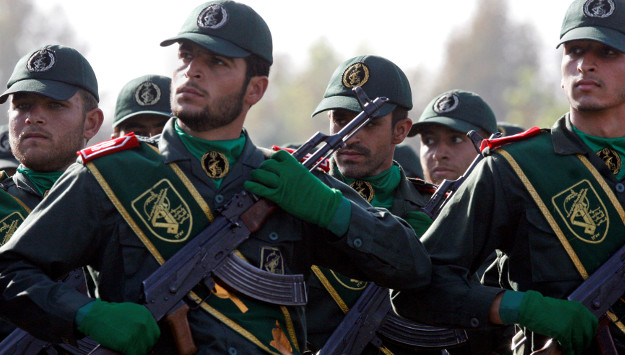
In its first official reaction to the fall of Aleppo, the Islamic Revolution Guards Corps (IRGC) hailed the seizure of Syria’s second largest city as a “divine gift” to the Iranian regime and a prelude to bigger achievements by Iran and its regional proxies across the Middle East.
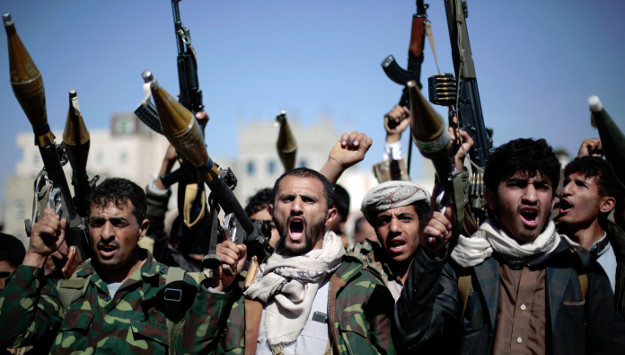
The governor of Yemen’s Jawf governorate, in north central Yemen bordering Saudi Arabia, told a press conference, December 15, that the Yemeni army had captured “a large number of militias, including Iranian experts and others from Hizballah… ,” according to al-Arabiya. The governor said that the Iranians and Hizballah personnel were providing the Houthi militias with information and support.
A top Iranian religious figure has called on the Shiite minority in Pakistan to “stay united” and remain active and influential in society. Mohammad Hassan Akhtari, who is the head of the Iranian-controlled Ahl-ul Bayt – a Shiite-centric religious propaganda arm of the Iranian state – said that Iran “has no problems with majority of the Sunnis” but that its “fundamental conflict is with Wahhabis.”
Iran Invites Terrorist Group to International Conference It Hosts
On December 15, Iran’s President Hassan Rouhani delivered a speech at the 30th International Islamic Unity Conference in Tehran. He spoke about the need for Muslim unity to fight “colonialist countries” and the “Zionist regime [Israel]” on the same day Iranian-backed militia fighters massacred Muslim civilians in Aleppo. He also called for collection action to fight terrorism.
A hardline Iranian news site that is controlled by the Islamic Revolution Guards Corps (IRGC) continues to seek to incite the Bahraini Shiite population. Quoting a Bahraini activist, the site propagated that the “international posture toward the political situation in Bahrain is merely for show” and aimed to “neutralize the Shiite opposition in the country.”
Iran’s So-Called “Moderates” Back Regime’s Expansionist Agenda
Fatima Zolghadr, a parliamentarian from Tehran and a member of reformist Hope Faction, hailed the fall of Aleppo as a victory for the Iran-led “resistance” forces.
Tehran’s unwavering support for the regime of Bashar al-Assad continues to irk the Turks, according to press reports. On December 16, the Turkish prime minister, Binali Yildirim, and Iran’s vice president, Eshaq Jahangiri, spoke on the phone. The discussion was ostensibly about Jahangiri’s upcoming visit to Turkey, but also focused on the Syrian civil war.
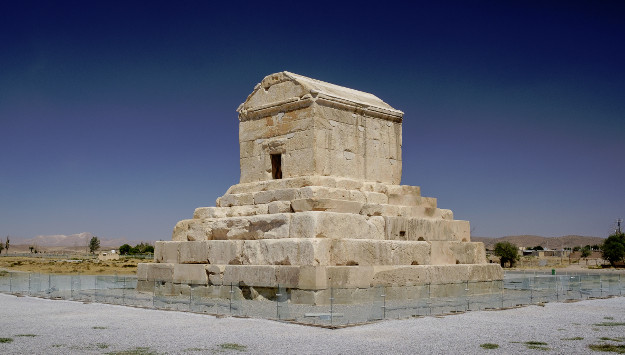
The authorities in the Iranian city of Shiraz have handed 74 people prison sentences ranging from one to eight years. The so-called crime of those sentenced was to gather for an unauthorized event at the tomb of Cyrus the Great, an ancient Persian king. The event happened in the last week of October and led to an outcry among hardliners. One hardliner, Ayatollah Hamedani, called the event an “anti-revolutionary” gesture that needs to be confronted.
This week again Iranian leaders have been busy publicizing themselves as “promoters of Islamic unity.” On the one hand, Iranian leaders, like President Hassan Rouhani, speak of the illusive “great conspiracy” supposedly concocted by what he calls “big powers” to split the Muslim world.
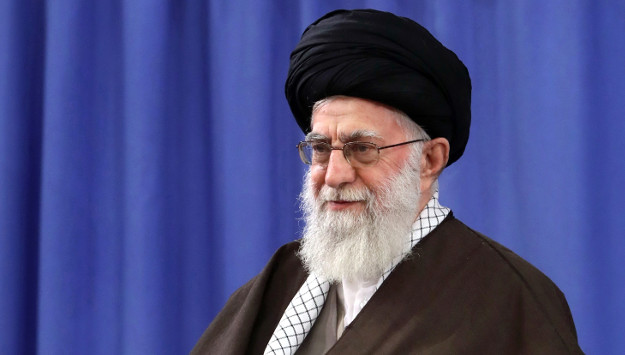
Iran’s supreme authority, Ayatollah Ali Khamenei, told a visiting Palestinian militant leader that “Israel will not exist in 25 years.” Khamenei made the remarks to Ramadan Abdullah Shalah, head o
The oldest peer-reviewed publication dedicated to the study of the modern Middle East, MEI’s flagship journal covers politics, society, and culture in the region.