The Americans Are Gone. Will Iraq’s Militias Disarm?
On September 30, the US completed its military withdrawal from Iraq, ending a 12-year-long mission to combat ISIS that began in 2014. The date was also meant to be the deadline for disarming the largely Iranian-backed militias known as the Popular Mobilization Forces (PMF), but Prime Minister Ali al-Zaidi has now pushed that cutoff back to June 30, 2027. MEI Distinguished Diplomatic Fellow Amb. (ret.) Robert S. Ford joins hosts Alistair Taylor and Matthew Czekaj to discuss what the US military withdrawal means for Iraqi security and the nature of the bilateral relationship going forward. They also speak about what it will take for Baghdad to bring the PMF militias to heel, and how Iraq may navigate the post-Iran war era.
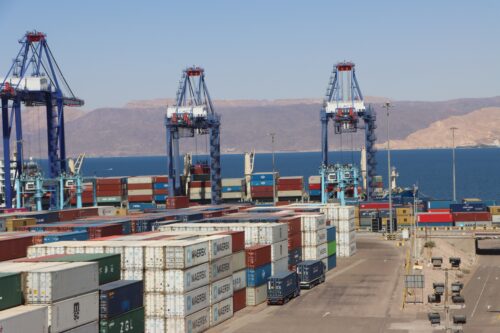
Jordan’s Economy Weathers Iran War’s Shocks and Finds New Opportunities
In the summer of 2003, King Abdullah II told Bloomberg Jordan sits “between Iraq and a hard place,” a play on words designed to describe the kingdom’s challenging environment to an American audience amid the US-led Iraq war to the east and the lingering Palestinian-Israeli conflict to the west. Jordan is grappling with a much “harder place” today.
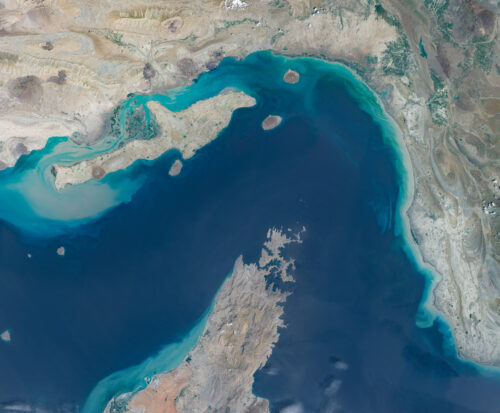
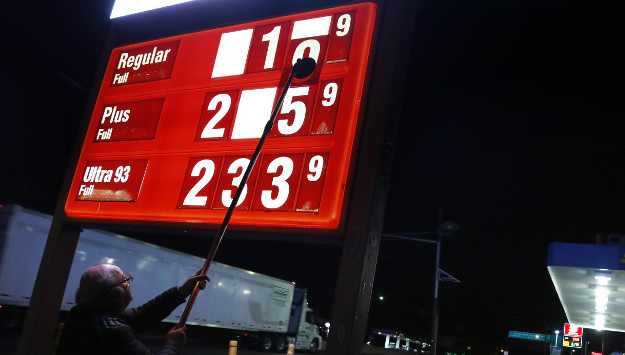
Proponents of the war with Iran have taken recent increases in crude-oil flows through the Strait of Hormuz as proof that the US strategy is finally working. President Trump is so confident in this that he recently rejected a seven-day plan, set forward by Iran’s foreign ministry, to end the war and open the strait. The United States is “winning tremendously,” Trump boasted.
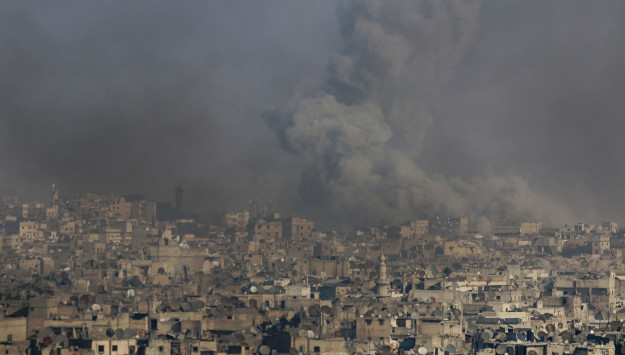
Civilians Massacred in Aleppo by Iranian Backed Militia
The bloody fall of Aleppo, Syrian opposition forces’ last major urban stronghold, is now certain. Without outside assistance, the rebel groups found it impossible to withstand a ruthless air and ground onslaught by the Iranian-led military forces that are propping up the regime of Bashar al-Assad.
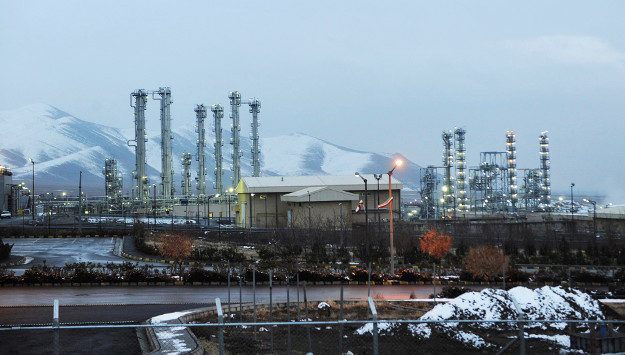
Iran Alarms Region with Plan for Nuclear-Powered Ships
In response to the renewal of the Iran Sanctions Act (ISA) by the US Congress, Iran’s President Hassan Rouhani has ordered the Atomic Energy Organization of Iran (AEOI) to start the development of nuclear-powered ships.
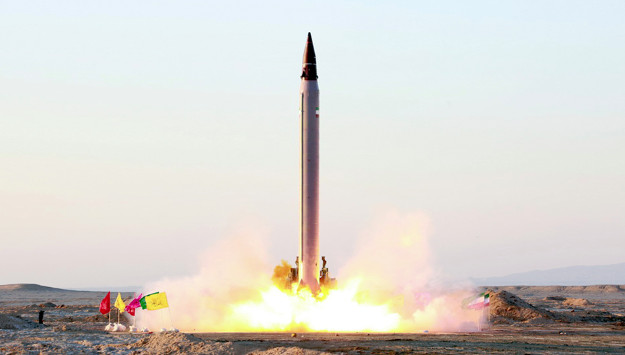
IRGC Increases Ballistic Missile Production despite Sanctions
In a remark that may stir concern in the United States, Israel and the Gulf region, a senior commander of the Islamic Republic Revolution Guards Corps (IRGC) says his country has increased the production of ballistic missiles despite international sanctions.
British Premier’s Remarks at G.C.C. Summit Trouble Iran
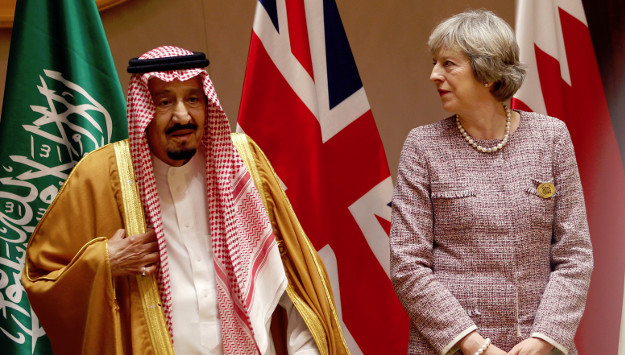
British Prime Minister Theresa May’s remarks at the Gulf Cooperation Council summit about the need to “push back against Iran’s aggressive” actions in the Middle East have provoked angry reactions and threats from Iranian leaders.
Iraqi Militia Forces Advance toward Tal Afar despite Sunnis’ Concerns
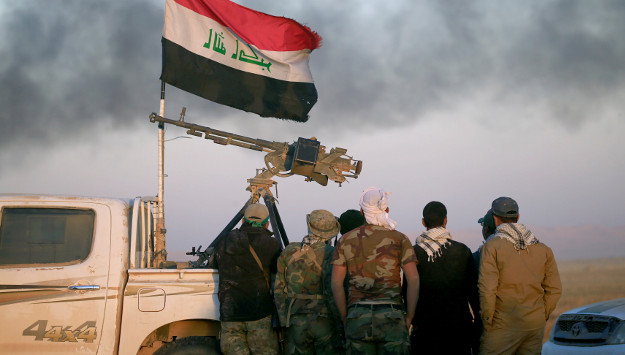
Despite repeated objections by some Iraqi Sunnis and regional Sunni states, the Popular Mobilization Forces (PMF) are continuing to play a major role in the battle of Mosul.
This essay discusses Japan’s long-standing energy dependence on the Middle East and the complications arising from it, with a focus on relations with Iran. More specifically, it looks at the risks and potential rewards of the revival and strengthening of Japan’s economic relations with Iran in the wake of the nuclear deal.
Toward a Regional Framework for the Middle East: Takeaways from other Regions
Regional Cooperation Series
This Policy Paper is part of the Middle East Institute’s Regional Cooperation Series. Throughout 2016, MEI will be releasing several policy papers by renowned scholars and experts exploring possibilities to foster regional cooperation across an array of sectors. The purpose is to highlight the myriad benefits and opportunities associated with regional cooperation, and the high costs of the continued business-as-usual model of competition and intense rivalry.
Most observers are still trying to figure out president-elect Donald Trump’s likely Iran policy. Whatever it might be as an approach, it will probably be nothing as accommodating as has been the case in the Obama era. And if Washington starts to earnestly squeeze Tehran from January 21, 2017, the Iranians no doubt will turn to Russia and China for protection.
On December 7, Iran’s Supreme Leader Ali Khamenei appointed Brigadier General Gholamhossein Ghaib-Parvar as the new commander of Iran’s Basij organization. Brigadier General Mohammad Reza Naqdi, former head of Basij, will direct the Islamic Revolution Guards Corps (IRGC’s) cultural and social affairs.
Iran Cleric Gets Jail Term for Releasing Mass Execution Tape
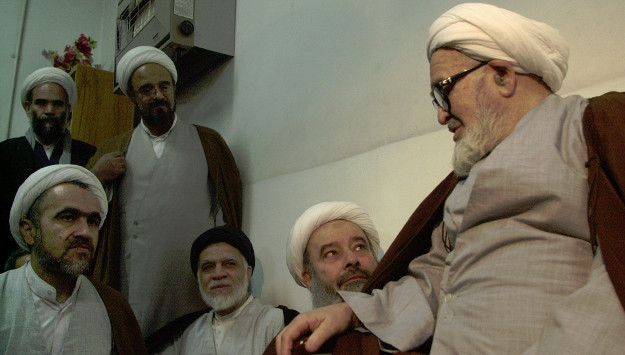
In the latest act of political repression and human rights violation in Iran, a Special Clerical Court has defrocked regime critic Ahmad Montazeri and sentenced him to six years in jail for publishing an audio recording in
Shell Latest Energy Giant to Return to Iran after Nuclear Deal
Despite uncertainty surrounding the future of the 2015 Iran nuclear deal, international energy giants are competing fiercely to invest in Iran’s rich oil and natural gas sectors.
Rouhani Warns Trump: You Can’t Tear up Nuclear Deal
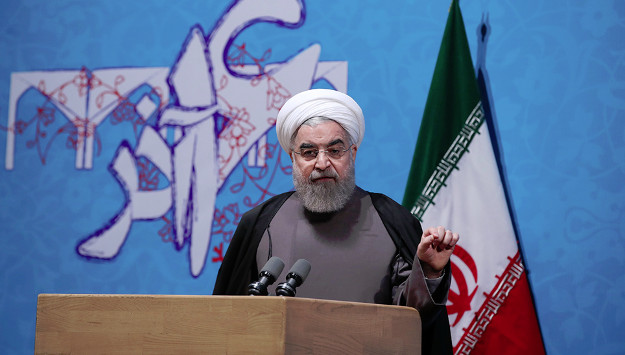
Iran’s President Hassan Rouhani said he would not allow President-elect Donald Trump to tear up the 2015 nuclear agreement and warned of “bitter response” if the next US administration failed to honor the deal.
Reformists and Hardliners at Loggerheads over Opposition Leaders’ Arrest
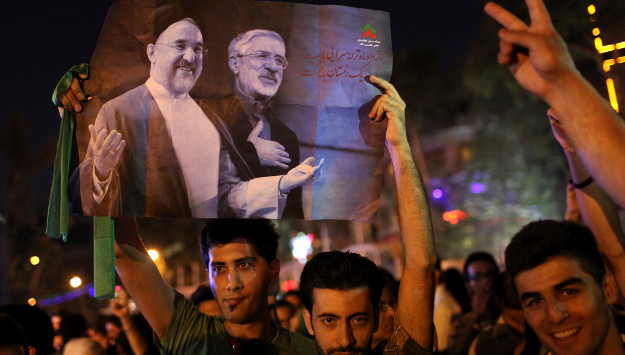
More than seven years since the 2009 presidential elections in Iran, controversies related to the disputed polls and the regime’s subsequent crackdown of the protest movement continue to haunt the Islamic Republic. As the country is gearing up for next year’s presidential vote, Iranian conservatives and reformists are yet again at loggerheads over the house arrest of Green Movement leaders Mir Hossein Mousavi and Mehdi Karroubi.
In this week’s Monday Briefing, MEI experts Herman Franssen, Charles Lister, W. Robert Pearson, and Marvin G. Weinbaum provide analysis on recent and upcoming events including OPEC’s agreement to reduce oil output, the continuing offensive in Aleppo, Erdogan’s increasing executive powers, and deteriorating relations between Pakistan and India.
The oldest peer-reviewed publication dedicated to the study of the modern Middle East, MEI’s flagship journal covers politics, society, and culture in the region.