The Americans Are Gone. Will Iraq’s Militias Disarm?
On September 30, the US completed its military withdrawal from Iraq, ending a 12-year-long mission to combat ISIS that began in 2014. The date was also meant to be the deadline for disarming the largely Iranian-backed militias known as the Popular Mobilization Forces (PMF), but Prime Minister Ali al-Zaidi has now pushed that cutoff back to June 30, 2027. MEI Distinguished Diplomatic Fellow Amb. (ret.) Robert S. Ford joins hosts Alistair Taylor and Matthew Czekaj to discuss what the US military withdrawal means for Iraqi security and the nature of the bilateral relationship going forward. They also speak about what it will take for Baghdad to bring the PMF militias to heel, and how Iraq may navigate the post-Iran war era.
Jordan’s Economy Weathers Iran War’s Shocks and Finds New Opportunities
In the summer of 2003, King Abdullah II told Bloomberg Jordan sits “between Iraq and a hard place,” a play on words designed to describe the kingdom’s challenging environment to an American audience amid the US-led Iraq war to the east and the lingering Palestinian-Israeli conflict to the west. Jordan is grappling with a much “harder place” today.
Proponents of the war with Iran have taken recent increases in crude-oil flows through the Strait of Hormuz as proof that the US strategy is finally working. President Trump is so confident in this that he recently rejected a seven-day plan, set forward by Iran’s foreign ministry, to end the war and open the strait. The United States is “winning tremendously,” Trump boasted.
The Iran Sanctions and South Korea’s Balancing Act
Following the recent progress on the Iranian nuclear issue and the subsequent easing of sanctions, South Korean businesses are reengaging the Iranian market. A South Korean trade delegation visited Iran on March 9, 2014 to expand bilateral trade ties in the mining, industrial, and food sectors. On March 17, South Korea’s Finance Ministry lifted a ban, allowing South Korean auto, construction, pharmaceutical, and telecommunications industries to resume trade with Iran, though sanctions remained in the shipbuilding, shipping, and harbor sectors.
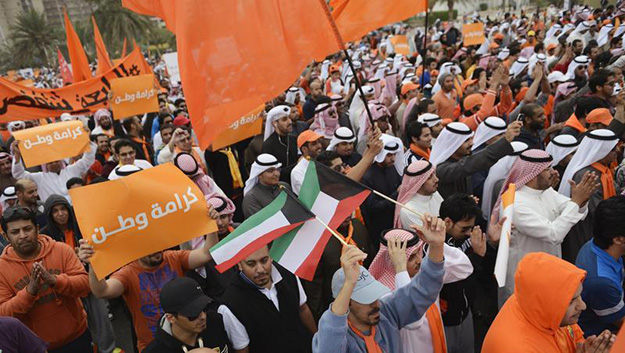
Kuwait: At the Crossroads of Change or Political Stagnation
Though Kuwaitis have been striving for change, particularly since 2011, their country’s political structures remain more or less unaltered. Yet change is inevitable, writes Shafeeq Ghabra in this MEI Policy Paper. At issue is a semi-democratic system that has proven ineffective at dealing with problems such as government mismanagement, corruption, a lack of economic transparency, and inequality toward tribes and undocumented immigrants.
Geography alone should make the Arab world Iran’s key foreign policy focus. Of Iran’s 13 immediate neighbors, seven are Arab countries.[1] But Tehran’s approach to the Arab world, with its 22 states extending from North Africa to the Arabian Peninsula, varies widely in intensity, and Iran’s objectives are equally varied depending on the country in question.
Five Arab Elections in Search of a Democratic Transition
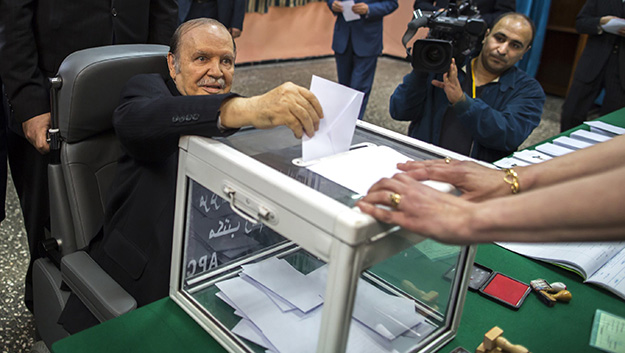
Algerian President Abdelaziz Bouteflika casts his ballot on April 17.
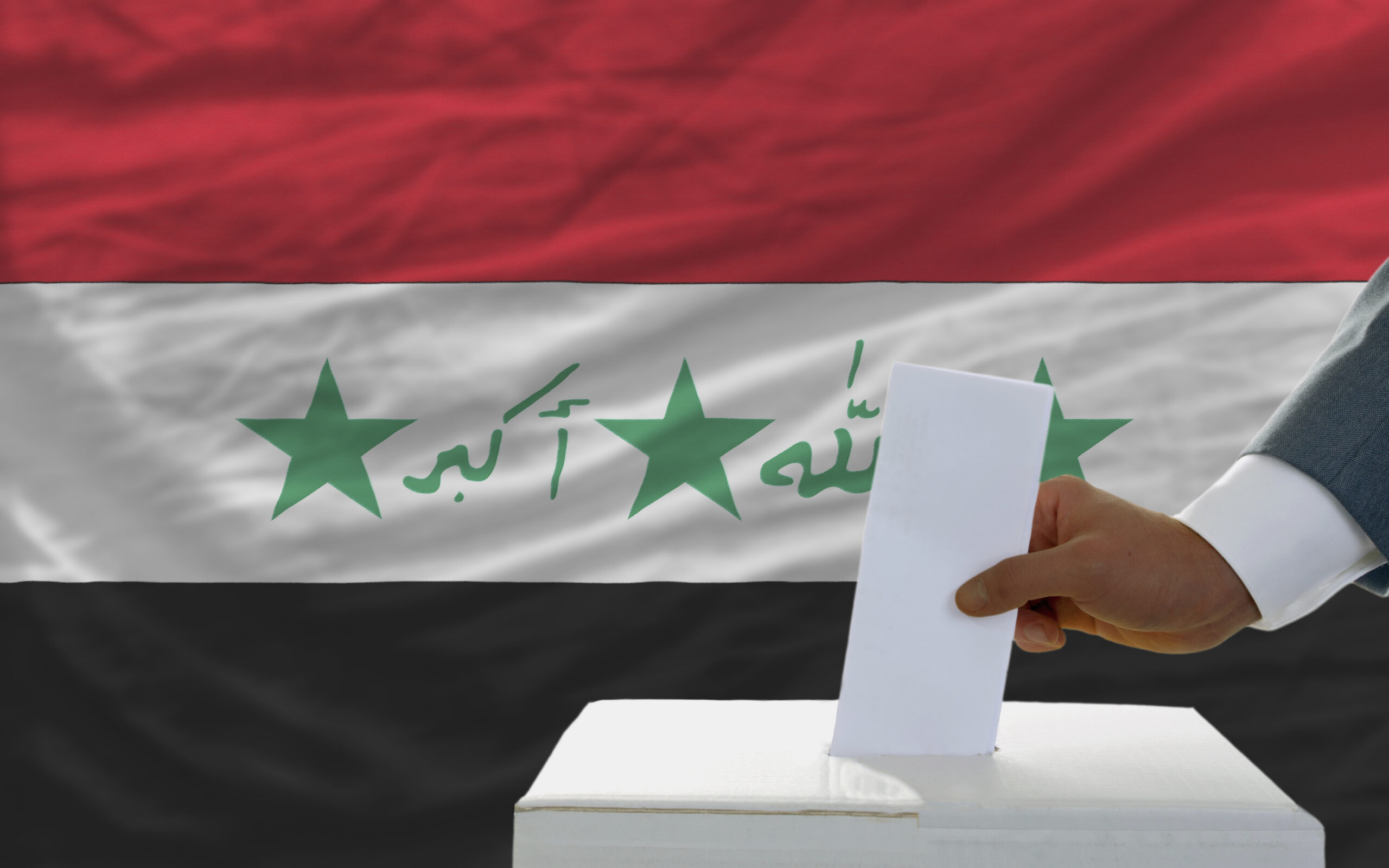
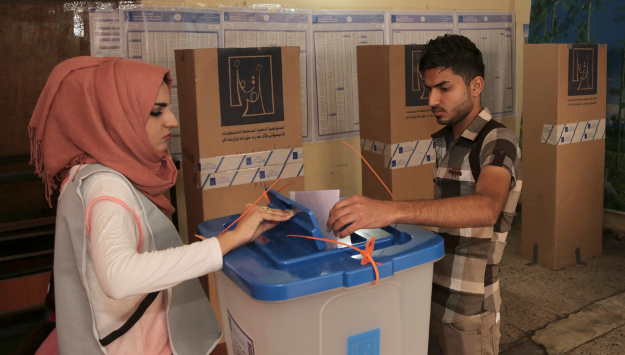
In the current two months between mid-April and early June, five Arab countries—Algeria, Lebanon, Iraq, Egypt, and even war-torn Syria—are holding key elections, with little sign that any is moving in the direction of meaningful democratic transition.
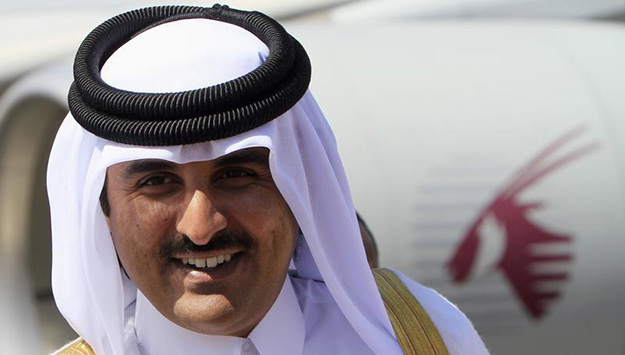
When Qatar’s Sheik Tamim bin Hamad al-Thani came to power after his father, Sheik Hamad bin Khalifa al-Thani, abdicated in late June 2013, he assumed a tricky diplomatic situation. While Sheik Hamad had been interested in promoting Qatar’s international position and had pursued a robust policy of regional engagement, even at the cost of alienating his neighbors, Sheik Tamim is more inclined to focus on regional collaboration and neutrality.
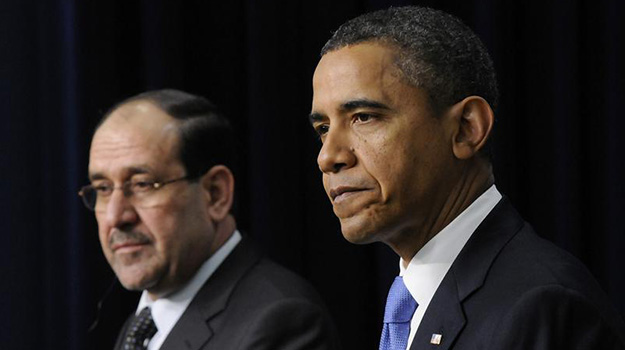
With Iraq’s elections scheduled for April 30, the United States should be acutely aware of its reduced but remaining influence in the country. Even in 2006 and 2010, when more than 100,000 U.S. soldiers were present in Iraq, it was largely Iran that had the final say on the premierships, if not the exact shape of the cabinets that were formed after the elections.
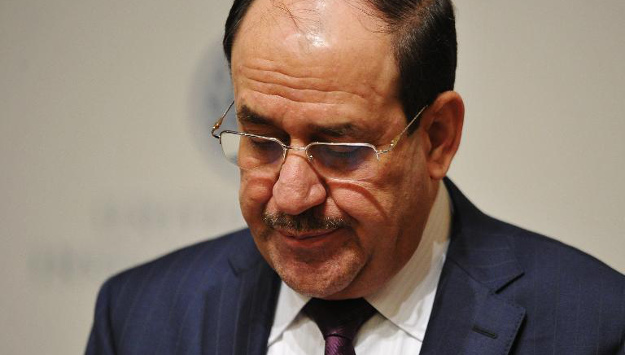
Two years after the U.S. withdrawal and four years into Prime Minister Nuri al-Maliki’s second term, Iraq is on the brink of breaking apart. The upcoming parliamentary elections scheduled for April 30, and the political process of government formation that will follow, present an opportunity to push for a return to more inclusive politics in Iraq. Unless Maliki is replaced or drastically changes his policies, these might be the last elections in a nominally united Iraq.
In terms of its capacity, potential and aspirations, Korea attained the status of a “middle power” more than a decade ago. Membership in the OECD’s Development Assistance Committee and G20 signifies the completion of Korea’s transition from an evolving to advanced economy. Korea has emerged as an important player in Asian and international affairs. Its presence and influence have expanded in trade, investment, overseas development assistance (ODA) and humanitarian aid, and culture.
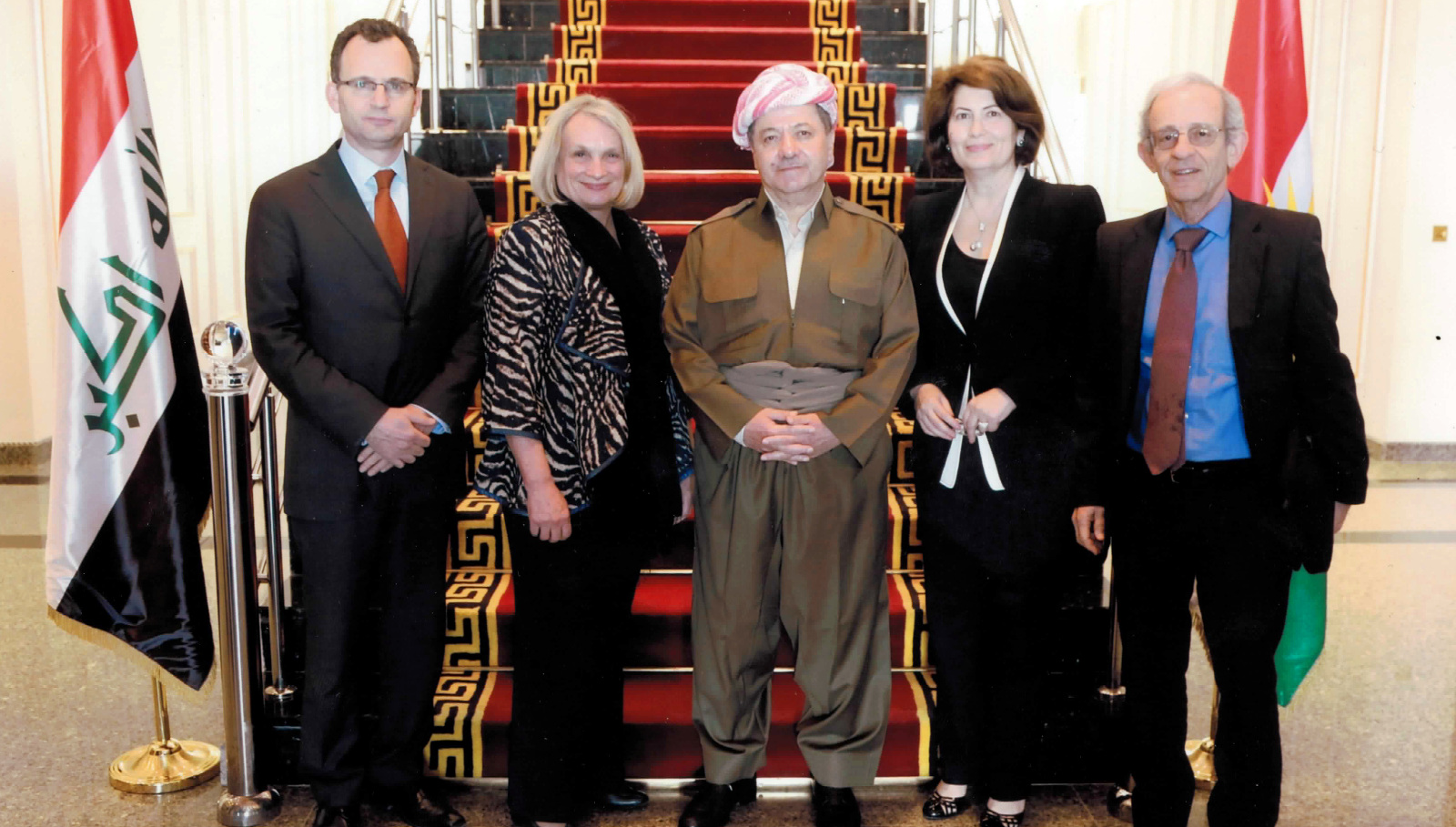
The Middle East Dialogue is a regional Track II forum that meets twice a year and brings together current and former officials and senior experts from the Middle East, the United States, Russia, China, and the EU to discuss emerging political & security trends in the region. What follows is a report from the latest meeting of the Dialogue in Erbil, Iraq, on March 30-31, 2014, led by MEI’s Director of Track II Dialogues Randa Slim and VP for Policy and Research Paul Salem.
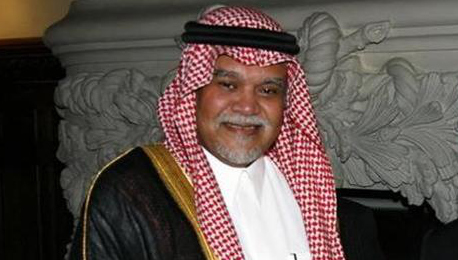
It might be a mistake to jump to conclusions about the removal of Prince Bandar bin Sultan from his post as chief of Saudi Arabian intelligence. When it comes to senior jobs held by the royals, the Kingdom’s decision-making process is entirely opaque and there is no way to know at this point whether the flamboyant former ambassador to the United States was pushed out or bailed out.
The oldest peer-reviewed publication dedicated to the study of the modern Middle East, MEI’s flagship journal covers politics, society, and culture in the region.