The Strategic Cost of Palestinian Powerlessness
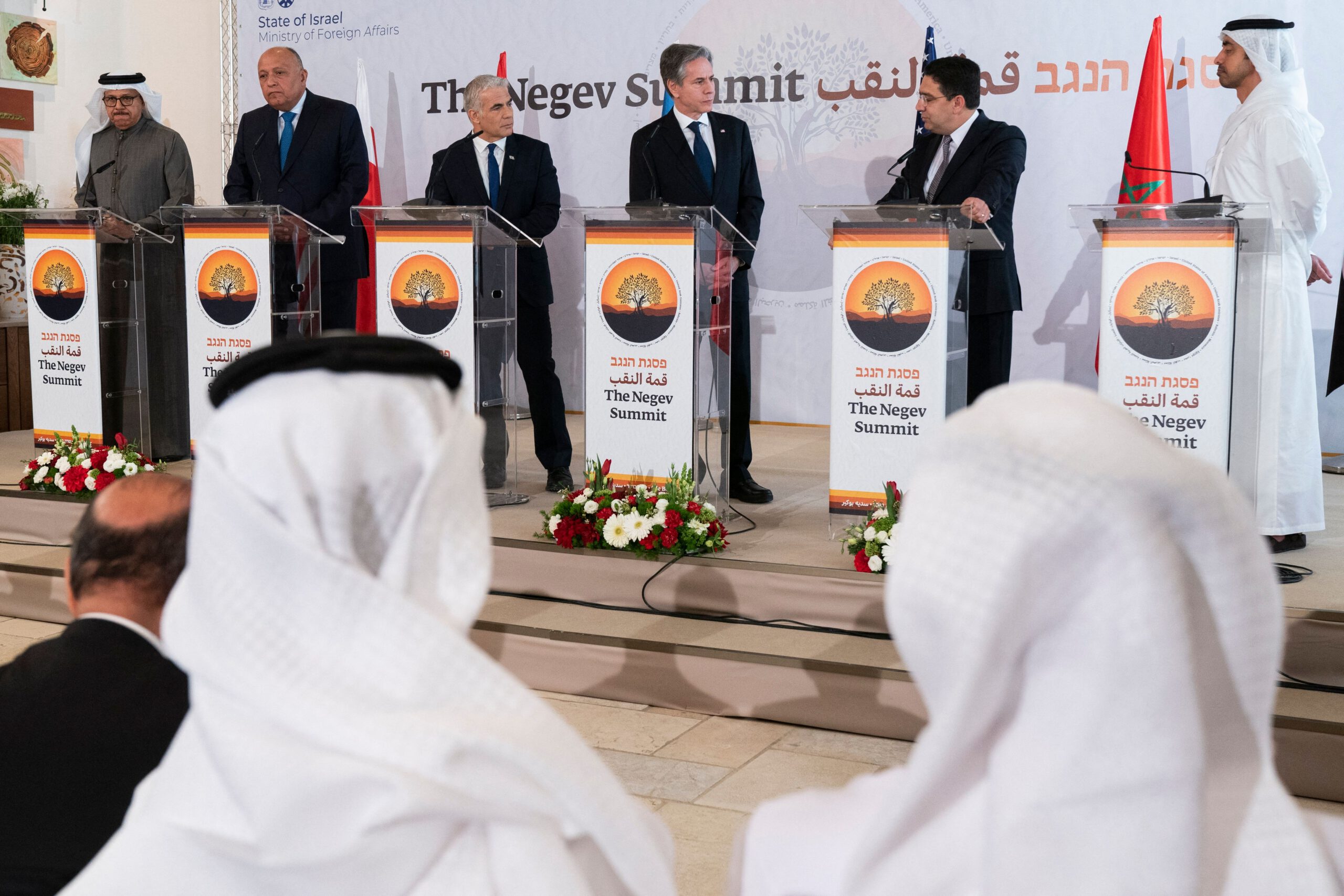
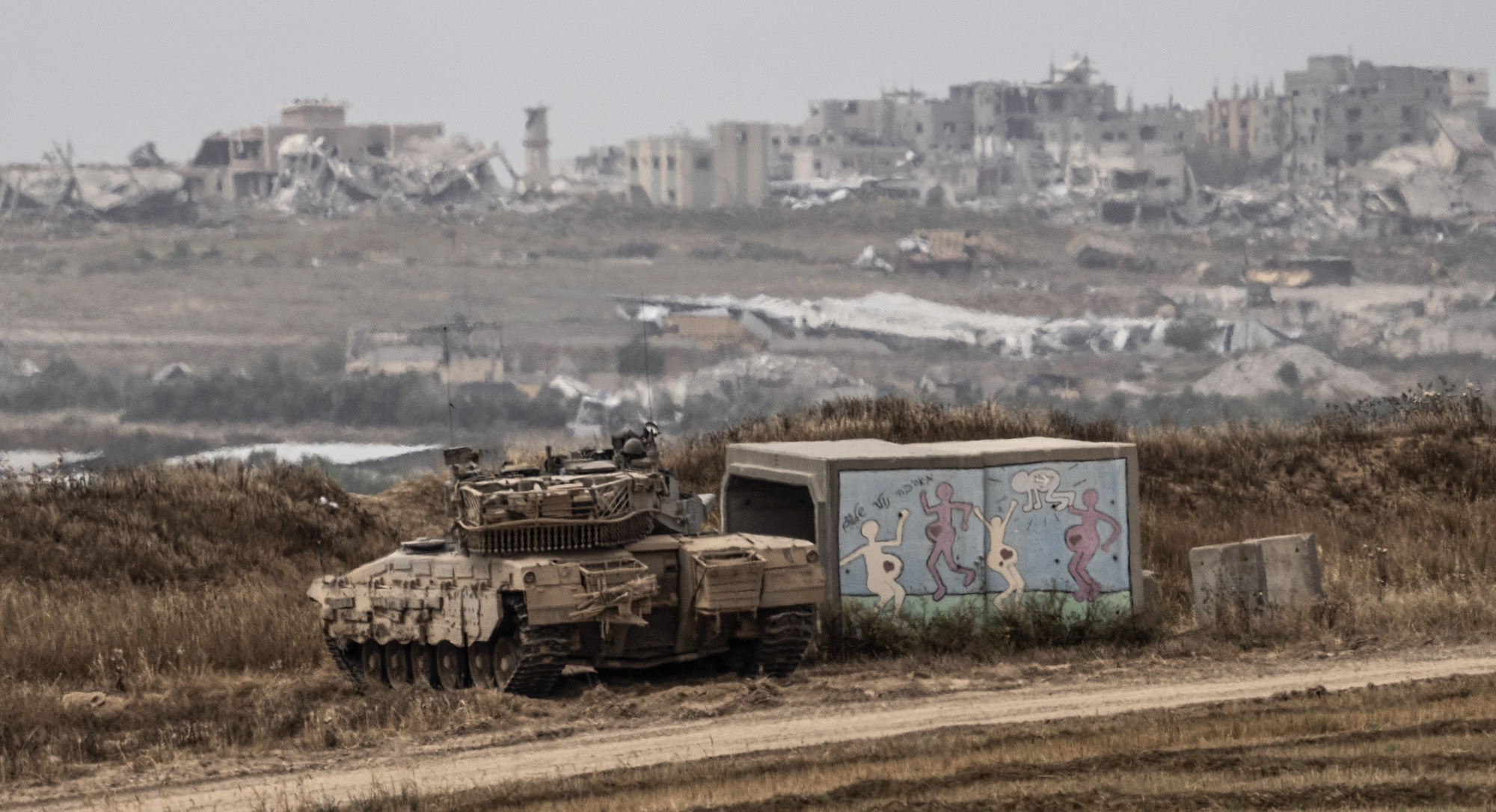
This report considers the lack of Palestinian political agency as a driver of regional insecurity that must be resolved before wider conflicts can be settled. The author analyses the conditions that contributed to the destruction of Palestinian political capacity, including Israeli policies, Palestinian shortcomings, and exploitation by Iran, and makes recommendations for an Arab strategic initiative.
Iran’s New Grand Design: The Next Evolution of the Axis of Resistance
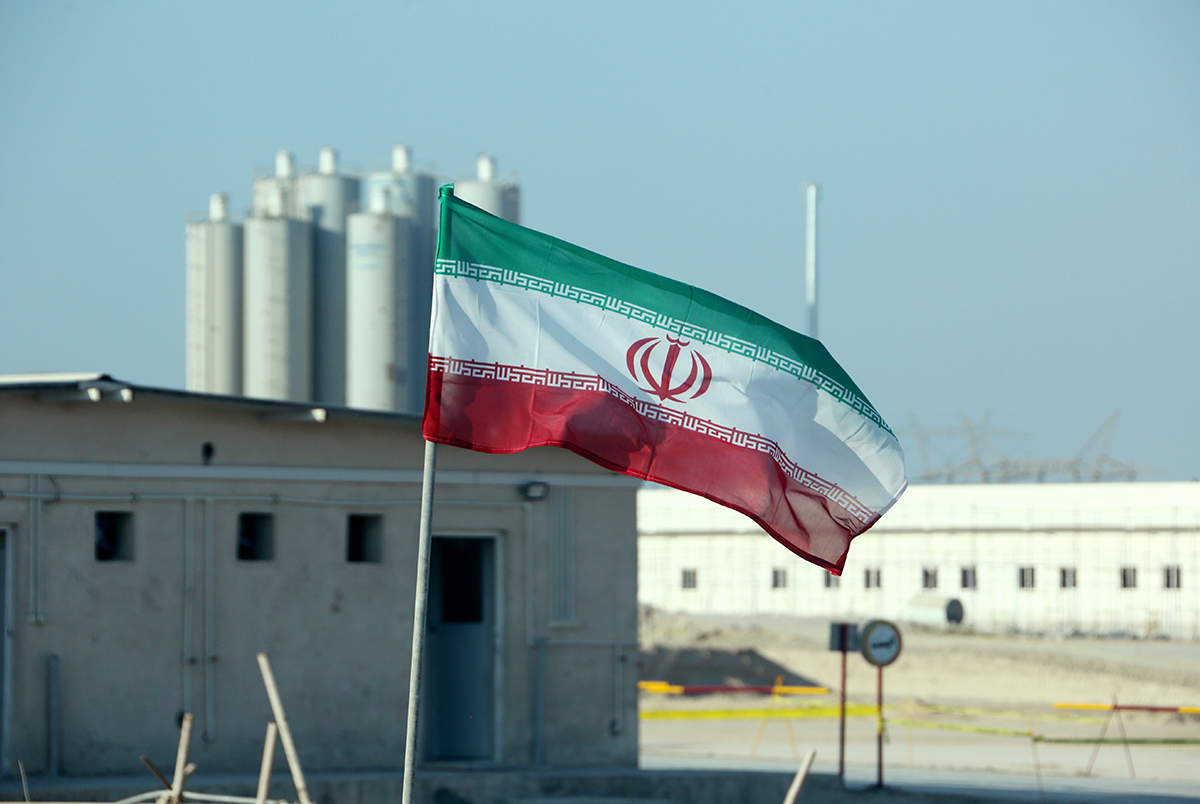
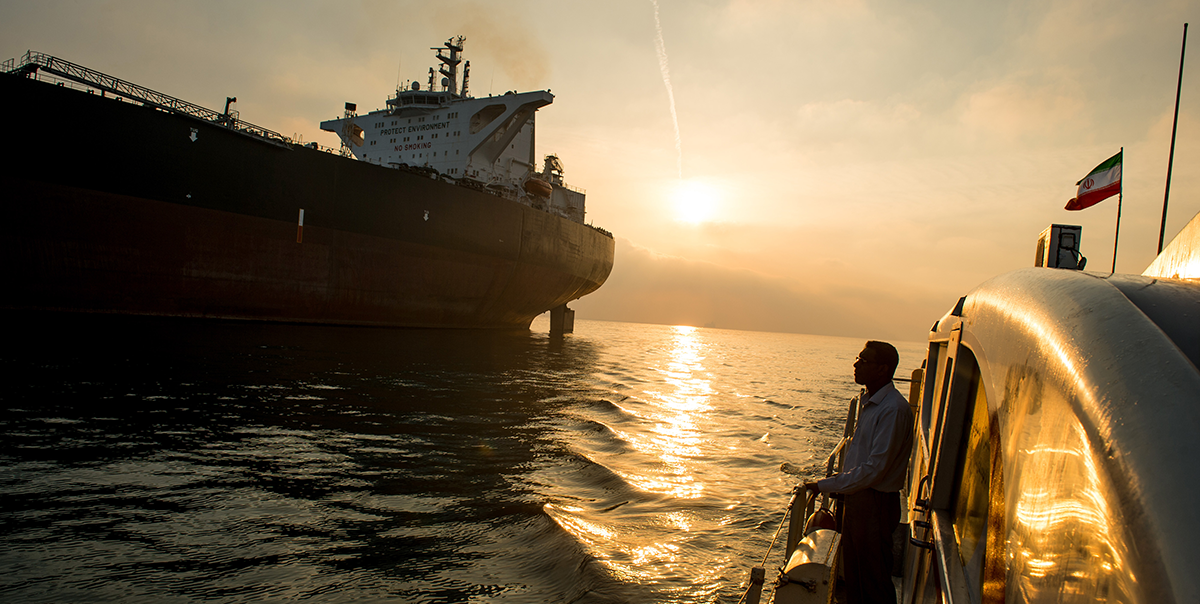
Iran is transforming its Axis of Resistance into a decentralized, Yemen-centered network that leverages the Houthis to threaten both the Strait of Hormuz and the Bab el-Mandeb, extending Tehran’s coercive reach over the world’s key maritime chokepoints and reshaping the post-war balance in the Middle East and Red Sea.
Featured Experts
MEI Art Gallery – August First Friday Open House
Five key takeaways from new poll ahead of Iran’s parliamentary elections
This article breaks down five key takeaways from the February 2024 survey conducted by Stasis Consulting ahead of Iran’s upcoming March 1 parliamentary elections.
Polling suggests Iran’s 2024 parliamentary election will see record low turnout
Findings from the latest survey on Iran from Stasis Consulting: Turnout in the March 1 parliamentary election is expected to be a record low of 34%, the majority of Iranians disapprove of President Raisi’s job performance as well as that of the parliament (65% and 61%, respectively), and in a hypothetical face-off between President Raisi and former FM Zarif, Mr. Raisi wins out 30% to 16%.
Why Gulf Arab states are not intervening in the Red Sea
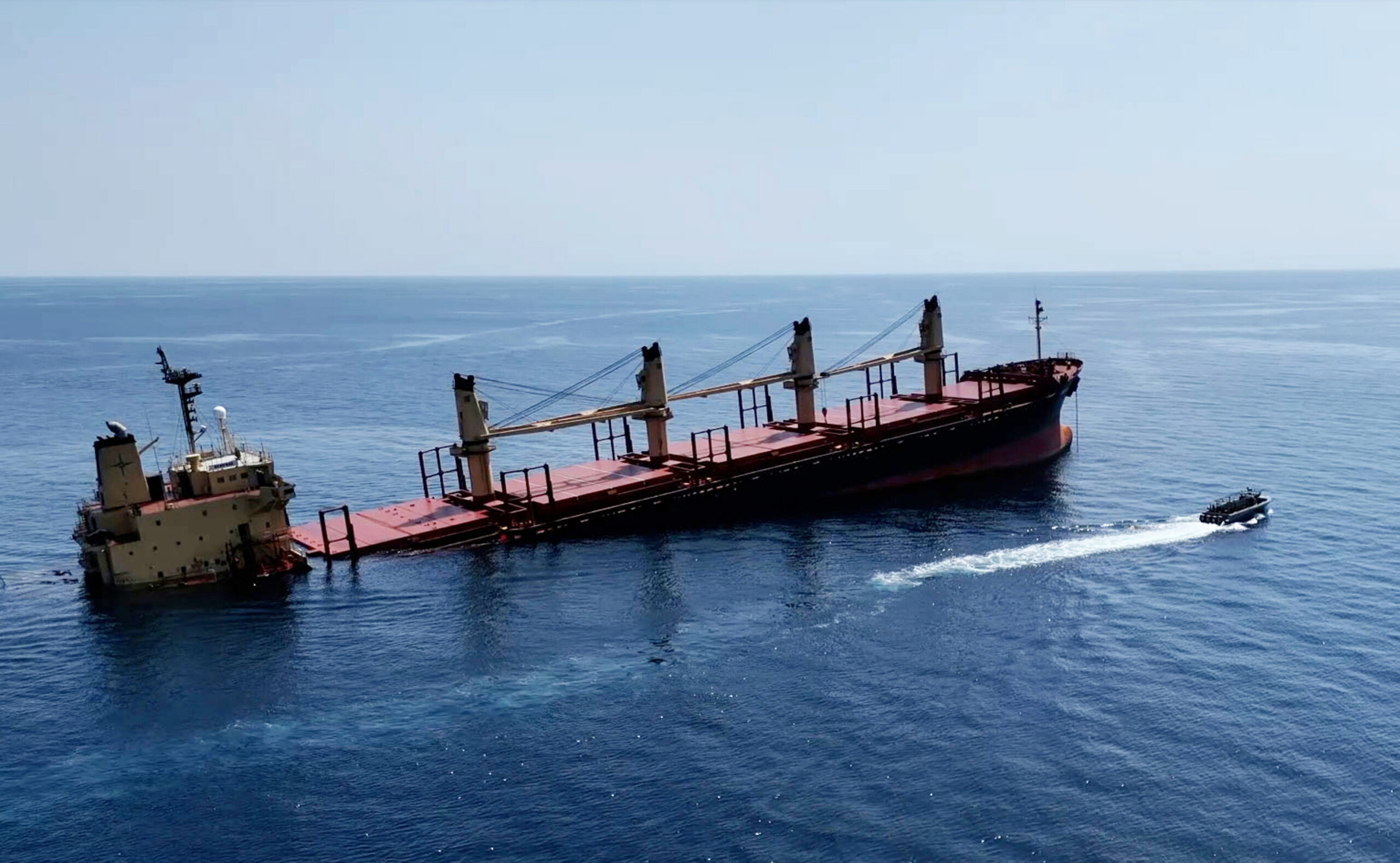
As Yemen’s Ansarullah movement—better known as the Houthis—steps up attacks on commercial vessels in the Red Sea, Gulf Arab states have opted to stay on the sidelines. They have their reasons for not engaging, including security concerns and the fact that their economies have, to a significant extent, remained shielded from the impact of the strikes. More importantly, these countries are bracing for the more serious economic risks they may face in the future.
Are Iran and Turkey on a collision course over West Azerbaijan?
Over the centuries, Iran and Turkey have engaged in an ebbing and flowing, but continual, rivalry for regional influence and supremacy. Yet such potentially escalatory dynamics have not been limited to geopolitical competition by proxy; they have also spilled over into efforts to meddle in each other’s internal affairs.
Special Briefing: Can diplomats pause the fighting in Gaza?
Read MEI’s weekly briefing featuring expert analysis of key regional developments for the week ahead.
Khamenei’s Sham Elections
Elections in the Islamic Republic are highly restricted and engineered to produce the veneer of political representation. And yet, there is significant symbolism around heightened absurdities of holding elections in Iran that the vast opposition to the Islamist rule could have utilized if it had any gameplan.
Maintaining the best thing the US built in Iraq: Continued support to the Iraqi Counterterrorism Service
As the US engages in a dialogue with the Iraqi government over the future of the coalition forces combating the Islamic State, Washington must ensure a continued relationship between the US Special Operations Forces and the Iraqi Counterterrorism Service.
“Exporting its internal problems”: Understanding Iran’s January missile salvos against its neighbors
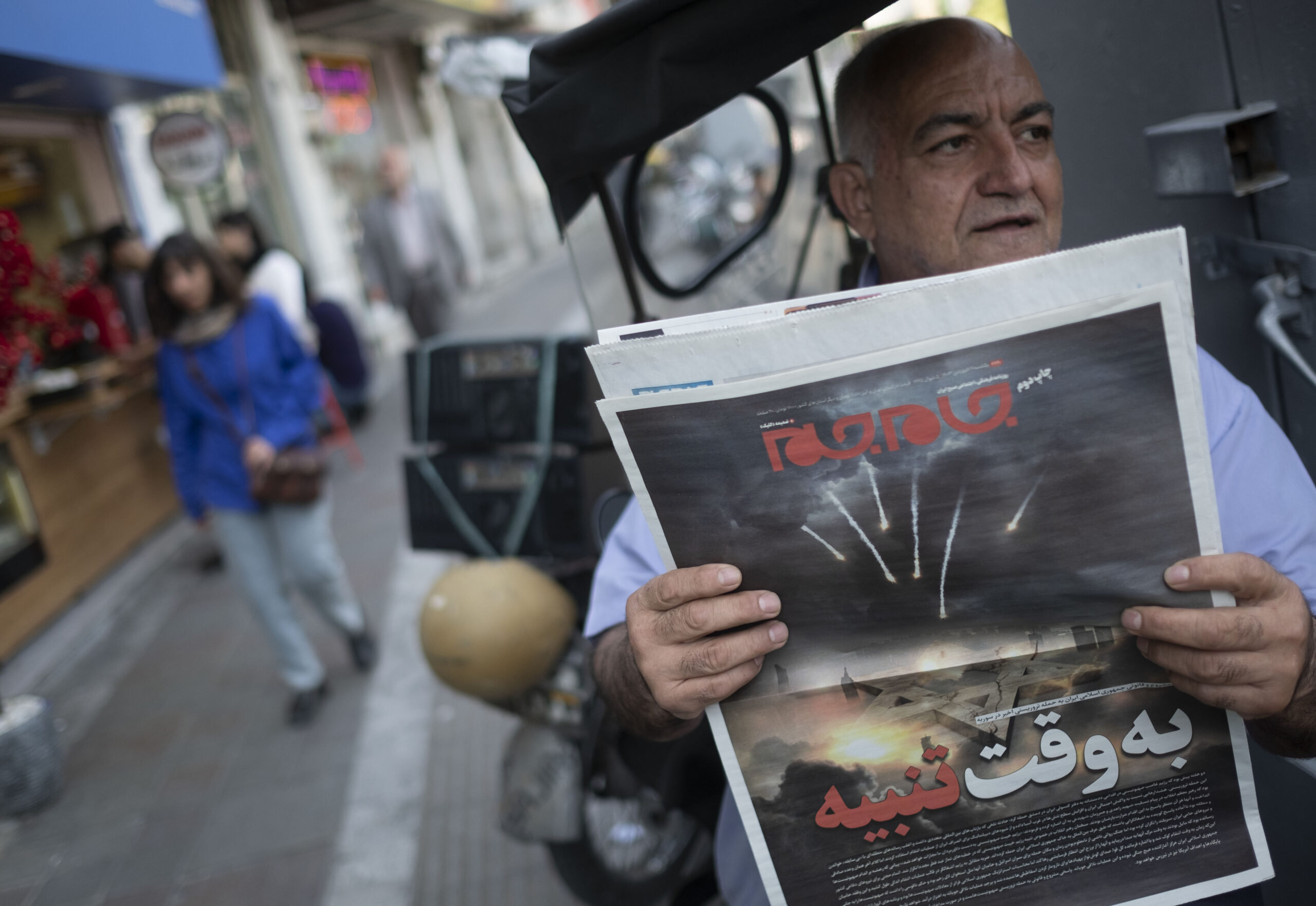
In mid-January, with the war in Gaza continuing to rage on, Iran launched a series of surprise missile attacks on its immediate neighbors Iraq, Syria, and Pakistan over two days. Taken together, these attacks illustrate that the Islamic Republic puts regime survival above national interest in its foreign policy calculations, which undermines its efforts to engender solidarity and good relations with other Muslim-majority states in the region.
Ending the Houthi Threat to Red Sea Shipping
MEI Non-Resident Scholars Nadwa al-Dawsari and Ibrahim Jalal contributed to this multi-author report for the American Enterprise Institute.
Moving to a post-Khamenei era: The role of the IRGC and the clergy
The IRGC and the clerical establishment are Ayatollah Ali Khamenei’s most significant instruments of power. This piece explores the relative influence of these two entities throughout the Khamenei era and beyond, with a particular focus on the potential changes that might occur to their position and standing after the conclusion of his leadership.
Weekly Briefing: How much does the Biden administration truly prioritize a two-state solution?
Expert regional analysis by MEI scholars and contributors.
From Yemen to Palestine: The strategic depth of the Houthi-Iranian alliance
Houthi rhetoric focusing on Palestine underscores the militia’s strategic alliance with Tehran as part of the “Axis of Resistance.” This relationship, central to understanding the Houthi movement’s actions and narratives, frames its position within the larger geopolitical contest in the Middle East.
Iran’s 1979 revolution and its resonance today
On this week’s episode, MEI Iran Program Director Alex Vatanka, MEI Non-resident Scholar Andrew Scott Cooper, and MEI Editor-In-Chief Alistair Taylor discuss the Iranian Revolution of 1979. A seminal event in the history of the modern Middle East, the revolution transformed Iran and its impact continues to reverberate across the region today, nearly five decades on.
Enduring myths of the 1979 Iranian Revolution
Few events in our lifetime are as shrouded in myth and conspiracy as the 1979 Iranian Revolution. Forty-five years later, however, we now have a much clearer picture of the dramatic events that played out on the streets of Tehran before a worldwide television audience.
Monday Briefing: Pakistan’s national election results shake the nation
Read MEI’s weekly briefing featuring expert analysis of key regional developments for the week ahead.
Read the Middle East Journal
The oldest peer-reviewed publication dedicated to the study of the modern Middle East, MEI’s flagship journal covers politics, society, and culture in the region.