The Strategic Cost of Palestinian Powerlessness
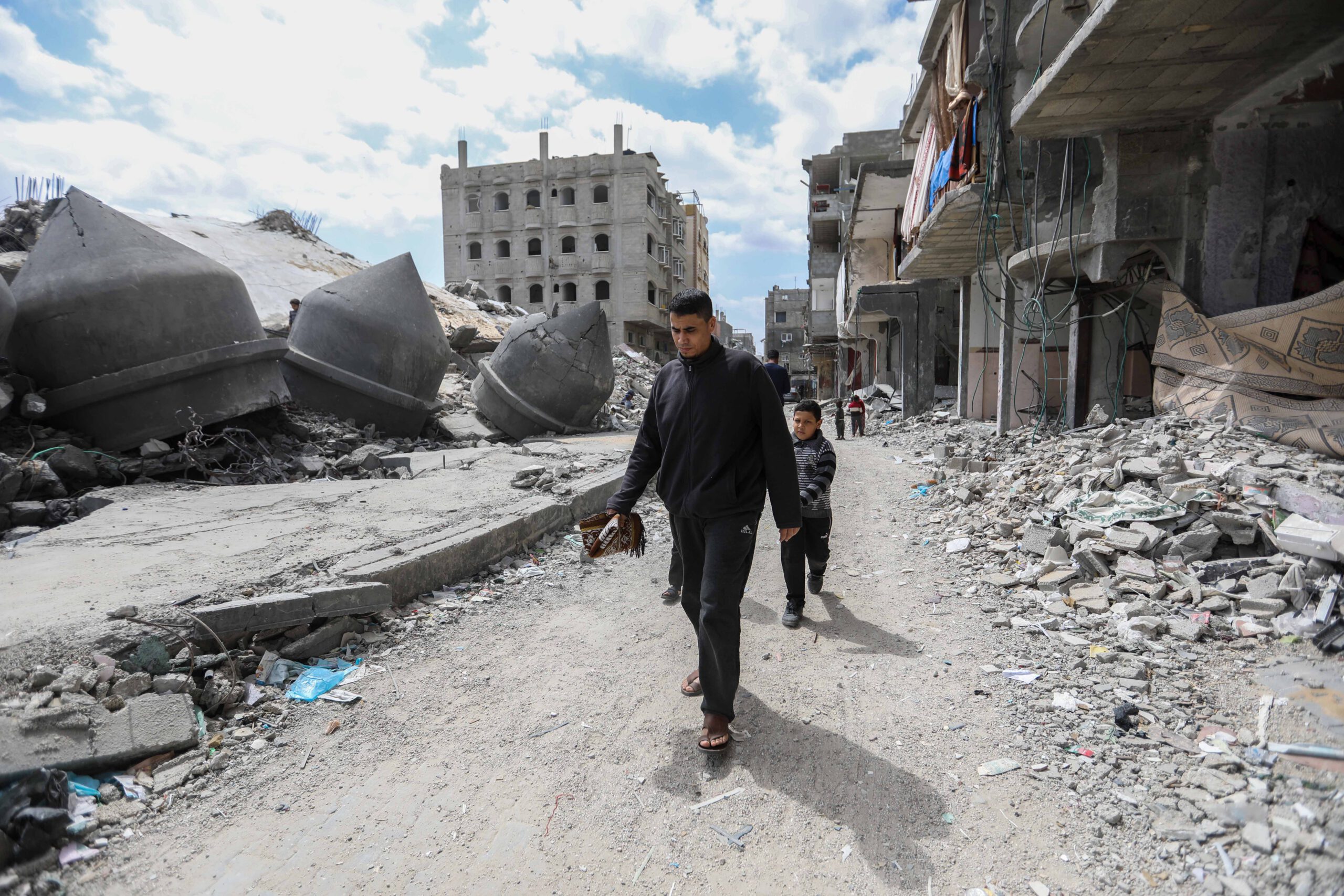
This report considers the lack of Palestinian political agency as a driver of regional insecurity that must be resolved before wider conflicts can be settled. The author analyses the conditions that contributed to the destruction of Palestinian political capacity, including Israeli policies, Palestinian shortcomings, and exploitation by Iran, and makes recommendations for an Arab strategic initiative.
Iran’s New Grand Design: The Next Evolution of the Axis of Resistance
Iran is transforming its Axis of Resistance into a decentralized, Yemen-centered network that leverages the Houthis to threaten both the Strait of Hormuz and the Bab el-Mandeb, extending Tehran’s coercive reach over the world’s key maritime chokepoints and reshaping the post-war balance in the Middle East and Red Sea.
Featured Experts
MEI Art Gallery – August First Friday Open House
US response to Tower 22 attack in Jordan: Less intense, more restrained than anticipated
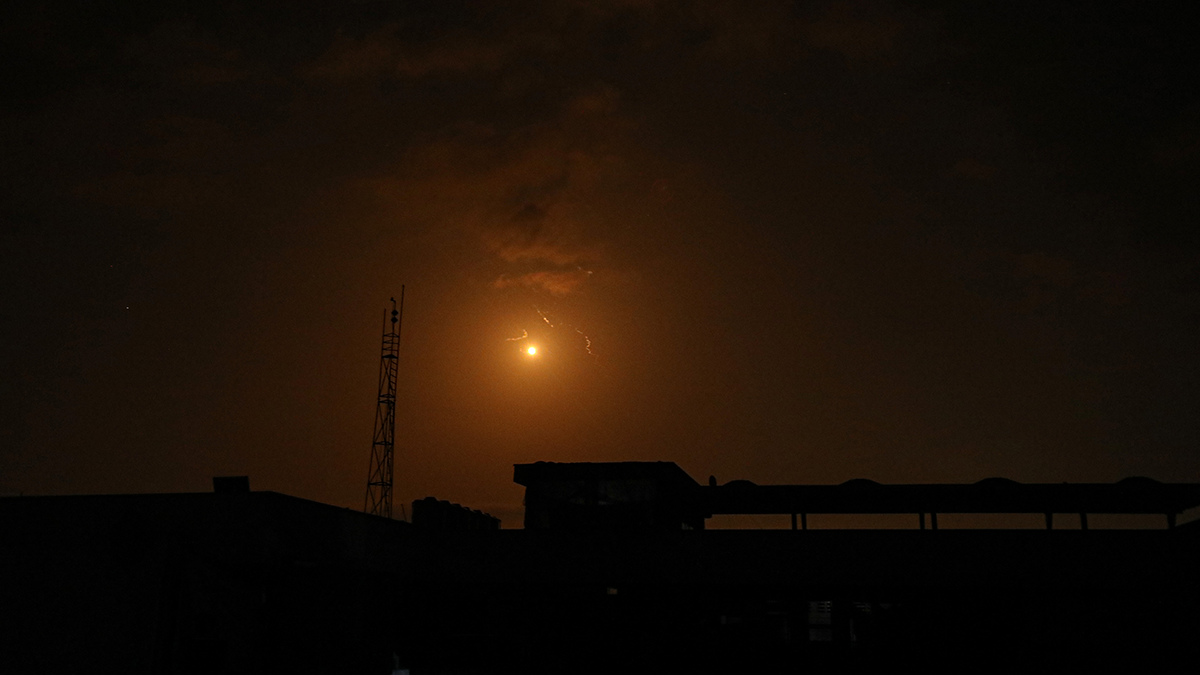
On the evening of Saturday, Feb. 3, local time, US warplanes bombed facilities used by Iranian forces and Iran-backed militias in Syria and Iraq, in retaliation for the death of 3 US service members in a Jan. 28 drone attack on Tower 22, a US military base in northeastern Jordan on the Syrian border. The airstrikes primarily targeted locations in eastern Syria and western Iraq.
The implications of Red Sea instability on the global LNG market
Well over 30 attacks against commercial shipping in the Red Sea have been reported since mid-November 2023, although none have targeted crude oil or liquefied natural gas (LNG) carriers to date. But that is not to say that global energy flows through this critical maritime chokepoint are invulnerable; any harm that came to hydrocarbon carriers traveling into or out of the Red Sea via the Bab el-Mandeb would have far-reaching consequences for international markets.
Conference: The Houthis, Iran, and Red Sea Security – Panel 2: The Iran-Hezbollah-Houthi Network
Conference: The Houthis, Iran, and Red Sea Security – Keynote & Panel 1: The Houthi's Red Sea Strategy
The road to war with Iran is paved with good intentions and serious miscalculations
Forty-five years after Iran’s February 1979 revolution, American officials continue to struggle to understand this nation of almost 90 million. Rather than trying to solve a crisis that threatens to draw the US into direct conflict with Iran, the Biden administration appears more intent to manage it.
Moving to a post-Khamenei era: The role of the Assembly of Experts
On March 1, 2024, the Islamic Republic of Iran will hold elections for the sixth term of the Assembly of Experts. The major responsibility of this 88-member body is to designate the future supreme leader after the current leader’s death or when he becomes incapable of fulfilling the position’s responsibilities. What role might the Assembly play in a future succession process?
Monday Briefing: The US response to Sunday’s attack on American forces: Reactive or strategic?
Read MEI’s weekly briefing featuring expert analysis of key regional developments for the week ahead.
Panel Conversation: Bahraini Artists Across Borders
Partisan press: The dominance of party-backed media in Iraq’s Kurdistan Region
The media landscape in Iraq’s Kurdistan Region is dominated by outlets affiliated with political parties. As a result, media coverage largely promotes the interests of politically motivated patrons, rather than performing a public service mission of providing impartial and high-quality information.
Monday Briefing: Growing dissension in Israel as Netanyahu hopes to keep the war going
Read MEI’s weekly briefing featuring expert analysis of key regional developments for the week ahead.
The ideological underpinnings of the Houthis’ Red Sea attacks
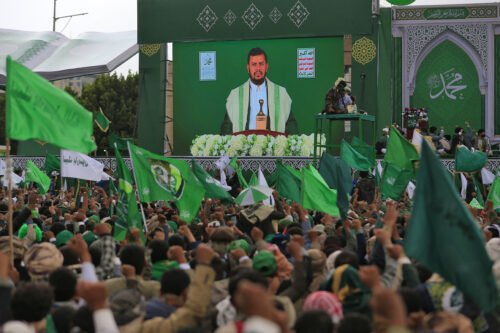
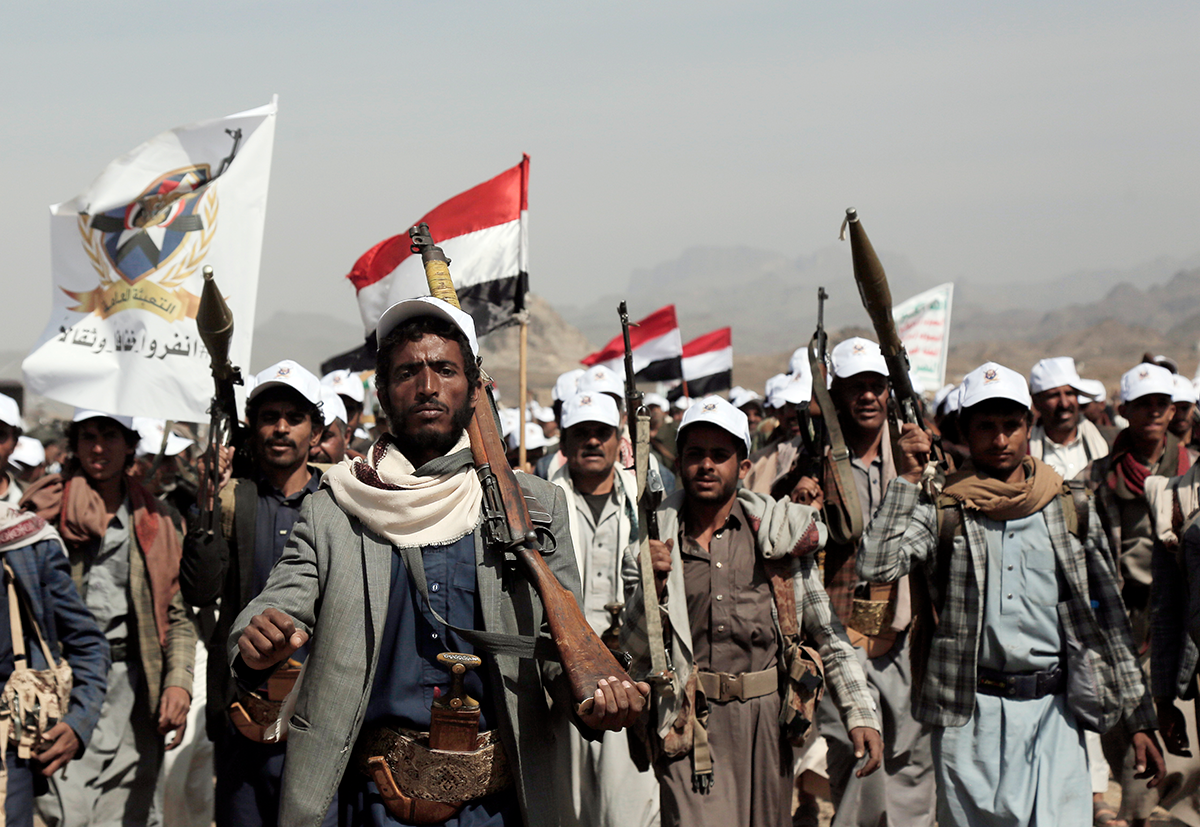
The Houthis’ attacks in the Red Sea are a manifestation of their ideology, rooted in Islamic fundamentalism. Today, aligned with Iran’s “Axis of Resistance,” this ideology aims to expel the US from the Middle East, destroy Israel, and institute a worldwide Islamic Caliphate with Jerusalem at its core. The following analysis delves into the ideological framework that propels the Houthis’ actions in the Red Sea and its broader implications.
What it means when nine nations bomb in the Middle East in two weeks
Nine nations, including terrorist groups that are de facto governments, have attacked other countries in the region over the course of about two weeks. Numerous commentators have drawn the conclusion that a regional war is already underway or soon will be.
Why the United States Had to Strike Yemen
Last Thursday, military forces from the United States and the United Kingdom struck nearly thirty different locations across Western Yemen to degrade Houthi military capabilities and dissuade the rebel group from further attacks on commercial shipping in the Red Sea. It will take a bit more time to assess the actual damage caused to Houthi radars, missiles, drone launch bases, and command and control facilities and even longer to determine a change in behavior by the Houthis.
Read the Middle East Journal
The oldest peer-reviewed publication dedicated to the study of the modern Middle East, MEI’s flagship journal covers politics, society, and culture in the region.